Why Boise Anglers Fish Lucky Peak Reservoir After Work
Let's be real, life in Boise is busy. Between work, family, and all the incredible outdoor pursuits Idaho offers, it can feel impossible to squeeze in a decent fishing trip. You might dream of those remote mountain lakes or epic steelhead runs, but when you only have a couple of hours free after clocking out, what's a local angler to do? Thankfully, Lucky Peak Reservoir stands as a shining beacon of accessibility, offering a fantastic fishing escape just minutes from downtown Boise, making it the ultimate after-work angling destination.
The Allure of Proximity and Convenience
There's something uniquely frustrating about having a passion for fishing but being constantly hampered by travel time. Nobody wants to spend more time driving than casting, especially when you're just trying to decompress after a long day. Lucky Peak totally gets that, and it's why it's such a beloved spot for Boise's busy anglers.
A Stone's Throw from the City
Imagine this: you finish work, grab your rod, and in a mere 15 to 20 minutes, you're looking at sparkling water instead of traffic lights. That's the magic of Lucky Peak. It’s located just east of Boise, right off Highway 21, making it incredibly accessible for anyone living in the Treasure Valley. This isn't some far-flung backcountry adventure you need to plan a week for; it's practically in your backyard.
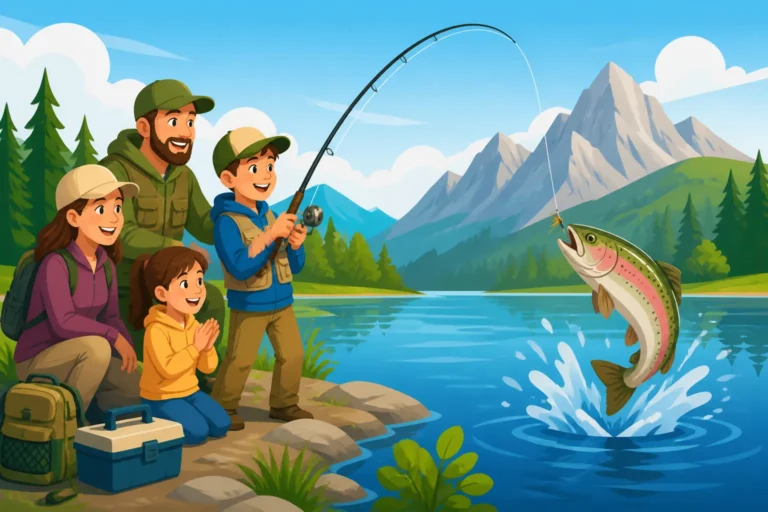
For families with energetic kids or individuals who just want to wet a line without a major commitment, this proximity is a game-changer. You don't have to pack a huge cooler, fuel up for a long drive, or make an overnight trip out of it. It means that a spur-of-the-moment decision to go fishing is actually feasible. You can literally go from emailing clients to casting for bass within the same hour. This ease of access significantly reduces the barrier to entry for regular fishing outings, transforming a once-a-month chore into a quick, refreshing habit. It really allows you to maximize those precious daylight hours after work, especially during the long summer evenings.
Easy Access for All Gear Types
One of the great things about Lucky Peak is its welcoming nature to almost any kind of fishing setup. You don't need a massive, expensive bass boat to have a successful outing here, though you'll certainly see plenty of them. The reservoir offers multiple boat ramps, including the popular Spring Shores Marina and Macks Creek Park, providing ample space to launch everything from large fishing boats to smaller jon boats, kayaks, and even stand-up paddleboards modified for fishing.
If you're a shore angler, there are plenty of spots around the reservoir to cast from. Areas near the dams and along the various coves provide excellent bank access without needing to trek through dense brush. Many after-work anglers just pull up to an accessible spot, grab a folding chair, and enjoy the peace and quiet. Plus, the parking is generally plentiful and well-maintained, so you're not wasting valuable fishing time hunting for a spot. This versatility means whether you're a seasoned pro with a fully loaded fishing rig or a beginner with a simple spin-casting rod and a tackle box, Lucky Peak has you covered. And don't forget about float tubes or pontoon boats; these can be incredibly effective for exploring quieter coves and covering water that's just out of reach from shore. For those looking to really learn the ropes, sometimes consulting with local guides, perhaps found through platforms like FishingBooker, can help pinpoint the best access points and techniques for your specific gear.
Diverse Fishing Opportunities on Your Doorstep
When you only have a limited window of time, you want a place that offers a good chance of success, and Lucky Peak truly delivers. It's not a one-trick pony; this reservoir boasts a healthy population of several desirable game fish, catering to different angling preferences and skill levels.
Target Species and Seasonal Bites
Lucky Peak is primarily known for its thriving populations of rainbow trout, smallmouth bass, yellow perch, and kokanee salmon. Each species offers a unique challenge and can be targeted with different techniques, ensuring there's always something to keep things interesting.
- Rainbow Trout: These are often the easiest to catch, especially for beginners. Idaho Fish and Game regularly stocks rainbow trout in Lucky Peak, making them a consistent target throughout the spring, summer, and fall. Early mornings and late evenings, right after work, are prime times for trout, especially as they feed closer to the surface. You can find them lurking in cooler waters, often near the dam or in deeper sections as summer progresses. You'll want to review the current Idaho Trout Limits by Water to make sure you're compliant.
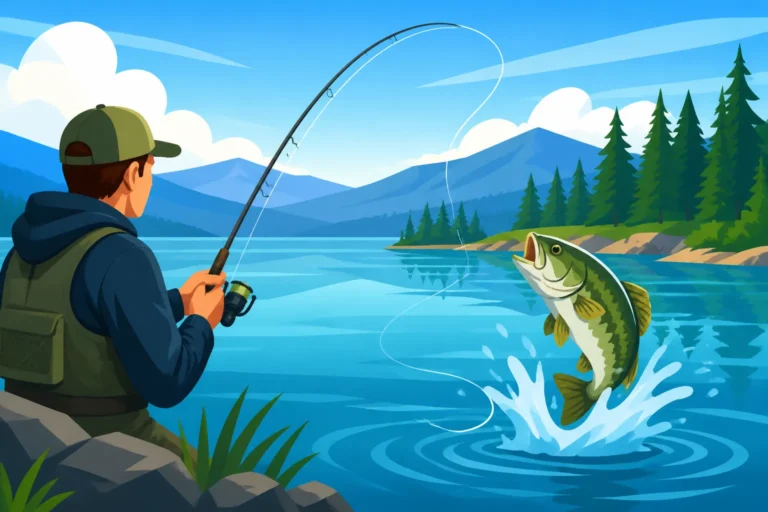
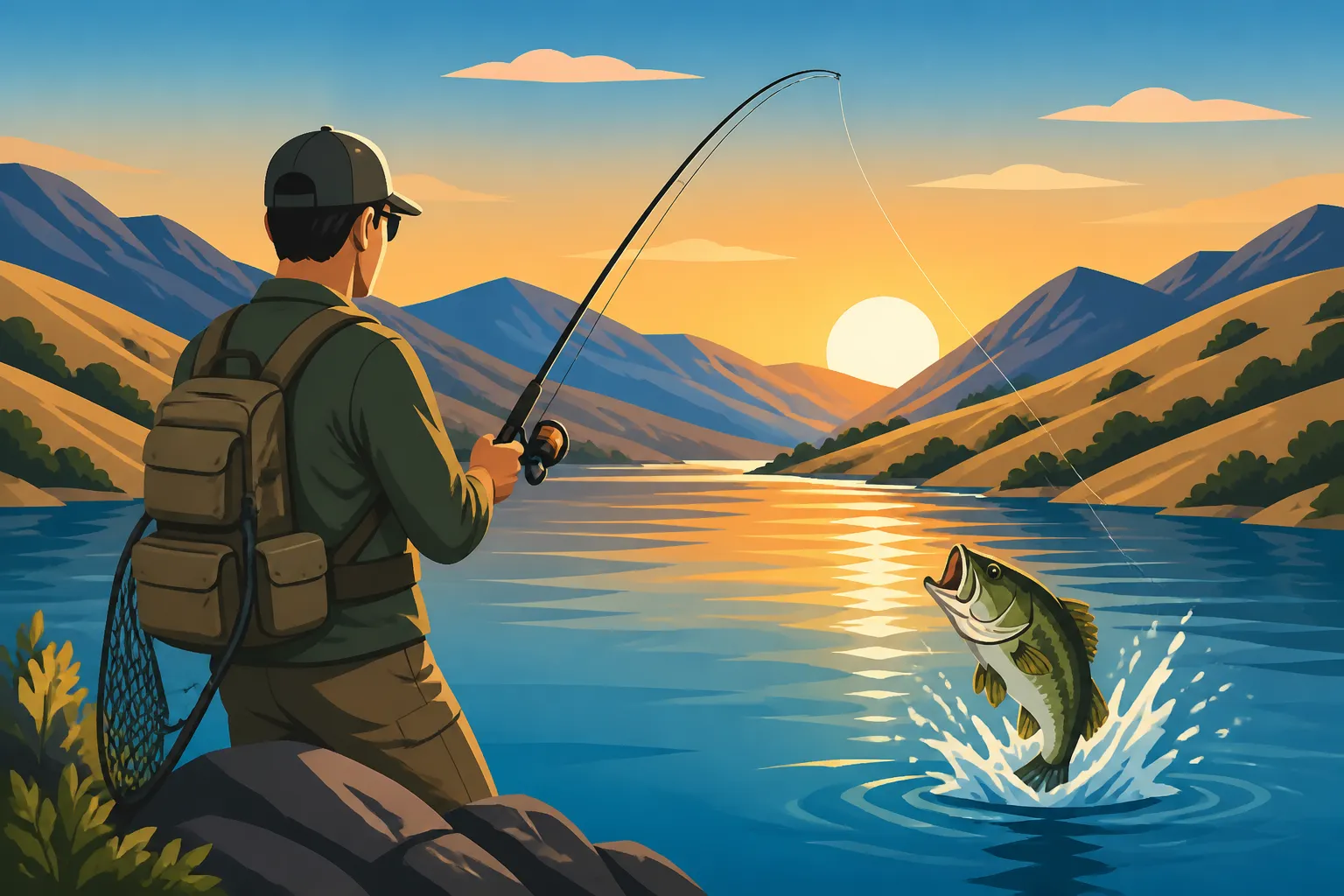
- Smallmouth Bass: For those who love a feisty fight, smallmouth bass are abundant in Lucky Peak. They prefer rocky structures, points, and submerged timber. Spring and early summer are fantastic for bass fishing as they move into shallower waters for spawning, making them very accessible to bank anglers or those in smaller boats. As summer peaks, they'll retreat to deeper, cooler waters, often suspending over structure.
- Yellow Perch: If you're looking for a delicious meal, yellow perch are a fantastic option. They tend to school up, so once you find them, you can often catch quite a few. Perch fishing is popular year-round, including during the winter ice fishing season (when conditions allow). They're often found in coves and near weed lines.
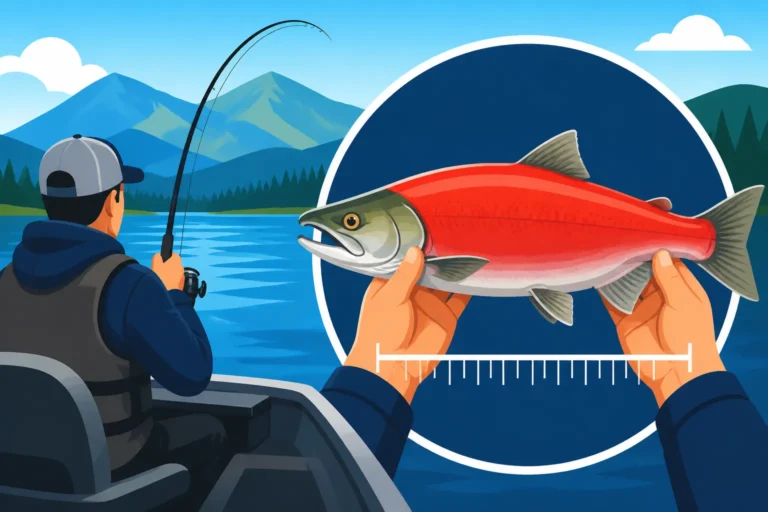
- Kokanee Salmon: These landlocked sockeye salmon are a real treat for trollers. Kokanee are schooling fish that cruise open water, primarily feeding on zooplankton. They are a bit more challenging to target for an "after-work" trip unless you have a quick trolling setup, but their firm, orange meat is highly prized. Early mornings and late evenings are key, and specialized gear like downriggers can make a big difference. Checking the Idaho Kokanee Bag Limits before you head out is always a good idea.
| Species | Best Season | Common Location | Preferred Depth | Primary Bait/Lure |
|---|---|---|---|---|
| Rainbow Trout | Spring, Summer, Fall | Near structure, dam, open water | Surface to 25 ft | PowerBait, worms, spoons, spinners |
| Smallmouth Bass | Spring, Summer | Rocky points, submerged timber, drop-offs | 5 to 30 ft | Jigs, crankbaits, plastic worms |
| Yellow Perch | Year-round | Weed lines, coves, submerged brush | 10 to 40 ft | Small jigs, worms, cut bait |
| Kokanee Salmon | Summer, Fall | Open water, near channels, thermocline | 20 to 60 ft (summer) | Trolling with dodgers & hoochies |
Techniques That Work at Lucky Peak
The variety of fish species means you can employ a range of techniques, keeping your after-work trips dynamic and engaging. You don't have to stick to just one method; part of the fun is adapting to what the fish are doing.
- Spin Fishing: This is probably the most common and versatile method at Lucky Peak. For trout, casting PowerBait from shore or trolling small spoons and spinners from a boat are highly effective. For bass, jigs, crankbaits, and soft plastics fished near structure can yield great results. A basic spin-casting setup is all most anglers need for a successful outing, especially when they're limited on time. Learning Best Bait and Lures for Idaho Fishing can definitely up your game here.
- Jigging: Particularly effective for perch and sometimes bass, jigging involves dropping a small lure or baited hook vertically through the water column, often near structure or schools of fish. This is a great technique for quickly figuring out what depth fish are holding at, making it ideal for those short after-work windows. You can learn more about How to Jig for Perch in Idaho if you're interested in filling a cooler.
- Trolling: While it requires a boat, trolling is king for kokanee and also very effective for rainbow trout. This involves slowly moving through the water with lures or baited rigs trailing behind the boat at specific depths. For kokanee, this typically means using downriggers, dodgers, and small hoochies or wedding rings. If you're serious about targeting kokanee, understanding How to Fish for Kokanee in Idaho is essential.
- Bait Fishing: Often the simplest and most relaxing method, bait fishing with worms, corn, or PowerBait is incredibly productive for trout and perch, especially from shore or anchored boats. It requires minimal active effort, allowing you to unwind and enjoy the scenery while waiting for a bite.
- Fly Fishing: While not as common for the quick after-work trip, fly anglers can certainly find opportunities, especially for trout in the quieter coves or during specific hatches. It might require a bit more dedication than just tossing a spoon, but the challenge is often its own reward. The general Idaho Fishing Techniques Guide can give you a broader overview of methods suitable for the reservoir.
Making the Most of Limited Time
Let's face it, the biggest challenge for the after-work angler is that pesky clock. You want to make every minute count. Lucky Peak, by its very nature, helps you do that, but a few strategic choices can really elevate your success.
After-Work Tactics for Quick Success
When your fishing window is tight, efficiency is key. You don't have time to explore every cove or try every lure in your box. The trick is to be focused and prepared.
- Know Your Spot: Instead of randomly driving around, have a few go-to spots in mind. These might be a particular rocky point for bass, a calm cove for trout, or a known drop-off for perch. Knowing where you're headed reduces setup time and puts you on fish faster. Local knowledge is gold here; chat with other anglers at the boat ramp or local tackle shops.
- Pre-Rigged Gear: Don't waste precious minutes tying knots and setting up your rod once you arrive. Have a rod or two pre-rigged with your most reliable Lucky Peak setups. If you're targeting trout, have a PowerBait rig ready. If it's bass, have a jig or soft plastic already tied on. This immediate readiness gets your line in the water sooner.
- Focus on High-Percentage Times: While any time fishing is better than no time, remember that fish activity often peaks during certain periods. For an after-work trip, the late afternoon and early evening bite can be phenomenal as the sun starts to drop and water temperatures become more comfortable for fish. This "golden hour" often brings fish closer to the surface to feed, especially trout and bass.
- Stay Mobile (or not): Depending on your target, decide if you'll be mobile or stationary. If you're in a kayak or small boat, slowly working a shoreline or a series of points can be highly effective for bass. If you're after trout from shore, finding a comfortable spot and casting out multiple lines with bait might be a more relaxing and efficient use of your time. This flexibility helps you adapt to conditions and fish behavior without overthinking it. You might even consider booking a short trip with a local guide, perhaps found on a site like FishingBooker, to quickly learn productive areas and techniques for limited timeframes.
Planning Your Post-Work Adventure
Successful impromptu trips still benefit from a bit of planning. It’s about being prepared without making it feel like a full-blown expedition.
- Check Conditions: A quick check of the weather forecast, wind conditions, and current water levels can save you a lot of grief. A strong headwind can make casting from shore miserable, and fluctuating water levels can impact fish behavior. Websites like the Idaho Fish and Game’s weekly fishing reports are invaluable resources.
- Essential Gear Only: Resist the urge to bring your entire tackle box. For an after-work trip, select a few go-to lures, a small container of bait, a net, pliers, and a small cooler if you plan to keep fish. Streamlining your gear means less to carry and less to clean up later.
- Fuel Up and Hydrate: Even a short trip can be draining after a workday. Bring a water bottle and a snack. Staying comfortable and energized helps you enjoy the experience more fully.
- License and Regulations: Always, always, always ensure your Idaho Fishing License Guide is up-to-date and you're familiar with the current Idaho Fishing Regulations Explained. Ignorance is no excuse, and wardens do patrol Lucky Peak. A quick glance at the proclamation before you head out takes minutes but saves you potential headaches and fines. Remember, you can often handle an Idaho Fishing License Online Purchase in just a few minutes if yours has expired.
Beyond the Fish: The Full Lucky Peak Experience
While catching fish is undoubtedly a huge part of the appeal, Lucky Peak offers more than just angling opportunities, especially for those looking to unwind after a stressful day. The overall experience contributes significantly to why so many Boise anglers make it their regular haunt.
Scenery and Serenity So Close to Home
You might think that being so close to a city would mean sacrificing natural beauty, but Lucky Peak Reservoir manages to offer a surprisingly tranquil and scenic environment. The reservoir is nestled among rolling hills, with the Boise Mountains providing a stunning backdrop, especially as the sun begins to set. The reflections on the water are often breathtaking, transforming a simple fishing trip into a truly restorative experience.
Just being out on the water, or sitting on the bank with the gentle lapping of waves, can do wonders for mental clarity. It's a chance to disconnect from emails, meetings, and deadlines, and reconnect with something much more elemental. You'll hear the calls of various bird species, watch osprey dive for fish, and occasionally spot deer along the shoreline. This sense of peace, so readily available just a short drive from the urban hustle and bustle, is a powerful draw. It's not just about catching fish; it's about catching a break, a moment of calm, and a dose of nature's therapy. For those seeking more extended wilderness experiences, other locations might be better suited, and perhaps guides on platforms like FishingBooker could arrange a multi-day backcountry trip, but for a quick dose of nature, Lucky Peak hits the mark perfectly.
Amenities and Nearby Resources
The developed nature of Lucky Peak Reservoir means that you're not completely roughing it, which is another huge plus for after-work trips. You're not going to be miles from civilization with no support.
- Restroom Facilities: Public restrooms are available at key access points like Spring Shores and Macks Creek Park, making it more comfortable for longer stays or family outings.
- Picnic Areas: Many areas around the reservoir offer picnic tables and grassy spots, perfect for enjoying a packed dinner after your fishing session, watching the stars come out.
- Nearby Stores: Forgot your favorite lure? Ran out of bait? Need an emergency snack? Because Lucky Peak is so close to Boise, you're only a short drive from gas stations, convenience stores, and even sporting goods stores like Cabela's or Sportsman's Warehouse for those forgotten essentials. This eliminates the anxiety of being stranded without supplies, allowing you to focus purely on the fishing.
- Camping Options: If an after-work trip turns into an unplanned overnight stay, there are basic camping facilities at several locations around the reservoir, offering a quick option for extending your escape. This makes it a great option among the Best Fishing Spots Near Boise that truly offers a blend of convenience and outdoor adventure.
In conclusion, Lucky Peak Reservoir isn't just another body of water; it's a vital escape valve for the everyday stresses of life in Boise. Its unparalleled proximity, diverse fishing opportunities, and user-friendly access make it the undisputed champion for after-work anglers. So, next time you're staring at your computer screen, dreaming of a tight line, remember that your fishing paradise is only a short drive away.
Disclaimer
The information provided in this guide is for general informational purposes only. Fishing conditions, regulations, and access points can change frequently. Always consult the latest Idaho Fish and Game regulations and local conditions before planning any fishing trip. Adherence to all local, state, and federal laws is the sole responsibility of the angler.