Fishing the Salmon River for Steelhead and Chinook
The Salmon River, often called "The River of No Return," presents one of Idaho's most iconic and challenging fishing experiences. If you're an angler dreaming of battling chrome-bright Steelhead or the sheer power of an Idaho Chinook Salmon, navigating this vast, untamed waterway can feel overwhelming. This guide is designed to cut through the confusion, offering a deep dive into successfully fishing the Salmon River for these magnificent anadromous species.
Understanding the Salmon River's Unique Character
The Salmon River is an absolute beast of a waterway, carving its way through central Idaho for hundreds of miles, from its headwaters in the Sawtooth and White Cloud Mountains all the way to its confluence with the Snake River. Its diverse character, ranging from high-mountain freestone stretches to powerful, lower-river flows, means that knowing where and when to fish is just as important as how.
The River's Geography and Distinct Sections
Imagine a river so vast that it contains multiple distinct personalities. The Salmon River truly embodies this. Anglers often break it down into several key sections, each offering different access, scenery, and fishing opportunities.
The Upper Salmon River, often flowing through areas like Stanley and Salmon, Idaho, is generally shallower and more wadeable, characterized by classic riffles, runs, and deep pools. This stretch is a fly angler's paradise, especially during certain Steelhead seasons, but it can also be productive for gear fishermen. As you move downstream, the river gradually widens and deepens, becoming more powerful. The Main Salmon and Lower Salmon River sections, especially below Riggins and towards the confluence with the Snake, are formidable. Here, the river is often best fished from a drift boat or jet boat, navigating swift currents, massive rapids, and deep, dark holes where larger fish often hold. The sheer scale and ruggedness of these lower sections are both exhilarating and daunting, demanding respect and often the expertise of experienced guides. Understanding these regional differences is crucial, as techniques and even target species focus can shift dramatically from one section to the next.
Prime Fishing Stretches for Anadromous Fish
While the entire Salmon River holds anadromous fish at different times, certain stretches are legendary for their concentration of Steelhead and Chinook. For Steelhead, the lower river, particularly from the confluence up to Riggins and then further upstream towards French Creek and White Bird, sees the earliest and often most robust runs. As the fish migrate, hot spots move upstream. The stretch around Cottonwood and Grangeville also offers excellent opportunities. Later in the season, even the Upper Salmon near Challis and Salmon can be fantastic, especially for "B-run" Steelhead.
For Chinook Salmon, the prime fishing window is much shorter and more geographically constrained, typically focusing on specific sections of the mainstem Salmon, as well as tributaries like the South Fork of the Salmon River (when open) and parts of the Middle Fork. Historically, areas around Riggins and upstream have been key. However, Chinook fishing on the Salmon is highly regulated and often depends on specific run forecasts, so always consult the latest Idaho Fishing Season Dates and Limits and special regulations before planning a trip. Conditions can change year-to-year, and what was a hotspot last season might be closed or have different limits this year.
Targeting Steelhead on the Salmon River
Steelhead fishing on the Salmon River is almost a religion for many Idaho anglers. These ocean-going rainbow trout return to their natal rivers to spawn, offering an incredible fight and a true sense of wilderness adventure. Their pursuit requires dedication, knowledge, and sometimes, a little bit of luck.
Seasonal Steelhead Runs and Their Characteristics
The Salmon River experiences two primary Steelhead runs: the A-run and the B-run.
The A-run Steelhead are typically smaller, averaging 4-8 pounds, though some can reach double digits. They start entering the lower Salmon River in late summer and early fall, often peaking in October and November. These fish tend to migrate further upstream, eventually reaching destinations like the Clearwater, Lochsa, and Selway Rivers, as well as the Upper Salmon River. They provide fantastic fall and early winter fishing.
B-run Steelhead are the true giants, often exceeding 10-15 pounds, with some absolute monsters pushing well over 20 pounds. These fish generally enter the river later, from late fall through winter, and can offer incredible fishing opportunities from January through April. The B-run fish tend to concentrate in the lower and middle sections of the Salmon River before moving into major tributaries like the Clearwater River. They are renowned for their incredible strength and acrobatic fights. Understanding which run is prevalent and where they are in their migration journey is key to successful Steelhead fishing. Our comprehensive Idaho Steelhead Fishing Guide provides a deeper dive into these seasonal patterns.
Effective Steelhead Techniques and Baits
Steelhead fishing on the Salmon River isn't a one-size-fits-all affair. Anglers employ a variety of techniques, often adapted to specific river conditions and angler preferences.
Drift Fishing is a cornerstone technique, especially from a boat. Anglers use a three-way swivel or a sliding sinker setup to present bait or lures (such as cured roe, shrimp, or small Spin-N-Glos) near the bottom, allowing them to tumble naturally with the current. This method is incredibly effective for covering water and putting your offering directly in front of staging Steelhead. When drift fishing from the bank, a similar principle applies, focusing on current seams and deeper pockets.
Bobber Dogging has gained immense popularity in recent years, particularly for boat anglers. This technique uses a heavy float (the "dog") to suspend bait or lures (like jigs, beads, or small plugs) off the bottom, allowing them to drift downstream without hanging up as easily. It's especially effective in shallower, bouldery runs where traditional drift fishing might snag frequently.
Plug Fishing, particularly back-trolling plugs from a boat, is another powerful method, especially for larger, aggressive Steelhead. Plugs like the Mag Lip, Kwikfish, or FlatFish are designed to dive and wiggle enticingly in the current, provoking a strike. This method allows anglers to cover water efficiently and often triggers violent takes.
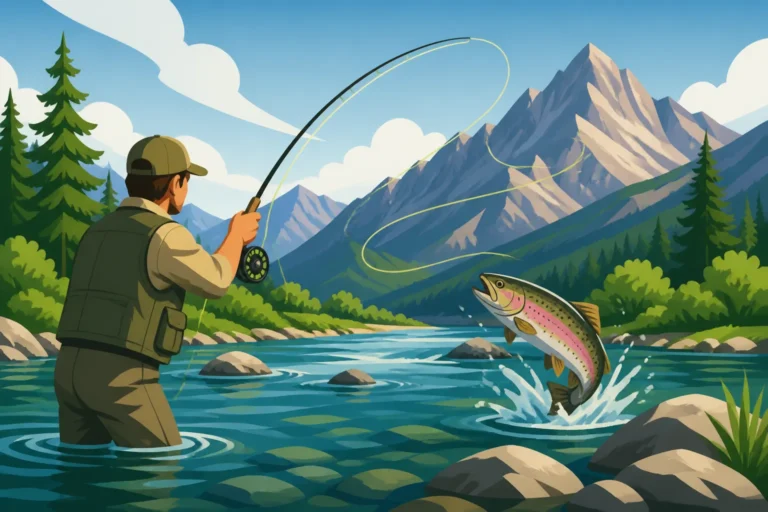
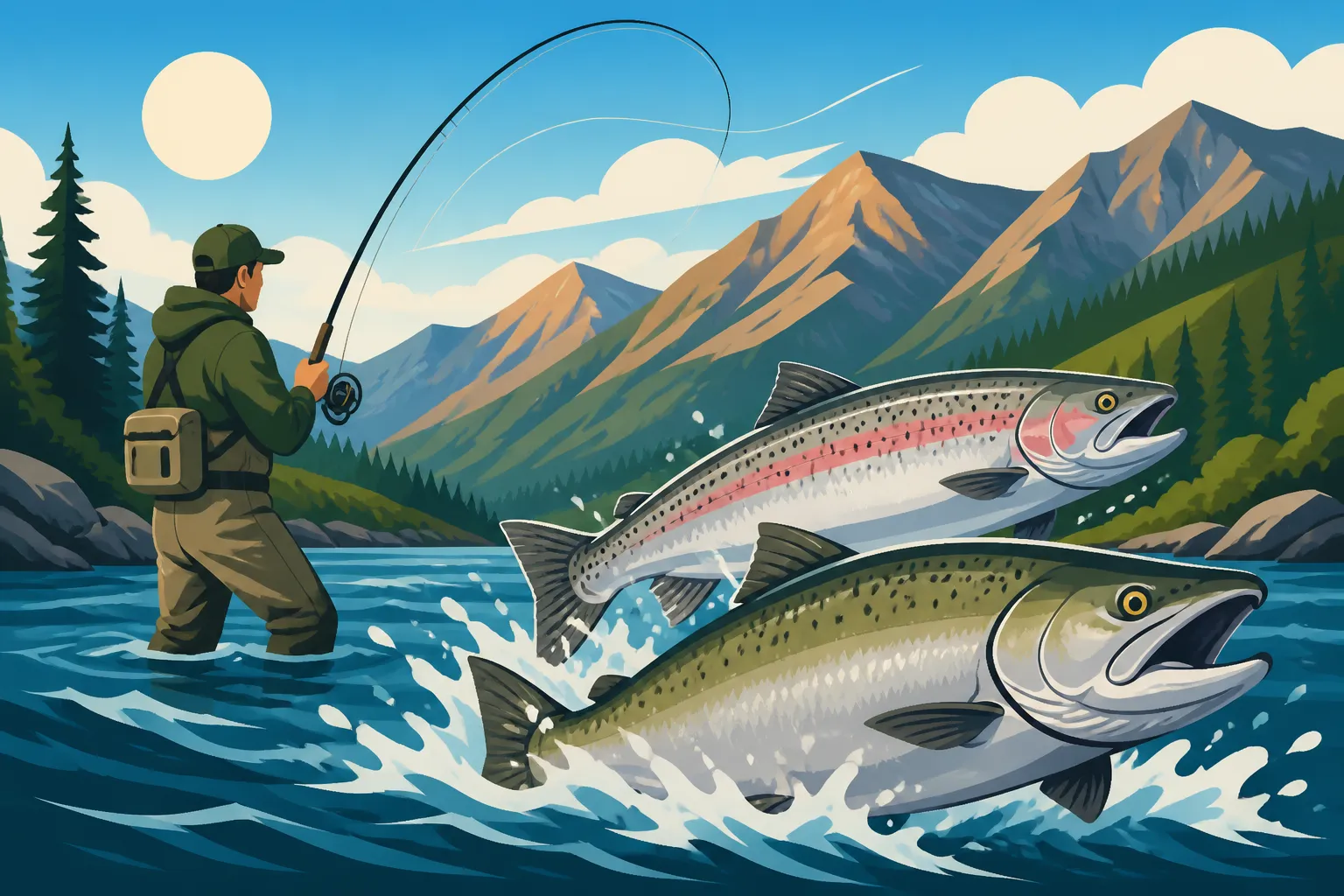
Fly Fishing for Steelhead on the Salmon River is a challenging but incredibly rewarding pursuit. Spey casting with two-handed rods is popular for covering large amounts of water and swinging flies (intruder patterns, leeches, traditional Steelhead flies) through likely holding water. Single-hand fly rods can also be effective in more wadeable sections, using nymphing techniques or indicator fishing with heavy Stonefly or Caddis patterns. Regardless of the method, consistent presentation and being able to "read the water" – identifying prime Steelhead lies like current seams, gravel bars, and deep pools – are critical skills. For those just getting started, learning How to Fish for Steelhead in Idaho can be a game-changer.
Pursuing Chinook Salmon on the Salmon River
Chinook Salmon, also known as "Kings," are legendary for their immense size and brutal strength. Fishing for them on the Salmon River is a highly anticipated, albeit often fleeting, opportunity that requires precision, powerful gear, and a deep understanding of regulations.
Chinook Salmon Seasons and Expectations
Unlike Steelhead, which offer extended seasons through fall, winter, and spring, the Chinook Salmon season on the Salmon River is notoriously short and unpredictable. It typically opens in late spring or early summer, generally running from mid-June through July, but specific dates and even whether a season opens at all are entirely dependent on the forecasted run size and Idaho Department of Fish and Game management decisions. These seasons are often very brief, sometimes lasting only a few weeks, and can close suddenly if catch quotas are met.
Anglers need to pay very close attention to the weekly fishing reports and emergency rule changes issued by Idaho Fish and Game. The anticipation for these seasons builds intensely, and when they open, anglers flock to the river. Success can be feast or famine, but when you connect with a powerful Chinook, it's an experience you won't soon forget. Keep an eye on our Idaho Fishing Season Dates and Limits for the most current information.
Tactics for Trophy Chinook
Catching a Salmon River Chinook Salmon is often a battle of brute force and endurance. These fish are large, ranging from 15 to over 30 pounds, and possess incredible power.
Trolling and Back-Trolling are the most common and effective methods for Chinook. From a boat, anglers back-troll large plugs (like Kwikfish, FlatFish, or Super Baits) or substantial cured roe presentations. The idea is to get your offering down to the fish's depth, often using heavy weights or downriggers, and present it slowly and enticingly in their migration path. The Salmon River's powerful currents make back-trolling a favored technique, allowing plugs to work their magic against the flow.
Plunking from shore or anchored boats is another popular method, particularly in specific deep holes or braids where Chinook are known to rest. This involves casting a heavy lead sinker and a bait-wrapped plug or large spinner (like a Brad's Killer Fishing Gear Super Bait or a Spin-N-Glo with roe) out into the main current and letting it sit on the bottom. The current activates the lure, and the scent of the bait attracts the fish. This is often a waiting game, but when a Chinook hits a plunking rod, it's unmistakable!
For both methods, heavy tackle is paramount: stout rods (rated for 15-40 lb line), reels with strong drags and ample line capacity (20-30 lb monofilament or braid), and robust leaders are essential. These fish will test your gear to its limits. Successful Chinook fishing also involves understanding their holding patterns in relation to river structure – deep channels, current breaks, and log jams are all potential ambush points. While it can be done independently, many anglers opt for a guided trip, especially for their first Chinook experience, as local guides have intimate knowledge of the current hotspots and tactics. If you're looking for an expert, services like FishingBooker can connect you with experienced Idaho Salmon River Fishing Charters who specialize in Chinook.
Essential Gear and Techniques for Salmon River Fishing
The rugged nature of the Salmon River and the sheer power of its anadromous fish demand robust gear and a versatile approach. Being prepared with the right equipment and understanding how to apply various techniques will significantly increase your chances of success.
Rods, Reels, and Line for Salmon River Species
For Steelhead, a versatile medium-heavy power rod, typically 8'6" to 10'6" in length, with a fast action, is a solid choice. These rods provide the backbone needed to fight strong fish while offering enough sensitivity for subtle bites. Popular choices include specific Steelhead rods from brands like Lamiglas or Shimano. Pair this with a high-quality spinning reel or a baitcasting reel with a smooth, reliable drag system. Many prefer larger spinning reels (3000-4000 size) for ease of casting and fighting. Line selection usually involves 10-15 lb main line (monofilament or braided line with a fluorocarbon leader) for drift fishing and bobber dogging. For fly anglers, a 7-8 weight single-hand rod or a 6-8 weight Spey rod (12-14 ft) is ideal.
When targeting Chinook Salmon, you need to step up your game considerably. Think heavy-power, fast-action rods, often 9 to 10.5 feet long, capable of handling 15-40 lb test line and throwing heavy weights. These rods are designed to absorb powerful runs and lift heavy fish. Conventional baitcasting reels are often favored for their cranking power and line capacity, loaded with 25-50 lb braided line, often with a 25-40 lb monofilament or fluorocarbon leader. The sheer force of a Chinook demands a reel with an exceptional drag system that won't falter under pressure. Remember, these fish will try to peel line off your reel at an alarming rate, and inadequate gear often leads to heartbreak.
Lures, Baits, and Flies
The array of effective offerings for Steelhead and Chinook is extensive:
For Steelhead:
- Baits: Cured roe (salmon eggs) is king, often presented in mesh bags or on small hooks. Fresh or brined shrimp are also highly effective.
- Lures: Small Spin-N-Glos or Cheaters in various colors (chartreuse, pink, orange, red) are deadly when drift fished. Jigs (marabou, rabbit fur) in 1/8 to 1/2 oz, often tipped with a piece of prawn or scent, are excellent under a bobber. Plugs like Mag Lips (size 3.5-4.5) in bright or natural patterns can also be very productive, especially when back-trolled.
- Flies: Intruder patterns, tube flies, weighted Stonefly nymphs, and traditional Steelhead patterns like Green Butt Skunk, Purple Peril, or Freight Train are all excellent choices for fly anglers. Color choices often depend on water clarity; brighter colors for murky water, more natural tones for clear water. Our guide to Best Lures for Idaho Trout Fishing might also offer some crossover insights.
For Chinook Salmon:
- Baits: Again, fresh or well-cured salmon roe is incredibly effective, often presented in larger clusters. Prawns or herring are also used, especially when trolling.
- Lures: Large, diving plugs like Kwikfish (K14, K15), FlatFish, and Super Baits are classics. They can be wrapped with sardine, herring, or prawn for added scent. Large spinners (sizes 5-7) in bright or metallic colors (e.g., Mepps, Blue Fox) can also be effective in certain conditions.
- Flies: While less common for the general Chinook fishery, fly anglers targeting Chinook will use large, heavily weighted streamer patterns, often in black, purple, or chartreuse, meant to imitate baitfish or squid.
Reading the Water and Presentation
Successfully fishing the Salmon River isn't just about having the right gear; it's about understanding the water. Reading the water means identifying where fish are likely to hold, feed, or rest. Look for:
- Current Seams: Where fast water meets slow water. Fish often sit in the slower water, waiting for food to drift by in the faster current.
- Deep Pools: Especially at the tail end of rapids or around major bends, these are prime resting areas for migrating fish.
- Gravel Bars and Riffles: Spawning areas, but also places where fish might pause.
- Structure: Submerged rocks, logs, or drop-offs provide cover and current breaks.
Your presentation must be natural. Whether drift fishing, bobber dogging, or fly swinging, the goal is to make your bait or lure appear as a natural part of the river's flow. Steelhead and Chinook can be surprisingly finicky despite their size, and an unnatural drift or presentation can spook them. Practice casting and mending your line to achieve the most natural drift possible. For boat anglers, boat control is paramount to keeping your offering in the strike zone for as long as possible. Remember, these techniques often require patience and persistence, especially on a challenging river like the Salmon. For more general advice on how to approach different water types, check out our Idaho Fishing Techniques Guide.
Navigating Regulations and Conservation
Fishing the Salmon River, especially for anadromous species like Steelhead and Chinook, isn't just about casting a line. It's deeply intertwined with complex regulations, a strong conservation ethic, and a responsibility to protect these incredible fish and their habitat.
Understanding Catch Limits and Seasons
Idaho's fishing regulations for Steelhead and Chinook are among the most dynamic and detailed in the state. These fish are managed under strict guidelines to ensure sustainable populations, given their endangered species act listings and long migration journeys.
- Steelhead: Seasons are often long (fall/winter/spring) but typically have specific daily and possession limits, and only hatchery-origin Steelhead may be kept. Hatchery Steelhead are identified by a clipped adipose fin (the small, fleshy fin on their back). Wild Steelhead, those with an intact adipose fin, must be immediately released unharmed. This distinction is critical, and failing to adhere to it can result in severe penalties. Anglers are often required to possess an Idaho Salmon and Steelhead Permit in addition to their regular fishing license.
- Chinook Salmon: As mentioned, Chinook seasons are brief and highly dependent on run forecasts. Daily and possession limits are usually very low (often one or two fish), and specific sections of the river may open or close independently. Similar to Steelhead, there can be requirements for fin-clipped fish only.
Always, always consult the current Idaho Fishing Regulations brochure or the Idaho Fish and Game website before heading out. These regulations are published annually, but emergency closures or modifications can occur at any time, especially for Chinook. What was legal last week might not be legal today, so staying informed is crucial. Our guide to Idaho Catch Limits and Bag Limits Explained offers further clarity on these essential rules.
Conservation Efforts and Ethical Angling
The Salmon River is a lifeline for wild Steelhead and Chinook, and every angler has a role to play in their conservation. Ethical angling practices go beyond just following the rules; they encompass a mindset of respect for the fish and the resource.
Catch and Release Practices: For wild Steelhead and any Chinook that must be released, proper catch and release is vital for their survival.
- Minimize Fight Time: Use appropriate tackle to land fish as quickly as possible without over-stressing them.
- Keep Fish in Water: Avoid removing fish from the water, especially larger ones. If you must, do so only for a quick photo, supporting their body horizontally.
- Wet Hands: Always wet your hands before handling a fish to protect their delicate slime coat.
- Barbless Hooks: Many areas, especially for catch-and-release, mandate barbless hooks, which greatly reduce damage and make release easier. Even where not mandated, they are highly recommended.
- Revive Fish: If a fish is lethargic, hold it gently in the current until it regains its strength and can swim away on its own.
Habitat Protection: Simple actions like packing out all trash, avoiding disturbing spawning redds (nests of eggs on the river bottom), and respecting private property can make a big difference. Many organizations, like the Idaho Department of Fish and Game and various angling groups, work tirelessly to restore and protect the Salmon River's ecosystem. As anglers, we are stewards of this incredible resource, and our actions directly impact the future of these magnificent fish runs.
Planning Your Salmon River Fishing Trip
Embarking on a fishing adventure on the Salmon River requires careful planning, whether you're a seasoned local or visiting for the first time. From choosing the right time to deciding whether to hire a guide, preparation is key to a rewarding experience.
Choosing the Right Time to Visit
The "best" time to visit the Salmon River depends entirely on what you want to catch and what experience you're seeking.
- Fall (September – November): This is prime time for the start of the A-run Steelhead. The weather is generally pleasant, and the fall foliage along the river is stunning. Early season B-run Steelhead can also start to show up in the lower river. Chinook Salmon seasons are usually long over by this time.
- Winter (December – February): For dedicated Steelheaders, winter can be incredibly productive, especially for larger B-run fish in the lower and middle sections of the river. This is a tough, cold weather fishery, requiring specialized gear and a willingness to brave the elements. Ice can be an issue in the upper river.
- Spring (March – May): The tail end of the Steelhead season offers another shot at strong B-run fish, particularly as they stage for spawning. Spring runoff can impact water clarity and levels, but also brings fresh fish. This is a beautiful time of year as the landscape begins to green up.
- Summer (June – August): This is Chinook Salmon season, if one opens. The summer months are also popular for smallmouth bass and resident trout in many sections of the river, especially after the Steelhead have moved out. River levels are typically lower and clearer.
Understanding the Idaho Fishing Season Dates and Limits is crucial for aligning your trip with your target species. Remember that conditions like snowpack, water levels, and temperature can significantly affect fish runs and fishing success, so always check local conditions before you go.
Hiring a Guide and Access Points
Given the vastness and complexity of the Salmon River, especially for anadromous species, many anglers, even experienced ones, opt to hire a professional fishing guide.
Why a Guide?
- Local Knowledge: Guides spend hundreds of days on the river and know the current hotspots, fish patterns, and effective techniques better than anyone. They can put you on fish when you'd otherwise be scratching your head.
- Safety and Navigation: The Salmon River can be dangerous, especially in a jet boat. Guides are experts at navigating its currents, rapids, and shallow spots.
- Equipment: Guides provide all the necessary high-end gear, bait, and often lunch, taking the guesswork out of what to bring.
- Regulations: They keep up-to-date on all the rapidly changing regulations, ensuring you stay legal.
If you're new to the Salmon River or looking to maximize your chances, a guided trip is often the best investment. Websites like FishingBooker can be an excellent resource for finding reputable Idaho Steelhead Fishing Guides or Idaho Salmon River Fishing Charters in specific areas like Riggins, White Bird, or Lewiston, allowing you to compare options and book with confidence.
Public Access Points: For those going it alone, the Salmon River offers numerous public access points.
- Boat Ramps: Designated boat ramps are found in towns like Riggins, White Bird, Salmon, and throughout the lower river, offering access for launching drift boats, jet boats, and rafts.
- Shore Access: Many stretches of the river have public land alongside, particularly within National Forest and BLM lands. Look for pull-offs, designated fishing access sites, and areas reachable via forest service roads. However, always be mindful of private property and respect all signage. Specific areas like the Main Salmon River Road (Highway 95) and the Salmon River Scenic Byway offer numerous access points. Always consult maps and local resources, like the Idaho Fish and Game website, for the most up-to-date information on river access.
Remember that the Salmon River can be remote, and cell service is often non-existent in many sections. Always let someone know your float plan, estimated return time, and carry appropriate safety gear.
Comparative Table of Salmon River Anadromous Fishing
To help you visualize the differences and plan your trip, here's a quick comparison of Steelhead and Chinook fishing on the Salmon River:
| Feature | Steelhead Fishing | Chinook Salmon Fishing |
|---|---|---|
| Average Size | 4-15 lbs (A-run), 10-25+ lbs (B-run) | 15-40+ lbs |
| Season | Fall (Sept-Nov), Winter (Dec-Feb), Spring (Mar-May) | Brief Summer (June-July), highly variable year-to-year |
| Fight Style | Acrobatic, powerful runs, aerial displays | Brute strength, deep runs, head shakes |
| Primary Methods | Drift fishing, bobber dogging, plugs, fly fishing | Back-trolling plugs/bait, plunking from shore/anchored boat |
| Key Baits/Lures | Cured roe, shrimp, Spin-N-Glos, jigs, Mag Lips | Cured roe, sardine/herring-wrapped plugs, large spinners |
| Tackle Rating | Medium-Heavy to Heavy Power, 10-20 lb line | Heavy to Extra-Heavy Power, 25-50 lb line |
| Regulations | Hatchery-only retention (clipped fin), Wild released | Season-dependent, very low limits, often hatchery-only |
| Permit | Idaho Salmon and Steelhead Permit required | Idaho Salmon and Steelhead Permit required |
Disclaimer
Fishing in Idaho involves inherent risks. This guide is for informational purposes only and does not substitute for consulting the official Idaho Department of Fish and Game regulations. Always verify current rules, seasons, limits, and safety advisories before embarking on any fishing trip. Be aware of changing river conditions and always prioritize safety.