Idaho Salmon River Fishing Charters
The majestic Salmon River, often called the "River of No Return," is an iconic stretch of water that calls to anglers from all corners of the globe. However, for many, the idea of tackling such a powerful and vast river can feel intimidating, especially when you're dreaming of landing elusive steelhead or trophy Chinook salmon. This guide is here to demystify the process of finding and booking an Idaho Salmon River fishing charter, ensuring your adventure is less about stress and more about that thrilling tug on your line.
Why Choose the Salmon River for Your Fishing Adventure?
The Salmon River isn't just a river; it's an experience. It carves its way through some of the most rugged and beautiful wilderness in Idaho, offering unparalleled fishing opportunities alongside breathtaking scenery. Many anglers feel a pull to this river not just for the fish, but for the sheer wildness of it, a chance to truly disconnect and immerse themselves in nature. It's a place where fishing isn't just a hobby, it's an exploration.
A River Steeped in History and Challenge
From its headwaters in the Sawtooth and White Cloud Mountains, the Salmon River flows for over 400 miles, making it one of the longest free-flowing rivers in the continental U.S. This isn't your average neighborhood creek; it's a powerful, dynamic system with diverse habitats ranging from roaring whitewater to deep, slow pools. This natural diversity is precisely what makes it such a phenomenal fishery, but it also presents a significant challenge for those unfamiliar with its currents and contours. Navigating its varying flows and knowing where the fish hold can be a lifelong study, and for visitors, it often feels like trying to solve a complex puzzle without all the pieces.
Iconic Fish Species and Pristine Waters
The Salmon River is perhaps most famous for its anadromous fish runs—species that begin their lives in freshwater, migrate to the ocean, and then return to spawn. This includes the legendary steelhead, a sea-run rainbow trout known for its incredible fighting prowess, and the magnificent Chinook salmon, often the largest of the Pacific salmon species. Beyond these, the river also hosts healthy populations of resident fish like cutthroat trout, rainbow trout, and even smallmouth bass in certain sections. The quality of the water, often crystal clear and cold, contributes to the health and vitality of these fish, making every catch feel like a genuine triumph. For many, the chance to chase these wild, powerful creatures in such a pristine environment is the ultimate draw.
Understanding Salmon River Charters: What to Expect
Booking a fishing charter on the Salmon River isn't like booking a quick lake trip. These are specialized operations designed to navigate challenging waters and target specific, often migratory, fish species. Understanding the different types of charters and what they typically offer will help you set realistic expectations and choose the best fit for your angling goals. It’s about more than just catching fish; it’s about accessing remote areas and benefiting from local knowledge.
Types of Boats and Trip Durations
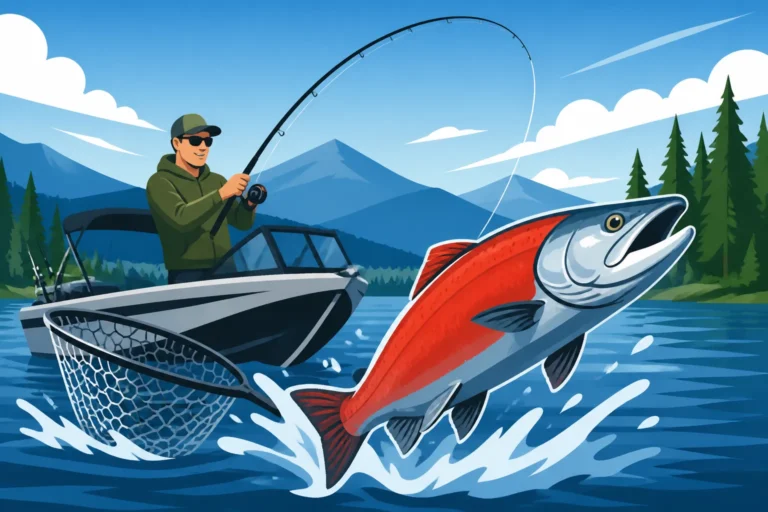
When you think of Salmon River charters, two main types of boats usually come to mind: drift boats and jet boats. Drift boats are unpowered vessels, often rowed by the guide, designed to float silently downriver, offering a stealthy approach to fish. They're perfect for fly fishing or delicate presentations, allowing anglers to cover miles of river in a day. Jet boats, on the other hand, are powerful, motorized vessels capable of running upstream through shallow rapids and covering vast distances quickly. They're often used for targeting steelhead and Chinook in larger, swifter sections of the river, especially when speed and access to remote areas are key.
Trip durations can vary from half-day excursions, often a good option for beginners or those with limited time, to full-day adventures that maximize your time on the water. Some outfitters even offer multi-day trips, especially for remote wilderness sections of the Salmon River, combining fishing with camping or lodging along the riverbanks. These longer trips truly immerse you in the wilderness experience, allowing you to explore sections of the river that are simply inaccessible on a single-day outing. When considering a multi-day trip, always clarify sleeping arrangements, meal provisions, and any additional gear you might need.
What's Typically Included in a Guided Trip
One of the biggest advantages of a Salmon River fishing charter is that many of the logistical headaches are handled for you. Most reputable guides will provide high-quality fishing gear, including rods, reels, and tackle, specifically chosen for the target species and conditions. This is a huge relief for out-of-state visitors who might not want to travel with all their heavy fishing equipment or invest in specialized gear they'll only use once. Often, your guide will also supply the bait or flies, having an intimate knowledge of what's currently working on the river.
Beyond the gear, a good charter typically includes lunch and beverages for full-day trips, ensuring you stay fueled and hydrated throughout your adventure. More importantly, you're paying for the guide's expertise: their knowledge of current river conditions, fish behavior, prime fishing spots, and effective techniques. This local insight is invaluable, especially on a complex river like the Salmon. They can often recommend the right Idaho Fishing License Guide you'll need, and some even assist with purchasing the necessary permits, such as an Idaho Salmon and Steelhead Permit, though the license itself is almost always your responsibility. Remember, it's about buying peace of mind and access to unparalleled experience.
Targeting Key Fish Species on the Salmon River
The Salmon River is renowned for specific game fish that draw anglers year after year. Understanding which species are present, when they're typically available, and what techniques are used to catch them is crucial for planning your charter trip. Each species presents its own unique challenge and reward, making the Salmon River a truly diverse fishery.
Chasing Idaho's Legendary Steelhead
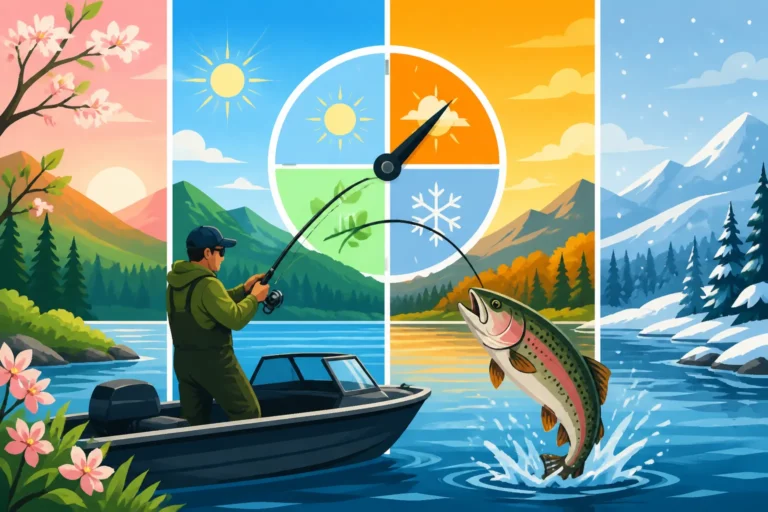
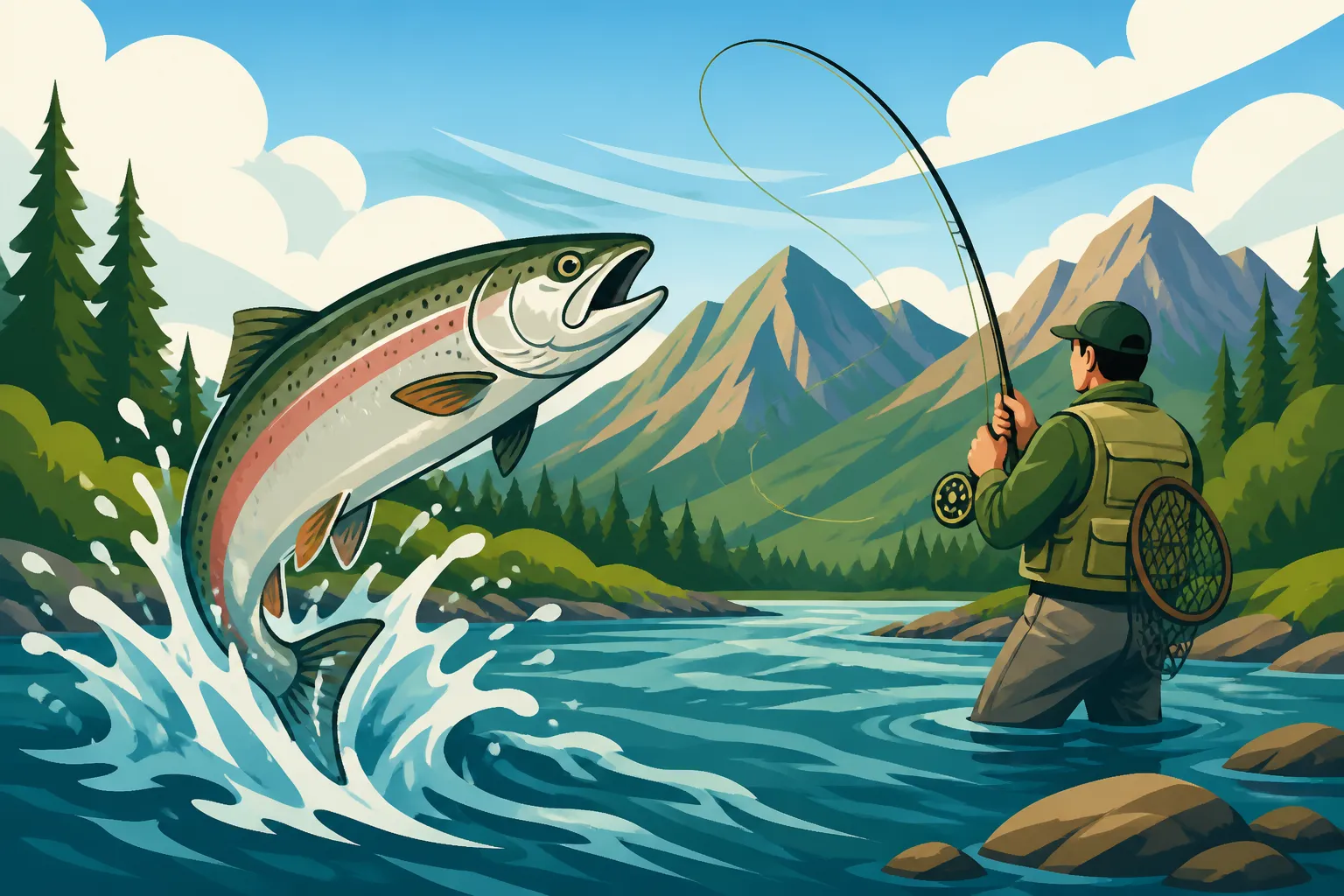
Ah, steelhead! These incredible sea-run rainbow trout are arguably the most sought-after fish on the Salmon River. Known for their powerful runs, aerial acrobatics, and sheer tenacity, they provide an unforgettable fight. Steelhead typically make their journey up the Salmon River during two main seasons: a fall run and a much larger winter/spring run. Fall steelhead often begin arriving in late September and October, while the winter/spring run can extend from December through April or even early May, depending on water conditions.
Techniques for steelhead can vary widely, but common methods on a guided trip include drift fishing with bait (like roe or worms), jigs, or small lures; float fishing with bobbers and jigs; and pulling plugs or diving lures from a boat. Fly fishing for steelhead is also extremely popular, with guides often employing nymphing techniques or swinging large intruder-style flies. Many charters specialize in How to Fish for Steelhead in Idaho, knowing the exact holding water and presentation that will entice a bite. It’s a game of patience, persistence, and precise technique, often rewarded with one of the most exciting freshwater battles you can imagine.
Hunting for Hard-Fighting Chinook Salmon
Chinook salmon, often referred to as "kings," are the largest and most powerful of the Pacific salmon species, and landing one on the Salmon River is a bucket-list achievement for many anglers. These magnificent fish return to the Salmon River system to spawn primarily during the summer months, typically from June through August, though specific runs and seasons can fluctuate each year based on salmon returns and regulations.
Fishing for Chinook on the Salmon River usually involves heavy-duty tackle to handle their immense size and strength. Trolling with large plugs, spinners, or bait (like herring or roe) is a common boat technique. When fishing from a stationary boat or bank, bait fishing with cured roe or large spinners can also be effective. The fight from a fresh Salmon River Chinook is something to behold—a relentless display of power and endurance that will test your gear and your resolve. Guides who specialize in How to Fish for Chinook Salmon in Idaho will have the knowledge and equipment to put you on these impressive fish, providing an experience you won't soon forget.
Choosing the Right Salmon River Fishing Charter
With several outfitters and guides operating on the Salmon River, selecting the right charter can feel overwhelming. It’s not just about finding someone with a boat; it’s about finding an experienced professional who aligns with your fishing goals, communicates well, and prioritizes your safety and enjoyment.
Factors to Consider When Selecting a Guide
When you're looking for a Salmon River fishing charter, experience should be at the top of your list. The Salmon River is big water, and an experienced guide understands its nuances, from reading the current and identifying fish-holding lies to navigating rapids safely. Ask about their years of experience specifically on the Salmon River and their success rates for the species you want to target. A seasoned guide often means a safer, more productive, and more enjoyable trip. Don't be shy about asking direct questions; a good guide will be happy to share their background.
Beyond experience, consider the guide's specialization. Some guides are steelhead fanatics, while others excel at putting clients on Chinook. If you have a specific target species in mind, make sure your chosen guide has a strong reputation for success with that fish. Also, think about their personality and communication style. You'll be spending a full day (or more!) with this person, so a good rapport can make a huge difference. Check out online reviews and testimonials, and if possible, speak with the guide directly before booking to get a feel for their approach. A simple phone call can tell you a lot about their professionalism and passion.
Jet Boat vs. Drift Boat: Which is Right for You?
The choice between a jet boat and a drift boat often comes down to personal preference, target species, and the specific section of the Salmon River you plan to fish.
| Feature | Jet Boat Charters | Drift Boat Charters |
|---|---|---|
| Primary Use | Covering long distances, accessing remote areas, power fishing | Stealthy approach, covering specific runs, fly fishing |
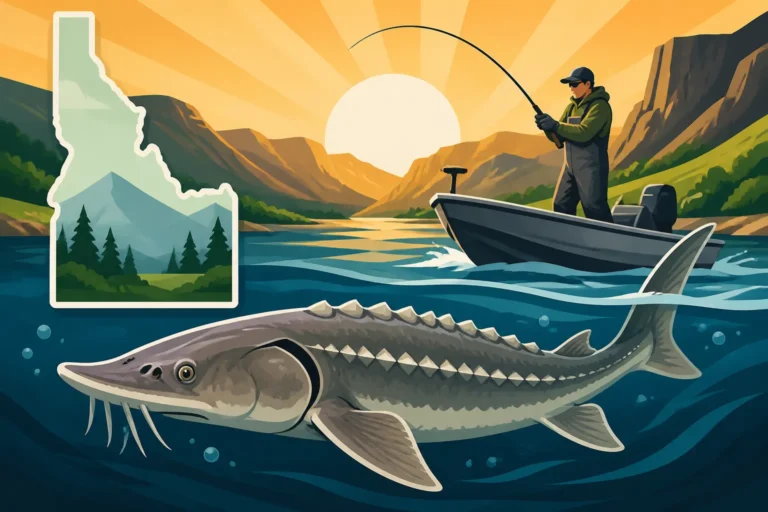
| Target Species | Steelhead, Chinook, Sturgeon (depending on river section) | Steelhead, Trout, sometimes Chinook |
| Movement | Motors upstream and downstream, fast travel | Floats downstream, guided by oars |
| Noise Level | Engine noise when running | Silent when floating, minimal disturbance |
| Vibe | Exciting, efficient, covers a lot of water | Traditional, intimate, immersive, focused on technique |
| Best For | Anglers who want to cover many spots, fish larger sections | Fly anglers, those seeking a quieter experience, technical fishing |
If you're after steelhead or Chinook in larger, swifter sections of the river and want to maximize the amount of water you cover, a jet boat charter might be ideal. These boats can get you to prime spots quickly and efficiently. However, if you're a fly angler seeking a more traditional, quieter experience, or if you want to fish technical trout water, a drift boat is often the superior choice. It allows for precise presentations and a more intimate connection with the river. Discuss your priorities with potential guides, as many offer both options or can recommend the best approach for your desired experience.
Booking Your Salmon River Fishing Charter
Once you've decided on the type of trip and guide you're looking for, the next step is the actual booking process. This involves understanding how and when to book, what questions to ask, and how to navigate payment and cancellation policies.
When and How to Book Your Trip
Timing is everything when booking a Salmon River fishing charter, especially if you're targeting popular migratory species like steelhead or Chinook. Prime dates during peak seasons (fall and spring for steelhead, summer for Chinook) can book up many months in advance. It's not uncommon for top guides to be fully booked a year or more out, especially for coveted weekend dates. My advice? As soon as you have your travel dates in mind, start researching and reaching out to guides. Don't procrastinate, or you might find yourself out of luck.
Many anglers find guides through referrals, online searches, or dedicated booking platforms. FishingBooker is a popular resource where you can browse numerous Salmon River charters, compare availability, read reviews, and often book directly. This can be a very efficient way to find a reputable guide, as these platforms often vet their listed captains and services. You can filter by target species, boat type, and location, making it easier to pinpoint the perfect match for your trip. Once you've selected a potential guide, direct communication is key. Don't just rely on online forms; a phone call can solidify your booking and clarify any last-minute questions.
Important Questions to Ask Before You Commit
Before you hand over your deposit, make sure you're clear on all the details. Here's a checklist of questions you should ask:
- What is the total cost, and what exactly does it include? (Gear, bait, lunch, drinks, fish cleaning, etc.) Be specific to avoid surprises.
- What is NOT included? (Licenses, permits, gratuities, specific tackle requests, waders if fly fishing.) You’ll definitely need to budget for your Idaho Resident Annual Fishing License or Idaho Nonresident Annual Fishing License and possibly a Idaho Salmon and Steelhead Permit.
- What are your payment terms and cancellation policy? Understand deposits, final payment due dates, and what happens if you need to cancel or if the guide cancels due to weather or unforeseen circumstances.
- What gear do I need to bring? (Appropriate clothing, rain gear, sunglasses, hat, sunscreen, camera).
- What are the expected fishing conditions for my chosen dates? A good guide will give you an honest assessment of what you can expect, even if it's not always ideal.
- What kind of boat will we be fishing from? (Jet boat, drift boat, how many people will be aboard).
- What is the typical itinerary for the day? (Meeting time, location, duration).
- Do you offer fish cleaning and packaging services? If you plan to keep any legal fish, this is an important consideration.
Asking these questions upfront ensures transparency and prevents misunderstandings down the road. It’s better to be overly prepared than to arrive with unanswered questions or false assumptions.
Preparing for Your Salmon River Fishing Trip
A successful fishing trip on the Salmon River isn't just about the guide; it's also about how well you prepare. From understanding license requirements to packing the right clothing, a little foresight can make a big difference in your comfort and overall enjoyment.
Licenses, Permits, and Regulations
This is probably the most crucial pre-trip step you need to handle yourself. Every angler aged 14 and older needs an Idaho Fishing License Guide to fish in Idaho waters. If you're targeting steelhead or Chinook salmon, you'll also need to purchase an Idaho Salmon and Steelhead Permit in addition to your general fishing license. These permits come with a "catch record card" that you must fill out accurately and completely, documenting any salmon or steelhead you harvest. Failure to do so can result in fines.
Idaho fishing regulations are detailed and can be complex, often varying by river section, time of year, and even by specific species. Your guide will be intimately familiar with the most current rules, but it’s always a good idea to review the official Idaho Fishing Regulations Explained brochure yourself, which is typically available online from Idaho Fish and Game. Pay close attention to bag limits, season dates, and any special regulations for the specific section of the Salmon River you'll be fishing. Don't rely solely on hearsay; always consult the official proclamation.
What to Bring and What to Wear
The weather in Idaho, especially in the mountains where the Salmon River flows, can be unpredictable and change rapidly. Layering is your best friend. Even on a seemingly warm day, mornings can be chilly, and rain or wind can roll in quickly.
Here's a recommended packing list:
- Layers: Start with a moisture-wicking base layer, add a fleece or wool mid-layer, and finish with a waterproof and windproof outer shell (jacket and pants). You'll thank me if it starts to rain or the wind picks up.
- Footwear: Waterproof boots are essential, especially if you'll be wading or stepping in and out of a boat. Even if you're staying in a jet boat, spray from rapids can make your feet wet.
- Headwear: A warm hat (beanie) for chilly mornings and a brimmed hat (baseball cap or wide-brimmed hat) for sun protection.
- Eyewear: Polarized sunglasses are non-negotiable. They protect your eyes from hooks and UV rays, and critically, they help you see into the water to spot fish or structure.
- Sun Protection: Sunscreen and lip balm with SPF. The sun's reflection off the water can lead to severe sunburn, even on cloudy days.
- Gloves: Fingerless fishing gloves can provide warmth and sun protection while maintaining dexterity.
- Small Backpack/Dry Bag: For personal items, snacks, and extra layers. Many guides have limited space, so compact is key.
- Camera: To capture those memorable moments (just make sure it's protected from water).
- Snacks and Drinks: While some guides provide lunch, bringing extra snacks and your preferred beverages is always a good idea.
- Cash: For gratuities (see next section) or any small purchases.
Being prepared for varying conditions ensures you stay comfortable and focused on the fishing, rather than being distracted by the cold, wet, or sun.
Tipping and Etiquette for Your Guide
Tipping your fishing guide is standard practice and an important way to show your appreciation for their hard work, expertise, and service. Guides work incredibly long hours, often starting well before dawn and finishing long after sunset, not just on the water but also preparing gear, maintaining boats, and cleaning up. They’re often physically demanding jobs, and a good guide works tirelessly to put you on fish and ensure you have a great experience.
While there's no strict rule, a gratuity of 15-20% of the total trip cost is generally considered appropriate if you had a good experience. If your guide went above and beyond, consider tipping a bit more. Present the tip discreetly at the end of the trip, usually when you're saying goodbye.
Beyond tipping, common etiquette includes listening to your guide's instructions, especially regarding safety and casting, not being late for your designated meeting time, and cleaning up any trash you generate. Remember, it's a partnership, and a respectful, positive attitude goes a long way. Your guide wants you to have a great time and catch fish just as much as you do!
Exploring Popular Sections of the Salmon River for Charters
The Salmon River is vast, and different sections offer distinct fishing experiences, target species, and access points. Understanding these differences can help you refine your charter choice and ensure you're fishing the right water for your goals.
The Lower Salmon River: Gateway to Steelhead
The Lower Salmon River, generally referring to the section from its confluence with the Snake River upstream to around Riggins, is often considered a prime zone for steelhead, especially during the peak fall and winter runs. This stretch is characterized by its dramatic canyonlands, often more open than the upper reaches, and is very accessible by jet boat. The deeper, swifter water here holds strong numbers of returning anadromous fish.
Charters on the Lower Salmon often utilize powerful jet boats to navigate the long pools and swift currents, allowing anglers to cover a significant amount of water in search of migrating steelhead. Fishing techniques here frequently involve back-trolling plugs, drift fishing with bait or jigs, or swinging large flies from a drift boat. The accessibility and the sheer volume of water make this a popular choice, and guides here are typically seasoned veterans of jet boat operations, navigating the powerful current with impressive skill. This is a fantastic option if your primary goal is to target large numbers of steelhead, and you don’t mind the exhilaration of a jet boat ride.
The Middle Salmon River: Wilderness and Adventure
The Middle Fork of the Salmon River and the mainstem of the Salmon River through the Frank Church-River of No Return Wilderness Area offer a truly unique, multi-day wilderness fishing experience. This remote section is characterized by stunning, untouched landscapes, challenging whitewater, and incredible solitude. Access is often limited to float trips, either by raft or drift boat, and many of these are multi-day excursions where you camp along the riverbanks.
Charters in this region are often fully outfitted wilderness trips, including all camping gear, meals, and professional guides who are skilled both as anglers and whitewater oarsmen. While steelhead and Chinook can be found in these wild waters (season permitting), these trips are also fantastic for native cutthroat and rainbow trout, offering incredible fly fishing opportunities in a pristine setting. It’s an adventure that combines serious fishing with an unforgettable backcountry experience. Expect to pay a premium for these remote, multi-day trips, but the memories and the connection with nature are often considered priceless. For those seeking an immersive, challenging, and truly wild fishing journey, exploring the Middle Fork of the Salmon River Fishing Outfitters might be the perfect fit.
The Upper Salmon River: Headwaters and Hatcheries
The Upper Salmon River, from areas around Stanley and Sunbeam upstream towards its headwaters, presents a different fishing dynamic. This section is generally smaller, more intimate, and less influenced by the powerful currents of the lower river. It's often characterized by classic trout water, with riffles, runs, and pools that are ideal for wade fishing or smaller drift boat trips.
While it's still a significant destination for later-run steelhead and sockeye salmon returns (the latter being a protected species and not generally targeted by anglers, but a marvel to observe!), the upper river is also a fantastic trout fishery. Rainbow, cutthroat, and even some brook trout thrive in these cold, clear waters. Fly fishing is incredibly popular here, with dry flies, nymphs, and streamers all proving effective depending on the season and hatch. Many guides in this area specialize in trout fishing techniques and may offer walk-and-wade trips or short drift boat floats suitable for smaller groups. It’s a great option for those who prefer a quieter, more focused trout fishing experience amidst the stunning backdrop of the Sawtooth Mountains. If you're planning a trip focused on Fishing the Sawtooth Valley for trout, the upper Salmon River is a prime destination.
Cost Considerations for Salmon River Fishing Charters
Understanding the financial aspects of booking a Salmon River fishing charter is essential for planning your trip. These are specialized services in a remote environment, and prices reflect the expertise, equipment, and logistical effort involved. It's important to differentiate between advertised rates and the total expenditure.
What Influences the Price of a Charter
Several factors play a significant role in determining the cost of an Idaho Salmon River fishing charter. The duration of the trip is a primary driver; a half-day trip will naturally cost less than a full-day, and multi-day wilderness expeditions will be the most expensive. The type of boat also impacts the price; jet boat charters, with their higher fuel costs and more specialized maintenance, might be priced differently than drift boat trips.
The number of anglers on the trip can also affect the per-person cost. While some charters have a fixed boat rate, others might offer a per-person rate with a minimum group size. Often, private charters for one or two people will have a higher per-person cost than a shared group trip. The reputation and experience of the guide can also play a role, with highly sought-after guides often commanding a premium for their proven success and excellent service. Finally, the season can influence pricing, with peak seasons for steelhead and Chinook often seeing higher demand and potentially higher rates. For specific figures, it's always best to contact individual outfitters or check platforms like FishingBooker for current pricing on Salmon River Group Charter Cost.
Typical Cost Structure and Additional Expenses
While I cannot provide specific dollar amounts, I can describe the typical cost structure you might encounter. Most Salmon River charters will quote a base rate per boat or per person for a specific duration (e.g., full-day, half-day). This base rate usually covers the guide's time, the boat, equipment (rods, reels, tackle), and often lunch and non-alcoholic beverages.
However, it's crucial to budget for additional expenses that are almost never included in the base rate. As mentioned earlier, your Idaho fishing license and any necessary permits (Idaho Salmon and Steelhead Permit being a key one for this river) are always extra. You'll need to purchase these directly from Idaho Fish and Game or a licensed vendor. Gratuities for your guide are also an expected additional cost, typically 15-20% of the trip cost if you're satisfied with the service. Furthermore, consider travel expenses to and from the Salmon River, accommodation if you're staying overnight before or after your trip, and personal items like appropriate clothing and gear you might need to purchase. Some anglers might also opt for professional fish processing if they harvest fish, which would be another cost. Always ask for a comprehensive breakdown of what's included and what's not, so there are no surprises when you arrive at the boat ramp.
Disclaimer
This article is for general informational purposes only and does not constitute professional advice. Laws, prices and regulations vary by location and change over time. Consult a qualified professional for guidance on your specific situation.