Best Fishing Spots Near Coeur d’Alene
Trying to figure out where to cast your line when you're in the Coeur d'Alene area can feel a bit overwhelming, right? With so much stunning water around, it’s tough to know which lake or river holds the best fish, what species you'll actually encounter, and how to even get started. This comprehensive guide is here to cut through the confusion, pinpointing the best fishing spots near Coeur d'Alene and giving you the local lowdown to make your next angling adventure a smashing success.
Coeur d'Alene's Fishing Landscape: A North Idaho Treasure
When you think about fishing in Idaho, images of vast, unspoiled wilderness and incredible catches probably spring to mind. And let me tell you, when it comes to the Coeur d'Alene area in North Idaho, those images aren't just pretty pictures – they're the real deal. This region is a true gem, boasting a diverse array of freshwater fisheries that cater to every type of angler, from the seasoned fly fisherman chasing elusive trout to families just hoping to reel in a few panfish for dinner. It's not just about the fish, though; it's about the entire experience of being surrounded by majestic mountains, dense forests, and crystal-clear waters.
Why North Idaho is a Fishing Haven
North Idaho, particularly around Coeur d'Alene, truly lives up to its reputation as a fishing haven. What makes it so special? Well, for starters, you have an incredible variety of ecosystems. We're talking about deep, sprawling lakes carved by ancient glaciers, meandering rivers that tumble from mountain peaks, and countless smaller ponds and reservoirs. This diversity means you can target a wide range of species, from the hard-fighting salmon and steelhead to the acrobatic trout, feisty bass, and plentiful panfish. The scenery alone is worth the trip, with views that will take your breath away whether you're casting from a boat on Lake Coeur d'Alene or wading a secluded mountain stream.
Beyond the natural beauty, the accessibility is a huge plus. While many prime fishing spots require a journey into the backcountry, many fantastic fisheries here are just a short drive from towns like Coeur d'Alene, Hayden, or Sandpoint. You can often be on the water within minutes of leaving your lodging, which is a big deal for those short on time or traveling with family. Plus, the Idaho Department of Fish and Game (IDFG) does an incredible job managing these fisheries, ensuring healthy populations through thoughtful stocking programs and conservation efforts, making your chances of a successful outing consistently high.
Understanding the Coeur d'Alene Basin
To truly appreciate the fishing opportunities, it helps to understand the Coeur d'Alene Basin as an interconnected system. The crown jewel, of course, is Lake Coeur d'Alene itself, a massive, deep lake fed by the Coeur d'Alene River and the St. Joe River. This big lake then drains into the Spokane River, which flows westward. But it's not just Lake Coeur d'Alene; there are a multitude of other lakes, big and small, within easy striking distance, each offering its own unique angling experience. Think of Lake Pend Oreille to the north, Priest Lake even further north, and smaller, equally productive lakes like Hayden Lake, Spirit Lake, and Fernan Lake forming a fantastic network.
Each body of water has its own character, depth, and fish populations, shaped by its geology and the rivers that feed it. For instance, the main Coeur d'Alene Lake is known for its deep-water salmon and robust bass fishery, while a river like the St. Joe offers a completely different, intimate experience with native cutthroat trout. Understanding these connections helps you strategize your trips, knowing that what works on one lake might not be the ticket on another. It also means you can easily switch up your scenery and target species, keeping your fishing adventures fresh and exciting.
Lake Coeur d'Alene: The Crown Jewel
When you ask anyone about fishing near Coeur d'Alene, the first place they'll mention is almost always Lake Coeur d'Alene itself. This massive, 25-mile-long lake is the centerpiece of the region, offering an incredible variety of fishing experiences year-round. From its deep, dark waters holding elusive Chinook salmon to its shallower bays teeming with bass and panfish, this lake truly has something for everyone. It's not just big; it's beautiful, surrounded by rolling hills and dense forests, making every cast feel like you're in a postcard.
Many anglers find themselves drawn to the sheer scale of the lake, imagining what monsters might lurk in its depths. And believe me, the stories of enormous Chinook and healthy Kokanee aren't just fish tales – they're well-earned. But don't let the size intimidate you; with a bit of local knowledge and the right approach, even a first-timer can find success here. Before you head out, make sure you're familiar with the Idaho Fishing Regulations Explained to ensure a smooth trip.
Targeting Chinook Salmon and Kokanee
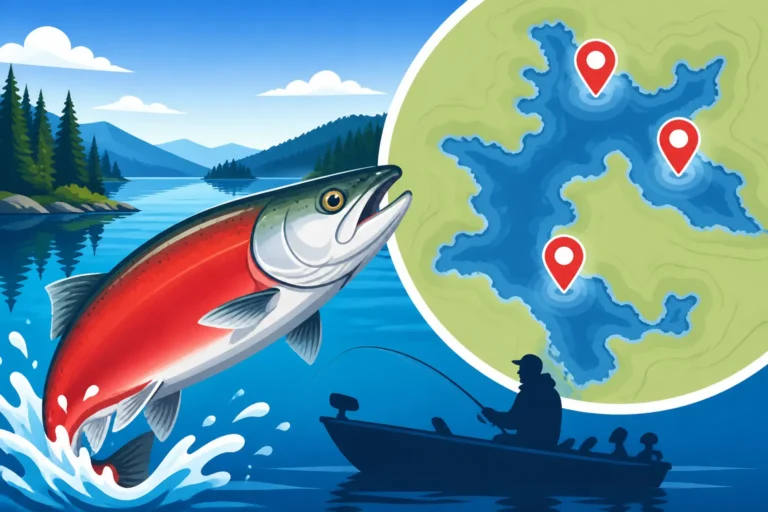
The deep waters of Lake Coeur d'Alene are famous for their healthy populations of Chinook salmon and Kokanee. These landlocked salmonoids provide an exhilarating deep-water trolling experience, especially if you're set up with the right gear. Chinook salmon, often called "Kings," can grow to impressive sizes here, with fish over 20 pounds not uncommon, though the average is closer to 8-15 pounds. Kokanee, the smaller, landlocked sockeye salmon, are abundant and make for excellent table fare, usually ranging from 10-14 inches.
To target these species, trolling is the name of the game. Anglers typically use downriggers to get their lures or dodgers and hoochies down to the specific depths where the fish are holding, which can vary wildly depending on the season, water temperature, and time of day. In the warmer months, salmon and Kokanee often suspend in cooler, deeper water, sometimes 50-100 feet down or more. Look for baitfish schools on your sonar, as salmon will usually be found nearby. Popular areas include the main lake basin, especially off the south end around Harrison, and the wider channels towards the north. Early morning and late evening often yield the best results when these fish become more active.
Bass and Panfish Hotspots
While the salmon fishing gets a lot of press, Lake Coeur d'Alene also boasts an outstanding warmwater fishery, particularly for smallmouth and largemouth bass, as well as an abundance of crappie and yellow perch. These species provide fantastic action in the shallower bays and around structure, making them perfect targets for anglers who prefer casting or jigging. Smallmouth bass love rocky points, riprap shorelines, and submerged timber, while largemouth tend to hide in weed beds, lily pads, and fallen trees in calmer coves.
Some of the most consistent bass and panfish action can be found in the lake's numerous bays and tributaries, especially in the Coeur d'Alene River arm or the St. Joe River arm. Wolf Lodge Bay, Beauty Bay, and the areas around Harrison are perennial favorites. For smallmouth, try fishing with crankbaits, spinnerbaits, or soft plastics rigged on jig heads. Largemouth will hit plastic worms, jigs, and topwater lures around heavy cover. Crappie and perch are often found in schools around docks, submerged brush piles, and weed edges, readily biting on small jigs, minnows, or worms. Remember, the Idaho Catch Limits and Bag Limits Explained will detail what you can keep.
Navigating the Lake: Public Access and Considerations
Navigating a lake as large as Coeur d'Alene requires a bit of planning, especially if you're bringing your own boat. Thankfully, there are plenty of excellent public boat ramps available, including those at Lake Coeur d'Alene City Park, Higgins Point, and Harrison. These facilities typically offer ample parking and good access to the water. For shore anglers, public parks and access points around the city of Coeur d'Alene, like McEuen Park or along the scenic boardwalk, offer limited but pleasant opportunities.
When planning your trip, consider the size of your vessel. While smaller boats and kayaks can explore the calmer bays and coves effectively, a larger, more stable boat is definitely an advantage for trolling in the main lake basin, especially when afternoon winds can kick up significant chop. Always check the weather forecast before heading out, as conditions can change rapidly. Don't forget your PFDs (personal flotation devices) for everyone on board – safety first! If you're new to the area or prefer a guided experience, considering an expert from FishingBooker can provide invaluable local knowledge for your Fishing Lake Coeur d'Alene for Kokanee and Chinook trip.
Lake Pend Oreille: Trophy Waters to the North
Just a short drive north of Coeur d'Alene lies Lake Pend Oreille, Idaho's largest and deepest lake. This colossal body of water is a true angler's paradise, famous worldwide for its trophy-sized Kamloops rainbow trout and offering incredible opportunities for lake trout, Kokanee, and a variety of other species. The sheer scale of Pend Oreille is impressive, with over 111,000 acres of water and depths plunging to over 1,150 feet in some areas, making it the fifth deepest lake in the United States. Its vastness means there's always a new corner to explore, and the fishing can be nothing short of legendary.
The lake has a rich history, particularly with its connection to naval operations and its reputation for growing some truly enormous fish. The fishing here is a different beast than on Lake Coeur d'Alene – it demands respect and preparation, but the rewards can be monumental.
Chasing Record Rainbow Trout
Lake Pend Oreille's claim to fame, for many, is its Kamloops rainbow trout fishery. This unique strain of rainbow trout has produced multiple world records, including a phenomenal 37-pounder caught back in 1947. While those colossal fish are rarer now, Pend Oreille still consistently produces rainbow trout weighing in the teens, with 20+ pounders still a real possibility for dedicated anglers. These are not your average stocker rainbows; they are powerful, streamlined fish that will test your tackle and your angling skills.
The key to catching these trophy rainbows often involves trolling large plugs, spoons, or baitfish imitations, typically at faster speeds than you might use for other species. They are often found cruising the shallower banks and points early in the morning or late in the evening, but during the day, they can be suspended at various depths in the open water. Popular areas include the "Green Monarchs" on the east side, and around the deep bays near Garfield Bay and Hope. Seasonal patterns are crucial: look for them near the surface after ice-out, and then deeper as summer progresses. Mastering the art of Fishing Lake Pend Oreille for Rainbow Trout is a true accomplishment.
Lake Trout and Kokanee Opportunities
Beyond the famous rainbows, Lake Pend Oreille also offers exceptional fishing for lake trout (often called "Mackinaw") and, in certain periods, Kokanee. The lake trout here can grow to impressive sizes, with 20-30 pound fish being a realistic goal for persistent anglers. They inhabit the deep, cold waters of the lake, making vertical jigging or deep-water trolling with large spoons, swimbaits, or dodger-and-squid combinations effective techniques. Focus on depths ranging from 80-200 feet, especially around underwater structures like humps and drop-offs.
Kokanee populations in Pend Oreille have fluctuated over the years, but when they're present in good numbers, they provide fast-paced action. Similar to Lake Coeur d'Alene, trolling small hootchies, wedding rings, or small spoons behind a dodger or flasher is the most effective method. They tend to school in open water, often at specific depths. Keeping an eye on IDFG reports is essential for understanding current Kokanee availability.
Access and Regulations for Big Water
Given its immense size, accessing Lake Pend Oreille and understanding its specific regulations are paramount. There are numerous public boat launches around the lake, with some of the most popular being in Sandpoint, Hope, and Bayview. These offer good facilities, but parking can be tight during peak season. For shore anglers, opportunities are more limited but can be found in city parks or along accessible sections of the shoreline.
Due to the unique and often sensitive fisheries, Lake Pend Oreille has some special regulations that anglers must be aware of. This includes specific size limits, bag limits, and sometimes even seasonal closures for certain species. For instance, the regulations regarding rainbow trout and lake trout can be quite detailed to manage the population dynamics. Always consult the latest Idaho Fishing Regulations Explained pamphlet or the IDFG website before you head out. Fishing this big water can be an incredible experience, but it also means respecting its power and complexity, especially in adverse weather conditions.
Priest Lake: The Hidden Gem
Further north, nestled deep in the Selkirk Mountains, lies Priest Lake – a truly magnificent body of water that some consider Idaho's most beautiful lake. Often referred to as "Idaho's Crown Jewel," Priest Lake and its smaller counterpart, Upper Priest Lake, offer a tranquil and incredibly scenic fishing experience, a stark contrast to the more bustling atmosphere of Coeur d'Alene or even Pend Oreille. With its crystal-clear, deep waters, sandy beaches, and surrounding old-growth forests, Priest Lake is an absolute paradise for those seeking both solitude and excellent fishing opportunities.
This lake is particularly renowned for its robust population of trophy lake trout, but it also offers good fishing for cutthroat trout, Kokanee, and other species. The feeling here is one of pristine wilderness, with less development and more natural beauty around every bend. It's a place where you can truly escape and immerse yourself in the natural rhythms of North Idaho.
Premier Lake Trout Fishing
Priest Lake is undeniably a premier destination for anglers targeting lake trout, locally known as Mackinaw. These impressive cold-water predators thrive in Priest Lake's deep, cold, and oxygen-rich waters, growing to substantial sizes. It's not uncommon to hear tales of Mackinaw in the 10-20 pound range, with larger fish certainly present for those who put in the time. The current state record for lake trout was caught right here on Priest Lake, a true testament to its trophy potential.
Successful lake trout fishing on Priest Lake often involves deep-water trolling or vertical jigging. During much of the year, these fish will be holding anywhere from 80 to 200 feet down, sometimes even deeper. Large spoons, tube jigs, and minnow imitations are popular choices, often tipped with a piece of bait like a herring or an anchovy to add scent. Focus your efforts around deep drop-offs, underwater points, and humps throughout the main lake. Popular areas include the waters off Coolin, the main basin, and the deeper sections near the northern end of the lower lake. Early morning and late evening bites can be particularly strong, but with the right depth and presentation, you can find them throughout the day. If you're looking to tackle these giants, you might want to consider Fishing Priest Lake for Trophy Lake Trout.
Cutthroat and Kokanee in Pristine Waters
While lake trout steal the spotlight, Priest Lake also offers excellent opportunities for other species, particularly cutthroat trout and Kokanee. The cutthroat here are primarily Westslope cutthroat, a native species known for its beautiful markings and aggressive takes. They can be found closer to shore, especially in the spring and fall, and in the mouths of inflowing streams. Fly fishing or casting small spinners and spoons can be very effective for these vibrant trout, which typically range from 10-16 inches.
Kokanee salmon, though sometimes overshadowed by their larger cousins, also provide a fun and often fast-paced fishing experience on Priest Lake. These smaller, schooling salmon tend to inhabit the open water, often at specific depths. Trolling with small dodgers and hootchies, wedding rings, or tiny spoons is the go-to method. They are fantastic eating fish and offer a great option for anglers looking to fill their cooler. The populations can fluctuate, so checking current reports from the IDFG is always a good idea.
Seasonal Considerations and Lodge Access
The fishing experience on Priest Lake can vary significantly with the seasons. Spring, after ice-out (typically late April to May), sees fish moving into shallower waters, making them more accessible. Summer means deeper fishing for lake trout, while early morning and evening can still produce surface action for cutthroat. Fall is a prime time, with fish becoming more active and often shallower before the winter chill sets in. Ice fishing is also popular on Priest Lake when conditions allow, offering unique opportunities for various species.
Access to Priest Lake is primarily via public boat ramps, such as those at Coolin, Indian Creek, and the Lionhead unit of Priest Lake State Park. There are also several lodges and resorts around the lake, like Elkins Resort or Hill's Resort, which offer accommodations, boat rentals, and sometimes even guide services. These establishments can be an excellent resource for local fishing reports and advice. If you're considering a trip, booking in advance, especially for summer and fall, is highly recommended to secure your spot in this idyllic setting.
Smaller Lakes and Reservoirs: Local Favorites
While the big three — Coeur d'Alene, Pend Oreille, and Priest Lakes — get a lot of the attention, don't overlook the myriad of smaller lakes and reservoirs scattered throughout the region. These hidden gems often offer fantastic fishing, less crowded conditions, and a more intimate angling experience. They're perfect for a quick afternoon outing, a family fishing trip, or for anglers who prefer to fish from shore, a kayak, or a small boat. Each of these smaller bodies of water has its own unique character and a particular mix of species, making them worth exploring.
Many locals cherish these spots, knowing they can consistently produce good catches when the larger lakes might be too busy or too challenging. They often benefit from regular stocking by the IDFG, ensuring a healthy population of trout or panfish, making them ideal for beginners and seasoned anglers alike.
Hayden Lake: Bass and Trout Action
Just north of Coeur d'Alene, Hayden Lake is a popular choice for both trout and bass anglers. This picturesque lake, covering over 3,800 acres, offers excellent fishing for both smallmouth and largemouth bass, as well as rainbow trout. While not as deep as Lake Coeur d'Alene, it still has plenty of depth and structure to support healthy fish populations.
For bass, focus on the numerous rocky points, submerged timber, and weed lines that define the shoreline. The north and west shores, with their varying depths and structure, are particularly productive. Smallmouth bass will readily hit crankbaits, jigs, and tubes, while largemouth respond well to plastic worms, topwater lures, and spinnerbaits fished in and around cover. Rainbow trout are regularly stocked here, providing good opportunities for trollers using spoons and wedding rings, or still-fishermen using powerbait or worms from shore or a boat. Early spring and late fall are often the best times for trout when they are more active in the upper water column.
Spirit Lake: Multi-Species Fun
Spirit Lake, located a bit further north and west of Coeur d'Alene, is another excellent option for a diverse fishing experience. This beautiful lake is known for its populations of rainbow trout, Kokanee, bass (both largemouth and smallmouth), crappie, and perch. It's a fantastic spot for anglers who enjoy switching up their targets throughout the day. Spirit Lake is smaller than Hayden, at around 1,500 acres, making it easier to navigate for smaller boats or kayaks.
The trout fishing is often best in the spring and fall, especially near the resort and deeper areas. Trolling with small spoons or spinners is effective. For bass and panfish, target the many docks, submerged logs, and weed beds. Smallmouth bass prefer the rocky areas, while largemouth are found in the more vegetated coves. Crappie and perch can be found in schools around brush piles and docks, offering consistent action, especially for kids. It's truly a place for multi-species fun, perfect for a day out with the family or a solo exploration.
Fernan Lake: Easy Access, Consistent Catches
For anglers seeking convenience and consistent action, Fernan Lake is tough to beat. Situated just a few minutes east of downtown Coeur d'Alene, Fernan Lake is a smaller, shallower lake (around 1,000 acres) that is heavily stocked with rainbow trout by the IDFG. This makes it an incredibly reliable spot for catching trout, especially for those fishing from shore or with smaller boats. It's an ideal location for beginners, children, or anyone who just wants to wet a line and almost guarantee a bite.
Beyond trout, Fernan Lake also holds populations of bass (largemouth and smallmouth), crappie, and perch. The abundant weed beds and shallow structure provide excellent habitat for these warmwater species. Bank fishing for trout is popular along the accessible shoreline, particularly with PowerBait, worms, or small spinners. For bass, try casting jigs or plastic worms around the docks and weed lines. Crappie and perch can be jigged for near submerged brush. Because of its accessibility and consistent stocking, Fernan Lake is often listed among the Best Fishing Spots in North Idaho for easy and productive outings.
River and Stream Fishing: Moving Water Adventures
While Idaho's lakes are undeniably spectacular, the rivers and streams around Coeur d'Alene offer an entirely different, equally rewarding fishing experience. The flow of moving water, the sound of rushing rapids, and the challenge of reading currents and structure appeal to a unique kind of angler. From pristine mountain streams holding native cutthroat to larger rivers offering diverse opportunities, North Idaho's flowing waters are a fly fisherman's dream and a spin caster's delight.
These river systems are the lifeblood of the region, carrying nutrients and supporting a vibrant ecosystem. Fishing them offers a chance to connect with nature in a more intimate way, often requiring stealth, patience, and a keen eye for subtle signs. Just remember, river fishing often comes with its own set of rules and techniques.
St. Joe River: Native Cutthroat Haven
The St. Joe River, often referred to as "The Joe," is one of the true jewels of North Idaho's river fishing scene. Flowing out of the Bitterroot Mountains and eventually emptying into Lake Coeur d'Alene, the St. Joe is a designated Wild and Scenic River for much of its length, renowned for its pristine waters and exceptional fishery for native Westslope cutthroat trout. This river is a fly fishing paradise, offering miles of wadeable water, riffles, runs, and deep pools that hold these beautiful, aggressive fish.
The upper sections of the St. Joe, particularly above St. Maries, are where the magic truly happens for fly anglers. Here, the river flows through dense forests, providing abundant insect life that the cutthroat eagerly feed on. Dry fly fishing can be phenomenal during hatches, especially in summer, while nymphing and streamer fishing are productive throughout the year. The lower sections, closer to the lake, offer a wider river and opportunities for both cutthroat and some rainbow trout, as well as bass in warmer months. Always practice catch-and-release, especially for native cutthroat, to help preserve this incredible resource. Exploring the Best Rivers for Fishing in Idaho would be incomplete without a mention of the St. Joe.
Coeur d'Alene River: Diverse Opportunities
The Coeur d'Alene River system, which includes the North Fork and South Fork, offers a diverse range of fishing opportunities as it winds its way into Lake Coeur d'Alene. While parts of the river have historical mining impacts, ongoing remediation efforts have improved water quality, and the fishing can be quite good, especially in the upper reaches of the forks.
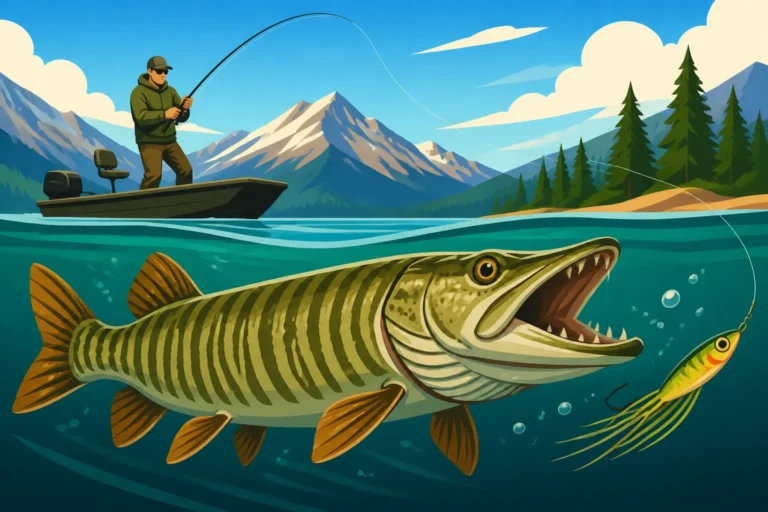
The North Fork of the Coeur d'Alene River is particularly popular for trout fishing, offering good chances at cutthroat and rainbow trout. Like the St. Joe, it’s a favorite for fly anglers, with beautiful scenery and plenty of pockets, riffles, and pools to explore. Spin fishermen can also find success with small spinners and spoons. The South Fork, while historically more impacted, also offers fishing, particularly for panfish and bass in its lower stretches. Further downriver, closer to the lake, you might also encounter northern pike and various warmwater species. Always consult the specific regulations for different sections of the Coeur d'Alene River, as they can vary.
Lower Spokane River: Urban Fishing Potential
Often overlooked, the lower Spokane River as it flows out of Lake Coeur d'Alene, particularly around Post Falls and the urban areas, provides unique and accessible fishing opportunities. While not a pristine wilderness experience like the St. Joe, the Spokane River offers a strong warmwater fishery, particularly for smallmouth bass. It's a fantastic option for anglers looking for quick access and consistent action without venturing too far from town.
Smallmouth bass thrive in the Spokane River's rocky sections and around bridge pilings and eddies. Crankbaits, jigs, and soft plastics are all effective. You'll also find some rainbow trout, especially in the cooler months, and various panfish. There are several public access points and parks along the river, making it easy for shore anglers to find a spot. While you won't be chasing trophy salmon here, the Spokane River offers a convenient and often productive option for a few hours of fishing, proving that good fishing isn't always miles from civilization.
Essential Gear and Local Wisdom for North Idaho Fishing
Heading out to fish anywhere in Idaho, especially around Coeur d'Alene, requires more than just knowing where the fish are. It also means having the right gear, understanding seasonal changes, and sometimes, knowing when to lean on local expertise. The diverse fisheries here, from deep lakes to rushing rivers, demand a versatile approach. Don't be that angler who shows up with a single ultra-light setup expecting to land a trophy lake trout – trust me, it doesn't end well!
Being prepared makes all the difference between a frustrating day and a memorable one. It's not just about fancy tackle; it's about practical items and understanding the nuances of the local waters.
Tackle Box Must-Haves
Given the variety of species and water types around Coeur d'Alene, a versatile tackle box is crucial. Here's a breakdown of some must-haves:
- For Trout (Lakes & Rivers):
- Lures: Small inline spinners (like Mepps, Rooster Tail), 1/8 to 1/4 oz spoons (Kastmasters, Little Cleos), and small jerkbaits are excellent. For fly fishing, a selection of dry flies (Parachutes, Caddis), nymphs (Prince, Hare's Ear), and streamers (Woolly Bugger) will cover most situations.
- Bait: PowerBait (especially for stocked rainbows), nightcrawlers, and maggots are highly effective for still fishing.
- Line: 4-6 lb test monofilament or fluorocarbon is generally sufficient for spin fishing. Fly leaders should be matched to conditions, typically 4x-6x.
- For Salmon/Kokanee (Lakes):
- Lures: Small hootchies, wedding rings, and small trolling spoons (like Kokanee Killer, Apex) in bright colors (pink, orange, chartreuse).
- Hardware: Dodgers and flashers are essential to attract these fish while trolling.
- Line: 10-15 lb test fluorocarbon leaders are common behind downriggers, with braided main lines for sensitivity.
- For Bass (Lakes & Rivers):
- Lures: Crankbaits (diving and lipless), spinnerbaits, soft plastics (worms, creature baits, tubes) rigged on various jig heads (1/8 to 1/2 oz), and topwater lures (poppers, walk-the-dog baits).
- Line: 8-12 lb test fluorocarbon or monofilament for casting, heavier braid (20-30 lb) for fishing heavy cover with jigs and plastics.
- For Panfish (Lakes & Rivers):
- Lures/Bait: Tiny jigs (1/32 to 1/16 oz) tipped with a small plastic grub or a wax worm, small bobbers, and live minnows.
- Line: 2-4 lb test ultra-light monofilament.
Don't forget essentials like a good pair of pliers, line clippers, a measuring tape, a net (preferably rubberized to protect fish), sunscreen, polarized sunglasses, and a first-aid kit. It's a lot, but being prepared means more time fishing and less time scrambling.
Reading the Water and Seasonal Strategies
Understanding how to "read the water" and adapting your strategy to the seasons is paramount for consistent success in Idaho. Fish behavior is heavily influenced by water temperature, clarity, oxygen levels, and available food sources, all of which change with the seasons and even day to day.
- Spring (Ice-out to Late May): Fish become more active as water warms. Trout and Kokanee move shallower, often near shore or creek mouths. Bass move to prespawn staging areas, often rocky points or hard bottom. This is a fantastic time for aggressive bites.
- Summer (June to August): Waters warm, pushing cold-water species (trout, salmon, lake trout) deeper into cooler, oxygenated zones. Bass fishing is excellent, but they'll often hold in deeper cover during midday heat. Early morning and late evening are prime times for surface activity. High mountain lakes open up during this period, offering pristine backcountry experiences.
- Fall (September to November): A favorite for many local anglers! Water temperatures cool, and fish become highly active. Trout move shallow again, often aggressively feeding before winter. Salmon and Steelhead runs occur in specific rivers (though not typically right around Coeur d'Alene itself, you can find other Idaho Fishing Season Dates and Limits elsewhere). Lake trout on Priest Lake and Pend Oreille will also move shallower to spawn, offering unique opportunities.
- Winter (December to March): Ice fishing takes over on many lakes when safe ice forms. Payette Lake and Priest Lake are popular spots. Deeper lakes like Coeur d'Alene can still be fished from boats in open water, targeting suspended species. Check local ice conditions regularly – never venture onto unsafe ice.
The Importance of Local Guides and Shops
Even with all the research in the world, there’s no substitute for local knowledge. This is where a good fishing guide or a chat with staff at a local tackle shop can be invaluable. Guides spend hundreds of days a year on the water, seeing patterns, understanding nuances, and knowing exactly what’s biting and where.
Companies like Fins & Feathers Tackle Shop in Coeur d'Alene or North West Outfitters in Sandpoint are fantastic resources. They can provide up-to-the-minute fishing reports, advise on the hottest lures and baits, and share tips that you simply won't find in a general guide. They often carry specialized gear tailored to the local fisheries too. When considering a guided trip, which can drastically improve your chances of success, especially for species like trophy lake trout on Priest Lake or Chinook on Lake Coeur d'Alene, check out services on platforms like FishingBooker. They connect you with experienced, licensed local captains who know these waters like the back of their hand. A good guide isn't just about catching fish; it's about learning the techniques, understanding the fishery, and making lifelong memories. For those looking to learn Idaho Fishing Techniques Guide specific to certain waters, a guided trip is often the best classroom.
North Idaho Fishing Hotspots Quick Reference
| Lake/River | Primary Species | Key Features / Best For | Common Techniques | Proximity to Coeur d'Alene | Best Seasons |
|---|---|---|---|---|---|
| Lake Coeur d'Alene | Chinook, Kokanee, Smallmouth/Largemouth Bass, Perch, Crappie | Large, diverse, deep-water salmon, shallow bass/panfish | Trolling, Casting, Jigging | Immediate | Year-round |
| Lake Pend Oreille | Trophy Rainbow Trout, Lake Trout, Kokanee | Idaho's largest & deepest, world-record rainbows, big Mackinaw | Deep Trolling, Vertical Jigging | ~30-45 min North | Spring, Fall, Winter |
| Priest Lake | Trophy Lake Trout, Cutthroat, Kokanee | Pristine, scenic, trophy Mackinaw, clear water | Deep Trolling, Vertical Jigging | ~1.5-2 hours North | Spring, Fall, Ice-out |
| Hayden Lake | Rainbow Trout, Smallmouth/Largemouth Bass | Scenic, good bass & stocked trout, medium size | Trolling, Casting, Bait | ~15-20 min North | Spring, Summer, Fall |
| Spirit Lake | Rainbow Trout, Bass, Crappie, Perch | Multi-species, family-friendly, smaller lake | Trolling, Casting, Jigging | ~30-40 min North | Spring, Summer, Fall |
| Fernan Lake | Rainbow Trout, Bass, Panfish | Very accessible, heavily stocked trout, great for beginners | Bait, Small Lures, Jigging | ~5-10 min East | Year-round |
| St. Joe River | Westslope Cutthroat Trout | Wild & Scenic, fly fishing haven, native trout | Fly Fishing, Small Spinners | ~1-1.5 hours East | Spring, Summer, Fall |
| Coeur d'Alene River | Cutthroat, Rainbow Trout, Bass, Pike | Diverse sections, scenic upper forks, accessible | Fly Fishing, Spin Fishing | ~30-60 min East | Spring, Summer, Fall |
| Spokane River (Lower) | Smallmouth Bass, Rainbow Trout | Urban access, consistent bass action, convenient | Casting, Spin Fishing | ~15-20 min West | Spring, Summer, Fall |
Disclaimer
Please remember that fishing regulations, conditions, and fish populations can change frequently. Always consult the most current Idaho Fish and Game regulations and local advisories before heading out on any fishing trip. Safety should always be your top priority on the water.