Idaho Special Regulation Waters
It's easy to feel overwhelmed and a little lost when you're trying to figure out where and how to fish in Idaho. One minute you're thinking you've got the general rules down, and the next you hear whispers of "special regulations" that make you wonder if you're about to accidentally break a law just by wetting a line. This guide is here to clear up that confusion, diving deep into Idaho's special regulation waters so you can cast with confidence and stay on the right side of the rules.
Understanding Idaho's Special Regulation Waters
Idaho is an angler's paradise, offering an incredible diversity of fisheries, from high mountain lakes to vast rivers and reservoirs. But with that diversity comes the need for specific management strategies to protect these precious resources. That's where special regulations come into play, acting as tailored rules for particular bodies of water or specific species to ensure their long-term health and the quality of the fishing experience.
Why Special Regulations Exist
The Idaho Department of Fish and Game (IDFG) doesn't just create these rules to make things complicated; there are vital reasons behind them. Often, special regulations are put in place for conservation goals, especially to protect native species like Bull Trout or certain strains of Cutthroat Trout that are ecologically sensitive or struggling. For instance, specific stretches of rivers might have unique rules to protect spawning Yellowstone Cutthroat Trout, ensuring future generations of these fish.
Beyond conservation, these rules also help manage unique fisheries for specific outcomes. Think about the trophy Lake Trout in Priest Lake or the anadromous Steelhead and salmon runs in the Clearwater and Salmon rivers. These are world-class fisheries, and without careful management, they wouldn't remain that way. Special regulations help enhance the angling experience by promoting larger fish, ensuring robust populations, or even creating dedicated catch-and-release opportunities where the focus is solely on the sport, not the harvest. It’s all about balancing angler opportunity with ecological responsibility.
How to Identify Special Regulation Waters
The single most important tool in your tackle box, besides your rod and reel, is the current Idaho Fishing Regulation Brochure. This isn't just a suggestion; it's your definitive guide and the legal framework for fishing in the state. You absolutely need to consult this document before you head out. When you open the brochure, you'll first see the statewide general rules. Then, you'll find extensive sections dedicated to specific water bodies or river systems that have exceptions to those general rules. These are your special regulation waters.
Don't just skim it! Look for specific rivers, lakes, or even particular sections of a river (e.g., "Salmon River from Riggins Bridge upstream to French Creek"). The brochure will clearly list any deviations from the general rules for that specific location. Beyond the physical brochure, IDFG's website is a fantastic resource, and many access points at popular fishing destinations will have signs posted detailing local regulations. Always double-check, because rules can change annually or even mid-season with emergency proclamations.
Common Types of Special Regulations
While the specifics can vary wildly, most special regulations fall into a few key categories. Understanding these broad types can help you anticipate what to look for when you're reviewing the rules for a new fishing spot.
Firstly, there are gear and bait restrictions. This is where you'll find rules dictating "artificial flies and lures only," or the ever-important "barbless hooks required." These restrictions are often in place on waters managed for trophy fish or sensitive catch-and-release fisheries, as they minimize harm to fish.
Secondly, you'll encounter catch limits and harvest restrictions. These can range from drastically reduced daily bag limits (e.g., one trout instead of the statewide six) to strict slot limits (e.g., "no fish between 14-20 inches may be kept") or even "catch-and-release only" mandates for certain species or entire waters. These limits directly manage the population size and age structure of the fish.
Finally, season dates and time-of-day rules are another common form of special regulation. Some waters might open later in the spring or close earlier in the fall than the general statewide season, often to protect spawning fish or sensitive periods. You might also find rules prohibiting night fishing in specific areas for safety or conservation. Each of these categories serves a specific purpose, tailored to the unique characteristics and management goals of that particular fishery.
Navigating Specific Special Regulation Hotspots
Idaho is home to some truly iconic fishing destinations, many of which owe their reputation to effective management through special regulations. Let's explore some of these renowned spots and the unique rules that govern them.
Renowned Fly-Fishing Only Waters
When you think of classic Idaho fly fishing, places like the Henry's Fork of the Snake River and Silver Creek immediately come to mind. These waters are legendary, not just for their beauty, but for the challenging and rewarding fishing they offer, largely due to their special regulations. Both Henry's Fork near Island Park and Silver Creek in the Sun Valley area are prime examples of "artificial flies and lures only" waters, often paired with "single, barbless hooks" and strict "catch-and-release" policies for many of their trout species.
The purpose here is crystal clear: to preserve the unparalleled quality of the fishing and protect the highly selective, wild trout populations that inhabit these pristine spring creeks and rivers. Imagine a Henry's Fork trout that has seen every fly pattern imaginable – these fish are incredibly wary. The "flies and lures only" rule ensures that anglers are engaging in a more challenging, less impactful method of fishing, while barbless hooks and catch-and-release further minimize stress and injury to the fish, increasing their survival rate after being caught. If you're planning a trip, be sure to check specific sections of the river, as rules can vary. You can dive deeper into these unique fisheries by reading up on Fishing Henry's Fork for Fly Anglers or exploring Fishing Silver Creek's Technical Spring Creek Water.
Restricted Steelhead and Salmon Waters
The anadromous fisheries of Idaho's Clearwater River and Salmon River are nothing short of spectacular, drawing anglers from across the globe. However, fishing for Steelhead and Chinook Salmon comes with some of the most intricate and critical special regulations in the state. These rules are designed to protect wild, imperiled stocks while allowing for limited harvest of hatchery-reared fish.
Key regulations include mandatory barbless hooks, which are crucial for the safe release of wild Steelhead and salmon that must be returned to the water unharmed. Anglers are typically only allowed to retain hatchery-marked fish, identifiable by a clipped adipose fin. You'll also need to purchase an Idaho Salmon and Steelhead Permit in addition to your regular fishing license, and you'll be required to carry an Idaho Catch Record Card Requirements to document your harvest. The daily and seasonal bag limits are often very specific and can change rapidly based on run forecasts and actual returns. It's not uncommon for the Idaho Steelhead Bag Limits to be adjusted mid-season, so staying current with IDFG updates is absolutely essential. These rules are a testament to the complex conservation efforts involved in managing these migratory species.
Trophy Fishery Management
Idaho boasts several lakes that are managed specifically for their trophy potential, producing truly massive fish that are the stuff of angling legends. Lake Pend Oreille in North Idaho, famous for its colossal Kamloops Rainbow Trout and Lake Trout, and Priest Lake, renowned for its giant Lake Trout (Mackinaw), are prime examples.
On Lake Pend Oreille, regulations often feature special size and bag limits for these trophy-class fish, sometimes including gear restrictions like bait prohibitions during certain times of the year, particularly when targeting the large rainbows. The goal is to allow these fish to grow to immense sizes, creating a world-class big-fish experience. Similarly, Priest Lake has specific limits for its enormous Lake Trout, often with reduced daily bags or slot limits designed to protect the breeding stock and allow individuals to mature into truly impressive specimens. These rules are all about sustaining the potential for that once-in-a-lifetime catch. For more detailed insights, you can explore guides on Fishing Priest Lake for Trophy Lake Trout and Fishing Lake Pend Oreille for Rainbow Trout.
Diving Deeper into Regulation Specifics
Understanding the categories of special regulations is a great start, but the real challenge (and importance) lies in knowing the nitty-gritty details. These specifics can make or break your fishing trip, dictating everything from what's in your tackle box to when you can even cast a line.
Gear and Bait Restrictions
Idaho's special regulation waters frequently impose strict rules on what you can use to catch fish. The most common is the "artificial flies and lures only" designation. This means no live bait, no worms, no PowerBait, no corn, no salmon eggs – essentially, anything that isn't a manufactured lure or fly designed to mimic natural prey. These rules are put in place to reduce the mortality of released fish, as fish are less likely to swallow artificial baits deeply.
Equally important, especially in catch-and-release or Steelhead/Salmon waters, is the "barbless hooks required" rule. If your hooks have barbs, you absolutely must crimp them down with a pair of pliers. This simple act drastically increases the survival rate of released fish by making hook removal quicker and less damaging. You can find a good pair of fishing pliers on Amazon, perfect for the task. Additionally, some specific waters might have restrictions on the number of rods an angler can use, or even limitations on certain types of weights or tackle to minimize environmental impact. It's not just about what you catch, but how you catch it. These regulations are so important, the state even has detailed Idaho Barbless Hook Requirements documentation.
Catch Limits and Harvest Restrictions
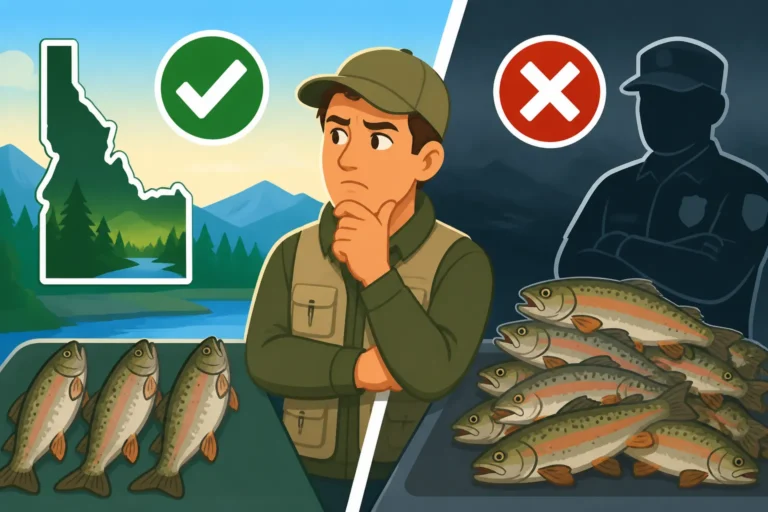
This is where the general statewide bag limit often goes out the window. Special regulation waters frequently feature drastically reduced bag limits, sometimes as low as a single fish, or even "catch-and-release only" for certain species or entire sections of a river. For example, while the Idaho Daily Bag Limit for Trout on Most Waters might be six, a specific creek known for native trout might be "catch-and-release only," meaning zero fish can be kept.
Slot limits are another clever tool used by IDFG. These rules specify a size range of fish that cannot be retained (e.g., "no fish between 14-20 inches retained"), meaning you can only keep fish smaller or larger than the slot. This helps protect the prime breeding stock, ensuring that the most reproductively viable fish remain in the system. When fishing in "catch-and-release only" zones, practicing proper fish handling is paramount: wet your hands before touching fish, minimize their time out of the water, and ensure they are revived before release. Always be prepared to identify your catch and know its size limits as part of the broader Idaho Catch Limits and Bag Limits Explained.
Season Dates and Time-of-Day Rules
Just because the general statewide trout season is open doesn't mean every single water in Idaho is fair game. Special regulation waters often have their own specific season dates. Some might open later in the spring, allowing fish to complete their spawning cycle undisturbed, while others might close earlier in the fall or even for an extended winter period.
These closures are usually implemented to protect sensitive fish populations during critical life stages or to reduce fishing pressure at vulnerable times. For instance, a small stream might be closed during its native Bull Trout spawning season. Additionally, certain areas might have "no night fishing" rules, either for public safety reasons (especially on heavily trafficked waters) or to protect nocturnal species. Always consult the specific listing for your chosen water body in the annual IDFG brochure to ensure you're fishing within legal hours and dates, which are thoroughly laid out in the Idaho Fishing Season Dates and Limits.
Essential Tools and Practices for Compliance
Staying compliant with Idaho's fishing regulations, especially in special regulation waters, requires more than just good intentions. It demands proactive effort and the use of the right resources.
The Importance of the Idaho Fishing Regulation Brochure
I've said it before, and I'll say it again: the annual Idaho Fishing Regulation Brochure is your Bible. It is the primary, most authoritative source for all fishing rules, general and special, within the state. You simply cannot rely on hearsay, old guides, or assumptions. Regulations can change annually, and sometimes even within a season via emergency proclamations.
When you get your hands on a brochure (which you can pick up at any license vendor or IDFG office, or download online), don't just glance at the first few pages. Read the general rules thoroughly, and then pay meticulous attention to the "Special Regulations by Water" sections. These are typically organized geographically or alphabetically. Have a specific river or lake in mind? Go directly to its listing. Make it a habit to carry a physical copy in your tackle box or have the digital version downloaded on your phone, ensuring it's the current year's edition. If you're not sure Where to Find Idaho's Current Fishing Rules Brochure, a quick search on the IDFG website will point you in the right direction.
Leveraging Online Resources and Apps
While the printed brochure is king, modern technology offers excellent supplementary resources. The IDFG website is a treasure trove of information, providing up-to-date regulations, fish stocking reports, and news releases that might include emergency rule changes. Many states now offer official fishing apps, like Idaho's GoOutdoorsIdaho app, which can often provide GPS-enabled regulation lookups based on your current location. This can be incredibly helpful when you're on the water and unsure about a boundary.
Before any trip, take the time to visit the IDFG website and check for any recent updates or changes to the regulations for your chosen fishing spot. Cross-referencing information from the brochure with the online portal is always a smart move. You can even find reputable fishing apps and navigation tools on the Amazon Appstore that integrate public land maps with fishing access points, further aiding your planning and compliance.
Ethical Angling in Special Regulation Zones
Adhering to the letter of the law is crucial, but ethical angling goes beyond mere compliance. In special regulation zones, where fish populations might be particularly sensitive or managed for specific outcomes like trophy size, your actions have a magnified impact.
This includes practicing responsible catch-and-release techniques. As mentioned, wet hands, minimal air exposure, and proper revival of fish are non-negotiable. It also means respecting private property; just because a river runs through it doesn't mean you can trespass. Always seek permission or stick to designated public access points. Remember the "pack it in, pack it out" principle, leaving no trace of your visit. In popular fly-fishing areas like Silver Creek, being aware of other anglers and maintaining courteous spacing is also a key part of ethical behavior. Ultimately, ethical angling helps preserve the very quality of fishing that special regulations aim to protect.
Common Misconceptions and Avoiding Costly Mistakes
Even experienced anglers can fall prey to common misconceptions about fishing regulations. These misunderstandings, particularly in special regulation waters, can lead to frustration, disappointment, and even legal trouble. Let's debunk some of these myths and highlight ways to avoid costly mistakes.
The "Private Property" Myth
This is a big one that often catches people off guard. There's a persistent myth that if you're fishing on private property, you don't need a license or aren't subject to state fishing regulations. This is almost universally false when it comes to public waters. If a river, stream, or lake runs through or borders private land, the water itself is typically considered public, and therefore, state fishing regulations still apply.
The landowner has the right to control access to their property – meaning you generally need their permission to step foot on their land to reach the water. However, once you're legally at the water's edge (or in a boat on the water), you are fishing under the jurisdiction of the Idaho Department of Fish and Game. So, while permission is essential for access, your Idaho Fishing License Guide and the associated regulations are always required for the act of fishing itself. You can learn more about this nuanced topic by reading Do You Need a License to Fish on Private Property in Idaho?. Don't ever assume that private land negates state fishing laws; it's a sure path to a citation.
Assuming Statewide Rules Apply Everywhere
Perhaps the most common and dangerous assumption an angler can make in Idaho is that the general statewide fishing rules apply uniformly across every single body of water. This is precisely what special regulations are designed to override, and why this entire guide exists! You might assume the daily bag limit for trout is six, or that bait fishing is allowed everywhere, only to find yourself fishing in a "catch-and-release only" or "artificial flies and lures only" section of a river.
This oversight can lead to keeping fish illegally, using prohibited bait, or fishing out of season without even realizing it. Imagine reeling in a beautiful trout on a section of the Boise River through town, thinking you're good to go, only to find out that specific urban fishing pond rules for that particular stretch are much stricter than for a mountain river section miles away. Always, always check the specific regulations for the particular body of water you intend to fish. A few minutes spent with the regulation brochure can save you hours of trouble and potential fines.
Consequences of Non-Compliance
Let's be blunt: breaking fishing regulations in Idaho is no joke. The consequences of non-compliance can range from significant fines to license revocation, seizure of your fishing gear, and in severe cases, even jail time. Ignorance of the law is never an acceptable excuse, and Idaho Fish and Game wardens are highly trained professionals who take their job of protecting Idaho's fisheries very seriously. They don't accept "I didn't know" any more than a police officer accepts "I didn't know the speed limit," no matter if you bought your rod and reel from a local shop or through Amazon.
Beyond the legal ramifications, there's the broader impact on conservation. When regulations are flaunted, it directly undermines the efforts to protect fragile fish populations, sustain trophy fisheries, and ensure quality angling experiences for everyone. An illegally harvested wild Steelhead, for example, represents a significant loss to a recovering population. Understanding and respecting special regulations isn't just about avoiding a ticket; it's about being a responsible steward of Idaho's incredible natural resources.
Disclaimer
The information provided in this guide is intended for general informational purposes only and is subject to change. While we strive to provide accurate and up-to-date content, fishing regulations, season dates, and limits are frequently updated by the Idaho Department of Fish and Game. It is the angler's sole responsibility to consult the most current official Idaho Fishing Regulation Brochure or the Idaho Department of Fish and Game website before engaging in any fishing activity. Failure to do so may result in fines or penalties.