Cancellation and Weather Policies for Idaho Fishing Guides
One of the most common anxieties when planning an exciting fishing trip to Idaho isn't about landing the big one, but rather what happens if life throws a curveball or the weather decides to go wild. Nobody wants to lose their hard-earned money because of an unforeseen event. This guide is here to untangle the often-confusing web of cancellation and weather policies used by Idaho fishing guides, so you can book your adventure with confidence and a clear understanding of your options.
Understanding Standard Idaho Fishing Guide Cancellation Policies
Booking a fishing guide is a commitment, not just for you, but for the guide too. They’re setting aside a day, turning down other potential clients, and doing a lot of preparation behind the scenes. That's why nearly every guide in Idaho, whether they're taking you for Idaho Steelhead Fishing Guides on the Clearwater or trout fishing on the Henry's Fork, will have a clear cancellation policy. It’s designed to protect their livelihood while also providing fairness to you, the angler.
The Deposit Dilemma and Why Guides Require It
Let's face it, deposits can feel a bit like a gamble, but they're a standard practice for good reason. When you book a trip, your guide typically asks for a portion of the total cost upfront. This isn't just to cover their initial administrative costs; it primarily serves to secure your date on their calendar and compensate them for the potential loss of income if you cancel last minute and they can't re-book that slot. Think about it from their perspective: a prime fishing day is a valuable commodity, especially during peak seasons like fall steelhead runs or spring salmon seasons.
The amount of the deposit can vary widely. Some guides might ask for a flat fee, while others might request a percentage of the total trip cost. This figure is usually non-refundable if you cancel within a certain window, as it's meant to offset the guide's opportunity cost. It's crucial to clarify this upfront. For instance, if you book a Full-Day Steelhead Jet Boat Trip Cost on the Salmon River, a guide has often already invested in fuel, bait, and possibly even turned down another charter for that same day. Knowing the deposit specifics helps manage expectations.
So, what happens if you have to cancel due to a sudden illness, a family emergency, or a work conflict? If it's outside the guide's specified cancellation window, you might be looking at forfeiting that deposit. This is where understanding the fine print becomes paramount. Don't be shy about asking your guide directly, or checking their terms on booking platforms like FishingBooker, what their specific policy is regarding deposit refunds when the cancellation comes from your end.
General Timelines for Cancellations and Refunds
Most Idaho fishing guides operate on a tiered cancellation policy, where the amount of your refund (or whether you get one at all) depends on how far in advance you notify them. These timelines aren't arbitrary; they reflect the realistic amount of time a guide needs to try and fill an open slot on their calendar. It’s much easier to find a replacement client if you cancel a month out than if you cancel a week before the trip.
Typically, you'll find policies that offer a full refund of your deposit if you cancel 30 or more days before your scheduled trip. This gives the guide ample time to advertise the newly available date and hopefully re-book it. If you cancel between, say, 14 and 30 days out, you might receive a partial refund, or the deposit might become non-refundable but transferable to a rescheduled date. The closer you get to the trip date, the less likely you are to receive any refund on your deposit, and in some cases, you could be liable for the full trip cost.
Imagine you've planned a weekend trip to Fishing Henry's Fork for Fly Anglers months in advance. Two weeks before your departure, an unavoidable conflict arises. If your guide's policy states deposits are non-refundable within 14 days, that deposit is likely gone. This is why when planning your Idaho Fishing Season Dates and Limits, it's smart to consider how firm your dates are and whether you can swing it if something unexpected pops up. Always get these timelines in writing or confirm them verbally and follow up with an email to both you and your guide, especially if you're working directly with them.
The "No Show" Policy and Its Consequences
This one is pretty straightforward, and unfortunately, it's a common frustration for guides. A "no show" means you simply don't turn up for your scheduled trip, often without any prior communication. From a guide's perspective, this is the worst-case scenario. They’ve prepared all the gear, potentially driven to the launch, and waited for you, only to be left high and dry with zero opportunity to fill that slot.
Almost universally, a "no show" will result in you forfeiting the entire cost of the trip, not just the deposit. Guides typically have this explicitly stated in their booking agreements. It's considered a breach of the agreement, and they're within their rights to charge you for the full amount of the service they were prepared to render. This isn't just about money; it’s also about professionalism and respect for the guide's time and effort.
The key takeaway here is simple: communication is paramount. If, for any reason, you absolutely cannot make your trip, even if it's the morning of, pick up the phone and call your guide. While it might still be too late for a refund, at least you’ve given them the courtesy of knowing, and it maintains a good relationship should you want to book with them again in the future. Many guides are much more understanding if you communicate honestly, even at the last minute, than if you simply disappear.
Navigating Weather-Related Cancellations in Idaho
Idaho weather can be notoriously fickle. One moment it's sunny and calm, the next you're dodging hailstones or battling gale-force winds. This unpredictability means that weather-related cancellations are a very real possibility, and understanding how guides handle them is critical. The crucial distinction here is often who is making the call to cancel.
When a Guide Calls Off the Trip: Safety First
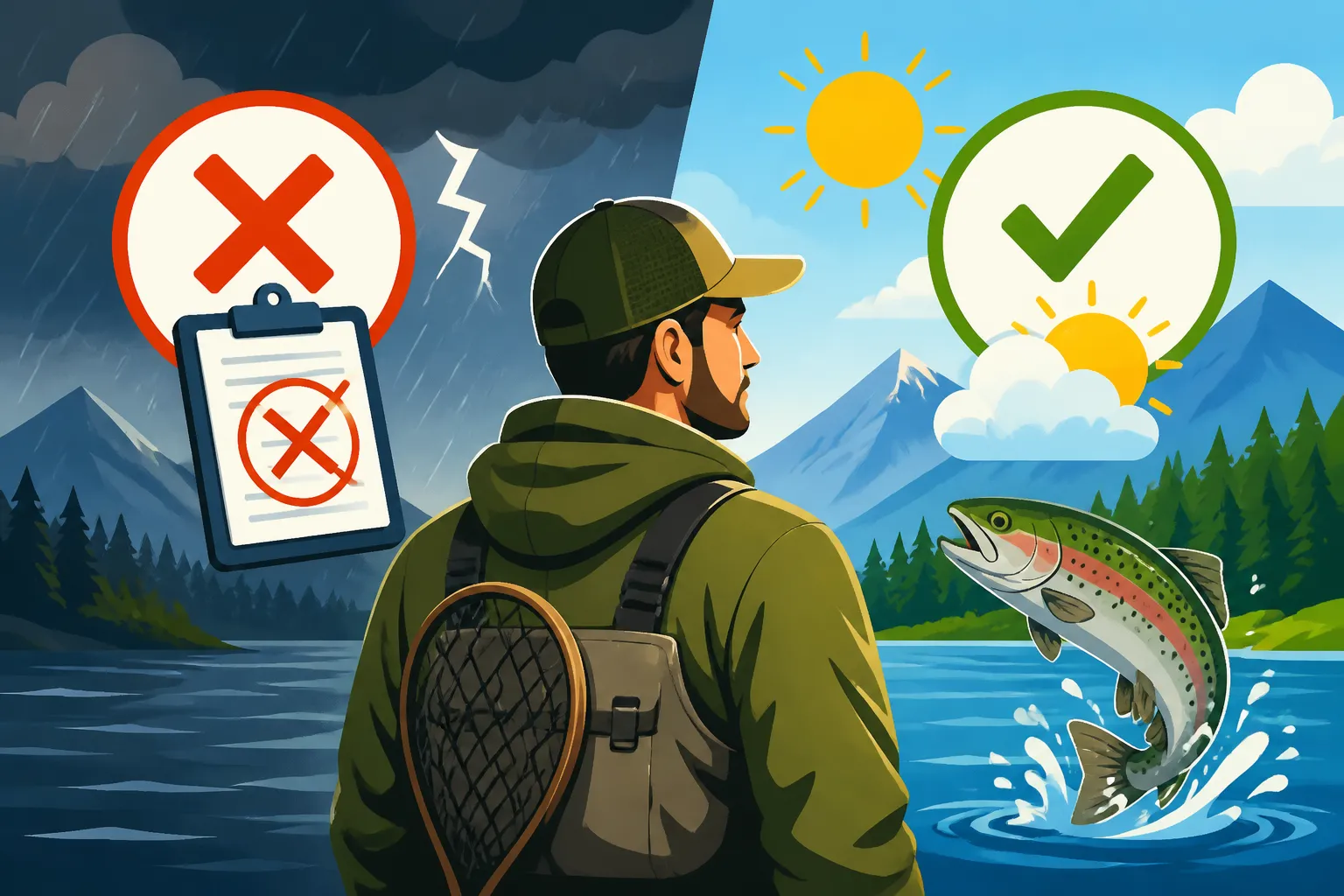
When an Idaho fishing guide cancels a trip due to weather, it's almost always for one reason: safety. Guides are professionals with extensive experience on their local waters, whether it's the rapidly flowing Salmon River or the vast expanse of Lake Coeur d'Alene. They know what conditions are dangerous – things like severe lightning, extreme winds that make boat operation hazardous, heavy fog, or dangerously high and muddy river flows after a big rainstorm or spring runoff. Their priority is getting you out on the water and back safely.
In these situations, the decision to cancel typically rests solely with the guide. It's not usually up for debate, nor should it be. If they deem conditions unsafe, the trip is off. The good news for you, the angler, is that when the guide initiates a weather-related cancellation due to legitimate safety concerns, you almost always have two options: a full refund or the opportunity to reschedule for another date. This is generally considered an "act of God" or an uncontrollable circumstance, and reputable guides won't penalize you for it.
Many guides proactively monitor weather forecasts using reliable sources. They'll likely be in touch with you the day before, or even the morning of, if there's a question about the weather. Booking platforms like FishingBooker often have clear guidelines for how weather-related cancellations initiated by the guide should be handled, usually leaning towards a full refund or reschedule. It’s part of the professional service they provide.
When the Angler Wants to Cancel Due to Weather: A Different Story
This is where things can get a little tricky and often lead to misunderstandings. Let's say you wake up to a cloudy day, a light drizzle, and temperatures cooler than you hoped for your planned Idaho Trout Season Opening Weekend trip. You might think, "This isn't fun; I want to cancel." However, if the guide determines that the conditions are still safe and fishable, your desire to cancel due to discomfort or simply "bad weather" typically falls under your standard cancellation policy.
In other words, a guide distinguishing between "unpleasant" weather and "unsafe" weather is crucial. A light rain might make for a less comfortable outing, but it can often mean great fishing! Many species, like steelhead and trout, become more active in overcast conditions or even light rain. If the guide is still willing and able to take you out safely, and you decide not to go because you don't like the weather, you'll likely forfeit your deposit or even the full trip cost, just as if you had a last-minute personal cancellation.
This situation highlights the importance of being prepared for Idaho's variable climate. Pack appropriate layers, rain gear, and a positive attitude. If you're heading out for Winter Fishing Spots in Idaho, expect cold, and plan accordingly. Only in extreme, clearly unsafe conditions will your guide typically offer a refund or reschedule if you are the one initiating the cancellation due to weather.
Understanding "Act of God" Clauses and Force Majeure
Beyond just "bad weather," there are bigger, more impactful events that can force cancellations. These often fall under "Act of God" or "force majeure" clauses in a guide's terms and conditions. These terms refer to unforeseeable circumstances that prevent the trip from safely or legally proceeding, which are completely beyond the control of either the guide or the angler.
Examples of such events in Idaho could include sudden and severe river closures due to massive wildfires, extreme and widespread flooding that makes entire river systems unfishable and inaccessible, major road washouts preventing access to fishing areas, or even sudden, unexpected regulatory closures by Idaho Fish and Game. These are not just "unpleasant" conditions; they are circumstances that make the guided trip impossible.
When an "Act of God" scenario arises, similar to a guide cancelling for unsafe weather, you typically have strong grounds for a full refund or a reschedule. Guides understand these are exceptional situations that impact everyone. It’s important to note that these are usually rare events, but it's good to be aware that they exist and how they are handled. Always read through the guide's terms or ask about these specific clauses when booking, especially for trips to remote areas like the Middle Fork of the Salmon River Fishing Outfitters.
Rescheduling, Refunds, and Communication Strategies
So, a cancellation has happened. Now what? The next steps largely depend on who initiated the cancellation and why. Understanding the available options and, more importantly, how to effectively communicate, will make the process much smoother and less stressful.
The Reschedule Option: Flexibility for Both Parties
In most cases where a trip is cancelled by the guide due to unsafe conditions, or sometimes by the angler well in advance, rescheduling is the preferred solution for everyone involved. For the guide, it means they still get your business, just on a different day. For you, it means you don't lose your deposit and still get to experience your Idaho fishing adventure. Many guides are quite flexible when it comes to finding a new date that works for both parties, as long as their calendar allows.
When rescheduling, your original deposit typically transfers to the new date. This is the most common and fair outcome. It's like putting your reservation on hold. Just be mindful that prime dates, especially for species like Idaho Chinook Salmon Fishing Guide or Idaho Steelhead Fishing Guide, can book up far in advance. So, while rescheduling is often an option, securing another ideal date might require some flexibility on your part. This flexibility is particularly important if you are trying to rebook a trip with a highly sought-after guide, perhaps one specializing in How to Fly Fish Henry's Fork.
It’s always a good idea to discuss with your guide their availability for rescheduling as soon as a cancellation is confirmed. Don't wait too long, especially if you have specific dates in mind, as their calendar can fill up quickly.
Getting Your Money Back: When and How
While rescheduling is common, sometimes a full refund is the only viable option. This typically happens when the guide cancels due to unsafe conditions (weather, mechanical issues, etc.) and you simply can't find a suitable reschedule date, or when you cancel far enough in advance according to the guide's policy. The process for getting your money back should be straightforward, but it's good to know what to expect.
If a refund is due, your guide will usually process it back to the original payment method you used. The timeline for receiving the refund can vary, often depending on your bank or credit card company, but usually, it should be within a few business days to a couple of weeks. If you booked through a platform like FishingBooker, they often manage the payment and refund process, which can sometimes add an extra layer of security and a structured timeline for resolution.
Always confirm the expected refund timeline with your guide or booking platform. Keep a record of your cancellation confirmation and any communication regarding the refund. While guides are generally honorable, having clear documentation is always a good practice. Knowing these details can relieve a lot of stress if you ever find yourself needing to request a refund for your Idaho Fishing Charters for Families with Kids.
The Golden Rule: Communicate, Communicate, Communicate
I cannot stress this enough: clear, timely, and respectful communication is the single most important factor in navigating any cancellation or weather-related issue with an Idaho fishing guide. A lack of communication often leads to frustration, misunderstandings, and negative outcomes for everyone.
Before you even book your trip, have an open conversation with your guide about their policies. Don't assume anything. Ask specific questions about deposits, cancellation windows, and how they handle adverse weather. Confirm the details in writing, whether through an email or by reviewing the terms on a booking platform. This initial clarity can prevent so many headaches down the road. This also directly ties into Questions to Ask Before Booking a Fishing Guide.
If something changes on your end, or if you have concerns about the weather forecast, reach out to your guide as soon as possible. Don't wait until the last minute. The more notice you give, the more options both you and your guide will have. Being upfront and honest, even if it's bad news, will be appreciated by your guide and can often lead to a more amicable solution, such as a flexible reschedule rather than a forfeited deposit. Similarly, if you are expecting a call or email from your guide regarding questionable weather, respond promptly. Good communication fosters good relationships, and that's key to successful outdoor adventures.
Key Questions to Ask Before Booking Your Idaho Fishing Guide
Booking a fishing guide in Idaho, whether for a quick half-day trip or a multi-day adventure, is an investment in an experience. To protect that investment and ensure peace of mind, it’s vital to ask the right questions upfront, especially concerning cancellation and weather policies. Don't ever feel shy about asking; a professional guide will appreciate your thoroughness.
Direct Questions About Deposits and Refunds
Before committing to any guide service, clarify all financial aspects, especially what happens if plans change. These are some essential questions to pose:
- What is the required deposit amount, and is it refundable? Understanding the initial financial commitment is crucial. Some guides may require a larger deposit for longer or more specialized trips, such as multi-day Idaho Salmon River Fishing Charters.
- What is the specific cancellation deadline for a full deposit refund? Get a clear date or timeframe (e.g., "30 days prior to the trip"). This is your golden number for making changes without financial penalty.
- What happens if I need to cancel after the refund deadline but before the trip? Understand the consequences. Will the deposit be forfeited? Is there a possibility of a partial refund or transferring the deposit to a future date?
- What is your policy regarding "no shows"? Even if you never intend to be one, knowing the guide's stance on uncommunicated absences is important for clarity. You'll likely find it's a full forfeiture.
- What payment methods do you accept, and how quickly are refunds processed if applicable? Knowing the practicalities of payment and refund timing helps manage your expectations and finances.
- Are there any additional fees not included in the stated price? While not directly about cancellation, clarifying the total Idaho Fishing Guide Cost Guide upfront helps prevent any last-minute surprises or reasons to back out.
Clarifying Weather-Related Decisions and Options
Idaho's diverse landscapes and weather patterns make weather policies a critical point of discussion. You need to know whose call it is and what your options are when Mother Nature intervenes.
- Who ultimately decides if the weather is unsafe for fishing? It should always be the guide. Confirm this, as it underscores their commitment to safety.
- What are my options if the guide cancels the trip due to unsafe weather or river conditions? Expect options like a full refund or rescheduling. Ask how flexible they are with rescheduling, especially if you're traveling from out of state.
- What if I decide I don't want to go because of unfavorable (but safe) weather, like heavy rain or cold? This is a common point of contention. Understand that your discomfort usually doesn't qualify for a refund if the guide is willing and able to fish safely. Be prepared for What to Wear Fishing Idaho Rivers in Early Spring or during cold snaps.
- How will you communicate weather-related decisions? Will it be a phone call, text, or email? And by what time will they make a final decision (e.g., the evening before, or early morning)? Knowing this helps you plan.
- Do you have any specific "Act of God" clauses for major natural disasters (e.g., wildfires, extreme flooding) that might close access to fishing areas? Understanding these broader, less common scenarios ensures you're covered for truly unforeseen events.
Understanding What's Included and Excluded
While not a cancellation policy itself, clarity on what your guided trip covers can prevent misunderstandings that might otherwise lead to frustration and potential cancellations. Knowing What's Included in an Idaho Guided Fishing Trip helps set realistic expectations.
| Included Typically | Sometimes Included (Ask!) | Not Included (Plan For It!) |
|---|---|---|
| Rods & Reels | Lunch & Beverages | Fishing License |
| Tackle & Bait | Flies/Lures (some specific) | Steelhead/Salmon Permits |
| Professional Guide | Fish Cleaning & Packaging | Waders & Boots |
| Boat & Fuel | Transportation to/from launch | Gratuities/Tips |
| Safety Gear | Photography | Snacks/Personal Drinks |
- Are fishing licenses and any necessary permits (like an Idaho Salmon and Steelhead Permit) included, or do I need to purchase them separately? In Idaho, anglers almost always need to purchase their own Idaho Fishing License Guide and any species-specific permits. Your guide can advise you, but it’s your responsibility to obtain them.
- Is all necessary gear provided (rods, reels, tackle, bait)? Most guides provide all the fishing gear, but clarify if there are any exceptions or if you prefer to bring your own specialized equipment.
- What about food and drinks? Is lunch provided on full-day trips? This varies greatly among guides. Some offer full meals, others just snacks and water. Plan accordingly.
- Are waders or special clothing provided, or do I need to bring my own? Especially for fly fishing wade trips or colder seasons, ask about appropriate attire and gear you need to bring. This ensures you're comfortable and prepared for your What to Expect on a Guided Idaho Fishing Trip.
By asking these detailed questions, you’ll not only be fully informed about cancellation and weather policies but also gain a deeper understanding of what to expect on your Idaho fishing adventure, helping you avoid any unwelcome surprises.
Disclaimer
This article is for general informational purposes only and does not constitute professional advice. Laws, prices and regulations vary by location and change over time. Consult a qualified professional for guidance on your specific situation.