Idaho Fishing Guide Tipping and Etiquette
Venturing out with an Idaho fishing guide can transform a good fishing trip into an unforgettable adventure, but once the lines are reeled in and the stories are told, a common question often surfaces: "How much should I tip?" It’s a moment that can make even seasoned anglers a little uneasy, wondering if they're showing enough appreciation for the hard work, expertise, and personalized experience their guide has provided. This comprehensive guide will demystify the unspoken rules of gratuity and etiquette for Idaho fishing guides, ensuring you can end your day on the water feeling confident and grateful.
Understanding the Role of Your Idaho Fishing Guide
Before we dive into the specifics of tipping, it’s really helpful to pause and appreciate just what an Idaho fishing guide brings to the table. It’s so much more than just a ride on a boat or showing you where the fish might be. They are professionals who dedicate their lives to sharing the beauty and bounty of Idaho’s incredible waters with others.
More Than Just a Boat Driver
Think about it: your guide isn't just steering a boat. They're a highly skilled navigator, a local weather expert, a seasoned angler who knows the rivers and lakes like the back of their hand, and often, an excellent teacher. They've spent countless hours studying the currents, learning the feeding patterns of specific fish species, and identifying the subtle signs that indicate where trout, salmon, or steelhead might be holding. They're a combination of a naturalist, a mechanic, a chef (if lunch is provided), and a safety officer, all rolled into one.
They're constantly making judgment calls based on water levels, clarity, temperature, recent hatches, and angler skill levels. They’re tying knots, baiting hooks, untangling lines, and celebrating every catch with genuine enthusiasm. Even on a slow day, their effort is often immense, trying every trick in the book to put you on fish. It’s a dynamic, demanding job that requires constant attention and deep knowledge.
The Investment Guides Make
Becoming and remaining a professional fishing guide in Idaho involves a significant personal and financial investment. It's not just a hobby they decided to monetize; it's a legitimate business for many. They spend substantial money on their specialized equipment: drift boats, jet boats, rafts, trailers, motors, rods, reels, and a vast array of tackle and flies. All of this gear needs constant maintenance, repair, and often, replacement.
Beyond the physical assets, there's the cost of licensing, insurance, and permits. Guides need specific state and sometimes federal licenses, not to mention liability insurance, which can be quite hefty. Then there’s the unseen labor: hours spent scouting new water, cleaning and maintaining their vessels, tying flies, and preparing for each trip. This isn't a 9-to-5 job; it's a lifestyle that demands passion and considerable upfront and ongoing costs. When you understand this investment, the value of their service truly shines.
Why a Guide Enhances Your Trip
For many, especially those visiting Idaho for the first time or looking to target a specific species like Idaho Steelhead Fishing Guides or Idaho Sturgeon Fishing Rules, a guide is invaluable. They provide access to remote waters that might be difficult or impossible to reach on your own. They navigate treacherous currents safely and efficiently. More importantly, they offer personalized instruction and local secrets that can fast-track your learning and success.
Imagine trying to navigate the intricate eddies of the Clearwater River for steelhead without a guide, or finding the perfect trolling depth for Kokanee on Lake Coeur d'Alene. A good guide doesn't just take you fishing; they teach you how to fish specific waters, helping you refine your techniques, identify promising lies, and understand the nuances of the local ecosystem. They handle all the logistics, so you can simply focus on the joy of fishing. It truly transforms the experience, often turning a potentially frustrating day into one filled with learning and success. If you're wondering Is a Guided Trip Worth It for a First-Time Angler?, the answer is almost always a resounding yes.
The Unwritten Rules of Tipping in the Guiding Industry
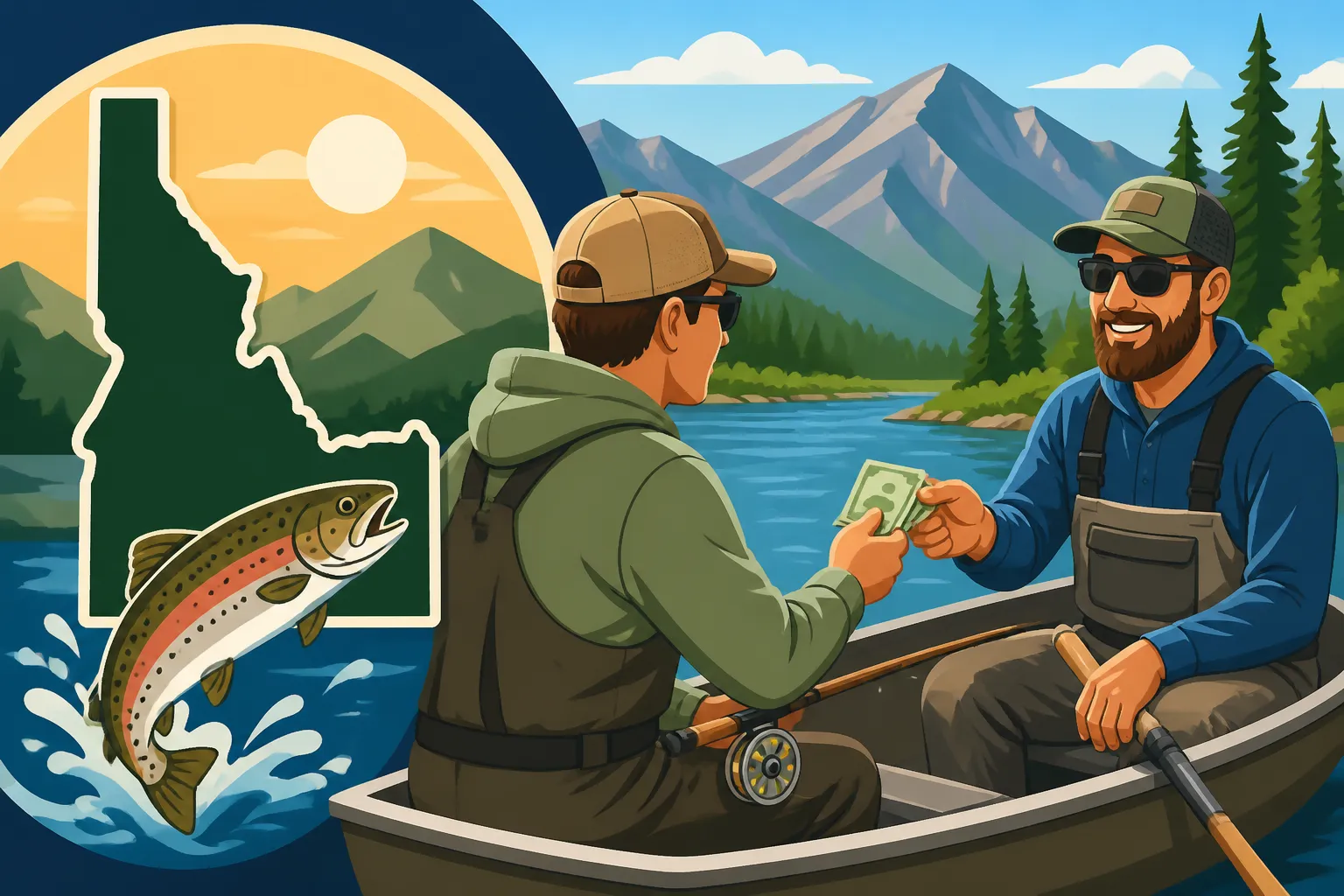
Unlike a retail transaction where the price is fixed, services like guided fishing trips often come with an unspoken expectation of a gratuity. This isn't unique to Idaho fishing; it's a common practice across the service industry, and understanding why it exists can help you navigate the process with confidence.
Tipping as a Standard Practice
In North America, particularly, tipping is deeply embedded in the culture of service industries, and guided fishing is no exception. It’s viewed as a direct way for clients to acknowledge exceptional service, hard work, and the personalized attention they received. For many guides, tips are not merely a bonus; they represent a significant portion of their income. The base rate you pay for a guided trip often covers the guide's operational costs, such as fuel, boat maintenance, insurance, and a portion of their time, but the tip is where their true livelihood often lies.
It's a system that incentivizes guides to go above and beyond, knowing that their dedication and the quality of their service will directly impact their earnings. This practice helps maintain a high standard of professionalism and customer satisfaction within the industry. So, when you're preparing for your trip, it’s good practice to budget for a tip, just as you would for other aspects of your travel.
A Reflection of Service, Not Just Fish Caught
This is perhaps the most crucial point to grasp about tipping your fishing guide. While everyone hopes for a banner day filled with fish, the success of a guided trip isn't solely measured by the number of fish in the cooler. A truly great guide provides an outstanding experience regardless of how cooperative the fish are. They work tirelessly, remain positive, share their knowledge, ensure your safety, and make the day enjoyable, even if the bite is slow.
If your guide put in a full day's effort, tried different spots and techniques, was patient, offered valuable instruction, and maintained a great attitude despite challenging conditions, they deserve a tip that reflects that effort. The tip acknowledges their professionalism, their dedication, and the overall quality of the time you spent on the water. Don't let a slow fishing day deter you from showing appreciation for a guide who gave their all; it’s often during tough conditions that a guide's true skill and perseverance shine.
How Tips Supplement Income
It's a common misconception that guides charge high rates, so they must be rolling in cash. The reality is often far different. As mentioned earlier, the cost of operating a guided service is substantial. A guide's daily fee is often split to cover overhead, outfitter fees (if they work for one), and other business expenses. What's left for the guide themselves might be a modest hourly wage, or even less, if they're independent and factoring in their own business costs.
Tips allow guides to earn a living wage that truly reflects their skill, effort, and the irregular nature of their work. Guiding is seasonal in many parts of Idaho, and guides must make enough during peak seasons to carry them through slower periods. Your tip directly contributes to their ability to continue providing these valuable services, supporting their families and their passion for the outdoors. It's a way to directly support the hardworking individuals who make incredible Idaho fishing experiences possible.
Factors That Influence Tipping Amounts
Deciding on the exact amount to tip can feel a bit arbitrary, but it doesn't have to be. Several key factors should weigh into your decision, moving beyond a simple percentage and focusing on the overall value of your experience.
Guide's Effort and Attitude
This is paramount. Did your guide wake up early, scout the water, prepare gear meticulously, and then work tirelessly throughout the day? Did they remain positive, enthusiastic, and patient, even if conditions were challenging or someone in your group was struggling? A guide who puts in maximum effort, consistently checks lines, changes flies, and moves to new spots to find fish, even if the fish aren't biting, is demonstrating exceptional dedication.
Conversely, a guide who seems disengaged, spends excessive time on their phone, or expresses frustration clearly isn't delivering the best service. The tip reflects their commitment to your experience. If they were genuinely invested in making your day great, that deserves recognition, regardless of the catch count.
Quality of Instruction and Local Knowledge
One of the primary reasons to hire an Idaho fishing guide is to tap into their deep well of expertise. Did your guide share valuable insights about the local fishery? Did they teach you new casting techniques, how to read water, or identify different insect hatches? Did you come away feeling like you learned something significant that will make you a better angler in the future?
Guides who not only put you on fish but also empower you with knowledge provide immense value. This is especially true on famous, technical waters like Henry's Fork, where understanding specific currents and hatches is key. A guide's willingness to educate, explain, and patiently demonstrate techniques significantly enhances the trip and warrants a higher tip. They're not just guiding; they're mentoring.
Overall Trip Experience
Beyond the fishing itself, consider the overall enjoyment and comfort of your day. Was the boat clean and well-maintained? Was the lunch delicious and thoughtfully prepared (if included)? Did the guide ensure your safety at all times, especially when navigating tricky rapids or handling challenging weather? Was the conversation engaging and respectful?
A truly professional guide pays attention to all these details, creating a holistic experience that is pleasant and memorable from start to finish. If you felt well-cared for, safe, and had a genuinely good time, even without landing a trophy, that speaks volumes about the guide's commitment to hospitality. Think about the entire package, not just the bend in your rod.
Length and Type of Trip
The duration and nature of your trip can also influence tipping. A full-day trip naturally involves more of a guide's time, effort, and resources than a half-day. Similarly, a physically demanding wade trip that requires constant walking and spotting fish might warrant a slightly different consideration than a relaxed float trip where the guide rows and you cast.
Specialized trips, like those targeting trophy Sturgeon on the Snake River or multi-day wilderness floats on the Middle Fork of the Salmon, often involve even more preparation, specialized gear, and advanced skills. The complexity and duration of the trip should factor into your tipping decision, reflecting the extended effort and unique challenges the guide undertakes.
Number of Anglers in Your Group
If you're part of a larger group on a charter, the guide's attention is naturally divided. However, if you're on a private trip with just one or two anglers, the guide's focus is entirely on you. This individualized attention often translates to more personalized instruction, quicker untangles, and a more tailored experience. While tipping percentages are generally applied per person based on the trip cost, a guide who provides exceptional one-on-one service might warrant a slightly more generous tip from each individual if the group is small. It's about recognizing the intensity of their focus.
Typical Tipping Percentages and Ranges
Now, let’s get down to some concrete numbers. While there's no official rulebook, established norms in the guiding industry can help you determine an appropriate gratuity.
Standard Guidelines
Most experienced anglers and outfitters agree that a tip of 15-25% of the trip's total cost is standard for good to excellent service. This range provides flexibility to acknowledge varying levels of service and personal financial comfort.
- 15%: This would typically be for a satisfactory trip where the guide was competent and professional, but perhaps didn't go above and beyond, or the fishing was exceptionally slow with little instruction.
- 18-20%: This is generally considered the sweet spot for good service, where the guide was attentive, knowledgeable, worked hard, and you had a great time, even if the fish weren't jumping into the boat. This is the most common tipping range for a positive experience.
- 20-25% or More: This is reserved for truly exceptional experiences. Perhaps the guide went out of their way to make the trip special, provided outstanding instruction, landed you a fish of a lifetime, or navigated particularly challenging conditions with skill and grace. If you had an unforgettable day, learned a ton, and felt incredibly well-cared for, this higher range is a great way to show your profound appreciation.
Remember, these percentages are based on the total cost of the trip, not just what you might perceive as the guide's personal fee.
Breaking Down the Numbers
Let's put those percentages into perspective with some hypothetical examples. Since specific costs vary widely depending on the guide, location (like a Henry's Fork Fishing Guides trip versus a Clearwater River Steelhead Guides trip), and duration, we’ll use round numbers for illustration.
| Trip Cost | 15% Tip | 18% Tip | 20% Tip | 25% Tip |
|---|---|---|---|---|
| $400 | $60 | $72 | $80 | $100 |
| $500 | $75 | $90 | $100 | $125 |
| $600 | $90 | $108 | $120 | $150 |
| $800 | $120 | $144 | $160 | $200 |
So, for a typical full-day trip costing, say, $600 for two anglers, a good tip would be in the $108-$120 range. If it was an outstanding experience, you might consider $150. These are just examples, of course, and you should always check the current rates and policies directly with the guide or outfitter, perhaps when researching on platforms like FishingBooker.
Considering the "Add-ons"
Sometimes, a guide goes above and beyond in ways that aren't strictly fishing-related but significantly enhance your comfort and enjoyment. Did they provide gourmet snacks or a truly fantastic streamside lunch? Did they have extra gear on hand that saved your day (like a forgotten hat or sunscreen)? Did they take incredible photos for you?
These small gestures, while not part of the core guiding service, add immense value to the overall experience. Acknowledge these extras with a slightly more generous tip if you feel it's warranted. It shows that you noticed and appreciated the thoughtful details that made your trip even better. After all, a guided trip is about the whole experience, not just the fish.
Beyond the Money: Showing Appreciation Through Etiquette
While tipping is a direct way to financially acknowledge your guide's hard work, it's not the only way to show appreciation. Good angler etiquette throughout the trip can significantly enhance the guide's day, making their job more enjoyable and their efforts more effective.
Being Punctual and Prepared
Your guide’s day often starts hours before you meet them, preparing the boat, packing lunches, and checking conditions. Being on time for your scheduled meeting not only shows respect for their time but also ensures you get the most out of your valuable time on the water. A late start can cut into fishing time and throw off the entire day's schedule.
Equally important is being prepared with what you need, or what your guide asked you to bring. This usually includes appropriate clothing for the weather, sunglasses, a hat, and your Idaho Fishing License Guide and any required permits (like an Idaho Salmon and Steelhead Permit). Don't assume your guide will have extras of everything. Being ready to go when you arrive makes for a smooth, efficient start to the day.
Active Listening and Following Instructions
Your guide is the expert on the water you're fishing. They know the currents, the fish behavior, and the best techniques for that specific day. When they offer advice, explain a casting technique, or instruct you on how to set the hook, listen carefully and try your best to follow their lead. They're trying to help you succeed!
Arguing with a guide about their methods or ignoring their advice can be frustrating for them and counterproductive for your fishing success. Trust their judgment; they want you to catch fish as much as you do. A good guide will explain why they suggest certain approaches, offering a valuable learning experience.
Respecting the Equipment and Environment
A guide's boat, rods, reels, and other gear are their tools of the trade, and often represent a substantial financial investment. Treat their equipment with care, as you would your own. Avoid stepping on rods, leaving trash in the boat, or being careless with hooks and lures. If you accidentally damage something, offer to pay for it or help with repairs.
Just as importantly, respect the natural environment. Practice "Leave No Trace" principles. Don't litter, adhere to catch-and-release rules (especially for species like Sturgeon or protected wild steelhead), and be mindful of delicate ecosystems. Your guide is often a passionate conservationist, and showing respect for the resource reflects positively on you as an angler.
Offering Help When Appropriate
While your guide is there to serve you, there are times when offering a small hand can be genuinely helpful and appreciated. This might include helping to load or unload gear from the boat at the end of the day, offering to help net a fish (if you're experienced and the guide approves), or simply helping keep the boat tidy.
Of course, use your judgment. Don't interfere with their professional duties or try to take over tasks they prefer to handle themselves. Simple gestures like offering to carry a cooler to the truck or making sure trash goes into a designated bag show a thoughtful appreciation for their hard work.
Positive Word-of-Mouth and Reviews
Beyond the tip, one of the most powerful forms of appreciation you can offer a truly great guide is positive word-of-mouth and a glowing online review. In today's digital age, online reviews on platforms like FishingBooker, Google, or the outfitter's website are incredibly important for guides to attract new clients. A thoughtful review detailing what made your trip special can be invaluable to their business.
If you had a fantastic experience, tell your friends, post about it on social media (with the guide's permission, of course!), and take the time to write a detailed review. It costs you nothing but a few minutes of your time, but it can provide lasting benefits for a deserving guide and outfitter, helping them continue to share their passion.
Common Tipping Scenarios and How to Handle Them
Different trip durations and group dynamics can sometimes make tipping a bit confusing. Let’s break down some common scenarios you might encounter.
Half-Day Trips
Half-day trips are popular for those on a tighter schedule or who are introducing kids or beginners to fishing. While shorter, the guide still puts in significant effort in preparation, travel, and active guiding. The base fee for a half-day trip is typically less than a full-day, so the dollar amount of your tip will naturally be lower.
However, the percentage guidelines (15-25%) still apply. For example, if a half-day trip costs $300, a 20% tip would be $60. Don't skimp just because the trip was shorter; the guide's effort-per-hour is often just as intense. They still performed all the necessary prep work and delivered a concentrated period of their expertise.
Multi-Day Adventures
For multi-day trips, such as an extended Idaho Salmon River Fishing Charters experience or a float through the wilderness, tipping etiquette changes slightly. Instead of one large lump sum at the very end, it's common practice to tip per day. This allows you to acknowledge the guide's performance each day and ensures they receive their gratuity even if circumstances cut the trip short.
You can hand the guide their tip at the end of each day, or provide a daily tip to the lead guide who will then distribute it among any other support staff (e.g., cooks, camp helpers) if applicable. Confirm with your outfitter if multiple guides or support staff will be involved and how tips are typically handled. Often, a lead guide or the outfitter will provide guidance on how to tip the entire crew.
Group Trips and Shared Responsibility
If you're part of a larger group on a charter or a multi-boat trip, the responsibility for tipping is generally shared among all participants. The easiest way to handle this is for one person to collect contributions from everyone in the group and present a single, combined tip to the guide at the end of the trip.
This avoids awkward individual transactions and ensures the guide receives a fair tip based on the collective experience. It's a good idea to discuss tipping expectations with your group beforehand so everyone is on the same page and can contribute appropriately based on the total cost and their satisfaction. Does Every Angler on a Charter Boat Need Their Own Idaho License? is a common question, and similarly, everyone should contribute to the tip.
The "Slow Day" Dilemma
This is perhaps the most common source of confusion for anglers. What if the fish just weren't biting? It's important to remember the "service, not just fish caught" principle. If your guide worked hard, maintained a positive attitude, explored different areas, offered advice, and generally did everything in their power to make the day enjoyable despite the lack of fish, they still deserve a good tip.
Fishing is, after all, fishing – not catching. There are too many variables (weather, water conditions, fish moods) for even the best guide to guarantee a limit every time. Your tip reflects their effort, expertise, and professionalism. Only if the guide was genuinely disengaged, unprofessional, or showed a lack of effort should a slow day impact your tip negatively. In most cases, a slow day means the guide worked harder, and that effort should be recognized.
When Not to Tip (And What to Do Instead)
While tipping is a strong industry norm, there are rare instances where a tip might not be deserved. It’s important to distinguish between a genuinely bad experience due to poor guiding and simply a slow day of fishing.
Legitimate Reasons to Withhold or Reduce a Tip
If your guide genuinely provided poor service, a reduced or withheld tip might be appropriate. This isn't about a lack of fish, but rather a lack of effort, professionalism, or even safety. Legitimate reasons could include:
- Disengagement: The guide seemed uninterested, spent excessive time on their phone, or showed no enthusiasm for your trip.
- Unsafe Practices: The guide put you or your group in a dangerous situation, either through reckless boat handling, ignoring safety protocols, or failing to provide proper safety equipment.
- Lack of Knowledge or Effort: The guide appeared unprepared, didn't seem to know the water well, or made little effort to move to new spots or try different techniques when the fishing was slow.
- Unprofessional Conduct: The guide was rude, disrespectful, openly complained about the job, or created an uncomfortable atmosphere.
- Damaged Gear Due to Carelessness: If your personal gear was damaged due to the guide's clear negligence, and they offered no remedy.
These situations are rare, as most Idaho fishing guides are passionate, professional individuals, but it's important to know your options if you encounter truly subpar service.
Communicating Concerns Respectfully
If you have a legitimate reason to reduce or withhold a tip, it's generally best to communicate your concerns directly, but respectfully, at the end of the trip. Instead of simply leaving no tip without explanation, a brief, calm conversation can be more effective.
For example, you might say, "John, I appreciate the time on the water today, but I was really disappointed by X, Y, or Z." This provides the guide with direct feedback, which they might need to improve their service. Keep it factual and avoid emotional accusations. This also allows the guide a chance to respond or explain. While uncomfortable, this direct feedback can be more constructive than silent disapproval.
Escalating Issues If Necessary
If your concerns are significant, especially regarding safety or highly unprofessional conduct, and you feel uncomfortable addressing the guide directly, or if the guide is unresponsive to your feedback, you might need to escalate the issue.
If you booked through an outfitter, contact the owner or manager immediately after your trip to explain your concerns. They rely on their guides for their reputation and will want to know if one of their team members isn't meeting standards. If you booked independently, you might consider reaching out to the Idaho Department of Fish and Game or the relevant guiding association if the issue involves serious violations or safety concerns. Thankfully, truly negative experiences are few and far between, especially if you follow advice on How to Find a Reputable Fishing Guide and Questions to Ask Before Booking a Fishing Guide.
Preparing for Your Guided Trip: A Holistic Approach
A successful guided fishing trip starts long before you step foot in the boat. Thoughtful preparation can enhance your experience, manage expectations, and even subtly influence your guide's impression of you.
Researching Your Guide and Outfitter
Taking the time to research your guide and the outfitter you choose is an investment that pays dividends. Platforms like FishingBooker are excellent resources for finding guides in Idaho, reading reviews from previous clients, and getting a sense of their specialties and guiding style. Look for guides with consistent positive feedback regarding their professionalism, local knowledge, and client communication.
Check their websites for details about the specific trips they offer, their experience, and their philosophy. A reputable outfitter or guide will be transparent about what they provide and what they expect from clients. This due diligence helps ensure you're booking with a professional who aligns with your fishing goals.
Confirming What's Included
Before your trip, always clarify exactly what is included in the cost of the guide service. This might seem basic, but it prevents misunderstandings and helps you plan your budget, including your tip. Common inclusions might be:
- Rods, reels, and tackle: Most guides provide these, but some fly fishing guides might expect you to bring your own specialized gear.
- Flies or bait: Generally included.
- Lunch and beverages: Often provided on full-day trips, but always confirm.
- Safety equipment: Life jackets, first-aid kit.
- Transportation to and from the fishing spots: Usually from a designated meeting point.
Things not typically included are your Idaho Fishing License Cost Guide, permits, waders, rain gear, and personal items. Knowing exactly what to expect helps you arrive prepared and confident.
Asking About Tipping Expectations Ahead of Time
It is absolutely okay and often appreciated to politely ask about tipping expectations when you book your trip. This conversation can happen with the outfitter's booking agent or directly with the guide if you're booking independently. A simple question like, "What's the typical gratuity for your guides?" or "What's the standard tipping protocol for a full-day trip?" shows that you're considerate and want to ensure you do things correctly.
Most outfitters and guides are happy to discuss this, as it eliminates awkwardness later. Their answer can help you budget accurately and arrive with confidence, ready to enjoy your fishing adventure without any lingering questions about gratuity.
Disclaimer
This article is for general informational purposes only and does not constitute professional advice. Laws, prices and regulations vary by location and change over time. Consult a qualified professional for guidance on your specific situation.