What Panfish Are Common in Idaho Lakes
For many folks, the thought of Idaho fishing conjures up images of massive steelhead or trophy-sized lake trout, challenging the most seasoned anglers in wild rivers and deep lakes. And while those opportunities absolutely exist and are incredible experiences, it's easy to overlook the unsung heroes of Idaho's waters: panfish. These smaller, feisty fish are often the very first species that get a rod bending for a new angler, provide endless entertainment on a slow afternoon, and can fill a cooler with some of the best-tasting freshwater fillets around. If you've ever wondered which of these delightful fish you're likely to encounter in Idaho's abundant lakes and reservoirs, you're in the right place. This guide is all about shining a spotlight on the common panfish species that call Idaho home, helping you identify them, and pointing you towards where you can find them for some fantastic fishing fun.
Understanding What Panfish Are (and Why They're So Great!)
Before we dive into the specifics of each species, let's clarify what we mean by "panfish." Generally, panfish refers to any number of smaller freshwater fish that are typically caught for eating and are sized perfectly to fit in a frying pan – hence the name! They aren't known for their massive size or long, drag-screaming runs, but what they lack in bulk, they more than make up for in eagerness to bite, abundance, and accessibility.
For many families, especially those with kids, panfishing is the perfect entry point into the world of angling. You don't need fancy gear, often a simple worm under a bobber will do the trick, and the action can be fast and furious. This means less waiting around and more actual fish-catching, which is a huge win for keeping young anglers engaged. Beyond the sheer fun, panfish play a vital role in the ecosystem, serving as a food source for larger predatory fish and helping maintain balance in aquatic environments. Plus, let's be honest, a fresh panfish fry is a culinary treat that's hard to beat after a day on the water. They are also fantastic for teaching responsible angling practices, like handling fish gently and understanding Idaho Catch Limits and Bag Limits Explained.
The Universal Appeal of Panfish
There's something deeply satisfying about dropping a tiny jig or a piece of nightcrawler into a promising spot and feeling that tell-tale tap-tap-tap, followed by a solid tug. It's a connection to nature that's immediate and rewarding. Panfish are forgiving, often biting throughout the day, which makes them a reliable target when other species might be finicky. They thrive in a variety of habitats, from shallow, weedy coves to deeper open water, making them adaptable and present in many of Idaho's waterways. This accessibility is why they are often featured during events like Idaho Free Fishing Day, encouraging new anglers to give it a try.
For those looking to expand their fishing horizons without breaking the bank or traveling to remote locations, panfish offer a fantastic opportunity right in your local Idaho lake or reservoir. They are a staple for bank anglers, kayakers, and boaters alike, offering diverse opportunities to fish. You can find simple, effective panfish tackle at most local sporting goods stores or even online at retailers like Amazon, making it incredibly easy to get started.
Common Panfish Species Found in Idaho Waters
Idaho boasts a healthy population of several popular panfish species, each with its own characteristics and preferred habitats. While specific regulations and populations can vary by water body, these are the ones you're most likely to encounter on an Idaho panfishing adventure.
Yellow Perch
Ah, the yellow perch! If there's one panfish that epitomizes Idaho's panfishing scene, it might just be the yellow perch. Instantly recognizable by their distinctive vertical stripes and often bright yellow or golden sides, these fish are a favorite for a reason. They're widespread, cooperative, and absolutely delicious.
Yellow perch thrive in cooler, clear to slightly turbid waters, often congregating in schools around submerged structures like weed beds, rocky points, and brush piles. You'll find them in many of Idaho's larger lakes and reservoirs, often in impressive numbers. They are social fish, so if you catch one, there are usually more in the vicinity. This makes them fantastic targets for steady action, especially when How to Jig for Perch in Idaho during the colder months through the ice. Their firm, flaky white meat is highly prized, making them a popular choice for anglers looking to fill their coolers. Don't be surprised to find yourself catching them year-round, as they are a staple for ice anglers across the state.
A great example of a fishery for yellow perch is American Falls Reservoir in southeastern Idaho. While it’s known for trout, the perch population provides consistent action, especially in winter. Similarly, Cascade Reservoir is another prime location, famous for its abundant perch fishery, often yielding impressive numbers through the ice. Many anglers find their first success with simple rigs involving a small jig tipped with a piece of worm or a maggots, which you can easily stock up on before your trip, perhaps even finding specialized panfish gear on Amazon.
Black Crappie and White Crappie
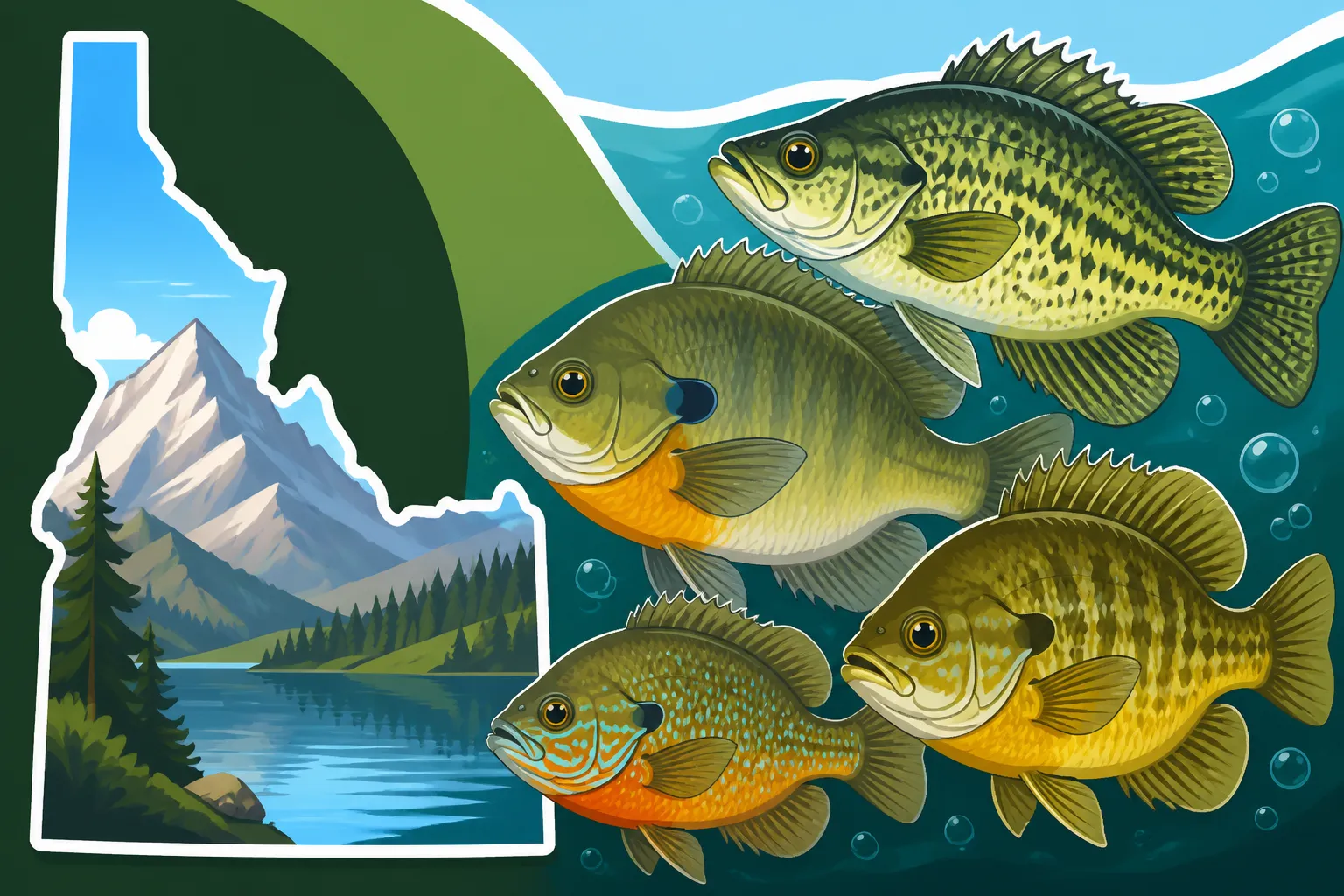
Crappie are another beloved panfish in Idaho, with both black crappie and white crappie present in many of our waters. While they share similar habits and appearances, there are subtle differences. Black crappie tend to have a more uniform black spotting pattern and deeper bodies, while white crappie have more distinct vertical bands and a slightly more elongated body. Both are excellent eating fish and provide a spirited fight for their size.
Crappie are true schooling fish, often found in large groups around submerged timber, brush piles, docks, and other structures in lakes and reservoirs. They prefer calmer, warmer waters and are particularly active during spring spawning season when they move into shallower areas, making them accessible to bank anglers. They are known for their paper-thin mouths, which require a gentle touch when setting the hook – hence their name, "crappie." Light tackle is key for these guys. How to Catch Crappie in Reservoirs often involves vertical jigging with small jigs or minnows.
Reservoirs like C.J. Strike are well-known for their crappie populations, particularly in the spring. You'll find anglers targeting them from boats and along the shorelines, especially near brushy coves. Lake Lowell near Nampa also offers good crappie fishing, providing an accessible spot for many anglers in the Treasure Valley. When searching for crappie, a good fish finder can be invaluable for locating those submerged brush piles where they like to hang out, and you can find a wide range of options to fit any budget on Amazon.
Bluegill
The quintessential sunfish, bluegill are perhaps the most recognizable and universally loved panfish, especially for beginners and kids. They get their name from the distinctive blue-black flap on their gill cover (the operculum) and are known for their vibrant coloring, especially the males during spawning season, which can sport brilliant orange bellies.
Bluegill are tenacious little fighters for their size, pulling hard and refusing to give up, which makes them incredibly fun on light tackle. They prefer shallow, warm, weedy areas in ponds, lakes, and slow-moving rivers. Structure is key for bluegill, whether it's lily pads, cattails, submerged logs, or docks. They are opportunistic feeders, eager to strike at almost anything small enough to fit in their mouths. Worms, crickets, small poppers, and tiny jigs are all effective. They often bite throughout the day, making them a reliable target. You can learn more about specific regulations concerning these and other species in the Idaho Fishing Regulations Explained.
Many small ponds and urban fisheries throughout Idaho are stocked with bluegill, making them highly accessible for family outings. Reservoirs and calmer sections of rivers will also hold good numbers. They are truly the "fish for everyone," providing endless entertainment and a delicious meal. They're often found alongside other sunfish species, like pumpkinseed.
Pumpkinseed
Closely related to bluegill, the pumpkinseed sunfish is another colorful and common panfish in Idaho. They are easily distinguished by the bright orange-red spot on the tip of their gill cover, and often have wavy blue-green lines across their cheeks. Their bodies are typically mottled with various shades of green, yellow, and orange, giving them a truly artistic appearance.
Like bluegill, pumpkinseeds prefer weedy, shallow water and are often found in similar habitats: ponds, small lakes, and backwater areas of larger reservoirs. They have a smaller mouth than bluegill, so tiny baits and hooks are necessary. They are just as eager to bite, however, and provide the same feisty fight on ultralight tackle. They might not grow as large as some bluegill or crappie, but their beauty and willingness to bite make them a delightful catch. Idaho Fishing Rules for Kids and Families often highlights these species for their accessibility and fun factor.
You'll often find pumpkinseeds alongside bluegill in the same waters, and they respond to similar baits and techniques. Think small worms, bits of corn, or micro jigs. They are fantastic for introducing new anglers to the sport because of their abundance and predictable behavior in shallow water.
Where to Find Common Panfish in Idaho
Idaho is blessed with countless lakes, reservoirs, and slow-moving river sections that provide excellent panfishing opportunities. While panfish are widespread, certain locations are particularly renowned for specific species.
Lakes and Reservoirs for Abundant Panfish
When you're looking for a good panfish outing, think about bodies of water with plenty of shallow, weedy areas or submerged structures.
- Cascade Reservoir: A true panfish paradise, especially for yellow perch and crappie. Famous for its ice fishing, but also provides excellent open-water opportunities. Anglers here use everything from small jigs to minnows. It's truly a year-round destination for those chasing numbers of panfish.
- C.J. Strike Reservoir: Known for its fantastic crappie fishery, particularly in the spring. You can often find large schools congregated around the many rocky points and submerged brush. It's also a good spot for yellow perch and various sunfish.
- Lake Lowell: A popular spot near Nampa, offering good fishing for crappie, bluegill, and yellow perch. Its relatively shallow and warm waters make it ideal for panfish, especially for those looking for a quick trip close to the city.
- American Falls Reservoir: Primarily a yellow perch hotbed, with impressive numbers and sizes often caught, particularly during the ice fishing season. It's a large body of water, so a boat can be helpful, but bank fishing can also be productive in certain areas.
- Lake Coeur d'Alene: While known for its trophy Fishing Lake Coeur d'Alene for Kokanee and Chinook, Lake Coeur d'Alene also holds good populations of yellow perch in its shallower bays and around docks. It's a great bonus catch for anglers targeting other species.
- Local Ponds and Urban Waters: Don't overlook the smaller, often-stocked ponds maintained by Idaho Fish and Game within city limits or in parks. These are frequently stocked with bluegill and other sunfish, making them perfect for a casual afternoon of fishing with kids. They provide easy access and usually consistent action. Check your local Fish and Game stocking reports to find these gems.
Understanding Panfish Habitats
Knowing where to cast your line is half the battle. Panfish, by nature, are creatures of structure and comfort.
- Weed Beds: These submerged aquatic plants provide cover from predators, ambush points for feeding, and a source of insects and small invertebrates for panfish to eat. Look for areas where lily pads, cattails, or submerged grasses grow.
- Submerged Timber and Brush Piles: Fallen trees, stumps, and intentionally sunk brush piles (fish attractors) are magnets for crappie and perch. These offer vertical cover and shade, which panfish love. If you have a boat with a fish finder, scanning for these structures can be incredibly productive.
- Docks and Piers: Man-made structures like boat docks, fishing piers, and even bridge pilings offer shade and cover, attracting schools of panfish. These are fantastic spots for bank anglers.
- Rocky Points and Drop-offs: Yellow perch, in particular, will often school along rocky points or where shallow flats drop off into deeper water, especially as seasons change.
- Shallow Coves and Backwaters: During warmer months and especially spring spawning, bluegill and crappie will push into these protected, calmer areas to reproduce.
Remember that panfish can move with the seasons and even throughout the day. In the morning and evening, they might be shallower, while midday heat often drives them to deeper, shadier cover.
Essential Gear and Techniques for Catching Idaho Panfish
One of the best things about panfishing is that it doesn't require a huge investment in gear. Simplicity is often the key to success.
Rods, Reels, and Line
For panfish, ultralight or light action spinning rods are your best friend. These rods are sensitive enough to detect subtle bites and have enough flex to make even a small bluegill feel like a trophy.
- Rod: A 5-foot to 6.5-foot ultralight or light action spinning rod. Graphite rods offer excellent sensitivity. Many affordable combos are available that are perfect for panfish, easily found at sporting goods stores or online.
- Reel: A small spinning reel (500-1000 size) spooled with light line.
- Line: 4-6 pound test monofilament or fluorocarbon line is ideal. It's thin enough to be nearly invisible in clear water and strong enough for most panfish. If you're fishing around heavy cover, consider 6-pound test. You can find quality line options on Amazon to match your reel.
Baits and Lures
Panfish are not overly picky eaters, which is great news for anglers.
- Live Bait:
- Worms/Nightcrawlers: Cut into small pieces, these are irresistible to nearly all panfish.
- Mealworms/Waxworms: Especially effective for bluegill and pumpkinseed.
- Minnows: Small minnows are deadly for crappie and larger perch, either fished under a bobber or on a small jig.
- Crabs/Grasshoppers: In late summer, when these are abundant, panfish will readily snatch them off the surface.
- Artificial Lures:
- Small Jigs: Tiny 1/32 to 1/16 ounce jigs, often tipped with a plastic grub, tube, or a bit of live bait, are incredibly versatile. Colors like white, chartreuse, and pink are often effective.
- Micro Spoons: Small, flashy spoons can attract aggressive perch and crappie.
- Tiny Spinners: Lures like Panther Martins or Rooster Tails in small sizes (1/16 to 1/8 ounce) with a single blade are excellent for casting and retrieving in search of active panfish.
- Small Crankbaits/Poppers: For surface action, especially for bluegill in calmer waters, tiny floating crankbaits or poppers can be a blast.
Simple Rigging Techniques
You don't need complex knots or elaborate setups for panfish.
- Bobber Rig: The classic and arguably most effective setup. Tie a small hook (size 8-12) to your line, add a split shot weight a few inches above it to help the bait sink, and attach a bobber. Adjust the bobber depth to keep your bait just above the weed tops or suspended at the depth where fish are biting. This is perfect for Idaho Fishing Rules for Kids and Families.
- Bottom Rig: For fishing near the bottom, especially for perch. Tie a small hook, then add a small sinker (like a bell sinker or walking sinker) below it. This keeps your bait on the bottom.
- Jigging: Attach a small jig directly to your line. Cast it out and retrieve with a slow, erratic twitching motion, or drop it straight down if fishing from a boat or pier. This is a common technique when learning How to Ice Fish Idaho Lakes.
Best Time to Target Panfish
While panfish can be caught year-round, certain times of the year offer peak opportunities.
- Spring: As water temperatures rise, panfish become incredibly active. This is prime spawning season for crappie and bluegill, drawing them into shallow, accessible areas where they are eager to bite.
- Summer: Panfish are abundant, but often seek deeper, cooler water or dense cover during the hottest parts of the day. Early mornings and late evenings can be most productive in shallows.
- Fall: As water temperatures begin to drop, panfish often feed aggressively to fatten up for winter. They can be found schooling in predictable patterns, making for some excellent fishing.
- Winter (Ice Fishing): Idaho offers fantastic ice fishing for yellow perch and crappie on many frozen lakes and reservoirs, like Cascade and American Falls. They often school tightly under the ice, and once you find them, the action can be non-stop.
Always remember to consult the Idaho Fishing Regulations Explained before heading out, as rules for specific waters or species can change. Knowing your Idaho Fishing License Guide requirements is also crucial.
Panfish and the Idaho Fishing Experience
Panfish provide a unique and often overlooked facet of the Idaho fishing experience. They offer a relaxed, fun, and highly rewarding way to spend time outdoors, whether you're a seasoned angler looking for a change of pace or introducing a new generation to the joys of fishing. The thrill of a bluegill pulling hard on a light rod, the anticipation of a crappie school, or the delicious reward of fresh perch fillets make panfishing an enduring favorite for many Idahoans.
So next time you're planning a fishing trip, don't dismiss the little guys. Grab some worms, a bobber, and a light rod – perhaps a new setup you found on Amazon – and discover the abundant fun that Idaho's common panfish have to offer. You might just find your new favorite way to fish. For more detailed information, consider exploring Idaho Fishing Season Dates and Limits or specific guides like Idaho Yellow Perch Fishing and Idaho Crappie Fishing.
Disclaimer
This article is for general informational purposes only and does not constitute professional advice. Laws, prices and regulations vary by location and change over time. Consult a qualified professional for guidance on your specific situation.