What Idaho’s Bull Trout Protections Mean for Anglers
It's completely understandable to feel a bit lost when it comes to specific fishing regulations, especially with species like the Bull Trout here in Idaho. These beautiful native fish are deeply protected, and the rules surrounding them can sometimes feel a little overwhelming, leaving anglers unsure of how to comply while still enjoying their time on the water. This guide aims to clear up all that confusion, outlining precisely what Idaho's robust Bull Trout protections mean for you, the angler, so you can fish with confidence and contribute to their survival.
Understanding Bull Trout and Their Protected Status
When we talk about Bull Trout, we're discussing one of Idaho's most significant native fish. They're not just another trout; they hold a special place in our ecosystems and fishing heritage. Their unique biology and critical role in the food chain make their protection paramount.
Who Are Bull Trout?
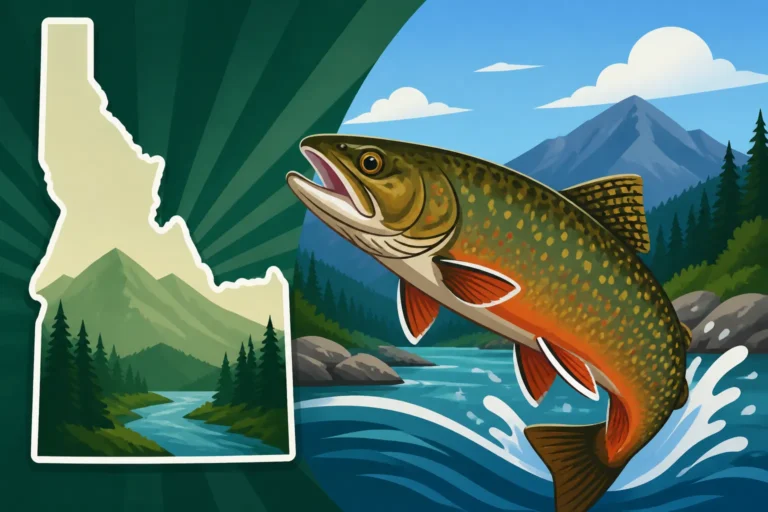
Bull Trout ( Salvelinus confluentus) are a truly remarkable species, native to the cold, clear waters of the Pacific Northwest, including a significant portion of Idaho. Unlike rainbow or brown trout, which are actually members of the Oncorhynchus and Salmo genera respectively, Bull Trout are char, closely related to lake trout and brook trout. This means they have distinct physical characteristics and habitat requirements. You'll typically find them in pristine, cold-water habitats, often at higher elevations or in rivers with significant groundwater influence. They are predators, feeding on smaller fish and insects, and are a key indicator of healthy, intact aquatic ecosystems. Their existence signals that the water quality, temperature, and habitat structure are all in good shape, which benefits every other species in that system, from mayflies to deer that drink from the stream.
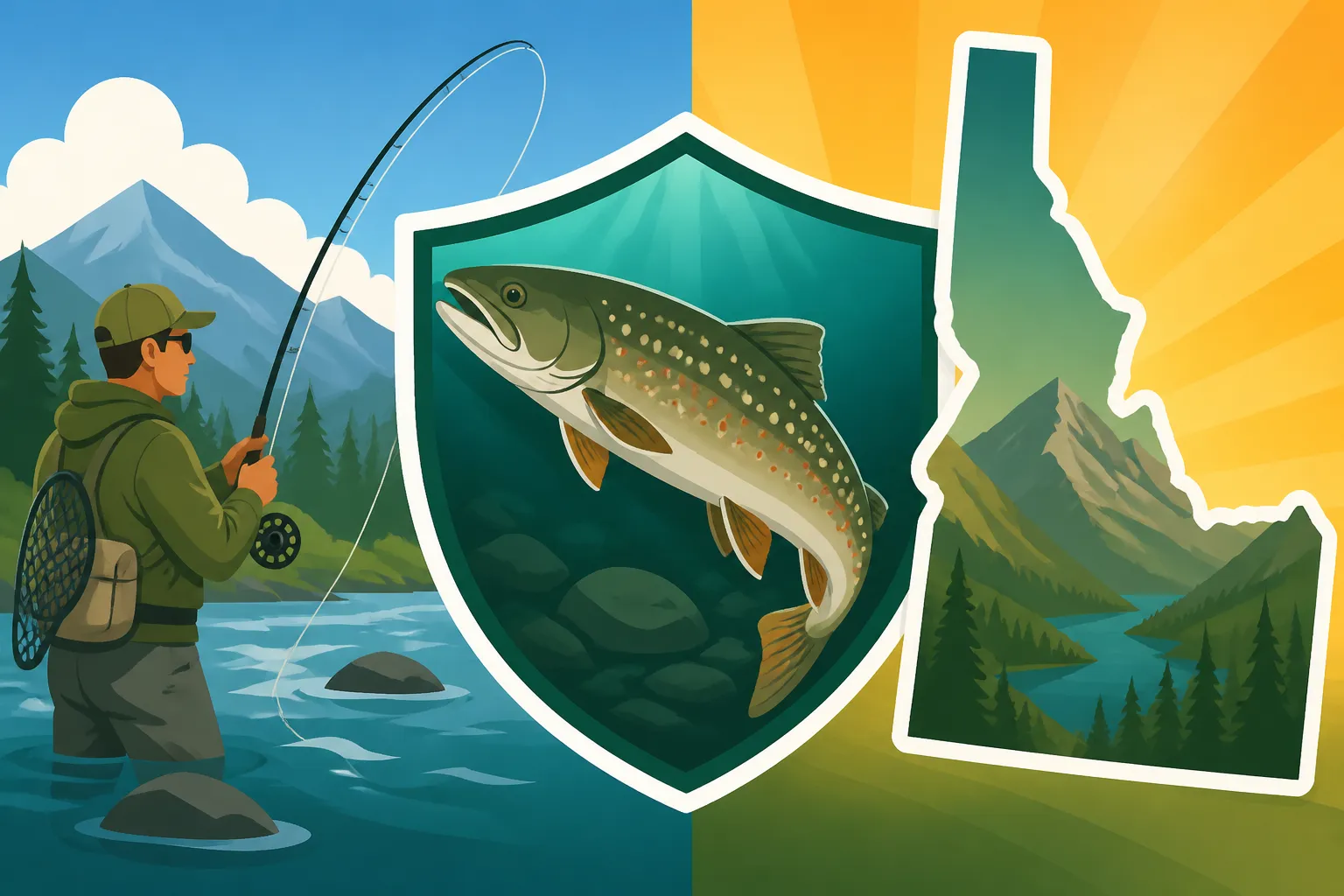
These fish are known for their striking appearance, often displaying olive-green to brown bodies with scattered pale yellow or orange spots, sometimes even a touch of pink along their sides when spawning. What really sets them apart from rainbow trout or even brook trout is the absence of black spots on their dorsal fin, and a distinct white leading edge on their pectoral, pelvic, and anal fins. They also have a large head and mouth, indicative of their predatory nature. They require very specific spawning conditions—cold, clean gravel free of fine sediment—and their eggs develop over the winter, hatching in spring. This makes them incredibly vulnerable to changes in their environment, from rising water temperatures to habitat degradation. Understanding their life cycle helps us appreciate why their protection is so crucial.
The Critical Need for Protection
The story of the Bull Trout is one of both resilience and struggle. Historically, they thrived across vast stretches of the Pacific Northwest. However, decades of habitat loss, fragmentation, and degradation due to logging, mining, road construction, and the introduction of non-native fish species have taken a severe toll. Dams, in particular, have blocked their migratory routes, isolating populations and preventing them from reaching critical spawning and foraging grounds. Over-harvesting in the past also contributed to their decline before comprehensive protections were put in place.
Today, Bull Trout are listed as a "threatened" species under the Endangered Species Act throughout their range. In Idaho, this federal listing mandates strict conservation measures to prevent their extinction and aid in their recovery. This isn't just a regulatory formality; it's a reflection of their precarious status and the scientific consensus that without intervention, these fish could disappear from many of our waters forever. The listing means that federal and state agencies, along with landowners and, yes, even anglers, have a legal and ethical responsibility to ensure their survival. This critical need for protection is why Idaho Fish and Game has such stringent rules surrounding Bull Trout, making sure that every effort is made to give them the best chance at recovery. For anyone looking to understand the broader context of fishing in our state, the Idaho Fishing Regulations Explained article provides valuable insights into how these regulations are structured.
Idaho's Regulations: The "Catch and Release Only" Mandate
For anglers, the single most important rule regarding Bull Trout in Idaho is straightforward: they are strictly catch and release. There are absolutely no exceptions for keeping a Bull Trout. This isn't just a suggestion; it's a legal requirement aimed at giving every Bull Trout the chance to reproduce and contribute to the long-term health of its population.
The Golden Rule: Release Immediately and Gently
If you are fortunate enough to hook a Bull Trout, the "golden rule" is to release it immediately and with the utmost care. This means minimizing the time the fish is out of the water, handling it gently, and avoiding any actions that could harm its delicate internal organs or protective slime layer. Think of it this way: every single Bull Trout is precious to the species' survival, and your actions during release can directly impact its chances of making it.
Here’s a breakdown of how to ensure a safe release:
- Keep it Wet: The less time a fish spends out of water, the better. Try to unhook it while it's still in the water, or at least barely above the surface. If you need a photo, prepare your camera beforehand, quickly lift the fish, snap one or two shots, and return it to the water immediately.
- Handle with Care: Use wet hands to handle the fish. Dry hands can remove the protective slime coat, leaving the fish vulnerable to disease. Avoid squeezing the fish, especially around the gills or belly. Support its weight horizontally, never hold it vertically by the jaw or tail.
- Remove the Hook Quickly: Barbless hooks are your best friend here (more on that later). If the hook is deeply set, consider cutting the line as close to the hook as possible rather than tearing at the fish’s throat to retrieve it. Specialized long-nose pliers or hemostats can make hook removal much easier and quicker. You can find excellent options for these tools on platforms like Amazon.
- Revive, Don't Throw: Once unhooked, gently hold the fish upright in the water, facing into a mild current. If there's no current, gently move it back and forth to force water over its gills. Wait for it to regain its strength and swim away on its own. It's often tempting to just toss it back, but a proper revival greatly increases its survival rate.
These practices aren't just for Bull Trout; they're excellent habits to develop for all catch-and-release fishing, ensuring that future generations can enjoy the same opportunities you have. For a more general understanding of catch limits and regulations across different species, check out Idaho Catch Limits and Bag Limits Explained.
Identifying Bull Trout vs. Look-alikes
One of the biggest challenges for anglers is accurately identifying a Bull Trout, especially since they share some visual characteristics with other char and trout species found in Idaho. Mistakes can lead to serious consequences, so knowing the key differences is paramount. While some rivers might not have Bull Trout, others do, and it’s up to the angler to know the difference.
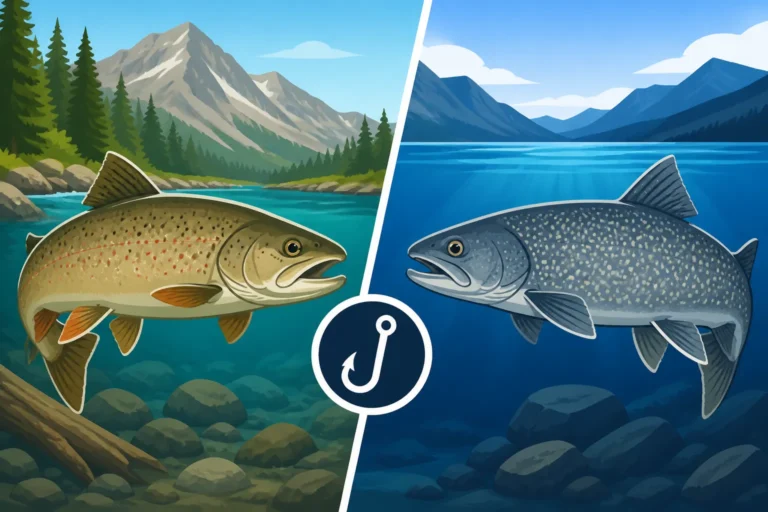
Here's a table to help distinguish Bull Trout from some common look-alikes:
| Feature | Bull Trout | Lake Trout (Mackinaw) | Brook Trout (Introduced) | Rainbow Trout (Native/Introduced) |
|---|---|---|---|---|
| Spots | Pale yellow, orange, or pinkish spots on a dark body; NO black spots on dorsal fin | Numerous light spots (white, yellow, grey) on a dark body; spots on dorsal fin | Red spots with blue halos on sides; wavy worm-like markings on back | Black spots on dark body, often on dorsal fin; typically a pinkish stripe on side |
| Tail Fin | Slightly forked to moderately forked | Deeply forked | Square or slightly forked | Slightly forked to square |
| Mouth/Head | Large head, large mouth extending beyond the eye | Large head, large mouth extending beyond the eye | Moderately large mouth, extends to or slightly beyond eye | Moderate mouth, extends to or slightly beyond eye |
| Fin Edges | White leading edge on lower fins (pectoral, pelvic, anal) | No prominent white leading edges | White leading edge on lower fins (often with black line) | No prominent white leading edges |
| Native Status | Native to Idaho | Native to some Idaho waters, introduced to others | Introduced to Idaho waters | Native in some drainages, widely introduced |
Key takeaway for Bull Trout identification: Look for the pale spots on a darker body, the lack of black spots on the dorsal fin, and the distinct white leading edges on the lower fins (pectoral, pelvic, and anal). These three features together are strong indicators. Remember, if you're ever in doubt, treat the fish as if it's a Bull Trout and release it immediately and gently. It's always better to be safe than sorry when it comes to protected species. This caution is crucial, especially in waters known to hold Bull Trout. If you want to learn more about char distinctions, the Difference Between a Bull Trout and a Lake Trout article might be useful.
Tackle and Techniques to Protect Bull Trout
Your choice of fishing gear and the techniques you employ can significantly impact a Bull Trout's survival if you accidentally catch one. Being prepared with the right equipment and knowledge isn't just good angling; it's a vital part of conservation.
Gear Choices for Minimizing Harm
The right gear can make all the difference in ensuring a safe release. Anglers committed to conservation often make specific choices to minimize stress and injury to fish, especially vulnerable species like Bull Trout.
- Barbless Hooks are Essential: This cannot be stressed enough. Barbless hooks are significantly easier and quicker to remove, reducing the time a fish is handled and decreasing tissue damage. Many regulations, especially in special waters, require barbless hooks, but even where not mandated, they are a responsible choice. You can purchase barbless hooks directly or easily crimp down the barb on any barbed hook with a pair of pliers. This simple modification is incredibly effective. For those needing to stock up, barbless hook varieties are readily available from retailers, including online platforms like Amazon.
- Rubberized Landing Nets: A knotless, rubberized landing net is far superior to traditional knotted nylon nets for catch and release. Rubberized nets protect the fish's delicate slime coat, fins, and scales. They also prevent hooks from getting tangled, making the unhooking process faster and less stressful for the fish. A good quality net is an investment in ethical angling, and many anglers find great options for these on Amazon.
- Forceps or Pliers: Long-nosed forceps or needle-nose pliers are indispensable tools for quick and efficient hook removal. They allow you to reach deep-set hooks without having to put your hands inside the fish's mouth or gill plate, further minimizing stress and injury. Keep them easily accessible on your vest or waders.
- Appropriate Tackle: While Bull Trout can be aggressive, using overly heavy tackle can prolong the fight, leading to exhaustion for the fish. Conversely, too light a tackle can also extend the fight unnecessarily. The goal is to land the fish as quickly and efficiently as possible without overtiring it, so it has the best chance of recovery. Match your tackle to the size of fish you expect to encounter and the fishing conditions.
These gear choices demonstrate a commitment to responsible angling and go a long way in protecting not just Bull Trout but all fish you intend to release. Understanding Why Barbless Hooks Are Required for Idaho Sturgeon can give you an appreciation for similar rules protecting other sensitive species.
Best Practices for Accidental Catches
Even when targeting other species, you might accidentally hook a Bull Trout. It happens! The key is to be prepared and know exactly what to do. Your immediate actions are critical for the fish's survival.
- Recognize and React: The moment you suspect you’ve hooked a Bull Trout (or any fish you're not sure about), prepare for an immediate release. Don't fight it to exhaustion. Bring it in quickly and carefully.
- Minimize Air Exposure: This is paramount. If possible, keep the fish in the water while you remove the hook. If you must lift it, do so only for a quick, respectful moment.
- Gentle Handling: Always use wet hands. Avoid touching the eyes or gills. Support the fish horizontally, especially larger ones, to prevent internal organ damage.
- Quick Hook Removal: Use your forceps or pliers to remove the barbless hook swiftly. If the hook is deeply ingested, cut the line as close to the hook as possible. Don't try to rip it out.
- Revival: Hold the fish gently in the water, facing into the current. Allow water to flow over its gills until it shows signs of strong recovery and can swim away under its own power. Do not release it until it can hold itself upright and actively tries to swim away.
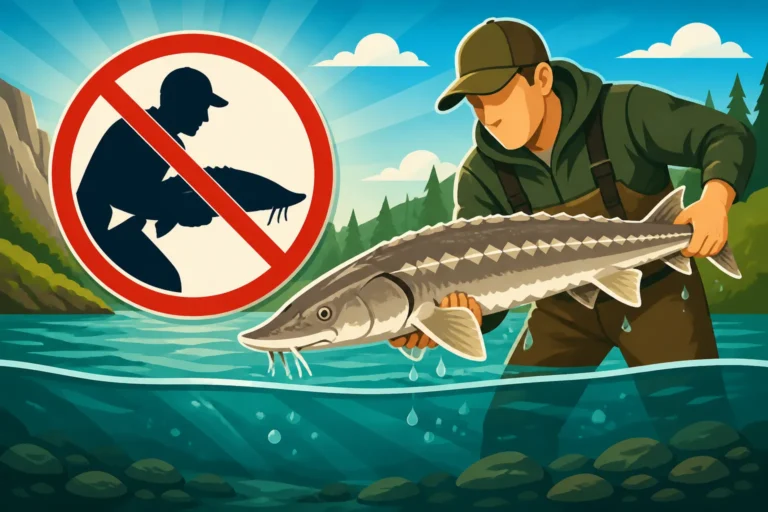
- Photo Etiquette (if you must): If you absolutely feel the need for a photo, be quick. Have your camera ready, wet your hands, quickly lift the fish just above the water for a single shot, and immediately return it to the water for revival. Ethical anglers prioritize the fish's well-being over a perfect picture. The Idaho Rule Against Removing Sturgeon from the Water highlights similar strict policies for other protected fish.
- Reporting (if unusual): If you notice a Bull Trout with unusual markings, signs of disease, or in an area where they are not typically found, consider making a note of the location and reporting it to Idaho Fish and Game. Your observations can contribute valuable data to conservation efforts.
Following these practices ensures that even accidental encounters turn into positive conservation opportunities. Learning How to Avoid Accidentally Catching Bull Trout can help you refine your techniques for targeting other species.
Consequences of Non-Compliance and Angler Responsibility
Fishing in Idaho is a privilege that comes with responsibilities, especially when it concerns protected species like the Bull Trout. Ignoring these regulations isn't just unethical; it carries significant legal consequences. More importantly, it undermines the collective effort to preserve these magnificent fish for future generations.
The Legal Ramifications
Idaho Fish and Game, working in conjunction with federal agencies, takes Bull Trout protections very seriously. Violations can lead to severe penalties, ranging from hefty fines to the loss of fishing privileges, and even potential jail time in extreme cases. It's not a slap on the wrist.
- Fines: Penalties for possessing a Bull Trout (even if caught accidentally and not released properly) can be substantial. These fines are designed to be a significant deterrent and reflect the serious nature of the violation. The exact amount can vary based on the specifics of the offense and location, but they are often in the hundreds or even thousands of dollars.
- Loss of Privileges: Anglers found in violation may have their fishing license revoked for a period, sometimes permanently. This means you could lose the ability to fish in Idaho waters for quite some time, which for many passionate anglers is a worse punishment than any fine.
- Equipment Seizure: In some cases, your fishing gear, including rods, reels, and even boats, could be seized by enforcement officers.
- Criminal Charges: Depending on the severity and intent of the violation (e.g., intentionally targeting and killing Bull Trout, commercial poaching), criminal charges could be pursued.
- Embarrassment and Reputation: Beyond the legal and financial penalties, there's the public and personal cost. Being cited for violating conservation laws can be a source of significant embarrassment and damage to your reputation within the angling community, where ethical conduct is highly valued.
It is every angler's responsibility to know and abide by the rules. Ignorance of the law is generally not considered an excuse. Before heading out, always consult the most current Idaho Fishing Regulation Brochure and Proclamation for the specific waters you plan to fish, as rules can vary by river section or lake.
The Ethos of Conservation
Beyond the legal implications, there's a deeper, more profound reason why these protections matter: the ethos of conservation. Anglers, perhaps more than anyone, have a vested interest in healthy fish populations and thriving ecosystems. We are often the first to notice changes in the environment, and our actions on the water have a direct impact.
- Guardians of the Resource: As anglers, we are essentially the stewards of Idaho's aquatic resources. Our passion for fishing should naturally extend to a passion for protecting the very creatures we pursue. Each Bull Trout successfully released contributes to the genetic diversity and reproductive potential of the population, inching them closer to recovery.
- Educating Others: Part of this responsibility includes not just following the rules ourselves but also gently educating other anglers we might encounter who are unaware. A friendly word about barbless hooks or proper handling can make a huge difference. Leading by example is powerful.
- Long-Term Vision: The protections for Bull Trout are not just about saving one species; they are about maintaining the ecological integrity of Idaho's wild rivers and lakes. When Bull Trout thrive, it's a sign that the entire ecosystem is healthy, which benefits all other fish species, wildlife, and even the quality of our drinking water. This long-term vision ensures that Idaho remains a premier fishing destination for generations to come. For specific details on where these remarkable fish are found, you might find Where Bull Trout Are Found in Idaho helpful.
In essence, every time you choose to use a barbless hook, every time you gently release a Bull Trout, you're doing more than just following a rule; you're actively participating in a critical conservation effort. It's a small act that collectively makes a massive difference, preserving the wild beauty and incredible fishing opportunities that make Idaho so special.
Disclaimer
This article is for general informational purposes only and does not constitute professional advice. Laws, prices and regulations vary by location and change over time. Consult a qualified professional for guidance on your specific situation.