Does Idaho Have Walleye Fishing?
Oh, the elusive walleye in Idaho! It's a question I hear all the time from anglers, especially those who've fished for them in the Midwest or other parts of the country. Many folks assume Idaho, with its famous trout, steelhead, and salmon, simply doesn't have a walleye fishery. But let me tell you, that assumption isn't entirely accurate, and it often leads to missed opportunities. This guide is here to clear up the confusion, tell you exactly where you can find walleye in our great state, and offer some real talk about what it takes to catch them.
The Walleye Question in Idaho: A Realistic Look
Idaho is known for its incredible mountain lakes and rivers, teeming with trout and salmon. So, when someone asks about walleye, there's often a blank stare or a dismissive wave of the hand. It's totally understandable. Walleye aren't plastered on every Idaho fishing brochure, nor are they a native species here. This makes them a bit of a hidden gem, or perhaps, a well-kept secret for those in the know.
Are Walleye Native to Idaho?
Let's get this straight from the start: walleye are not native to Idaho. Our beautiful clear, cold mountain streams and lakes are naturally home to species like cutthroat trout, rainbow trout, and even bull trout in certain areas. Walleye are a classic North American species, but their native range traditionally extends more towards the central and eastern parts of the continent, particularly around the Great Lakes region and into the Mississippi River basin.
So, how did they end up here? Like many non-native species in various states, walleye were introduced to Idaho waters. These introductions typically occurred decades ago, often with the intention of creating new sport fisheries or to manage other fish populations. Sometimes, these introductions are successful, leading to self-sustaining populations, while other times, they don't quite take hold. In Idaho's case, while they aren't everywhere, they certainly have established themselves in specific locations. This isn't like finding a hidden pond full of them in every county; it's much more targeted.
Where Walleye Are Found in Idaho
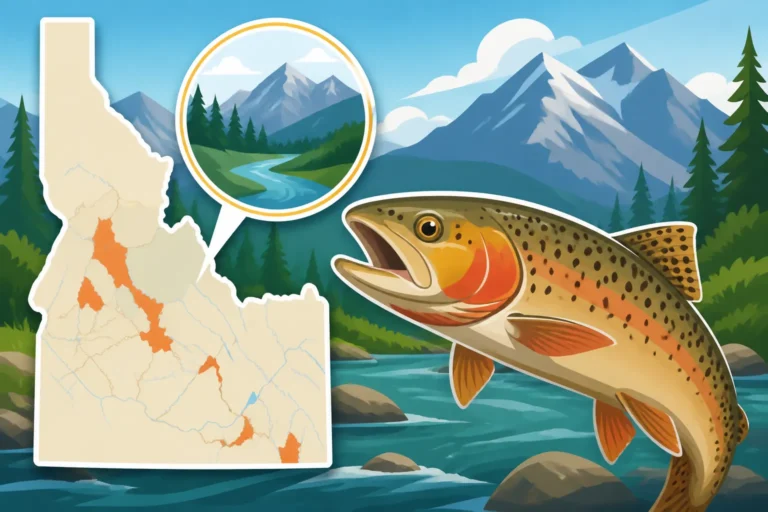
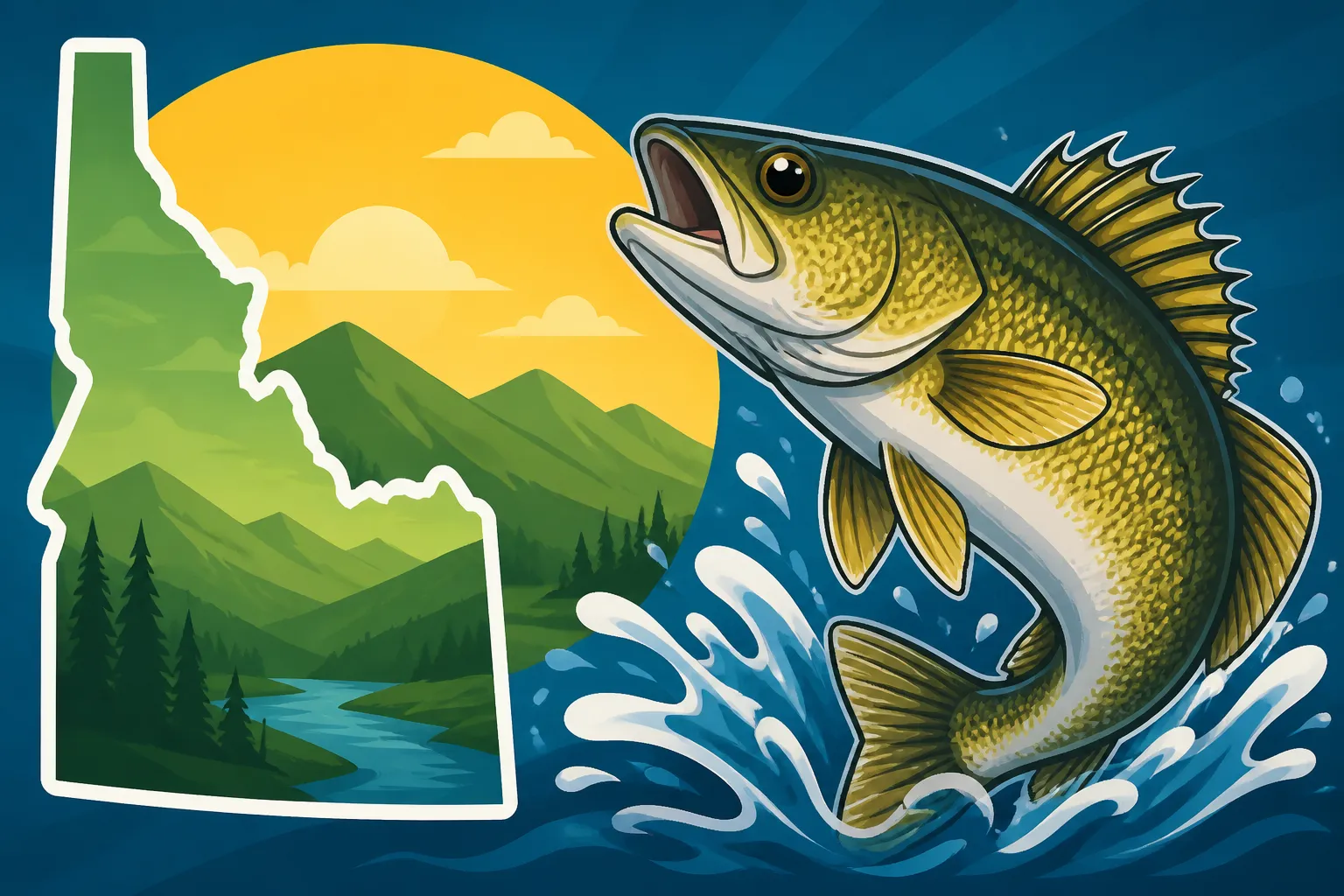
Despite not being native, Idaho does indeed have established walleye populations, albeit in a limited number of waters. The key word here is "limited." You won't find them in every lake or river, which is why the misconception persists. The primary place where anglers consistently target and catch walleye in Idaho is Cascade Reservoir, located near the town of Cascade, just a couple of hours north of Boise.
Cascade Reservoir is a large, productive body of water that has proven to be quite suitable for walleye. They thrive there, feeding on abundant forage fish, and the reservoir's structure provides them with ample habitat. Over the years, anglers have reported some truly impressive catches from Cascade, making it the undisputed hotspot for walleye fishing in Idaho. If you're serious about targeting walleye here, Cascade Reservoir should be your first and likely only destination. You'll want to check the Idaho Fishing Regulation Brochure and Proclamation for specific rules on Cascade, as regulations can sometimes be tailored to specific waters.
Beyond Cascade, there have been occasional reports or limited populations in other waters, but these are generally not considered viable sport fisheries for walleye. For instance, some folks might mention parts of the Snake River system, particularly far downstream or in specific impoundments. However, these are often isolated incidents or populations that haven't truly flourished into consistent fisheries that can support dedicated walleye angling. For all practical purposes, when we talk about walleye fishing in Idaho, we're almost exclusively talking about Cascade Reservoir. This can be a frustration for anglers hoping to find them closer to home, but it also means that the dedicated fishery at Cascade is often quite good!
Targeting Idaho Walleye: Techniques and Gear
So, you've made the decision to head to Cascade Reservoir in pursuit of these toothy predators. Fantastic! Now, how do you actually go about catching them? Walleye can be a bit finicky, known for their subtle bites, but with the right techniques and gear, you can certainly find success. Just remember that what works in one state might need a slight tweak for Idaho's waters. For a broader understanding of how different fish bite, you might find our Idaho Fish Species Guide helpful.
Best Techniques for Idaho Walleye
Walleye are often found near structure, on the bottom, or suspended in open water, depending on the season and time of day. This means a few key techniques really shine when targeting them.
- Jigging: This is perhaps one of the most popular and effective methods for walleye, especially when they are holding close to the bottom or around submerged structures. You'll typically use a lead-head jig tipped with a soft plastic grub, a twister tail, or even a live minnow or nightcrawler. The idea is to bounce the jig along the bottom, creating puffs of sediment and mimicking a wounded baitfish. A slow, methodical lift-and-drop motion is often key, paying close attention for that barely-there "tick" or added weight that signals a bite. This technique is particularly effective in cooler water, like early spring or late fall.
- Trolling: When walleye are scattered or suspended over open water, trolling can be incredibly effective. This involves dragging crankbaits or spinner rigs behind a boat at a slow speed, often using planer boards to cover a wider area. Crankbaits are designed to dive to specific depths, allowing you to target different parts of the water column. Spinner rigs, often tipped with a nightcrawler or leeches, present an enticing, wiggling target. Matching the lure's color and action to the prevalent forage and water conditions is crucial. Some anglers use specialized rods and reels for trolling, which you can often find a great selection of on Amazon, perfect for those long days on the water.
- Bottom Bouncing: This technique is a variation of trolling or drifting, particularly useful for covering ground while keeping your bait near the bottom. A bottom bouncer is a weighted wire rig designed to ride upright, preventing snags, while a snelled hook with bait (like a nightcrawler, leech, or minnow) trails behind it. This is excellent for fishing over irregular bottoms or through rocky areas where standard jigs might get hung up constantly. It presents the bait naturally, right in the walleye's strike zone.
Understanding the Idaho Fishing Techniques Guide more broadly can also give you insights into adapting these methods to local conditions.
Essential Gear for Walleye Fishing in Idaho
Having the right equipment can make a huge difference, especially with a species like walleye where sensitivity to bites is so important.
- Rods and Reels: A medium-light to medium-action spinning rod, around 6'6" to 7' long, is a good all-around choice. It provides enough backbone to set the hook but still offers the sensitivity needed to detect those subtle walleye bites. Pair it with a reliable spinning reel in the 2000-3000 size range, spooled with 6-10 lb test monofilament or fluorocarbon. For even more sensitivity, braided line with a fluorocarbon leader is a fantastic option, allowing you to feel every bump and tick. You can find some excellent deals on rod and reel combos specifically designed for walleye fishing on Amazon.
- Lines: As mentioned, monofilament, fluorocarbon, or braided line all have their place. Monofilament offers stretch, which can be forgiving but reduces sensitivity. Fluorocarbon is nearly invisible underwater and has less stretch, making it a great leader material. Braided line offers superior strength and sensitivity with no stretch, but its visibility means a fluorocarbon leader is often preferred.
- Lures and Bait:
- Jigs: From 1/8 oz to 1/2 oz, in various colors like chartreuse, white, orange, or natural browns and greens. Tipping them with live bait (minnows, nightcrawlers) or soft plastics (grubs, paddle tails) significantly increases their appeal.
- Crankbaits: Look for models that dive to the depths you're targeting. Popular colors include shad patterns, firetiger, chrome, and perch. Brands like Rapala, Berkley, and Strike King offer a wide variety.
- Spinner Rigs: Harnesses with colorful beads and blades, often trailed by a snelled hook for live bait. Silver, gold, and bright colors work well.
- Live Bait: Minnows (shiners, fatheads), nightcrawlers, and leeches are classic walleye baits that are hard to beat. Always check Idaho Fishing Regulations Explained for any rules on bait use in specific waters, as regulations can prohibit certain live baits.
- Electronics: A good fish finder is almost indispensable for walleye fishing. It helps you locate schools of baitfish, identify submerged structure, and even spot individual walleye holding near the bottom. Features like side-imaging or down-imaging can be particularly useful for mapping out the underwater landscape. Many reputable fish finder brands are available through Amazon, offering a range of price points and capabilities. If you're new to using one, our guide on How to Use a Fish Finder on an Idaho Reservoir could be a game-changer for your walleye pursuits.
Managing Expectations and Regulations for Idaho Walleye
It's easy to get excited about the prospect of catching walleye, especially when you've heard they put up a good fight and are absolutely delicious. However, it's crucial to approach Idaho's walleye fishery with realistic expectations. This isn't like fishing in the Great Lakes or parts of Minnesota where walleye are the dominant species and often found in incredible numbers.
Understanding Walleye Regulations in Idaho
Like all fisheries in Idaho, walleye fishing is subject to specific regulations designed to manage the population and ensure sustainable angling opportunities. These rules can cover everything from daily bag limits to size restrictions, and sometimes even specific gear or bait restrictions.
- Bag Limits: There will be a set number of walleye you are allowed to keep per day. This might be a relatively generous number or more restrictive depending on the health and management goals for the walleye population in that specific water.
- Size Restrictions: Often, there will be minimum or maximum size limits, or even slot limits (e.g., you can keep fish under X inches and over Y inches, but not between them). These are put in place to protect spawning fish or to encourage the growth of larger individuals.
- Special Rules: Always be on the lookout for any special rules specific to Cascade Reservoir or any other body of water you're fishing. Sometimes, specific seasons or tackle restrictions might apply.
My best advice, and something I can't stress enough, is to always consult the latest Idaho Fishing Regulations handbook before you head out. These are updated annually, and what was true last year might not be true this year. You can usually find these online on the Idaho Fish and Game website or pick up a physical copy at most sporting goods stores or license vendors. This guide provides an excellent overview of the Idaho Fishing Regulations Explained.
Why Walleye Fishing in Idaho Differs from Other States
If you're coming from a state with a robust, widespread walleye fishery, you'll notice some significant differences when fishing in Idaho.
- Limited Distribution: As we've discussed, the primary walleye destination is Cascade Reservoir. This means your "spots" are more concentrated, and you can't just pick any large lake and expect to find them. This can be a challenge for anglers used to a wider range of options.
- Less Pressure (Sometimes): Because the fishery is more localized and less universally known, Cascade Reservoir might experience different levels of fishing pressure compared to a famous walleye lake in another state. This can be a good thing, potentially leading to less competition on the water, but it also means fewer public resources might be dedicated specifically to walleye data or stocking compared to other prominent species.
- Competition with Other Species: In Cascade Reservoir, you'll also find other popular species like perch and trout. While this can lead to exciting mixed bags, it also means you might accidentally catch other fish while targeting walleye. Sometimes, you'll need to adjust your techniques to avoid desirable non-walleye species if you're laser-focused on your target.
- Focus on Local Knowledge: Because the fishery is more niche, local knowledge becomes incredibly valuable. Connecting with local tackle shops in the Cascade area or joining Idaho-specific fishing forums can provide insights that are hard to find elsewhere. These communities often share tips on current hot spots, effective lures, and subtle nuances that make all the difference. While general information on Best Bait and Lures for Idaho Fishing is helpful, local intel is gold.
Setting these realistic expectations will help you avoid disappointment and increase your chances of success. It's not about being a pessimist; it's about being prepared for the unique nature of Idaho's walleye fishery.
Planning Your Idaho Walleye Adventure
So, you're ready to embrace the challenge and target walleye in Idaho! Planning is key, especially since the primary fishery is in a specific location. Thinking ahead about the best times and how to approach the water will significantly boost your success. For a general overview of when different fish are biting, check out our Idaho Fishing Season Calendar.
Ideal Seasons and Times to Fish for Walleye
Walleye activity levels and locations change significantly with the seasons and even throughout the day. Understanding these patterns is crucial.
- Spring (Ice-Out to Late May): This is often considered prime time for walleye. As the ice melts and water temperatures rise, walleye become very active, moving into shallower areas to spawn. They are often aggressive feeders during this post-spawn period. Look for them around rocky points, shallow reefs, and tributary mouths. Early spring, just after ice-out, can be phenomenal.
- Summer (June to August): Walleye in the summer typically move to deeper, cooler water during the day, often suspending or relating to deep structures like humps, drop-offs, and main lake points. Dawn and dusk can be excellent times to fish, as walleye will often move shallower to feed under low light conditions. Night fishing can also be incredibly productive during the summer, as walleye have excellent low-light vision.
- Fall (September to November): As water temperatures begin to drop again, walleye often go on another feeding binge, packing on weight for the upcoming winter. They'll move back into shallower areas and become more aggressive. This can be another fantastic time for consistent action, especially using jigging techniques.
- Winter (Ice Fishing): Yes, you can ice fish for walleye in Idaho! Cascade Reservoir freezes over, providing opportunities for hardwater anglers. Walleye are often found relating to structure or along the deeper breaks. Jigging with small spoons or jigs tipped with minnow heads is a popular and effective method. Just be sure to check ice conditions thoroughly before heading out.
When it comes to time of day, remember the "low light advantage." Walleye's large, light-sensitive eyes give them a competitive edge over their prey in dim conditions. This means early mornings, late evenings, overcast days, and even night fishing can often outproduce bright, sunny midday hours.
Tips for Locating Walleye in Lesser-Known Waters
While Cascade is the hotspot, if you're exploring other potential walleye waters (perhaps some of the less-publicized spots or if new populations emerge), here are some universal tips for finding them.
- Seek Out Structure: Walleye are ambush predators that love structure. This includes rock piles, submerged timber, weed lines, humps, ledges, and drop-offs. Any feature that provides cover, breaks current, or acts as a highway for baitfish is a potential walleye holding area.
- Identify Forage: Walleye follow their food. If you can locate schools of baitfish (perch, shiners, kokanee, etc.), you're likely to find walleye nearby. Use your electronics to find these baitfish schools.
- Consider Water Clarity: Walleye generally prefer stained or murky water, which further enhances their low-light vision advantage. In clearer waters, they might hold deeper or be more active during extreme low light.
- Use a Fish Finder: I can't emphasize this enough. A quality fish finder is your best friend when searching for walleye. It helps you quickly identify depth changes, bottom composition, structure, and baitfish schools. You can scout large areas efficiently, marking promising spots to return to later. As mentioned earlier, there are many models available on Amazon, from basic to highly advanced, and learning to use them effectively will dramatically improve your catch rate. Our guide on How to Use a Fish Finder on an Idaho Reservoir goes into much greater detail on getting the most out of this essential tool.
- Look for Current: In rivers or large reservoirs with current, walleye will often position themselves just out of the main flow, in current breaks, waiting for bait to drift by. This could be behind a large boulder, in an eddy, or along a seam where fast and slow water meet.
By combining these strategies with patience and persistence, you'll be well on your way to experiencing the thrill of catching an Idaho walleye. It might take a bit more dedication than finding a hungry trout, but the reward is definitely worth it!
| Feature | Idaho Walleye Fishing (Primarily Cascade Reservoir) | "Classic" Walleye Fishing (e.g., Midwest Lakes) |
|---|---|---|
| Primary Locations | Very limited, mostly Cascade Reservoir | Widespread across many lakes and rivers |
| Native Status | Introduced species | Native to many regions |
| Competition | Share water with perch, trout, bass | Often dominant sport fish in dedicated walleye lakes |
| Local Knowledge | Highly valuable due to niche fishery | Readily available, well-documented |
| Fishing Pressure | Can vary, sometimes lower due to limited awareness | Often high, especially on popular lakes |
| Targeting Ease | Requires specific travel & dedicated effort | More accessible, diverse options |
| Population Density | Strong in specific locations, but not state-wide | Can be very high in prime areas |
Disclaimer
This article is for general informational purposes only and does not constitute professional advice. Laws, prices and regulations vary by location and change over time. Consult a qualified professional for guidance on your specific situation.