How Cascade Reservoir Got Its Tiger Muskie Fishery
For years, anglers in Idaho would visit Cascade Reservoir with hopes of catching large trout or abundant perch, only to find the ecosystem sometimes unbalanced or lacking that truly unique, trophy-level challenge. It was a beautiful spot, but many felt it could offer something more, a specific kind of thrill that only a truly formidable predator could provide. This guide will take you through the fascinating story of how Cascade Reservoir transformed, detailing the strategic decisions and ecological considerations that led to it becoming Idaho's premier destination for tiger muskie fishing.
The Vision Behind the Tiger Muskie Introduction
The idea of bringing tiger muskie to Cascade Reservoir wasn't born overnight. It was a deliberate, long-term strategy by the Idaho Department of Fish and Game (IDFG) to address several ecological and recreational goals. Back in the day, Cascade, while productive, sometimes struggled with an overabundance of certain fish species, particularly trash fish or overpopulated forage species that weren't always desirable for anglers or the overall health of the ecosystem. The vision was clear: introduce a voracious, hard-fighting predator that could help manage these populations, create a new trophy fishery, and draw anglers seeking a unique challenge.
Imagine the discussions – biologists looking at population dynamics, angling groups clamoring for a new "big fish" experience. Cascade Reservoir, with its vast shallow bays, abundant forage, and relatively warm summer water temperatures, presented an ideal canvas. It had the potential to support a large, predatory fish that could grow to impressive sizes, offering a truly memorable angling experience. The decision to introduce tiger muskie, a sterile hybrid of muskellunge and northern pike, was carefully considered to ensure they wouldn't reproduce and potentially overpopulate, allowing for precise management of their numbers. This was about enhancing, not disrupting, the existing balance.
Why Tiger Muskie? A Hybrid Solution
When the idea of introducing a large predator came up, many options were on the table. However, the tiger muskie stood out as the ideal candidate for Cascade Reservoir. Northern pike, while effective predators, have a reputation for rapid reproduction and can quickly dominate an ecosystem, often to the detriment of other desirable species like trout or bass. Muskellunge, on the other hand, are slower growing and more challenging to establish. The tiger muskie offered a brilliant middle ground: it combines the aggressive feeding habits and fast growth rate of the northern pike with the trophy size potential of the muskellunge. Crucially, they are sterile hybrids. This sterility was a game-changer.
The fact that tiger muskie cannot naturally reproduce in the wild was paramount to IDFG's management strategy. It meant that every single tiger muskie in Cascade Reservoir would be the result of a deliberate stocking effort. This gave the department unparalleled control over the population size, allowing them to manage the fishery precisely. They could introduce enough fish to control undesirable forage populations and create a robust trophy fishery, without the fear of an uncontrolled population boom that could devastate other fish species or completely alter the reservoir's delicate balance. It was about creating a controlled, thrilling experience.
Early Stocking Efforts and Initial Challenges
The journey to establish the tiger muskie fishery in Cascade was not without its trials. The first stockings took place years ago, involving fingerlings or juvenile fish. These tiny predators, sometimes only a few inches long, were carefully transported and released into the reservoir, tasked with growing into the monsters anglers now pursue. Early on, there were concerns about survival rates, adapting to the new environment, and the sheer challenge of tracking a newly introduced species in such a large body of water.
It takes time for stocked fish to take hold, grow, and start impacting the ecosystem in a noticeable way. Anglers weren't catching trophy tiger muskie right away; it was a slow burn, requiring patience from both the managing agencies and the fishing community. There were certainly moments of doubt, perhaps some years where growth wasn't as fast as hoped, or where initial catch rates were low. But the IDFG remained committed, continuing their stocking program and monitoring the reservoir's health. The early efforts laid the groundwork, building the foundation for what would eventually become a truly remarkable and unique fishery in Idaho.
The Growth of a Trophy Fishery
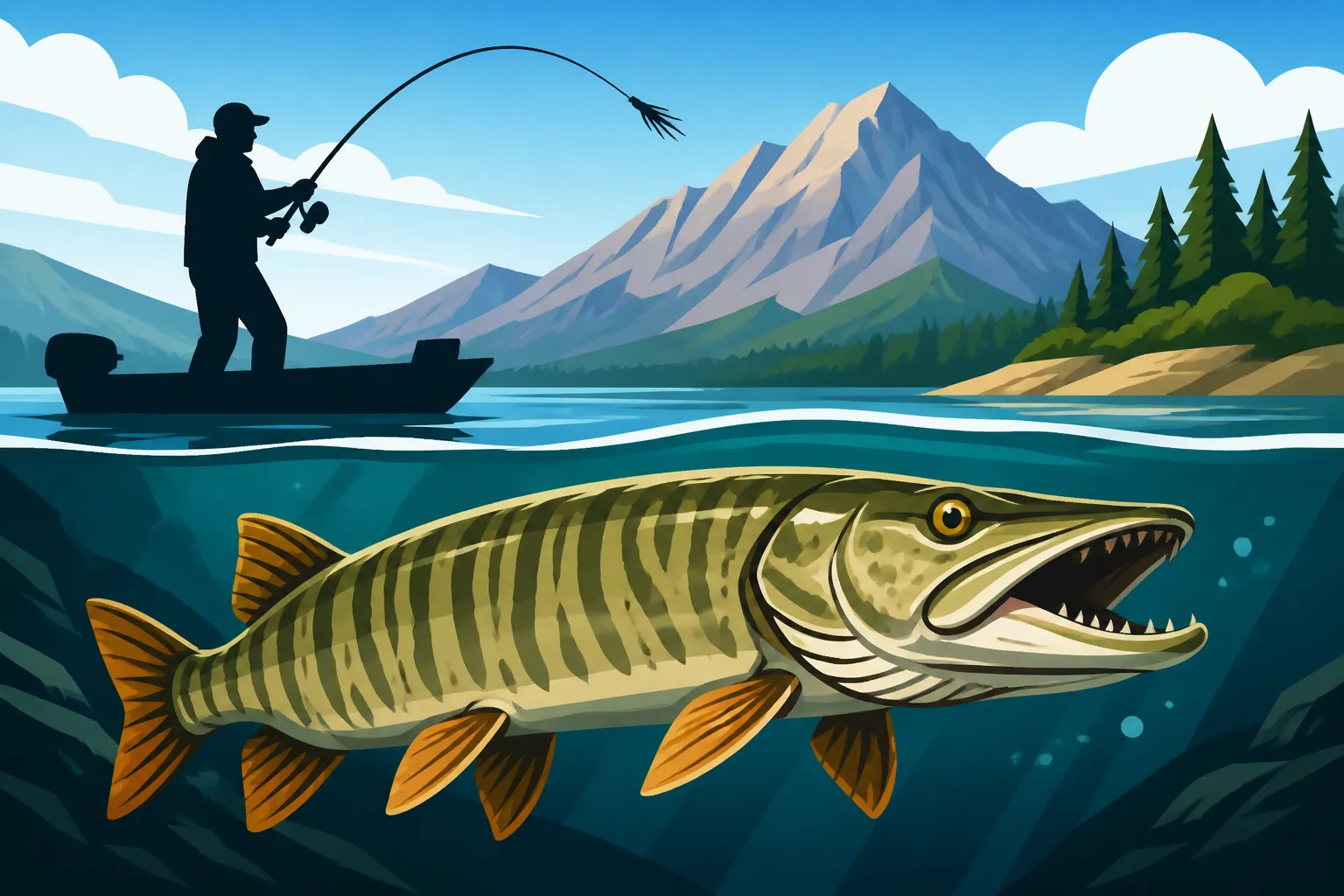
Once the tiger muskie began to take hold in Cascade, the transformation was remarkable. These fish, with their distinctive striped patterns and powerful builds, quickly adapted to the reservoir's ample food sources. They gorged themselves on the abundant perch and other forage fish, growing at an impressive rate. Anglers started reporting occasional catches, then more frequent ones, and soon, the buzz began to build. Cascade Reservoir was no longer just a perch and trout lake; it was home to a new apex predator, a true trophy fish.
The angling community embraced this new challenge. Chasing tiger muskie requires specialized gear and techniques, which adds to the allure. Suddenly, Idaho anglers had a chance to target a fish species that was previously only accessible by traveling to other states. This not only diversified the fishing opportunities within Idaho but also put Cascade Reservoir on the map as a unique destination. The initial vision was slowly becoming a reality, attracting anglers eager to test their skills against these formidable freshwater giants.
Ecological Impacts and Balancing Act
The introduction of tiger muskie into Cascade Reservoir wasn't just about creating a new sport fish; it was also a calculated ecological move. The IDFG aimed to utilize these efficient predators to help manage populations of undesirable or overabundant species. In many large reservoirs, certain fish, like stunted perch or trash fish, can proliferate, competing with more desirable sport fish for resources and sometimes contributing to a less healthy overall ecosystem. Tiger muskie, being opportunistic and voracious, provided a natural check.
The balancing act is ongoing. Biologists continually monitor the populations of tiger muskie and their forage, ensuring that the predators are having the desired effect without negatively impacting other important species like Idaho Kokanee Fishing Guide or larger trout. The sterile nature of the tiger muskie is crucial here, allowing for precise control through stocking. If forage populations dip too low, stocking can be adjusted. If they explode, more tiger muskie can be introduced over time. This dynamic management ensures a healthy reservoir while maintaining a thriving trophy fishery. It's a testament to thoughtful fisheries management, where an introduced species serves a dual purpose of recreation and ecological balance.
Angler Excitement and Specialized Techniques
The arrival of tiger muskie transformed the angling scene at Cascade Reservoir. Suddenly, conversations around boat launches weren't just about trout and perch; they were filled with tales of colossal strikes and battles with striped titans. This new challenge ignited a passion in many anglers, leading them to research specialized techniques and invest in heavy-duty gear. Catching a tiger muskie isn't like casually reeling in a panfish; it demands dedication, patience, and the right approach.
Anglers quickly learned that huge, muskie-specific lures – often over a foot long – were the ticket. Think massive bucktails, crankbaits, and soft plastics designed to imitate the reservoir's large perch and suckers. Rods became longer and heavier, reels spooling with strong braided line. It wasn't uncommon to see anglers casting for hours, sometimes days, for just one exhilarating strike. This unique pursuit quickly fostered a dedicated community, sharing tips on the Best Lures for Cascade Reservoir Tiger Muskie or discussing the best times of year to target them, often using online forums and specialized gear found on platforms like Amazon. The excitement is palpable, turning Cascade into a bucket-list destination for many trophy fish enthusiasts.
Fishing for Tiger Muskie in Cascade Reservoir Today
Today, Cascade Reservoir stands as Idaho's undisputed king for tiger muskie fishing. It's a destination that draws anglers from across the state and beyond, all hoping to land one of these elusive, hard-fighting predators. The fishery is mature, well-established, and continues to be actively managed by the Idaho Department of Fish and Game. You'll find stories of muskie over 40 inches long, some pushing the 50-inch mark, turning fishing tales into legitimate legends.
Understanding the specific regulations and seasons is paramount when targeting these fish. Unlike many other species, tiger muskie often have unique rules regarding length limits and bag limits, designed to protect the trophy potential of the fishery. Always consult the Idaho Fishing Regulations Explained before heading out. Beyond the regulations, mastering the "figure-eight" retrieve at the boat or shore, where you plunge your rod tip into the water and trace a large figure-eight with your lure right beside you, can often entice a following muskie to strike at the last second. This commitment to the fight, from the first cast to the final boat-side maneuver, is what makes Cascade's tiger muskie fishery so thrilling.
Essential Gear and Tactics
Successfully targeting tiger muskie at Cascade Reservoir requires a thoughtful approach to gear and technique. These aren't your everyday trout, and trying to catch them with ultralight tackle will likely end in heartbreak (and a lost lure!). You need robust equipment that can handle powerful strikes and sustained battles.
Here's a breakdown of what you'll want to consider:
- Rods and Reels: Think heavy-duty. A baitcasting rod in the 7 to 9-foot range, with a heavy or extra-heavy action, is ideal. Pair this with a high-quality baitcasting reel spooled with 80-100 lb braided line. The braid offers incredible strength and sensitivity, crucial for feeling subtle bites on large lures.
- Leaders: Muskie have rows of razor-sharp teeth that will easily slice through standard monofilament or fluorocarbon. You absolutely need a heavy-duty wire or thick fluorocarbon leader (100-200 lb test) at least 12-18 inches long. Many anglers prefer commercially tied leaders, which are readily available on Amazon or at local tackle shops.
- Lures: Go big or go home! Tiger muskie are attracted to large baits that mimic their natural prey like perch, suckers, or even smaller trout. Popular choices include:
- Bucktail Spinners: Often 8-12 inches long with large blades that create significant flash and vibration.
- Crankbaits: Deep-diving or shallow-running models, often 6-10 inches in length, designed to imitate baitfish.
- Jerkbaits and Glide Baits: These require specific retrieve styles to make them dart and glide, mimicking an injured fish.
- Soft Plastics: Large swimbaits or grub-style baits rigged on heavy jig heads.
- Other Essentials: A large, sturdy landing net (specifically designed for muskie or pike, with a wide hoop and deep, knotless mesh to protect the fish), long-nose pliers or jaw spreaders for safe hook removal, and a measuring board. Catch and release is strongly encouraged for these magnificent fish, making safe handling paramount.
Tactically, patience is key. Muskie fishing is often described as "hours of boredom punctuated by moments of terror." Many anglers troll large baits behind their boats, covering more water, especially in deeper sections or along structural elements. Others prefer casting and retrieving, fan-casting over weed beds, submerged timber, or rocky points. Always be ready for a follow, where a muskie trails your lure right to the boat, necessitating that "figure-eight" maneuver to trigger a strike. It's a game of persistence, but the reward of landing a Cascade tiger muskie is truly unparalleled. You can often find specialized guides who offer Idaho Tiger Muskie Fishing trips, perfect for learning the ropes.
Best Times and Locations on Cascade
Understanding the nuances of Cascade Reservoir, including the Best Time of Year to Fish in Idaho, can significantly increase your chances of hooking into a tiger muskie. While these fish can be caught year-round, certain seasons and locations tend to be more productive.
- Spring (Post-Spawn): As the ice recedes and water temperatures begin to rise, tiger muskie become more active. They'll often be found in shallower bays and flats, digesting their spawn and actively feeding. This is a great time to target them with medium-sized crankbaits and bucktails near emerging weed beds.
- Summer: During the warmer months, muskie will often seek out cooler, deeper water during the heat of the day, moving shallower during dawn and dusk. Look for them around submerged humps, points, and the edges of expansive weed lines in 10-25 feet of water. Trolling is a very effective technique during the day, while casting in low light conditions can be very productive.
- Fall: Many veteran muskie anglers consider fall the prime time. As water temperatures drop, muskie go on a feeding frenzy, packing on weight for the coming winter. They often move into shallower areas, especially rocky points and steep drop-offs adjacent to deep water. This is when some of the largest fish are caught, often on very large lures, making it an excellent time to study How to Fish for Tiger Muskie at Cascade Reservoir.
When it comes to locations within Cascade Reservoir, several areas consistently hold tiger muskie:
- North End Bays: Areas like Crown Point and the numerous bays on the north end of the reservoir offer extensive weed beds and shallow flats that are perfect ambush points.
- West Side Structures: The western shoreline has several prominent points, rocky outcrops, and submerged timber that attract forage fish, and consequently, muskie.
- River Channels: The old river channels that run through the reservoir often create deeper troughs and structural elements that muskie use as travel corridors and holding areas. Using a good depth finder can help you locate these subtle features.
- Deep Water Edges: Anywhere a flat quickly drops into deeper water is a prime location. Muskie will patrol these edges, darting into the shallows to ambush prey.
Remember, tiger muskie are often solitary predators, so don't expect to catch a dozen in a day. It's about putting in the time, making countless casts, and being ready for that one explosive strike that makes all the effort worthwhile. It's truly a unique pursuit in Idaho fishing, one that has brought a new level of excitement to Cascade Reservoir.
Future of the Cascade Tiger Muskie Fishery
The tiger muskie fishery at Cascade Reservoir is a fantastic example of successful, proactive fisheries management. It’s not just a story of throwing some fish in the water; it’s a living, breathing ecosystem that requires ongoing attention and adaptation. The IDFG continuously monitors the health of the tiger muskie population, their growth rates, and their impact on the overall reservoir ecology. This ensures that the fishery remains vibrant and sustainable for generations of anglers to come. The future of this unique fishery looks bright, promising continued opportunities for trophy encounters.
One of the ongoing considerations for the IDFG is balancing the needs of various angling groups. Cascade Reservoir is a multi-species fishery, after all, popular for Cascade Reservoir Perch Fishing and trout, too. The tiger muskie play a role in managing some of those populations, but careful monitoring ensures that they don't unduly impact other desired species. The sterile nature of the tiger muskie is a key advantage here, allowing managers to precisely control the population through strategic stocking. This prevents them from reproducing unchecked and overwhelming the ecosystem.
Ongoing Management and Conservation Efforts
The Idaho Department of Fish and Game is committed to the long-term health and vitality of the Cascade Reservoir tiger muskie fishery. Their management goes far beyond just stocking fish; it's a holistic approach that includes biological surveys, angler creel surveys, and habitat improvement projects. They want to understand everything from the average size of tiger muskie in the reservoir, to their diet, to the overall forage base available. This data informs their stocking decisions and ensures the ecological balance of this diverse fishery.
Conservation efforts are also critical, and anglers play a huge role. Educating anglers on the proper handling and release techniques for tiger muskie is paramount, as catch and release is highly encouraged for these trophy fish. This ensures that these magnificent predators can continue to grow and provide thrilling battles for others. The IDFG also focuses on protecting the general health of the reservoir's water quality and shoreline habitats, which are essential for all aquatic life, including the muskie and their prey. It's a continuous, collaborative effort to preserve this incredible resource.
The Role of Anglers in the Fishery's Health
Anglers are not just beneficiaries of the Cascade Reservoir tiger muskie fishery; they are vital partners in its ongoing success. Every angler who heads out onto the water with the intent to pursue these unique fish contributes to the overall health and future of the fishery, often without even realizing it. The very act of fishing provides valuable data to the IDFG, whether through creel surveys (where biologists interview anglers about their catches) or through voluntary reporting. This information helps managers understand catch rates, fish sizes, and angler effort, which are all crucial for making informed stocking and regulation decisions.
Furthermore, responsible angling practices directly impact the survival of these trophy fish. Because tiger muskie are often released, knowing how to properly handle a large, toothy fish is critical. Using large, knotless nets, minimizing air exposure, and employing appropriate de-hooking tools like long-nose pliers or jaw spreaders, many of which can be purchased from reliable vendors on Amazon, significantly increases a fish's chances of survival after release. Adhering to specific regulations, such as slot limits or bag limits detailed in the Idaho Fishing License Guide and the annual proclamation, is also essential. By embracing conservation-minded practices, anglers help ensure that Cascade Reservoir continues to be a premier destination for tiger muskie for years to come. Their passion and respect for the resource are what truly make this fishery thrive.
| Year Range | Key Development | Impact on Fishery |
|---|---|---|
| Early 2000s | Initial IDFG Stocking | Introduction of juvenile tiger muskie; slow growth and establishment period; experimental phase. |
| Mid-2000s | Increased Survival & Growth Rates | Tiger muskie adapting to Cascade's forage base; first reports of larger fish; growing angler interest. |
| Late 2000s | Established Trophy Potential | Consistent catches of 30"+ fish; Cascade gains reputation as muskie destination; specialized gear becoming more common. |
| 2010s Onward | Premier Muskie Fishery | Regular catches of 40"+ muskie; active management and conservation; draw for regional and national muskie anglers. |
Disclaimer
This article is for general informational purposes only and does not constitute professional advice. Laws, prices and regulations vary by location and change over time. Consult a qualified professional for guidance on your specific situation.