Why Chinook Salmon Were Introduced to Lake Coeur d’Alene
It’s easy to look at a majestic body of water like Lake Coeur d'Alene today, hear tales of monstrous Chinook salmon being pulled from its depths, and just assume they’ve always been there. But for many long-time Idaho residents and even newer anglers, it can be a bit of a mystery: how did a Pacific salmon species end up thriving in a landlocked lake in the heart of Idaho? This guide aims to clear up that confusion, diving into the fascinating history and ecological decisions that led to the introduction of Chinook salmon into Lake Coeur d'Alene.
The Original Ecological Balance of Lake Coeur d'Alene
Before the arrival of Chinook salmon, Lake Coeur d'Alene had its own unique and vibrant ecosystem, largely dominated by native species. Understanding this original balance is key to grasping why such a significant change was deemed necessary in the first place.
A Lake Dominated by Kokanee
For generations, Lake Coeur d'Alene was famous for its incredible kokanee salmon fishery. These landlocked sockeye salmon were the undisputed kings of the lake, forming the base of the food chain for many of the lake's native predators, including the native Westslope Cutthroat Trout. The kokanee population was incredibly robust, providing ample sport for anglers and a crucial food source for the local wildlife, from eagles to bears. It was a self-sustaining system, with the kokanee running up tributaries to spawn, maintaining their numbers naturally. If you wanted to fish Lake Coeur d'Alene, Idaho Kokanee Fishing Guide would have been your essential reading back then.
Anglers often speak of the "good old days" when catching a limit of kokanee was almost a guarantee, their schools so thick they could sometimes be seen shimmering just below the surface. These silvery fish, though smaller than their ocean-going cousins, offered a spirited fight and were highly prized for their delicious, bright-orange flesh. The lake truly revolved around them, and its overall health was often gauged by the strength of the kokanee run. Why Kokanee Are Called Landlocked Sockeye sheds more light on their unique biology.
Early Fishing Pressures and Native Species Decline
While kokanee thrived, other native fish populations, particularly the Westslope Cutthroat Trout, began to face challenges. Increased fishing pressure, habitat degradation in spawning tributaries due to logging and development, and the introduction of other fish species (both intentional and accidental) slowly started to chip away at the native trout numbers. The cutthroat, once a significant predator of kokanee, found their niche shrinking.
This created an imbalance. With fewer natural predators, the kokanee population began to explode in certain years. While abundant kokanee might sound like a good thing, an overpopulation can lead to stunting, where the fish compete so intensely for food that they don't grow to a desirable size. Imagine a packed buffet where everyone gets a little bit, but no one gets enough to truly thrive. This was the situation that fisheries managers started to observe in Lake Coeur d'Alene, prompting a search for solutions to manage the prolific kokanee numbers and enhance the overall fishing experience. The delicate balance was shifting, and interventions were being considered to restore a more harmonious, and productive, aquatic environment.
The Introduction of Chinook Salmon: A Management Decision
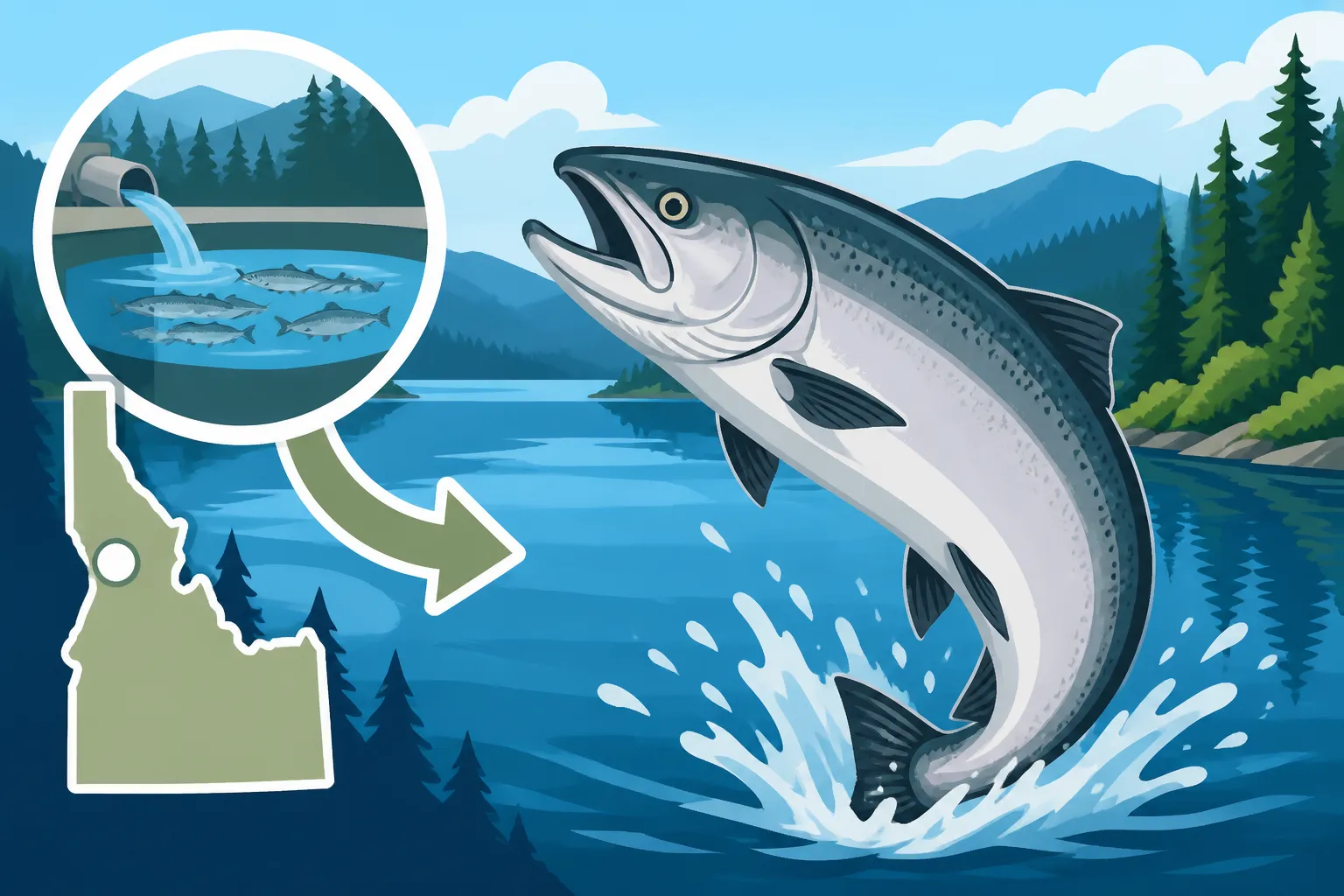
Facing an evolving ecosystem and angler desires for different types of fishing, Idaho fisheries managers made a deliberate decision that would forever change Lake Coeur d'Alene: the introduction of Chinook salmon. This wasn't a casual choice but a strategic move aimed at addressing specific ecological concerns and enhancing recreational opportunities.
Addressing the Kokanee Population Boom
The primary ecological driver behind introducing Chinook salmon was to manage the burgeoning kokanee population. As mentioned, the kokanee were incredibly successful in the lake, sometimes too successful. Without enough large predators to keep their numbers in check, especially with the decline of native cutthroat trout, the kokanee population would often boom to the point of overpopulation. This led to intense competition for food, particularly zooplankton, resulting in smaller, stunted kokanee that were less attractive to anglers and less healthy overall. Think of it like a garden with too many plants trying to grow in the same small space – none of them reach their full potential.
Fisheries biologists recognized that introducing a pelagic (open-water) predator that could effectively feed on abundant kokanee might offer a biological control. Chinook salmon, with their predatory nature and ability to grow to significant sizes, were seen as an ideal candidate to naturally thin the kokanee schools, allowing the remaining kokanee to grow larger and healthier. This predator-prey relationship was intended to create a more balanced ecosystem, benefiting both the kokanee and the new predator, while also creating a new sport fishery. Understanding How Chinook Salmon Control Idaho's Kokanee Population really brings this management strategy into focus.
The Promise of a Trophy Fishery
Beyond ecological management, another powerful motivation for introducing Chinook salmon was the desire to create a world-class, trophy sport fishery. Anglers are always looking for that next big catch, and the thought of hooking into a powerful, large salmon in an inland lake was an incredibly exciting prospect. Chinook salmon, known for their immense size and fierce fighting ability, held the promise of transforming Lake Coeur d'Alene into a destination for anglers seeking a truly memorable experience.
The potential for a "big fish" draw was significant for the region's tourism and economy. Imagine the thrill of reeling in a salmon that could weigh in the double digits, a stark contrast to the typically smaller kokanee. This vision appealed to many, from local fishing enthusiasts to those who might travel from afar, seeking a unique challenge. While the primary goal was ecological balance, the secondary benefit of establishing a popular and thrilling trophy fishery was certainly a powerful incentive. This bold move was a calculated risk, betting on the Chinook's adaptability and the lake's capacity to support such a majestic new resident. Finding the right gear for these big fish became a local sport in itself; many anglers swear by specific heavy-duty rods and reels, often browsing specialty shops or platforms like Amazon for the latest in salmon fishing tackle.
Impact and Evolution of the Chinook Fishery
The introduction of Chinook salmon to Lake Coeur d'Alene was certainly a game-changer, but like any major ecological intervention, it brought both expected successes and unforeseen challenges. The fishery has evolved significantly over the decades, requiring adaptive management strategies to maintain its delicate balance.
Ecological Ripple Effects and Successes
The introduction of Chinook salmon did indeed have a profound impact on the lake's ecosystem. Initially, the Chinook thrived on the abundant kokanee, growing quickly and reaching impressive sizes. This helped to control the kokanee population, leading to healthier, larger kokanee as well. For anglers, it was a dream come true, with reports of massive Chinook weighing well over twenty pounds becoming increasingly common. The lake quickly gained a reputation for its trophy Chinook fishery, attracting anglers from all over. The sheer excitement of landing a powerful Idaho Chinook Salmon Fishing Guide has become legendary.
However, success brought its own set of challenges. With fewer kokanee, or fluctuations in their numbers, fisheries managers realized that the Chinook population needed careful monitoring and supplemental stocking to maintain the trophy fishery without completely depleting their primary food source. It became a balancing act: enough kokanee for the Chinook to eat, but not so many that the kokanee became stunted. This intricate dance requires continuous research and adaptive strategies by Idaho Fish and Game to ensure the long-term health of both species and the overall lake ecosystem. Data on Average Size of Kokanee Caught on Lake Coeur d'Alene is now meticulously tracked to inform these decisions.
Ongoing Management and Angler Experience
Today, the Chinook salmon fishery in Lake Coeur d'Alene is a testament to ongoing, active fisheries management. It’s no longer a purely natural phenomenon but a carefully nurtured resource. Idaho Fish and Game regularly stocks Chinook to supplement natural reproduction and maintain a healthy predator-prey ratio with the kokanee. This stocking ensures that anglers continue to have opportunities to pursue these magnificent fish, while also striving to keep the kokanee population in check and prevent overgrazing of their food source.
For anglers, fishing Lake Coeur d'Alene for Chinook is an exhilarating experience, often involving specialized gear and techniques like downrigging to target fish in the deeper waters where they feed on kokanee. You'll find boat ramps busy with anglers launching well-equipped vessels, all hoping for that characteristic strike of a big salmon. Fishing Lake Coeur d'Alene for Kokanee and Chinook offers a comprehensive look at the dual opportunities available now. Regulations, including size and bag limits, are regularly adjusted to respond to the health of both the Chinook and kokanee populations, ensuring sustainability. Many dedicated anglers invest in high-quality electronics and specialized trolling gear, and you'll often see them comparing notes on forums or checking reviews for fish finders and lures on sites like Amazon.
The Coeur d'Alene Chinook fishery has also spurred local fishing tournaments and derbies, further cementing its status as a premier fishing destination. While there's a certain romantic appeal to a purely native, untouched fishery, the reality of Lake Coeur d'Alene today is a dynamic, managed ecosystem that offers unique and thrilling opportunities for those who understand its history and respect its ongoing ecological balance. Learning What Idaho's Record Chinook Salmon Weighed can give you an idea of the incredible potential this fishery holds.
Chinook Salmon and Kokanee: A Lake Coeur d'Alene Comparison
To truly appreciate the dynamic at play in Lake Coeur d'Alene, it's helpful to compare the roles and characteristics of these two key salmonid species.
| Feature | Kokanee Salmon (Prey) | Chinook Salmon (Predator) |
|---|---|---|
| Origin | Native to Lake Coeur d'Alene (landlocked Sockeye) | Introduced to Lake Coeur d'Alene |
| Primary Diet | Zooplankton | Kokanee salmon (primarily) |
| Typical Size (Lake) | 8-15 inches | 15-30+ inches (can be much larger) |
| Role in Ecosystem | Primary forage fish | Apex predator |
| Fishing Method | Trolling small lures, sometimes jigging | Trolling larger spoons/plugs, often with downriggers |
| Current Management | Monitored for population health, food for Chinook | Stocked annually, regulations on size/bag limits |
This table clearly illustrates the intended predator-prey relationship that managers hoped to establish, and largely succeeded in doing, within the confines of Lake Coeur d'Alene. Anglers targeting these species often need specialized equipment; for How to Troll for Kokanee on Lake Coeur d'Alene, lighter tackle and smaller lures are key, while Chinook demand heavier gear. Many anglers now buy their specialized lures, line, and even custom tackle storage for these two distinct fisheries from online retailers like Amazon.
The Ongoing Story of Lake Coeur d'Alene's Fishery
The story of Chinook salmon in Lake Coeur d'Alene is a classic example of human intervention in nature, driven by both ecological necessity and recreational desire. It’s a complex narrative, one that continues to unfold as fisheries managers learn more about these introduced populations and their long-term effects.
When you're out on the shimmering waters of Lake Coeur d'Alene, reeling in a feisty kokanee or battling a powerful Chinook, take a moment to appreciate the journey these fish have taken, and the dedicated efforts that go into maintaining such a unique and productive fishery. It's a reminder that even in nature, change is constant, and sometimes, with careful planning and ongoing management, new balances can be forged, offering exciting opportunities for all of us who love to cast a line. For more on navigating the diverse fishing opportunities, check out resources like Where to Catch Chinook Salmon on Lake Coeur d'Alene. You might even want to pick up a detailed fishing map from Amazon to help you find the best spots!
Disclaimer
This article is for general informational purposes only and does not constitute professional advice. Laws, prices and regulations vary by location and change over time. Consult a qualified professional for guidance on your specific situation.