How Physically Demanding a Guided Fishing Trip Is
It’s a common worry when you’re planning a fishing trip, especially if you’re thinking about hiring a guide: "Am I fit enough for this?" You might envision yourself battling huge fish for hours, scrambling over slippery rocks, or slogging through dense brush. The good news is that the physical demands of a guided Idaho fishing trip vary wildly, and there's likely an adventure out there that fits your comfort level perfectly. This guide will help you understand what to expect and how to prepare, so you can focus on the thrill of the catch, not aching muscles.
Understanding Different Types of Guided Idaho Fishing Trips
The first step to gauging the physical demands of your trip is understanding that "guided fishing trip" isn't a one-size-fits-all term. Idaho offers such a diverse range of fishing experiences, from tranquil lake trolling to intense river wading, and each comes with its own set of physical expectations. Your guide is there to help, of course, but knowing what you're getting into beforehand makes all the difference.
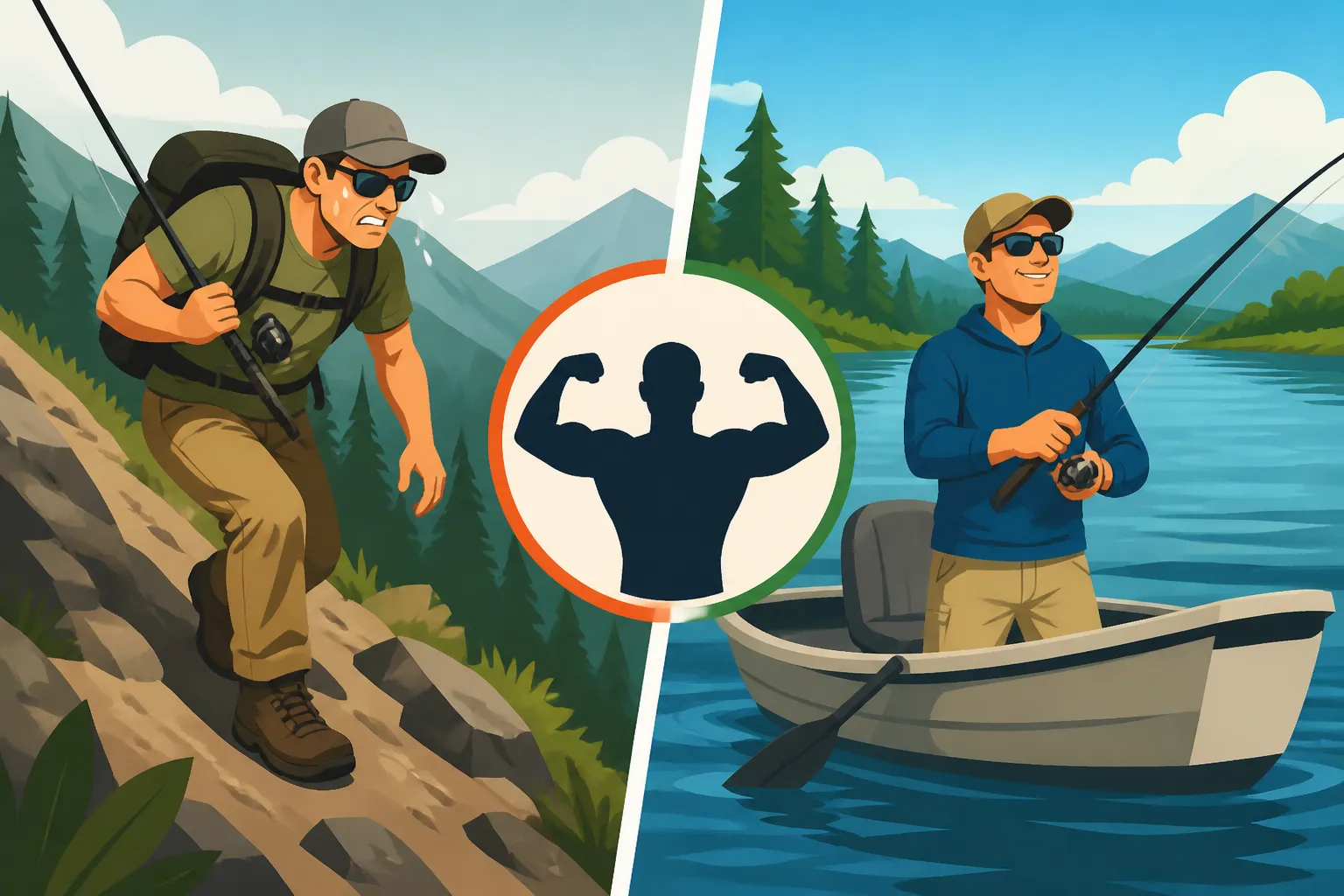
For instance, if you book a drift boat or jet boat trip on a major river like the Clearwater or Salmon, you'll spend most of your time in the boat. This means less walking and more sitting, with bursts of activity for casting and reeling. It’s perfect for those who want to minimize walking or have mobility concerns. You're still actively fishing, often standing to cast effectively, but the rugged terrain is largely navigated by your guide and their vessel. The biggest "exertion" might be getting in and out of the boat at various spots, which can sometimes be a bit of a scramble up a bank, but guides are usually excellent at assisting with this.
On the other hand, a wade trip, particularly for trout on smaller streams or spring creeks like Henry's Fork or Silver Creek, is a completely different ballgame. You'll be walking, often against a current, on uneven and potentially slippery riverbeds for hours. This requires good balance, sturdy legs, and a willingness to get a workout. Fly anglers often prefer these trips for the intimacy they offer with the water, but they are undoubtedly more physically demanding. Imagine trying to sneak up on a wary trout while navigating submerged rocks – it's a constant test of footing and stealth!
Then there are the multi-day wilderness float trips, common on rivers like the Middle Fork of the Salmon River. These trips can combine elements of both: some time in a raft or drift boat, some wading, setting up camp, and living outdoors. The physical demands can vary day-to-day, and depend heavily on the outfitter and the specific itinerary. You might spend one day floating lazily, and the next hiking a steep trail to a secluded fishing hole. It's an immersive experience that often requires a moderate level of fitness and a spirit of adventure.
Even specialized trips like ice fishing, while generally low impact, have their own minor demands. You might need to walk across a frozen lake, drill holes in thick ice, and brave cold temperatures. While largely a sedentary activity once you're set up, the initial setup and enduring the elements can still present a challenge for some. High mountain lake trips, often requiring extensive hiking into the backcountry, are arguably the most physically demanding, sometimes involving significant elevation gain and miles of walking with gear. It's crucial to think about what kind of experience you're truly seeking and match it with your physical capabilities.
Here’s a quick overview of general physical demands for common Idaho guided fishing trips:
| Trip Type | Primary Activity | General Physical Demand | Ideal For |
|---|---|---|---|
| Drift/Jet Boat Trip | Sitting, standing to cast | Low to Moderate | Anglers with mobility concerns, those who prefer less walking |
| Wade Fishing Trip | Walking in current, standing | Moderate to High | Active anglers, fly fishing enthusiasts, those seeking intimacy with water |
| Multi-Day Float Trip | Floating, camping, some wading | Moderate | Adventurous anglers, those seeking wilderness immersion |
| Sturgeon Fishing | Sitting, reeling heavy fish | Moderate to High | Anglers who enjoy intense battles, patient fishers |
| Lake Trolling | Sitting, occasional reeling | Low | Relaxed anglers, families, those new to fishing |
| Ice Fishing | Walking on ice, drilling | Low to Moderate | Cold-weather enthusiasts, social fishing |
| High Mountain Lakes | Hiking, often steep terrain | High | Backcountry adventurers, solitude seekers |
Factors Influencing the Physicality of Your Trip
Beyond the general trip type, several other factors can significantly influence how physically demanding your guided fishing adventure will be. Understanding these nuances will help you communicate effectively with your guide and ensure a more enjoyable experience.
Firstly, the target species makes a big difference. If you're chasing powerful steelhead or Chinook salmon, even from a boat, be prepared for potential arm-wrenching battles. These fish are known for their strong runs and acrobatic leaps, and reeling one in can be a significant workout, especially if it's a larger specimen. How to Fish for Steelhead in Idaho often involves heavy gear and sustained effort. Similarly, catching one of Idaho’s giant sturgeon on the Snake River is a test of endurance, sometimes requiring an hour or more to safely bring a fish to the boat for a quick photo and release. It's not a constant sprint, but rather a long, grueling tug-of-war that leaves even experienced anglers breathless. Smaller trout, while requiring finesse, generally offer lighter fights.
The time of year and prevailing weather conditions also play a huge role. Imagine wading a cold river in early spring, or standing on a boat deck in sub-freezing temperatures while bundled up in heavy layers – the cold alone can be fatiguing. Spring runoff can mean higher, faster, and muddier water, making wading incredibly difficult and sometimes unsafe. Conversely, fishing during the peak of summer means dealing with intense sun exposure and heat, which can quickly lead to dehydration and exhaustion if not managed properly. Your guide will always prioritize safety, but being prepared for the elements is key.
The duration of your trip is another obvious but often overlooked factor. A half-day trip will naturally be less demanding than a full-day excursion. A multi-day wilderness trip, where you’re camping, setting up gear, and spending consecutive days on the water, will test your endurance far more than a single afternoon outing. Make sure you're honest with yourself about how many hours you can comfortably spend actively fishing, casting, and standing.
Lastly, the gear you'll be using contributes to the physical load. If you’re trying fly fishing for the first time on a wade trip, managing a long fly rod and casting repeatedly can tire your arm muscles quickly. Heavy waders and thick wading boots, while essential for comfort and safety, add weight and can make walking more strenuous. Even a well-packed backpack with water, snacks, and extra layers adds to your overall exertion. Discuss with your guide what gear they provide and what you're expected to bring, and don't hesitate to ask about lighter alternatives if you have concerns. Your guide's style can also vary – some are very hands-on, helping with every aspect, while others might expect more self-sufficiency. This is where communicating your needs upfront becomes invaluable.
What to Expect Physically on Common Idaho Guided Trips
Let's dive into some of the most popular guided fishing experiences in Idaho and break down the specific physical demands you might encounter. Knowing these details can help you choose the right trip and prepare adequately.
Drift Boat or Jet Boat Steelhead and Salmon Trips
When you book an Idaho Steelhead Fishing Guides trip on a river like the Salmon or Clearwater, you'll likely be in a comfortable drift boat or a powerful jet boat. Most of your travel between fishing spots will be handled by the boat, meaning you're sitting and enjoying the scenery, which is a major plus for those who prefer less walking.
However, once at a prime fishing hole, the action picks up. You'll often be standing in the boat, casting repeatedly towards potential fish lies. This can mean casting for extended periods, perhaps for an hour or more at a time, sometimes with heavier gear designed to handle large, powerful fish. The continuous motion of casting and retrieving, especially if you're not used to it, can lead to shoulder and arm fatigue. When a steelhead or salmon hits, it’s an adrenaline surge and a physical battle. These fish fight hard, often making long runs and aerial displays. Reeling them in against a strong current, while maintaining tension and preventing them from spitting the hook, can be a strenuous affair that works your arms, shoulders, and core.
Getting in and out of the boat at various bank access points can also require some agility. Riverbanks can be muddy, sandy, or covered in slippery rocks, and stepping out of a boat onto uneven ground, sometimes against a slight current, requires balance and cautious footing. Your guide will always assist, but it's not always a smooth dock-side exit. Trips focused on Idaho Salmon River Fishing Charters will have similar dynamics, with moments of relaxation interspersed with intense fishing action.
Wade Fishing for Trout on Spring Creeks
For fly anglers seeking the quintessential Idaho trout experience on renowned waters like Henry's Fork or Silver Creek, a guided wade trip offers unparalleled access and intimacy. However, this is often one of the more physically demanding options.
You'll be spending most of your day on your feet, walking along riverbanks and, more frequently, directly in the river itself. Wading requires constant attention to your footing as you navigate uneven riverbeds, submerged rocks that can be slick with moss, and varying depths of water. Maintaining balance against the current, especially when casting or playing a fish, works your core and leg muscles continuously. How to Fly Fish Henry's Fork often involves precise casting and stealthy approaches, which means moving deliberately and carefully through the water.
A typical day might involve walking several miles, sometimes through brush along the bank, to reach different sections of the river. You'll be standing for long periods, often casting hundreds of times throughout the day. While the fish may not fight with the raw power of a steelhead, the constant movement, balancing, and casting add up. If you're considering a trip with Silver Creek Fishing Guides, be prepared for a peaceful but physically engaged experience. Proper wading boots with good ankle support are absolutely critical to prevent slips and falls.
Sturgeon Fishing on the Snake River
Idaho's Snake River offers an incredible opportunity to target giant white sturgeon, but these trips are not for the faint of heart when it comes to the battle. While you'll primarily be fishing from a boat, usually anchored in a deep hole, the physical demands come when a sturgeon decides to bite.
Sturgeon are prehistoric, incredibly strong fish that can grow to immense sizes – sometimes over 10 feet long and hundreds of pounds. When one takes your bait, the fight can be epic. You'll be holding a heavy-duty rod and reel, often braced against the boat or a fighting belt, for an extended period. These battles can last anywhere from 30 minutes to well over an hour, testing your strength, stamina, and willpower. Imagine a prolonged tug-of-war with a very large, powerful animal that doesn't want to come to the boat. It works every muscle in your back, arms, shoulders, and core. Idaho Sturgeon Fishing Rules emphasize catch-and-release, which means safely handling a massive fish boat-side for a quick photo, another task that requires physical effort and careful coordination with your guide.
While you spend much of the day sitting and waiting for a bite, the moments of action are intensely physical. It's less about walking and more about raw strength and endurance. If you're up for the challenge, it's an unforgettable experience. Your guide will be invaluable, helping with anchoring, rigging, and coaching you through the fight, but you'll be the one doing the heavy lifting (or reeling!).
Lake Trolling for Kokanee and Chinook Salmon
For a generally lower-impact guided experience, consider lake trolling for kokanee or Chinook salmon on expansive waters like Lake Coeur d'Alene or Priest Lake. These trips are typically conducted from a comfortable powerboat equipped with downriggers and specialized trolling gear.
The primary activity involves sitting in the boat while the guide navigates and the lines are set, slowly pulling lures through the water. This means minimal walking, no strenuous wading, and generally a very relaxed pace. When a fish bites, it's usually a matter of reeling it in, which can range from a light pull for a small kokanee to a more substantial fight for a larger Chinook or lake trout. For those larger fish, it still takes effort, but it's typically a controlled retrieve rather than a chaotic battle against strong currents.
These trips are fantastic for families, beginners, or anyone looking for a comfortable day on the water with a high chance of catching fish without undue physical strain. You might need to assist with netting a fish or occasionally re-rigging a line, but the guide handles most of the heavy lifting. Fishing Lake Coeur d'Alene for Kokanee and Chinook offers stunning scenery and a generally easy-going day. Similarly, Priest Lake Fishing Charters provides opportunities for large lake trout, which, while powerful, are usually fought from a stable boat platform.
Preparing for Your Guided Fishing Adventure
No matter which type of guided fishing trip you choose in Idaho, a little preparation can go a long way in ensuring you have a comfortable and successful outing. This isn't about becoming an Olympic athlete, but rather taking some common-sense steps.
First and foremost, communicate openly and honestly with your guide when booking. This is perhaps the single most important piece of advice. When you're looking for a guide, perhaps through a platform like FishingBooker, don't hesitate to mention any physical limitations, concerns, or preferences you have. Are you recovering from a knee injury? Do you struggle with balance? Do you simply prefer a more relaxed day of fishing from a boat rather than strenuous wading? A good guide will appreciate this honesty and can recommend the right trip, location, or even adjust the day's pace to match your capabilities. They are professionals who want you to have a great time, and knowing your needs upfront helps them tailor the experience. Many guides specialize in different types of trips or catering to specific client needs, so finding the right match is key.
Secondly, consider some light physical conditioning in the weeks leading up to your trip. If you're planning a wade trip, taking some walks on uneven terrain, or even just around your neighborhood, can help prepare your legs and core. Simple stretches for your shoulders and arms can be beneficial if you anticipate a lot of casting. For sturgeon fishing, some light weight training or grip exercises might make the difference in those long battles. The goal isn't to be a marathon runner, but to avoid being completely caught off guard by the physical demands of standing, casting, or fighting a fish.
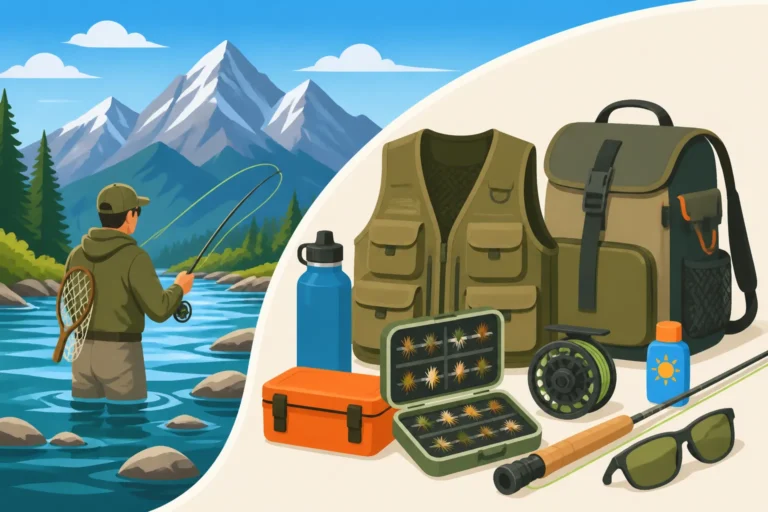
Proper gear is also crucial for comfort and safety. For wade trips, investing in good quality, well-fitting waders and sturdy wading boots with excellent ankle support and felt or studded soles can prevent slips and falls on slick riverbeds. Layered clothing is a must for Idaho's often unpredictable weather, allowing you to adjust to changing temperatures. Sun protection—hats, sunglasses, and sunscreen—is vital year-round. Comfortable, waterproof outerwear is also key for boat trips, especially on cooler days or if there's spray. Don't forget ample water and snacks, regardless of the trip type, to keep your energy levels up.
Finally, know your limits and don't be afraid to voice them during the trip. It's perfectly okay to ask for a break, to sit down for a bit, or to request a change of pace if you're feeling tired. Your guide's priority is your enjoyment and safety. Pushing yourself too hard can lead to injury or simply diminish the pleasure of the experience. A responsible guide will always be attuned to your comfort and well-being. By being prepared and communicating openly, you can ensure your guided Idaho fishing trip is exactly the memorable adventure you envisioned, regardless of your fitness level.
Disclaimer
This article is for general informational purposes only and does not constitute professional advice. Laws, prices and regulations vary by location and change over time. Consult a qualified professional for guidance on your specific situation.