Do You Need a Separate Permit to Fish for Steelhead in Idaho?
Ah, the thrill of chasing steelhead in Idaho! It's an experience unlike any other, with those incredible, hard-fighting fish providing memories that last a lifetime. But let's be honest, trying to figure out all the licenses, permits, and regulations can feel like trying to untangle a bird's nest of fishing line. It’s enough to make you scratch your head and wonder if you need a law degree just to wet a line. One of the most common questions I hear from folks, especially those new to Idaho's world-class fisheries, is whether you need a separate permit specifically for steelhead. This guide is here to clear up that confusion, lay out exactly what you need, and ensure you're fully prepared for your next steelhead adventure without any nasty surprises.
Navigating Idaho's Fishing Permits: The Steelhead Question Answered
You’re standing by the river, rod in hand, the crisp Idaho air invigorating your senses, and suddenly that little voice in your head pops up: "Did I get everything I need?" It’s a common anxiety, and for good reason! Idaho’s fishing regulations, while designed for conservation and sustainability, can be a bit of a maze, especially when it comes to anadromous species like steelhead. So, let’s get straight to it: when it comes to fishing for steelhead in Idaho, yes, you absolutely need more than just a standard fishing license. There's a specific, separate permit involved, and understanding it is key to a legal and enjoyable trip.
Understanding the Idaho Steelhead Permit
This isn't just another piece of paper; the Idaho Steelhead Permit is a critical component of the state's efforts to manage and conserve these magnificent fish. Think of it as your special access pass to one of Idaho's most prized fisheries. This permit helps Idaho Fish and Game track angler effort and harvest, which is vital for making informed decisions about season lengths, bag limits, and overall population health. Without it, the data just wouldn't be there, and neither would the fish in the numbers we've come to appreciate. It's a small investment that goes a long way in ensuring future generations can experience the same thrill you do. In essence, it's a way for anglers to directly contribute to the conservation of a species that truly defines the spirit of fishing in Idaho. To learn more about the general requirements, make sure to check out our comprehensive Idaho Fishing License Guide.
Who Needs the Steelhead Permit
This is where some folks get tripped up. It's not just for those planning to keep a steelhead. If you intend to fish for steelhead in any Idaho waters where they are present, you must possess the Idaho Steelhead Permit, regardless of your intention to harvest a fish. This includes catch-and-release fishing! Imagine casting into the mighty Clearwater River or the famed Salmon River. If you're targeting steelhead, or even if you accidentally hook one while fishing for something else (though intentional targeting without a permit is a no-go), you need that permit. This rule applies to everyone, from residents to nonresidents, and there are specific age requirements to be aware of. Generally, anyone 14 years or older needs the permit. Kids under 14 are usually covered under a licensed adult, but always double-check the current regulations, as these things can shift. It’s a bit different than just needing an Idaho Resident Annual Fishing License or an Idaho Nonresident Annual Fishing License for general fishing; the steelhead permit is an additional layer.
Breaking Down the Steelhead Permit Requirements
Getting the Steelhead Permit isn't a stand-alone transaction. It fits into a larger framework of licenses and fees that Idaho Fish and Game uses to fund its operations and conservation programs. It's like building a layered cake – you need the base, then the filling, then the frosting. The base here is your general fishing license, and the other "fillings" are equally important for a complete and legal steelhead setup. It's easy to overlook one of these components, which can unfortunately lead to fines or worse, so let's make sure you're covered from all angles.
The Essential Base Fishing License
Before you even think about the Steelhead Permit, you absolutely must have a valid Idaho fishing license. This is your foundation, your ticket to fish for any species in Idaho's waters. The Steelhead Permit is an endorsement on top of your general fishing license, not a replacement. Whether you're a long-time resident or visiting from out of state, you'll need to choose the appropriate base license. For instance, an Idaho resident might opt for the Idaho Resident Annual Fishing License, which covers a full year of fishing opportunities. Visitors, on the other hand, might choose an Idaho Nonresident Annual Fishing License if they plan multiple trips, or a shorter-duration license like a one-day or three-day option. It’s crucial to understand these distinctions because without that valid base license, your Steelhead Permit is effectively null and void. Think of it this way: you can't drive a car with just a special driving endorsement for a large vehicle; you still need your basic driver's license. The same principle applies here.
The Importance of the Access and Depredation Fee
This is another component that often catches anglers by surprise, but it's vital for those fishing for anadromous species like steelhead. The Access and Depredation Fee is a small, additional charge that supports programs aimed at providing angler access to public and private lands, as well as mitigating wildlife depredation issues. For species that migrate through various land ownerships, like steelhead, ensuring continued access for anglers and managing wildlife conflicts along their routes is paramount. It’s a proactive measure that helps keep fishing opportunities open and healthy. If you’re purchasing a Steelhead Permit, you'll almost certainly see this fee tacked on. It’s not much, but it’s a required part of the package for many special species permits, and it directly supports the integrity of Idaho's fishing landscape. Our guide on the Idaho Access and Depredation Fee Explained goes into greater detail about what this fee accomplishes.
The Catch Record Card: Your Steelhead Diary
Okay, so you've got your base fishing license and your Steelhead Permit. You're almost ready to go, but there's one more crucial piece of paper that accompanies your steelhead permit: the catch record card. This isn't just a suggestion; it's a mandatory requirement, and it's perhaps one of the most important tools Idaho Fish and Game has for managing these precious fisheries. Many anglers groan at the thought of extra paperwork, but trust me, this little card plays a huge role in the science of conservation.
Obtaining and Using Your Catch Record Card
When you purchase your Idaho Steelhead Permit, you'll also be issued a physical catch record card. This card is usually a waterproof paper or plastic card that you must carry with you while fishing for steelhead. It's your responsibility to accurately and immediately record every steelhead you catch, whether you keep it or release it. This includes marking down the date, location (river section), and whether it was a hatchery or wild fish. Hatchery steelhead will have a clipped adipose fin, while wild steelhead will have their adipose fin intact. If you release a fish, you simply mark "released" on the card. If you keep a hatchery fish within the legal Idaho Steelhead Bag Limits, you notch out the corresponding space on your card immediately.
You can usually pick up these cards at any Idaho Fish and Game regional office, license vendors, or sometimes even print them yourself from the IDFG website if you purchase your license online. Learning How to Fill Out an Idaho Steelhead Catch Record Card correctly is essential. Imagine missing out on fishing because you forgot to fill out your card correctly, or worse, facing a citation. It's a small effort that prevents a lot of headaches. Make sure you keep the card dry and legible throughout your trip.
The Data Behind the Card
Why all this meticulous record-keeping? Because the data collected from these catch record cards is invaluable to Idaho Fish and Game biologists. When you return your completed catch record card (which is also mandatory, even if you caught no fish, by the specified deadline), that information gets compiled. This data helps biologists estimate the total number of steelhead caught, the proportion of hatchery versus wild fish, and where fishing effort is concentrated.
This information directly influences future management decisions, such as setting seasons, determining bag limits, and assessing the effectiveness of stocking programs. It’s how the state ensures sustainable fishing for years to come. Your little card helps tell the story of the steelhead run each year and directly contributes to their survival and future abundance. It's a tangible way that every angler participates in the larger conservation effort, helping to protect Idaho's incredible fisheries. Understanding the rules, like those detailed in Idaho Fishing Regulations Explained, helps you appreciate the bigger picture these cards contribute to.
Practical Considerations for Steelhead Anglers
So, you’ve got your fishing license, your Steelhead Permit, and your catch record card in hand. Fantastic! But there's more to a successful and compliant steelhead trip than just the paperwork. Idaho's steelhead fisheries are dynamic, influenced by seasons, water conditions, and specific rules that can vary from one stretch of river to another. Being prepared means knowing when and where to go, and how to stay updated on the latest conditions.
Timing Your Steelhead Adventure
Steelhead are anadromous, meaning they spend part of their lives in the ocean and return to freshwater to spawn. This means their presence in Idaho rivers is seasonal, primarily during the fall, winter, and spring. Fall steelhead runs typically start in September and continue through the winter, often into early spring, with fresh waves of fish moving upstream. The "best" time can really depend on the river and specific conditions, so staying informed is crucial. For instance, the Clearwater River is legendary for its fall and winter steelhead, while the Salmon River offers fantastic opportunities at various times. Our post on When Idaho Steelhead Season Starts Each Year offers a great overview to help you plan. Weather conditions, water levels, and even daily dam operations can impact when and where steelhead are concentrated, so flexibility and research are your best friends.
Where to Buy Your Permits and Licenses
Getting your licenses and permits is generally pretty straightforward these days, thankfully! You have several convenient options:
- Online: The Idaho Fish and Game website is probably the easiest way to purchase your fishing license and the necessary Steelhead Permit from the comfort of your home. You can print temporary copies immediately and often get your official cards mailed to you. This is increasingly the preferred method for many anglers.
- Authorized Vendors: Most sporting goods stores, bait shops, and even some general merchandise retailers throughout Idaho are authorized license vendors. This is often the best option if you're already in Idaho and want to chat with local experts about current conditions while you're there. Shops like Cabela's, Sportsman's Warehouse, or local mom-and-pop bait shops are fantastic resources.
- IDFG Offices: You can also purchase licenses and permits directly at any Idaho Fish and Game regional office. This is a great option if you have specific questions or need assistance.
No matter where you choose to purchase, remember that it's your responsibility to ensure you have all the correct documents before you hit the water. If you're wondering How to Buy an Idaho Fishing License or Where to Buy an Idaho Fishing License, these options cover pretty much all your bases. And don't forget, while Amazon is fantastic for picking up specialized gear like your favorite Rapala plugs or a new pair of waders, you'll need to go through official IDFG channels or authorized retailers for the actual licenses and permits themselves.
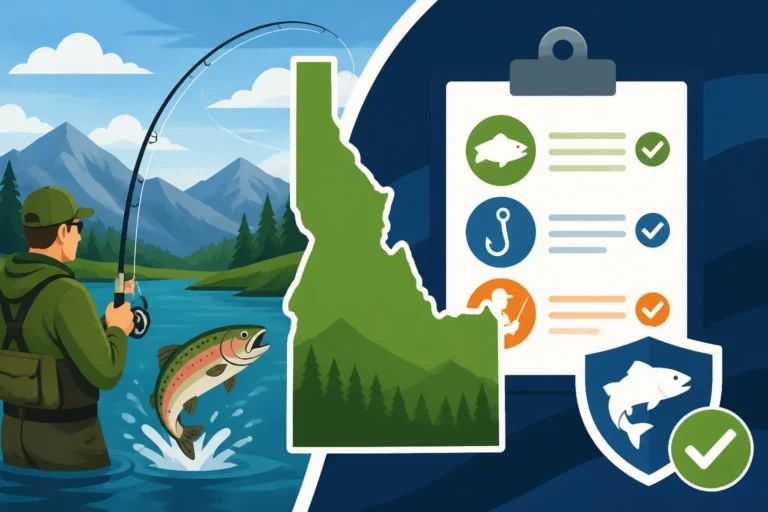
Here’s a quick summary of what you need for a legal steelhead trip in Idaho:
| Required Document | Purpose | Notes |
|---|---|---|
| Idaho Fishing License | Basic authorization to fish in Idaho waters for any species. | Must be valid for your residency status and chosen duration (annual, daily). |
| Idaho Steelhead Permit | Specific endorsement required to fish for steelhead. | Mandatory for both catch-and-release and harvest. |
| Access and Depredation Fee | Funds angler access and wildlife management efforts. | Required in conjunction with special species permits like steelhead. |
| Steelhead Catch Record Card | Mandatory for recording all steelhead caught (harvested or released). | Must be carried while fishing and returned by the deadline. |
Don't Forget About Specific River Regulations
One of the biggest pitfalls for even experienced anglers is assuming that statewide regulations cover every single body of water. When it comes to steelhead, that's definitely not the case. Idaho has an incredible diversity of rivers and streams, and many of them have very specific, localized rules that supersede the general statewide regulations. Ignorance of these rules is never an excuse, and game wardens are out there specifically to ensure compliance.
Local Rules and Special Waters
Imagine the confusion: you read the general rules, but then you arrive at a specific stretch of the Clearwater River, and suddenly, there are signs about "single barbless hooks only" or "no bait allowed." These kinds of special regulations are common in Idaho's premier steelhead waters. The Snake River, the Salmon River, and particularly famous fly-fishing destinations often have rules designed to protect sensitive fish populations or enhance specific angling experiences. For instance, Idaho Barbless Hook Requirements are often in place for catch-and-release segments or for specific species like sturgeon, but they can also apply to steelhead on certain rivers. Some waters might have specific gear restrictions, like fly-fishing only, or even time-of-day restrictions. It’s enough to make your head spin, which is why diligent checking of the specific rules for your chosen fishing spot is non-negotiable. Our guide on Idaho Special Regulation Waters can help you navigate some of these unique situations.
Staying Informed with the Latest Proclamation
This is the golden rule for any angler in Idaho: always consult the most current Idaho Fishing Seasons and Rules brochure, also known as the "proclamation." These brochures are published annually, usually around December for the upcoming year, and they contain all the detailed regulations, seasons, bag limits, and special rules for every body of water in the state. Rules can and do change frequently, often in response to fish population data, environmental conditions, or management goals. What was legal last year might not be legal this year.
You can pick up a physical copy of the brochure at any Idaho Fish and Game office or authorized license vendor, and it's also available as a PDF download on the IDFG website. I recommend having a copy, physical or digital, with you whenever you're out fishing. It’s your ultimate reference guide and can save you from an accidental violation. For more details on where to find this essential document, check out Where to Find Idaho's Current Fishing Rules Brochure. Remember, platforms like Amazon can be great for finding books on general fishing techniques or local river guides, but for the official, up-to-the-minute regulations, always go directly to Idaho Fish and Game.
So, while the paperwork might seem a bit cumbersome at first, remember that each permit and regulation is there for a reason: to protect Idaho’s incredible steelhead fisheries for everyone, now and in the future. Armed with the right permits, knowledge, and a sense of adventure, you’re ready to chase those chrome beauties. Happy fishing!
Disclaimer
Please remember that fishing regulations and license requirements can change. Always consult the latest Idaho Fish and Game official regulations and brochures before heading out to fish. This guide provides general information and should not be considered a substitute for the official rules.