Best Idaho Fishing Guides Who Also Teach Fly Tying
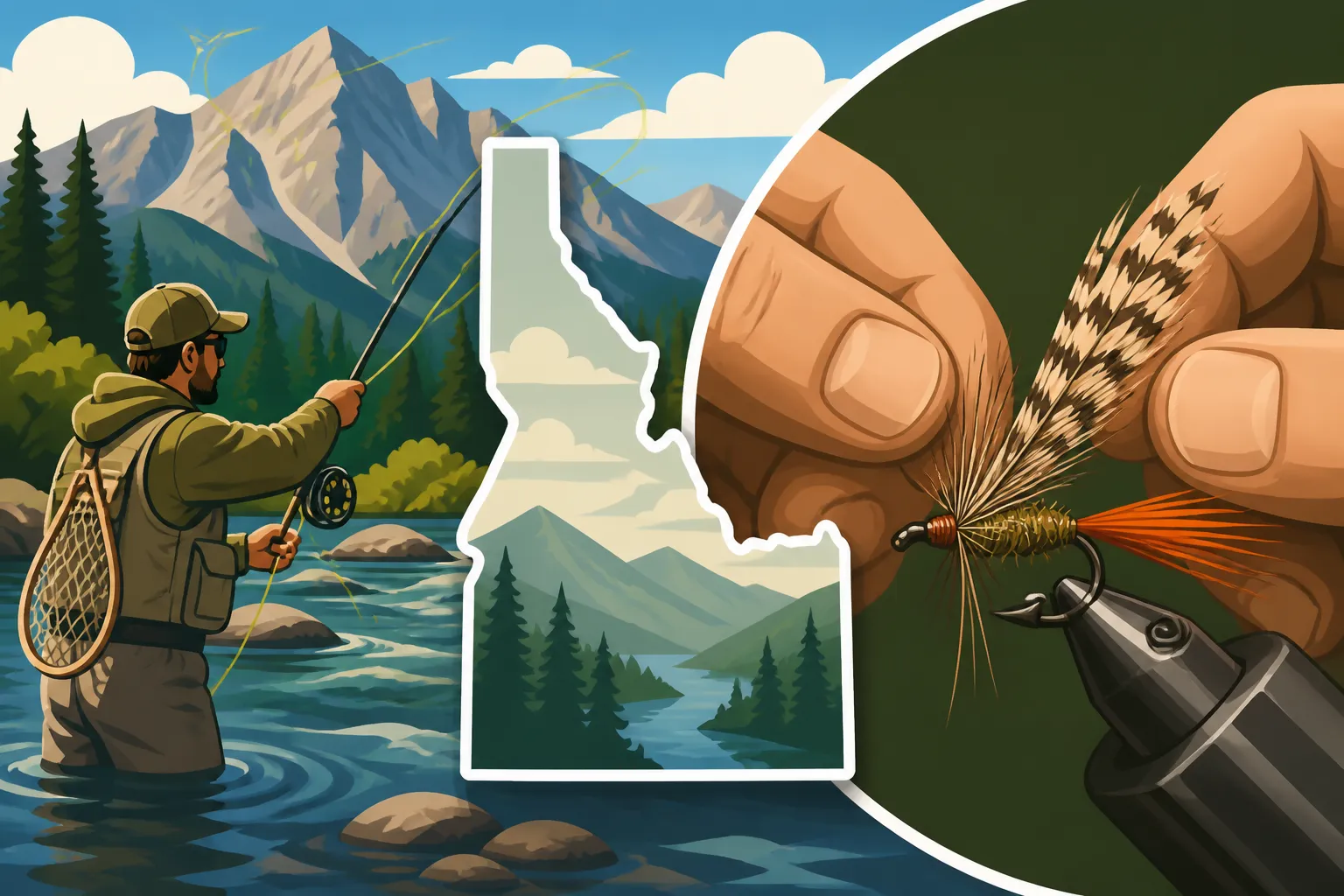
Finding an Idaho fishing guide who can not only put you on fish but also teach you the intricate art of fly tying can feel like searching for a unicorn. Many anglers dream of gaining the skills to craft their own flies, perfectly mimicking the local hatches, but struggle to find an instructor who combines guiding expertise with teaching patience. This comprehensive guide will help you navigate the process of discovering those exceptional Idaho fishing guides who are also skilled fly tying instructors, transforming your fishing trip into a truly enriching educational experience.
The Unique Appeal of a Guide Who Teaches Fly Tying
Let's be real, a fishing trip is awesome. You get out on the water, you cast, you (hopefully!) catch some fish, and you make memories. But for many of us, there's a deeper longing – a desire to truly understand the ecosystem, the fish, and the art behind the catch. That's where a guide who also teaches fly tying comes in. It's not just about a day on the river; it's about investing in a skill that will enhance every future moment you spend near the water.
More Than Just a Fishing Trip: A Learning Experience
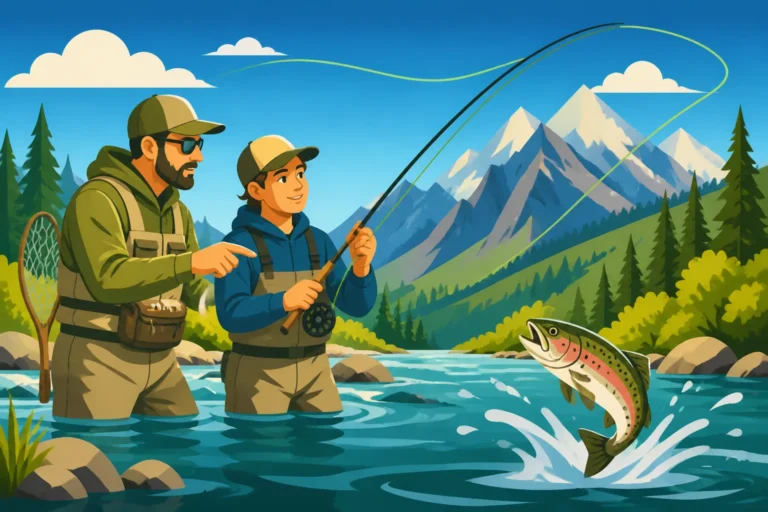
Imagine this: you've spent the morning catching beautiful cutthroat trout on the South Fork of the Snake River, and then in the afternoon, your guide pulls out a portable vise and walks you through tying the very parachute Adams that was so effective. That's a game-changer. It elevates a simple fishing excursion into a hands-on learning experience that continues long after the guide drops you off. You're not just a passenger; you're becoming a more self-sufficient, knowledgeable angler. Learning to tie flies gives you an incredible sense of accomplishment and a deeper connection to the sport. You start to see insect life and fish behavior in a whole new light, anticipating hatches and understanding why certain patterns work where others fail. This kind of trip can be especially valuable for those looking to expand beyond basic casting and expand their skillset. For those interested in improving their general fly fishing skills, many guides offer Idaho Fly Fishing Guide Services that can be tailored to include instruction.
When you learn to tie your own flies, you're not just mimicking a pattern; you're understanding the why behind it. Why is this particular material chosen for the wings? How does the hackle create the right silhouette on the water? A good instructor will break down these concepts, helping you grasp not just the mechanics of tying but also the entomology and fish biology that make a fly effective. It transforms you from a consumer of flies into a creator, capable of adapting to specific conditions and hatches. It's a skill that pays dividends, allowing you to react to unexpected conditions on the water when a generic box of flies might fall short. This deeper understanding is something that truly sets these specialized trips apart from a standard guided outing.
Why Idaho is a Fly Tying Hotspot
Idaho is an angler's paradise, boasting some of the most diverse and pristine waters in the country, from high-mountain lakes to world-renowned spring creeks. This incredible variety of aquatic environments means an equally diverse array of insect life. From stoneflies and caddis to mayflies and midges, Idaho's rivers and lakes host prolific hatches year-round. This makes it an absolutely fantastic place to learn fly tying, because you're learning patterns that are directly relevant to the fish you'll be targeting in real time. For example, if you're fishing the Henry's Fork Fishing Guides might teach you specific dry flies that imitate the famous "salmon fly hatch," while a guide on Silver Creek Fishing Guides might focus on tiny mayfly patterns crucial for its notoriously selective trout.
The flies you learn to tie in Idaho aren't just theoretical; they are practical, proven patterns that fool the local fish. You'll gain insight into matching the hatch, understanding subsurface nymphing tactics, or even crafting streamers for larger predatory fish. Local guides often have their own "secret" patterns, developed over years of fishing specific waters, and learning these directly from them is an invaluable experience. It's not just about learning any fly; it's about learning the Idaho flies that consistently produce results. This local knowledge, combined with the act of tying, deepens your connection to the specific waters you're fishing and the unique challenges and rewards they present. Understanding these regional nuances is key to becoming a truly adaptable and successful fly angler in Idaho.
What to Look for in a Fly Tying Fishing Guide
Finding a guide is one thing; finding one who is also an excellent fly tying instructor requires a slightly different approach. You're not just looking for someone who can row a boat and spot fish, but someone who possesses the patience, communication skills, and passion for teaching the craft of fly tying. It’s a specialized niche, and knowing what qualities to prioritize will make your search much more fruitful.
Essential Skills and Qualities of a Great Instructor
First and foremost, a great fly tying instructor needs to be patient. Tying flies can be fiddly, frustrating, and downright maddening at times, especially for beginners. An ideal guide will be able to break down complex steps into manageable chunks, offer constructive feedback without being critical, and allow you to learn at your own pace. They should be able to demonstrate techniques clearly, explain the purpose of each material and step, and answer your "why" questions about fly design. Think about it: you want someone who can calmly walk you through tying a tiny dry fly, even when your fingers feel like clumsy sausages, rather than someone who just ties it for you.
Beyond patience, look for a guide with strong communication skills. They should be able to articulate instructions clearly, both verbally and through demonstration. A truly exceptional instructor will be able to adapt their teaching style to your learning preferences, whether you're a visual learner, hands-on, or prefer detailed explanations. They should also possess a deep knowledge of entomology and local hatches, allowing them to explain why certain patterns are effective in specific situations. After all, the goal isn't just to tie a fly, but to understand when and why to use it. This comprehensive approach to instruction is what sets a true mentor apart from someone who simply has a basic knowledge of fly tying. Your guide might even teach you how to choose the Best Flies for Idaho Steelhead specifically designed for Idaho's iconic fish.
Practical Considerations: Gear, Location, and Timing
When evaluating potential guides, ask about the practicalities of the fly tying instruction. Will the guide provide all the necessary tying equipment, such as a vise, tools, and materials? Some guides will include this as part of the package, while others might expect you to bring your own basic kit or charge an additional fee for materials. Clarify this upfront so there are no surprises. It's also worth asking if they can accommodate different skill levels – from absolute beginners who've never touched a bobbin to intermediate tiers looking to refine specific techniques.
The location and timing of your trip will also influence the types of flies you learn to tie. If you're fishing a renowned trout stream like the Henry's Fork during a major hatch, your guide might focus on tying realistic dry flies or nymphs that imitate the prevalent insects. If you're targeting smallmouth bass on the Snake River, the focus might shift to streamers or poppers. Discuss your fishing goals and interests with the guide beforehand so they can tailor the tying instruction to what's most relevant and exciting for you. Understanding these seasonal and locational nuances is a critical part of the fly tying learning process, and a good guide will incorporate this into your lesson plan. For instance, When Idaho's General Trout Season Opens could dictate the specific types of flies you'd be learning to tie.
Finding Your Ideal Idaho Fly Tying Fishing Guide
Now that you know what you're looking for, the next step is actually finding that special guide. It might take a little digging, as not every guide advertises fly tying instruction front and center, but the reward of finding the right mentor is absolutely worth the effort.
Online Resources and Booking Platforms
In today's digital age, online platforms are often the first stop for finding fishing guides. Websites like FishingBooker list numerous guides across Idaho and often include detailed profiles of their services. While not every guide explicitly states "fly tying instruction," look for keywords like "fly fishing lessons," "custom fly orders," or "educational trips." Many guides on platforms like FishingBooker are passionate about the sport and are willing to go the extra mile. Don't be afraid to use the inquiry feature on these sites to directly ask guides if they offer fly tying instruction as part of a trip or as a separate add-on. Be specific about your interest, whether it's learning basic patterns, refining techniques, or tying flies for a particular species.
Beyond large booking platforms, many guides have their own websites or social media pages where they showcase their expertise. A guide who frequently posts photos of their own tied flies, describes the patterns they use, or even shares short tying videos is a strong candidate. Search for guides specifically mentioning "fly tying classes," "fly tying workshops," or "custom fly tying" in their service descriptions. Remember, the more information you gather online, the better equipped you'll be to ask targeted questions when you connect with them directly. While Idaho Fishing Guide Cost Guide can vary significantly, the value of combining a guided trip with tying instruction can often justify a slightly higher investment.
Local Fly Shops and Word of Mouth
While the internet is great, sometimes the best resources are good old-fashioned local connections. Idaho's vibrant fly fishing communities are often centered around local fly shops. These shops are goldmines of information, and the staff usually know the guides who operate in their area intimately. They can often recommend guides who are known for their teaching prowess, not just their fish-finding abilities. Pop into a shop in towns like Driggs (near the Teton River), Island Park (for Henry's Fork), or Ketchum (for Silver Creek) and simply ask for recommendations. They'll know the guides who love to share their knowledge.
Word of mouth is another incredibly powerful tool. Talk to other anglers you meet on the water or in online forums. Ask them if they've ever had a guided trip that included fly tying instruction. Personal recommendations often lead to the best experiences, as they come from someone who has already vetted the guide's teaching style and effectiveness. Don't underestimate the power of local knowledge; the perfect guide might not be heavily advertised but could be a well-kept secret among seasoned local anglers. This personal touch can make all the difference in finding a truly exceptional instructor. What to Expect on a Guided Idaho Fishing Trip can vary greatly depending on the guide's specialization and personality.
Questions to Ask Before You Book
Once you've identified a few potential guides, it's crucial to ask the right questions before committing. This ensures that their offering truly aligns with your expectations for a fly tying instructional trip.
Here are some key questions to consider:
- "Do you offer fly tying instruction, and is it integrated into the fishing trip or a separate session?" Clarify how the teaching will occur – streamside, at a lodge, or beforehand.
- "What is your teaching philosophy for fly tying? Do you focus on specific patterns, general techniques, or matching the hatch?" Understand their approach and whether it suits your learning goals.
- "What level of tying experience do you cater to? I'm a complete beginner / intermediate / advanced tier looking to learn X." Be honest about your skill level so they can prepare accordingly.
- "Will you provide all the necessary fly tying tools and materials, or should I bring my own?" Confirm what's included and any additional costs for materials.
- "How much time is dedicated to fly tying instruction during the trip?" This helps manage expectations about the balance between fishing and tying.
- "What types of flies will we focus on tying, and how do they relate to the fish we'll be targeting on this specific water?" This shows their local expertise and how practical the lesson will be.
- "Can I request to learn specific patterns, or do you have a set curriculum?" Some guides are flexible, others have a structured plan.
- "What is the total cost for a guided trip that includes fly tying instruction?" Ensure you understand the full financial commitment.
By asking these questions, you'll gain a clear picture of what the guide offers and can make an informed decision. Remember, you're investing in both a fishing experience and a valuable skill, so ensure the guide is genuinely passionate about teaching both.
Here's a quick comparison of what you might expect:
| Feature | Standard Fishing Guide Experience | Fishing Guide + Fly Tying Instructor Experience |
|---|---|---|
| Primary Focus | Catching fish, enjoying the water | Catching fish and learning the art of fly tying |
| Instruction | Casting tips, reading water, knot tying, fish handling | All standard instruction PLUS fly tying techniques and patterns |
| Gear Provided | Rods, reels, leaders, tippet, flies | All standard gear PLUS vise, tools, and tying materials (often) |
| Pace of Trip | Focused on fishing time | Balanced between fishing and dedicated tying sessions |
| Outcome | A great day of fishing, fish caught | A great day of fishing, fish caught, and a new, lasting skill |
| Ideal For | Anglers focused solely on catching fish | Anglers seeking skill development and deeper understanding of the sport |
| Cost | Standard guide fees | Potentially higher due to specialized instruction and materials |
Maximizing Your Guided Fly Tying Experience
You've done the research, you've asked the questions, and you've booked your guide. Now, how do you make the absolute most of this unique opportunity? It's about preparation, engagement, and a commitment to continued learning. Your investment in a guide who teaches fly tying is an investment in yourself as an angler, and a little forethought can significantly amplify the return.
Preparing for Your Trip and Tying Session
Preparation is key to getting the most out of any guided trip, and even more so when fly tying instruction is involved. Before your trip, do a little homework. If you know which waters you'll be fishing, research common hatches for that time of year. Familiarize yourself with basic fly fishing terminology and any knots your guide might expect you to know. If you have any tying experience, even minimal, review some basic techniques. Don't feel pressured to become an expert beforehand, but showing up with some foundational understanding will allow your guide to jump into more advanced topics or refine existing skills.
Bring a small notebook and pen! Seriously. Your guide will share a wealth of information, from specific fly patterns and material choices to nuances of fish behavior. Jotting down notes and even sketching flies can be incredibly helpful for retention. Don't be afraid to ask questions, even if they seem basic. Your guide is there to teach you, and clarifying doubts in the moment is far better than trying to remember hazy details later. The more engaged and prepared you are, the more effectively you'll absorb the valuable lessons your guide imparts. You might also want to review What to Bring on a Guided Idaho Fishing Trip to ensure you have all your personal essentials. For a truly immersive experience, consider one of the Idaho Fishing Lodges with Guide Packages which might offer dedicated tying spaces.
Beyond the Water: Continued Learning
The magic of learning fly tying from a guide doesn't end when your trip does. Think of your guided session as the springboard for a lifelong hobby. Once you get home, immediately put your new skills to practice. Review your notes, try tying the patterns your guide showed you, and don't be discouraged by initial struggles. Like any craft, fly tying requires repetition and patience. The first few flies might be ugly, but they'll get better with every attempt. Many guides are happy to answer follow-up questions via email or phone, so don't hesitate to reach out if you hit a snag.
Consider joining a local fly fishing or fly tying club. These groups are fantastic resources for continued learning, offering workshops, guest speakers, and a community of like-minded individuals who can share tips and tricks. There are also countless online tutorials and resources that can help reinforce what you learned on your trip and expand your repertoire. Remember that the goal isn't just to tie the flies you learned, but to develop the confidence and understanding to experiment and adapt. That unique knowledge you gained on the river, tying a specific pattern for a specific hatch, will now become part of your personal angling journey. Embrace the process, and you'll find that the lessons from your Idaho guide will continue to enrich your fishing adventures for years to come. If you're looking for formal education, many Idaho Fishing Guides for Fly Fishing Lessons focus on comprehensive instruction.
Disclaimer
This article is for general informational purposes only and does not constitute professional advice. Laws, prices and regulations vary by location and change over time. Consult a qualified professional for guidance on your specific situation.