Best Time to Fish Idaho’s High Mountain Lakes Before They Freeze
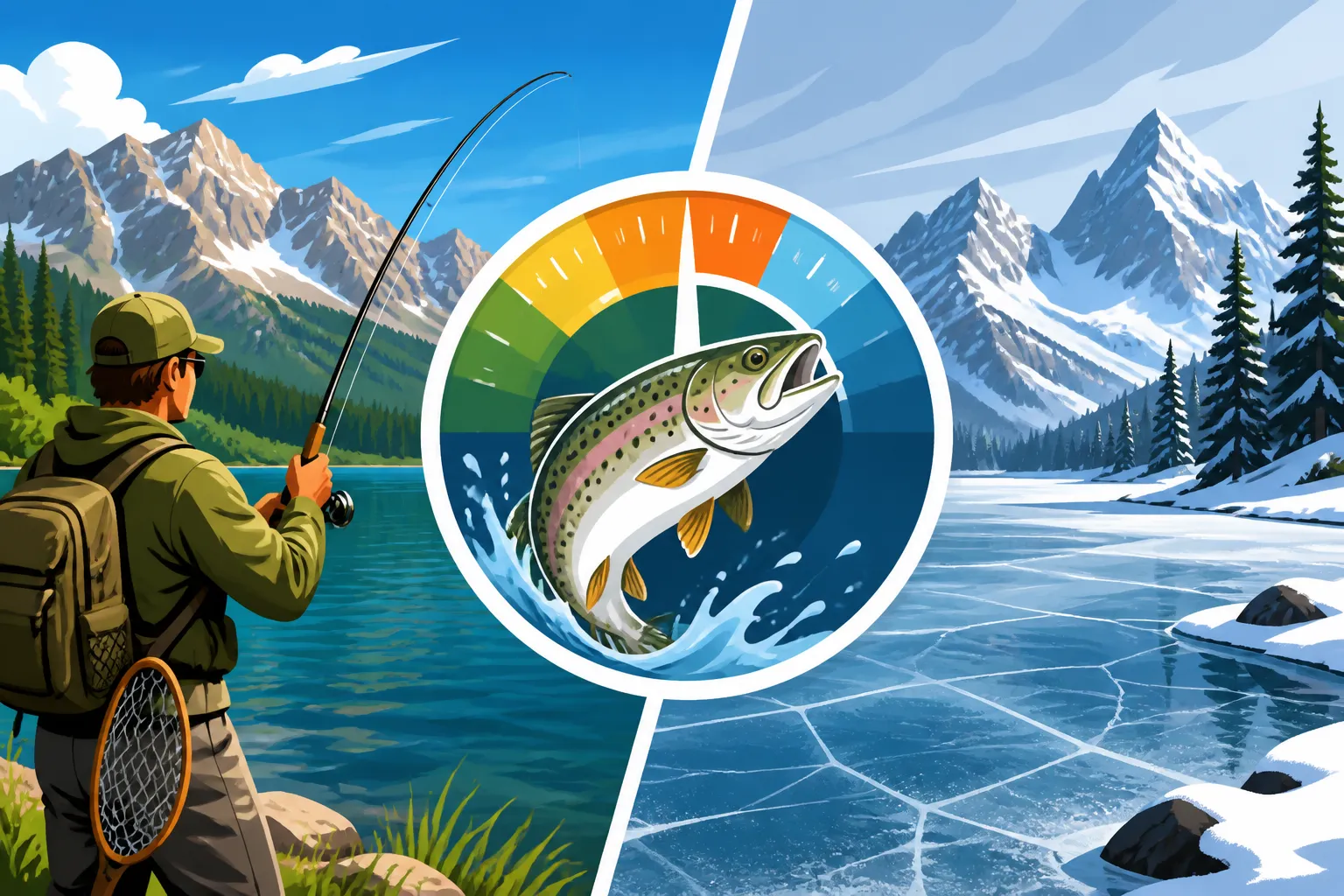
There's a unique magic to fishing Idaho's high mountain lakes, but as the vibrant colors of autumn begin to fade, many anglers feel a pang of dread, knowing that soon, these pristine waters will be locked under a sheet of ice. The challenge isn't just catching fish, but knowing when to go before the freeze-up makes access impossible or downright dangerous. This guide is all about helping you pinpoint those last, glorious opportunities to experience high country fishing before winter truly descends, ensuring you make the most of those precious final days.
Understanding High Mountain Lake Freeze-Up
Catching those last few fish from a high mountain lake before it freezes over is all about understanding the delicate dance between air temperature, water temperature, and elevation. It's not a sudden event, but a gradual process that creates specific windows of opportunity for intrepid anglers. Many people just assume once the first snow flies, it's over, but that's not always the case. There's a sweet spot, a time when the fish are still active and the ice hasn't taken hold.
The Science Behind the Chill: What Triggers the Freeze?
The freezing process in a lake is far more complex than just "it got cold." It starts with the surface water cooling down to its maximum density, which is about 39 degrees Fahrenheit (4 degrees Celsius). As the air temperature drops consistently below this, the surface water continues to cool. This colder, less dense water actually floats on top of the slightly warmer, denser water below. Eventually, as the cold air persists, the surface water reaches 32 degrees Fahrenheit (0 degrees Celsius) and ice crystals begin to form. Wind can play a huge role here, too; a strong breeze can keep the surface agitated, delaying ice formation even if temperatures are below freezing. Calm, clear nights are often the biggest culprit for accelerating freeze-up.
What many anglers don't realize is that fish don't just "turn off" when it gets cold. Their metabolism slows down, for sure, but they still need to feed. Understanding this helps us predict where they'll be and how they'll behave in these colder conditions. This is a crucial piece of the puzzle for Winter Fishing Spots in Idaho.
Typical Freeze-Up Timeline: When Does it Generally Happen in Idaho's High Country?
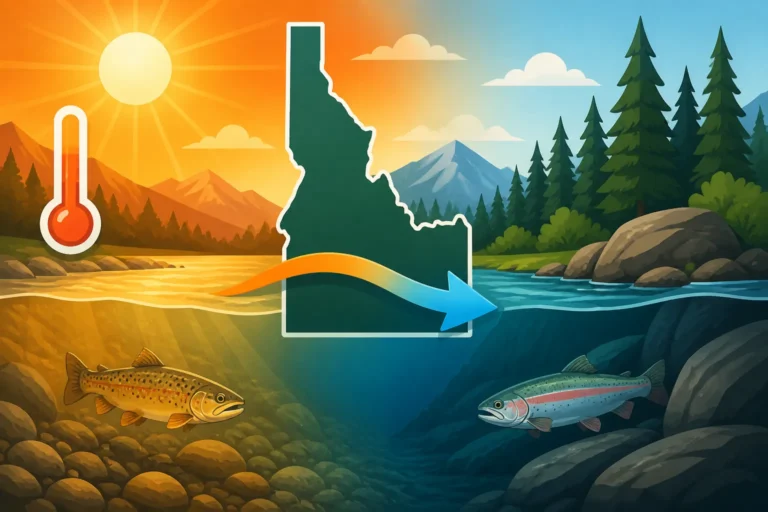
Predicting the exact freeze-up date for any given high mountain lake is a bit like forecasting a butterfly's flight path – there are general patterns, but specifics can vary wildly year to year and even lake to lake. Generally speaking, in Idaho's high country, especially lakes above 7,000 feet, you can expect the first skim ice to start forming sometime in October. By mid-November, most of these higher elevation lakes are likely to be fully locked up. Lakes at slightly lower elevations, say between 5,000 and 7,000 feet, might hold out until late November or even early December, especially if there's a milder fall.
The key is to pay attention to trends rather than single cold snaps. A few frosty nights won't necessarily freeze a deep lake, but a sustained period of sub-freezing daytime and nighttime temperatures, particularly with calm winds, will seal the deal. Remember, these are vast, often deep bodies of water, and it takes a lot of cold energy to bring their entire mass down to freezing. However, even a thin layer of ice can make boating or even shore access hazardous. For a broader view of the year, check out the Idaho Fishing Season Calendar.
Microclimates and Variances: How Elevation and Location Affect Freeze Patterns
It's tempting to think that all high mountain lakes at the same elevation will freeze at the same time, but that's just not how Idaho works. Our mountains are incredibly diverse, creating countless microclimates that influence freeze-up dates. A lake nestled in a north-facing canyon, shaded from the sun for much of the day, will almost certainly freeze earlier than a similar-sized lake on a south-facing slope that gets direct sunlight well into the afternoon. Wind exposure is another huge factor. A lake exposed to persistent cold winds will cool faster than one protected by surrounding peaks.
The depth of the lake also matters. Shallower lakes will freeze faster because there's less water volume to cool down. Deeper lakes, with their larger thermal mass, can hold onto warmth longer. For instance, a small, shallow tarn in the Sawtooths at 8,000 feet might be frozen solid by mid-October, while a much larger, deeper lake at 7,000 feet might still have open water into November. This variability means checking local conditions, even consulting online forums or recent trip reports, is absolutely vital if you're planning a late-season excursion. Being prepared for varying conditions is key, and having the right Idaho Fishing Gear Guide by Season can make all the difference.
Prime Fishing Windows in Late Season
Even as the days shorten and the air bites with a crisp chill, there are golden windows of opportunity for some truly memorable fishing in Idaho's high mountain lakes. These aren't always easy to hit, requiring careful timing and a bit of luck, but the rewards—often larger, more aggressive fish—can be well worth the effort.
The "Turnover" Period: What It Is and Why It Matters
Before a lake truly settles into its winter stratification, it often undergoes a process called "turnover." In the fall, as the surface water cools, it becomes denser. Eventually, this dense surface water sinks, displacing the warmer, less dense water from the bottom, which then rises to the top. This mixing event effectively equalizes the water temperature throughout the lake, typically bringing it all down to around 39 degrees Fahrenheit.
Why does this matter for fishing? Well, during turnover, oxygen and nutrients are redistributed throughout the water column. Fish, which might have been holding in specific thermal layers during summer, now have a more uniform environment. This can sometimes make them a bit disoriented or less predictable for a short period, often right during the turnover itself. However, immediately after turnover, when the water has stabilized and is uniformly cool, can be an incredibly productive time. The fish are often more active, having had their environment refreshed, and are looking to bulk up before the long winter. This is a critical distinction many anglers miss, assuming "cold water" means "bad fishing" uniformly.
Post-Turnover Clarity: The Golden Window
The real "golden window" for pre-freeze fishing often occurs in the days or even weeks after the lake has fully turned over and before significant ice forms. At this point, the water is uniformly cold, often exceptionally clear, and the fish are usually quite active. Many species, particularly trout and char, will be feeding aggressively to pack on calories for the lean months ahead. They are less sluggish than they will be under a layer of ice, and often, larger fish will become more accessible.
During this period, fish tend to spread out more across different depths than they might immediately during turnover. They'll still gravitate towards structure—rock piles, ledges, submerged timber—but they might also cruise shallower flats in search of a meal. The key is that they are actively hunting, not just hunkering down. This is when a thoughtful approach to Idaho Fishing Techniques Guide really pays off. The clarity of the water also means you might need to adjust your approach, perhaps using lighter lines or more natural presentations. Don't be surprised if you catch some of the biggest fish of the season during this brief, often spectacular, window.
Indian Summer Opportunities: Unpredictable but Rewarding
Idaho is famous for its "Indian Summer"—those glorious, unseasonably warm and sunny periods that often grace us in late September or October. While these warm spells might seem like a reprieve, they can actually extend the open-water fishing season on high mountain lakes, offering a bonus opportunity before the true cold sets in. These periods are a gift, providing conditions that can briefly revert to late-summer patterns.
However, "unpredictable" is the keyword here. An Indian Summer can lull you into a false sense of security; a warm day can be followed by a brutally cold night that suddenly accelerates the freeze-up process. These are windows where you need to be prepared for anything. Fish might reactivating to the warmth, rising to the surface for hatches or moving into shallower areas. But always keep an eye on the long-range forecast. If a strong cold front is predicted after a few days of warmth, that might be your absolute last chance before the ice takes hold. It's a gamble, but sometimes, those last-ditch efforts during an Indian Summer can be the most rewarding trips of the entire year. Being able to read the changing weather is as important as reading the water in these conditions.
Strategies for Pre-Freeze Fishing
Fishing Idaho's high mountain lakes just before they freeze requires a shift in mindset and technique from your typical summer angling. The fish are still there, and they're often hungry, but their metabolism has slowed, and their preferred habitats have changed. Adapting your approach is key to success in these unique conditions. You can't just throw out the same old lure and expect results.
Deep Water Tactics: Where Fish Hold When It's Cold
As water temperatures plummet, fish in high mountain lakes often retreat to deeper, more stable thermal zones. The very top layer of the water column might be hovering just above freezing, but deeper down, the water is a more consistent 39-40 degrees Fahrenheit. This is where many trout and char species will spend their time. They're still feeding, but they're not going to expend a lot of energy chasing a fast-moving bait in shallow water.
This means you need to get your offerings down deep. If you're fishing from shore, a long cast with a heavy spoon or a weighted jig is often effective. For boat anglers, downriggers or heavy jigging spoons are your best friends. Look for submerged structures like ledges, drop-offs, or rock piles in 20-50 feet of water. These areas provide cover and often hold baitfish or insect larvae that trout will key in on. Pay close attention to your fish finder if you have one; seeing schools of baitfish or larger arcs often indicates where the predators are lurking. Knowing How Deep Lake Trout Hold in Priest Lake in Summer can give you an idea of year-round deep water tendencies, though conditions will be colder.
Slow and Low Presentations: Matching the Fish's Metabolism
When the water is cold, fish are not as energetic. Their metabolism slows down, meaning they're less likely to chase a fast-moving target. This requires a significant adjustment in your retrieval speed and presentation. Think "slow and low."
- Jigging: For spoons and heavy jigs, a slow, methodical lift-and-drop or a subtle twitch-and-pause can be incredibly effective. Let the lure flutter or sink naturally, mimicking a dying baitfish or insect. Sometimes, the fish will hit on the fall, so always be attentive to your line.
- Trolling: If you're trolling from a boat, drastically reduce your speed. Often, the slowest speed your electric motor can maintain is ideal. Use dodgers or flashers in front of your lure to attract attention, but ensure the trailing bait or fly has minimal action, just a gentle wobble. This replicates a struggling food source, which is much more appealing to a lethargic fish.
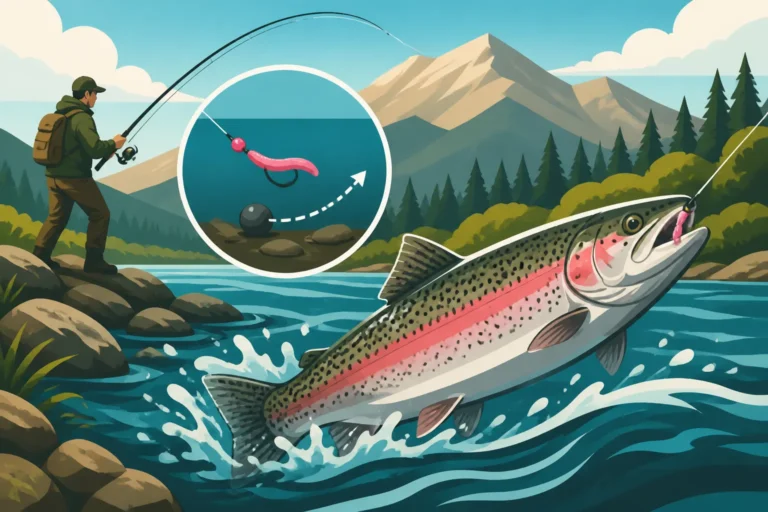
- Bait Fishing: If bait is allowed, a simple worm or powerbait suspended just off the bottom using a slip sinker rig can be deadly. The key is to keep it still or allow for only very subtle movement. Patience is your biggest virtue here.
- Fly Fishing: For fly anglers, deep nymphing rigs with strike indicators or streamer fishing with a slow, erratic strip-and-pause retrieve are often the most productive. Focus on getting your flies down to where the fish are holding and presenting them as naturally and slowly as possible. Consider heavier flies or adding split shot to ensure your presentation reaches the desired depth. This mirrors techniques you might use for How to Fish a Streamer for Trout in general cold conditions.
Many anglers find success by using natural colors or baits that imitate the native forage. For example, Best Bait for Idaho Sturgeon Fishing might not apply here, but thinking about what prey fish are typically available in high mountain lakes is a good starting point.
Bait and Lure Choices: What Works When Temps Drop
When targeting cold-water fish in high mountain lakes, your bait and lure choices need to reflect both the fish's subdued metabolism and their food sources. Generally, fish aren't going to be picky about matching a specific hatch, but they'll be looking for a substantial meal that's easy to catch.
- Spoons: Classic metal spoons like Kastmasters, Daredevles, or Little Cleos in silver, gold, or flashy colors are perennial favorites. Their wobbling action on a slow retrieve or flutter on the drop can trigger strikes. Heaviness is key to getting them down.
- Jigs: Small marabou jigs (1/8 to 1/4 ounce) in black, olive, or white, tipped with a small piece of worm or scented soft plastic, are incredibly effective. Tungsten jigs can also be useful for getting to depth quickly. The subtle pulsating action of marabou is hard for sluggish fish to resist.
- Soft Plastics: Small soft plastic baits resembling minnows or worms, rigged on a jig head or under a bobber, can be very productive. Scented options often provide an extra edge, especially in clear water. Brands like Amazon offer a wide array of options for soft plastic baits that are affordable and effective.
- PowerBait/Worms: For static bait fishing, PowerBait (especially garlic or corn scent) or a simple nightcrawler can be irresistible. Fish these on the bottom or suspended a foot or two off it with a small marshmallow or float.
- Streamers/Woolly Buggers: For fly anglers, larger, darker streamers like black or olive Woolly Buggers, tied with a bead head for weight, are excellent choices. Strip them slowly with long pauses to imitate baitfish or leeches. Patterns that move a lot of water with minimal rod action can also be productive. Think about what will appear as an easy, high-calorie meal.
- Small crankbaits/plugs: If fish are still showing some activity, small, slow-diving crankbaits or suspending jerkbaits in natural patterns can sometimes coax a strike. Make sure they are designed to run deep. These are often great for Best Lures for Idaho Trout Fishing in general.
Remember, whatever you choose, scent can be a major advantage. In cold water, fish rely more on their sense of smell, so adding a commercial fish attractant to your lures or using scented baits can significantly improve your chances.
Safety and Preparation for Late-Season High Mountain Trips
Fishing Idaho's high mountain lakes before they freeze isn't just about the fish; it's about navigating unpredictable, often harsh, wilderness conditions safely. The weather can turn on a dime, and what starts as a crisp fall day can quickly become a dangerous winter ordeal. Proper preparation isn't just a recommendation; it's a necessity for enjoying these late-season adventures.
Weather Watch: The Importance of Monitoring Conditions
This cannot be stressed enough: obsessively check the weather forecast before and during your trip. High mountain weather is notoriously fickle, and a clear, calm morning can give way to a whiteout blizzard or freezing rain by afternoon. Look beyond just temperature; pay close attention to wind chill, precipitation forecasts (rain turns to snow very quickly at elevation), and overnight lows.
- Long-range Forecasts: Start monitoring at least a week out, looking for consistent trends.
- Short-range Forecasts: Re-check hourly forecasts the day before and the morning of your trip. Use multiple reliable weather sources if possible, and specifically look for mountain or alpine forecasts, not just valley towns.
- Visual Cues: Learn to read the sky. Building clouds, a sudden drop in temperature, or an increase in wind can all signal an impending change. Don't blindly trust your phone if the sky is telling you otherwise.
- Ice Formations: If you see any skim ice on the lake, even a thin layer around the edges, proceed with extreme caution. This indicates water temperatures are at or below freezing, and conditions could rapidly worsen. Ice can form faster than you'd think, especially overnight.
Be prepared to turn back or adjust your plans if the forecast sours. No fish is worth risking hypothermia or getting stranded. Having an emergency satellite messenger or personal locator beacon is also a wise idea, as cell service is often nonexistent in these remote areas.
Essential Gear for Cold Weather: Layering and Survival
Your gear list for a late-season high mountain lake trip will be much different than a mid-summer excursion. Hypothermia is a real and dangerous threat, so staying warm and dry is paramount.
- Layering System: This is crucial. Start with a moisture-wicking base layer (merino wool or synthetic, never cotton). Add a warm insulating layer (fleece or down) and finish with a waterproof and windproof outer shell. Bring extra layers, even if you don't think you'll need them; it's better to have too many than too few.
- Warm Hat and Gloves/Mitts: You lose a lot of heat through your head, and cold hands make everything difficult and painful.
- Insulated, Waterproof Boots: Keep your feet dry and warm.
- Waders (if shore fishing): Neoprene or insulated breathable waders are essential for staying dry if you plan on wading even a little.
- Survival Kit: Beyond fishing tackle, pack essentials like a first-aid kit, fire-starting materials, a headlamp with extra batteries, navigation tools (map and compass, GPS), emergency shelter (bivy sack or tarp), and plenty of high-energy food and water. You might find great deals on these survival items on Amazon.
- Hot Beverages: A thermos full of hot coffee, tea, or cocoa can be a morale booster and a lifesaver in chilly conditions.
- Sun Protection: Even on cold days, the sun at high altitude can be intense, so sunglasses and sunscreen are still important.
Remember, getting wet in cold weather is a fast track to hypothermia. Protect your core at all costs. For more specific gear tips, refer to What Gear to Pack for a Sawtooth Backcountry Fishing Trip.
Solo vs. Group Trips: Mitigating Risks in Remote Areas
High mountain lakes, especially in the late season, often mean remote and isolated locations. This inherently increases the risks, and how you approach your trip—solo or with a group—can significantly impact your safety.
- Solo Trips: While tempting for the solitude and personal challenge, solo trips in these conditions are exponentially riskier. If you get injured, fall in the water, or get lost, there's no one there to help. If you absolutely must go solo, inform someone of your exact itinerary, expected return time, and have an emergency plan in place. Carry that satellite messenger. Understand the Idaho Access and Depredation Fee Explained as well, as some areas may require specific permits for access that help with emergency services.
- Group Trips: Going with at least one other experienced angler is always the safer option in late-season high country. You can share gear, spread out responsibilities, and most importantly, provide mutual support in an emergency. Ensure everyone in the group knows basic first aid and understands the risks involved.
- Know Your Limits: Be realistic about your physical fitness and wilderness experience. A challenging summer hike becomes a much tougher proposition when dealing with snow, ice, and colder temperatures. Don't push yourself or your group beyond what you can safely handle.
Remember, the goal is to have a memorable and safe fishing experience, not to conquer the wilderness at all costs. Be smart, be prepared, and you'll increase your chances of finding that late-season high mountain magic. If you are considering a guided trip for added safety and expertise, How to Book a Fishing Guide in Idaho might be a useful resource.
Disclaimer
This article is for general informational purposes only and does not constitute professional advice. Laws, prices and regulations vary by location and change over time. Consult a qualified professional for guidance on your specific situation.