Best Time of Year to Catch Crappie
If you've ever spent a beautiful Idaho afternoon on the water, only to come home empty-handed despite knowing there are crappie in there, you know the frustration. Crappie are finicky, and figuring out their seasonal patterns is key to filling your cooler. This guide is all about demystifying crappie behavior throughout the year in Idaho, helping you pinpoint the absolute best times to find these delicious panfish, no matter the season.
Understanding Crappie Behavior Through the Seasons
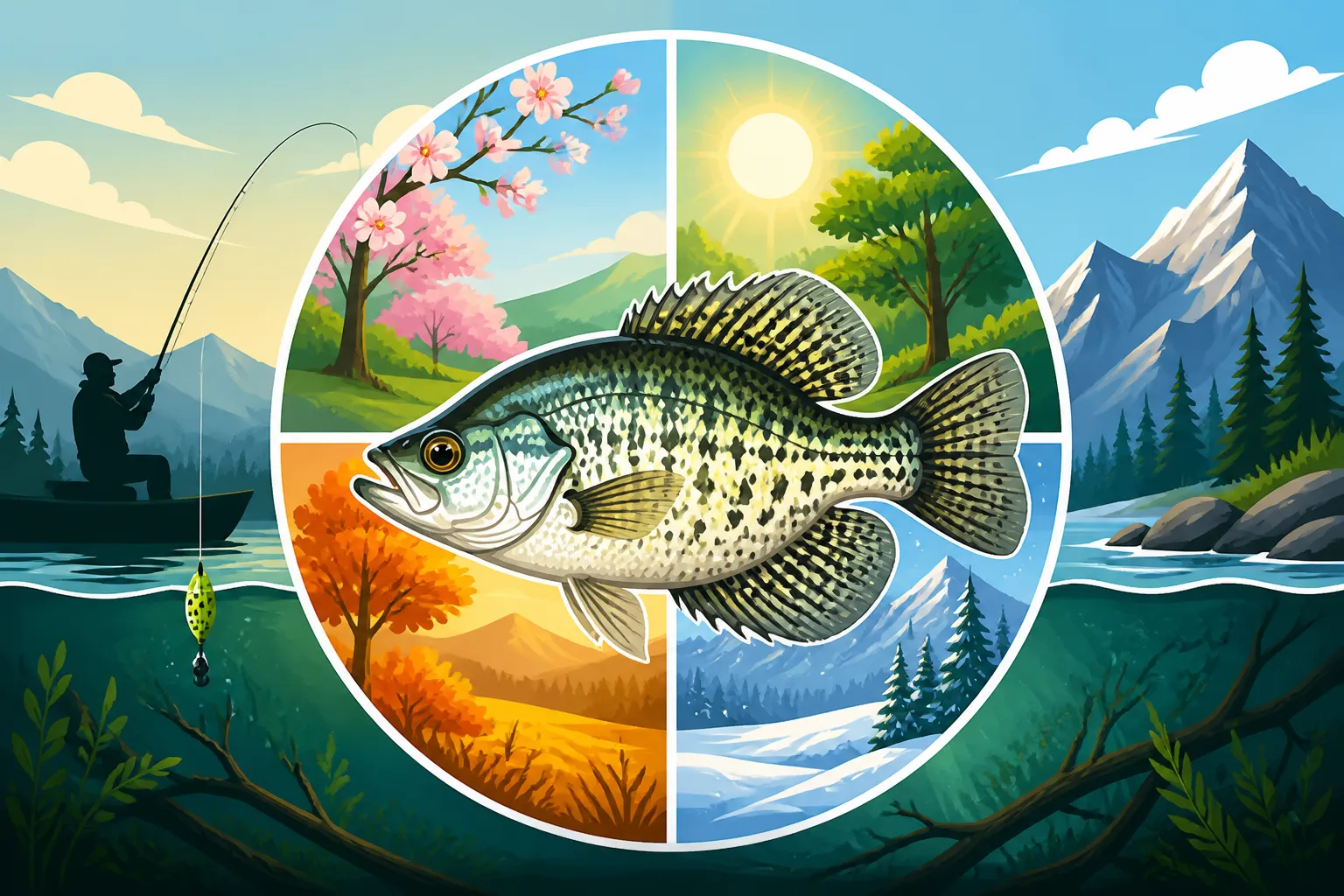
Crappie, whether we're talking about the black or white variety, are highly responsive to their environment, especially water temperature and light conditions. Unlike some species that might maintain similar patterns year-round, crappie undertake significant migrations and depth changes with the seasons. Ignoring these shifts is often why anglers struggle; you can't just fish the same spot with the same technique in January as you would in May. It’s a dance with nature, and understanding the rhythm is your first step to consistent success.
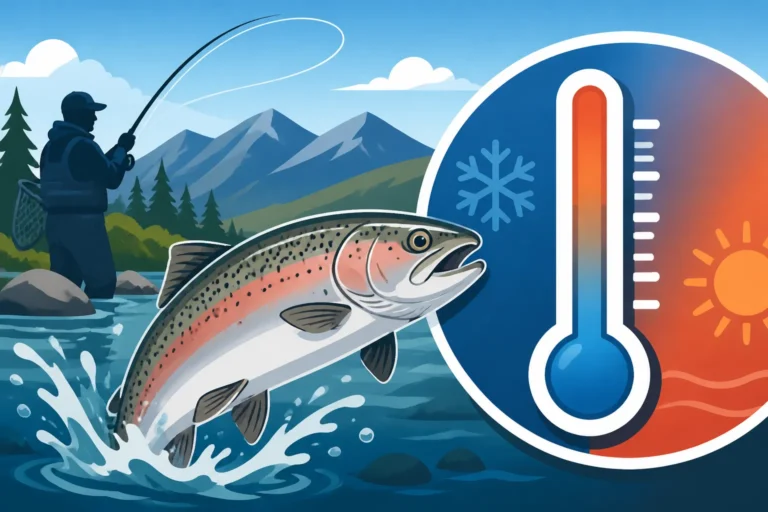
Water Temperature and Crappie Activity
The internal clock of a crappie is largely governed by water temperature. As the thermometer rises and falls throughout the year, their metabolism, feeding habits, and reproductive instincts are directly impacted. When water is cold, their metabolism slows down dramatically, making them less active and less likely to chase a bait. As it warms, they become more energetic, needing to feed more frequently.
Think of it like us humans. On a cold winter day, you're probably bundled up, moving slowly, and craving hearty, easy-to-grab comfort food. That's a winter crappie. Come spring, when the weather is perfect, you're energized, out and about, and eating lighter, more often. This direct correlation with temperature dictates everything from where they hold in the water column to how aggressively they'll strike your lure. For instance, in the colder months, they'll seek out the warmest available water, often the deepest parts of a lake or reservoir, or areas with thermal refuges. As temperatures climb in spring, they'll migrate to the shallows where the water warms fastest, preparing for their annual spawn.
Habitat Changes Throughout the Year
Beyond just temperature, crappie habitats evolve with the seasons, making certain areas productive at different times. They are structure-oriented fish, meaning they love to hang out around submerged trees, brush piles, docks, rock formations, and even man-made fish attractors. But the depth at which they utilize these structures changes.
In the dead of winter or the scorching heat of summer, they'll often be found deep, seeking stable temperatures and oxygen levels. This might mean the bottom of a large reservoir like C.J. Strike Reservoir or even the deep channels of Lake Lowell. Come spring, as those shallows start to heat up and vegetation begins to sprout, they'll move right into cover that's just a few feet deep. Imagine a newly flooded field of cattails or a shallow flat with submerged timber – that's prime spring crappie territory.
As plants grow thick in summer, crappie might move to the outside edges of these weed lines or suspended just above them, again looking for cooler, oxygenated water. In the fall, they often return to areas with structure along creek channels or drop-offs, feasting on baitfish that are also moving into deeper, more stable environments as winter approaches. Understanding these shifts is paramount. If you're fishing shallow brush in August, you're likely wasting your time. But that same spot could be gold in May.
Spring: The Peak Crappie Bonanza
Ah, spring! This is arguably the most anticipated season for crappie anglers across Idaho, and for good reason. It’s when these fish become incredibly active, migrating from their deeper winter haunts to shallower waters with a singular focus: spawning. If you're looking to catch a boatload of crappie, this is the window to prioritize. The action can be fast and furious, offering some of the best fishing opportunities of the entire year.
Pre-Spawn Excitement
Before the actual spawning begins, typically when water temperatures hit the low to mid-50s Fahrenheit, crappie enter their pre-spawn phase. This is a period of intense feeding as they bulk up for the energy-draining act of reproduction. They'll start moving out of the deepest parts of the lake or reservoir and begin staging in transition areas – think creek channels, points, and flats adjacent to their eventual spawning grounds. These spots might be 8 to 15 feet deep, often still relating to submerged cover like timber or rock piles.
During pre-spawn, crappie are aggressive and relatively easy to locate because they're actively feeding. They're often grouped up in large schools, making it possible to catch a significant number if you find the right spot. This is a fantastic time for vertical jigging with small jigs or using live minnows under a bobber, targeting those suspended schools near structure. Many anglers will head to Idaho waters like American Falls Reservoir, known for its crappie population, looking for these staging areas. You'll want to keep an eye on your fish finder for baitfish schools and crappie arches sitting just below them.
The Spawning Frenzy
Once the water temperature consistently reaches the 60-70°F range, the crappie spawning frenzy truly kicks into gear. In Idaho, depending on the elevation and specific body of water, this usually happens from late April through June. This is when crappie move into the shallowest waters, often just 1 to 5 feet deep, looking for vegetation, submerged brush, or even old docks to lay their eggs. They become territorial and highly concentrated, often visible if you're quiet and observant.
During the spawn, crappie are extremely accessible, even for shore anglers or those in smaller boats like kayaks. They'll readily strike small jigs, grubs, or live minnows presented right in their face. The key here is to target areas with abundant cover in shallow water. Think about fishing the calm, protected coves of Lake Lowell or the brushy shorelines of Brownlee Reservoir. They'll be guarding their nests, making them incredibly vulnerable to a well-placed bait. While it's tempting to keep every fish, remember that this is their most vulnerable time, so practice responsible harvesting to ensure future generations of crappie.
Post-Spawn Recovery
After the rigors of spawning, crappie enter a brief post-spawn period where they recover and often move back out to slightly deeper waters, typically 5 to 10 feet, to rest and recuperate. This phase, usually in late spring to early summer, can be a little trickier to fish than the peak spawn, but still offers excellent opportunities. They aren't as aggressive as during pre-spawn, but they are still feeding to regain their strength.
During this time, crappie will often be found near the edges of their spawning grounds, retreating to nearby submerged timber, weed lines, or drop-offs. They'll still be in schools, but perhaps less tightly packed. Focus on fishing structure that provides easy access to both shallow and deeper water. Small soft plastics on a jig head or slowly trolled crankbaits can be effective. This is a great time to experiment with different depths and retrieves. A common technique is to target the deeper parts of the same coves you fished during the spawn, following the crappie as they transition to their summer patterns.
Summer: Adapting to the Heat and Depth
As Idaho transitions from the delightful warmth of spring into the often scorching heat of summer, crappie adjust their habits dramatically. The shallow waters that were so productive in spring become too warm and often lose oxygen, forcing crappie to seek refuge in deeper, cooler, and more stable environments. This means that successful summer crappie fishing requires a significant change in strategy, moving away from the visible shallow cover and into the more challenging world of deep-water tactics.
Deep Water Tactics
Once summer truly sets in and surface water temperatures soar, crappie in lakes and reservoirs will move to deeper water, often suspending over creek channels, along sharp drop-offs, or around large submerged structures like humps, old roadbeds, or deep brush piles. They'll often be found near the thermocline, a layer in the water where the temperature rapidly changes, as this zone typically offers the best combination of cool water and oxygen. This could mean they're anywhere from 15 to 30 feet deep, or even deeper in very large reservoirs.
Fishing for deep crappie often means using electronics like a fish finder to locate schools. Once found, vertical jigging with heavier jigs (1/8 oz to 1/4 oz) or drop-shotting live minnows or small soft plastics like Bobby Garland Crappie Baits becomes incredibly effective. You need to get your bait down to where the fish are holding and keep it there. Slowly trolling baits at specific depths can also cover more water and help locate scattered schools. In a place like C.J. Strike Reservoir, known for its crappie and bass, many anglers will spend their summer days motoring over main lake points and creek channels, watching their screens intently for those telltale crappie schools.
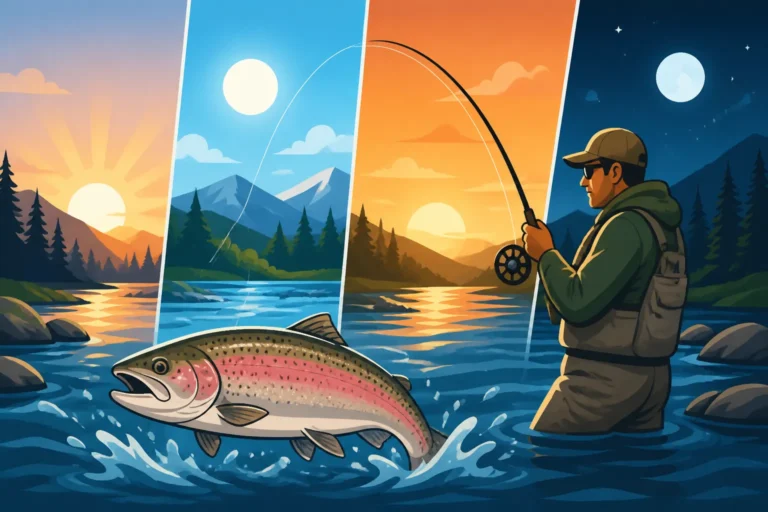
Morning and Evening Bites
While crappie generally hold deep during the heat of the day in summer, they often become more active and might move shallower during the low-light periods of dawn and dusk. This is when the sun isn't directly overhead, and surface temperatures might be a few degrees cooler, encouraging them to venture out from their deep sanctuaries to feed. These morning and evening bites can be fantastic, especially in areas with good cover like docks, submerged trees, or weed edges that are close to deeper water.
During these times, you might find crappie holding at 8 to 15 feet, making them more accessible. Fishing around lighted docks at night can also be incredibly productive, as the lights attract baitfish, which in turn attract crappie. This is a great opportunity to use smaller jigs or minnows under a slip bobber set to the appropriate depth, casting them near structure and letting them slowly sink. These low-light periods offer a welcome respite from the intense midday heat and often coincide with aggressive feeding windows for these smart panfish.
Fall: Consistent Action Before Winter's Chill
As the days shorten and the crisp air of autumn descends upon Idaho, crappie begin another significant shift in their behavior, almost like a return to their pre-spawn mentality. Water temperatures start to cool, triggering a feeding frenzy as these fish try to pack on weight in preparation for the lean winter months ahead. For many anglers, fall offers some of the most consistent and enjoyable crappie fishing of the year, often without the crowds of spring or the challenges of summer's heat.
Feeding Frenzy
Fall crappie are hungry crappie. As water temperatures drop into the 60s and 50s Fahrenheit, their metabolism is still high enough to necessitate active feeding, but the intense heat of summer is gone. This combination makes for a prolonged period of aggressive bites. They're trying to build up fat reserves, so they're often less finicky about what they eat and more willing to chase down a meal. This often means they’re chasing baitfish, which are also schooling up as temperatures drop.
During this period, crappie will often follow schools of baitfish, which tend to congregate around creek channels, main lake points, and deeper flats. They might be anywhere from 10 to 20 feet deep, sometimes shallower on overcast days, sometimes deeper on bright, sunny ones. The key is to find the bait, and the crappie won't be far behind. This is an excellent time for trolling small crankbaits or jigs to cover a lot of water and locate those active schools. Think about targeting the vast expanses of Lake Pend Oreille's coves or the river channels within American Falls Reservoir where baitfish abound.
Locating Fall Crappie
Finding fall crappie often means looking for distinct structural elements that act as highways and holding areas. As vegetation begins to die off and recede, crappie rely more on hard structure like submerged timber, rock piles, brush piles, and channel bends. They'll often suspend around these features, particularly if baitfish are present. Using your fish finder becomes crucial here, not just for seeing crappie, but for identifying the structure they're relating to.
Vertical jigging around standing timber, slowly retrieving jigs along channel edges, or even casting small spinners towards submerged brush can all be highly effective. The crappie will often be schooled up tightly, so once you find one, you're likely to find many. Many anglers find great success using a spider rigging setup, where multiple rods are deployed off the front of the boat with jigs or minnows, allowing them to present baits at various depths until the crappie are located. Brands like B'n'M Poles (available on Amazon, naturally) are popular for this style of fishing, letting you cover a wide area from the boat.
Winter: Ice Fishing for Crappie
When the lakes of Idaho freeze over, many anglers pack away their open-water gear, but for the dedicated crappie enthusiast, winter means a whole new world of opportunity: ice fishing. While it requires different tactics and gear, catching crappie through the ice can be incredibly rewarding, especially on those calm, sunny winter days. The fish are often schooled up tightly, and once you find them, the action can be steady.
Finding Crappie Under the Ice
Under a blanket of ice, crappie behave differently than in open water. They typically seek out stable, deeper water where temperatures are slightly warmer and more consistent, often relating to the deepest available cover or basin areas. In reservoirs, this might mean the old creek channels or deep flats near a dam. In smaller lakes, it could be the deepest hole. They'll also be less active, so they’re not going to chase your bait far.
Effective ice fishing for crappie hinges on precision and electronics. A good ice fishing flasher or fish finder is almost essential for locating schools and presenting your bait at the exact depth. You'll often find crappie suspended anywhere from 10 to 30 feet down, sometimes even deeper. Key areas to focus on are main lake points that drop off into deep water, submerged humps, or standing timber that extends deep into the water column. Consider popular ice fishing destinations in Idaho like Cascade Reservoir or Horsethief Reservoir, where crappie are often found. If you want to learn more about how to approach ice fishing safely and effectively, check out our guide on How to Ice Fish Idaho Lakes.
Ice Fishing Techniques
Ice fishing for crappie is all about finesse. Since their metabolism is slow, they prefer small, subtle presentations. Tiny jigs (1/32 to 1/16 oz) tipped with a grub, a wax worm, or a small minnow are often irresistible. Popular jig styles include tungsten jigs, which are heavy for their size, allowing for a faster drop and better feel in deep water. You can find a wide variety of these jigs on Amazon, making it easy to stock up before your trip.
The technique typically involves slowly jigging your bait with a subtle lift-and-drop motion, pausing frequently to allow a less active crappie to commit. Often, crappie will "mouth" the bait gently, so a sensitive rod tip is crucial for detecting those light bites. Fishing multiple holes drilled in a pattern can help you find where the schools are holding, and once you get a bite, stay put – more are likely to be around! Having a portable shelter or a "shanty" can make a world of difference in comfort, allowing you to focus on the fishing even on the coldest days. If you're wondering what other gear you might need for the season, our Idaho Fishing Gear Guide by Season offers some great advice.
Crappie Hotspots and Techniques by Season in Idaho
Knowing when to fish for crappie is just half the battle; knowing where to go and what to use makes all the difference. Idaho boasts several fantastic crappie fisheries, each with its own nuances. Let's delve into some specifics to really dial in your crappie game.
| Season | Typical Water Temperature | Primary Location | Key Techniques | Recommended Baits/Lures | Key Idaho Lakes/Reservoirs |
|---|---|---|---|---|---|
| Spring (Pre-Spawn) | 50-60°F (10-15°C) | Creek channels, points, flats adjacent to spawning areas (8-15 ft deep), submerged timber. | Vertical jigging, slow trolling, slip bobber with minnow. | Small jigs (1/16-1/8 oz) tipped with minnow or soft plastic, Bobby Garland Crappie Baits, small crankbaits. | C.J. Strike, Lake Lowell, American Falls |
| Spring (Spawn) | 60-70°F (15-21°C) | Shallow coves (1-5 ft deep), brush piles, cattails, docks, submerged vegetation. | Casting small jigs, live minnows under bobber, tight-lining. | Tiny jigs (1/32 oz), grubs, live minnows, small tube baits. | Lake Lowell, Brownlee Reservoir, Blackfoot Reservoir |
| Summer | 70°F+ (21°C+) | Deep water (15-30 ft+), thermocline, suspended over channels, deep timber, humps. | Vertical jigging, drop-shotting, slow trolling. | Heavier jigs (1/8-1/4 oz) with soft plastics, live minnows, deep diving crankbaits. | C.J. Strike, Brownlee Reservoir, Anderson Ranch Reservoir |
| Fall | 50-60°F (10-15°C) | Creek channels, main lake points, deeper flats (10-20 ft), hard structure near baitfish. | Trolling jigs/crankbaits, spider rigging, casting. | Small jigs with soft plastics, live minnows, small crankbaits (e.g., Rapala, Bandit), spinners. | C.J. Strike, American Falls, Lake Pend Oreille (coves) |
| Winter (Ice Fishing) | 32-38°F (0-3°C) | Deep holes, main lake basins, channels, submerged timber (10-30 ft+). | Vertical jigging, dead sticking. | Tiny tungsten jigs (1/32 oz) with wax worms or minnows, small spoons, bare hooks with live bait. | Cascade Reservoir, Horsethief Reservoir, Lake Cascade |
It’s clear that crappie fishing in Idaho is a year-round pursuit if you know how to adapt. While spring undoubtedly offers the most straightforward and abundant opportunities, the diligent angler can find success in every season by understanding these fundamental shifts in crappie behavior. If you're looking for more details on specific species, our Idaho Crappie Fishing guide provides an even deeper dive. And don't forget to review your Idaho Fishing Regulations Explained to ensure you're always fishing within the rules.
Maximizing Your Crappie Catch Beyond Just the Seasons
While understanding the seasonal movements of crappie is absolutely paramount, there are other crucial elements that will further enhance your success. It’s not just about when you go, but how you prepare, what you bring, and how you approach the act of fishing itself. Thinking strategically about these details can significantly boost your chances, turning a good outing into a truly memorable one.
Gear and Tackle Considerations
Crappie are not usually tackle-busters, so light and ultralight gear is generally preferred. A light action spinning rod, typically 5 to 7 feet long, paired with a small spinning reel spooled with 4 to 6-pound test monofilament or fluorocarbon line, is ideal. This setup allows for sensitive feel to detect those subtle crappie bites and makes fighting even a modest crappie an enjoyable experience. If you’re looking to upgrade your setup, check out the wide range of ultralight combos available on Amazon.
When it comes to lures and baits, variety is your friend. Live minnows are a classic and often unbeatable crappie bait. Keep them lively in a good minnow bucket. For artificials, stock up on various colors and sizes of small jigs, plastic grubs, tube baits, and tiny soft plastic "crappie magnets." Sometimes crappie will prefer chartreuse, other times pink, or maybe a natural white or black. Having a selection allows you to "match the hatch" or figure out what they're keying in on that particular day. Our guide on Best Bait and Lures for Idaho Fishing offers more specific recommendations.
Utilizing Technology and Local Knowledge
In today's fishing world, technology can be a game-changer. A reliable fish finder with side-imaging or down-imaging can dramatically reduce the time spent searching for crappie, especially when they are suspended deep or relating to subtle submerged structure. GPS capabilities also allow you to mark productive spots and return to them easily. Before you even launch your boat, check out online forums, local fishing reports, and state fish and game websites for recent stocking reports or general fishing conditions for specific Idaho lakes. These resources are goldmines of up-to-date information.
Beyond technology, local knowledge is invaluable. Strike up conversations with bait shop owners, other anglers at the boat launch, or even local guides. They often have real-time insights into what's working and where. Many of the Best Idaho Lakes for Crappie have a dedicated community of anglers who share tips. Remember that even the best electronics can't replace time on the water and learning from those who have spent years honing their craft on specific bodies of water.
Adapting to Conditions and Ethical Angling
Always be prepared to adapt. Crappie patterns can change not just seasonally, but also daily, even hourly, due to weather fronts, changes in barometric pressure, or sudden water level fluctuations. If your usual spot isn't producing, don't be afraid to move, change depths, or switch up your presentation. Maybe they've moved deeper because of a bright sun, or closer to shore because of an approaching storm. Our guide on Reading Water on Idaho's Rivers can help with broader environmental reads, though crappie are often more lake-focused.
Finally, practice ethical angling. Crappie populations, while generally robust, benefit from responsible harvesting. Keep only what you need, and consider releasing larger breeding fish to help maintain healthy populations. Always be mindful of length and bag limits, which you can find in the official Idaho Fishing Regulations Explained or by checking the Idaho Catch Limits and Bag Limits Explained guide. By being a thoughtful angler, you contribute to ensuring that future generations can also enjoy the fantastic crappie fishing Idaho has to offer.
Disclaimer
Please remember that fishing conditions in Idaho can change rapidly due to weather, water levels, and fish behavior. Always consult the latest regulations from the Idaho Department of Fish and Game before heading out. This guide offers general advice and recommendations, but personal experience and local conditions should always take precedence. Fish responsibly and safely.