Best Ice Fishing Gear for Cold-Weather Lakes
There's nothing quite like the crisp air and quiet solitude of an Idaho winter day out on the ice, but let's be real – battling numb fingers, shivering uncontrollably, or finding yourself unprepared for thin ice can quickly turn a peaceful outing into a miserable ordeal. This guide is all about equipping you with the right knowledge and gear to not just survive but truly enjoy ice fishing on Idaho's cold-weather lakes, ensuring you stay warm, safe, and ready to reel in that next catch.
Essential Gear for Staying Warm and Safe on the Ice
When you’re out on a frozen lake, Mother Nature doesn’t play favorites, and the cold can be relentless. Many anglers, especially those new to the sport, underestimate just how quickly the temperature can drop or how much the wind can bite. It’s not just about comfort; it's about safety. Hypothermia isn't a joke, and preventing it starts with a solid understanding of how to dress for success. Forget those flimsy cotton layers; we're talking about a strategic approach to keeping your core temperature stable.
Layering Like a Pro: The Foundation of Warmth
Think of your clothing as a system, not just a bunch of random items. The goal of layering is to trap warm air close to your body and allow you to adjust your insulation as your activity level or the weather changes. It's a dance between staying warm while stationary and avoiding overheating when you're drilling holes or setting up your shelter. It’s a common frustration to either be sweating buckets or freezing solid, so getting this right is paramount.
Your base layer, the one directly against your skin, needs to wick moisture away. Sweat, even a little, will make you cold the moment you stop moving. Merino wool or synthetic materials like polypropylene are champions here; they pull moisture away, keeping your skin dry and warm. Avoid cotton at all costs for your base layer—it absorbs moisture and holds it, chilling you to the bone. Next comes your mid-layer, which is all about insulation. Fleece jackets, down vests, or even another wool layer work wonderfully. This is where you trap more air and add significant warmth. You might even double up on mid-layers if it’s truly frigid, perhaps a thin fleece under a thicker one. Finally, your outer layer is your shield against the elements. This needs to be windproof and waterproof, protecting you from biting winds, snow, and slush. Look for insulated jackets and bibs specifically designed for ice fishing. They often feature extra padding in the knees and seat for kneeling on the ice or sitting for long periods, which is a game-changer when you're out on places like Cascade Reservoir or Lake Coeur d'Alene. You can find excellent options on Amazon, often with features like flotation assistance built right in, which is an invaluable safety net.
Head, Hands, and Feet: Critical Contact Points
These are the areas where you lose heat fastest, and they're also the most prone to frostbite. Seriously, don't skimp here. I've seen countless trips cut short because someone's fingers went numb or their toes felt like ice blocks. Investing in high-quality protection for these extremities is non-negotiable for anyone serious about spending time on Idaho's frozen waters.
For your head, a good wool or fleece beanie is a must. If it’s windy, consider one that covers your ears and neck, or even a balaclava. The difference a simple hat makes to your overall warmth is incredible. For your hands, the trick is often a combination: thin liner gloves for dexterity when handling small tackle, worn inside heavy, insulated, waterproof mittens or convertible mitts. The mittens offer superior warmth because your fingers can share heat. When you need to tie a knot or bait a hook, you can slip off the mitts, do your task, and quickly get your hands back into warmth. Brands like Clam and IceArmor make excellent choices for cold-weather gloves and mittens. And finally, your feet. This is where many people fail. You need well-insulated, waterproof boots, preferably rated for extreme cold (think -20°F or lower). Brands like Muck Boot, Baffin, or even some dedicated ice fishing boots from companies like Striker are fantastic. Pair these with thick, moisture-wicking wool socks. Consider bringing an extra pair of socks to change into if your first pair gets damp from sweat or slush. For added safety, especially when walking on slick ice, ice cleats or Yaktrax that attach to your boots provide crucial traction, preventing nasty falls.
Shelters and Heating: Your Portable Comfort Zone
Once you've got your personal layering system dialed in, the next step in conquering cold-weather lakes is creating a comfortable fishing environment. Sitting exposed to the elements for hours, even dressed warmly, can take its toll. This is where ice shelters and portable heaters come into their own, transforming a potentially brutal experience into something truly enjoyable, especially when the wind starts howling or the snow flies on places like Payette Lake.
Ice Shelters: From Pop-Ups to Hubs
Ice shelters are your mobile fishing shacks, offering protection from wind, snow, and sometimes even a bit of direct sunlight that can cause glare. There are generally two main types you'll encounter, each with its own advantages and disadvantages. Choosing the right one depends on your fishing style, how many people you typically fish with, and your budget.
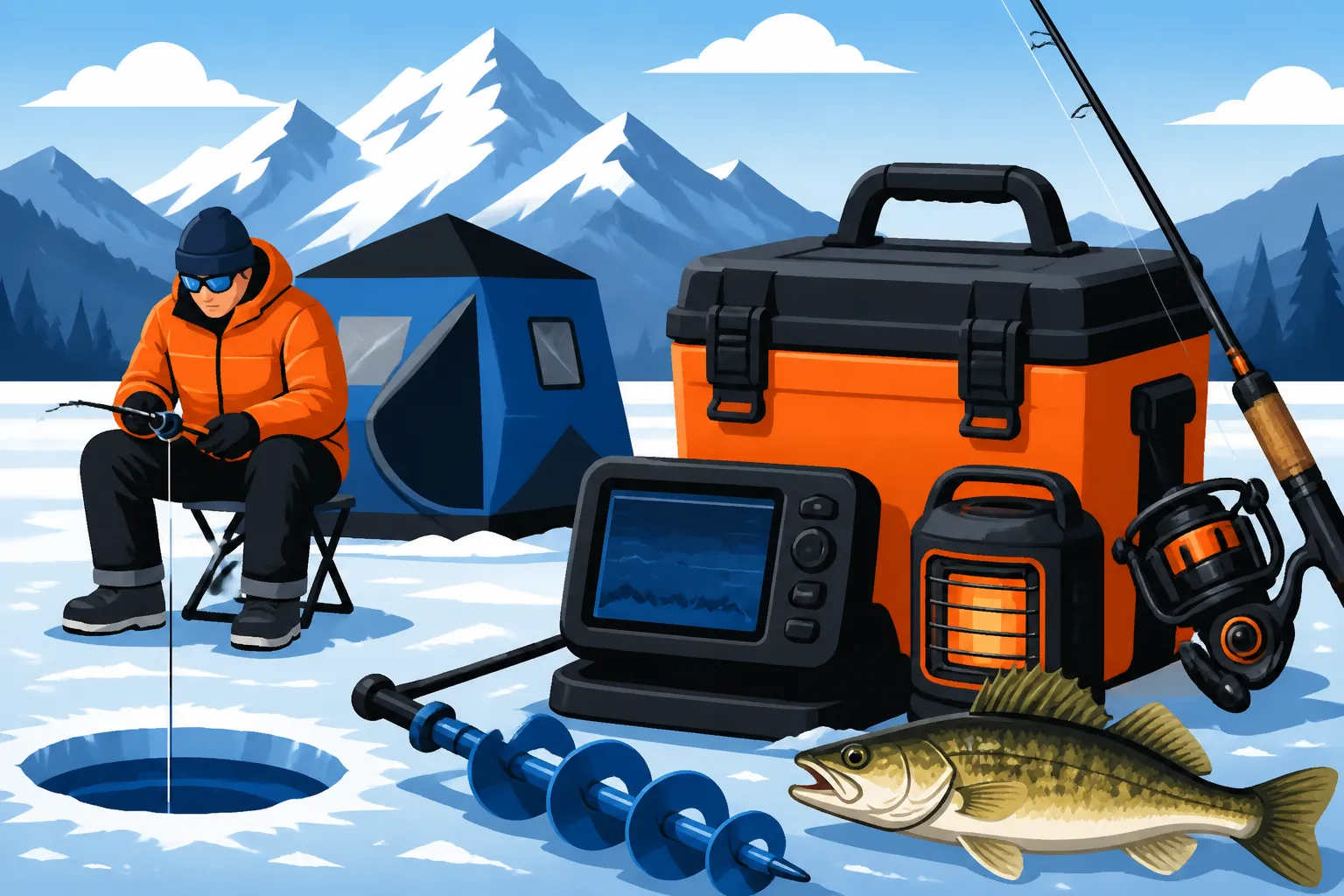
Flip-over shelters are fantastic for solo anglers or pairs who like to move frequently. They're built on a sled base, which means you can pack your gear in the sled, flip the tent portion over, and be fishing in minutes. They offer excellent wind protection and are often well-insulated. The downside is they can be heavier and bulkier to transport if you don't have a snowmobile or ATV, though many models are designed to be towed. Hub-style shelters are more like pop-up tents. They fold down compactly for transport and then "hub out" to create a spacious interior. These are ideal for groups or anglers who plan to set up camp in one spot for an extended period. They typically offer more headroom and floor space but can be a bit more cumbersome to set up in strong winds. They don't have a built-in sled, so you'll need a separate method to haul your gear. Brands like Eskimo, Clam, and Frabill are industry leaders, offering various sizes and insulation levels. When researching, pay attention to the denier of the fabric (a higher number means more durable and often warmer fabric) and the number of layers of insulation. Being able to find one that fits your budget and needs on a platform like Amazon can be a real time-saver. Remember that an insulated shelter can feel 10-20 degrees warmer inside, even without a heater, just by blocking the wind.
Portable Heaters: Chasing Away the Chill
Even in the most insulated shelter, sometimes you just need that extra blast of warmth, especially during those early morning hours or when the sun dips below the horizon. Portable propane heaters are an ice angler's best friend, but their use comes with critical safety considerations.
The vast majority of ice fishing heaters run on propane. Mr. Heater is probably the most recognizable and trusted name in the game, offering a range of sizes from small personal units that screw onto a one-pound cylinder to larger models that can heat a multi-person hub shelter using a bulk tank. When using any propane heater inside a confined space, ventilation is absolutely crucial. Carbon monoxide (CO) poisoning is a serious, silent killer. Always ensure there's adequate airflow – crack a window or a door, even just a little. Many shelters come with vents specifically for this purpose. Even better, bring a battery-operated carbon monoxide detector with you. It’s a small investment that could save your life. Never operate a heater while sleeping. Remember, the goal is to be comfortable, not reckless. These heaters can make a significant difference, turning a shivering session into a shirtsleeve-comfortable experience, even if it's 10 degrees Fahrenheit outside.
Essential Fishing Equipment for Cold Conditions
Once you’re warm and comfortable, it’s time to focus on the actual fishing! Ice fishing isn't just open-water fishing through a hole; it requires specialized gear that can stand up to the unique challenges of freezing temperatures and cramped fishing conditions. Using the wrong tools can lead to frustration, missed bites, and potentially broken equipment.
Rods, Reels, and Line Designed for Ice
If you try to use your standard open-water spinning rod for ice fishing, you'll quickly discover it’s an exercise in futility. The characteristics of ice fishing demand different tools. The ice fishing gear available today is highly specialized and makes a world of difference.
Ice fishing rods are much shorter than their open-water counterparts, typically ranging from 24 to 36 inches. This shorter length is practical for fishing inside a shelter and allows for better sensitivity to detect subtle bites. They also have much more sensitive tips to help you see those tiny "takes" when fish are lethargic in cold water. Rod actions vary, from ultra-light for panfish like perch and crappie to heavy for larger species like lake trout or northern pike. When choosing, consider what you'll be targeting. You'll want a rod that balances sensitivity with enough backbone to fight a good fish through a relatively small hole.
Ice fishing reels are often smaller versions of spinning reels, but some anglers prefer "inline" reels, particularly for jigging, as they prevent line twist. Whichever you choose, ensure it has a smooth drag system and is designed to operate reliably in cold temperatures. Lubricants in standard reels can stiffen in the cold, affecting performance.
Fishing line is another critical component. Monofilament, fluorocarbon, and braided lines all have their place, but specific cold-weather versions are often preferred. Fluorocarbon is nearly invisible underwater and has less stretch, offering good sensitivity. Braided line is incredibly strong and sensitive but can absorb water and freeze, making it difficult to use unless treated with a line conditioner or used with a fluorocarbon leader. Monofilament is a good all-around choice but can have more memory and stretch. Always choose a line that is low-memory and designed to remain supple in freezing conditions. For an in-depth look at optimal methods, you might want to check out our guide on how to Jig for Perch Through the Ice, which often highlights specific line choices.
Augers and Electronics: Making Holes and Finding Fish
You can't catch fish if you can't get to the water! Drilling holes is the fundamental first step in ice fishing, and modern augers make it far less laborious than it used to be. Once you've got your hole, finding fish beneath the ice is a whole new ball game, and electronics are your secret weapon.
For drilling holes, you have a few options. A hand auger is the most budget-friendly and requires no fuel or batteries. It’s perfect for shallower ice (under 12-18 inches) or if you only plan to drill a few holes. For thicker ice or if you plan on drilling many holes, a power auger is worth its weight in gold. Gas augers are powerful but can be noisy and smelly. Propane augers are a cleaner, quieter alternative, while electric augers (powered by rechargeable lithium-ion batteries) are becoming increasingly popular for their quiet operation, lack of fumes, and ease of use. Brands like Eskimo, Strikemaster, and Ion are top contenders. Always carry a spud bar (a heavy chisel-like tool) to check ice thickness as you move, especially in areas like Winter Fishing Spots in Idaho where conditions can vary. This is a crucial safety tool, and using it can inform you about areas where you need to be particularly careful. For a deeper dive into ice safety, refer to our guide on How Thick Ice Needs to Be Before You Ice Fish.
Once your holes are drilled, fish finders (often called "flashers" in the ice fishing world) become indispensable. These electronic devices allow you to see the depth, the bottom contour, your lure, and most importantly, fish in the water column beneath your hole. Leading brands like Vexilar, Marcum, and Humminbird offer various models, from traditional circular flasher displays to more advanced LCD screens. Being able to see how fish react to your presentation in real-time is a massive advantage, allowing you to adjust your depth and jigging cadence. It truly takes the guesswork out of finding where fish are holding, significantly increasing your chances of success, whether you're targeting trout in a mountain lake or perch in a lowland reservoir.
Safety and Comfort Items You Can't Forget
Beyond the core fishing gear and shelter, there are several crucial items that often get overlooked but can make a world of difference in your safety and overall enjoyment. Being prepared for the unexpected is part of the Idaho angling ethos, and having these items can prevent a minor inconvenience from turning into a major problem.
Ice Safety Tools: Non-Negotiables for Peace of Mind
Ice fishing carries inherent risks, and it's essential to respect the ice. No fish is worth risking your life over. Besides checking your Idaho Fishing License Guide and understanding the Idaho Fishing Regulations Explained, personal safety gear is paramount.
First and foremost, ice picks are a must. These are typically two spiked handles connected by a cord worn around your neck. If you happen to fall through the ice, you can use them to gain purchase and pull yourself back out. They are simple, inexpensive, and incredibly effective. Also, always carry a throwable flotation device (like a buoyant cushion or rope bag) and a length of rope in case you need to help someone else who's gone through. A well-stocked first-aid kit should be a staple in your gear bag for any outdoor activity, and ice fishing is no exception. Beyond gear, remember the buddy system: never go ice fishing alone. Inform someone of your plans, including where you're going and when you expect to return. Being able to confirm the validity period of your license, as detailed in our article on Idaho Fishing License Validity Period, is a small but important part of being a responsible angler.
Creature Comforts: Fueling Your Day on the Ice
While not strictly "gear," these items contribute immensely to a pleasant and productive day on the ice. Staying hydrated, fed, and comfortable is crucial for endurance and morale, especially during a long day on a frozen lake.
Bring a thermos full of hot coffee, tea, or cocoa. There's nothing quite as soul-warming as a hot beverage when the wind is whipping. Pack plenty of snacks – high-energy bars, sandwiches, fruit, or even a small stove to heat up soup can make a huge difference. You burn a lot of calories just staying warm, so keeping your energy levels up is vital. A portable chair or bucket with a padded lid provides comfortable seating and can double as storage. Finally, if you're fishing into the evening or before sunrise, a reliable headlamp or lantern is essential for visibility, especially when tying knots or navigating back to shore. For those extended trips, consider how to manage your Idaho Fishing License Age Requirements for everyone in your party, making sure all your companions are properly licensed. You can find many of these comfort items, including insulated thermoses and portable seating, easily accessible on Amazon.
Ice fishing in Idaho's cold-weather lakes is an incredibly rewarding experience, offering unique challenges and serene beauty. By prioritizing warmth, safety, and specialized gear, you'll be well on your way to making unforgettable memories on the ice.
Disclaimer
The information provided in this guide is for general informational purposes only and should not be considered professional advice. Ice fishing involves inherent risks. Always prioritize safety, check local ice conditions, obey all Idaho Fish and Game regulations, and wear appropriate safety gear. Conditions on Idaho's lakes and rivers can change rapidly.