Why Fall Is the Best Time for Clearwater River Steelhead
For many anglers, the dream of hooking into a powerful steelhead on Idaho's legendary Clearwater River is a bucket-list item, but knowing when to go can feel like navigating a maze of seasons and rumors. If you've ever found yourself wondering if you're missing the prime window for these incredible fish, you're not alone. This comprehensive guide is here to unravel the mystery and explain why, for so many seasoned veterans and eager newcomers alike, fall truly stands out as the absolute best time for Clearwater River steelhead.
Understanding Clearwater River Steelhead Runs
The Clearwater River, a tributary of the Snake River, holds a special place in the hearts of steelhead anglers across the Pacific Northwest. It's renowned for its robust runs of A-run and B-run steelhead, which are ocean-going rainbow trout that return to freshwater to spawn. Understanding their migration patterns is key to appreciating why the autumn months are so magical.
The Journey of the Clearwater Steelhead
These magnificent fish embark on an epic journey from the Pacific Ocean, up the Columbia River, then the Snake River, and finally into the Clearwater. This incredible migration covers hundreds of miles and takes months, driven by an instinct to return to their natal waters or designated hatchery release sites to reproduce. The Clearwater receives both "A-run" and "B-run" steelhead. A-run fish are generally smaller, spend one year in the ocean, and typically return earlier. B-run fish are larger, spend two years in the ocean, and are the true trophies many anglers dream of, often reaching impressive sizes. The majority of these fish are hatchery-origin, released from facilities like the Dworshak National Fish Hatchery near Orofino, allowing for a robust fishery while protecting wild populations.
Distinguishing Fall-Run vs. Winter-Run Steelhead
While steelhead are present in the Clearwater for much of the colder half of the year, there's a significant difference between the fall-run and winter-run fish. Fall-run steelhead are essentially the earliest arrivals, entering the river system from late summer through the peak of autumn, typically September through November. These fish are often still very "hot" from their ocean journey – full of energy, aggressive, and incredibly strong. They haven't spent months holding in cold river water yet, meaning they're actively traveling upstream and feeding opportunistically.
Winter-run steelhead, on the other hand, are the fish that arrive later in the season, typically from December through March. By this time, the water temperatures are much colder, and the fish have been in freshwater for a longer period. While they can still offer an exciting fight, they tend to be less active and more prone to "holding" in deep pools, requiring different tactics to entice a strike. The fall period catches these fish in their prime, when they're most vibrant and willing to engage. To learn more about identifying these magnificent fish, check out our Idaho Steelhead Identification Guide.
The Unique Advantages of Fall Fishing for Steelhead on the Clearwater
When you hit the Clearwater in the fall, you're not just fishing; you're often experiencing an ideal confluence of natural conditions and fish behavior that makes for an unforgettable trip. It’s a perfect storm of opportunity.
Prime Water Conditions and Fish Behavior
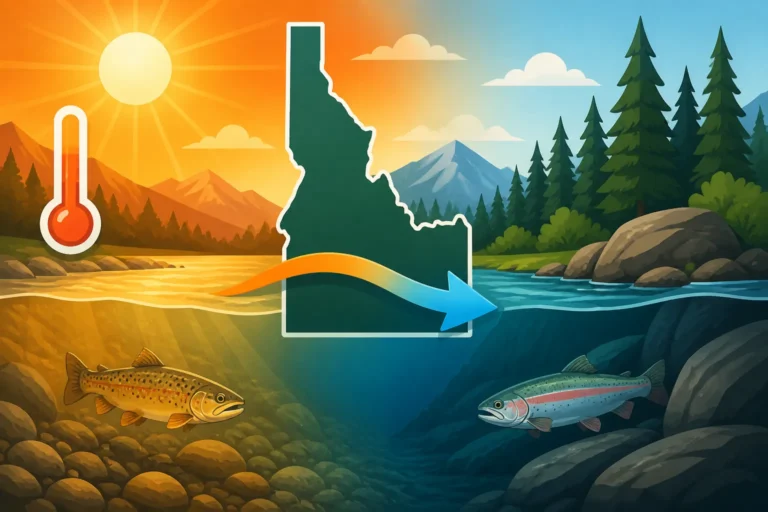
Fall on the Clearwater typically brings more stable and favorable water conditions than other times of the year. After the summer heat, river temperatures begin to drop, energizing the steelhead. They move more freely and are less lethargic than they might be in the dead of winter. The water levels, while always subject to weather, are often more consistent than the volatile spring runoff or the extreme low flows of late summer. This combination of cooler water and steady flows means steelhead are actively migrating upstream and holding in a wider variety of water types, from riffles to runs and pools.
Moreover, these fall fish are still highly aggressive. They haven't yet settled into their long winter hold-over patterns, where they become more finicky and less inclined to chase a bait or lure. Instead, they're often eager to strike, making for a more action-packed fishing experience. You’ll feel that electrifying tug that tells you a powerful chrome torpedo is on the other end, and the fight that ensues is nothing short of spectacular. This active behavior lends itself well to many exciting fishing techniques.
Fewer Crowds and More Opportunities
Let's be honest, nobody enjoys elbow-to-elbow fishing, especially when you're seeking a serene, challenging angling experience. One of the unsung heroes of fall steelhead fishing on the Clearwater is the reduced pressure from other anglers. While popular spots will always see some traffic, the sheer volume of anglers often tapers off after the initial rush of early season, and before the more hardcore winter steelheaders descend. This means more water for you to explore, more drifts you can make without interruption, and a generally more peaceful day on the river.
Imagine drifting through a prime run, knowing you’re the only one presenting a fly or bait to potentially dozens of fish. That’s a common scenario during many fall days. It allows you to experiment with different techniques, take your time, and truly soak in the stunning Idaho scenery without feeling rushed or crowded. This isn't just about catching fish; it's about the entire experience of being on the water.
The Thrill of the Fight
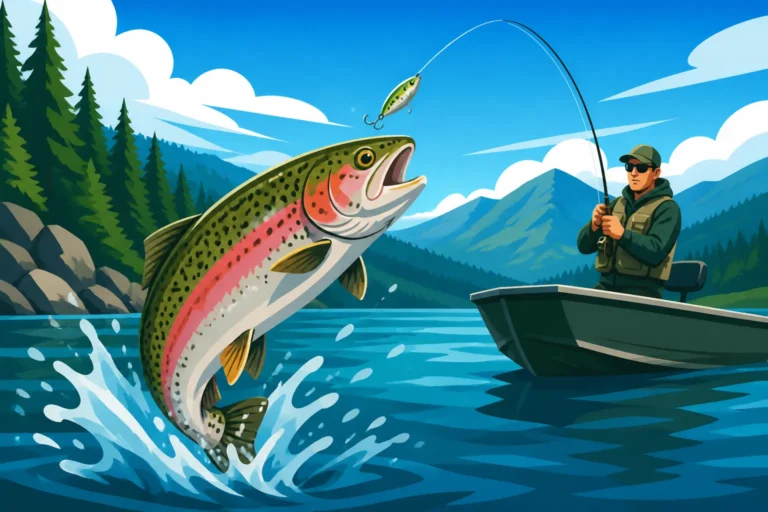
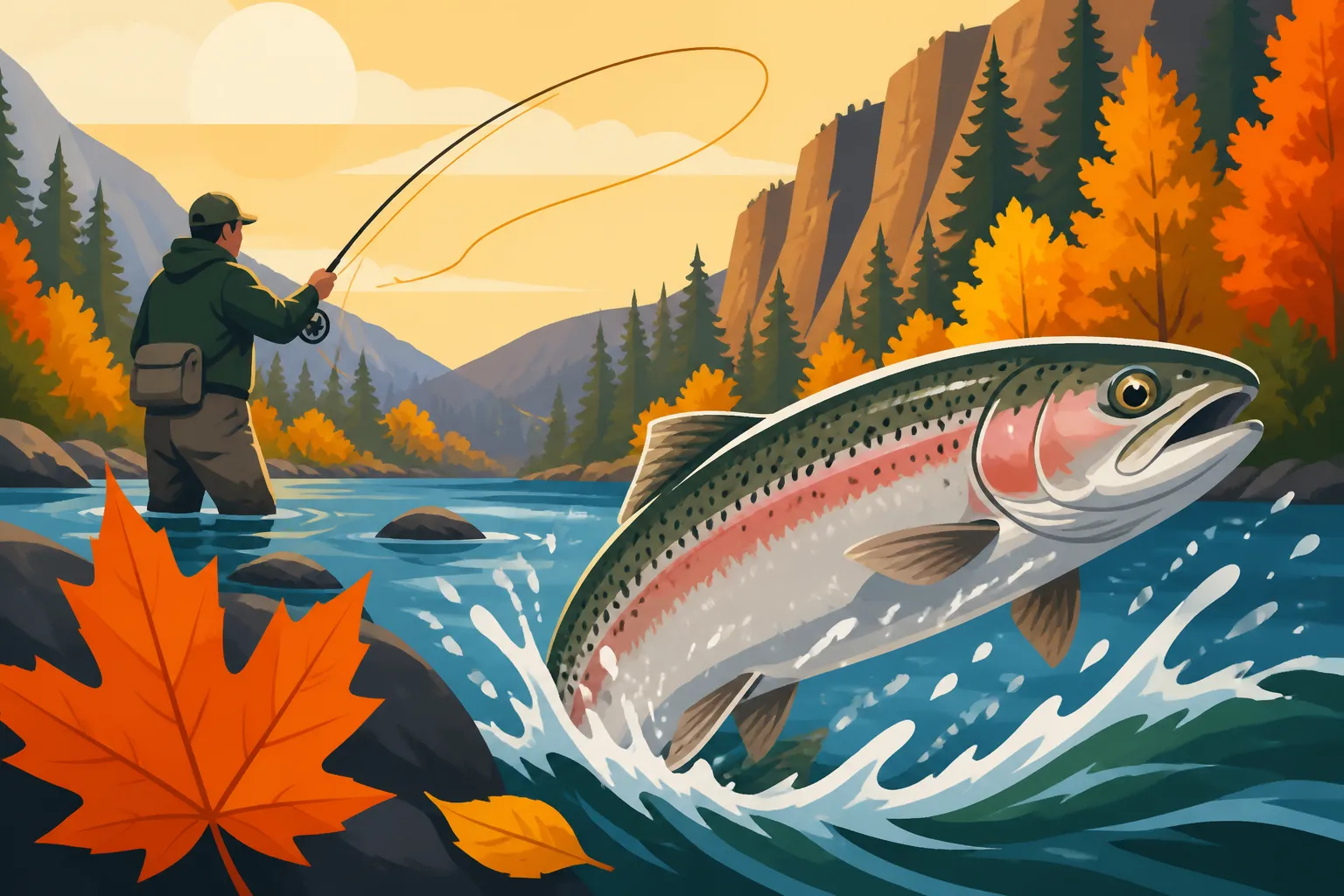
Fall steelhead are legendary for their strength and acrobatics. These fish are fresh from the ocean, full of vigor, and haven't expended significant energy on spawning or simply surviving a long, cold winter in freshwater. When you hook into a fall Clearwater steelhead, be prepared for an epic battle. They'll strip line, leap clear of the water, and pull with incredible force.
This raw power is what draws so many anglers to chase steelhead in the first place, and in the fall, these fish are at their peak performance. Whether you're drift fishing from a boat or swinging flies from the bank, the sheer thrill of connecting with one of these pristine, chrome-bright fish in the crisp autumn air is unparalleled. It's a feeling that makes all the effort and anticipation worth it. For a deeper dive into these powerful fish, check out our Idaho Steelhead Fishing Guide.
Essential Techniques and Gear for Fall Clearwater Steelhead
To maximize your chances on the Clearwater during the fall, it’s not enough to just be there; you need the right approach and the right tools. The techniques employed often capitalize on the fish's aggressive nature and the river's characteristics.
Effective Fall Steelhead Fishing Techniques
Given the active nature of fall steelhead, several techniques prove highly effective:
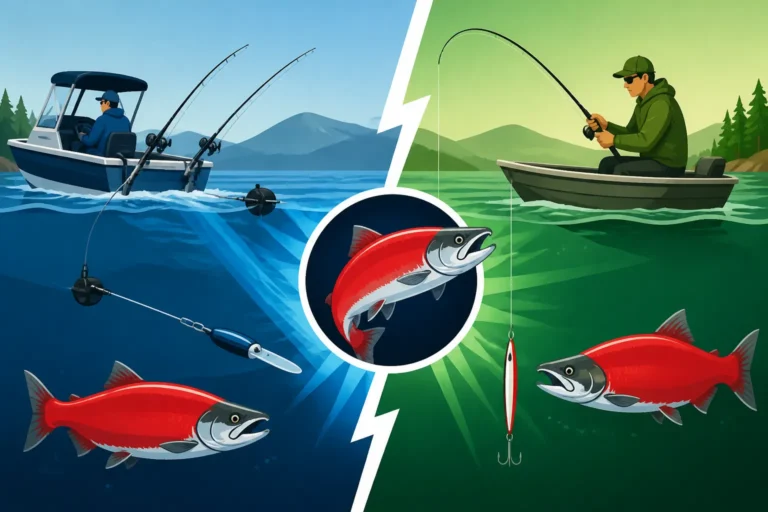
- Drift Fishing: This is a classic and highly productive method, especially from a drift boat or jet boat, but also effective from the bank. It involves presenting a bait (like cured roe, shrimp, or even an imitation like a Cheater) or a weighted lure (like a Gooey Bob or Corky and yarn) along the bottom, allowing it to tumble naturally with the current. The goal is to put your offering directly in front of a traveling or holding steelhead, triggering an aggressive strike. You’ll often be using fairly heavy gear to manage the current and strong fish.
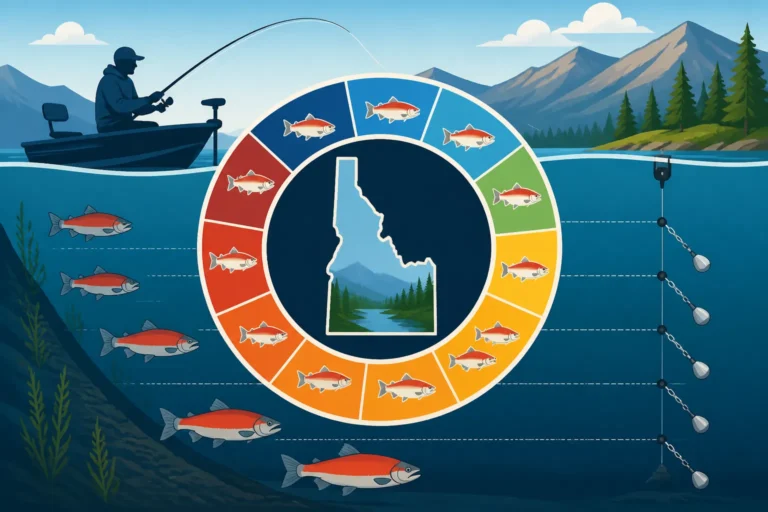
- Bobber Dogging: A variation of drift fishing, bobber dogging utilizes a special type of weighted float (the "dog") that allows you to present your bait or lure at a controlled depth just off the bottom. This method is incredibly versatile for covering various water types and maintaining a consistent presentation. It's especially popular from a boat, letting anglers cover prime runs repeatedly.
- Side-Drifting: This boat-based technique is highly social and effective. Anglers spread out in a drift boat, casting small presentations (often a Corky and yarn, or small plastic baits) upstream and letting them drift naturally as the boat moves downstream at the same pace. The idea is to keep the bait in the fish's face for as long as possible. The takes are often subtle but exhilarating.
- Casting and Retrieving Lures: Spinners, spoons, and diving plugs (like Brad's Wiggler or Kwikfish) can be deadly for aggressive fall steelhead. Casting these lures into runs and current seams and retrieving them with varying speeds and actions can provoke vicious strikes from fish looking to chase down a meal. You can find a wide variety of these proven lures on Amazon, making it easy to stock up before your trip.
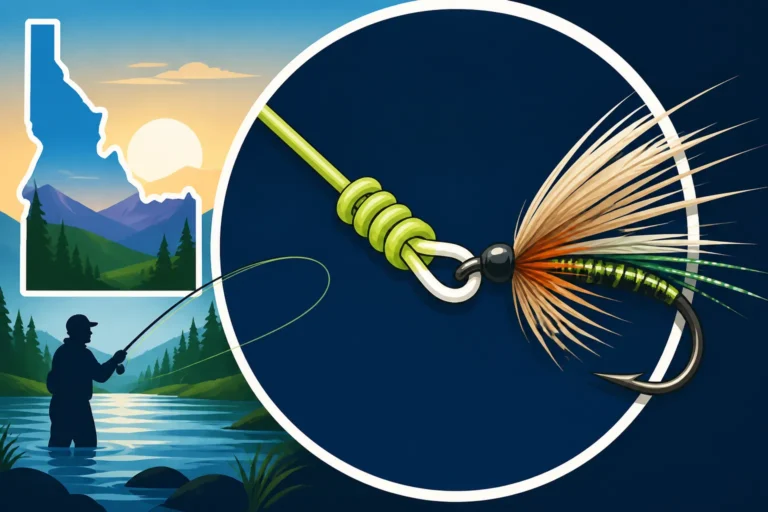
- Fly Fishing: For the dedicated fly angler, fall on the Clearwater offers excellent opportunities for swinging traditional steelhead flies, stripping streamers, or nymphing. The aggressive nature of the fish means they are more likely to chase a swung fly. The crisp fall air and beautiful scenery make fly fishing an even more immersive experience. For specific tips, our guide on Fall Steelhead Fishing Techniques on the Clearwater and Salmon Rivers offers more detail.
Recommended Gear for the Clearwater
Having the right equipment can make or break your steelhead experience.
- Rods: For drift fishing and bobber dogging, a longer, moderate-action rod (9'6" to 10'6" in length, rated for 8-15 lb or 10-20 lb line) is ideal. This length provides better line control, shock absorption for hard-fighting fish, and allows for longer drifts. For casting lures, a slightly shorter, faster action rod might be preferred. When purchasing, look for reputable brands available on Amazon that offer durable, sensitive blanks.
- Reels: High-quality baitcasting reels are popular for drift fishing due to their casting accuracy and control. Spinning reels are excellent for casting lures and are often favored by beginners for ease of use. Ensure your reel has a smooth, reliable drag system, as these steelhead will test it to its limits.
- Line: Mainline typically ranges from 12-20 lb monofilament or braided line. Many anglers use a braided mainline with a fluorocarbon leader (10-15 lb) for its invisibility and abrasion resistance.
- Terminal Tackle: Essential items include swivels, lead weights (pencil lead or slinky weights for drift fishing), hooks (sizes 1-2/0), and floats/bobbers. For lures, ensure you have a selection of colors and sizes.
- Baits/Lures: Cured roe (salmon eggs) is a perennial favorite. Pink worms, Marabou jigs, Corkies and yarn, and small plastic baits are also highly effective. For hardware, bright colored spinners (like Mepps or Blue Fox), spoons (Little Cleo), and diving plugs are excellent choices.
- Apparel: Dress in layers! Fall weather in Idaho can be unpredictable, ranging from crisp mornings to warm afternoons, with sudden rain or even snow possible. Waterproof outerwear, comfortable wading boots, and a good hat are essential. You can easily build a comprehensive layering system with quality outdoor gear found on Amazon.
- Other Essentials: A long-handled landing net (rubberized is best for fish health), pliers, line cutters, and a quality cooler for your catch are must-haves. Don't forget your Idaho fishing license and any required permits! Our guide on Best Rod Setup for Idaho Steelhead Fishing offers more specific advice.
Navigating the Clearwater
The Clearwater River offers numerous access points, both for bank anglers and those with boats. Popular towns like Orofino and Lewiston serve as excellent bases, providing amenities, lodging, and local tackle shops that are invaluable sources of up-to-date information. Many guides operate out of these areas, and booking a trip with one of the many experienced Clearwater River Steelhead Guides can drastically improve your success, especially if you're new to the area. For boat anglers, be mindful of changing water conditions, snags, and other river users. Always practice safe boating and fishing etiquette.
Planning Your Fall Clearwater Steelhead Adventure
A successful steelhead trip involves more than just showing up. Thoughtful planning can greatly enhance your experience and increase your chances of connecting with these incredible fish.
Best Times Within the Fall Season
While fall generally shines, there are nuances within the season.
- Early Fall (September-October): This period often sees the first push of fall-run fish entering the lower river sections near Lewiston. Water temperatures are still relatively mild, and fish are incredibly aggressive. This can be a fantastic time for both boat and bank anglers. Crowds might be slightly higher, but the action can be phenomenal. The weather is often pleasant, making for comfortable fishing days.
- Mid-Fall (Late October-November): As temperatures drop further and more fish move upstream, the entire mainstem Clearwater becomes prime. This is often considered the peak for consistent action and larger B-run fish making their way up to areas around Orofino and Kooskia. The scenery is often breathtaking with changing leaves, but be prepared for cooler, potentially wetter weather. This is when the fish are usually well-distributed throughout the system.
- Late Fall (Late November-Early December): As winter approaches, the fall run blends into the early winter run. Fish are still present and aggressive, but colder temperatures might start to concentrate them in deeper pools. This period can still offer incredible fishing, especially on milder days, but the window of optimal conditions might be narrower. Be sure to consult the Idaho Fishing Season Dates and Limits for specific regulations which can sometimes shift.
Local Knowledge and Resources
Never underestimate the power of local knowledge. Before you head out, stop by a local tackle shop in Lewiston or Orofino. Shops like North 40 Outfitters or even smaller local spots are invaluable resources. The staff are often avid anglers themselves and can provide real-time updates on water conditions, hot baits, and recent success stories. They can also tell you about any specific, localized regulations.
Online fishing forums and groups dedicated to Idaho fishing can also offer insights, though always cross-reference information with official Idaho Fish and Game reports. Considering a guided trip, especially for your first time, is also an excellent investment. A professional guide will have the local expertise, equipment, and knowledge of current conditions to put you on fish.
Respecting Regulations and Conservation
Fishing for steelhead in Idaho comes with important responsibilities. It’s crucial to understand and adhere to all current Idaho Fishing Regulations Explained and Idaho Catch Limits and Bag Limits Explained. Steelhead are a precious resource, and sustainable angling practices ensure their future.
Key regulations often include:
- Barbless Hooks: Often required for steelhead, especially for catch-and-release.
- Adipose Fin Clip: Only hatchery steelhead (those with a clipped adipose fin) can typically be harvested. Wild steelhead (with an intact adipose fin) must be immediately released unharmed. Make sure you know How to Tell Hatchery Steelhead from Wild Steelhead by Sight.
- Catch Record Card: A steelhead permit often requires a catch record card, which must be filled out correctly upon catching a steelhead.
Always handle fish with care, especially those you intend to release. Minimize their time out of the water, use wet hands when handling, and support their body weight. These practices help ensure the survival of released fish and the health of the fishery for generations to come.
Fall vs. Winter Clearwater River Steelhead Fishing
To really drive home why fall is the prime time, let's look at a direct comparison with the winter months.
| Feature | Fall Steelhead Fishing (September-November) | Winter Steelhead Fishing (December-March) |
|---|---|---|
| Fish Aggression | High; fish are fresh from the ocean, actively migrating, and eager to strike. | Moderate to low; fish are colder, have been in freshwater longer, more lethargic. |
| Water Temperature | Cooling from summer, invigorating fish, stable. | Very cold, can lead to lethargic fish behavior. |
| Water Flow/Clarity | Generally stable, good clarity (barring major rain events). | More prone to high, muddy flows from snowmelt or heavy rain, impacting clarity. |
| Angler Pressure | Moderate; good balance of anglers and open water. | Varies; can be very low or very high in specific "hot" spots. |
| Weather | Crisp, often sunny, beautiful fall colors; can have rain/early snow. | Cold, often snowy, icy conditions; can be harsh. |
| Techniques | Versatile: drift, bobber dogging, side-drifting, lures, fly swinging. | Slower presentations, deep drifts, often relying on bait. |
| Fish Condition | Chrome bright, powerful, excellent table fare (for hatchery fish). | Still strong, but may show signs of freshwater residence. |
| Overall Experience | Active, dynamic, scenic, often more comfortable. | Challenging, often requires more patience and cold-weather gear. |
Disclaimer
Please remember that fishing conditions, regulations, and fish behavior can change rapidly due to weather, water levels, and fish migration patterns. Always consult the latest Idaho Fish and Game regulations and local reports before planning any fishing trip. Be safe, respect the environment, and enjoy the incredible Idaho fishing experience.