Best Lures for Idaho Trout Fishing
It can be incredibly frustrating to stand by the water, casting your line again and again, and feel nothing but the current or a snag while others around you seem to be reeling in trout with ease. The sheer number of lures on the market can be overwhelming, leaving you guessing which tiny spoon or flashy spinner will actually entice a finicky Idaho trout. This comprehensive guide is designed to cut through the confusion, helping you understand the best lures for Idaho trout fishing so you can spend less time wondering and more time feeling that satisfying tug on your line.
Understanding Idaho Trout and Their Preferences
Before you even start digging through your tackle box, it’s really helpful to understand the trout you're trying to catch and what they might be looking for. Idaho's waters are home to a diverse array of trout, and each species, and even individual fish, can have its own quirks. What works wonders on a stocked pond might get ignored entirely in a wild mountain stream.
Native vs. Stocked Trout Behavior
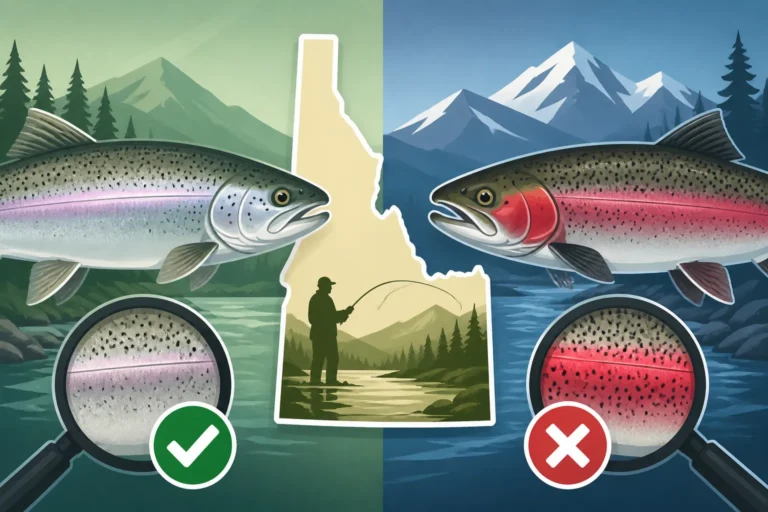
Idaho boasts a fantastic variety of trout, from the aggressive, freshly stocked rainbows to the wily native populations like the Westslope Cutthroat Trout in Idaho and the Yellowstone Cutthroat Trout in Idaho. Understanding the difference in their behavior is crucial for lure selection.
Stocked trout, particularly rainbow trout, are often raised in hatcheries where food is plentiful and competition is minimal. When they're first released into a lake or river, they tend to be less cautious and more opportunistic feeders. They're often eager to strike at anything that looks like an easy meal, which makes them prime targets for brightly colored, flashy lures that trigger their predatory instincts. These fish are usually less wary of human presence and can be quite forgiving for beginners. Their survival instincts are less honed, making them generally easier to catch with a wider range of presentations.
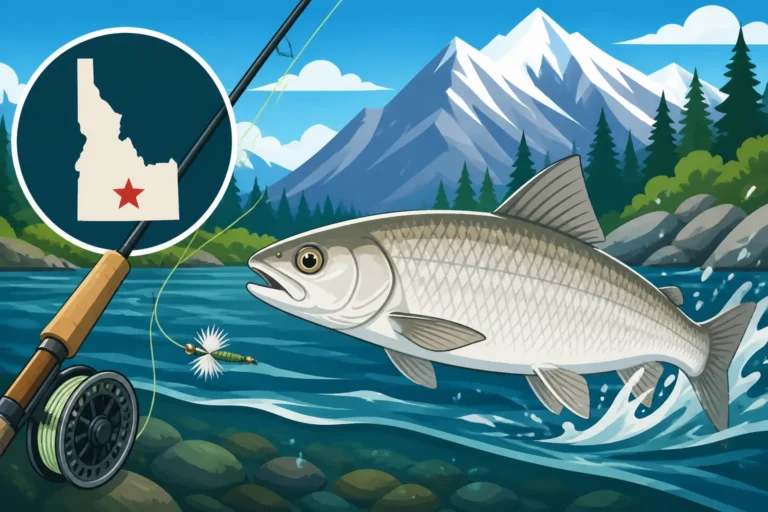
Native trout, on the other hand, have spent their entire lives in the wild. They’re usually much more attuned to their environment, highly sensitive to vibrations, shadows, and unnatural presentations. These fish are experts at discerning natural food sources from imposters. They've learned to be selective, often keying in on specific insect hatches or baitfish patterns. For these wild trout, a lure that closely mimics their natural forage in terms of size, color, and action is often the most effective. You'll find that stealth, careful casting, and a subtle approach are paramount when targeting these smarter, more experienced fish. This is particularly true when fishing pristine waters like Silver Creek, where the trout are famously selective.
Key Factors Influencing Lure Choice
Selecting the right lure isn't just about grabbing the prettiest one off the shelf. Several environmental factors play a massive role in what trout will find appealing on any given day. Ignoring these can lead to a frustrating day on the water.
Firstly, water conditions are paramount. In crystal-clear mountain streams or lakes, where visibility is high, trout can easily inspect your offering. This means you’ll generally want smaller, more natural-looking lures with subtle colors – think silver, gold, or earth tones. Too much flash or an oversized presentation can spook them in clear water. Conversely, in murkier or stained water, such as after a rain shower or in some larger rivers, a bit more flash, vibration, or even scent can be beneficial. Trout rely more on their lateral line and sense of smell in these conditions, so a louder, brighter, or scent-enhanced lure might stand out.
Secondly, the time of year greatly influences what trout are feeding on. In spring, after ice-out, trout are often hungry and aggressive, willing to chase larger baits. As summer progresses, they might become more focused on specific insect hatches, requiring smaller, more imitative presentations. During the fall, as temperatures drop, trout can become very aggressive as they prepare for winter, often chasing larger baitfish patterns. Understanding the different patterns for Spring Fishing in Idaho and Fall Fishing in Idaho can make a huge difference in your success.
Finally, knowing the natural forage in the particular water you're fishing is probably the most significant factor. Are there abundant minnows? Caddisflies? Mayflies? Worms? Crayfish? If you can match your lure to what the trout are naturally eating, your chances of success skyrocket. For example, if you see a lot of small baitfish darting around, a small jerkbait or a slender spoon might be perfect. If there's an insect hatch, a small spinner or even a tiny jig that imitates an insect larva could be deadly. Observing your surroundings and even checking the stomach contents of a legal-sized caught fish can provide valuable clues.
Essential Lure Types for Idaho Trout Fishing
When you walk into a tackle shop, the walls of lures can make your head spin. But for trout fishing in Idaho, there are a few tried-and-true categories that consistently put fish in the net. These are your bread and butter, the workhorses you’ll want in every tackle box.
Spinners and Spoons
These are arguably the most iconic and effective lures for trout, and for good reason. Their inherent action and flash mimic distressed baitfish or darting insects, triggering a trout's predatory response.
Spinners like the classic Mepps Aglia, Panther Martin, or Rooster Tail are staples. They feature a revolving blade that creates flash and vibration as you retrieve them through the water. The flash is highly visible, especially in varied light conditions, and the vibration can be felt by a trout's lateral line, even in murky water. For Idaho, opting for sizes #0 to #3 is usually ideal. Colors like silver, gold, copper, and black are perennial favorites. Some anglers swear by a dressed treble hook (with bucktail or feathers) for added appeal, especially for more aggressive trout. When fishing these, a steady retrieve is often all it takes, but don't be afraid to vary your speed or add a subtle twitch to impart an erratic action that might trigger a strike from a hesitant fish. They're excellent for both casting across rivers and retrieving through still waters.
Spoons are another legendary lure type. Brands like the Kastmaster, Daredevle, or Little Cleo have been catching trout for generations. Spoons flutter and wobble as they’re retrieved or fall through the water column, imitating a wounded baitfish. Their profile and action can be incredibly enticing. Spoons are particularly effective for casting long distances, making them great for covering more water in larger lakes or reservoirs. Sizes from 1/8 oz to 1/2 oz are common for trout. Colors like silver, gold, brass, and firetiger are popular. For spoons, you can use a steady retrieve, or you can impart a "jigging" action by lifting your rod tip and letting the spoon flutter down on a semi-slack line, which often draws strikes on the fall. You can find a huge variety of these classic lures on Amazon, perfect for stocking up your tackle box.
Small Crankbaits and Jerkbaits
When trout are focused on baitfish, nothing imitates them quite like a well-chosen crankbait or jerkbait. These lures are designed to dive to specific depths and have a built-in swimming action that mimics a small fish.
For small crankbaits, think compact bodies that dive just a few feet. Rapala's Original Floater or the Countdown series are fantastic examples, along with offerings from Berkley and Rebel. These lures come in various patterns to imitate everything from minnows to crawfish. The key is their tight, wiggling action that looks incredibly natural. You can cast them out and retrieve them steadily, allowing their lip to force them down to their programmed depth. They're excellent for targeting trout holding in shallower sections of rivers or along drop-offs in lakes. Colors that mimic local baitfish – perch, minnows, or even crawfish patterns – tend to be most effective.
Jerkbaits, while similar, often have a more elongated, slender profile and are designed to be fished with a "twitch, twitch, pause" retrieve. This erratic action mimics a panicking or injured baitfish, which can be irresistible to predatory trout. Again, Rapala's X-Rap or Smithwick Rattlin' Rogue are great choices in smaller sizes. The pause is often when the strike occurs, as the lure hangs suspended in the water, appearing vulnerable. These are particularly effective in clear water where trout can visually track the lure's action. They excel when fishing around structure, such as submerged timber or rock piles, where baitfish might hide.
Soft Plastics and Jigs
Sometimes, trout want a more subtle, natural presentation, or something that smells extra tasty. This is where soft plastics and jigs shine. Their versatility makes them indispensable for both active fish and those that are a bit more finicky.
Soft plastics like Berkley PowerBait or Gulp! are incredibly effective, especially for stocked trout. PowerBait comes in various forms – dough, nuggets, or artificial worms – and is heavily scented to attract trout. It's often fished on a small treble hook with a sinker, allowing it to float just off the bottom. The scent trail is a huge draw, especially in colder water where trout might be less inclined to chase. Gulp! offers a wider range of artificial baits, from minnow imitations to worms, all infused with powerful attractants. These can be rigged on a bare hook, a jig head, or even under a bobber for a more natural drift. For challenging conditions, like when trout are sluggish, the scent factor can make all the difference. Many anglers stock up on their favorite PowerBait and Gulp! varieties from Amazon due to the sheer selection.
Jigs are simple yet incredibly effective. Small marabou jigs, tube jigs, or grub jigs (often tipped with a piece of PowerBait or a Gulp! maggot) can imitate anything from insects to small baitfish. Sizes typically range from 1/32 oz to 1/8 oz for trout. The beauty of a jig is its versatility: you can cast it out and retrieve it with a slow, steady motion, or you can "hop" it along the bottom, mimicking a bottom-dwelling creature. They're particularly effective in deeper water or when fishing vertically from a boat or pier. Colors like white, black, olive, and brown are excellent choices, often matching aquatic insects or small forage. When trout are holding tight to the bottom, a jig fished patiently can often be the only thing that tempts them.
Specialized Lures for Different Idaho Trout Species and Waters
Idaho's diverse landscapes mean diverse fishing opportunities. From high mountain lakes to broad rivers and vast reservoirs, each environment presents unique challenges and demands specific lure strategies for different trout species.
High Mountain Lake Trout Strategies
Imagine hiking deep into the Sawtooths or another wilderness area, reaching a pristine alpine lake where the water is unbelievably clear and often quite deep. The trout here, often Cutthroat Trout or smaller Rainbow Trout, are typically wild and can be quite sensitive. For these beautiful, remote waters, you need compact, versatile lures that don’t weigh down your pack.
Small spoons like the 1/8 oz to 1/4 oz Kastmaster or Little Cleo are absolute essentials. Their density allows for long casts from shore, and their fluttering action on the fall is deadly in deep, clear water. Colors like silver, gold, or iridescent blue/silver are excellent choices, mimicking the small minnows or aquatic insects present. You can jig them vertically if you're fishing from a float tube or kayak, or cast and retrieve with a stop-and-go motion.
Another great option is small spinners (size 0 or 1) like a Mepps Aglia or Panther Martin with a simple silver or gold blade. These provide flash and vibration, especially effective for trout cruising the shallows or near inlets. Small, soft plastic grubs or trout worms rigged on a tiny jig head (1/32 oz) can also be incredibly effective, offering a subtle presentation that wary trout often can't resist. For high mountain lakes, the key is often a slow, deliberate retrieve and a focus on presenting your lure as naturally as possible. Many anglers prefer lighter line and ultralight gear to maximize the action of these smaller lures and prevent spooking fish.
River and Stream Tactics for Wary Trout
Rivers and streams, especially those with good populations of native trout or pressured fish, demand a different approach. Reading Water on Idaho's Rivers is crucial here, as trout will hold in specific current breaks, pools, and riffles.
In these environments, subtlety and mimicking natural forage are paramount. Small spinners (size 0 or 1) like the Panther Martin with a black or brown blade, or a Mepps Aglia in silver or gold, are incredibly effective. Their compact size and consistent action are perfect for drifting through runs and pools. For rivers, try casting upstream and allowing the spinner to drift down naturally with the current, retrieving just fast enough to get the blade spinning. This presents the lure to the trout as it would naturally encounter food.
Another excellent choice for wary river trout are small, sinking crankbaits or jerkbaits that mimic sculpins or small minnows. Rapala Countdown series in sizes CD3 to CD5 are fantastic for getting down to where the fish are holding without being overly aggressive. Colors like olive, brown, or natural baitfish patterns work well. Cast across or slightly upstream and retrieve slowly, allowing the current to impart a natural drift and wobble. Sometimes, even a tiny spoon like a Thomas Buoyant or Super Duper, allowed to drift and wobble through a current seam, can be irresistible. The goal is to make your lure look like a helpless, natural food item, not a threat.
Reservoir and Lake Trolling Favorites
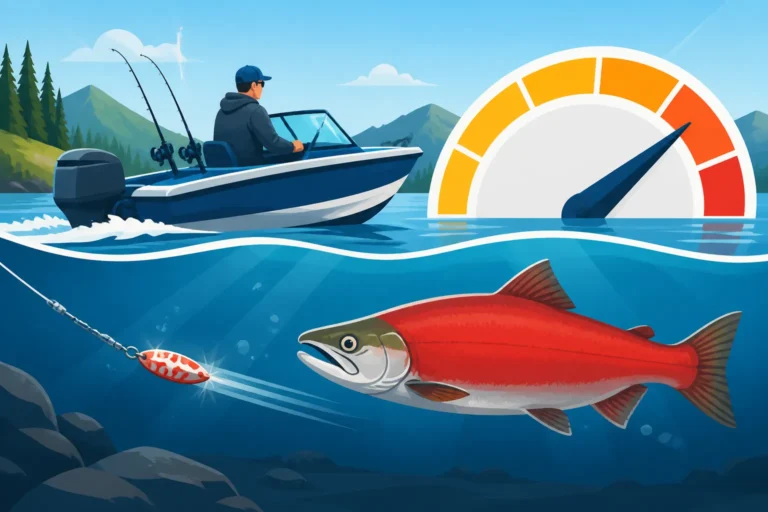
Idaho's larger reservoirs and lakes, like Lake Coeur d'Alene, American Falls Reservoir, or Lucky Peak Reservoir, offer different challenges and rewards, especially when targeting larger trout or covering expansive areas. Trolling is a highly effective technique here, allowing you to present your lures at specific depths and cover significant ground.
For trolling, larger spoons come into their own. Brands like the Dick Nite, Needlefish, or larger Kastmasters (1/4 oz to 3/4 oz) are excellent. These often come in brighter, more attention-grabbing colors like chartreuse, orange, or various metallic patterns to attract trout from a distance. Many anglers pair these spoons with a dodger or flasher – an attractor device placed ahead of the lure – to create even more flash and draw fish in. The dodger's action makes the trailing spoon dance enticingly.
Small crankbaits that dive to specific depths are also great for trolling. The Rapala Down Deep Husky Jerk or the Berkley Flicker Shad in various sizes can be trolled effectively, especially if you know the depth where trout are feeding. Using a fish finder to locate schools of baitfish or thermal layers can help you dial in the right depth. Downriggers or lead-core line are often used to get these lures to precise depths, particularly for species like Lake Trout or larger Rainbow Trout that hold deeper. Varying your trolling speed, from a slow wobble to a faster, darting action, can often entice strikes, especially on stubborn days.
Color, Size, and Presentation – Making Your Lures Count
You can have the absolute best lure in the world, but if it's the wrong color, the wrong size, or presented incorrectly, it won't catch fish. These three factors are often overlooked by anglers eager to just "get a line in the water," but they are paramount to consistent success when fishing for trout in Idaho.
Matching the Hatch and Water Clarity
"Matching the hatch" isn't just a fly-fishing term; it applies directly to lure fishing too. Trout, especially wild ones, are often highly opportunistic, but they also get accustomed to what's regularly available in their diet.
Color choice is directly linked to both local forage and water clarity. In clear water, which is common in many of Idaho's pristine rivers and high mountain lakes, trout have excellent visibility. Here, natural colors that mimic minnows, crayfish, or aquatic insects are often best. Think silver, gold, olive green, brown, or black. Clear or translucent lures can also be very effective, especially for wary fish. Too much bright color can appear unnatural and spook them. However, in murky or stained water, such as after a heavy rain or in rivers with glacial silt, natural colors might disappear. This is when brighter, more contrasting colors like chartreuse, fluorescent orange, hot pink, or firetiger patterns can really shine. The vibrant hues stand out against the murk, making your lure more visible and increasing your chances of a strike. Sometimes, even a black lure can create a stark silhouette against a lighter sky, making it effective in stained water.
Always try to observe what, if anything, the fish are feeding on. If you see small minnows darting around, pick a lure that matches their size and color. If you're seeing a lot of caddisflies or stoneflies, an olive or brown jig or spinner might be a better choice. The Idaho Fish Species Guide can help you understand what types of forage are common for the trout in your target water.
Size Matters: From Finesse to Flash
The size of your lure is just as critical as its color. Too big, and you might intimidate smaller trout or appear unnatural to larger, warier ones. Too small, and it might not attract enough attention from active fish or might be difficult for larger fish to "find."
Generally, for smaller trout or in highly pressured waters, opting for finesse-sized lures is a smart move. Think tiny 1/32 oz jigs, 0 or 1 size spinners, or small 1/8 oz spoons. These small presentations mimic the abundant insects and juvenile baitfish that make up a large part of a trout's diet. They require lighter tackle and a more delicate touch, but they can be incredibly effective when trout are being finicky. Using a lighter line (4-6 lb test) helps these small lures perform correctly and keeps your presentation subtle.
Conversely, when targeting larger, more aggressive trout, or when fishing in less pressured waters where a bigger meal is appreciated, you can size up your lures. A 1/4 oz to 1/2 oz spoon, a larger crankbait, or a size 2 or 3 spinner might be more appropriate. These larger, flashier offerings can trigger a more aggressive reaction strike, especially when trout are actively feeding or defending their territory. This is often the case during the spring and fall when trout are more inclined to chase a substantial meal. When you're fishing for bigger fish, especially those legendary Kamloops Rainbow Trout at Lake Pend Oreille or large Lake Trout in Priest Lake, a bigger profile can often be the ticket.
Retrieval Techniques and Action
Even with the perfect color and size, a poorly retrieved lure is unlikely to catch fish. The way you work your lure through the water, known as its "presentation," dictates how appealing it looks to a trout.
The most basic retrieve is a steady retrieve, where you simply reel in at a consistent speed. This works well for spinners and many crankbaits, allowing their built-in action to do the work. However, trout are often drawn to something that looks injured or erratic, so varying your retrieve can be a game-changer.
- Stop-and-go: Reel a few cranks, pause for a second or two, then resume. Many strikes occur during the pause as the lure flutters or suspends. This is especially effective for spoons and jerkbaits.
- Twitch and pause: For jerkbaits, a sharp twitch of the rod tip followed by a pause creates a darting, injured baitfish action.
- Jigging: For jigs and spoons, lifting and dropping your rod tip in a rhythmic motion can imitate a bottom-feeding creature or a dying baitfish. This is great for deeper water or vertical presentations.
- Varying speed: Don't be afraid to speed up or slow down your retrieve, or even mix in quick bursts. Sometimes a sudden acceleration is all it takes to trigger a chase instinct.
- Drifting: In rivers, sometimes the most natural presentation is to cast upstream and let the current carry your lure downstream with minimal retrieve, just enough to keep a spinner blade turning or a crankbait wobbling. This mimics natural drift food.
Ultimately, the best retrieval technique is the one that gets bites. Experimentation is key. Start with a steady retrieve, and if that's not working, start introducing pauses, twitches, and speed changes until you find what the trout are responding to on that particular day. Paying attention to "What Happens If You Exceed Idaho's Bag Limit?" is also important, as knowing how many fish you're catching can help you understand if your current technique is working.
Must-Have Lures for Your Idaho Tackle Box
Building a versatile trout tackle box doesn't mean you need to buy every lure on the market. Instead, focus on a few proven performers that offer flexibility in different conditions and for various Idaho trout species. This section will highlight some perennial favorites and discuss how to adjust your lure choices by season.
Top 5 Versatile Lures
If I had to pick just five types of lures to confidently tackle most Idaho trout fishing scenarios, these would be my go-to choices. These are widely available, effective, and relatively easy to use, making them excellent choices whether you're a seasoned angler or just starting out and looking for the Best Technique for Catching Your First Idaho Trout.
- Mepps Aglia Spinner (Sizes #0 – #3): The classic, weighted inline spinner. Its consistent blade rotation and flash are irresistible to trout across the board. The key is its simplicity and effectiveness. Carry silver, gold, and perhaps a black fury (black blade with colored dots). They cast well and work in various depths depending on retrieve speed. You can easily find multi-packs on Amazon to cover your bases.
- Panther Martin Spinner (Sizes #1 – #6): Similar to the Mepps but with a unique concave blade that spins directly on the shaft, creating a deeper vibration. These are fantastic, especially in faster currents or when you want a bit more "thump." Silver, gold, and yellow/red combinations are top producers.
- Kastmaster Spoon (1/8 oz – 1/4 oz): This compact, solid metal spoon casts a mile and has an erratic flutter on the fall and retrieve that drives trout wild. It's incredibly versatile for both stillwater and moving water, and great for targeting different depths. Silver, chrome, and blue/silver are excellent color choices.
- Rapala Original Floater or Countdown (F5, F7, CD5): These balsa wood crankbaits mimic baitfish perfectly. The Original Floater is great for shallower water or twitching on the surface, while the Countdown allows you to get to specific depths by letting it sink for a count. Natural minnow patterns (silver/black, brown trout) are often best.
- Berkley PowerBait Trout Dough/Nuggets: While not a "lure" in the traditional sense, PowerBait is undeniably one of the most effective baits for stocked trout, and often even wild ones. Its scent and buoyant nature are highly attractive. Chartreuse, rainbow, and white are popular colors. Always have some on hand, especially for those tougher days or when fishing heavily stocked ponds.
Seasonal Lure Adjustments
Trout behavior changes dramatically with the seasons, influenced by water temperature, forage availability, and spawning cycles. Adjusting your lure selection accordingly is crucial for consistent success. You'll find that How Water Temperature Affects Idaho Trout Fishing plays a huge role in their activity levels and where they hold.
Spring: As waters warm slightly after winter, trout become more active and aggressive. They’re often hungry. This is a great time for slightly larger, more aggressive lures like bigger spinners (size #2-3) and spoons (1/4 oz) in brighter colors. Crankbaits that mimic baitfish can also be very effective. Focus on areas where the water is warming up first, like shallower flats or darker bottoms.
Summer: As temperatures rise, especially in the heat of midday, trout often become less active and seek deeper, cooler water. They can also become more focused on specific insect hatches. This is when smaller, more subtle presentations shine. Downsize your spinners and spoons (size #0-1 spinners, 1/8 oz spoons), or opt for soft plastics and small jigs. Natural colors are often preferred. Early morning and late evening often provide the best fishing opportunities when the water is cooler.
Fall: As temperatures drop again, trout, particularly larger ones, become very active as they feed heavily in preparation for winter or their spawning runs. This is often an excellent time for aggressive tactics. Larger spoons, spinners, and crankbaits that imitate baitfish can be very effective. Focus on areas where baitfish might be congregating. This is also a prime time for species like Steelhead in larger rivers, though they require specialized techniques and permits as outlined in our Idaho Steelhead Fishing Guide.
Winter: Ice fishing becomes the primary method in many frozen Idaho lakes. Small jigs (1/32 oz – 1/8 oz) tipped with a small piece of PowerBait, Gulp! bait, or a mealworm are incredibly effective. Vertical jigging spoons also work well. Focus on getting your lure right into the strike zone near the bottom or suspended fish. Patience is key, as fish activity is generally slower. For open water rivers that remain fishable, smaller, subtler presentations retrieved slowly are usually best.
No matter the season, always carry a variety and be willing to experiment. Sometimes, a bright pink lure in clear water will defy all logic and get a strike, while other times the trout are incredibly picky.
Idaho Trout Lure Quick Reference Table
To help you quickly decide which lure might be best for your current Idaho fishing adventure, here's a handy table summarizing the information we've covered.
| Lure Type | Ideal Conditions | Target Species (Common Idaho Trout) | Key Characteristics | Pros | Cons |
|---|---|---|---|---|---|
| Inline Spinners | Rivers, streams, smaller lakes; varying water clarity | Rainbow, Cutthroat, Brook, Brown Trout | Flash, vibration, simple retrieve | Very versatile, easy to use, highly visible | Can twist line, often requires swivel |
| Spoons | Lakes, reservoirs, large rivers; all depths | Rainbow, Cutthroat, Lake Trout, Brown Trout | Fluttering, wobbling, long casts | Excellent for covering water, good for deep fish | Can be heavy, sometimes snaggy |
| Small Crankbaits | Lakes, slow rivers, around structure; clear to stained | Rainbow, Brown, larger Cutthroat Trout | Diving depth, lifelike wobble | Mimics baitfish, good for targeted depths | Can be expensive, limited depth range |
| Soft Plastics/Dough | Lakes, ponds, slow rivers; when fish are finicky | Stocked Rainbow Trout (especially PowerBait), Cutthroat, Brook | Scented, buoyant (dough), subtle action | Highly attractive, great for lazy fish | Less action, best for slower retrieves |
| Jigs (Small) | Rivers, lakes; deep water, vertical presentations | Rainbow, Cutthroat, Brook, Brown, Lake Trout | Subtle action, versatile rigging | Highly versatile, can imitate many things | Can require more precise technique |
Disclaimer
Fishing regulations, seasons, and licensing requirements in Idaho can change. Always consult the latest Idaho Fish and Game regulations before heading out on the water. This guide is for informational purposes only and does not supersede official regulations. Stay safe and fish responsibly.