How to Ice Fish in Idaho
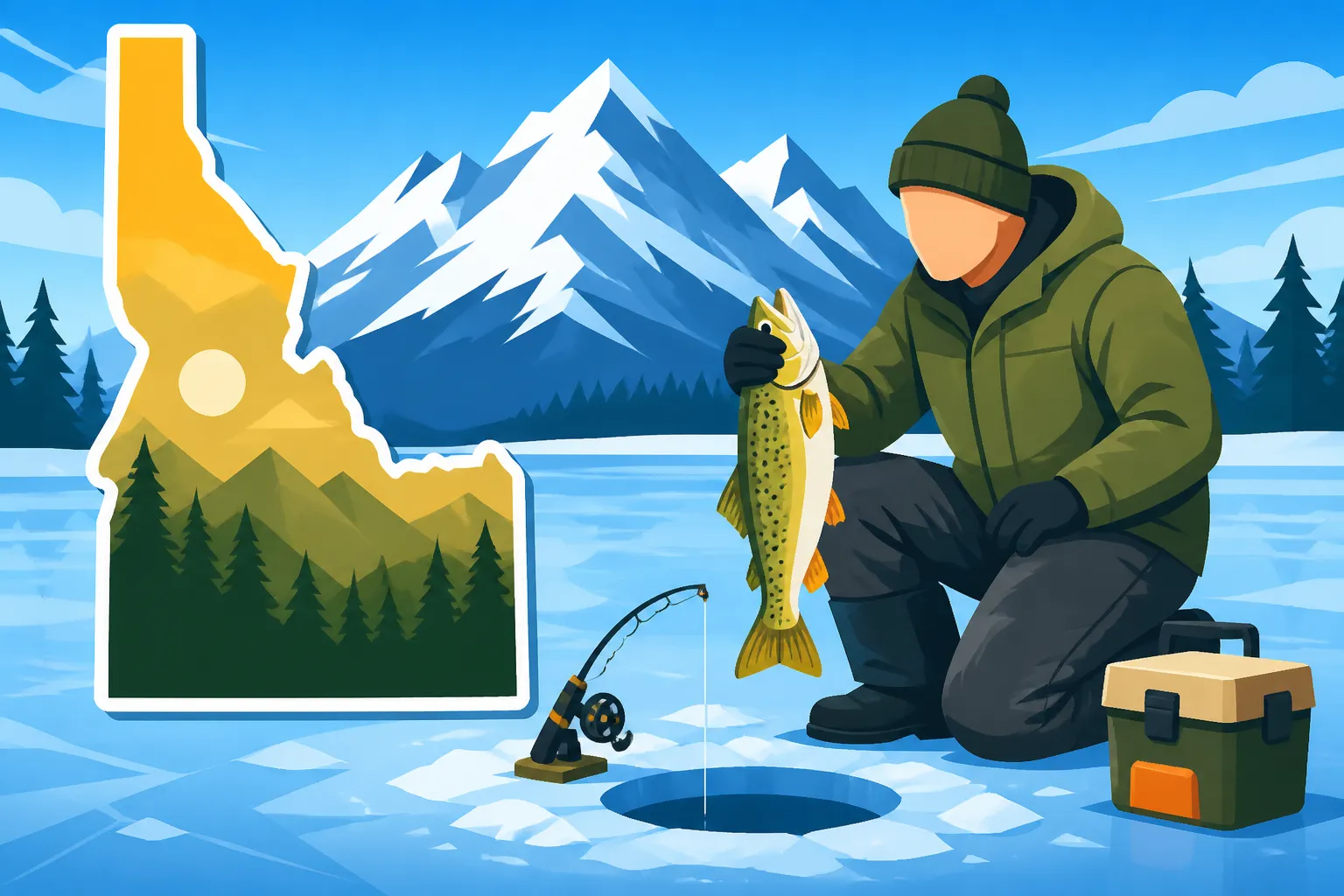
So, you're thinking about tackling ice fishing in Idaho? Maybe you've spent countless summer days casting lines on our beautiful rivers and lakes, but the idea of drilling a hole in a frozen surface feels like a completely different, slightly daunting, world. Trust me, you're not alone. Many anglers assume that once the snow flies, their fishing gear gets relegated to the garage until spring. But what if I told you that some of the most serene, productive, and downright magical fishing experiences in Idaho happen on the hardwater? This comprehensive guide is here to demystify the art of ice fishing in Idaho, from staying safe to landing that trophy trout, ensuring your winter doesn't mean putting your passion on ice.
Understanding Idaho's Ice Fishing Scene: More Than Just Winter Blues
When people picture fishing in Idaho, they often envision pristine mountain streams, roaring rivers, or vast, sun-drenched lakes. And while those images are certainly iconic, they only tell half the story. Winter transforms Idaho's aquatic landscapes, capping many of our best fishing grounds with a thick, silent blanket of ice. For those willing to embrace the cold, this opens up a whole new world of angling opportunities that are truly special. It's a chance to see familiar waters in an entirely new light, often with less competition and surprisingly active fish.
The Unique Appeal of Hardwater Fishing in Idaho
There's something incredibly peaceful about sitting on a frozen lake, surrounded by snow-covered peaks, with nothing but the occasional chirp of a fish finder or the gentle hum of an auger breaking the silence. It's an almost meditative experience, a stark contrast to the often bustling summer shorelines or crowded boat launches. Beyond the solitude, ice fishing offers a unique vantage point: you're literally fishing directly over the fish, often able to sight-fish in clear waters. This close-quarters combat can be incredibly exciting, allowing you to react instantly to a bite. Many anglers also find the social aspect appealing, gathering with friends and family in warm ice shanties, sharing stories, and cooking up hot meals right on the ice. It’s a different kind of camaraderie, centered around resilience and a shared love for the sport in its most elemental form.
The perception that fish are lethargic and difficult to catch in winter is often misleading. While their metabolism does slow down, they still need to eat. In fact, many species can be incredibly active and concentrated in specific areas, making them easier to target than during their warmer-water dispersal. The lack of boat traffic and surface disturbance can also make fish less spooky, leading to more confident bites. For those who love the challenge of adapting their techniques to different conditions, ice fishing provides an exciting new frontier. It requires patience, careful observation, and a willingness to embrace the elements, all of which contribute to the profound satisfaction of a successful day on the ice.
Prime Ice Fishing Regions and Their Characteristics
Idaho is a surprisingly diverse state for ice fishing, offering a range of experiences from large reservoirs in the south to deep, clear mountain lakes in the north. Each region boasts its own character and target species. In North Idaho, places like Lake Coeur d'Alene and Priest Lake freeze over, offering incredible opportunities for species like Kokanee, perch, and even massive lake trout. These lakes often have deeper, clearer water, requiring different strategies than shallower, more turbid reservoirs. The sheer size of these lakes means you'll need to pay close attention to weather patterns and safe ice conditions, especially if you plan to venture far from shore.
Moving into Central Idaho, you'll find perennial favorites such as Cascade Reservoir and Payette Lake near McCall. Cascade is famous for its jumbo perch and tiger muskie, while Payette Lake offers great opportunities for a variety of trout. These waters are typically more accessible and often have well-established ice fishing communities, making them excellent choices for beginners or those looking for a more social experience. Further south and east, reservoirs like C.J. Strike, American Falls Reservoir, and the legendary Henry's Lake provide incredible action for bass, crappie, perch, and trophy trout, respectively. Henry's Lake, in particular, is renowned for its large native cutthroat and brook trout, drawing anglers from across the country. Understanding these regional differences is key to planning a successful trip, as water depths, forage availability, and fish behavior can vary dramatically.
Common Fish Species You'll Target Through the Ice
One of the best things about ice fishing in Idaho is the variety of fish you can catch. While some species become harder to locate, others become prime targets. Yellow perch are arguably the most popular ice fishing quarry, especially in lakes like Cascade Reservoir and Lake Coeur d'Alene. They often school up in large numbers, providing fast action and delicious fillets. Jigging for perch through the ice is a classic Idaho winter pastime, and it's a great way to introduce newcomers to the sport. You'll find that their aggressive bites and schooling behavior make them a blast to catch, and a good perch bite can keep you busy all day long.
Trout are another major draw. Rainbow trout are frequently stocked in many Idaho lakes and reservoirs, making them readily available through the ice. Lakes like Henry's Lake, Lake Pend Oreille, and even some smaller ponds offer fantastic trout fishing. You might also encounter cutthroat trout, brook trout, and even large lake trout (mackinaw) in deeper waters like Priest Lake. For the truly adventurous, some reservoirs, notably Cascade, hold impressive tiger muskie and northern pike, which can offer heart-stopping battles on light ice fishing gear. Don't forget species like crappie and bass, which can also be caught through the ice in places like C.J. Strike Reservoir, often providing a pleasant surprise when you least expect them. Each species has its preferred habitat and feeding patterns, so a bit of research will go a long way in increasing your success.
Safety First: Essential Ice Fishing Protocols in Idaho
Let's be real, ice fishing carries inherent risks. The allure of a frozen lake is undeniable, but disrespecting the ice can turn a fun day into a dangerous situation in a hurry. I've seen too many close calls over the years to ever take ice safety lightly, and neither should you. Before you even think about drilling your first hole, you need to understand the fundamentals of safe ice. It's not about being overly cautious; it's about being prepared and making informed decisions that could literally save your life.
Assessing Ice Thickness: What's Safe and What's Not
This is the golden rule of ice fishing: know your ice. There's no such thing as "safe ice" just because it's cold out. Ice conditions can vary dramatically across a single body of water, even within a few feet. Springs, currents, varying depths, pressure cracks, and submerged structures can all affect ice integrity. Always, always check the ice thickness as you go. Start near shore with a spud bar or an auger, making test holes every few feet. Don't rely solely on tracks from others; conditions can change overnight. A good rule of thumb from the Idaho Department of Fish and Game (IDFG) and other safety organizations suggests certain minimums:
- 2 inches or less: STAY OFF!
- 4 inches: Suitable for ice fishing on foot.
- 5 inches: Safe for snowmobiles or ATVs.
- 8-12 inches: Recommended for small cars or light trucks.
- 12-15 inches: Supports medium trucks.
These are general guidelines. Remember, clear, solid blue ice is strongest. "Rotten" ice, often appearing opaque or white due to refreezing or air bubbles, is far weaker. Pay extra attention near inlets, outlets, bridges, and points where currents might thin the ice. Wind can also push warm water around, creating weak spots. Never assume. If you're ever in doubt about the ice integrity, refer to specific guidance like "How Thick Ice Needs to Be Before You Ice Fish" and err on the side of extreme caution.
Gear for Personal Safety on the Ice
Beyond knowing the ice, carrying specific safety gear is non-negotiable. Think of it as your insurance policy against an unexpected plunge. Ice picks, which are two pointed handles connected by a rope, should be worn around your neck so they're easily accessible. If you fall through, these allow you to get a grip on the ice and pull yourself out. They're inexpensive and vital. A throw rope or rescue rope, ideally 50 feet long with a flotation device, is crucial for helping others (or being helped) from a distance. This should be readily accessible, not buried in your sled.
Beyond these essentials, consider a flotation suit or a personal flotation device (PFD). While not always comfortable for active fishing, a PFD worn under your outer layers can be a lifesaver, especially if you're venturing onto less-traveled ice or are not a strong swimmer. A whistle is also a simple but effective tool for attracting attention if you run into trouble. Finally, always carry a fully charged cell phone in a waterproof bag, but understand that cell service can be spotty in Idaho's more remote ice fishing locations. These items aren't just for emergencies; they're for peace of mind, allowing you to focus on the fishing rather than constant worry.
Planning Your Trip and Emergency Preparedness
A little planning goes a long way when ice fishing, especially in Idaho's sometimes unpredictable winter weather. Always tell someone where you're going, your planned route, and when you expect to return. This "float plan" is critical. Check the weather forecast for the specific location you're heading to, paying close attention to wind chill, snow accumulation, and significant temperature swings, which can affect ice conditions. Consider bringing a portable shelter or a warm vehicle for breaks, especially on long days. Frostbite and hypothermia are real threats, and staying warm and dry is paramount.
Pack a first-aid kit, extra layers of warm, waterproof clothing, non-perishable food, and plenty of hot beverages in a thermos. A portable power bank for your phone or other electronics is also a smart idea. If you're going with a group, establish a buddy system and agree on safety protocols. Never spread out too far on unknown ice, and always keep an eye on each other. If you encounter any unexpected ice conditions, don't push it. There's always another day to fish. Remember, while a bad day fishing is better than a good day at work, a dangerous day on the ice is never worth the risk. Planning and preparation are your best friends in the Idaho winter.
Gearing Up for Idaho Ice Fishing: Beyond the Basics
Okay, safety first, always. But once you've got that dialed in, it's time for the fun part: thinking about gear! Ice fishing isn't just about showing up with a rod and a bucket. The right equipment can make the difference between shivering miserably and enjoying a comfortable, productive day on the ice. From drilling holes to keeping your fingers nimble, specialized gear not only enhances your experience but also directly contributes to your success and comfort in the often harsh Idaho winter conditions.
The Essential Tool Kit: Augers, Skimmers, and More
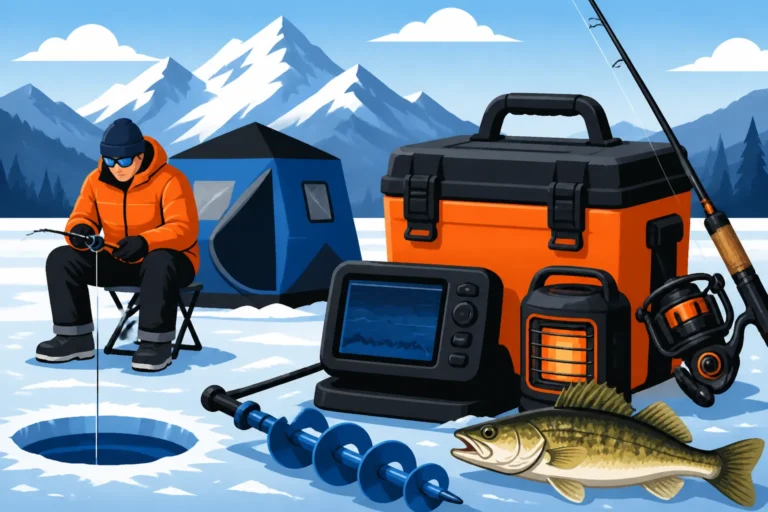
First things first: you need a way to get through the ice! An auger is your primary tool. For most Idaho ice, a hand auger (manual) is sufficient, especially if you're targeting 4-8 inches of ice. Brands like Eskimo and Jiffy make reliable hand augers that are relatively inexpensive and easy to transport. However, if you plan to fish frequently, cut many holes, or encounter thicker ice (common on popular lakes like Henry's Lake later in the season), a power auger is a game-changer. Propane, electric (battery-powered), or gas augers from brands like Ion, StrikeMaster, or Eskimo make quick work of even two feet of ice, saving your energy for fighting fish. Electric augers, available on Amazon and at local sporting goods stores, have become incredibly popular due to their quiet operation and lack of fumes.
Once your hole is drilled, you'll inevitably get ice slush. A good ice skimmer (or ladle) is essential for clearing your hole and keeping it free of refreezing ice, especially on colder days. Look for one with a comfortable grip and a sturdy scoop. Many anglers also carry a spud bar (ice chisel) for testing ice thickness, especially when venturing onto new or questionable ice. It's a heavy steel bar with a chisel point that you can use to chip away at the ice ahead of you, providing audible feedback on its integrity. Lastly, a sturdy sled or portable cart is invaluable for hauling all your gear across the ice, from your auger and bucket to your tackle box and shelter. Look for one with high sides to keep snow out and durable construction.
Rods, Reels, and Line: Specialized Setups for Hardwater
You might be tempted to use your summer spinning rod, but specialized ice fishing rods and reels are designed for the unique challenges of hardwater. Ice rods are typically much shorter, ranging from 24 to 36 inches, allowing you to fish comfortably inside a shelter or close to the hole. They also have a much more sensitive tip, often brightly colored, to detect the subtlest bites that winter fish often deliver. The shorter length also gives you better leverage over the hole and allows you to animate your jigs with precision.
For reels, small spinning reels (500-1000 size) are common, but specialized ice fishing reels like inline reels or fly reels can also be used, especially for specific techniques like panfishing or for larger species like lake trout. The key is smooth drag and cold-weather performance. Line choice is also crucial. Monofilament line can absorb water and freeze, making it stiff and prone to memory. Fluorocarbon line is a better choice as a leader due to its low visibility and resistance to water absorption. Braided line, while strong, can also absorb water, so many anglers use a short fluorocarbon leader with braided main line, or opt for specialized ice fishing monofilaments that are designed to resist freezing and have less memory in cold conditions. When you're browsing for these, you'll find a wide selection of "Best Ice Fishing Gear for Cold-Weather Lakes" on sites like Amazon, making it easy to compare options.
Shelter and Warmth: Staying Comfortable in the Cold
Unless you're blessed with exceptionally mild winter days, a shelter is almost a necessity for comfortable ice fishing in Idaho. Portable pop-up shelters (shanties or hubs) are incredibly popular. Brands like Clam, Eskimo, and Shappell offer various sizes, from one-person flip-over models to large hub-style shelters that can accommodate a small group. These shelters block the wind, trap body heat, and make a huge difference in your ability to stay out longer and focus on fishing. Many models come with insulated fabric, which is worth the investment for Idaho's colder days.
Inside your shelter, a portable heater is essential. Propane heaters like the Mr. Heater Buddy are safe for enclosed spaces (with proper ventilation) and can quickly warm up a shelter, turning a freezing day into a cozy experience. Always ensure you have adequate ventilation to prevent carbon monoxide buildup. Beyond the shelter, dressing in layers is critical. Start with a moisture-wicking base layer, add insulating middle layers (fleece or down), and top it off with waterproof and windproof outer layers. Good quality ice fishing boots (rated for extreme cold), insulated gloves (with fingerless options for dexterity), and a warm hat are non-negotiable. Don't forget hand warmers and foot warmers, easily found on Amazon, for those extra frigid moments. Staying warm directly correlates with how long and how effectively you can fish.
Mastering Idaho Ice Fishing Techniques: From Jigging to Tip-Ups
Alright, you're safe, you're geared up, now let's talk about catching some fish! Ice fishing isn't just about dropping a line and waiting; it's an active and nuanced pursuit. Just like open water fishing, different species and conditions call for different approaches. Understanding and adapting your techniques is key to turning those icy days into productive ones. Forget the image of a sleepy angler staring at a hole; modern ice fishing can be incredibly dynamic and engaging.
Active Jigging for Perch and Trout
Jigging is arguably the most common and effective technique for targeting many ice-bound species in Idaho, particularly perch and trout. The basic idea is to impart action to a small lure (jig) suspended under the ice. For perch, small tungsten jigs tipped with a maggot, wax worm, or a small piece of perch eye are deadly. The tungsten allows the jig to be smaller yet heavier, getting down to the fish quicker and providing better feel. The "How to Jig for Perch Through the Ice" approach involves a series of small lifts and drops, often followed by a brief pause. Experiment with the cadence: sometimes a subtle quiver is best, other times an aggressive jigging motion will trigger a strike.
When targeting trout, slightly larger jigs or small spoons (like Swedish Pimples, Kastmasters, or Northland Fishing Tackle Forage Minnows) often work well. Tipping them with a kernel of corn, a piece of PowerBait, or a nightcrawler can significantly increase your success. Trout often respond to a more varied presentation, including longer lifts and drops, or even letting the jig hit bottom and stirring up a puff of silt. The key is to watch your fish finder constantly. If you see fish approaching but not committing, change your jigging action, color, or bait. Sometimes just a slight jiggle of the rod tip is all it takes to entice a finicky trout.
Setting Up Tip-Ups for Northern Pike and Larger Fish
While jigging is active, tip-up fishing is more of a passive, set-it-and-forget-it approach, perfect for covering more water or targeting larger, less active predators like northern pike, lake trout, or even large rainbow trout. A tip-up is a device that spans an ice hole, holding a baited line beneath the ice. When a fish takes the bait, it triggers a flag that "tips up," signaling a bite. This allows you to fish multiple holes simultaneously (within legal rod limits, of course!) and pursue different strategies at once.
For northern pike, a common setup involves a large shiner, chub, or dead baitfish suspended under a float or directly on the bottom, depending on water depth. Use a sturdy leader (steel or heavy fluorocarbon) to prevent bite-offs. For lake trout, a large minnow or even a piece of cut bait can be effective, fished near the bottom or suspended just above known structure. The beauty of tip-ups is that you can have them out while you're actively jigging another hole, dramatically increasing your chances of success. When a flag goes up, it's a rush to get to the hole, grab the line, and hand-line in the fish – a truly exciting way to battle a big one on the ice.
Finesse Presentations for Selective Fish
Sometimes, the fish are just plain finicky. This is when finesse presentations shine. For small panfish like crappie and bluegill, ultralight tackle is key. Think tiny jigs (1/64 to 1/100 oz) often called "micro jigs," paired with even tinier soft plastics or natural bait like a single maggot. The lightest line possible (1-2 lb test) will allow these tiny jigs to fall naturally and let you detect the almost imperceptible bites. Slowly lowering the bait, pausing, and giving it the slightest quiver can be incredibly effective.
For selective trout, especially in clear waters or pressured lakes, downsized presentations are often necessary. Instead of a flashy spoon, try a small tungsten nymph or a classic teardrop jig. Present it on a thin fluorocarbon leader, and minimize your movements. Sometimes, the fish are "watching" your bait from a distance, and an unnatural, aggressive presentation will spook them. Pay close attention to your electronics; if fish are refusing your offerings, slow down, go smaller, and consider using live bait like mealworms or wax worms. The most successful ice anglers are often those who are willing to experiment and adapt, constantly fine-tuning their approach until they unlock the bite. This is particularly true when fishing popular destinations like Priest Lake or the more technical waters of Henry's Fork, even through the ice.
Finding the Fish: Reading the Ice and Understanding Winter Behavior
You can have the best gear and the most refined techniques, but if you're fishing in a barren wasteland beneath the ice, you won't catch a thing. Finding the fish is half the battle, and in winter, it requires a different kind of detective work. Unlike open water where you might drift or troll, ice fishing means committing to a spot, at least for a while. This makes understanding fish behavior and how to locate productive areas absolutely critical for success.
Locating Structure and Drop-Offs Under the Ice
Just like in open water, fish relate to structure under the ice. This could be anything from submerged timber, rock piles, weed beds (if they haven't completely died off), points, humps, or distinct depth changes like drop-offs. In winter, fish often congregate in these areas because they provide shelter, ambush points, or access to different depths as conditions change. For many species, especially trout and perch, the edges of drop-offs or transition zones between shallow flats and deeper water are key feeding highways. These areas offer fish a quick escape to deeper, more stable water if conditions change, but also allow them to move onto shallower flats to feed during warmer parts of the day.
If you don't have a detailed lake map or have never fished the lake before, start by looking for visual cues on shore that might indicate underwater structure, like points or islands. Then, drill a series of test holes in a grid or along a contour line, using your fish finder to map the bottom topography. Don't be afraid to move if you're not seeing fish or getting bites. The most successful ice anglers are often those who drill the most holes. It's about systematically eliminating unproductive water and narrowing down where the fish are holding. This can be challenging, but also incredibly rewarding when you finally hit that hotspot.
Using Electronics: Fish Finders and Underwater Cameras
Modern electronics have revolutionized ice fishing. A good portable fish finder (flasher or LCD unit) is an invaluable tool. Flashers, like those made by Vexilar or Marcum, provide real-time, instantaneous displays of what's directly beneath your hole: your jig, bait, and any fish swimming by. This allows you to precisely present your lure at the correct depth and observe how fish react to your presentation, letting you fine-tune your jigging action to trigger a strike. LCD units, often from brands like Humminbird or Lowrance, offer a more traditional graph display and sometimes have GPS mapping capabilities, which can be immensely helpful on large lakes.
Underwater cameras, while not as crucial as a fish finder, can be an incredible learning tool and add an element of pure fun. Brands like Aqua-Vu and Marcum make robust underwater cameras designed for cold weather. Lowering a camera into your hole allows you to actually see the fish, observe their behavior, identify bait presentations they prefer or ignore, and even scout for submerged structure. It's like having your own personal window into the underwater world. Seeing a huge fish swim up to your bait can be a heart-stopping moment, and it often provides insights that a fish finder alone cannot. Just remember that in murky water, a camera's effectiveness might be limited.
Understanding Fish Movement and Feeding Patterns in Winter
Fish behavior in winter is largely driven by water temperature, oxygen levels, and food availability. While their metabolism slows down, they are still opportunistic feeders. Many species will congregate in areas where oxygen levels are stable and forage is available. This often means deeper water during extreme cold snaps, but they will move shallower during periods of stable weather or when light penetration encourages plankton and insect activity. The "Golden Hour" of open water fishing (dawn and dusk) can still be productive, but mid-day can also be surprisingly active, especially for species like perch and crappie that often feed on insect larvae or small baitfish in low light.
Barometric pressure also plays a role. Stable or rising pressure often leads to more active fish, while rapidly falling pressure can shut them down. Pay attention to the moon phases as well; some anglers swear by specific phases for increased feeding activity. Perhaps most importantly, remember that fish don't stay in one spot. Even under the ice, they move. If you've been in one hole for 15-20 minutes with no activity on your fish finder, it's time to drill another hole and move. The willingness to be mobile and explore different depths and structures is often the difference between a blank day and a successful outing.
Top Idaho Ice Fishing Destinations and What to Expect
Idaho truly becomes a winter wonderland for anglers once the ice sets in. We've got so many incredible places, each with its own charm and fishing opportunities. From the massive lakes in the Panhandle to the renowned trophy trout waters in the east, there's an ice fishing adventure for every type of angler. Knowing where to go and what to expect from each spot can significantly enhance your experience and help you plan your ideal winter getaway.
North Idaho Gems: Priest Lake and Lake Coeur d'Alene
When the cold really sets in, North Idaho offers some truly spectacular, albeit often challenging, ice fishing. Priest Lake, a deep, clear gem nestled in the Selkirk Mountains, is famous for its trophy lake trout (mackinaw). Fishing here through the ice is a serious endeavor, often requiring heavy tackle, large baits (like herring or large tube jigs), and a willingness to brave deep, cold water. Anglers target lake trout in 50-150 feet of water, often using a fish finder to precisely position their bait just above the bottom. While the action can be slow, the reward of a 20+ pound mackinaw is well worth the effort. Priest Lake also offers good opportunities for kokanee and northern pike in shallower bays, especially earlier in the season. You can find more specific details about "Ice Fishing on Priest Lake" to help plan your trip.
Lake Coeur d'Alene, another iconic North Idaho lake, also freezes over, typically offering great perch fishing in its numerous bays and shallower areas. This lake is also known for its landlocked Chinook salmon and kokanee, though targeting them through the ice can be a bit more specialized. For perch, look for depths of 15-40 feet near weed beds or subtle structure. The sheer size of Lake Coeur d'Alene means ice conditions can vary widely, so always prioritize safety and check with local bait shops or the IDFG for current reports. These North Idaho lakes are truly beautiful, offering stunning winter scenery to go with your fishing adventure. If you are looking for specific areas, consider exploring "North Idaho Ice Fishing Spots".
Central Idaho Favorites: Cascade Reservoir and Payette Lake
Central Idaho boasts some of the state's most popular and accessible ice fishing destinations. Cascade Reservoir, located near the town of Cascade, is arguably Idaho's ice fishing capital, primarily famous for its abundant yellow perch, including many "jumbo" perch over 10 inches. The reservoir also holds a unique tiger muskie fishery, with anglers occasionally hooking these toothy predators through the ice. Perch fishing at Cascade often involves jigging with small tungsten jigs tipped with wax worms or maggots, often in 20-40 feet of water. Areas near Sugarloaf Island, the town of Cascade, and the north end of the lake are popular spots. The ice on Cascade is typically reliable from late December through February, making it a go-to for many anglers.
Just a bit further north, near McCall, Payette Lake offers a different experience. While also known for perch, Payette Lake is more renowned for its rainbow trout, brook trout, and occasional lake trout. The lake's clear, deep waters make for picturesque surroundings, and the fishing can be excellent for those willing to explore. Jigging small spoons or tungsten jigs tipped with bait is effective for trout, often in shallower water (15-30 feet) than you might target perch. Always check specific reports, but "Is Ice Fishing Safe on Payette Lake in January?" is a common question, and generally, the answer is yes, with proper precautions and awareness of current conditions. Both Cascade and Payette offer a fantastic mix of fish species and opportunities for both beginner and experienced ice anglers.
Southern and Eastern Idaho Hotspots: C.J. Strike and Henry's Lake
As you move south and east, Idaho continues to deliver outstanding ice fishing. C.J. Strike Reservoir, near Mountain Home, is a fantastic multi-species ice fishing destination, offering crappie, smallmouth bass, perch, and even channel catfish. Its diverse fishery makes it a popular choice, and anglers often target crappie and perch in the numerous coves and bays, often in 15-30 feet of water. Jigging small tubes, spoons, or soft plastics for crappie, and tungsten jigs for perch, are productive methods. The ice on C.J. Strike can be a bit less consistent than further north due to warmer temperatures, so always verify current conditions before heading out.
Further east, on the border with Montana and Wyoming, lies the legendary Henry's Lake. This high-elevation lake is a world-class trout fishery, renowned for its large native Yellowstone cutthroat trout, hybrid cutbows, and brook trout. Ice fishing here is incredibly popular, with anglers often setting up elaborate camps and staying for days. The fish are often huge, requiring stout tackle and careful handling. Common tactics include jigging with tube jigs, spoons, or specialized trout baits, often tipped with a piece of worm or corn, fished near the bottom in 10-25 feet of water. Henry's Lake is a bucket-list destination for many ice anglers, offering the chance at a true trophy, though it demands respect for the elements and strict adherence to regulations. Knowing the "Idaho Trout Limits by Water" for specific regulations on Henry's Lake is crucial.
Regulations and Respect: Fishing Legally and Responsibly on Idaho Ice
Alright, let's talk about the rules and being a good steward of our incredible Idaho resources. It's easy to get caught up in the excitement of a hot bite, but ignoring regulations or leaving a mess behind can ruin it for everyone. Idaho has specific rules that apply to ice fishing, and understanding them is not just about avoiding a ticket, it's about preserving the fisheries we all love.
Idaho Fishing License and Permit Requirements for Winter
First and foremost, you absolutely need an Idaho fishing license to ice fish, just as you would for open water. There's no special "ice fishing license" or anything like that, but your standard annual or daily license covers you. If you're an Idaho resident, make sure you have your Idaho Resident Fishing License Guide. If you're visiting from out of state, you'll need an Idaho Nonresident Fishing License Guide. Don't forget that children under 14 typically don't need a license, but it's always best to verify the current "Idaho Fishing License Age Requirements" with the IDFG.
Beyond the basic license, keep in mind that certain species, even through the ice, might require additional permits. While not as common for typical ice fishing targets like perch or panfish, if you're targeting species like salmon or steelhead through the ice (which is rare, but possible in certain unique, regulated areas), you might need a Idaho Salmon and Steelhead Permit or a catch record card. Always check the current Idaho Fishing Regulations Explained brochure or the IDFG website before heading out. Ignorance of the law is never an excuse, and a conservation officer won't hesitate to issue a citation if you're found without the proper credentials.
Understanding Bag Limits and Special Regulations for Ice Fishing
Bag limits are critical. Just because you're catching a lot of perch at Cascade Reservoir doesn't mean you can keep them all. Every body of water, and every species, has specific daily bag limits and possession limits. For example, while perch limits can be quite generous on some waters, trout limits are often much stricter, sometimes as low as two fish per day on popular lakes like Henry's Lake. Always consult the IDFG fishing rule book for the specific body of water you're fishing. It's an offense to exceed these limits, and it's also irresponsible angling.
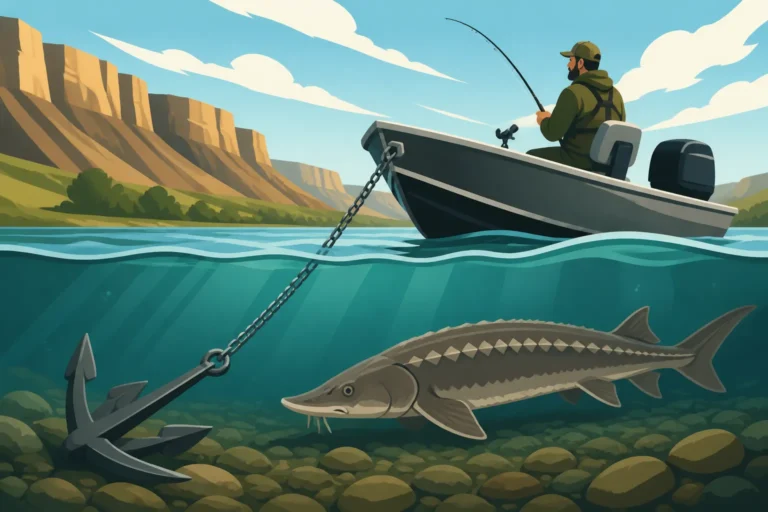
Beyond bag limits, there are often special regulations that apply to specific waters or species, even during the winter months. This might include size restrictions (minimum or maximum lengths for keeping fish), tackle restrictions (e.g., single barbless hooks only, or no bait allowed), or even time-of-day restrictions. Some waters might be catch-and-release only, or have specific rules about what fish can be kept (e.g., hatchery vs. wild fish, identified by a clipped adipose fin). For instance, there are strict "Idaho Catch-and-Release Sturgeon Rules" on the Snake River, which applies even if you somehow manage to hook one through the ice. The "Idaho Fishing Regulation Brochure and Proclamation" is your best friend here; download it to your phone or print a copy and keep it with you.
Best Practices for Ice Angler Etiquette and Conservation
Being a responsible ice angler goes beyond just following the rules; it's about respecting the environment, the fish, and your fellow anglers. Leave no trace. That means packing out everything you pack in, including bait containers, broken line, food wrappers, and especially fish guts or trash. Many popular ice fishing spots get heavily used, and litter is a persistent problem. A clean lake is a healthy lake, and it keeps access open for everyone.
Consider the welfare of the fish you catch. If you plan to release fish, do so quickly and carefully, especially in freezing temperatures. Keep them in the water as much as possible, and handle them with wet hands to protect their slime coat. For catch-and-release-only species or those you decide to let go, try to minimize their time out of the water, especially in sub-freezing conditions where their eyes and gills can freeze rapidly. Finally, be courteous to other anglers. Don't drill a hole right next to someone who's already established without asking, especially if they're in a quiet shelter. Share information, offer help if someone needs it, and remember that we're all out there to enjoy the beauty and challenge of Idaho's winter fisheries.
Troubleshooting Common Ice Fishing Challenges
Even with the best gear, knowledge, and intentions, ice fishing can throw some curveballs. It's winter, after all! Conditions can change rapidly, fish can be finicky, and gear can act up. Don't get discouraged if things don't go perfectly on your first few trips. Learning to troubleshoot these common challenges is part of becoming a seasoned ice angler in Idaho.
Dealing with Finicky Bites and Slow Days
We've all been there: staring at a dead screen on the fish finder, or seeing fish swim right past our bait without a flicker of interest. Finicky bites and slow days are perhaps the most frustrating aspect of ice fishing. When this happens, don't just sit there. Start by making small changes:
- Change Depth: Fish might be holding higher or lower than you expect. Work your bait through the entire water column.
- Change Bait Size/Color: Sometimes a smaller, more subtle bait is key, or a flashier one might trigger a reaction strike. Experiment with natural baits (maggots, wax worms) versus artificial plastics.
- Change Presentation: Slow down your jigging action, or speed it up. Try a dead stick (a rod sitting still with bait on the bottom). A subtle quiver might be all it takes.
- Change Locations: If you're not seeing fish or getting bites after 15-20 minutes, move! Drill new holes, explore different depths, or try different types of structure. The fish aren't going to come to you if they're not there.
- Check Your Line/Leader: If you're using heavy line, switch to a lighter fluorocarbon leader. Invisible line makes a big difference, especially for pressured or clear-water fish.
Remember, persistence and adaptability are your greatest assets. A "tough" day is often just a puzzle waiting to be solved. And sometimes, despite your best efforts, the fish just aren't biting, and that's okay too. It's part of the experience.
Preventing Gear Freeze-Up and Cold-Weather Malfunctions
Idaho winters can be brutally cold, and sub-freezing temperatures can wreak havoc on your gear. One of the most common frustrations is reels freezing up, especially after a fish fights hard and water gets onto the spool or drag system. To prevent this, use reels designed for cold weather, and after landing a fish, gently wipe down any excess water. Many anglers will also spray their reels with a silicone-based lubricant to prevent water from freezing. Line can also become stiff and develop memory in the cold; specialized ice fishing lines help, but pulling out a bit of line and stretching it can sometimes help reduce memory.
Augers, especially gas-powered ones, can be difficult to start in extreme cold. Keep them in a warmer environment (like your vehicle) until you're ready to use them. For electric augers, ensure your battery is fully charged, as cold can reduce battery performance. Heaters are wonderful, but they require fuel; always carry extra propane cylinders. Portable electronics, like fish finders, also suffer in the cold. Keep batteries warm by keeping them inside your jacket when not in use, or by using insulated battery bags. Ice in your fishing holes is also a constant battle; use your skimmer frequently to keep holes clear, especially on windy days. A little preventative maintenance and awareness of the cold's effects can save you a lot of headaches on the ice.
When to Pack Up and Try Again: Recognizing Unsafe or Unproductive Conditions
Knowing when to call it a day is just as important as knowing how to fish. If ice conditions suddenly deteriorate (e.g., you hear cracking, see water seeping up, or observe new pressure ridges forming), or if the weather takes a turn for the worse (rapidly dropping temperatures, white-out snow conditions, strong winds creating dangerous wind chills), it's time to pack up. No fish is worth risking your safety. Always prioritize getting off the ice safely over catching "just one more."
Similarly, if you've tried everything – moved multiple times, changed baits, altered techniques – and the fish simply aren't biting, don't bang your head against a wall. Sometimes, the fish just aren't active, or they've moved on completely. Recognize when you're no longer having fun or being productive. Ice fishing should be an enjoyable experience, not a chore. Packing up, warming up, and planning for another day, perhaps on a different lake or with a different strategy, is a perfectly valid and often smarter decision. The beauty of Idaho fishing is there's always another opportunity, another lake, and another technique to try.
Disclaimer
The information provided in this guide is for general informational purposes only and is not intended as legal, safety, or professional advice. Ice conditions can be extremely dangerous and unpredictable. Always exercise extreme caution when on or near ice. Before engaging in ice fishing activities, consult the most current regulations and ice reports from the Idaho Department of Fish and Game (IDFG) and local authorities. Assess ice thickness and integrity for yourself, use appropriate safety gear, and never fish alone. We assume no responsibility for any loss, injury, or damage incurred as a result of using or relying on this information.