St. Joe River Cutthroat Trout Water
Oh, the St. Joe River! For many anglers, just hearing those two words conjures images of pristine, emerald-green waters winding through dense forests, far from the madding crowd. If you've ever yearned for a genuine wilderness fishing experience, chasing vibrant, native cutthroat trout in an untouched setting, but found yourself overwhelmed by where to start or how to navigate such wild country, you're not alone. This guide is dedicated to unlocking the magic of the St. Joe River, helping you understand its unique appeal and how to successfully find and fish its legendary cutthroat waters.
Understanding the Allure of St. Joe Cutthroat Trout
The St. Joe River, often lovingly referred to as "The Joe," is more than just another Idaho river; it's a living legend for fly anglers and spin fishermen alike. What makes this particular fishery so special, and why do people travel from all corners of the country to cast a line here? It largely boils down to the native fish and the incredible environment they call home.
The Unique Westslope Cutthroat Subspecies
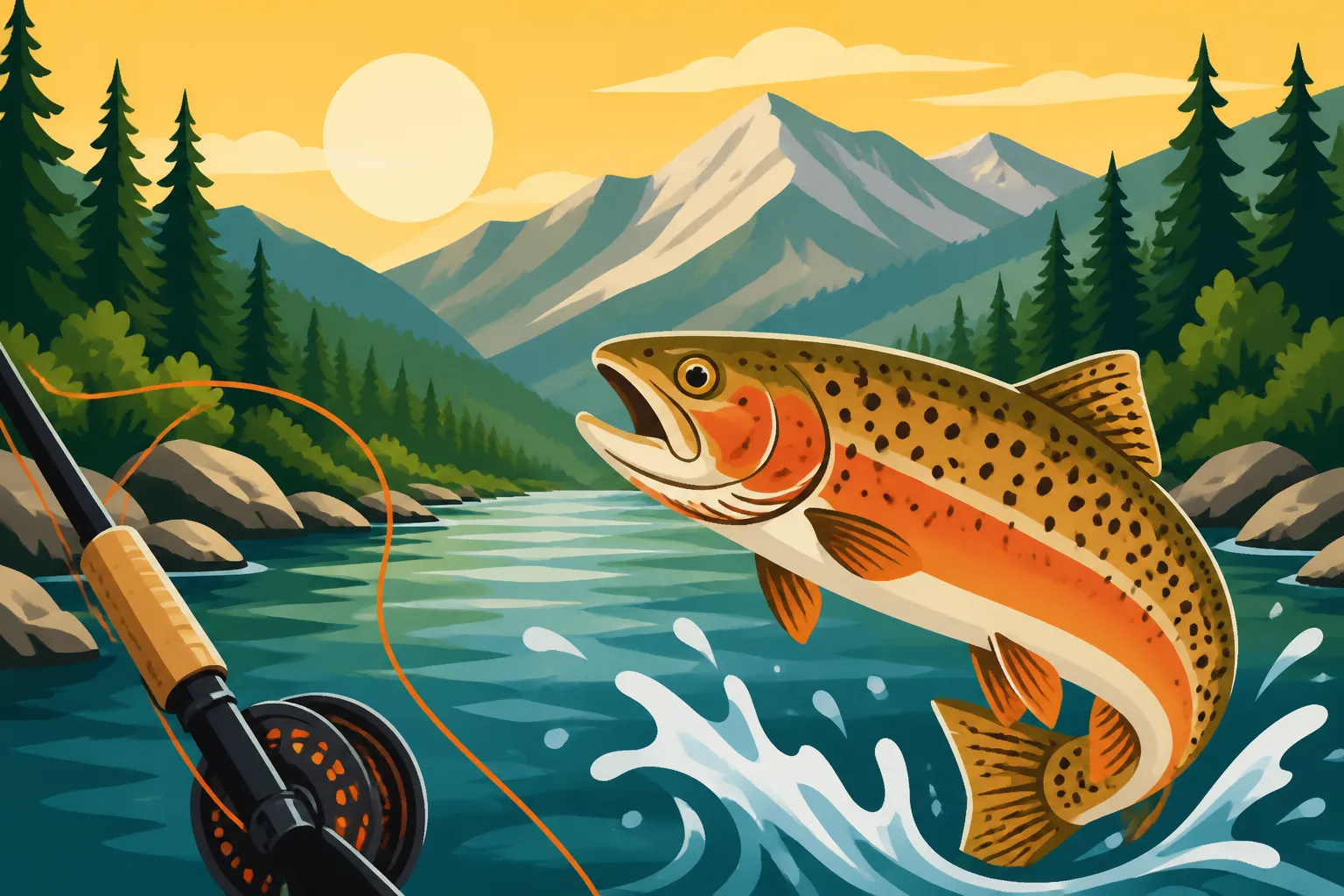
When we talk about cutthroat trout on the St. Joe, we're almost exclusively referring to the beautiful Westslope Cutthroat Trout in Idaho. These aren't just any trout; they are a distinct subspecies, revered for their striking colors – often a vibrant gold and olive with distinct red slashes under their jaw, hence the "cutthroat" name. Unlike many other trout species that have been widely stocked, the Westslope cutthroat in the St. Joe drainage have maintained a strong, self-sustaining population, making it one of the last bastions for these truly wild fish.
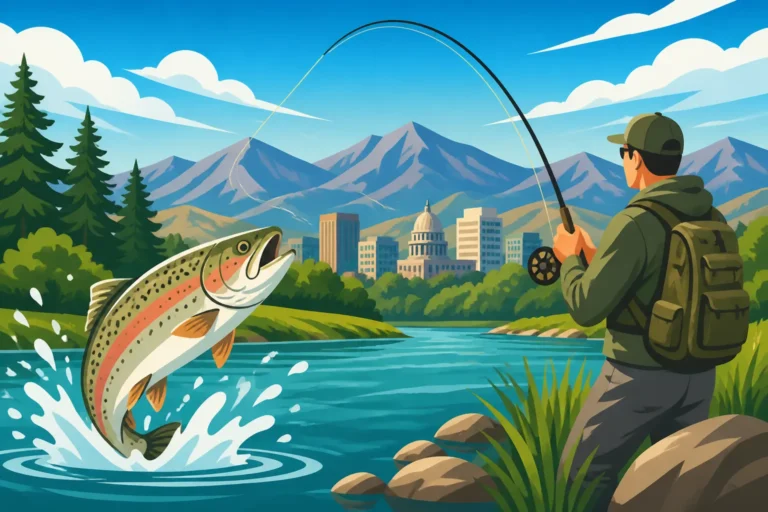
What makes them so appealing is not just their beauty, but their aggressive, often surface-oriented feeding behavior. They are known for their willingness to rise to a dry fly, which, for many, is the pinnacle of fly fishing. Imagine casting a tiny imitation of an insect onto the water's surface, watching it drift, and then witnessing a flash of gold as a wild cutthroat rises gracefully to take your offering. It's an experience that etches itself into your memory, embodying the essence of pure angling. These fish, while typically not growing to "trophy" sizes like some of Idaho's monster rainbows or lakers, are incredibly feisty for their size and provide consistent action that keeps you engaged all day long. Their wild nature also means they are incredibly sensitive to their environment, making the act of pursuing them a testament to the health and purity of the St. Joe ecosystem.
Why the St. Joe River is Ideal Habitat
The St. Joe River provides an almost perfect habitat for these native cutthroat. Originating high in the Bitterroot Mountains of Idaho's Panhandle, the river flows roughly 140 miles before emptying into Lake Coeur d'Alene. Throughout its journey, particularly in the upper and middle sections, it maintains a cold, clear, and highly oxygenated flow, which is exactly what trout thrive on. The riverbed is a mix of gravel and small rocks, ideal for insect hatches and spawning grounds.
Crucially, much of the upper and middle St. Joe flows through vast tracts of national forest, specifically the St. Joe National Forest. This protected status means minimal development, reduced pollution, and a wild, undeveloped shoreline. Old-growth forests line the banks, providing critical shade that keeps water temperatures cool during summer months and contributes to a rich insect life cycle. The constant influx of terrestrial insects like grasshoppers, ants, and beetles from the overhanging vegetation supplements the aquatic insect diet, keeping the cutthroat well-fed and actively looking for food on the surface. This confluence of environmental factors—cold, clean water, diverse insect life, and a protected, natural setting—creates a truly exceptional environment where Westslope cutthroat can flourish, offering an unparalleled fishing experience.
Key Stretches and Access Points for Anglers
Understanding the character of the St. Joe River changes dramatically from its headwaters to its mouth. Each section offers a different experience, from deep wilderness solitude to more accessible, yet still productive, stretches. Knowing where to go can make or break your trip, depending on what kind of adventure you're seeking.
Upper St. Joe: Wilderness and Seclusion
The upper St. Joe River, particularly above the town of Avery, is truly wilderness water. This is where the river is at its most intimate, a smaller, shallower stream winding through rugged mountains and dense forests. Access here is primarily via Forest Road 218, which eventually turns into a gravel road that parallels the river for many miles. Beyond specific points, some sections require hiking or even backpacking to reach.
This stretch is perfect for anglers seeking solitude and a challenging, rewarding experience. The fish here are pure wild cutthroat, often eager to rise to a well-presented dry fly. Due to the smaller nature of the water, these fish tend to be smaller on average, but what they lack in size, they make up for in fight and pristine beauty. You’ll find classic pocket water, riffles, and small pools, ideal for wade fishing with a light fly rod. Be prepared for a full day of adventure, as amenities are few and far between. Bringing your own food, water, and emergency supplies is essential. The remoteness means less fishing pressure, but also requires a higher degree of self-sufficiency. If you're looking to truly disconnect and immerse yourself in nature while chasing native fish, the upper St. Joe is your calling.
Middle St. Joe: Accessibility and Productive Runs
As the St. Joe River flows downstream, generally from Avery down towards St. Maries, it grows in size and offers a mix of accessibility and excellent fishing. This "middle" section is largely paralleled by Forest Highway 50 (also known as the St. Joe River Road), making it much easier to access. You'll find numerous pull-offs, campgrounds, and designated access points, allowing for both wade fishing and drift boat or raft trips.
The middle St. Joe is renowned for its consistent populations of Westslope cutthroat, often slightly larger than those found in the headwaters. This section features a greater diversity of water, from long, smooth glides and deep pools to swift riffles and boulder-strewn runs. It's an ideal stretch for those looking to cover more water, whether on foot or by floating. During the peak summer months, you'll encounter prolific insect hatches, leading to incredible dry fly action. However, due to its easier access, this section can experience more angling pressure, especially on weekends. Early mornings or weekdays are often best for finding your own stretch of water. Local outfitters often launch their guided trips in this area, recognizing its consistent productivity and diverse angling opportunities.
Lower St. Joe: Broader Water and Different Opportunities
Below the town of St. Maries, as the St. Joe River approaches Lake Coeur d'Alene, its character changes considerably. The river becomes wider, slower, and often deeper, transitioning from a classic mountain stream into a lowland river. While still holding cutthroat, especially in the cooler months or during migrations, this section also sees a mix of other species moving in from Lake Coeur d'Alene, such as smallmouth bass, northern pike, and even an occasional rainbow trout or Chinook salmon smolt.
Fishing the lower St. Joe can be quite different. It's less about delicate dry fly presentations and more about covering water with larger streamers, spinners, or even bait (where regulations allow). Access is typically easier from public boat ramps, as bank access can be limited by private property. While not the quintessential cutthroat experience of the upper reaches, the lower St. Joe offers a different kind of angling adventure, with the chance for a mixed bag of fish. It's a great option for those who prefer boat fishing or want to explore broader water. However, for a pure cutthroat experience, most anglers will focus their efforts upstream.
| River Section | Primary Access | Typical Fish Size | Fishing Style | Solitude Level | Notes |
|---|---|---|---|---|---|
| Upper St. Joe | FR 218 (gravel), Hike-in | 8-12 inches | Wade, Fly Fishing | High | Remote, pristine, challenging |
| Middle St. Joe | FH 50 (St. Joe River Rd) | 10-16 inches | Wade, Drift Boat, Fly/Spin | Moderate | Diverse water, good hatches |
| Lower St. Joe | Boat Ramps (St. Maries) | Mixed species, 10-20+ inches | Boat, Spin, Bait (check rules) | Low-Moderate | Wider, slower, warmer water |
Essential Techniques and Gear for St. Joe Cutthroat
Successfully targeting St. Joe cutthroat trout requires a blend of appropriate techniques and the right gear. These wild fish, especially in their native environment, can be surprisingly selective, but also incredibly eager when the conditions are right.
Fly Fishing: Dry Flies, Nymphs, and Streamers
For many, fly fishing is the quintessential method for St. Joe cutthroat. These fish are notorious for their love of surface insects, making dry fly fishing incredibly rewarding.
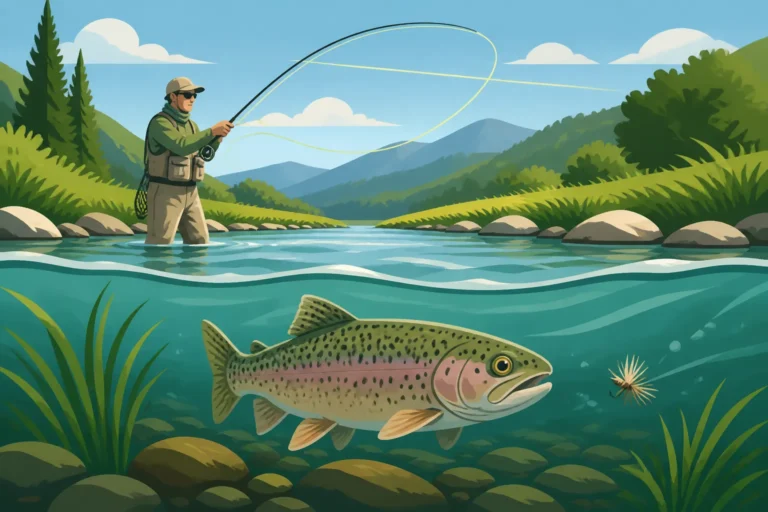
- Dry Flies: When bugs are hatching or terrestrials are falling into the water (especially mid-summer), dry flies are king. Classic patterns like the Parachute Adams, Elk Hair Caddis, Stimulator, Royal Wulff, and various ant or grasshopper imitations are highly effective. Presentation is key: you want a natural, drag-free drift. Look for seams, eddies, and pocket water where cutthroat often hold, waiting for food to float by. A size 12-16 fly is usually appropriate, though you might go larger for hoppers or smaller for tiny midges. Learning How to Cast to Selective Trout on a Spring Creek can be beneficial even on a river like the St. Joe, as precise presentations often lead to more hook-ups.
- Nymphs: When fish aren't looking up, or in deeper, faster runs, nymphing can be incredibly effective. Cutthroat spend a significant portion of their lives feeding subsurface. Patterns like the Prince Nymph, Pheasant Tail Nymph, Hare's Ear Nymph, and various stonefly imitations (like a Pat's Rubber Leg) work wonders. You can fish them under a strike indicator or use a tight-line nymphing technique. Focus on getting your flies down to where the fish are holding, typically near the bottom in current breaks.
- Streamers: Don't overlook streamers, especially for potentially larger cutthroat or when the water is a bit off-color. Small Woolly Buggers (black, olive, or brown), Sculpin patterns, or even small baitfish imitations can entice an aggressive strike. Strip them through deeper pools, along undercut banks, or swung across seams. The flash and movement can trigger a predatory response, even from typically shy cutthroat.
Spin Fishing: Light Tackle and Native-Friendly Lures
While fly fishing gets a lot of attention on the St. Joe, spin fishing can be incredibly effective, especially for beginners or those who prefer a different approach. The key is to use light tackle and lures that mimic natural food sources.
- Ultra-Light Setup: A light-action rod (5-6 feet) with a small spinning reel spooled with 4-6 pound test monofilament or fluorocarbon line is ideal. This setup allows for accurate casts of small lures and provides excellent sensitivity for detecting subtle bites.
- Lure Selection: Small spinners (like Panther Martin, Mepps, or Rooster Tail in sizes 0-2) in natural colors (gold, silver, black, brown) with minimal flash are excellent. They imitate small baitfish or larger aquatic insects. Small spoons, such as Kastmasters or Little Cleos, can also work, especially in deeper pools. Soft plastics, like small grubs or trout worms, fished on a light jig head, can also be deadly when bounced along the bottom. The most important thing is to use single, barbless hooks. Idaho Barbless Hook Requirements are often in place for native trout, and it's always good practice for catch-and-release, which is paramount for cutthroat conservation.
- Presentation: Cast upstream and retrieve at a pace that allows the lure to tumble naturally with the current, or cast across and retrieve with a slow, steady motion that mimics a swimming baitfish. Pay attention to structure—logs, rocks, and current seams—where cutthroat will ambush prey.
Choosing the Right Gear for River Conditions
Regardless of your chosen method, having the right gear enhances your experience and success.
- Waders and Boots: Waders are almost a necessity for comfortable access to many parts of the St. Joe, even for bank anglers wanting to get a bit further out. Breathable chest waders are ideal for summer, while neoprene might be better for colder shoulder seasons. Felt-soled wading boots offer excellent grip on slippery river rocks.
- Polarized Sunglasses: These are not a luxury; they are essential. Polarized lenses cut through the glare on the water, allowing you to spot fish, observe structure, and navigate the riverbed more safely.
- Nets: A soft, rubberized net is crucial for catch-and-release fishing. It minimizes harm to the fish by protecting their slime coat and fins.
- Leader and Tippet: For fly anglers, a good 7.5-9 foot leader tapered to 4X-6X tippet is usually sufficient for dry flies and nymphs. Having a selection of tippet spools (from 3X to 6X) allows you to adjust to changing conditions and fly sizes.
- Backpack/Vest: A comfortable backpack or fishing vest to carry your essentials – extra reels, leader, tippet, fly boxes, water, snacks, first-aid kit, and rain gear – is a must. Being prepared for varying weather and situations is key when fishing in remote areas.
Planning Your Trip: Seasons, Regulations, and Guides
A successful fishing trip to the St. Joe River involves more than just knowing where to cast. Thoughtful planning, understanding local rules, and knowing when to go can significantly impact your experience.
Best Times to Fish the St. Joe
The St. Joe River offers different opportunities throughout the year, but some seasons definitely stand out for cutthroat.
- Spring (Late May – June): This is often the period right after runoff subsides and before the summer crowds fully arrive. The water is often still cold and clear, and hungry cutthroat are actively feeding on emerging insects. Caddis and stonefly hatches can be prolific, leading to fantastic dry fly fishing. It's a sweet spot before the heat of summer.
- Summer (July – August): Peak season. The river is typically at its lowest and clearest, and insect hatches (especially caddis, mayflies, and later, terrestrials like grasshoppers) are abundant. This is prime dry fly time. The downside is that this is also the busiest time, and while the St. Joe is vast, popular spots can see more pressure. Early mornings or late evenings often provide the best action and solitude. It’s also crucial to monitor water temperatures during hot spells; if the water gets too warm (above 68°F), it can be highly stressful for trout, making it advisable to find cooler water or postpone your trip.
- Fall (September – October): Many consider fall to be the best-kept secret for St. Joe fishing. The crowds thin out, the weather is crisp, and the surrounding forests erupt in vibrant fall colors. Cutthroat are actively feeding to put on weight before winter. Terrestrial patterns are still effective, and streamer fishing can be excellent as fish become more aggressive. This is often when you can find the largest cutthroat of the year. However, always check the Idaho Fishing Season Dates and Limits as some sections or specific regulations might change with the seasons.
Navigating Idaho Regulations for Cutthroat
Idaho Fish and Game takes the conservation of its native cutthroat seriously, and anglers have a crucial role to play. Always, always consult the most current Idaho Fishing Regulations brochure before you head out. These regulations are subject to change annually or even seasonally. You can usually find the most up-to-date information on the Idaho Fish and Game website or at local license vendors.
Key things to look out for:
- License Requirements: Everyone needs an Idaho Fishing License Guide to fish, with specific rules for residents and non-residents, and age requirements. Make sure yours is current.
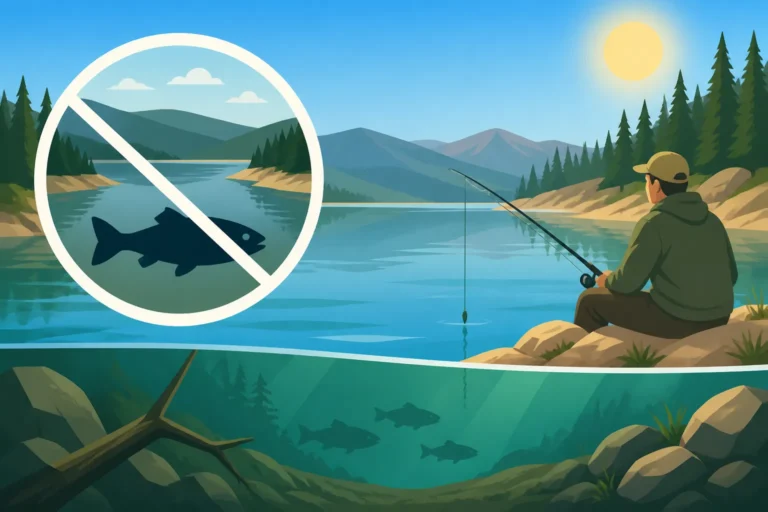
- Catch and Release: Many stretches of the St. Joe have strict catch-and-release regulations for cutthroat trout, often requiring barbless hooks. This is vital for maintaining the health of the wild population. Understanding Idaho Catch Limits and Bag Limits Explained will ensure you stay compliant.
- Specific Water Regulations: The St. Joe might have specific rules for different sections. For example, some areas may have fly-fishing-only restrictions or special lure requirements. Always check the regulations for the exact stretch you plan to fish. Misinterpreting or ignoring regulations can result in hefty fines and damage to the very resource you came to enjoy.
Considering a Guided Experience
For those new to the St. Joe or looking to maximize their time on the water, hiring a local guide can be an invaluable investment. A professional guide knows the river intimately, understands the nuances of the local hatches, and can put you on fish quickly. They can also teach you specific techniques tailored to the St. Joe's conditions.
When researching guides, consider using platforms like FishingBooker to find reputable outfitters specializing in the St. Joe River. FishingBooker allows you to read reviews, compare services, and find guides with specific expertise, whether it's fly fishing for cutthroat or drift boat trips. A good guide will typically provide all the necessary gear (rods, reels, flies/lures) and often lunch on full-day trips. They are also experts in river safety and navigating public access points. Booking a guided trip, especially through a service like FishingBooker, can take the guesswork out of planning and allow you to fully immerse yourself in the fishing experience. Remember to book well in advance, especially for peak season dates, as the best guides get snatched up quickly. When looking to How to Book a Fishing Guide in Idaho, think about what kind of experience you want – a wade trip focusing on technique or a drift trip covering more water. Many of the Best Fly Fishing Guides in Idaho operate on the St. Joe.
Disclaimer
The information provided in this guide is for general informational purposes only and is subject to change. Fishing regulations, seasons, and access points can vary and are updated frequently. Always consult the official Idaho Fish and Game regulations and local authorities before planning and embarking on any fishing trip. Adhere to all local, state, and federal laws and regulations, and practice responsible outdoor ethics, including Leave No Trace principles. Your safety and the conservation of natural resources are paramount.