Fishing the Boise River Through Town
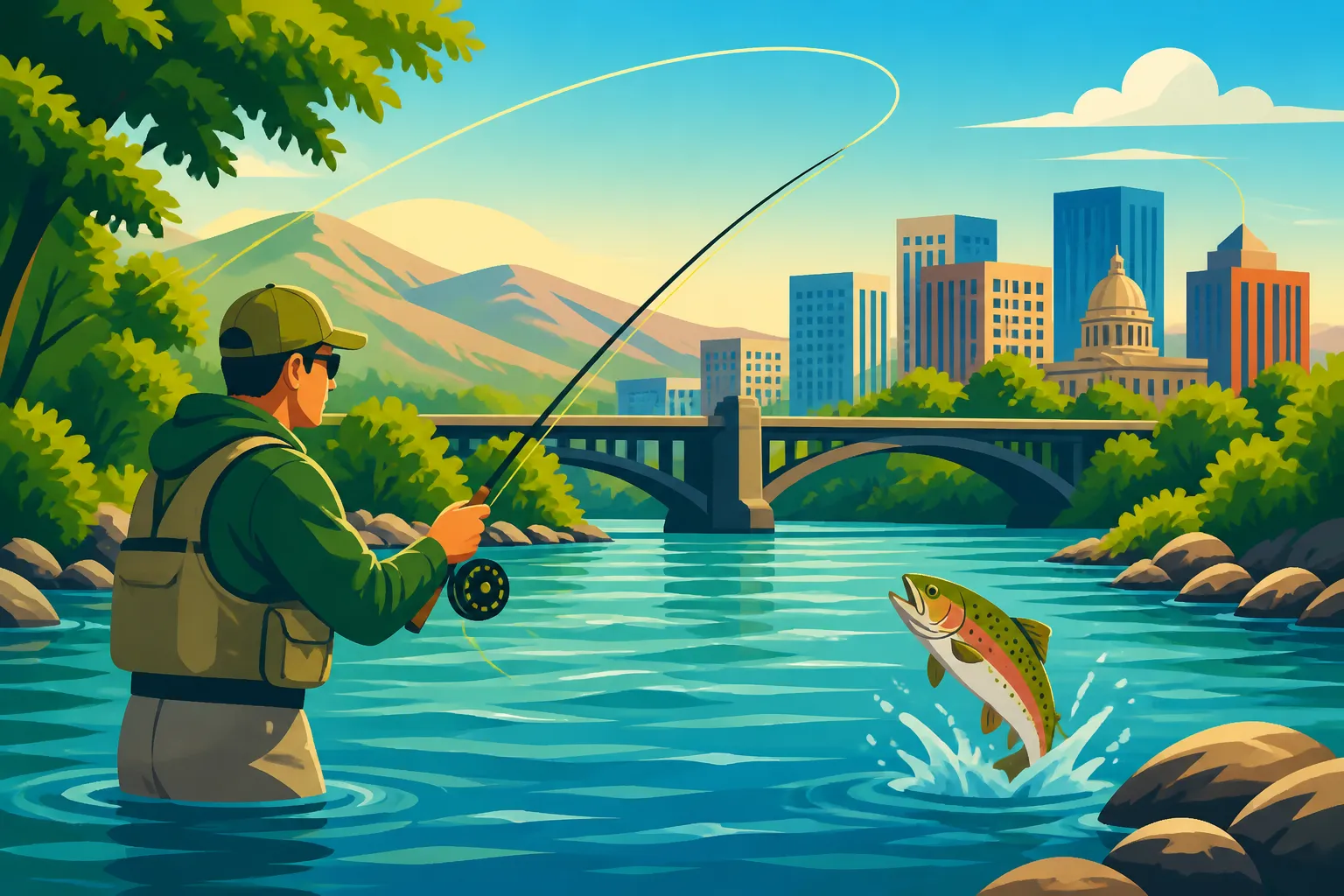
It's a common dilemma for anglers: you're craving some time on the water, the sun is shining, but you don't have the time or energy for a full-blown wilderness expedition. You just want to wet a line close to home, maybe even after work, without the fuss. Good news, my friend, because the Boise River, right as it winds its way through Idaho's capital city, offers surprisingly fantastic and accessible fishing opportunities. This guide will walk you through everything you need to know to make the most of this urban fishing gem.
The Boise River Fishery: More Than Just Urban Water
When you think of a river flowing through a bustling city, pristine fishing isn't usually the first thing that comes to mind, right? You might imagine polluted waters or fish too wary to bite. But the Boise River is a true exception, a testament to conservation efforts and the incredible resilience of Idaho's natural resources. It’s a vibrant, living river that offers diverse angling for those willing to explore its city limits.
What You Can Expect to Catch (and What You Won't)
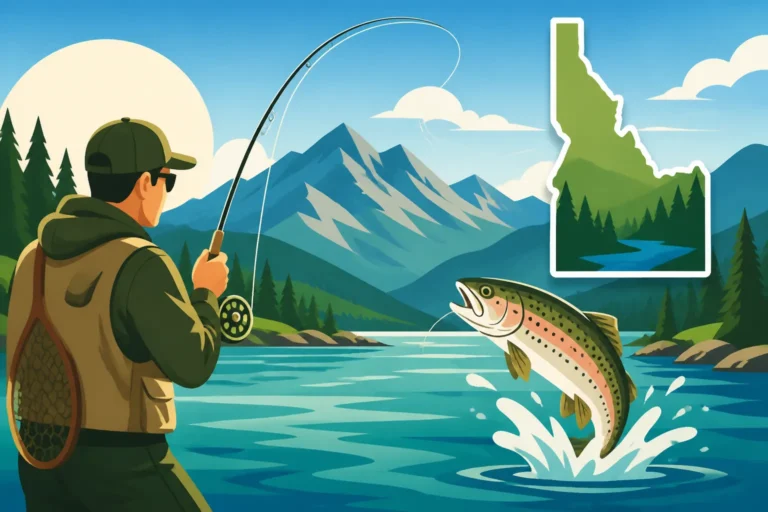
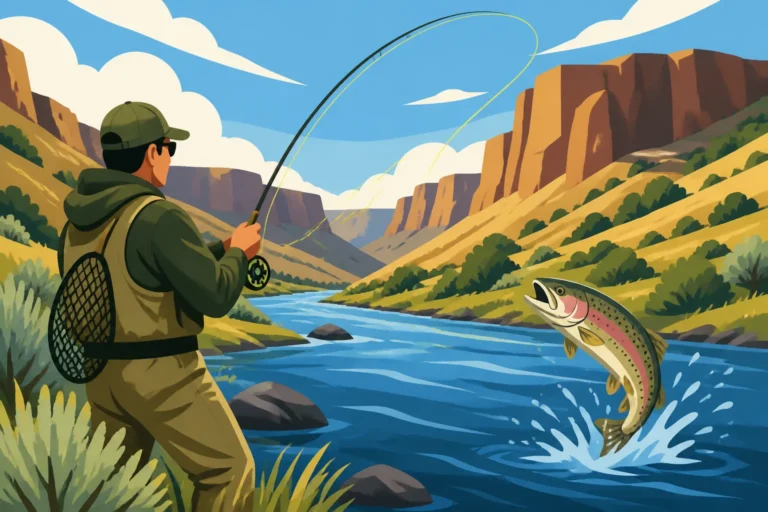
The Boise River through town is primarily known for its excellent trout fishing, particularly rainbow trout. These feisty fish are regularly stocked by the Idaho Department of Fish and Game, providing consistent action for anglers of all skill levels. You’ll find them eager to strike a variety of baits and lures, making for a rewarding outing. Beyond the rainbows, the river also holds a healthy population of wild brown trout, which are often more elusive but offer a truly exciting challenge for experienced anglers. These native browns are stunning fish, and landing one in the middle of the city feels like a special accomplishment.
Beyond the trout, you can also encounter smallmouth bass in the warmer months, especially in sections with more rocky structure and slower currents. These hard-fighting bass are a blast on light tackle. Don't be surprised to hook into mountain whitefish, a native species that, while often overlooked, puts up a respectable fight on light gear and is a great indicator of a healthy river ecosystem. What you generally won't find, however, are large migratory species like steelhead or Chinook salmon, as the dams downstream on the Snake and Columbia rivers prevent their upstream migration to the Boise River. So, if you're dreaming of those big anadromous fish, you'll need to look to other Idaho rivers like the Clearwater or Salmon.
Understanding the Stocking Program
The reason the Boise River remains such a popular and productive urban fishery is largely due to the diligent stocking program carried out by the Idaho Department of Fish and Game (IDFG). They typically stock thousands of catchable-sized rainbow trout into various accessible sections of the river throughout the spring, summer, and fall. This ensures that there are always plenty of fish available for anglers, especially those seeking a straightforward and rewarding experience.
These stocking events often occur in designated "family fishing waters" or easily accessible park areas, such as Ann Morrison Park, Municipal Park, and Marler Campgrounds in Eagle. The frequency and specific locations are usually published on the IDFG website, which is a fantastic resource for planning your trip. Knowing when and where the river has been recently stocked can significantly increase your chances of success, as these fresh fish are often quite active and less wary. It’s this consistent management that makes fishing the Boise River through town not just possible, but genuinely good.
Prime Fishing Spots Along the Boise River Through Town
One of the greatest advantages of fishing the Boise River through town is the sheer accessibility. From manicured parks to secluded natural banks, there are numerous spots where you can drop a line without traveling far. It’s all about knowing where to go, whether you prefer to stay on solid ground or get out on the water.
Accessible Bank Fishing Locations
For many, the easiest way to fish the Boise River is from the bank, and thankfully, the city offers a wealth of options. The Boise River Greenbelt, a beloved pathway system, parallels much of the river, providing countless access points. Parks like Ann Morrison Park, just south of downtown, offer extensive river frontage with easy parking and facilities. Here, you can find slower eddies and deeper runs that hold trout, especially after a fresh stocking. It’s a fantastic spot for families, with plenty of space for kids to cast without snagging trees. Similarly, Julia Davis Park and Municipal Park, nestled closer to downtown, offer serene stretches perfect for a lunchtime fishing escape.
Further upstream, as you head towards Barber Park, the river takes on a slightly more natural feel, though still highly accessible. Places like the Bethine Church River Trail provide excellent bank access with a bit more solitude. If you're looking for an area slightly out of the immediate downtown bustle but still very much "through town," Eagle Island State Park, west of Boise, also offers river access where you can target bass and trout, often with less competition. Remember that while these spots are convenient, they can also see heavy recreational use, especially on warm summer weekends, so planning your trip during off-peak hours can improve your experience.
Floating and Wading Opportunities
For those who want to cover more water and access less pressured spots, floating or wading the Boise River can be incredibly rewarding. Floating the river in a raft, drift boat, kayak, or even a sturdy inner tube (for recreational floating) is a popular pastime in Boise, especially in summer. While many float for leisure, it also offers a unique way to fish. A common float for fishing purposes might start at Barber Park and end at Ann Morrison Park or even further downstream, allowing you to drift through various riffles, runs, and pools. Remember to check current river flows before embarking on a float, as conditions can change rapidly. Always wear a life jacket and be aware of potential hazards like snags and low-hanging branches.
Wading is another fantastic way to fish, offering a more intimate connection with the river. While much of the river through the immediate downtown area can be deep or have soft bottoms, there are many wadeable sections, particularly in the riffles and shallower runs. Upstream of Boise, near Lucky Peak Dam, and in some of the more natural stretches, wading becomes a more viable option. Always exercise caution when wading; the current can be stronger than it appears, and the riverbed can be uneven. Good wading boots with felt soles or studs provide essential traction. Before you plan a wading trip, consult the U.S. Geological Survey (USGS) website for real-time river flow data, as high water levels can make wading unsafe and difficult.
Essential Gear and Techniques for Boise River Anglers
Fishing the Boise River through town doesn't require an arsenal of specialized equipment, but having the right gear and understanding a few key techniques can make all the difference between a frustrating day and a successful one. Whether you're a spin angler or prefer the finesse of fly fishing, there are effective approaches for this urban waterway.
Spin Fishing Setups and Lure Choices
For spin anglers, a versatile setup will serve you well on the Boise River. A light to medium-light action spinning rod, typically in the 6 to 7-foot range, paired with a matching spinning reel spooled with 4 to 6-pound monofilament or fluorocarbon line, is generally ideal. This combination offers enough sensitivity to feel subtle bites from trout and whitefish, while still having enough backbone to handle a surprising smallmouth bass.
When it comes to bait and lures, simplicity often reigns supreme. If you're targeting the regularly stocked rainbow trout, classic baits like worms (nightcrawlers, red wigglers) and PowerBait (in various colors and forms like Power Eggs or Power Worms) are highly effective. Drift them naturally with a small split shot or under a bobber in slower-moving pockets and eddies. For artificial lures, small inline spinners like Mepps Aglia or Panther Martin, in sizes #0 to #2, are perennial favorites. Their flashing blades and vibrations attract trout and even aggressive smallmouth bass. Small spoons, such as Kastmasters or Little Cleos, in silver or gold, can also be deadly, especially when cast across currents and retrieved. Don't forget small crankbaits or jerkbaits for bass, particularly those mimicking baitfish like minnows. If you're looking for specific recommendations or even a guided trip to learn the ropes, a platform like FishingBooker can help connect you with local guides who are experts on the Boise River's nuances and can offer tailored advice on the best gear for the conditions.
Fly Fishing the Urban Stretch
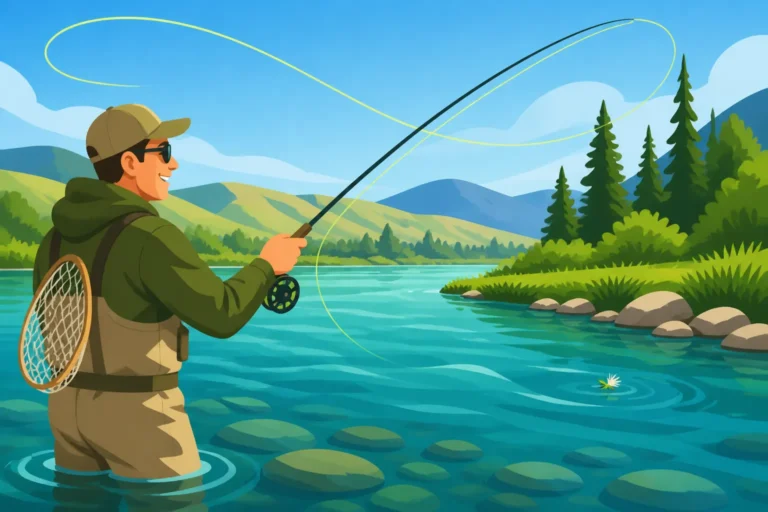
Fly fishing the Boise River through town might sound challenging due to the urban setting and recreational traffic, but it can be incredibly rewarding. Many stretches offer surprisingly good opportunities for both dry fly and nymph fishing. A 5 or 6-weight fly rod, paired with a floating line, is a great all-around choice, providing enough power for casting in breezy conditions and sufficient sensitivity for lighter tippets.
For effective fly choices, nymphs are often the most productive, especially when the fish aren't actively rising. Patterns like the Prince Nymph, Pheasant Tail Nymph, Hare's Ear Nymph, and various stonefly imitations (e.g., Pat's Rubber Legs) in sizes 12-18 are excellent subsurface options. Fish these under an indicator with split shot to get them down to the fish's feeding lanes. When hatches occur, typically in spring and fall, or on overcast days, dry flies can be incredibly exciting. Common patterns include Elk Hair Caddis, Parachute Adams, Blue-winged Olives, and various mayfly imitations in appropriate sizes. Keep an eye out for rising fish, especially in the early mornings or late evenings. Streamers like Woolly Buggers (in black, olive, or white) are also highly effective for targeting larger trout and smallmouth bass, especially in deeper pockets and undercut banks. Casting a streamer across current and swinging it through potential holding lies can trigger aggressive strikes. If you're new to fly fishing the Boise, considering a local guide through platforms like FishingBooker can significantly shorten your learning curve, as they can provide up-to-the-minute hatch information and technique tips. Learning How to Fly Fish in Idaho is a fantastic skill, and the Boise River is a great place to hone it.
Navigating Regulations and Seasons on the Boise River
Idaho's fishing regulations are designed to protect fish populations while providing ample angling opportunities, and the Boise River is no exception. Understanding these rules and the seasonal nuances of the river will ensure you have a legal and productive outing. It's not just about what to catch, but how and when you can catch it responsibly.
Licenses, Limits, and Special Rules
First and foremost, anyone aged 14 and older needs an Idaho fishing license to fish the Boise River. Children under 14 can generally fish without a license, but always double-check the latest regulations. You can easily purchase your license online through the Idaho Department of Fish and Game website, or at many local sporting goods stores like Cabela's or Sportsman's Warehouse. If you need a refresher, check out our comprehensive Idaho Fishing License Guide or learn How to Buy an Idaho Fishing License.
When it comes to catch limits, the Boise River generally falls under the statewide general fishing rules, but it’s crucial to consult the current Idaho Fishing Regulations Explained brochure. For rainbow trout, the daily bag limit on many sections of the river is typically six, but this can vary depending on specific zones or special regulations. Wild brown trout often have stricter limits, sometimes even catch-and-release only, to protect their populations. Smallmouth bass generally have more generous limits. Remember that a "possession limit" also applies, which is typically the same as the daily bag limit unless otherwise specified, meaning you can't have more than that number of fish in your possession, whether in your cooler or at home. Always check the specific rules for the stretch of river you plan to fish, as regulations can sometimes differ even within a short distance. Some sections might have bait restrictions or specific tackle requirements. For a detailed breakdown, consult our guide on Idaho Catch Limits and Bag Limits Explained.
Best Times to Fish Throughout the Year
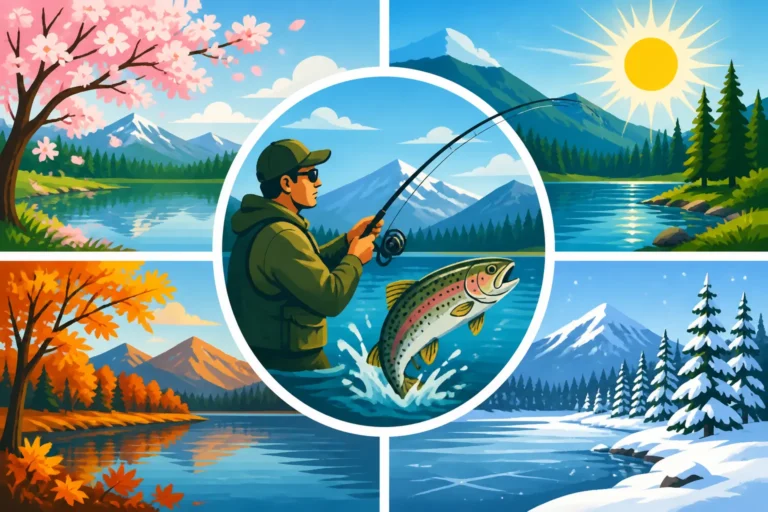
The Boise River offers year-round fishing opportunities, but the best times to target specific species or employ certain techniques vary with the seasons.
-
Spring (March – May): This is a prime time for stocked rainbow trout. As the snow melts and river flows increase (often leading to spring runoff), fresh fish are stocked, and they are typically very active. Water temperatures are cooler, making trout more comfortable throughout the day. However, high runoff can make fishing challenging due to murky water and strong currents, so keep an eye on river flows. Once the runoff subsides, fishing heats up significantly. Learn more about Spring Fishing in Idaho.
-
Summer (June – August): While the Boise River can get quite warm in the summer, especially in the afternoons, early mornings and late evenings can still offer excellent trout fishing. Many anglers shift their focus to smallmouth bass during these months, as they become very active in the warmer water. Floating the river is popular in summer, making it a great time for combination fishing and recreation trips. Remember to release fish quickly to minimize stress in warmer water. Our guide on Summer Fishing in Idaho offers more tips.
-
Fall (September – November): Many consider fall to be the absolute best time to fish the Boise River. The water temperatures cool, trout become very active, and the wild brown trout begin their pre-spawn feeding frenzy, making them more susceptible to flies and lures. Stocking continues into the fall, ensuring plenty of rainbow trout. The autumn colors along the Greenbelt add a beautiful backdrop to your fishing adventure. Check out Fall Fishing in Idaho for more details on this fantastic season.
-
Winter (December – February): While slower, winter fishing on the Boise River can still be productive, especially on milder days. Trout often hold in deeper, slower pools and can be caught with nymphs, small jigs, or bait fished slowly. Ice can form in some backwater eddies or very slow sections, but the main channel typically remains open due to constant flow. It's a peaceful time to be on the river, often with fewer anglers. Just be sure to bundle up!
Maximizing Your Experience and Respecting the Urban Environment
Fishing the Boise River through town is a fantastic opportunity, but it comes with the responsibility of being a good steward of both the natural resource and the urban community around it. A positive fishing experience for you also means respecting fellow users and the environment.
Practicing Leave No Trace Principles
One of the most crucial aspects of urban fishing, especially on a heavily used river like the Boise, is to strictly adhere to Leave No Trace principles. This means packing out everything you pack in – and then some. Don't leave behind fishing line, bait containers, snack wrappers, or any other trash. Fishing line, in particular, can be incredibly harmful to wildlife. A small trash bag or container in your vest or tackle box can make a big difference.
Beyond litter, it's also about minimizing your impact on the natural surroundings. Try to stay on established paths, avoid trampling vegetation, and be mindful of wildlife, particularly nesting birds or animals along the banks. Respect private property boundaries; while the Greenbelt offers public access, much of the land adjacent to the river is private. Always be aware of signs indicating private land and avoid trespassing. Remember, the healthier and cleaner the river is, the better the fishing will be for everyone, now and in the future.
Safety Considerations on the Urban River
Safety is paramount, whether you're fishing in the wilderness or in the heart of the city. The Boise River, while beautiful, still presents potential hazards. Water safety is a major concern: even seemingly calm stretches can have swift currents, especially during higher flows. If you're floating, always wear a properly fitted personal flotation device (PFD). The water can also be surprisingly cold, even on a warm day, so be prepared for accidental immersion. If you plan to wade, understand your limits and don't take unnecessary risks; a wading staff can provide extra stability.
Personal safety in an urban environment also needs consideration. While Boise is generally a safe city, it's always wise to be aware of your surroundings, especially if fishing alone or during off-hours. Secure your valuables, and if you're concerned, fish in well-trafficked areas during daylight hours. Lastly, be aware of urban wildlife. While you're unlikely to encounter large predators, snakes, raccoons, and even skunks are present, and it's best to observe them from a distance. Respecting these boundaries and taking basic precautions will ensure your Boise River fishing adventure is enjoyable and safe.
| Fish Species | Primary Habitat / Preferred Water | Best Season to Target | Common Lures/Baits | Average Size in Boise River | Notes |
|---|---|---|---|---|---|
| Rainbow Trout | Riffles, runs, deeper pools | Spring, Fall, Winter | Worms, PowerBait, Spinners, Nymphs, Dry Flies | 10-16 inches | Regularly stocked, good for beginners. Often found near access points. |
| Brown Trout | Undercut banks, log jams, deep pools | Fall, Spring | Streamers, large nymphs, small crankbaits | 12-20+ inches | Wild, more elusive. Strong fighters. Look for structure. |
| Smallmouth Bass | Rocky areas, slower currents, structure | Summer | Soft plastics, crankbaits, jigs | 8-14 inches | Hard-fighting, fun on light tackle. Tolerant of warmer water. |
| Mountain Whitefish | Riffles, runs, colder water | Year-round | Small nymphs, worms, tiny jigs | 10-15 inches | Native species, excellent fighters on light gear. Often overlooked. |
Disclaimer
Fishing involves inherent risks, and conditions on the Boise River can change rapidly. Always exercise caution, be aware of your surroundings, and prioritize personal safety. This guide provides general information, but local regulations are subject to change. It is your responsibility to consult the latest Idaho Department of Fish and Game regulations before fishing to ensure compliance.