Fishing Henry’s Fork for Fly Anglers
Henry's Fork of the Snake River. Just hearing the name conjures images of massive, finicky trout sipping tiny dry flies in impossibly clear water. For many fly anglers, it's the ultimate pilgrimage, a bucket-list river that promises unparalleled beauty and frustrating challenges in equal measure. If you've ever dreamt of casting a perfect loop to a rising rainbow on this iconic water but felt a knot of anxiety about its reputation for being technical, you're not alone. This comprehensive guide is designed to demystify Henry's Fork, providing you with the knowledge, strategies, and confidence to truly enjoy your time on one of the world's most hallowed fly fishing destinations.
Understanding Henry's Fork: A Fly Angler's Paradise with a Challenge
Henry's Fork is more than just a river; it's an ecosystem, a legendary classroom, and a profound test of skill for fly anglers worldwide. Its unique character is what draws so many, but it's also what makes it such a formidable challenge.
The Legendary Reputation and Its Waters
Henry's Fork, particularly its upper sections, is globally renowned for its prolific insect hatches and the large, extremely selective trout that inhabit its spring-fed waters. Flowing through eastern Idaho, it emerges from Henry's Lake and winds its way through diverse landscapes, from the flat, glassy glides of the Harriman State Park "Ranch" section to the turbulent flows of Box Canyon and the expansive lower river. This diverse topography means the river offers a range of experiences, from delicate dry fly presentations on mirror-smooth water to aggressive nymphing in faster currents. It's truly a place where you can find nearly any kind of trout fishing, provided you know where and when to look. The sheer variety is part of its allure, but also a reason why anglers need specific knowledge for different stretches.
This river's mystique is amplified by the sheer size and health of its trout population. While it's primarily a rainbow trout fishery, you can also encounter respectable brown trout and even some cutthroat in certain areas, particularly as you move further upstream or into tributaries. The abundance of aquatic insects provides a rich food source, allowing trout to grow substantial in size, but also incredibly wise. They become experts at discerning real food from artificial, making presentation and fly selection paramount. For those looking to experience some of the finest fly fishing in the world, the Henry's Fork certainly delivers, but it demands respect and preparation.
Why Henry's Fork is So Technical
The term "technical" gets thrown around a lot in fly fishing, but on Henry's Fork, it truly applies. What makes it so demanding? For starters, the incredibly clear, slow-moving water in many of its most famous sections, like the Ranch, offers little room for error. Trout have ample time to inspect your fly, your leader, and any drag on your line. They see everything. This means your cast needs to be precise, your leader long and fine, and your presentation absolutely drag-free, often for extended drifts. Any unnatural movement or flash will send these wary fish darting for cover.
Furthermore, the trout here are highly accustomed to a natural, abundant food source. They often key in on specific stages of an insect's life cycle – a particular emerger, a crippled dun, or a spinner pattern – ignoring anything else. This "matching the hatch" isn't just a suggestion here; it's often a strict requirement. You might witness a river boiling with rising fish, only to find them completely uninterested in your perfectly tied imitation if it's not the exact size, color, or stage they're currently feeding on. This level of selectivity can be deeply humbling, even for experienced anglers, and requires a deep understanding of entomology and trout behavior.
Unique Characteristics of the River
What sets Henry's Fork apart from many other premier trout rivers? Its origin as a spring creek system is a major factor. Unlike freestone rivers that rely heavily on snowmelt and fluctuate wildly with runoff, Henry's Fork has relatively stable water temperatures and flows, particularly in its upper reaches. This consistency fosters incredibly rich insect life year-round, leading to predictable and often spectacular hatches. The nutrient-rich, cool water creates an ideal habitat for trout, allowing them to thrive and grow large.
Another defining characteristic is the sheer variety of water types within a relatively short stretch. You have the famous flat water of the Ranch, which is an advanced dry fly fishery requiring stealth and precision. Below that, Box Canyon offers fast, turbulent water that fishes well with nymphs and streamers, a completely different game. Then you have the slower, deeper sections near the town of Ashton and further downstream, which can hold large trout that respond to different tactics. This means that a successful angler on Henry's Fork isn't just proficient in one technique; they're versatile and adaptable. Understanding the nuances of these different sections is crucial for anyone planning a trip, as detailed in our guide, Henry's Fork's 70 Miles of Fishable Water Explained.
Essential Gear for Henry's Fork Fly Fishing
Success on Henry's Fork often comes down to preparation, and that includes having the right tools for the job. You wouldn't bring a butter knife to a sword fight, and you certainly shouldn't come to Henry's Fork with inadequate gear.
Rod and Reel Selection
For the delicate presentations required on the Ranch and similar slow, clear sections, a longer, lighter rod is usually preferred. Think 9 to 10-foot rods in 3, 4, or 5-weight. A 9-foot 5-weight is a versatile all-around choice for many situations, offering enough backbone to handle larger fish while still allowing for delicate casts. However, many seasoned Henry's Fork anglers prefer a 3 or 4-weight for its finesse, especially when fishing tiny dry flies on long leaders. The extra length helps with line control, mending, and keeping your fly drifting naturally over those long, drag-free presentations.
If you plan to fish the faster, deeper Box Canyon or other nymphing-focused sections, a slightly heavier rod, like a 9.5 or 10-foot 6-weight, can be beneficial. This provides more power for casting heavy nymph rigs with indicators and for fighting strong fish in fast currents. Your reel, while not as critical for its drag system (most Henry's Fork fish are landed on the reel and not the drag), should balance your rod well and hold plenty of backing. A smooth retrieve and reliable clicker are generally sufficient. Remember, every piece of your setup should work together to achieve those critical drag-free drifts and gentle presentations.
Line, Leaders, and Tippet Considerations
This is where many anglers either succeed or struggle on Henry's Fork. Your fly line should be a high-quality, weight-forward line designed for delicate presentations, often labeled as a "trout" or "presentation" taper. A stealthy color like olive or grey can also be beneficial in the clear water.
Leaders are crucial here, and longer is often better. For dry fly fishing on the Ranch, don't be surprised to see anglers using 12 to 15-foot leaders, tapering down to incredibly fine tippet. A common setup might start with a 9-foot knotless leader, to which you add another 3-6 feet of fluorocarbon tippet. Why fluorocarbon? Its refractive index is close to water, making it less visible to discerning trout, and its density helps sink nymphs more quickly.
Tippet selection is paramount. While you might use 3X or 4X tippet on some rivers, Henry's Fork often demands 5X, 6X, or even 7X, especially when trout are rising to tiny midges or mayflies. The trade-off, of course, is the increased risk of breaking off a large fish. This is why having a perfectly tuned drag and a soft rod tip is so important. Always carry a wide range of tippet sizes, from 3X to 7X, so you can adapt to the conditions and the specific hatch you encounter. Our guide on Best Bait and Lures for Idaho Fishing provides more general advice, but for Henry's Fork, remember to prioritize subtlety and fine diameters.
Wading Gear and Safety
Wading on Henry's Fork requires caution. The bottom can be slick and uneven, with drop-offs. High-quality wading boots with felt or sticky rubber soles are essential, and many anglers add studs for extra grip. Breathable chest waders are a must, as you'll likely be spending long hours in the water, even in warmer months. Always wear a wading belt to prevent your waders from filling completely with water should you take an unexpected plunge.
A wading staff is also a highly recommended safety item, providing stability and helping you probe the bottom before taking a step. Remember, the clear water can be deceptive, making it hard to judge depth. Always wade slowly and deliberately. While the most famous sections are generally accessible, some areas require longer walks or even boat access, so having comfortable and durable gear is key. Additionally, consider polarized sunglasses for spotting fish and protective clothing like a wide-brimmed hat to shield you from the sun and help reduce glare on the water.
Mastering Henry's Fork: Key Techniques for Success
Henry's Fork is a masterclass in fly fishing, pushing anglers to refine their skills in reading water, casting, and presentation. It’s not just about what fly you use, but how you use it.
Reading the Water on a Spring Creek
Unlike many freestone rivers where fish stack up in obvious riffles and runs, a spring creek like Henry's Fork often requires a more nuanced approach to reading the water. The slow, clear glides can be especially challenging because the current often varies subtly across the width of the river, creating invisible seams and currents that can cause drag. Look for subtle changes in current speed, foam lines, and variations in depth. Trout will often hold in these "sweet spots" where food is delivered easily, but they don't have to expend too much energy fighting the current.
In faster sections, traditional current seams, eddies, and pocket water become more productive. Look for slower water behind rocks or logs, or along the banks where fish can rest and ambush passing insects. The key on Henry's Fork is to constantly observe: watch for rising fish, look for insects on the water, and pay attention to where other anglers are finding success. The ability to "read the water" is a skill developed over time, and Henry's Fork offers an unparalleled opportunity to hone it. A good resource for understanding this fundamental skill is our article on Reading Water on Idaho's Rivers.
Dry Fly Fishing Strategies
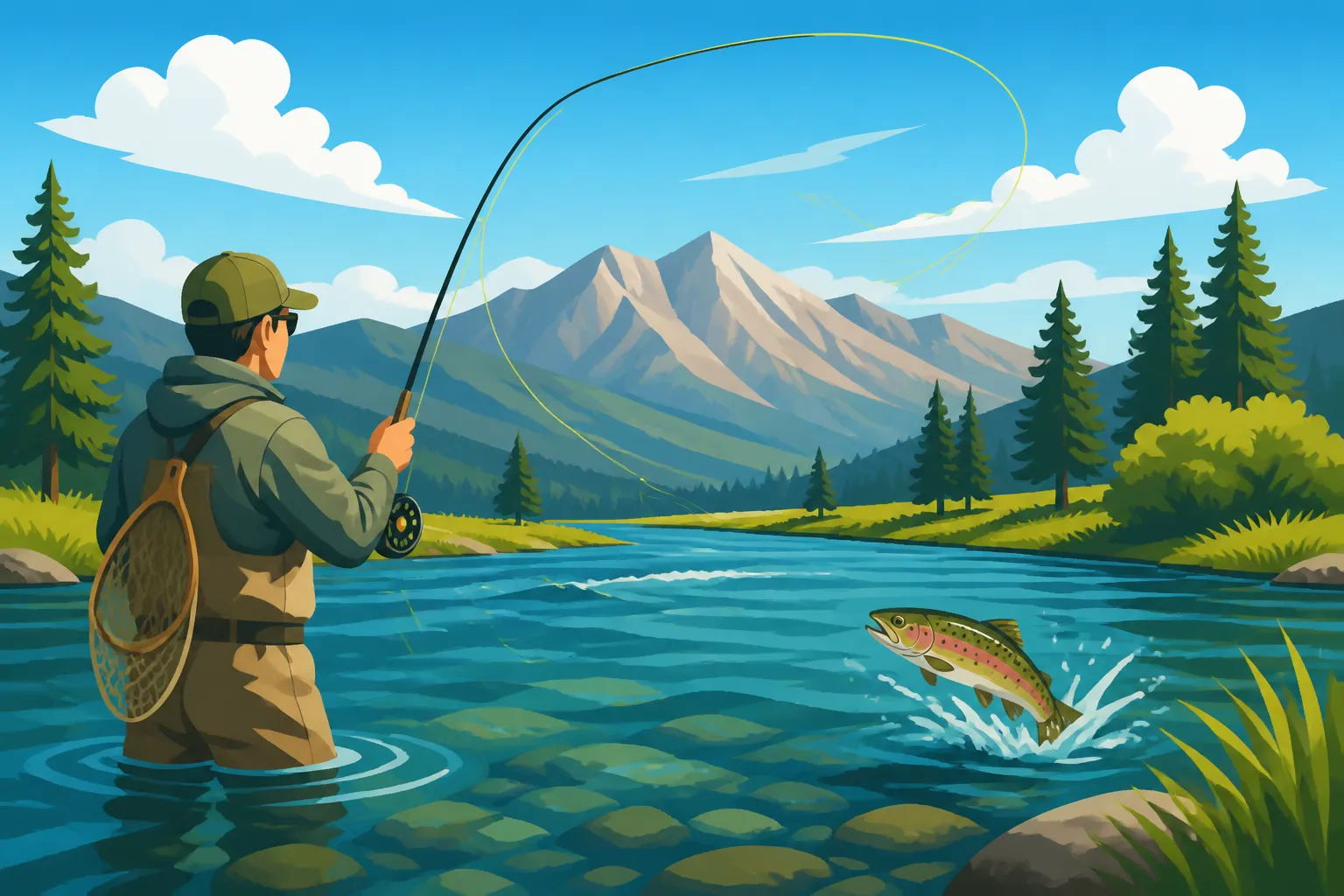
Dry fly fishing on Henry's Fork is legendary, but it's also where the river's technical reputation truly shines. When trout are actively rising, your focus should be on stealth, precision, and a drag-free drift. This often means long casts with long leaders, landing your fly softly and accurately several feet upstream of the rising fish. The idea is to have your fly drift into the trout's feeding lane as naturally as a real insect, without any tell-tale drag or unnatural movement.
Mending is a critical technique here. As your line floats downstream, different currents can pull on different sections of your line, causing your fly to skate or drag unnaturally. Learning to make upstream or downstream mends without disturbing the fly's drift is essential. Sometimes, a "reach cast" or "parachute cast" can help create immediate slack for an extended drift. The specific approach will depend on the current, the fish's position, and the wind. Remember, on Henry's Fork, a perfect drift is often more important than the exact fly pattern, though having the right fly is still crucial. Be prepared to wait, observe, and make your first cast count, especially to a selective riser.
Nymphing and Streamer Tactics
While dry fly fishing gets all the glory, nymphing is often the most consistent way to catch fish on Henry's Fork, especially outside of major hatches or in faster, deeper sections. Indicator nymphing is common, using strike indicators to suspend your nymphs at the correct depth and detect subtle takes. The Box Canyon section, for instance, is famous for its productive nymph fishing, where heavy stonefly or caddis nymph patterns drifted deep can yield impressive results.
European nymphing (or "tight-line" nymphing) techniques, where you maintain direct contact with your flies without an indicator, are also highly effective, allowing for incredibly sensitive strike detection and precise depth control. This is particularly useful in faster water where indicators can be difficult to manage. For streamer fishing, while not as prevalent as dry fly or nymph fishing, it can be deadly during specific times, especially on overcast days or during higher flows. Large, aggressive patterns stripped through deeper pools or along cut banks can provoke a reaction strike from larger, predatory trout. The key to successful nymphing or streamer fishing on Henry's Fork, like all techniques, is understanding where the fish are holding and presenting your flies naturally at the correct depth and speed.
Top Flies for Henry's Fork: Matching the Hatch
The trout of Henry's Fork are connoisseurs, not indiscriminate eaters. Having the right flies, and knowing when to use them, is absolutely paramount. It’s not just about what insect is hatching, but often which specific stage of its life cycle the fish are keying in on.
Common Insect Hatches and Their Imitations
Henry's Fork is famous for its prolific hatches, particularly of mayflies and caddisflies. Early season (late May through June) often sees the legendary Green Drake hatch on the Ranch, a true spectacle that draws anglers from around the globe. Imitations like the Green Drake Parachute, Compara-Dun, or a traditional Hairwing Green Drake in sizes 10-12 are essential. Following this, the Salmonflies and Golden Stones emerge in the Box Canyon and lower river, prompting aggressive eats from large trout. Think large foam patterns or traditional Sofa Pillows in sizes 4-8.
Throughout the summer, a variety of Baetis (Blue-Winged Olives) in sizes 18-22, PMDs (Pale Morning Duns) in sizes 14-18, and caddisflies (like the famous Mother's Day Caddis or later Grannom Caddis) in sizes 14-16 will hatch. Reliable imitations include Parachute Adams, Light Cahill, Elk Hair Caddis, and various emerger patterns. Midges are also a year-round staple, particularly in slower water, often requiring tiny imitations in sizes 20-26. Understanding these patterns is part of the deep dive provided in our article, What Flies to Use on Henry's Fork in Summer.
Emerger and Cripple Patterns
On Henry's Fork, trout are often more selective than simply eating a fully emerged adult insect. They frequently key in on emergers—insects struggling to break through the surface film—or cripples—those that successfully emerged but are unable to fly away. These vulnerable stages represent easy meals. Carrying a wide selection of emerger patterns is crucial. For mayflies, think of patterns like the Sparkle Dun, Loop Wing Emerger, and various CDC (Cul De Canard) emergers that imitate the insect as it transitions from nymph to adult.
Cripple patterns, with a wing intentionally tied to sit unnaturally or a shuck trailing behind, can be incredibly effective when fish are "refusing" your perfect adult dry fly. These flies accurately mimic the unfortunate insects caught in the surface film. Having a box dedicated to emergers and cripples in the sizes and colors of the prevailing hatches will significantly increase your success rate, especially when faced with highly selective, rising fish.
Terrestrial and Attractor Flies
While matching the hatch is often the name of the game, there are times when terrestrials or attractor patterns can be highly effective, especially during the warmer summer months when hoppers, ants, and beetles are prevalent along the banks. Grasshopper patterns like the Dave's Hopper, Morrish Hopper, or a simple foam hopper in sizes 8-14 can draw aggressive strikes, particularly along grassy banks or windy days when insects are blown into the water. Ant patterns (cinching or foam) and beetle imitations in various sizes can also be surprisingly effective.
Attractor patterns, which don't necessarily imitate any specific insect but are designed to "attract" a fish's attention through their profile or color, can also have their moments. Think of patterns like a Royal Wulff, Stimulator, or even a Chubby Chernobyl. These are often used when no specific hatch is occurring, or when prospecting for active fish. While perhaps not the first choice on the famed Ranch, attractor patterns can be excellent for covering water in faster sections or when fishing less pressured stretches of the river.
| Insect Hatch (General) | Season | Common Imitations (Dry) | Common Imitations (Nymph/Emerger) | Typical Sizes |
|---|---|---|---|---|
| Midges | Year-round | Griffith's Gnat, F-Fly | Zebra Midge, Mercury Midge | #20-26 |
| Baetis (BWO) | Spring & Fall | Parachute Adams, Baetis Comparadun | Pheasant Tail Nymph, RS2 | #18-22 |
| Caddis | Spring & Summer | Elk Hair Caddis, X-Caddis | LaFontaine's Sparkle Pupa, Green Rock Worm | #14-18 |
| PMDs (Pale Morning Dun) | Early Summer | Parachute PMD, PMD Thorax Dun | Two-Tone PMD Nymph, Barr's Emerger | #14-18 |
| Green Drake | Late May – June | Green Drake Parachute, Compara-Dun | Green Drake Nymph (e.g., Lawson's Green Drake) | #10-12 |
| Salmonfly/Golden Stone | Late June – July | Sofa Pillow, Chubby Chernobyl | Girdle Bug, Pat's Rubber Legs | #4-8 |
| Terrestrials (Hoppers/Ants/Beetles) | Mid-Summer – Fall | Dave's Hopper, Foam Ant, Elk Hair Caddis | N/A | #8-16 |
Navigating Henry's Fork: Best Access Points and Seasons
Knowing where and when to fish can make all the difference on a river as diverse as Henry's Fork. Each section offers a unique experience, and the seasonal changes bring different opportunities.
Popular Sections for Anglers
The upper reaches of Henry's Fork, particularly the sections above Mesa Falls to Henry's Lake, are often considered the most famous and technical.
- The Ranch (Harriman State Park): This is the legendary "Henry's Fork near Last Chance" section, known for its flat, slow, crystal-clear water and large, highly selective trout. It's primarily a dry fly fishery and is often restricted to walk-wading only. This is where you'll find the most challenging, yet rewarding, dry fly opportunities. Access requires parking and a walk, and often a bit of a wait for an open spot during peak seasons.
- Box Canyon: Located below the Island Park Dam, this section offers faster, more turbulent water, making it a prime nymphing and streamer fishery. It’s accessible by wading, but many prefer to float it in a drift boat or raft, stopping to wade promising runs. The fish here are still large and strong but often less selective than those on the Ranch. Our post, Fishing Henry's Fork Near Island Park, offers more detail on this area.
- Mesa Falls/Ashton: Below Box Canyon, the river widens and slows, offering a mix of water types. It’s popular for both wade and float fishing, with good opportunities for dry flies, nymphs, and streamers depending on the season and specific water. This area can be a great option when the more famous sections are crowded.
Each of these sections, and others further downstream, demands different tactics and patience. What works in one spot might not in another, even a mile away.
Seasonal Considerations and When to Go
Henry's Fork is a year-round fishery, but different seasons offer distinct advantages and challenges.
- Spring (April-May): This is a time of transition. Runoff can impact the lower river, but the upper, spring-fed sections remain clearer. Early season caddis hatches, particularly the Mother's Day Caddis, can be spectacular. Baetis hatches are also common. It's a great time to target active fish with nymphs and streamers, and dry fly opportunities start to pick up.
- Summer (June-August): This is peak season, especially for the famous hatches. The Green Drake hatch on the Ranch in late May to mid-June is legendary. Salmonflies and Golden Stones in the Box Canyon create explosive action. PMDs and caddis are prevalent throughout the summer. While fishing can be incredible, so can the crowds. Early mornings and late evenings often provide the best dry fly fishing and fewer anglers. This is when you'll be asking, How to Fish Henry's Fork During a Hatch.
- Fall (September-October): Many consider fall to be the best-kept secret of Henry's Fork. Crowds thin out, fish are still actively feeding, and the scenery is stunning. Major hatches like Baetis and Mahoganies occur, and terrestrial fishing can remain strong. Brown trout begin their pre-spawn migrations, offering opportunities for larger fish on streamers. The cooler temperatures make for a very pleasant fishing experience.
- Winter (November-March): While challenging due to cold temperatures, winter can offer surprisingly good fishing, especially on warmer days. Midges are the primary food source, and slow, precise nymphing techniques can be very effective in the slower, deep pools. It's a time for solitude and the chance at a truly hard-earned winter trout. Always check local weather and ice conditions before venturing out. For more general advice, consult the Best Time of Year to Fish in Idaho guide.
Working with a Local Guide
Given the technical nature of Henry's Fork and its constantly changing conditions, hiring a local guide, even for a day or two, can dramatically increase your success and enjoyment. A good guide knows the river intimately: where the fish are holding, what they're eating, and what techniques are most effective right now. They can provide invaluable instruction on casting, presentation, and entomology specific to Henry's Fork. Many reputable guide services operate in the Island Park and Ashton areas.
Beyond just finding fish, guides offer insights into river etiquette, conservation practices, and often supply top-tier gear, flies, and a delicious streamside lunch. For those unfamiliar with the river, it's an investment that pays dividends in learning and opportunity. You can find guides through local fly shops like Henry's Fork Anglers or online platforms like FishingBooker. When planning your trip, consider browsing guides on FishingBooker well in advance, especially during peak season, to ensure you secure a spot with a highly-rated professional. A great guide can turn a potentially frustrating experience into a memorable and successful one. Our article, Henry's Fork Fishing Guides, offers more insights into finding the right fit.
Beyond the Cast: Etiquette and Conservation on Henry's Fork
Fishing on Henry's Fork is a privilege, and with that comes a responsibility to protect its unique resources and respect fellow anglers. Adhering to proper etiquette and conservation practices ensures this incredible fishery remains vibrant for generations to come.
Respecting Other Anglers and the Water
Due to its popularity, especially during peak hatches, Henry's Fork can get crowded. Good river etiquette is crucial. Always give other anglers ample space. If someone is fishing a run, don't crowd them or jump in upstream or downstream too closely. The general rule of thumb is to give at least a cast-length of space, but often more, especially on a technical river where long drifts are common. Be mindful of wading paths, and try to avoid disturbing the water or fish that another angler might be targeting. If floating, be courteous to wade anglers; don't anchor directly above or below them without communication.
When launching or taking out boats, do so efficiently and avoid blocking ramps. Henry's Fork is a resource for everyone, and mutual respect ensures that every angler can enjoy their time on the water. A simple nod or "hello" goes a long way. Remember, we're all out there for the same reason: to enjoy the beauty and challenge of this special place.
Catch and Release Best Practices
Henry's Fork is almost entirely a catch-and-release fishery for its wild trout, and practicing proper handling techniques is critical for the survival of these fish. Use barbless hooks, or pinch down the barbs on your hooks; this makes removal much easier and less damaging to the fish. Fight fish quickly and efficiently to avoid over-stressing them, especially larger individuals. Keep the fish in the water as much as possible; minimize air exposure, which can strip away their protective slime and cause gill damage.
If you must take a photo, do so quickly, holding the fish horizontally with wet hands. Revive the fish gently in the current, holding it upright until it can swim away under its own power. Never put fish on dry ground or squeeze them tightly. Each fish released successfully is a future catch for yourself or another angler. Understanding these rules is also tied into broader Idaho Fishing Regulations Explained.
Protecting the Unique Ecosystem
Henry's Fork is a delicate spring creek ecosystem, and its health relies on the responsible actions of all who visit. Stay on established paths and access points to avoid trampling sensitive streamside vegetation. Be careful not to disturb redds (spawning beds), which appear as clean, gravelly depressions on the river bottom, especially during spawning seasons. Wading through redds can destroy incubating eggs.
Pack out all your trash, including monofilament scraps, which can be deadly to wildlife. Clean your wading boots and gear between different water bodies to prevent the spread of invasive species like whirling disease or New Zealand mudsnails. Many guides listed on platforms like FishingBooker are passionate advocates for conservation and can offer guidance on local best practices. Supporting local conservation efforts and being an informed, responsible angler helps preserve Henry's Fork's legendary status for generations of fly anglers to come. Your adherence to these principles is as important as your casting technique in ensuring the long-term health of this magnificent river.
Disclaimer
Please remember that fishing regulations, conditions, and fish behavior can change rapidly. Always consult the latest Idaho Fish and Game regulations proclamation before heading out on any fishing trip. The information provided in this guide is for general informational purposes only and should not be considered legal or professional advice.