Best Fishing Spots in Southern Idaho
Trying to figure out where to cast your line in Southern Idaho can feel like searching for a needle in a haystack, especially with so many diverse landscapes and rumors of epic fishing spots. It’s easy to get overwhelmed by the sheer number of rivers, lakes, and reservoirs, not to mention figuring out what fish are even biting where. This comprehensive guide will break down the absolute best fishing spots in Southern Idaho, what you can expect to catch, and the unique challenges and rewards each location offers, ensuring your next angling adventure is a memorable one.
The Mighty Snake River: A Vein of Opportunity
The Snake River, winding its way across Southern Idaho, isn't just a geographical feature; it's a lifeline for anglers. This immense waterway offers an incredible diversity of fishing experiences, from battling prehistoric giants to chasing feisty bass, truly offering something for every type of angler.
Sturgeon Fishing on the Middle Snake
Let's be honest, few fishing experiences compare to the adrenaline rush of hooking into a White Sturgeon. The Middle Snake River, particularly the stretches below C.J. Strike Dam and around Swan Falls Dam, is legendary for these magnificent fish. These aren't just big fish; they're living dinosaurs that can easily exceed 10 feet and weigh hundreds of pounds, making them an incredible challenge on the end of your line.
The game here is patience and heavy tackle. You'll need stout rods, heavy-duty reels spooled with strong braided line, and robust circle hooks. The most common and effective bait is fresh cut bait, typically anything oily like carp, Pikeminnow, or even salmon scraps. You'll anchor your boat in a likely hole or current break and cast your bait out, then settle in for the wait. When a sturgeon bites, it’s often a subtle tap that turns into a deliberate, powerful pull. The fight is typically a series of long, powerful runs and deep dives, testing your endurance and your gear. Remember, Idaho has strict Idaho Sturgeon Fishing Rules that mandate catch-and-release only, and you can't remove them from the water. This is to protect these ancient, slow-growing fish, some of which are over 100 years old. If you're looking to maximize your chances and learn the ropes, many local guides specialize in sturgeon trips, which you can often find listed on platforms like FishingBooker. They know the river's moods and the sturgeon's haunts like the back of their hand.
Smallmouth Bass Hotspots
While the sturgeon steal the headlines, the Snake River is also a fantastic destination for Smallmouth Bass. These bronze bombers are known for their aggressive strikes and acrobatic fights, especially when caught on light tackle. Look for them in areas with rocky banks, submerged structure, and current breaks, particularly downstream from reservoirs like C.J. Strike and American Falls, as well as the numerous basalt canyons that define much of the river.
Spring and fall are prime times, as the water temperatures are ideal, and the bass are actively feeding. In the warmer summer months, they'll often move to deeper, cooler water, but early mornings and late evenings can still produce excellent topwater action. Lure choices are varied: small crankbaits, spinnerbaits, tube jigs, and soft plastic grubs all work wonders. If you're new to fishing the river for bass, start by targeting visible structure like rock piles, log jams, and eddy lines. A common frustration for new anglers is getting snagged in the rocky bottom, so bring plenty of extra lures. The key is to be persistent and move around until you find a concentration of fish. The sheer size of the Snake River means there's always a new bend or eddy to explore for these feisty fighters.
Trout and Catfish in Slower Sections
Beyond the giants and the jumpers, the Snake River also holds a respectable population of Rainbow Trout and Channel Catfish, particularly in its slower-moving sections and backwaters. While not as famous for trout as some of Idaho's dedicated trout streams, the Snake still offers good opportunities, especially for those who prefer bait fishing.
Trout can be found in cooler, more oxygenated areas, often near inflowing creeks or below dams where water is churned. Simple setups with worms, PowerBait, or even corn can be effective, fished near the bottom or under a bobber. For Channel Catfish, the slower, deeper pools and sections with muddy bottoms are prime real estate. They are opportunistic feeders and will readily take stink baits, cut bait, chicken livers, or even hot dogs. Night fishing can be incredibly productive for catfish during the warmer months, offering a peaceful, often solitary angling experience under the Idaho stars. These slower sections are generally more accessible for bank anglers, making them a great option for a relaxed day of fishing without the need for a boat. Just be sure to check the specific Idaho Fishing Regulations Explained for the stretch you plan to fish, as rules can vary.
Central Idaho's Sparkling Reservoirs
Southern Idaho is dotted with impressive reservoirs, each offering its own unique fishing opportunities. These large impoundments provide everything from trophy-sized predators to abundant panfish, making them cornerstones of the region's fishing scene.
Lake Cascade for Trophy Pike and Perch
Lake Cascade, nestled in the mountains an hour north of Boise, has earned a stellar reputation for its massive Tiger Muskies and incredibly prolific Yellow Perch fishery. If you're dreaming of a true trophy fish, this is where you go for a Muskie. These hybrid predators can grow to astounding sizes, offering heart-stopping strikes and battles. Trolling large crankbaits or casting oversized bucktails are common methods for targeting them, particularly around weed beds and drop-offs. Their elusive nature means patience and persistence are key, but the reward of landing a 40-inch-plus Muskie is unforgettable.
But Cascade is perhaps even more famous for its Yellow Perch. These panfish grow large and are incredibly abundant, making it a fantastic destination for both boat and ice anglers. During the winter, Cascade becomes an ice fishing mecca, with anglers drilling holes across the frozen lake, jigging for perch that often exceed a foot in length. Summer perch fishing is also excellent, whether you're jigging from a boat over submerged structures or using a simple bobber and worm setup from the shore. This fishery provides consistent action, making it a perfect spot for families and beginners. Many anglers even bring portable fish finders to locate schools of perch, enhancing their success.
C.J. Strike Reservoir's Diverse Fishery
C.J. Strike Reservoir, located southeast of Boise at the confluence of the Snake and Bruneau Rivers, is a genuine angling playground. This sprawling reservoir boasts an incredibly diverse fish population, offering something for almost everyone. Here, you can target Smallmouth Bass, Crappie, Rainbow Trout, and even White Sturgeon in the lower sections.
The reservoir's irregular shape, with numerous coves, channels, and submerged structures, creates an abundance of habitat. For bass, focus on rocky points, ledges, and areas with submerged timber. Crankbaits, jigs, and soft plastics are all effective. Crappie fishing heats up in the spring and early summer when they move into shallower waters to spawn. Small jigs, minnows, or even tiny plastic baits fished under a bobber around brush piles and docks can lead to fast action. Rainbow Trout are regularly stocked and can be caught throughout the reservoir, often by trolling with spoons or spinners, or by bait fishing with PowerBait or worms from shore, particularly near the dam and boat ramps. The sheer size and variety of C.J. Strike mean you can spend days exploring different arms and finding new favorite spots. It's truly a multi-species angler's paradise, and a popular choice if you're looking for a Best Fishing Spots Near Boise option.
Anderson Ranch Reservoir for Trout and Kokanee
High in the scenic Boise National Forest, Anderson Ranch Reservoir is a beautiful destination for those seeking a more mountainous fishing experience. While it's known for its stunning surroundings, it's also a productive fishery, primarily for Rainbow Trout and Kokanee Salmon. The pristine, deep waters provide excellent habitat for these species.
Trolling is the most popular and effective method for both trout and Kokanee. Anglers often use downriggers to get their lures or dodger/hoochie combinations down to the desired depths where these fish are suspended. Small spoons like Needlefish or Kokanee Killers, often tipped with corn, are incredibly popular for Kokanee. For trout, various colored spoons and spinners work well. The fishing here can be fantastic from spring through fall, though the best bite often occurs in the cooler months. Access can be a bit more challenging than some lower-elevation reservoirs due to the mountain roads, but the breathtaking scenery and the chance at a fresh Kokanee dinner make it well worth the trip. Just be mindful of water levels, as reservoirs can fluctuate throughout the year.
High Mountain Gems of the Sawtooths and Beyond
For those who love to combine breathtaking scenery with pristine fishing, Southern Idaho's high mountain lakes and streams are truly unmatched. These spots often require a bit more effort to reach, but the solitude and beauty, coupled with eager trout, are an angler's dream.
Redfish Lake and the Sawtooth High Lakes
Redfish Lake, iconic for its dramatic Sawtooth Mountain backdrop and namesake Sockeye Salmon run, offers more than just scenic beauty; it’s a fantastic place to fish for a variety of trout species. While the Sockeye are protected and not targeted by anglers, the lake holds good populations of Rainbow Trout, Dolly Varden, and the occasional Bull Trout (which must be immediately released due to their protected status). Trolling with spoons or small plugs is effective, as is still fishing with bait from shore.
Beyond Redfish Lake, the entire Sawtooth Wilderness is speckled with hundreds of high mountain lakes and streams, accessible only by hiking or horseback. These remote waters are teeming with eager Brook Trout, Cutthroat Trout, and sometimes Rainbow Trout. The fish in these high-country gems, while often not huge, are typically abundant and aggressive, readily taking dry flies, small spinners, or even a simple worm under a bobber. This is truly an experience where the journey is as rewarding as the catch. Packing light and having the right gear for a What Gear to Pack for a Sawtooth Backcountry Fishing Trip is essential. There's nothing quite like casting a fly on a crystal-clear alpine lake with jagged peaks reflecting in the water, miles from any road.
Stanley Basin Tributaries
The rivers and creeks flowing through the Stanley Basin, particularly those feeding into the Salmon River headwaters, are legendary among fly anglers. These gin-clear, cold waters are home to native Westslope Cutthroat Trout and various other trout species. While some stretches are quite accessible, others require careful wading and stealthy approaches.
Fly fishing is the preferred method here, with dry flies often bringing fish to the surface, especially during prolific insect hatches. Nymphing and streamer fishing are also highly effective, particularly in deeper runs and pockets. These fish are often wild and wary, so presentation is key. The scenery here is nothing short of spectacular, with deer and elk often grazing along the banks. It’s a perfect destination for those looking to hone their fly-fishing skills in a truly wild setting. Be sure to check regulations closely, as many of these sensitive waters have specific gear restrictions and catch-and-release rules to protect the native fish populations.
Warm Lake and Deadwood Reservoir
For those seeking high-country fishing that's a bit more accessible than a strenuous hike, Warm Lake and Deadwood Reservoir offer excellent options, combining beautiful mountain settings with solid fishing. Warm Lake, located in the Boise National Forest, is a popular spot for Rainbow Trout, Brook Trout, and Cutthroat Trout. It’s a great family-friendly destination with camping available right on the lake. Trolling or still fishing with bait are popular methods, and the lake offers a serene atmosphere, especially on weekdays.
Deadwood Reservoir, further into the forest, is a larger, more remote impoundment known for its populations of Rainbow Trout, Cutthroat Trout, and Kokanee Salmon. It's a fantastic spot for trolling, offering plenty of space and stunning views. While it requires a bit of a drive on gravel roads, the reward is a less-crowded experience and excellent fishing. Both of these reservoirs are often popular for camping trips, allowing anglers to spend several days immersing themselves in the peace and quiet of the Idaho wilderness. Remember to bring insect repellent, especially during the summer months!
Family-Friendly Ponds and Urban Escapes Near Boise
Sometimes you just need a quick, easy fishing fix, or a place to take the kids where success is almost guaranteed. The Boise area and its surroundings offer a surprising number of accessible and well-stocked fishing spots, perfect for a few hours of relaxation.
Boise River Greenbelt Access
Right through the heart of Boise runs the Boise River, and its urban sections along the Greenbelt offer fantastic, easily accessible fishing. Idaho Fish and Game regularly stocks these waters with Rainbow Trout, making them ideal for beginners and families. Beyond the stocked trout, the river also holds Smallmouth Bass, the occasional Largemouth Bass, and various panfish.
Fishing from the bank is simple and effective. A light spinning rod with a bobber and worm, PowerBait, or small spinners like a Mepps or Rooster Tail will often get you into fish. The beauty of the Greenbelt is its convenience; you can literally fish a few minutes from downtown. It’s perfect for an after-work outing or a weekend morning with the kids. Just remember that some sections of the river within city limits have special regulations, so always consult the current Idaho Fishing Regulations Explained brochure. The river provides a wonderful escape without having to drive for hours, proving that excellent fishing isn't always deep in the wilderness.
Eagle Island State Park and Local Ponds
For truly beginner-friendly and family-oriented fishing, the numerous ponds managed by Idaho Fish and Game, like those within Eagle Island State Park, are outstanding. These "community fisheries" are designed for easy access and high success rates, with frequent stocking of Rainbow Trout throughout the spring, fall, and even winter.
These ponds often have paved paths, accessible docks, and picnic areas, making them ideal for a relaxed day outdoors. Besides trout, many ponds also contain populations of Largemouth Bass, Bluegill, and Perch, offering variety. Simple bait fishing with worms, corn, or PowerBait is usually all it takes to get bites. It's a fantastic way to introduce children to the joys of fishing without the frustration of difficult conditions. Locations like Eagle Island Pond, Kleiner Park Pond in Meridian, and McDevitt Pond in Boise are perennial favorites for their accessibility and consistent action. This is the perfect answer for parents asking, "Where are the Family-Friendly Fishing Spots in Idaho?"
Lucky Peak Reservoir for After-Work Bites
Just a short drive east of Boise, Lucky Peak Reservoir is another excellent, multi-species option that’s incredibly convenient. It’s a popular spot for locals to hit after work or for a quick weekend outing. The reservoir holds Rainbow Trout, Kokanee Salmon, Smallmouth Bass, and Yellow Perch.
Trolling is very productive here for trout and kokanee, especially during the cooler months of spring and fall. For bass and perch, anglers can target rocky points and submerged structures, casting jigs, crankbaits, or plastic worms. The access here is excellent, with several boat ramps and ample shoreline access for bank fishing. Lucky Peak provides a great opportunity to catch a variety of fish species close to the city, allowing you to get a quality fishing experience without the long drive into the backcountry. It's a consistent producer and a staple for many Boise-area anglers.
Eastern Idaho's Diverse Fisheries
Eastern Idaho boasts some of the most famous and diverse fisheries in the entire state, drawing anglers from around the globe to its world-renowned rivers and expansive reservoirs.
Henry's Fork of the Snake River: A Fly Fishing Mecca
The Henry's Fork, a tributary of the Snake River, is not just a fishing spot; it’s a legend among fly anglers worldwide. Renowned for its incredibly selective trout and challenging but rewarding dry fly fishing, it's a place where you truly test your skills. The river is a spring creek fishery, characterized by consistent water temperatures and incredibly rich insect hatches. This means the fish, primarily large, wild Rainbow Trout, often have an abundance of natural food and can be very particular about what they'll eat.
Sections like the "Box Canyon," "Ranch," and "Cardiac Canyon" each offer unique challenges and rewards. Mastering the Henry's Fork often involves precise casting, delicate presentations, and matching the hatch. Anglers flock here during the famous "Green Drake" and "Salmonfly" hatches, hoping to land a trophy trout on a dry fly. Because of its technical nature, many anglers opt to hire one of the expert Henry's Fork Fishing Guides available, many of whom can be found through services like FishingBooker, to learn the nuances of this remarkable river. It's a place where you might not catch a huge number of fish, but the ones you do catch are hard-earned trophies and truly unforgettable.
The South Fork of the Snake River
Another gem in Eastern Idaho, the South Fork of the Snake River, is widely considered one of the best float trips for trout fishing in the United States. This magnificent river flows through a scenic canyon and is home to a robust population of native Yellowstone Cutthroat Trout, along with Rainbow Trout and hybrid "cutbows."
The most popular way to fish the South Fork is from a drift boat, allowing anglers to cover many miles of prime water and access spots unreachable from shore. Fly fishing is dominant here, with dry flies, nymphs, and streamers all proving effective depending on the season and conditions. The river is known for its incredible insect hatches and prolific caddis and stonefly populations. Unlike the Henry's Fork, the fish here are often more forgiving, making it an excellent destination for both experienced and intermediate fly anglers. The stunning scenery, abundant wildlife, and consistent action make a float trip down the South Fork an essential Idaho fishing experience. Many guides operate on this river, offering full-day or multi-day trips.
Palisades Reservoir and American Falls Reservoir
Eastern Idaho isn't just about rivers; it also offers some fantastic reservoir fishing. Palisades Reservoir, located on the Wyoming border, is a massive body of water known for its Cutthroat Trout, Rainbow Trout, and Kokanee Salmon. Its vastness means there's always new water to explore, whether you're trolling, still fishing, or even fly fishing in its many coves and inlets. The fishing here can be excellent, especially for those with a boat, and the views of the surrounding mountains are spectacular.
Further west, American Falls Reservoir, another significant impoundment on the Snake River, offers a different flavor of fishing. It's particularly renowned for its populations of Yellow Perch, Rainbow Trout, and various warm water species. Perch fishing here can be phenomenal, especially through the ice in winter or by jigging from a boat in summer. Trout are regularly stocked and provide consistent action. The reservoir is vast and can be quite windy, but for anglers willing to explore, it offers abundant opportunities. Both Palisades and American Falls are key components of the Idaho Fishing Season Calendar, providing year-round opportunities depending on ice conditions.
Essential Gear and Techniques for Southern Idaho
Knowing where to fish is only half the battle; knowing how to fish these diverse waters and what gear to bring is equally crucial for a successful trip. Southern Idaho's varied environments demand a versatile approach.
Adapting Your Tackle to Idaho's Diversity
Given the wide range of species and water types in Southern Idaho, a "one-size-fits-all" tackle setup simply won't cut it. For general trout fishing in rivers and smaller lakes, a light to medium-light spinning rod (6' to 7') with 4-6 lb test line is perfect. This setup is sensitive enough for delicate trout bites but has enough backbone for decent-sized rainbows. If you're venturing into fly fishing on rivers like the Henry's Fork or South Fork, a 9-foot, 5-weight fly rod is your workhorse, capable of handling dry flies, nymphs, and smaller streamers.
However, when you step up to targeting larger species, your gear needs to follow suit. For the powerful Smallmouth Bass in the Snake or C.J. Strike, a medium-action spinning or casting rod with 8-12 lb line will give you the power to pull them from cover. For the monstrous White Sturgeon, you're talking heavy-duty offshore gear: a stout boat rod (7-8 feet) rated for 80-130 lb line, paired with a large conventional reel spooled with 80-100 lb braided line. And for Tiger Muskies in Lake Cascade, you'll want heavy casting rods and robust reels to handle their size and the large lures required. Always consider the species and water when preparing your Idaho Fishing Gear Guide by Season to avoid being under-gunned or over-equipped.
Reading the Water: From Rivers to Reservoirs
Successfully fishing in Southern Idaho means learning to "read the water" – understanding where fish are likely to hold based on currents, structure, and depth. In rivers, this means identifying seams, eddies, pools, riffles, and undercut banks. Fish will often congregate in areas where current brings food but also provides a break from the main flow. For example, a slow eddy behind a large boulder in the Snake River can be a prime spot for a smallmouth bass or a lurking catfish. Knowing How to Read a Riffle on an Idaho River or a deep pool is critical.
In reservoirs, the concept shifts to identifying structure: submerged timber, rock piles, drop-offs, points, and old creek channels. These areas concentrate baitfish, which in turn attract predatory species like trout, bass, and kokanee. Using a fish finder becomes invaluable in these larger bodies of water to locate thermoclines, schools of bait, and the structure that holds fish. Whether you're targeting trout suspended deep in Anderson Ranch or crappie around a submerged brush pile in C.J. Strike, understanding depth and bottom contours is paramount. Learning these skills is a key part of the Idaho Fishing Techniques Guide.
Best Baits and Lures for Southern Idaho Species
The "best" bait or lure in Southern Idaho depends entirely on your target species and the specific water you're fishing. For stocked Rainbow Trout in ponds and many reservoirs, PowerBait (especially in popular colors like chartreuse, rainbow, or garlic scent), worms, and corn are perennial favorites, often fished off the bottom with a sliding sinker or under a bobber. Small spinners (Mepps, Rooster Tail, Panther Martin) and spoons (Kastmaster, Little Cleo) are also highly effective.
For Smallmouth Bass, crankbaits, spinnerbaits, tube jigs, and soft plastic grubs are top producers. Topwater lures can provide exhilarating strikes during low-light conditions. When chasing Kokanee Salmon, specialized Kokanee dodgers paired with small hoochies or wedding rings tipped with corn are the go-to, typically trolled at specific depths. Sturgeon, as mentioned, demand large, oily cut bait. And for fly anglers, matching the hatch with appropriate dry flies, presenting various nymphs, or stripping streamers will cover most trout fishing scenarios. Always consider bringing a variety of options, as fish preferences can change throughout the day.
Navigating Regulations and Seasons
Idaho's fishing regulations are designed to protect its diverse fish populations and ensure sustainable angling for future generations. Understanding these rules and seasonal variations is not just good practice; it's mandatory.
Understanding Idaho's Fishing Licenses and Permits
Before you even think about wetting a line in Southern Idaho, you need the proper documentation. Every angler 14 years or older is required to possess a valid Idaho Fishing License Guide. For residents, there are various options, including annual licenses, combination hunting and fishing licenses, and specialized senior or disabled licenses. Non-residents also have annual or shorter-term options, such as a one-day or three-day license, which can be great for a quick trip.
Beyond the general fishing license, some species or locations may require additional permits or tags. While the famous Salmon and Steelhead permits are primarily for rivers in Central and North Idaho, it's always wise to check if any special endorsements are needed for unique fisheries like sturgeon. You can easily purchase your license online through the Idaho Fish and Game website, or at numerous vendors like sporting goods stores (e.g., Cabela's, Sportsman's Warehouse) throughout the state. Having your license readily available, either a physical copy or on your phone, is crucial. Checking the How to Buy an Idaho Fishing License guide is always a good first step.
Key Regulations to Keep in Mind
Idaho's fishing rules are detailed and can vary significantly from one water body to another, or even between different sections of the same river. It’s absolutely vital to obtain and review the most current Idaho Fishing Regulations Explained brochure each year, as rules are subject to change.
Common regulations you'll encounter include daily bag limits and possession limits, which dictate how many fish of a certain species you can keep per day and how many you can have in your possession at any given time. There are often length limits for specific species, requiring you to release fish below or above a certain size. Special rule waters might have catch-and-release only policies, single barbless hook requirements (common for sensitive trout fisheries and sturgeon), or restrictions on bait use. For instance, specific waters in the Henry's Fork system might be fly-fishing-only, and sturgeon fishing is strictly catch-and-release with barbless hooks. Ignorance of the law is no excuse, and wardens patrol regularly. Always know the rules for the specific water you're fishing.
Best Times to Plan Your Trip
Southern Idaho offers year-round fishing opportunities, but the "best time" to plan your trip depends heavily on what species you're targeting and what kind of experience you're after.
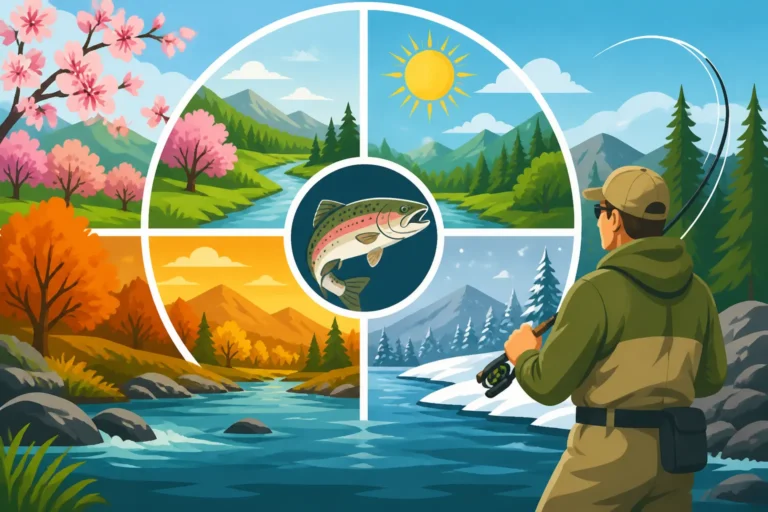
- Spring (March-May): This is often a fantastic time for trout in lower elevation rivers and reservoirs as waters warm up and fish become more active. Bass fishing also picks up as they move towards shallower spawning areas. High mountain lakes will still be frozen or just thawing (ice-out fishing can be superb!). Spring runoff can make larger rivers muddy and high, impacting fishing.
- Summer (June-August): Prime time for high mountain lakes and streams once the snow melts and roads open. Warm Lake, Deadwood, and the Sawtooth high lakes shine. The Henry's Fork and South Fork of the Snake offer excellent dry fly fishing during hatches. Reservoirs like C.J. Strike and Lucky Peak are great for bass and panfish. Sturgeon fishing on the Snake is also hot.
- Fall (September-November): Many anglers consider fall to be the absolute best time for trophy trout. Cooler temperatures make fish more active, and spawning runs for some species can offer incredible action. Steelhead (though more Central/North Idaho) runs occur, and bass and perch fishing in reservoirs remains strong. The beauty of fall colors adds to the experience.
- Winter (December-February): Ice fishing takes center stage, with Lake Cascade being a prime example for jumbo perch. Many reservoirs and smaller lakes offer good ice fishing for trout and panfish. Open water fishing on the Boise River and sections of the Snake River can still produce trout and whitefish on milder days.
Understanding these seasonal patterns, often outlined in the Best Time of Year to Fish in Idaho guides, allows you to align your visit with your fishing goals, ensuring you hit the waters when your target species are most active.
| Fishing Spot | Primary Species | Best Season(s) | Typical Methods | Key Considerations |
|---|---|---|---|---|
| Middle Snake River | Sturgeon, Smallmouth Bass | Spring, Summer, Fall | Bait, Lures | Catch-and-release for sturgeon, heavy tackle. |
| Lake Cascade | Tiger Muskie, Yellow Perch | Summer, Winter (Ice Fishing) | Trolling, Jigging | Trophy muskie, abundant perch, popular for ice fishing. |
| C.J. Strike Reservoir | Smallmouth Bass, Crappie, Trout | Spring, Summer, Fall | Lures, Jigs, Bait, Trolling | Diverse fishery, great for multi-species. |
| Anderson Ranch Reservoir | Rainbow Trout, Kokanee | Spring, Summer, Fall | Trolling (with downriggers) | Beautiful mountain setting, check water levels. |
| Redfish Lake (Sawtooths) | Rainbow Trout, Dolly Varden | Summer, Fall | Trolling, Bait | Stunning scenery, Sockeye are protected. |
| Henry's Fork of the Snake | Rainbow Trout | Spring, Summer, Fall | Fly Fishing (dry, nymph, streamer) | World-renowned, technical, selective trout. |
| South Fork of the Snake | Cutthroat, Rainbow Trout | Spring, Summer, Fall | Fly Fishing (float trips) | Premier float trip, abundant wild trout. |
| Boise River (Greenbelt) | Rainbow Trout, Smallmouth Bass | Year-round | Bait, Spinners, Lures | Accessible, frequently stocked, urban fishing. |
| Eagle Island State Park Ponds | Rainbow Trout, Bass, Panfish | Year-round | Bait, Spinners | Family-friendly, highly accessible, regularly stocked. |
Planning Your Southern Idaho Fishing Adventure
With so many incredible options, putting together your Southern Idaho fishing trip might seem like a daunting task. But a little planning goes a long way to ensure a successful and enjoyable experience.
When to Consider a Guided Trip
For many of Southern Idaho's premier fisheries, especially if you're targeting specific, challenging species or venturing into technical waters, a guided trip can be an invaluable investment. Imagine trying to navigate the currents and holes of the Snake River for sturgeon on your own, or attempting to "match the hatch" on the Henry's Fork without local knowledge. Guides bring years of experience, specialized gear, and an intimate understanding of the water.
This is particularly true for fly-fishing on rivers like the Henry's Fork and the South Fork of the Snake, where a guide can teach you specific casting techniques, show you the best runs, and help you understand the current insect activity. For trophy Tiger Muskie on Lake Cascade or chasing big Smallmouth Bass, a guide can save you countless hours of trial and error. Websites like FishingBooker make it easy to find and compare reputable Idaho Fishing Guides and Charters Directory in specific areas, helping you understand Idaho Fishing Guide Cost Guide and what to expect. While an added expense, the knowledge gained and the increased chances of success often make it well worth it, especially for a bucket-list species or a first-time visit.
Beyond the Fish: Maximizing Your Experience
Fishing in Southern Idaho is about more than just the fish you catch; it's about the entire experience. The region offers stunning landscapes, abundant wildlife, and endless opportunities for other outdoor activities. When planning your trip, consider what else you might want to do.
If you're heading to the Sawtooths, factor in time for hiking, photography, or even whitewater rafting on the Salmon River. Near Boise, you can combine a fishing trip with exploring the city's vibrant food scene or taking a scenic drive up Bogus Basin. In Eastern Idaho, after a day on the Henry's Fork, you might explore Yellowstone National Park or Grand Teton National Park, which are just a short drive away. Many fishing spots also offer fantastic camping, allowing you to immerse yourself fully in nature. Remember to pack appropriate clothing for Idaho's sometimes unpredictable weather, and always practice Leave No Trace principles to preserve these beautiful places for future generations. Respect private property, clean up after yourself, and be a good steward of the land.
The Importance of Local Knowledge
While guides offer concentrated expertise, tapping into broader local knowledge can also greatly enhance your fishing trip. Before you head out, visit local tackle shops or sporting goods stores in towns like Boise, McCall, Salmon, or Island Park. These shops are goldmines of current information. The staff often fish these waters themselves and can provide up-to-the-minute reports on what's biting, what baits or flies are working, and any specific conditions (like water levels or recent stocking reports) you should be aware of.
They can also advise you on lesser-known access points, help you understand nuanced regulations for particular stretches of water, and even point you towards spots that might be less crowded. Don't be shy about asking questions! Many local communities around these fishing spots are incredibly welcoming and full of passionate anglers eager to share their insights. Online forums and local fishing groups can also be great resources, providing community insights into recent catches and conditions. This local intel, combined with resources like Idaho Fish Species Guide, will empower you to make informed decisions and truly discover the best fishing spots in Southern Idaho.
Disclaimer
The information provided in this guide is for general informational purposes only and is subject to change. Fishing regulations, season dates, and fish populations can vary. Always consult the latest official Idaho Fish and Game regulations and local conditions before planning and embarking on any fishing trip. Adhere to all safety guidelines and respect private property.