Idaho Fishing Regulations for the Middle Fork of the Salmon River
Planning a fishing trip to the Middle Fork of the Salmon River can feel like navigating a maze of bureaucracy, especially when you're just trying to understand the rules. This incredible waterway, flowing through one of America's most pristine wilderness areas, has a unique set of regulations designed to protect its wild character and incredible fisheries. This guide will help you decipher the specific Idaho fishing regulations you absolutely need to know before you cast a line on the Middle Fork, ensuring a legal and memorable adventure.
Understanding the Unique Challenges and Regulations of the Middle Fork Salmon River
The Middle Fork of the Salmon River isn't just any Idaho river; it's a designated Wild and Scenic River that carves its way through the Frank Church-River of No Return Wilderness Area. This designation means it's managed with an incredibly light touch, prioritizing conservation and the preservation of its natural state. Because of its remote, wild nature and the presence of sensitive native fish species, the regulations here are much stricter and more specific than what you might encounter on other, more accessible Idaho waters. It's easy to get frustrated by what seems like an endless list of rules, but understanding the "why" behind them can make all the difference in appreciating this special place.
Wilderness Area Designations and Their Impact on Fishing
Being entirely within the Frank Church-River of No Return Wilderness means that the principles of wilderness preservation heavily influence fishing regulations. This isn't a place for motorized boats (except in very limited circumstances on certain stretches) or roadside access. The focus is on primitive recreation and maintaining an untrammeled environment. This impacts everything from how you access the river to the types of gear you can use and how you handle your waste. The goal is to ensure that future generations can experience the same wild beauty and thriving ecosystems that exist today. It's a commitment to protecting a truly unique resource, which often means more stringent rules for visitors.
Species Protection: Bull Trout and Westslope Cutthroat
One of the primary drivers behind the Middle Fork's strict fishing regulations is the protection of its native fish populations, particularly the beautiful Westslope Cutthroat Trout and the federally protected Bull Trout. These species are highly sensitive to angling pressure and habitat disturbance. Westslope Cutthroat are Idaho's state fish and thrive in the clear, cold waters of the Middle Fork. Bull Trout, on the other hand, are a species of special concern, and their populations are carefully managed to prevent further decline. Because these fish are so vital to the river's ecosystem and so vulnerable, the regulations are designed to minimize stress on them, ensure their survival post-catch, and prevent the introduction of invasive species or diseases. Many anglers actually appreciate these rules because they contribute directly to the health of the very fish they seek to catch.
Key Regulations for Fishing the Middle Fork of the Salmon River
When you're packing your gear and dreaming of those pristine waters, the last thing you want is a run-in with a conservation officer because you missed a crucial rule. The Middle Fork requires specific attention to detail when it comes to licenses, gear, and how you handle your catch. It’s not just about compliance; it’s about participating in the stewardship of this irreplaceable resource.
License and Permit Requirements
First things first: you absolutely need an Idaho fishing license to fish any waters in the state, and the Middle Fork is no exception. This applies to both residents and non-residents, with specific age requirements for youth. Beyond the standard license, if you plan to float the Middle Fork during its primary season (generally June 1st through September 7th), you'll need to secure a special permit through a highly competitive lottery system administered by the U.S. Forest Service. This float permit is not explicitly a fishing permit, but it’s an access permit that enables you to fish the river. Without it, your ability to legally access and fish many stretches of the Middle Fork is severely limited.
It's crucial to understand the nuances of these requirements. For a comprehensive overview, I've written a detailed Idaho Fishing License Guide and an Idaho Fishing Permits and Stamps Explained article that can help you sort out exactly what you need. Always carry your physical license or a digital copy that can be easily accessed and shown to enforcement officials. Don't rely on getting it last minute; secure your licenses and understand permit requirements well in advance. You can often handle your Idaho Fishing License Online Purchase for convenience, but the Middle Fork float permits are a different beast entirely.
Gear Restrictions: Barbless Hooks and Artificial Lures Only
This is one of the most significant and strictly enforced regulations on the Middle Fork: it is an artificial lures and flies only, barbless hook fishery. This means:
- No live bait: Absolutely no worms, crickets, salmon eggs, or any other natural bait is allowed. The reasoning is clear: bait fishing can lead to higher mortality rates for released fish, and there's also the risk of introducing non-native species or pathogens into the pristine ecosystem.
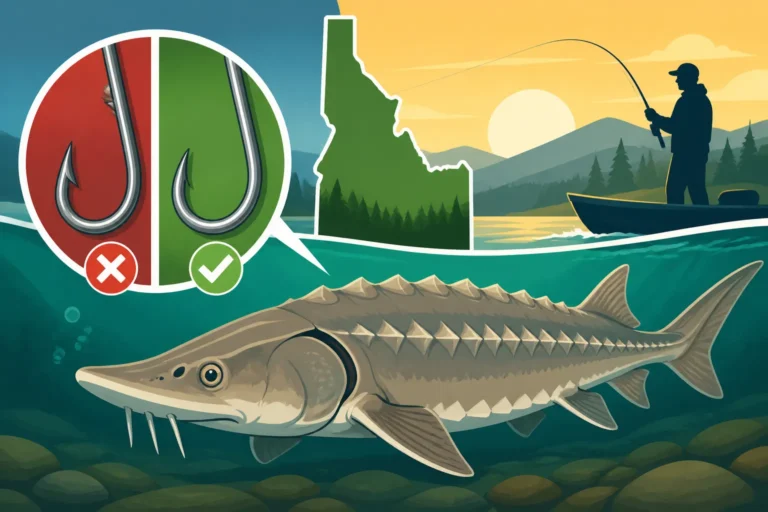
- Barbless hooks only: Every single hook on your fly or lure must be barbless. This rule is paramount for minimizing harm to fish, especially those that are caught and released. A barbless hook causes less tissue damage and can be removed much more quickly, increasing the fish's chances of survival. You can buy barbless hooks or easily crimp down the barbs on existing hooks with a pair of pliers. Don't try to get away with barbed hooks, as conservation officers take this very seriously in wilderness areas like the Middle Fork. For more on this, check out our guide on Idaho Barbless Hook Requirements.
- Single point hooks: While not universally mandated, single-point hooks are often preferred in sensitive catch-and-release fisheries, and some sections or species-specific regulations might enforce it. Always double-check the latest Idaho Fishing Regulation Brochure and Proclamation for any such specifics.
These restrictions are designed to protect the fragile native trout and char populations. They ensure that accidental catches are released with minimal trauma, allowing these fish to continue their life cycles and contribute to the river's health.
Catch and Release Mandates and Bag Limits
For many of the prized species in the Middle Fork, particularly the native Westslope Cutthroat Trout and, critically, the Bull Trout, fishing is strictly catch-and-release only. This means that once you land the fish, you must release it back into the water as quickly and gently as possible. There are no possession limits because you aren't allowed to keep them.
It’s imperative to identify your catch quickly and accurately. Bull Trout, for instance, are often mistaken for Brook Trout or even other char, but their preservation is a high priority. Keeping a Bull Trout, even accidentally, can lead to significant penalties. While the general rule for most trout is catch-and-release, always consult the current regulations for any specific exceptions or limited harvest opportunities for other species. Some sections or certain times of year might allow for retention of specific, often non-native, fish like Rainbow Trout, but these instances are rare and usually clearly defined. Our guide on Idaho Catch Limits and Bag Limits Explained offers broader context, but remember, the Middle Fork often has much stricter, specialized rules.
To summarize the Middle Fork's strict regulations:
| Regulation Category | Middle Fork Rule | Purpose |
|---|---|---|
| Fishing License | Required for all anglers 14+ | Funding for fisheries management |
| Float Permit | Required for entry June 1 – Sept 7 | Manage wilderness impact and access |
| Bait | Artificial lures/flies ONLY | Protect fish from internal injuries; prevent invasive species |
| Hooks | Barbless ONLY | Minimize harm and mortality for released fish |
| Trout Species | Catch-and-release ONLY (Westslope Cutthroat, Bull Trout) | Conserve native and protected fish populations |
| Access | Primarily by raft/kayak with permit | Preserve wilderness character and limit degradation |
Navigating Access and Seasons for the Middle Fork
Getting to and fishing the Middle Fork isn't like pulling up to a boat launch on a local reservoir. It requires planning, preparation, and adherence to specific seasonal windows. The very remoteness that makes it so special also dictates how and when you can experience it.
Permitted Access and Float Trip Considerations
As mentioned, during peak season (June 1st to September 7th), virtually all access to the Middle Fork is managed through a competitive lottery system for private float permits or by booking with a licensed outfitter. These permits are incredibly sought after, and many people apply for years before drawing one. If you're going with a private group, you'll need to secure this permit well in advance, often applying in the previous year's lottery. Licensed outfitters, on the other hand, have allocations of permits and offer guided trips, which can be an excellent way for those without a private permit to experience the river.
Outside of the peak season, access can be less restricted by permits, but practical challenges increase exponentially. Road access is limited to a few points, mainly at the very top (Boundary Creek) or bottom (Cache Bar) of the river, and accessing it from the sides often involves multi-day hikes through rugged terrain. The Middle Fork is generally floated, not waded, for long stretches, so a boat (raft, kayak, drift boat) is essential for covering significant water. Ensure your float plans align with your permit status and that you understand the logistics of launch and take-out points.
Seasonal Restrictions and Their Reasoning
The fishing season on the Middle Fork is primarily determined by access, water levels, and fish spawning cycles. While some headwater sections might be accessible earlier or later, the main float season typically runs from early June to late September.
- Early Season (June): This is often high-water season from snowmelt. Fishing can be challenging due to fast, cold, and often murky water, but it can also be productive for aggressive fish. It's often when the Salmonflies are out, offering spectacular dry fly fishing if conditions allow.
- Mid-Season (July-August): As flows drop and water clears, this becomes the prime time for many anglers. Hatches are prolific, and fish are actively feeding. This is also the peak of float trip season, so expect company, although the river still offers immense solitude.
- Late Season (September-October): Flows continue to drop, and water temperatures cool. This can be an excellent time for larger trout before winter. Access becomes more challenging as many outfitters finish their season, and weather can be unpredictable. Some sections may close for spawning fish.
Always consult the official Idaho Fish and Game regulations for the most current information, as specific dates can vary annually based on biological and environmental factors. Remember, respecting these seasons is not just about following rules; it's about giving the fish the best chance to spawn successfully and thrive.
Essential Gear and Best Practices for Fishing the Middle Fork
Given the remote nature and strict regulations of the Middle Fork, your gear choices and on-the-water practices become even more critical. You're not just preparing for a day of fishing; you're preparing for a multi-day wilderness experience where self-sufficiency and minimal impact are paramount.
Recommended Tackle and Fly Selection
For the Middle Fork, light to medium-light tackle is generally recommended for trout and cutthroat.
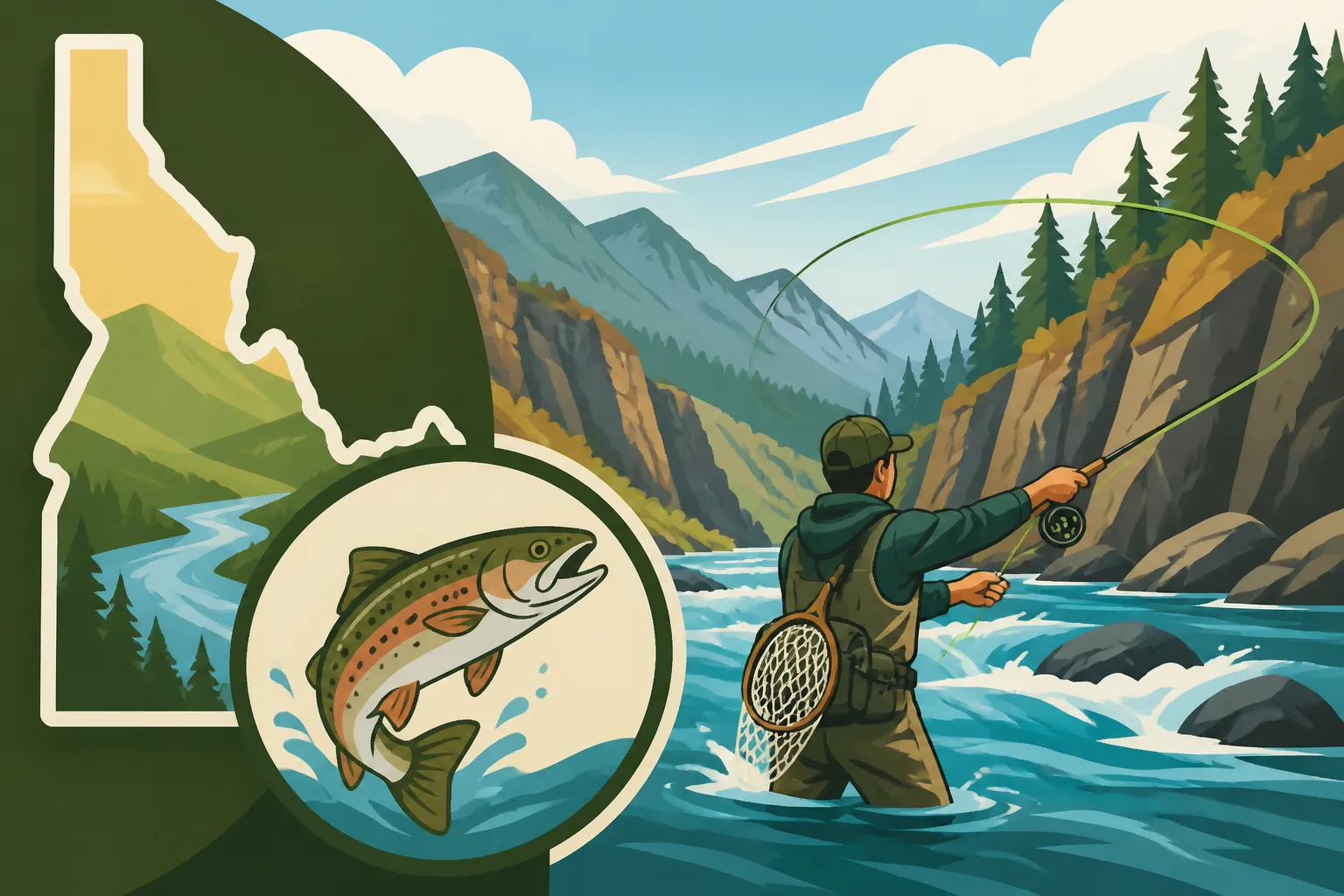
- Fly Fishing: A 4 to 6-weight fly rod, 8.5 to 9 feet long, is versatile for handling most conditions and fish sizes. Pair it with a floating line and a sturdy reel. Leaders of 7.5 to 9 feet tapering to 3X-5X are common. Fly selection will vary greatly by season and hatch, but general patterns like Parachute Adams, Elk Hair Caddis, Stimulators, and various nymphs (Prince Nymph, Pheasant Tail) are mainstays. Large attractor patterns like the Royal Wulff and big foam bugs (Chubby Chernobyl) are deadly during the salmonfly and golden stonefly hatches in early summer. Don't forget streamer patterns (Woolly Buggers, Sculpzillas) for bigger fish.
- Spin Fishing: While fly fishing is very popular, spin fishing is also allowed with artificial lures and barbless hooks. Light action rods (6-7 feet) with matching reels spooled with 4-8 lb test line are appropriate. Small inline spinners (Mepps, Panther Martin) with crimped barbs, small spoons, and artificial jerkbaits or soft plastics can be effective. Again, ensure all hooks are barbless.
Remember, whatever your method, it must comply with the artificial lures and barbless hook rule. Many anglers find it helpful to purchase specific fly patterns or even study the different species using field guides found on Amazon to prepare for their trip. Think about carrying extra line, leaders, and a wide assortment of flies or lures, as resupply options are non-existent once you're on the river. Our guides on Best Flies for Cutthroat Trout, How to Fish a High Mountain Lake in the Sawtooths, and What Gear to Pack for a Sawtooth Backcountry Fishing Trip, while not specific to the Middle Fork, offer excellent insights into remote fishing preparation that translates directly to this wilderness experience.
Leave No Trace Principles and Wilderness Etiquette
Fishing the Middle Fork is more than just catching fish; it's about experiencing and protecting a wilderness. Adhering to Leave No Trace principles is not just good practice; it's often mandated by wilderness regulations:
- Plan Ahead and Prepare: Know the regulations, pack appropriate gear, and understand the weather and conditions. This includes having a valid Idaho Fishing License Guide.
- Travel and Camp on Durable Surfaces: Stick to established trails and campsites. On the river, camp in designated areas.
- Dispose of Waste Properly: Pack it in, pack it out—every single piece of trash, including food scraps. Human waste must be carried out using approved systems (e.g., "rocket boxes" or WAG bags) on float trips.
- Leave What You Find: Do not disturb cultural or natural features.
- Minimize Campfire Impacts: Use established fire rings, keep fires small, and burn all wood to ash. Better yet, use a stove for cooking.
- Respect Wildlife: Observe from a distance. Do not feed animals.
- Be Considerate of Other Visitors: The Middle Fork is a shared resource. Keep noise levels down, give other groups space, and generally be a good neighbor. This also extends to not hogging the best fishing spots or taking more than the Idaho Rules on the Number of Rods Per Angler, which is usually limited to one.
Remember, the Middle Fork of the Salmon River is a rare jewel, and fishing it is a privilege. Your actions directly impact the health of the fishery and the wilderness experience for everyone. Embrace the ethos of conservation, and your trip will be far more rewarding.
Disclaimer
Please note that fishing regulations can change frequently. While this guide provides comprehensive information, it is your responsibility to consult the most current official Idaho Fish and Game regulations and U.S. Forest Service wilderness permits before embarking on any fishing trip to the Middle Fork of the Salmon River.