What the Idaho Salmon Permit Covers
Navigating the world of fishing regulations can sometimes feel like trying to untangle a particularly stubborn fishing knot. It's especially true when you start diving into species-specific permits, like trying to figure out exactly what the Idaho salmon permit covers. Many anglers get confused, wondering if it's needed for every salmon species, every river, or if it's just another add-on. This guide is here to unravel all that confusion, breaking down precisely what that crucial Idaho salmon permit means for your fishing adventures.
Understanding the Idaho Salmon Permit: More Than Just a Stamp
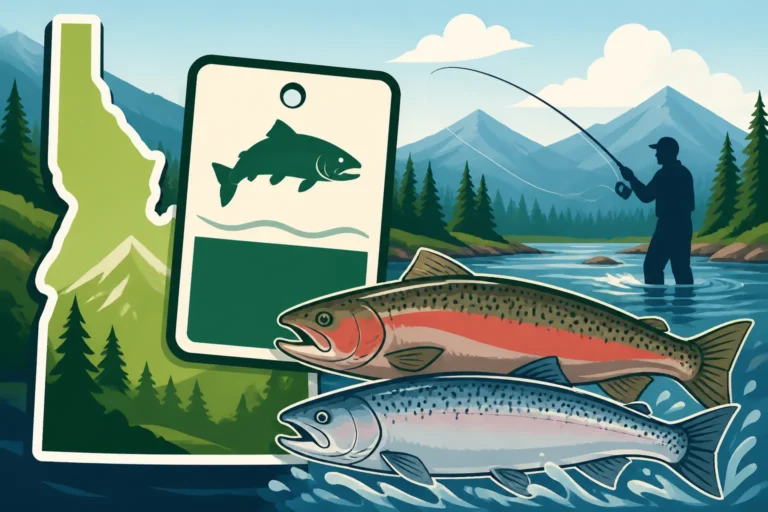
It's easy to look at the myriad of permits available and feel a bit overwhelmed. You've got your general Idaho fishing license, of course, but then come the special species tags, and the Idaho salmon permit is one of those that often raises questions. At its heart, this permit isn't just an arbitrary fee; it's a vital tool for the Idaho Department of Fish and Game (IDFG) to manage and conserve Idaho's precious anadromous fish populations. These fish, like salmon and steelhead, spend part of their lives in the ocean before returning to Idaho's freshwater rivers to spawn, making their management a complex and often delicate balance.
The permit specifically grants you the legal right to target and retain certain species of salmon within the defined seasons and limits. Without it, even if you have a general fishing license, you're not legally permitted to keep salmon you catch, and fishing for them could lead to fines. It's a fundamental piece of the regulatory puzzle that ensures sustainable fishing practices, helping to protect these magnificent fish for future generations of anglers. Think of it as your explicit permission slip for participating in one of Idaho's most iconic fisheries.
Why a Separate Permit for Salmon?
The question "Why do I need another permit?" is a common and totally valid one. The simple truth is that salmon, particularly the anadromous species that migrate from the ocean, are a distinct and highly managed fishery. Unlike many resident fish populations, these salmon face a gauntlet of challenges throughout their life cycle, from ocean conditions to dam passage and habitat loss. Because of these unique pressures and their migratory nature, Idaho, like other Pacific Northwest states, employs specific permits to gather critical data and manage harvest.
Every permit purchased contributes directly to the funding of salmon management and conservation efforts. This includes everything from habitat restoration projects on rivers like the Salmon River and Clearwater River to hatcheries that supplement wild populations and ongoing research into fish health and migration patterns. The separate permit also allows IDFG to accurately track angler participation and harvest rates for salmon, providing the precise data needed to set appropriate season lengths and bag limits each year. This targeted management is crucial for protecting vulnerable wild runs while still allowing for recreational opportunities on hatchery-produced fish.
The Difference Between Salmon and Steelhead Permits
One of the biggest sources of confusion for anglers, especially those new to Idaho, is distinguishing between the salmon permit and the steelhead permit. On the surface, they might seem similar – both are for anadromous fish, both involve special catch record cards, and both often target fish returning from the ocean. However, they are for entirely different species, and their permits, seasons, and regulations are managed independently. You can learn more about Idaho Fishing Regulations Explained to grasp the broader context.
The Idaho salmon permit, as we're discussing today, is specifically for Chinook salmon (and generally not for sockeye, which we'll delve into shortly). The steelhead permit, conversely, is for rainbow trout that have migrated to the ocean and returned to freshwater – known as steelhead. While both are powerful, migratory fish, their life histories, run timing, and population dynamics can be quite different. Therefore, if you plan to target both species during your Idaho fishing trips, you will need both a base fishing license and both the Idaho salmon permit and the Idaho Steelhead Permit. They are not interchangeable.
Specific Species Covered by the Idaho Salmon Permit
When you purchase an Idaho salmon permit, you're primarily getting the authorization to participate in the state's Chinook salmon fishery. Idaho's anadromous salmon fishery is almost exclusively focused on Chinook, often referred to locally as "King Salmon" due to their impressive size. These are the fish that battle their way hundreds of miles upstream from the Pacific Ocean, often providing incredible angling opportunities.
However, it's important to understand the nuances of this permit and how it applies to all salmon species you might encounter in Idaho's waters, even those you can't actively target. This clarity prevents accidental violations and promotes responsible angling. For those keen on understanding more about the fish they might encounter, our Idaho Fish Species Guide offers a broader look.
Chinook Salmon Explained
The star of the show for the Idaho salmon permit is the Chinook salmon. These magnificent fish are highly prized for their size, fighting ability, and delicious table fare. Idaho has both spring and fall Chinook runs, with seasons varying depending on the specific river and the particular run being targeted. For example, the Clearwater River is well-known for its fall Chinook, while the Salmon River might see both spring and fall runs depending on the year.
The salmon permit allows you to legally harvest adipose-clipped Chinook salmon during open seasons. Adipose-clipped fish are typically hatchery-reared, and the removal of this small, fleshy fin on their back indicates they were raised in a hatchery and are available for harvest. Wild Chinook, which have their adipose fin intact, are almost always protected and must be released unharmed. This distinction is critical, and understanding How to Identify a Hatchery Steelhead (the principle is the same for Chinook) can save you from potential legal trouble. Each permit comes with a catch record card, which is essential for tracking your harvest and providing valuable data to IDFG.
The Unique Case of Sockeye Salmon
While Chinook salmon are the primary focus of the Idaho salmon permit, it's crucial to address sockeye salmon. Idaho's sockeye salmon are incredibly unique and represent a true conservation success story, albeit one with a very long road ahead. These sockeye are the most endangered salmon species in the lower 48 states, famously traveling over 900 miles and climbing 6,500 feet in elevation to return to their spawning grounds in the Sawtooth Basin, particularly Redfish Lake.
Because of their critically endangered status, there is no open recreational fishing season for sockeye salmon in Idaho. The Idaho salmon permit does not cover the harvest of sockeye salmon. If you were to accidentally catch a sockeye while fishing for other species, it must be immediately released unharmed. Keeping a sockeye, even by accident, is a serious violation. The good news is that seeing them return, particularly during events like the annual sockeye viewing at Redfish Lake, is a truly special experience and a testament to ongoing conservation efforts. For more on these remarkable fish, check out Idaho Sockeye Salmon and the Redfish Lake Run.
Where and When the Salmon Permit Applies
Just like a good map helps you navigate the backcountry, knowing the geographical and temporal boundaries of your Idaho salmon permit is essential. It's not a blanket pass for every water body or every day of the year. Salmon fishing opportunities in Idaho are highly localized and seasonal, dictated by run timing, hatchery returns, and conservation needs.
Understanding these specifics will ensure you're fishing legally and effectively. Ignoring these details could lead to frustration or, worse, unintended violations. It pays to do your homework before you head out, and a great starting point is always the current Idaho Fishing Regulation Brochure and Proclamation, which you can find online or at any licensed vendor.
Key Rivers and Waters for Chinook Salmon Fishing
When it comes to Chinook salmon, Idaho's most famous fisheries are concentrated in specific river systems that provide the necessary migratory corridors from the Pacific Ocean. The primary rivers where you'll find active Chinook salmon seasons, and thus where your salmon permit will be most relevant, include:
- The Salmon River: This iconic river, true to its name, is a backbone for Chinook salmon returns. Different sections of the river, from the lower reaches near Riggins to upstream areas, can have varying seasons and regulations. It’s a vast system, so understanding Idaho Fishing Rules for the Salmon River Explained is key.
- The Clearwater River: Particularly known for its strong fall Chinook runs, the Clearwater River system, including its mainstem and sometimes tributaries like the North Fork, offers excellent opportunities. Be sure to consult the specific regulations for various sections of the river, as outlined in Idaho Fishing Rules for the Clearwater River Explained.
- The Snake River: While portions of the Snake River are migratory routes, direct Chinook fishing opportunities can vary greatly and are often more restricted than the Salmon or Clearwater. However, it's a vital part of their journey.
- The Little Salmon River: A tributary to the main Salmon River, this smaller system can also see salmon returns and corresponding fisheries in certain years.
Always verify the specific stretches of river and their corresponding rules in the current year's IDFG regulations, as these can change annually based on fish returns and forecasts.
Navigating Idaho's Salmon Seasons
Salmon fishing seasons in Idaho are far from static. They are dynamic, short, and highly regulated, often opening and closing with little notice based on in-season run updates and harvest quotas. This fluid nature can be a source of frustration for anglers trying to plan a trip, but it's a necessary part of managing these sensitive populations.
Chinook salmon runs are generally categorized as "spring Chinook" and "fall Chinook." Spring Chinook typically enter Idaho waters from late spring into early summer, with fishing seasons often running through June and into July, depending on the river and the strength of the run. Fall Chinook enter later in the summer and fall, with seasons usually running from late August through October. It's not uncommon for a season to open for a few weeks, close temporarily, and then reopen if harvest quotas haven't been met or if a new push of fish arrives. Before planning any trip, always check the official IDFG website for the most up-to-date information, including emergency rule changes or season closures. Our Idaho Fishing Season Dates and Limits guide offers a general overview, but for salmon, direct IDFG checks are paramount.
Practical Considerations for Anglers
Having your Idaho salmon permit in hand is just the first step. To make the most of your salmon fishing experience and ensure you're compliant with all regulations, there are several practical considerations you need to keep in mind. From how you acquire the permit to what you do once you've caught a fish, knowing these details will make your trip smoother and more enjoyable.
Remember, fishing these incredible species is a privilege, and doing it responsibly is part of the angler's code.
How to Purchase Your Idaho Salmon Permit
Getting your Idaho salmon permit is a straightforward process, thankfully. You can purchase it in conjunction with your base fishing license or as an add-on later, provided you already have an annual or multi-day license.
Here are the common ways to acquire your permit:
- Online: The easiest and most convenient method for many is purchasing directly through the Idaho Department of Fish and Game's licensing system. You can simply go to their website, select your base license (if you don't already have one), and then add the salmon permit to your cart. This allows you to print it at home or save an electronic copy on your phone. This mirrors the process for How to Buy an Idaho Fishing License Online.
- Licensed Vendors: Many sporting goods stores, bait shops, and even some general stores throughout Idaho are licensed to sell IDFG fishing licenses and permits. Places like Cabela's, Sportsman's Warehouse, or smaller local shops often have knowledgeable staff who can help ensure you get the right permits. This is also how many purchase their Idaho Fishing License Online Purchase.
- IDFG Offices: You can always visit a regional IDFG office during business hours to purchase your permits in person.
When you purchase your salmon permit, you'll also receive a catch record card. This card is absolutely essential and must be carried with you while fishing. You are required to punch out the date immediately upon retaining a salmon, and fill in other details as specified. Failure to properly validate your catch can result in fines and loss of fishing privileges.
Essential Rules and Regulations When Using the Permit
Beyond just having the permit, there are several crucial rules that accompany salmon fishing in Idaho, designed to protect the resource and ensure fair chase. Pay close attention to these:
- Base Fishing License Required: Your Idaho salmon permit is not a standalone license. It's an endorsement that must be purchased in addition to a valid general Idaho fishing license. If you're a nonresident, you'll need an Idaho Nonresident Fishing License Guide and then the salmon permit. If you're a resident, you'll need an Idaho Resident Fishing License Guide.
- Catch Record Card: As mentioned, you must carry your catch record card and validate your catch immediately upon retaining a salmon. This means punching out the day and month. For Steelhead, the process is similar; learn more with How to Read an Idaho Fishing Catch Record Card.
- Daily Bag and Possession Limits: These are specific to salmon and can change frequently. Always check the current proclamation. You might have a daily bag limit of one or two hatchery Chinook, and a possession limit (how many you can have at home or in transit) that's usually higher, like three times the daily limit. Exceeding these limits is a serious offense.
- Adipose Fin Rule: This is paramount. Most salmon fisheries in Idaho are for adipose-clipped hatchery fish only. If you catch a wild Chinook (one with an intact adipose fin), it must be released unharmed immediately. Misidentification or illegal retention carries stiff penalties.
- Gear Restrictions: Depending on the river and section, there can be specific gear restrictions. For example, some areas might prohibit bait, or have limitations on the number of hooks or barbed hooks. Always check for special regulations that might apply to your chosen fishing spot. While some general rules apply statewide, many waters have Idaho Special Regulation Waters with unique requirements.
What the Salmon Permit Doesn't Cover
It’s just as important to understand what the Idaho salmon permit doesn’t cover as what it does. Misconceptions can lead to unintentional violations, which nobody wants. Many anglers assume that once they have a "salmon permit," they're good to go for anything that swims in the same waters, but that's simply not the case in Idaho's highly regulated system.
Being clear on these distinctions will save you headaches and ensure your fishing trip is both enjoyable and compliant.
Other Species Requiring Separate Permits
As we briefly touched upon, the Idaho salmon permit is hyper-focused on Chinook salmon. It does not extend its coverage to other species that also require their own dedicated permits or tags. These include some of Idaho's other iconic fisheries:
- Steelhead: Arguably Idaho's most popular anadromous fishery, steelhead require a separate Idaho Salmon and Steelhead Permit (which is a combination permit often purchased together, but managed as two distinct parts). Steelhead fishing rules are very specific, and mistaking a steelhead for a salmon, or vice versa, could land you in trouble.
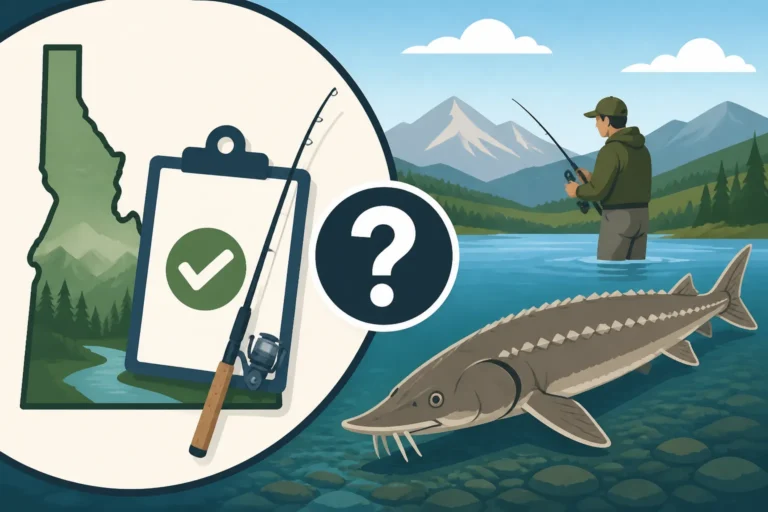
- Sturgeon: Idaho offers unique opportunities for fishing for giant White Sturgeon, primarily on the Snake River. This is a highly regulated, catch-and-release-only fishery, and it requires a specific Idaho Sturgeon Fishing Rules permit. The gear, techniques, and conservation ethic are entirely different from salmon fishing.
- Chinook Salmon Season Permit: It's worth reiterating that while the overall "Idaho Salmon Permit" covers the species generally, specific season permits for Chinook salmon may also be required depending on the particular run or time of year. This is often integrated into the single salmon permit purchase but highlights the species-specific management.
Each of these species presents a unique fishing challenge and plays a different role in Idaho's aquatic ecosystem, necessitating distinct management strategies and, therefore, distinct permits.
The Base Fishing License Requirement
Let's not forget the foundational requirement: a general Idaho fishing license. The salmon permit, and any other special endorsement or tag, is an add-on to your base license. It doesn't replace it. Think of your fishing license as your driver's license for fishing – you can't drive without it, and you can't fish without it. The salmon permit is like a special endorsement for a motorcycle or commercial vehicle; it allows you to do something extra, but only with your basic license in hand.
Whether you're targeting trout in a high mountain lake, bass in a reservoir, or salmon in a major river, your general fishing license is the absolute first step. Without it, any fishing activity you undertake is illegal, regardless of whether you possess a salmon permit or any other special tag. Ensure you understand Idaho Fishing License Age Requirements and other criteria for your general license first.
| Permit/License Type | Primary Species Covered | Requires Base Fishing License | Catch Record Card Required | Primary Purpose |
|---|---|---|---|---|
| Idaho Fishing License | All general game fish (Trout, Bass, Perch, etc.) | N/A | No (except special cases) | General authorization to fish statewide |
| Idaho Salmon Permit | Chinook Salmon (Hatchery only) | Yes | Yes | Target and retain specific anadromous salmon |
| Idaho Steelhead Permit | Steelhead (Hatchery only) | Yes | Yes | Target and retain specific anadromous steelhead |
| Idaho Sturgeon Permit | White Sturgeon | Yes | No (Catch & Release only) | Target protected sturgeon (C&R) for conservation |
Disclaimer
Please remember that fishing regulations, seasons, and limits in Idaho can change frequently. While this guide provides comprehensive information, it is crucial to consult the most current Idaho Fishing Seasons and Rules brochure published by the Idaho Department of Fish and Game (IDFG) before heading out on any fishing trip. Local conditions, emergency closures, or special rules may apply to specific waters or times of the year. This content is for informational purposes only and should not be considered legal advice.