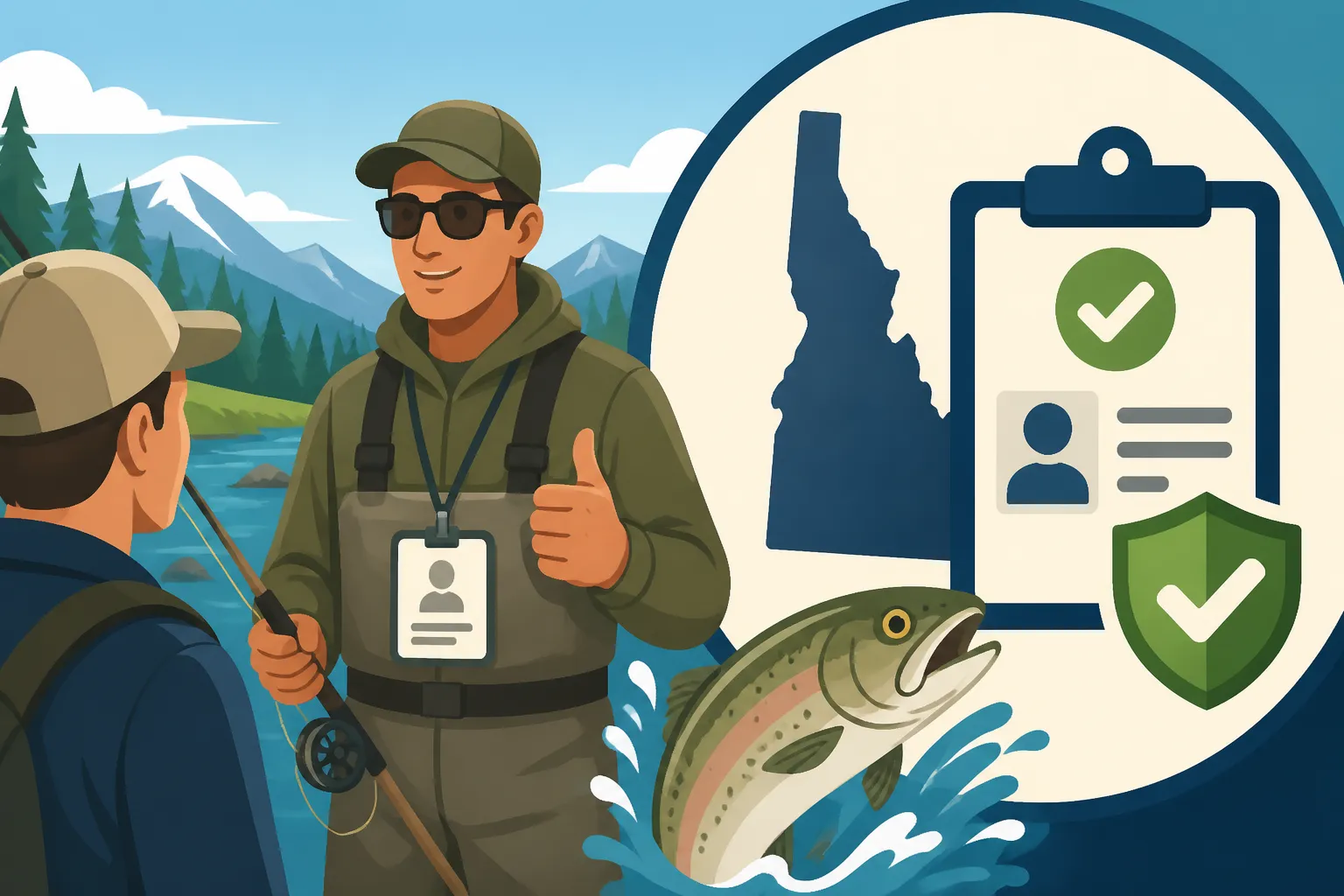
How to Check If an Idaho Fishing Guide Is Licensed
The allure of Idaho's pristine rivers and tranquil lakes calls to countless anglers, promising unforgettable experiences chasing everything from tenacious steelhead to massive sturgeon. However, when you're planning a guided trip, a nagging question often surfaces: how do you know if the guide you're considering is legitimate and properly licensed? It’s a vital concern that impacts your safety, the legality of your trip, and the overall quality of your adventure. This comprehensive guide will equip you with the knowledge and actionable steps to confidently verify an Idaho fishing guide's credentials, ensuring peace of mind before you ever cast a line.
Why a Licensed Guide is Non-Negotiable for Idaho Fishing
Embarking on a fishing trip with a guide isn't just about finding the fish; it's about entrusting your safety and the success of your outing to an expert. Choosing a licensed guide is not merely a formality; it's a critical decision that underpins the entire experience. Without proper licensing, you could be risking much more than just a bad fishing day.
Ensuring Safety and Professionalism on the Water
One of the most compelling reasons to insist on a licensed guide is for your safety. Idaho's wilderness, while breathtaking, can also be challenging. Rivers like the Salmon and Snake can have powerful currents, and even calm lakes can quickly turn treacherous with unexpected weather. Licensed guides are required to carry specific certifications, often including current first aid and CPR training, ensuring they are prepared to handle emergencies. Their vessels are typically inspected and maintained to rigorous safety standards, and they carry appropriate liability insurance, offering a crucial layer of protection should an unforeseen incident occur.
Professionalism extends far beyond safety protocols. A guide operating legally with a valid license is typically running a legitimate business. This means they are invested in their reputation, adhere to ethical angling practices, and prioritize client satisfaction. They have undergone vetting, demonstrating a certain level of experience and knowledge. Their commitment to their profession translates directly into a higher quality, more reliable, and ultimately more enjoyable experience for you, whether you're chasing rainbow trout on the Henry's Fork or seeking trophy lake trout on Priest Lake.
Navigating Idaho's Complex Fishing Regulations
Idaho's fishing regulations are anything but simple. They are intricate and can vary dramatically depending on the specific body of water, the target species, and even the time of year. Bag limits, gear restrictions (such as barbless hook requirements in certain areas), season dates, and specific rules for species like Idaho Salmon and Steelhead Permit or Idaho Sturgeon Fishing Rules are constantly updated. Keeping track of these can be a full-time job. A licensed guide is legally obligated to stay current with all the latest Idaho Fish and Game regulations and, critically, ensure that their clients comply. They act as your on-the-water legal expert.
Imagine landing a prized fish, only to discover later that your guide unknowingly led you to violate a specific regulation, leading to a hefty fine, loss of your catch, or even confiscation of your gear. This unfortunate scenario is a real risk when fishing with an unlicensed operator who might not be diligently following regulatory changes. A reputable, licensed guide will not only know the rules inside and out but will also educate you, ensuring your fishing trip remains entirely legal and free of unnecessary stress. This expertise is part of what you're paying for when you book a professional.
Protecting Your Investment and Overall Experience
A guided fishing trip is often a significant investment of both your money and precious vacation time. When you book with an unlicensed guide, you typically have very little, if any, consumer protection. There might be no formal contract, no clear cancellation policy, and certainly no professional insurance to cover unforeseen circumstances. If the guide cancels last minute, provides substandard equipment, or, worst-case scenario, simply doesn't show up, your options for recourse might be severely limited. Your investment could simply disappear.
Legitimate businesses, including licensed guides and outfitters, operate with transparency. They usually have clear booking procedures, provide confirmations, and offer detailed information about what's included and what to expect. This safeguards your financial outlay and ensures that the experience you anticipate is the one you receive. When you search for guides on platforms like FishingBooker, you'll often find that they emphasize connecting you with licensed professionals, adding a layer of trust and accountability to your booking. Choosing a licensed guide is choosing peace of mind for your Idaho Fishing Guide Cost Guide and experience.
Understanding Idaho's Guide Licensing Requirements
To truly understand how to verify a guide, it's essential to know who licenses them and what that licensing entails. Idaho has a robust system in place to ensure that those leading commercial fishing trips meet high standards.
The Idaho Outfitters and Guides Licensing Board IOGLB
In Idaho, the principal authority responsible for regulating and licensing fishing guides and outfitters is the Idaho Outfitters and Guides Licensing Board (IOGLB). This isn't a minor state department; it's a dedicated board whose sole purpose is to oversee commercial outdoor recreation on Idaho's public lands and waters. If someone is charging money to take clients fishing in Idaho, they absolutely must hold an IOGLB license. There are no exceptions for private property or specific water bodies when a commercial service is being offered.
The IOGLB enforces stringent requirements for all applicants seeking an outfitter or guide license. These include demonstrating substantial experience on the waters they intend to guide, passing comprehensive exams that test their knowledge of Idaho regulations and outdoor skills, holding current first aid and CPR certifications, and, crucially, maintaining robust liability insurance. This multi-faceted vetting process is designed to protect the public, maintain ecological integrity, and uphold the high standards of Idaho's outdoor recreation industry. For a deeper dive into these specifics, you can refer to Idaho Fishing Guide Licensing Requirements.
Key Components of an Idaho Guide's Credentials
A legitimate Idaho fishing guide will typically hold an IOGLB license that specifically authorizes them for "fishing" activities. It's not just a generic business license; it's an industry-specific credential. Beyond this foundational state license, guides might also need additional permits, depending on where they operate. For instance, guiding on federal lands like national forests or Bureau of Land Management (BLM) property often requires specific federal permits. These are critical for legal operation in those areas and ensure adherence to federal land use policies.
Furthermore, guides operating on certain navigable waterways might also need to meet U.S. Coast Guard requirements, especially if they are running larger vessels or specific types of charters. While the IOGLB license is the essential state-level authorization, these additional permits signify a comprehensive commitment to legal and safe operations across various jurisdictions. When you're talking to a guide, they should be transparent about all the necessary permits for their operating areas, whether it's the Clearwater River Steelhead Guides you're researching or a charter on Lake Coeur d'Alene.
Actionable Steps to Verify an Idaho Fishing Guide's License
Now that you understand the importance of licensing and the bodies that govern it, let's get down to the practical steps you can take to verify your guide. This isn't complicated, but it requires a bit of diligence on your part.
Checking the IOGLB Online Database Directly
The most reliable method for verifying an Idaho fishing guide's license is to use the Idaho Outfitters and Guides Licensing Board's (IOGLB) official online database. This public-facing resource is designed for consumers just like you. It allows you to search for licensed outfitters and guides by their name, company name, or, if you have it, their specific license number. It’s an incredibly valuable tool that provides real-time confirmation of a guide's current licensure status.
When you use the database, make sure you have the correct spelling of the guide's name or the outfitter's business name. Typos can easily lead to "no results found," even if the guide is legitimate. The search results will typically display key information: the outfitter or guide's license number, the specific types of activities they are authorized to guide (e.g., fishing, rafting, hunting), and the important expiration date of their license. This immediate and direct access to official state records is your best defense against inadvertently booking an unlicensed operator. Make this your first stop when you're considering How to Book a Fishing Guide in Idaho.
Direct Communication and Asking for Proof
Once you've done your initial online search, or if you're talking to a guide before looking them up, don't hesitate to directly ask for their Idaho Outfitter or Guide License number. A reputable and licensed guide will be more than happy to provide this information. In fact, many professional guides proudly display their license number on their websites, business cards, vehicle wraps, or in their booking confirmations. If a guide is evasive, hesitant, or outright refuses to share their license number, consider it a significant red flag that warrants further investigation.
Beyond the IOGLB license, it's also perfectly acceptable to ask for proof of their current first aid and CPR certifications. As mentioned, these are mandatory requirements for IOGLB licensing. While these specific certifications aren't typically listed in the public IOGLB database, a licensed guide should be able to present them if requested. This direct approach not only confirms their credentials but also demonstrates your due diligence, which professional guides tend to appreciate. It shows you're a serious client who values safety and legality. When you're trying to figure out Questions to Ask Before Booking a Fishing Guide, this should be at the top of your list.
Consulting Reputable Booking Platforms and Reviews
In today's digital age, many anglers utilize online booking platforms to find and reserve guided trips. Websites specializing in fishing charters and guides, such as FishingBooker, often implement their own rigorous verification processes. These platforms typically require guides to submit proof of their licenses, insurance, and certifications before they can list their services. While it's always a good practice to cross-reference this information with the IOGLB database, using such a platform can provide an additional layer of confidence and convenience.
In addition to official licensing checks, these platforms are invaluable for reading client reviews and testimonials. Past clients often share detailed accounts of their experiences, covering everything from the guide's knowledge and personality to the safety measures and professionalism observed. While reviews aren't a substitute for official license verification, they can offer crucial insights into a guide's reputation and adherence to ethical practices. Always look for consistent positive feedback regarding safety, adherence to regulations, and overall client satisfaction when you're researching How to Find a Reputable Fishing Guide.
Here’s a quick comparison to help you differentiate:
| Feature | Licensed Guide | Unlicensed Guide |
|---|---|---|
| Legal Status | State-authorized by IOGLB, operates legally | Illegal operation, subject to fines & penalties |
| Insurance | Mandatory liability insurance for client protection | Highly unlikely, leaving clients exposed to risk |
| Safety Training | Required First Aid/CPR, often advanced safety courses | Unknown, no guarantee of emergency preparedness |
| Regulatory Knowledge | Up-to-date on all Idaho Fish & Game rules and limits | May be outdated, misinformed, or intentionally disregard rules |
| Professionalism | Invested in reputation, business integrity, customer service | Variable, often unreliable, may prioritize quick cash |
| Consumer Protection | Clear policies, avenues for recourse in disputes | Minimal to none, difficult to resolve issues |
| Pricing | Reflects operational costs (insurance, permits, training) | Often suspiciously low to attract clients, cutting corners |
Red Flags, Best Practices, and What to Do If You Suspect an Unlicensed Guide
Even with all the tools available, it’s still important to be vigilant. Knowing what to look for and what to do if something seems off can save you a lot of trouble.
Identifying Red Flags of Unlicensed Operators
While an IOGLB database search is your best defense, certain warning signs should immediately raise your suspicion about a guide's legitimacy. One of the most common red flags is a price that seems significantly lower than comparable licensed guides in the same area. Unlicensed operators often try to undercut the market because they don't bear the costs of insurance, permits, and licensing fees. If a deal sounds too good to be true, it very often is.
Other warning signs include a lack of a professional online presence, such as no website or a poorly maintained one, and an inability or reluctance to provide a clear business name or physical address. If a guide pushes for cash-only payments without offering a receipt, or suggests operating "off the books" to avoid taxes or official records, these are major indicators of an illegitimate operation. Be wary if a guide is vague about what's included in the trip, doesn't mention specific permits for the areas they fish, or seems overly secretive about their credentials. These are all signs that they might not be adhering to the legal and ethical standards expected of a professional.
Best Practices for Booking Your Idaho Fishing Adventure
To ensure a smooth, enjoyable, and legitimate guided fishing trip in Idaho, adopt a few best practices. First, always start your guide search by checking the IOGLB database. This foundational step confirms their basic legal standing. Then, consider using reputable booking platforms like FishingBooker, which often pre-screen guides and provide a centralized place for reviews. Booking well in advance, especially for popular seasons like prime steelhead runs on the Clearwater or Salmon rivers, is crucial, as the most sought-after guides tend to fill their schedules quickly.
Don't shy away from having a detailed conversation with your prospective guide. Ask about their experience, what type of gear they provide (see What's Included in an Idaho Guided Fishing Trip), their specific knowledge of the waters you'll be fishing, and their approach to safety. Clarify all costs, what is included and excluded, and thoroughly understand their cancellation policy. Always get your booking confirmation or agreement in writing, even if it's just an email. This documentation protects both you and the guide and ensures that all parties are on the same page for your Idaho Fishing Regulations Explained trip.
Reporting Suspected Unlicensed Activity
If, after your thorough research, you encounter an individual you suspect is operating as an unlicensed fishing guide in Idaho, it's important to report it. The Idaho Outfitters and Guides Licensing Board relies on public vigilance to help maintain the integrity of the industry. Their official website typically provides clear instructions and forms for submitting complaints or reporting suspicious activity.
By reporting an unlicensed guide, you're not just being a busybody; you're actively contributing to the safety of other unsuspecting anglers, protecting Idaho's natural resources, and supporting the legitimate, licensed guides who invest time, money, and effort into operating ethically and legally. Your actions help ensure that Idaho's reputation as a premier fishing destination is upheld through responsible and professional guiding services. It helps ensure that all guides uphold the principles discussed in What to Expect on a Guided Idaho Fishing Trip.
Disclaimer
This article is for general informational purposes only and does not constitute professional advice. Laws, prices and regulations vary by location and change over time. Consult a qualified professional for guidance on your specific situation.