What a Full-Day Idaho Fishing Trip Typically Costs
Planning a full-day guided fishing trip in Idaho can feel a bit like trying to solve a complex puzzle, especially when you're just trying to figure out the actual cost. It's not as simple as a single price tag, and the variables involved can make your head spin before you even cast a line. This guide is here to untangle all those factors and give you a clear, realistic picture of what you can expect a full-day guided Idaho fishing trip to typically cost, helping you budget wisely for your adventure.
Understanding the Base Cost of a Full-Day Idaho Guided Trip
When you start looking into guided fishing trips in Idaho, you'll quickly notice that prices aren't one-size-fits-all. Several key elements come into play, shaping the initial quote you get from an outfitter. It’s important to understand these to avoid sticker shock and to find a trip that fits both your fishing dreams and your wallet.
Factors Influencing Guide Rates
The base rate for an Idaho fishing guide is influenced by a combination of factors, much like booking any specialized service. Think about what goes into a guide's day: their expertise, the gear, the boat, and access to prime fishing grounds.
Firstly, the species you're targeting can significantly affect the cost. If you're chasing the elusive steelhead on a mighty river, that often requires specialized equipment, a more powerful boat (like a jet boat), and a guide with very specific knowledge of those migrating fish. Compare that to a more relaxed trout wade trip on a smaller stream, which might have a different operational cost. Pursuing trophy lake trout on a vast lake or monster white sturgeon on the Snake River also involves particular gear and techniques, which can influence the price.
Secondly, the location and specific waters play a huge role. Some rivers, like the famous Henry's Fork for its technical dry fly fishing, or the remote stretches of the Salmon River for steelhead, are highly sought after. Guides operating on these iconic waters often command higher rates due to demand, the unique challenges of the fishery, and sometimes the logistics of getting to and from access points. Accessibility, private leases, and the sheer reputation of a fishing spot all contribute to the pricing structure.
Thirdly, the season and time of week can swing prices. Peak fishing seasons for specific species (like fall steelhead or summer salmon) will naturally be more expensive due to demand. You might find more competitive pricing during the shoulder seasons or on weekdays when guides aren't quite as booked solid. Weekend trips, especially during prime windows, are often at the top end of the rate spectrum.
Finally, the guide's experience and reputation are undeniably factors. A guide with decades of experience, a stellar track record, and a strong local following will often charge more than a newer guide building their clientele. You're paying for their knowledge, their ability to put you on fish, and their professional demeanor. When you're searching platforms like FishingBooker, you'll often see guides highlighting their years on the water and their specialties, which can help justify their rates.
Comparing Different Trip Types
Idaho offers a diverse range of fishing experiences, and the type of trip you choose directly correlates with the cost. Each has its own rhythm, accessibility, and associated expenses.
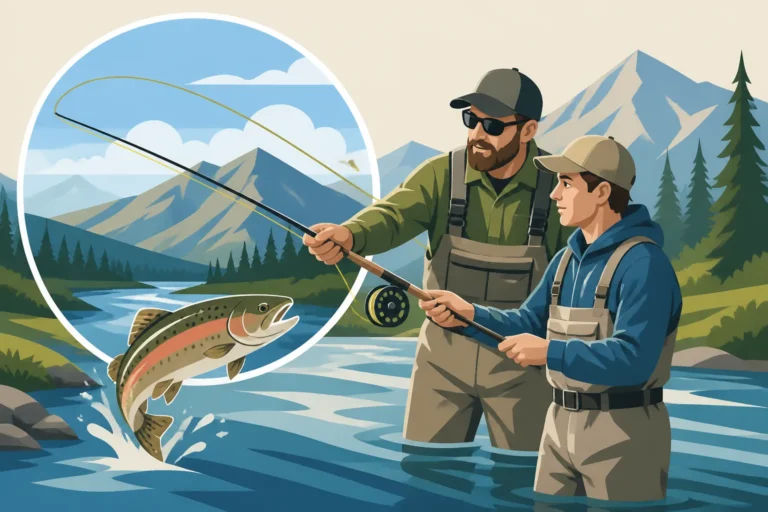
- Wade Trips: These are often the most budget-friendly option, though still a substantial investment for a full day. You'll be on foot, often in a river or stream, with your guide helping you navigate the water and cast. These trips are fantastic for intimate fly-fishing experiences, particularly for trout in smaller rivers or spring creeks. The guide provides expertise and typically gear, but you provide the legwork.
- Drift Boat Trips: Very popular for many of Idaho's rivers, a drift boat allows you to cover more water than wading while still offering a hands-on fishing experience. The guide rows the boat, positioning you for prime casting opportunities. These trips generally fall into a mid-range cost bracket. They're excellent for targeting trout, bass, or even certain stretches of steelhead rivers.
- Jet Boat Trips: When you're talking about covering vast stretches of powerful rivers, especially for species like steelhead or Chinook salmon, a jet boat is often the vessel of choice. These trips tend to be on the higher end of the cost spectrum due to the specialized equipment, fuel consumption, and the skill required to operate a jet boat safely and effectively in challenging currents. Access to more remote sections of rivers like the Clearwater or Salmon is a major draw. A Full-Day Steelhead Jet Boat Trip Cost on the Salmon River is usually a significant investment.
- Lake Charters (Power Boat): For large lakes like Lake Coeur d'Alene, Priest Lake, or Lake Pend Oreille, you'll find charters focused on trolling for trophy fish like Chinook salmon, kokanee, or lake trout. These trips involve specialized boats, downriggers, sonar, and lots of gear designed for deep-water fishing. They can range from mid-range to higher costs, depending on the length of the trip and the target species. A full day of Fishing Lake Coeur d'Alene for Kokanee and Chinook might involve a fair bit of trolling with multiple rods.
The Difference Between Private and Group Rates
Most guides price their full-day trips based on a certain number of anglers, often one or two. If you're a solo angler, you'll typically pay the full boat or guide rate, which might feel steep per person. However, if you bring a second angler, that same rate is usually divided between the two, making the per-person cost more palatable.
For larger groups, some guides or outfitters can arrange multiple boats or offer specific "group rates" for their services. This can be a great option for families or friends looking to share the experience. However, always clarify the maximum number of anglers per guide. A drift boat, for instance, usually comfortably accommodates two anglers plus the guide. Jet boats and lake charters might handle more, but the personal attention you receive from the guide will be split among more people. Websites and booking services like FishingBooker usually clearly list whether the price is per boat, per person, and the maximum number of clients they can take on a trip. If you're planning a trip with more than two people, it's worth asking about options for additional guides or larger group arrangements.
Beyond the Base Rate: Essential Additional Costs to Budget For
While the guide's fee makes up the bulk of your expense, assuming that's all you'll pay is a common misconception. There are crucial additional costs that every angler needs to factor into their budget to avoid unwelcome surprises. Overlooking these can easily add a significant percentage to your total trip cost.
Licenses, Permits, and Stamps
This is probably the most fundamental extra cost, and it's absolutely non-negotiable. No matter how much you pay your guide, you must have your own valid Idaho fishing license. And depending on what you're targeting, you might need more than just the general license.
For instance, if you're chasing migratory fish like steelhead or Chinook salmon, you'll need to purchase specific permits or tags in addition to your general fishing license. The Idaho Salmon and Steelhead Permit is a separate purchase and is required to keep these prized fish (when retention is allowed). There's also an Idaho Access and Depredation Fee Explained that applies to some licenses, which contributes to land access and managing wildlife impacts.
Guides almost universally expect you to show up with your license and any necessary permits already in hand. They cannot provide them for you, and fishing without one can lead to hefty fines and a spoiled trip. Always check the current Idaho Fish and Game regulations well in advance of your trip to ensure you have all the necessary paperwork. You can usually purchase these online or at authorized vendors, but make sure to account for the cost as part of your overall budget. For a detailed breakdown, check out our guide on the Idaho Fishing License Cost Guide.
Gratuities and Guide Etiquette
Tipping your fishing guide is not just a nice gesture; it's a deeply ingrained tradition and often a significant part of a guide's income. Most guides work incredibly hard, not just on the water but also preparing gear, maintaining boats, and scouting locations to ensure you have the best possible experience. They often go above and beyond, teaching you techniques, sharing stories, and even putting up with bad weather or slow fishing with good humor.
A customary tip for a full-day guided trip generally falls in the range of 15% to 20% of the total trip cost. If your guide truly knocked it out of the park, and you had an exceptional day, a higher tip is certainly appreciated. If the fishing was tough but the guide worked tirelessly and maintained a positive attitude, they still deserve a fair tip for their effort. It's usually best to present the tip in cash at the end of the day. This small act of appreciation goes a long way in acknowledging their hard work and dedication. Our article on How Much to Tip a Fishing Guide delves deeper into this important aspect of guided trips.
Food, Drinks, and Personal Gear
While many full-day guided trips include lunch and non-alcoholic beverages, it's crucial to confirm this when booking. Don't just assume. If lunch isn't included, you'll need to budget for packing your own, or a stop at a local deli before you meet your guide. Even if lunch is provided, you might want to bring extra snacks, your favorite specialized beverages, or a thermos of hot coffee on a chilly morning.
Beyond sustenance, think about your personal comfort and safety. You'll be responsible for bringing appropriate clothing, which for Idaho's variable weather often means layers, rain gear, sun protection (hat, sunglasses, sunscreen), and comfortable footwear. Waders and wading boots are sometimes provided for wade trips, but often anglers prefer to bring their own. You'll also need a camera to capture those memories, and any personal medications. While guides often have basic first aid, it's always best to be prepared with your own. For a comprehensive list, consult our What to Bring on a Guided Idaho Fishing Trip guide. These items, though seemingly small, can add up, especially if you need to purchase specialized gear for the trip.
Maximizing Value and Saving Money on Your Guided Trip
Investing in a guided fishing trip is about more than just catching fish; it's about the experience, the knowledge gained, and the memories made. But that doesn't mean you can't be strategic about getting the most value for your money. A little planning and savvy booking can make a big difference in your overall cost.
Booking Strategies
One of the easiest ways to potentially save a bit of money, or at least get more flexibility, is to consider your booking timing and the day of the week.
- Off-Season or Shoulder Season: Idaho's fishing seasons can be quite long, but certain periods are universally "prime time" for specific species. Booking a trip during the shoulder seasons (the weeks just before or after peak) or the true off-season might yield lower rates or more availability. For example, early spring or late fall can offer excellent fishing for some species without the peak season crowds and prices.
- Weekdays vs. Weekends: Like many recreational services, weekend demand is highest, and prices can reflect that. Opting for a Tuesday or Wednesday trip instead of a Saturday can sometimes result in a slightly lower rate or, at the very least, a less crowded river.
- Last-Minute Bookings: This is a gamble, but sometimes guides have last-minute cancellations or open spots they're eager to fill. If you're flexible with your dates and have your gear and license ready to go, it doesn't hurt to inquire about short-notice availability, especially through a platform like FishingBooker that aggregates available guides. However, for highly sought-after guides or specific peak dates, booking far in advance is usually essential to secure your spot.
What Guides Typically Provide
Understanding what your guide includes in the base price is crucial for budgeting and avoiding unnecessary purchases. While it varies, there are some common inclusions you can generally expect.
Most full-day trips will include:
- The Guide's Expertise: This is paramount – their knowledge of the water, fish behavior, and techniques.
- Boat or Transportation: For drift, jet, or lake trips, the vessel itself and its operation are included. For wade trips, the guide will often drive you to various access points.
- Rods, Reels, and Tackle: The appropriate fishing gear, including rods, reels, lines, leaders, and a selection of flies, lures, or bait relevant to the target species and conditions.
- Basic Instruction: Especially helpful for beginners, guides are typically happy to offer casting lessons, knot tying tips, and general fishing advice.
- Safety Gear: Life vests, first-aid kits, and other necessary safety equipment.
What is rarely included and you should plan for separately:
- Fishing Licenses and Permits: As discussed, these are your responsibility.
- Waders and Boots: While some guides might have a limited selection, it's generally expected you bring your own or arrange rentals if needed.
- Specialized Rain Gear: Crucial for comfort, especially on boat trips in variable weather.
- Alcoholic Beverages: BYOB is usually the norm if allowed on the water.
- Personal Snacks or Drinks: Beyond any provided lunch/water.
Make sure to confirm these details when you book. A good guide service will clearly list what's included in their package. You can find more details on general inclusions in our What's Included in an Idaho Guided Fishing Trip article.
Evaluating Different Guide Services
Not all guide services are created equal, and taking the time to research and compare can ensure you get the best fit for your expectations and budget. Don't just go with the first name you find.
- Read Reviews and Testimonials: Online reviews on platforms like Google, Yelp, or dedicated fishing forums can offer invaluable insights into a guide's personality, professionalism, and fishing success. Pay attention to comments about communication, safety, and their ability to cater to different skill levels.
- Compare Offerings: Look at what different guides specialize in. Does one focus primarily on fly fishing for trout, while another is known for their jet boat steelhead trips? Ensure their expertise aligns with your goals.
- Ask Specific Questions: Don't hesitate to call or email prospective guides. Ask about their experience, their typical day's itinerary, their cancellation policy, and what exactly is included in the price. A reputable guide will be happy to answer your questions thoroughly.
- Check Availability on Platforms: Using a booking service like FishingBooker allows you to compare multiple guides in one area, see their availability, read reviews, and get a clear breakdown of prices and what's included. This makes the comparison process much smoother than calling individual outfitters one by one.
Specific Examples of Full-Day Guided Trip Costs Across Idaho
Idaho's diverse landscapes offer a plethora of guided fishing experiences, each with its own cost considerations. While we can't give you exact dollar amounts, we can certainly paint a realistic picture of the cost shape you can expect for different types of full-day trips. Remember, these are general ranges, and actual prices will depend on all the factors we've discussed.
Fly Fishing the Snake or Henry's Fork
Fly fishing trips, especially on iconic waters like the Henry's Fork of the Snake River or the South Fork of the Snake, are incredibly popular and often command premium rates. These are highly sought-after destinations known for their technical fishing and prolific trout populations.
- Cost Shape: Typically in the mid-to-higher range for full-day drift boat trips. Wade trips might be slightly less, but still significant for the area.
- Why: These waters are world-renowned, attracting skilled guides who specialize in intricate fly-fishing techniques, hatch matching, and often navigating challenging currents. The demand is consistently high, especially during prime hatch periods. The guides here are often experts in reading complex water and have invested heavily in top-tier drift boats and fly-fishing gear. Learning to fish Henry's Fork for Fly Anglers with a guide is an experience many anglers prioritize.
- Additional Considerations: Expect to factor in costs for high-quality flies (sometimes provided, sometimes an additional charge), and potentially renting waders and boots if you don't own them. Gratuity for a patient and knowledgeable guide is almost universally given.
Steelhead Trips on the Clearwater or Salmon
Chasing steelhead, Idaho's anadromous rainbow trout, is a powerful experience, and guided trips for them are often an adrenaline-filled adventure. The Clearwater and Salmon Rivers are legendary for their steelhead runs.
- Cost Shape: These trips generally fall into the higher end of the spectrum for guided fishing in Idaho.
- Why: Steelhead fishing often requires specialized jet boats to navigate powerful currents and cover vast stretches of river, which is a significant operational cost. The tackle is heavy-duty, and the guides possess unique expertise in tracking these migrating fish. Trips often involve an early start and a full day of active fishing, sometimes covering many miles of river. Many anglers book a Clearwater River Steelhead Guide to navigate these challenging waters safely and effectively.
- Additional Considerations: Beyond the general fishing license, you absolutely need an Idaho Salmon and Steelhead Permit. Jet boat trips are heavily influenced by fuel costs. Warm, waterproof clothing is essential, as these trips often take place in colder months.
Lake Charters for Trophy Fish on Coeur d'Alene or Priest Lake
For those looking for a different kind of challenge, guided lake charters on Idaho's larger lakes offer the chance to target impressive trophy fish like Chinook salmon, kokanee, or monster lake trout.
- Cost Shape: These trips typically land in the mid-to-high range, depending on the duration and target species.
- Why: Lake charters involve specialized boats equipped with high-tech electronics (sonar, GPS), downriggers, and a vast array of specialized trolling gear and baits designed for deep-water fishing. The captain's knowledge of underwater topography, fish movements, and optimal trolling patterns is paramount. A full day of Fishing Lake Coeur d'Alene for Kokanee and Chinook or Fishing Priest Lake for Trophy Lake Trout can involve hours of precision trolling.
- Additional Considerations: These trips generally don't require waders. Focus on layers for warmth, rain gear, and good sunglasses, as the glare off large lakes can be intense. Sunscreen is crucial.
Sturgeon Fishing on the Snake River
Fishing for the giant white sturgeon on the Snake River is a truly unique Idaho experience, known for its catch-and-release mandate and the sheer power of these ancient fish.
- Cost Shape: Sturgeon trips are usually found in the higher range of guided fishing experiences due to the specialized nature of the target and equipment.
- Why: Guides for sturgeon fishing use very heavy-duty rods, reels, and tackle designed to handle fish that can be many feet long and weigh hundreds of pounds. The boats are typically robust, and the techniques involve anchoring in specific spots with special baits. The fight with a large sturgeon can be incredibly demanding, and guides are expert at managing these battles and ensuring the safe release of the fish, which is mandated by law. A full day focused on How to Fish for Sturgeon on the Snake River is an intensive, specialized endeavor.
- Additional Considerations: Barbless hooks are required for sturgeon fishing to ensure the fish can be released unharmed. Comfortable seating is a plus, as you might be anchored for periods. Bring plenty of water and snacks, as the fight with a big sturgeon can be physically draining!
Disclaimer
This article is for general informational purposes only and does not constitute professional advice. Laws, prices and regulations vary by location and change over time. Consult a qualified professional for guidance on your specific situation.