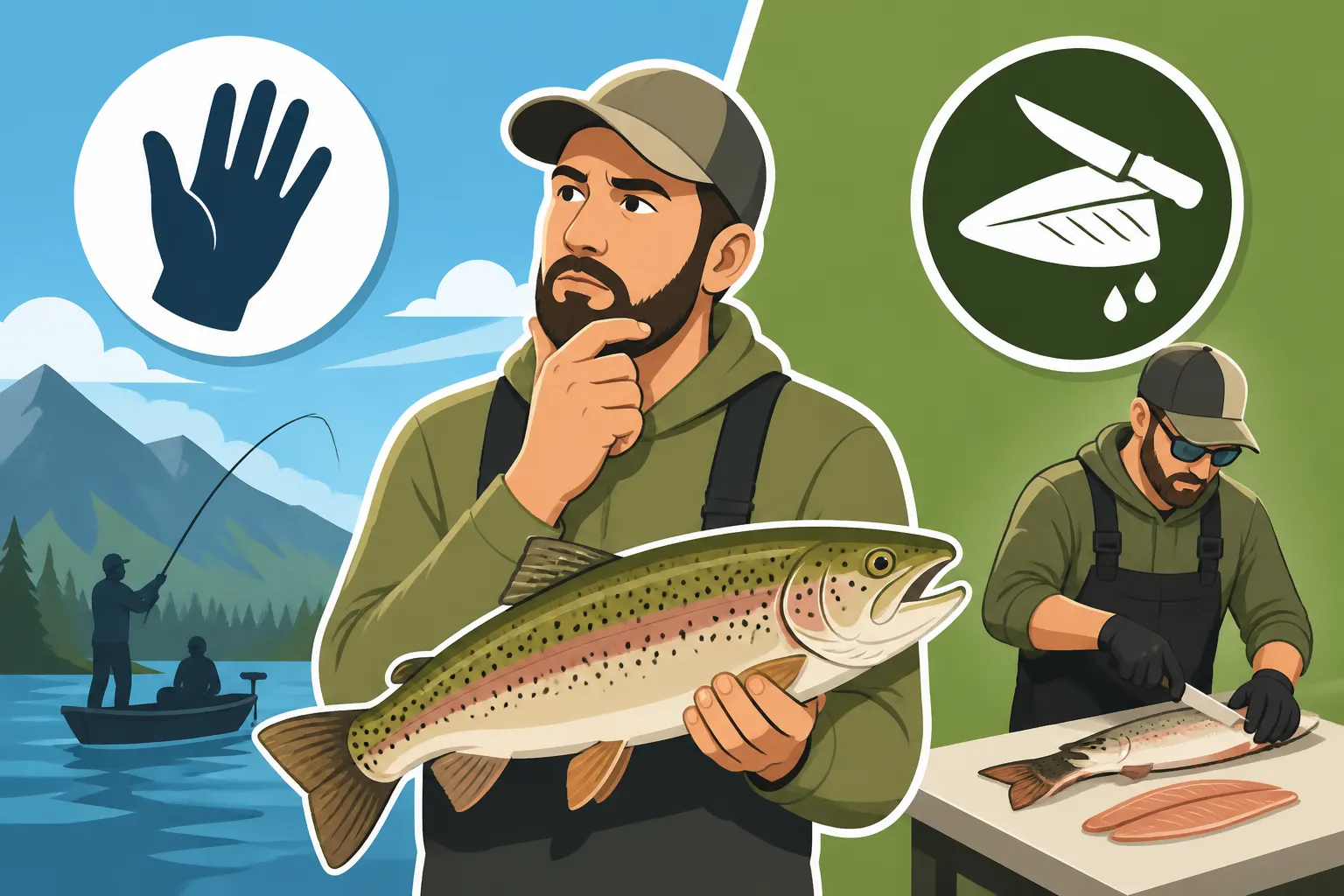
Do Fishing Guides Clean Your Catch?
One of the questions that often comes up for anglers planning a guided fishing trip in Idaho, especially if they're hoping to bring home a tasty dinner, is: "Will the guide clean my catch?" It's a perfectly natural thing to wonder. After all, you're paying for an expert's time and knowledge to help you find and catch fish, so it seems logical that handling the fish afterward might be part of the service. However, the reality isn't always a straightforward yes or no, and understanding what to expect can save you a lot of confusion and potential disappointment at the end of a long, exciting day on the water. This guide will walk you through the common practices of Idaho fishing guides regarding catch cleaning, so you know how to plan for your next adventure.
The Reality of Catch Cleaning on Idaho Guided Trips
When you book a guided fishing trip in Idaho, whether it's for trophy steelhead on the Clearwater or kokanee on Lake Coeur d'Alene, you're investing in an experience. The guide's primary goal is to provide that incredible experience, which typically revolves around putting you on fish, teaching you techniques, and ensuring your safety and enjoyment. The post-fishing logistics, like cleaning your catch, can sometimes fall into a gray area.
Understanding a Guide's Primary Role
Think about what a fishing guide really does. Their day starts early, often before dawn, scouting conditions, preparing boats and gear, and getting to the launch point. They spend hours actively guiding, navigating challenging waters, constantly adjusting strategies, and working hard to make sure you have the best chance to hook up. They're teachers, boat captains, naturalists, and sometimes even therapists! Their expertise is in the act of fishing itself, understanding the Idaho Fishing Season Dates and Limits, knowing the best spots, and reading the water.
This demanding schedule means that every minute on the water is precious, and often, so is the time before and after the trip. A guide's focus is on maximizing your fishing opportunities. For instance, if you're out chasing fall steelhead on the Salmon River, the window for bites can be short and intense. Stopping to clean a fish right then and there would interrupt the flow of the trip and potentially reduce your chances of catching more fish. Similarly, after a full day, guides often have to clean their boats, prep gear for the next day, and drive home. Adding a significant amount of fish cleaning to that already packed schedule isn't always feasible or expected as part of the core service.
Factors Influencing Catch Cleaning Availability
The question of whether your guide will clean your fish isn't just about their personal policy; it's often shaped by several practical factors inherent to Idaho fishing.
- Species Being Targeted: This is a huge differentiator. If you're on a Idaho Sturgeon Fishing Guide trip, the answer is an absolute "no" because sturgeon fishing is strictly catch-and-release in Idaho, with strict rules about handling them. For species like trout or kokanee, which are often kept for eating, there might be more flexibility. Larger species like salmon and steelhead present a different challenge due to their size and the mess involved in cleaning them.
- Type of Trip and Duration: A half-day wade trip for trout on a small stream is very different from a full-day jet boat trip for steelhead on a big river. On a wade trip, you might not even have the facilities to clean fish streamside. For shorter trips, guides might be more inclined to offer a quick clean for a few fish if time allows. Multi-day trips with lodge accommodations might include cleaning services as part of a larger package, but it's rarely assumed for single-day outings.
- Guide's Individual Policy: Some guides explicitly state in their booking information (or through platforms like FishingBooker) whether they offer cleaning services. Others might consider it an add-on service. Many guides are solo operators, juggling bookings, maintenance, and the trips themselves. Their capacity to offer extra services varies greatly.
- Logistics of the Trip: Where are you fishing? Is there a cleaning station at the boat launch? Does the guide have adequate cooler space and tools on board to properly clean and store your catch without compromising its quality? Cleaning fish requires a clean, flat surface, fresh water, and a way to dispose of waste properly – none of which are always readily available on a boat or at a remote river access point.
- Time of Day and Weather Conditions: Imagine trying to expertly fillet fish in freezing temperatures, pouring rain, or a stiff wind. It's not only uncomfortable but also makes the process more difficult and less sanitary. Guides will prioritize getting clients off the water safely and efficiently in adverse conditions.
The "Why Not Always" Explanation
It’s easy to assume that because a guide is an expert angler, they’ll also be an expert fish cleaner who handles it all. But there are very real reasons why it's not always part of the deal.
Firstly, time is a finite resource. A full-day trip usually means 8-10 hours on the water, plus travel to and from the launch. Adding another 30 minutes to an hour (or more, depending on the catch size and quantity) to clean fish after everyone is tired and ready to go home can really stretch a guide's workday. That time could be spent getting home to their family, preparing for tomorrow's trip, or simply resting.
Secondly, hygiene and regulations play a role. Proper fish cleaning requires clean surfaces, good knives, and often, a dedicated space to prevent contamination. Field dressing is one thing, but full filleting in an outdoor environment, especially if not done immediately, can be challenging. Some areas might have specific rules about fish waste disposal. Guides are often very knowledgeable about Idaho Fishing Regulations Explained, including those related to catch handling, but might not be equipped to provide full processing on the spot.
Finally, some anglers genuinely prefer to clean their own fish, either because they have a specific method, want to utilize certain parts, or simply enjoy the process. Guides often aim to empower anglers, and that can extend to teaching them responsible post-catch handling. So, while it might seem like a given, it’s rarely a universal offering and is always something to clarify beforehand.
When to Expect (or Politely Ask About) Catch Cleaning Services
While it's not a guarantee, there are scenarios where guides might be more inclined to offer catch cleaning, or where it's more appropriate to inquire. Knowing these situations can help you set realistic expectations.
Species-Specific Considerations
The type of fish you're targeting makes a big difference in the likelihood of your guide cleaning your catch.
- Trout & Panfish (Perch, Crappie, Bluegill): For smaller species like rainbow trout, brook trout, or panfish caught in reservoirs like American Falls or Cascade, guides might be more amenable to cleaning a reasonable number of fish. These fish are generally easier and quicker to clean, and often, trips targeting them are geared more towards a family-friendly experience where bringing home dinner is a major highlight. If you're on a leisurely trip fishing small ponds near Boise or a reservoir for perch, and you have a modest catch, a guide might offer to quickly fillet them at the end of the day, especially if they have a convenient setup back at their lodge or home base. However, this is still often considered a courtesy rather than a standard service.
- Kokanee Salmon: Trips targeting kokanee, especially on large lakes like Fishing Lake Coeur d'Alene for Kokanee and Chinook or Lake Pend Oreille, are frequently focused on harvesting these delicious landlocked salmon. Many charters specializing in kokanee fishing understand that clients want to take these home to eat. Because kokanee are smaller than their ocean-going counterparts and often caught in numbers, some guides who specifically run kokanee trips might offer cleaning as part of their package, or for a small additional fee. This is a common expectation for many kokanee anglers, but again, always confirm when booking.
- Steelhead & Chinook Salmon: For larger, anadromous species like steelhead and Chinook salmon (both hatchery fish, as wild ones must be released under Idaho Fishing Regulations Explained), catch cleaning is far less common for guides to perform. These fish are big, robust, and often caught in environments that aren't conducive to immediate cleaning. The focus on these trips is heavily on the thrilling fight and the capture. Hauling a large steelhead or Chinook onto a boat and immediately cleaning it often isn't practical or desirable, given the mess and time involved. Most anglers keeping these fish will take them home whole or gilled and gutted, storing them properly on ice, to process them at a dedicated cleaning station. If you're fishing the Clearwater River for fall steelhead, don't expect your guide to fillet your trophy for you.
- Sturgeon: As mentioned earlier, Idaho Sturgeon Fishing Rules mandate that these ancient fish are strictly catch-and-release. Therefore, no cleaning services are ever offered or needed for sturgeon. In fact, Idaho Rule Against Removing Sturgeon from the Water means they often aren't even brought fully out of the water, making any thought of cleaning entirely moot.
How to Approach the Conversation Before Your Trip
The absolute best way to manage expectations and avoid any awkwardness is to be proactive and ask before you book your trip, or at least well in advance. Never assume.
- Ask Directly When Booking: When you're making your reservation, whether by phone, email, or through an online booking platform like FishingBooker, explicitly ask, "Do you offer catch cleaning services, or should I plan to take care of that myself?" This direct question is clear and gives the guide an opportunity to explain their policy.
- Check the Guide's Website or Listing: Many reputable guides will detail what is and isn't included in their trip packages on their website or on their profile through a booking service. Look for phrases like "catch cleaned and bagged" or "fish filleted." If it's not mentioned, it's safer to assume it's not included.
- Be Prepared for "No": If the answer is no, respect that. The guide isn't trying to be difficult; they likely have valid reasons related to time, logistics, or personal policy. Instead of being disappointed, ask if they can recommend a local cleaning station or offer any tips for keeping your catch fresh until you can clean it yourself. This shows you're prepared and appreciative of their expertise.
- Clarify Any Fees: If a guide does offer cleaning, ask if there's an additional fee for the service. Some might include it, while others might charge a nominal amount per fish or per cooler, especially for larger quantities.
Having this conversation upfront ensures that everyone is on the same page. It’s part of understanding what’s truly included in a What's Included in an Idaho Guided Fishing Trip.
What to Do If Your Guide Doesn't Clean Your Catch
So, you've asked, and your guide has confirmed that cleaning your catch isn't part of their service. No problem! Being prepared to handle your fish yourself is part of being a responsible and capable angler. Plus, there's a certain satisfaction that comes from processing your own hard-earned dinner.
Prepare to DIY: Essential Gear for Self-Cleaning
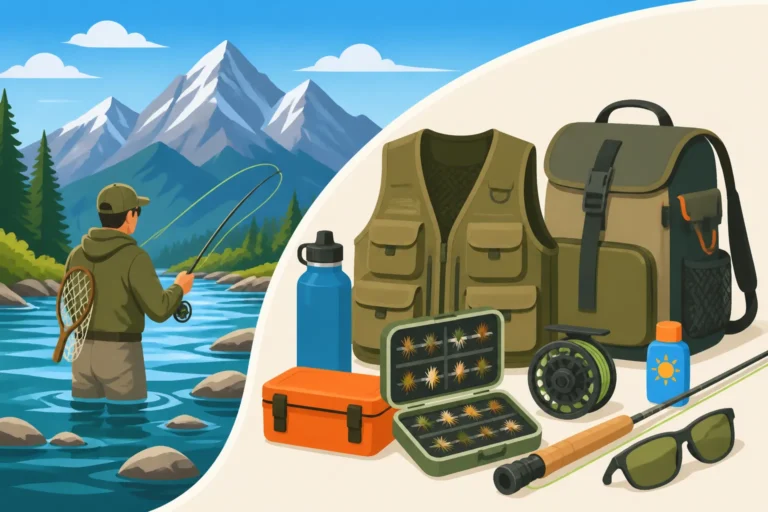
If you plan to keep fish and your guide won't be cleaning them, you need to be self-sufficient. Having the right gear on hand is crucial for preserving the quality and freshness of your catch.
- The All-Important Cooler and Ice: This is arguably the most critical piece of equipment. As soon as a fish is caught and you decide to keep it, it needs to go directly onto a bed of ice. Not just ice on top, but surrounded by it. A properly iced fish will maintain its freshness and flavor much better than one simply tossed into an empty cooler. Consider bringing two coolers: one for your lunch and drinks, and a dedicated, pre-chilled cooler packed with ice for your fish.
- Quality Fillet Knives and Sharpener: A sharp, flexible fillet knife is your best friend. Dull knives make the job harder and more dangerous. Bring a small sharpener or a honing steel to touch up the blade if needed. Many anglers carry a few different sizes of knives for various fish species.
- Gloves (Optional but Recommended): Latex or nitrile gloves can offer better grip on slippery fish and maintain hygiene, especially if you have any cuts on your hands.
- Plastic Bags or Freezer Bags: Once your fish are filleted, you'll want to store the fillets in individual plastic bags or freezer bags to prevent freezer burn and keep them clean. Heavy-duty freezer bags are worth the investment.
- Portable Cutting Board: While some boat launches might have cleaning tables, having your own sturdy, portable cutting board ensures you always have a clean surface to work on.
- Water Source and Wipes: Fresh water for rinsing fish and cleaning your hands and equipment is essential. A gallon jug of water or even a portable spray bottle can work in a pinch. Paper towels or wet wipes are also handy.
Remember, the goal is to get the fish cleaned and cooled as quickly as possible after catching to ensure the best possible eating experience. This starts with proper care immediately after the catch, which includes bleeding the fish (if you're keeping it and regulations allow) and getting it on ice right away.
Finding Public Cleaning Stations or Local Services
Sometimes, you might not have the space, time, or inclination to clean your fish immediately, especially after a long day. Thankfully, many popular fishing destinations in Idaho understand this need.
- Public Cleaning Stations: Many major boat launches, public docks, and state park facilities around popular fishing waters like Fishing Lake Coeur d'Alene for Kokanee and Chinook, Fishing Priest Lake for Trophy Lake Trout, or popular reservoirs often have designated fish cleaning stations. These typically include a sturdy counter, a sink with running water, and sometimes grinders for disposing of fish carcasses. These are fantastic resources, but remember they can get busy during peak times, especially after a big derby or on a popular weekend.
- Local Processing Services: In some fishing-centric towns across Idaho, you might find small businesses, often butcher shops or even some sporting goods stores, that offer fish cleaning or processing services for a fee. It's not as common as for wild game, but it’s worth asking around. If you booked your guide through a service like FishingBooker, you could even message them through the platform to ask if they know of local services. Don't be shy about asking locals in a bait shop or gas station; they often know the hidden gems!
- Home/Camp Setup: If you're staying at a cabin, vacation rental, or campground with good facilities, you might have an ideal setup for cleaning your fish there. Just be mindful of local rules regarding waste disposal and attracting wildlife.
Always check local regulations before using public facilities or disposing of fish waste. Some areas have specific rules to prevent the spread of invasive species or manage wildlife.
Best Practices for Preserving Your Catch
Beyond having the right gear, knowing how to properly care for your catch significantly impacts its taste and shelf life.
- Bleed the Fish Immediately: For species you plan to eat, bleeding them right after catching improves the flavor and appearance of the meat. This is usually done by cutting the gills or severing the artery behind the head. Let it bleed out in a bucket of water or by holding it over the side of the boat before putting it on ice.
- Get it on Ice, Quickly and Thoroughly: As mentioned, a well-chilled fish is a happy fish. Pack your cooler with plenty of ice (block ice lasts longer than crushed ice) and layer the fish directly in the ice, ensuring ice is underneath, on top, and around them.
- Clean Promptly: The sooner you clean your fish after catching, the better. The enzymes that start to break down fish flesh begin their work immediately. Cleaning within a few hours is ideal.
- Rinse Thoroughly: After filleting, rinse the fillets under cold, clean water to remove any blood, scales, or debris. Pat them dry before packaging.
- Package Properly: For short-term storage (a day or two), tightly wrap fillets in plastic wrap or put them in ziplock bags, squeezing out as much air as possible. For freezing, use vacuum sealer bags or heavy-duty freezer bags. Label them with the date and species.
- Keep Cold During Transport: Maintain that cold chain all the way home. If you have a long drive, ensure your cooler is well-insulated and topped up with ice.
By following these practices, you'll ensure that the delicious Idaho fish you caught provides an equally delicious meal, whether it’s a kokanee from Lake Coeur d'Alene or a trout from the Boise River.
Ethical Considerations and Tipping for Extra Services
When a fishing guide goes above and beyond, it's important to recognize and appreciate their effort. This often comes into play with services like catch cleaning, which aren't always standard.
The Guide's Time and Effort
Let's be real: cleaning fish, especially a significant catch, is work. It's messy, it takes time, and it's physically demanding at the end of what's often already been a very long day on the water. If your guide offers to clean your catch, even if it's a few trout, they are essentially extending their workday to provide you with an extra service. This is time they could be spending breaking down their boat, heading home to family, or preparing for their next trip.
It's a gesture of goodwill and exceptional customer service, rather than a contractual obligation. Recognizing this additional effort fosters a positive relationship with your guide and shows that you value their hard work. Many guides take pride in ensuring their clients have a fantastic experience from start to finish, and sometimes that includes making sure you leave with perfectly filleted fish ready for the pan.
Tipping Appropriately
Tipping is a common practice in the guided fishing industry, and it's a way to show appreciation for a guide's hard work, expertise, and the overall experience they provided. The standard guideline for tipping a fishing guide typically ranges from 15-25% of the trip cost, depending on your satisfaction.
However, if your guide offers and performs catch cleaning services, especially for a substantial number of fish or larger species, it's absolutely appropriate to consider this when determining your tip. You might:
- Opt for the Higher End of the Tipping Scale: If you were already planning to tip 15%, consider moving up to 20% or even 25% to acknowledge the extra work.
- Add an Extra Amount: If the cleaning was particularly extensive or went far beyond a quick courtesy, you might add a specific extra amount on top of your standard percentage tip. This shows direct appreciation for that specific service.
- Factor in the Value: Consider what you would have paid a local processor or the time it would have taken you to clean the fish yourself. That value is now something your guide provided.
Ultimately, your tip should reflect your satisfaction with the entire guided experience, including their professionalism, knowledge, effort, and any extra services like fish cleaning. A good guide works incredibly hard to ensure you have a memorable and successful trip. Platforms like FishingBooker often have review sections where you can highlight a guide's exceptional service, which can be just as valuable as a generous tip. Always remember that guides rely on tips as a significant part of their income, and a generous tip for going above and beyond truly makes a difference. How Much to Tip a Fishing Guide is a question many anglers ponder, and extra services certainly weigh into the answer.
Summary of Catch Cleaning Expectations
To help summarize, here's a quick overview of what you might generally expect regarding catch cleaning services for various types of Idaho fishing trips:
| Fish Species / Trip Type | Typical Guide Cleaning Expectation | Notes |
|---|---|---|
| Trout (Smaller, Panfish) | Possible (courtesy) | More likely for modest catches, family trips, or if guide has easy access to a cleaning station. Often a courtesy. |
| Kokanee Salmon | Sometimes Offered | More common for dedicated kokanee charters, sometimes for a fee. Often part of the "harvest" focus for these trips. |
| Steelhead / Chinook Salmon | Rarely Offered | Large fish, messy to clean. Focus is on the catch. Most anglers clean these themselves at home or a public station. |
| Sturgeon | Never | Strict catch-and-release only. Handling rules prohibit removal from water. |
| Fly Fishing Wade Trips | Unlikely | No facilities on-site. Expect to clean your own. |
| Lake/Reservoir Powerboat Trips | More Possible | Especially if targeting panfish or kokanee, and guide has a setup. Always confirm. |
| Multi-Day Lodge Trips | Often Included | Part of an all-inclusive experience. Confirm package details. |
The golden rule here is always to ask your guide directly when you book your trip. This ensures clarity and allows you to plan accordingly, guaranteeing a smooth and enjoyable experience on your next Idaho fishing adventure.
Disclaimer
This article is for general informational purposes only and does not constitute professional advice. Laws, prices and regulations vary by location and change over time. Consult a qualified professional for guidance on your specific situation.