Best Time to Book a Henry’s Fork Fishing Guide
Oh, the Henry's Fork! It's the kind of name that sends shivers down an angler's spine, conjuring images of massive, finicky trout sipping tiny dries off glassy rises. It's a dream destination for so many of us, but trying to secure a top-notch Henry's Fork fishing guide can feel like trying to catch one of those wary trout on a bare hook – frustratingly difficult if you don't know the ropes. This guide is here to untangle that line and help you figure out the absolute best time to book your guide so you can focus on the fishing, not the logistics.
Understanding Henry's Fork's Fishing Seasons and Guide Demand
Henry's Fork isn't just any river; it's a legendary fishery, often hailed as one of the best fly-fishing destinations in the world. Its fame, however, means high demand, especially for experienced guides who know its every riffle and run. Understanding the river's seasons and how they influence guide availability is your first step to a successful trip.
The Allure of Henry's Fork and Its Peak Seasons
What makes Henry's Fork so irresistible? For starters, it boasts an incredible population of large, wild rainbow trout. But it's the legendary insect hatches that truly set it apart. Imagine clouds of Salmonflies, Green Drakes, or PMDs blanketing the water, bringing those big, smart trout to the surface in a feeding frenzy. This is what anglers dream about, and it's precisely why certain times of the year are considered "peak season."
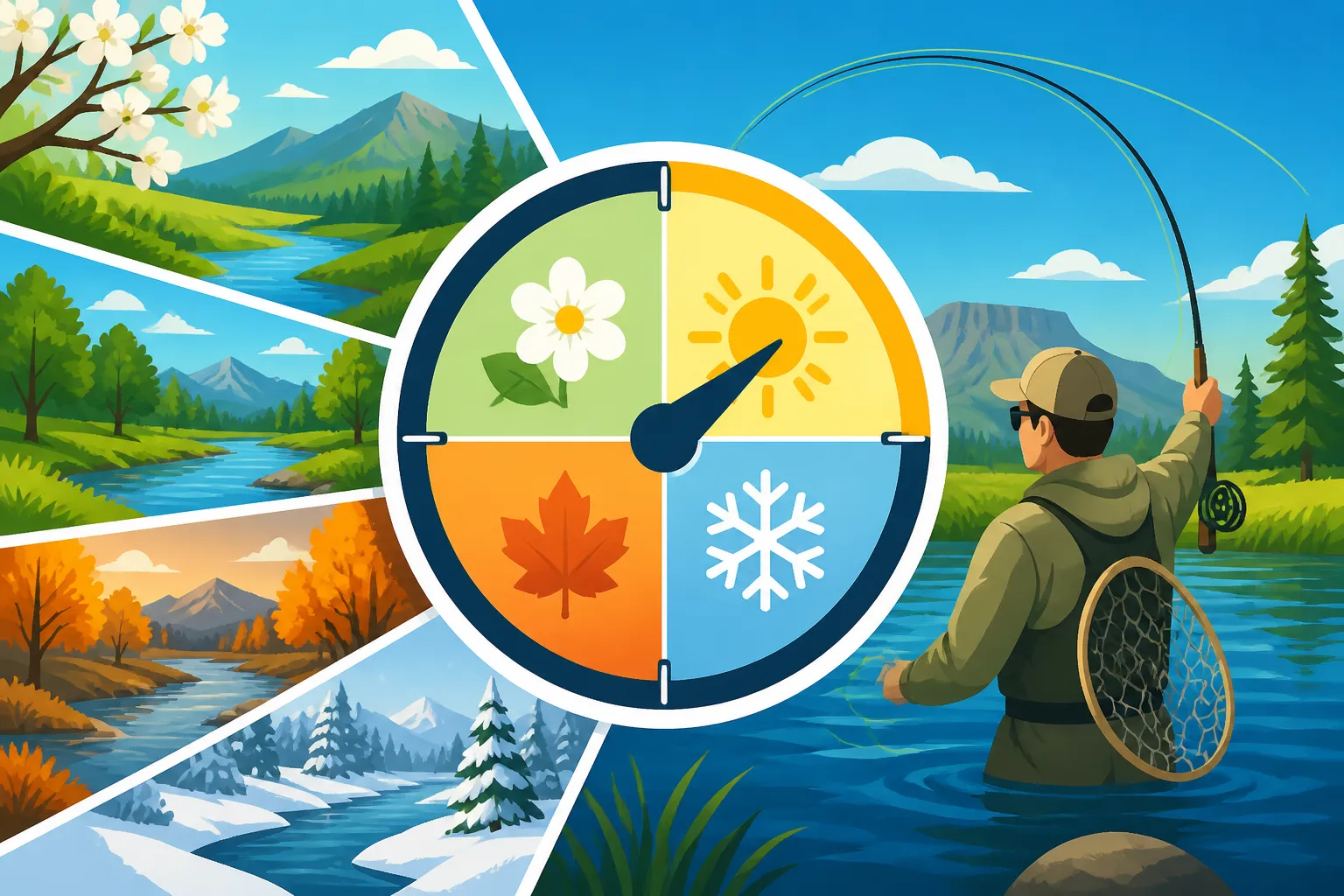
Peak season typically refers to late spring through early summer, specifically when those big hatches are in full swing. Think late May, June, and early July. During these windows, the fishing can be nothing short of spectacular, but everyone knows it. Consequently, the demand for Henry's Fork fishing guides skyrockets. If your heart is set on experiencing a specific hatch, like the famous Salmonfly hatch, you're competing with anglers from around the globe for those coveted guide slots. Fall, particularly late September and October, also sees a surge in popularity as the crowds thin out and larger trout become more aggressive, making for excellent trophy-hunting opportunities before winter sets in.
Shoulder Seasons: Hidden Gems for Anglers
While peak season offers the most "famous" fishing, don't overlook the shoulder seasons. These are the periods just before or after the main rush, and they can offer some truly exceptional experiences with fewer crowds and potentially more relaxed fishing.
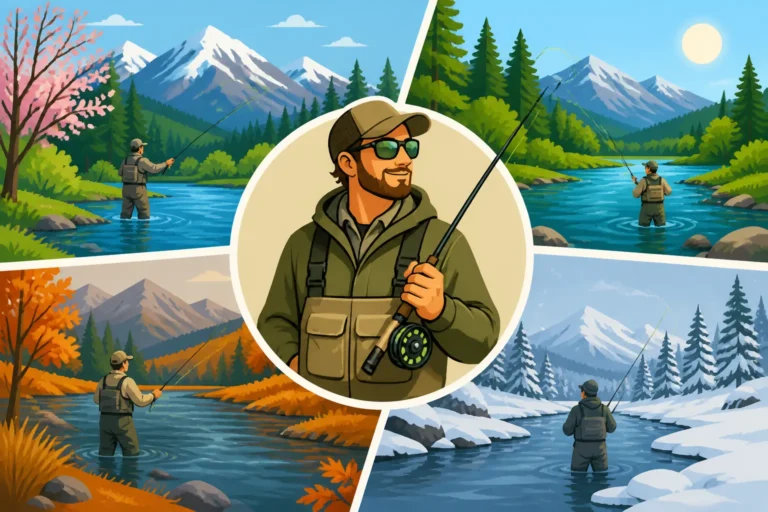
- Early Spring (April-early May): As the ice clears and spring runoff settles (or before it gets too heavy), early spring can be a fantastic time on Henry's Fork. You might not see the massive hatches of summer, but nymphing and streamer fishing can be incredibly productive for aggressive, hungry trout waking up from winter. The weather can be variable – one day sunshine, the next snow – but the solitude and opportunity for big fish are huge draws. Guides might have more open dates, and you can often find some incredible deals. You can learn more about general spring conditions in our Spring Fishing in Idaho guide.
- Late Summer/Early Fall (Late July-Mid September): After the initial burst of the big hatches, late summer and early fall can transition into a different, equally rewarding style of fishing. Trico and tiny dry fly fishing in the mornings, followed by terrestrial patterns (hoppers, ants, beetles) in the afternoons, become the norm. The crowds start to dissipate, but the fishing remains strong. This is a great time for those who enjoy technical dry fly fishing and are looking for a more peaceful experience. Our article Fall Fishing in Idaho delves deeper into these opportunities.
Off-Season Opportunities: Winter Fishing on the Fork
Most anglers put their rods away when winter descends, but a dedicated few know the magic of Winter Fishing in Idaho. On the Henry's Fork, this means quiet waters, often snow-covered banks, and a chance to catch some truly large, unpressured trout. While the insect activity is minimal, nymphing and slow-drifting streamers can coax bites from trout conserving energy in the colder water.
Guide demand during winter is significantly lower, meaning you'll have a much easier time securing a guide, sometimes even with short notice. However, it's not for the faint of heart. Expect cold temperatures, potential ice on the guides, and a need for specialized winter gear and tactics. A good guide can make all the difference, knowing where fish hold in deep, slow pools and how to present flies effectively in frigid conditions. For specific regulations, our guide When Idaho's General Trout Season Opens can provide context on year-round waters.
When to Secure Your Henry's Fork Guide: A Booking Timeline
Alright, now for the nitty-gritty: exactly when should you actually pick up the phone or go online to book that Henry's Fork fishing guide? The answer isn't a simple one-size-fits-all, as it heavily depends on when you want to cast your line.
Booking for Peak Season (June-July): Act Early!
If your dream trip involves targeting the epic Salmonfly hatch or dancing with Green Drakes in June, you absolutely cannot procrastinate. This is arguably the most sought-after time on the Henry's Fork, and top guides, the ones with years of experience and a loyal following, book up fast. We're talking 6 to 12 months in advance, sometimes even more for prime weekend dates.
Think of it like booking a major holiday vacation at a popular resort; if you wait until a few months out, all the best rooms are gone. The same applies to Henry's Fork Fishing Guides. Many guides have repeat clients who book their preferred dates immediately after their current trip. If you know you want to fish during this peak window, start your research and reach out to guides as early as the previous fall or winter. Websites like FishingBooker can be an excellent resource here. You can browse various Henry's Fork guides, check their general availability (though specific dates will need direct confirmation), read reviews, and get a feel for their specialties long before the season even begins. This early legwork will give you the best chance at securing the guide you truly want for those legendary hatches.
Booking for Shoulder Seasons (April-May, August-October): Still Plan Ahead
While not as competitive as the peak hatch season, the shoulder seasons still require a good amount of foresight. For trips in April, May, late July, August, September, or October, aiming to book your guide 3 to 6 months in advance is a smart move.
These periods offer fantastic fishing, and many anglers are discovering the benefits of avoiding the absolute busiest times. Specific popular weekends, particularly those coinciding with good weather or known terrestrial hatches in late summer, can still fill up quickly. For example, if you're hoping to experience a particular push of migratory fish or a renowned Trico hatch, those dates will get snatched up. You might have a bit more flexibility here compared to June, but don't assume you can call a month out and get your first choice. Booking early means you can secure a guide who is experienced in How to Fly Fish Henry's Fork during these transitional periods, ensuring they know the subtle nuances of the river when conditions are changing.
Booking for Off-Season (November-March): More Flexibility
If you're an intrepid angler looking for a unique and quiet Henry's Fork experience, the winter months offer the most flexibility for booking a guide. During November through March, you can often secure a guide with just 1 to 3 months' notice, and sometimes even a few weeks out if you're truly spontaneous.
The demand for guided trips drops considerably in winter due to the colder weather and the specialized nature of the fishing. However, a good guide can still put you on fish, focusing on nymphing deep pools or slow-swinging streamers. This can be an incredible time for a more intimate experience on the river, focusing on technique and the serene beauty of a snow-covered landscape. Just be sure to communicate clearly about your expectations for winter fishing and come prepared for the cold.
Here's a quick reference table to help visualize the booking timeline:
| Season/Desired Experience | Ideal Booking Window | Why It's Important |
|---|---|---|
| Peak Season (June-July) | 6-12 months in advance (or more) | Legendary hatches (Salmonflies, Green Drakes), highest demand, top guides fill fast |
| Shoulder Season (Apr-May) | 3-6 months in advance | Good pre-hatch nymphing, variable weather, growing popularity |
| Shoulder Season (Aug-Oct) | 3-6 months in advance | Terrestrial fishing, fall runs, fewer crowds, still popular weekends |
| Off-Season (Nov-Mar) | 1-3 months in advance (or less) | Winter solitude, specialized fishing, lowest demand for guides |
Factors Influencing Guide Availability and Booking Strategy
Booking a guide on a river as famous as the Henry's Fork isn't just about picking a date; it's about understanding the ecosystem of demand. Several elements can dramatically impact how easy or difficult it is to find and book your preferred Henry's Fork fishing guide.
Legendary Hatches and Specific Events
We've touched on this, but it bears repeating: the big, legendary hatches are game-changers. The Salmonfly hatch, for example, is not just a fishing event; it's practically a pilgrimage. For a few weeks each year, the entire fly fishing world seems to converge on the Henry's Fork, eager to experience the spectacle. When these hatches are "on," guide availability goes from scarce to non-existent overnight unless you've planned far, far ahead.
It's not just Salmonflies. Even predictable, prolific hatches like the Green Drakes or Mahogany Duns can create intense booking pressure for those specific windows. Local events, even small ones like fly fishing clinics or regional derbies, can also tie up guides. If your heart is set on How to Fish Henry's Fork During a Hatch, especially one of the really famous ones, your booking timeline shifts to the extreme early end. Research when these typically occur (though nature always has the final say) and target those dates with gusto.
Weekends vs. Weekdays
This might seem obvious, but its impact on guide availability is often underestimated. Weekends are consistently the most difficult dates to book, regardless of the season, simply because most people have them off from work. During peak season, a Saturday guide trip might be booked a year or more in advance.
If you have any flexibility in your schedule, opting for a weekday trip will significantly increase your chances of securing a guide, especially a popular one. You'll likely encounter fewer anglers on the water, too, which is always a bonus for a more peaceful and productive day. Weekday trips can also offer a more relaxed atmosphere, allowing for more one-on-one instruction if you're looking to improve your skills on Henry's Fork's Most Technical Water for Fly Anglers.
Choosing the Right Guide and Their Reputation
Not all Henry's Fork fishing guides are created equal, and the best ones are in incredibly high demand. "Best" can mean different things to different anglers – some prefer a guide who's a master at finding trophy fish, others want an excellent teacher, and some prioritize a fun, relaxed personality. Regardless of your preference, guides with a strong reputation for consistency, knowledge, and a great client experience will have their calendars filled first.
Don't just pick the first name you see. Do your homework. Look at reviews, ask for recommendations, and even consider a preliminary phone call to gauge their personality and expertise. Platforms like FishingBooker are fantastic for this, allowing you to read detailed reviews from previous clients, often mentioning specific guides by name. This helps you understand who excels at what and find a guide whose style aligns with your goals. A good guide doesn't just put you on fish; they enhance your entire experience, offering local insights, teaching new techniques, and ensuring you have a safe and memorable day. Don't be afraid to ask Questions to Ask Before Booking a Fishing Guide to ensure they're the right fit for your Henry's Fork adventure.
Practical Tips for Booking Your Henry's Fork Adventure
Now that you understand the seasons, timelines, and influencing factors, let's talk about some actionable steps to ensure your Henry's Fork fishing guide booking goes smoothly.
Researching Guides and Dates
The journey begins with solid research. Before you even think about booking, define what you want out of your trip. Are you a seasoned fly angler looking for a challenge, or a beginner hoping to learn the ropes? Do you have a specific species in mind, like the legendary Henry's Fork rainbows, or a particular technique you want to master?
Once you have a general idea, start exploring potential guides. Utilize online directories and platforms like FishingBooker, which allows you to filter guides by location, species, and even type of trip. Look at their websites, read their bios, and pay close attention to client testimonials. This will help you narrow down your choices to guides who specialize in the kind of experience you're seeking. When looking at dates, if you have any flexibility, note a few preferred dates and a few backup dates. Sometimes shifting your trip by just a day or two can open up availability with a highly sought-after guide.
Be Flexible and Communicate Clearly
Flexibility is your friend, especially when trying to book during popular times. If your absolute top choice guide is booked for your primary date, don't immediately give up. Ask them if they have any other availability around that time or if they can recommend another reputable guide they trust. Often, guides work in networks and can point you to someone equally skilled.
When you do contact a guide, be clear and concise about your expectations, skill level, and what you hope to achieve during the trip. This honest communication helps the guide prepare and ensures you both are on the same page. For instance, if you're a complete beginner, make sure they know that, as their approach will be different than guiding an experienced angler. Always confirm what's included in the trip (e.g., flies, tackle, lunch) and what you'll need to bring yourself. Our guide What to Bring on a Guided Idaho Fishing Trip can help you start your packing list.
Confirming and Preparing for Your Trip
Once you've chosen your Henry's Fork fishing guide and agreed upon dates, get everything in writing. Confirm the date, time, meeting location, cost, and, crucially, the cancellation policy. Life happens, and understanding what happens if you need to reschedule or cancel is vital.
Remember that guides typically do not provide your fishing license or permits. Make sure you have your Idaho Fishing License Guide in hand well before your trip. Depending on where you're from, you might need an Idaho Nonresident Fishing License Guide or an Idaho Resident Annual Fishing License. It's your responsibility to know and abide by all Idaho fishing regulations. Double-check the weather forecast closer to your trip date, and prepare your clothing and gear accordingly. Layers are always key in Idaho, as conditions can change rapidly. A little preparation goes a long way in ensuring your guided Henry's Fork adventure is as smooth and enjoyable as those famous glassy rises.
Disclaimer
This article is for general informational purposes only and does not constitute professional advice. Laws, prices and regulations vary by location and change over time. Consult a qualified professional for guidance on your specific situation.