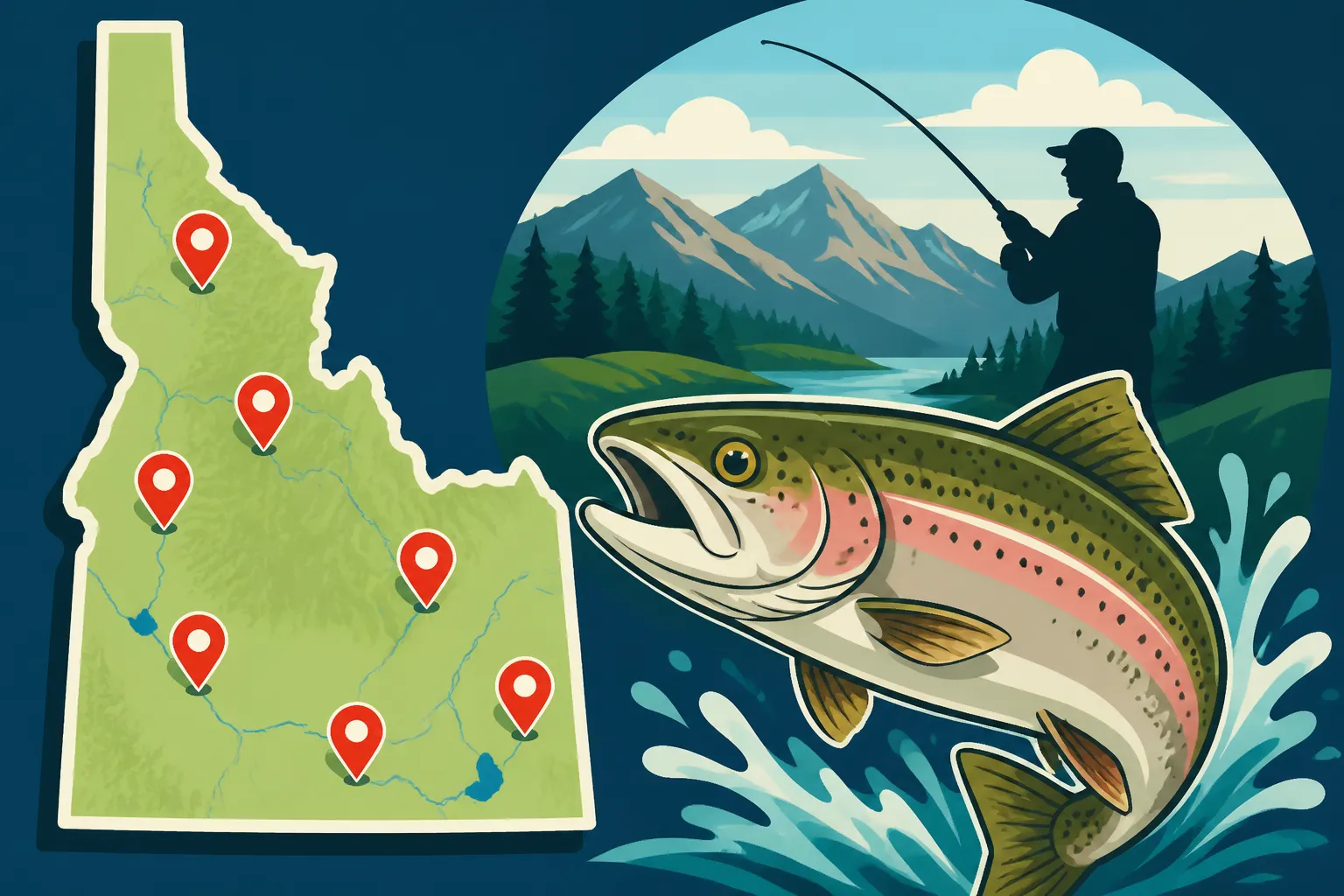
Where Idaho’s State Record Fish Were Caught
Every angler who wets a line in Idaho dreams of that one monumental catch – the fish that puts their name in the record books. It’s a thrilling thought, isn't it? But often, we wonder: where exactly did those legendary fish come from? This guide will dive deep into the hallowed waters and historic locations where Idaho's state record fish were landed, helping you understand the unique characteristics that make these spots so special for trophy-sized catches.
The Allure of Idaho's State Records and Why They Matter
There's a certain magic that surrounds a state record. It’s not just about the size of the fish, although that certainly plays a huge role in the excitement. It's about the story, the angler's dedication, and the incredible fisheries Idaho has to offer. For many of us, knowing where these giants were caught gives us a clearer picture of where to focus our own efforts, or at least, fuels our dreams a little more vividly.
More Than Just Bragging Rights
While landing a state record certainly comes with some serious bragging rights among fishing buddies, it represents something deeper. It's a testament to the health and vitality of Idaho's aquatic ecosystems. A truly massive fish indicates a robust food chain, clean water, and a favorable environment where a species can thrive and reach its full potential. It suggests that the management efforts by agencies like Idaho Fish and Game are working, ensuring that these incredible natural resources are protected for future generations of anglers.
Moreover, these records often inspire others. They show what's possible, encouraging new anglers to explore Idaho's diverse waters and push their own limits. Think about the discussions sparked around the campfire or at the local tackle shop after a new record is announced – it creates a buzz and a shared sense of pride in Idaho's outdoor heritage. It’s a collective celebration of what makes fishing in this state so special.
The Legacy of Idaho's Waters
Idaho's landscape is a mosaic of high mountain lakes, vast reservoirs, and iconic rivers, each with its own unique characteristics that contribute to the growth of various fish species. Some waters are known for their incredibly rich insect life, providing a constant buffet for trout. Others boast vast expanses where predators like Chinook salmon or lake trout can grow to immense sizes, gorging on abundant forage fish like kokanee. The sheer diversity of these environments means that different species find their ideal habitat in various corners of the state.
The legacy of Idaho's waters is also tied to responsible stewardship. Generations of anglers, conservationists, and wildlife managers have worked to maintain these fisheries. Understanding where past records were caught isn't just a historical footnote; it often points to areas that consistently produce large fish, thanks to a combination of natural factors and careful management. These aren't just random occurrences; they are often a reflection of specific conditions and long-term health in those particular bodies of water.
Unveiling the Legendary Locations of Idaho's Record Catches
When you hear about an Idaho state record, your mind immediately conjures images of pristine lakes and powerful rivers. And you're not wrong! Many of Idaho's most famous record-breaking catches have come from waters that are already legendary among anglers. These locations often share common traits: ample forage, deep waters, varied structure, and the right environmental conditions to allow fish to grow to truly exceptional sizes.
Iconic Lakes and Reservoirs
Idaho's lakes and reservoirs are famous for producing some truly monstrous fish, especially when it comes to species like Lake Trout, Rainbow Trout, and Kokanee. Lake Pend Oreille in North Idaho, for instance, is a name that frequently pops up in discussions about record-breaking fish. It's renowned for its colossal Kamloops rainbow trout, with the world record rainbow once coming from its depths. This massive lake, with its incredible depth and abundant kokanee population, provides the perfect environment for these predatory rainbows to grow to astounding proportions. Anglers often spend years targeting these giants, employing specialized trolling techniques and heavy tackle. You can learn more about Why Lake Pend Oreille Grows Such Large Rainbow Trout.
Another significant waterbody is Priest Lake, also in the Idaho Panhandle. This stunning lake is famous for its massive Lake Trout, often called Mackinaw. The sheer size and depth of Priest Lake, coupled with a rich food base, allows these lake trout to live long and grow to incredible sizes, often exceeding 40 or even 50 pounds. Targeting these deep-water denizens requires specialized gear, often found on Amazon, and a deep understanding of their movements throughout the seasons. Similarly, reservoirs like American Falls and Cascade have produced impressive record-sized bass and perch, benefiting from their vastness and productive ecosystems that support a large prey base. These expansive waters offer both deep-water haunts and extensive shoreline structure where various species can thrive.
Rivers That Run Deep with History
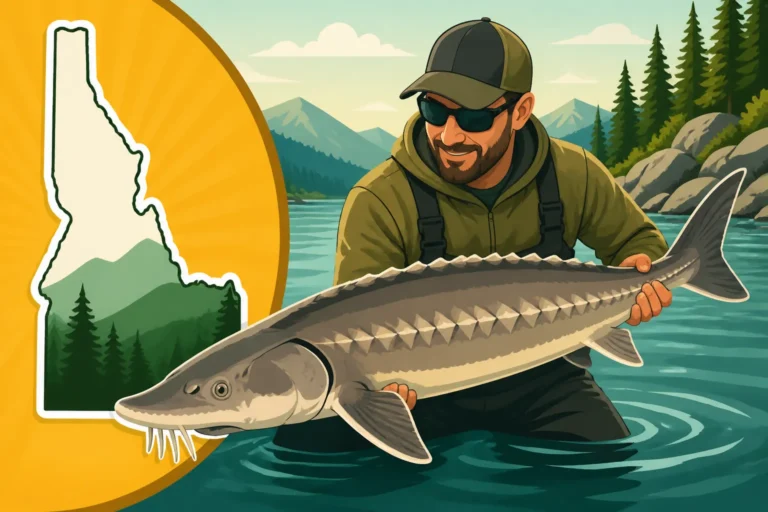
Idaho's rivers are just as storied as its lakes when it comes to record-breaking catches, particularly for species like Steelhead, Chinook Salmon, and the mighty White Sturgeon. The Snake River, in particular, holds a special place, being the home of the state record White Sturgeon. These ancient fish can live for over a century and grow to truly unbelievable lengths and weights. The Snake River's deep pools and abundant food sources provide the ideal habitat for these giants, and landing one is a challenge that requires immense strength and patience. Anglers often need specialized, heavy-duty gear to even have a chance at these behemoths. You can read more about Idaho Sturgeon Fishing Guide and How Big Idaho's White Sturgeon Can Grow.
Then there are the famous anadromous fisheries – the Clearwater and Salmon Rivers. These legendary waterways are synonymous with Steelhead and Chinook Salmon. While specific record locations can be tricky to pinpoint as these fish are migratory, the sheer volume of large, strong fish that pass through these river systems each year makes them prime candidates for record-breakers. Anglers often spend entire seasons perfecting their techniques on these rivers, hoping to hook into that one fish of a lifetime. The fierce currents and powerful runs of these rivers contribute to the incredible fighting prowess of these fish, making them a true test for any angler. Understanding Idaho Steelhead Fishing Guide and Idaho Chinook Salmon Fishing Guide is key for these waters.
Surprising Spots for Unexpected Giants
While the famous waters get most of the attention, sometimes record-breaking fish come from less obvious places. It's not always the biggest or most popular lake that holds a record. Smaller, often overlooked lakes, ponds, or even remote stretches of lesser-known rivers can sometimes produce an unexpected giant. This might be due to a localized abundance of food, less fishing pressure, or unique habitat features that allow a particular fish to grow larger than its counterparts in more heavily fished waters. These "hidden gems" are often discovered by dedicated local anglers who spend years exploring every nook and cranny of their fishing region.
For example, a small, nutrient-rich pond could provide the perfect conditions for a largemouth bass to grow exceptionally large, free from competition or heavy angling pressure. Or a remote, spring-fed creek might harbor a brook trout that, through sheer longevity and an untouched food source, grows far beyond what's typically expected for the species. These unexpected catches are a reminder that every cast in Idaho has the potential for something truly special. It's these stories that keep the spirit of exploration alive among Idaho anglers, always wondering if that next forgotten eddy or secluded cove holds the next state record.
What It Takes to Catch a Record Fish in Idaho
Catching a state record fish is rarely a matter of pure luck; it's usually a combination of strategic planning, deep understanding of the species, the right equipment, and an unwavering commitment. It's about knowing where to cast, when to cast, and how to present your bait or lure in a way that entices a truly enormous fish that has likely seen it all before.
Understanding Species-Specific Haunts
To target a record-sized fish, you first need to intimately understand the species you're pursuing. Each fish has preferred habitats, feeding patterns, and seasonal movements. For instance, a record Lake Trout in Priest Lake will likely be found in deep, cold water structures where they ambush schools of baitfish. A trophy Smallmouth Bass in the Snake River might prefer rocky ledges and current seams. Knowing these nuances is paramount. It means studying contour maps, observing water conditions, and even understanding the forage base in a particular body of water.
This goes beyond general knowledge. It means looking at historical data, local fishing reports, and even learning from experienced guides who have spent decades on these waters. For example, if you're chasing a record Kokanee, understanding their schooling behavior and preferred trolling depths at different times of the year on a lake like Coeur d'Alene is crucial. You can dive deeper into this with the Idaho Fish Species Guide. These fish didn't get big by being easy to catch; they're often wary and require a stealthy, precise approach.
The Gear and Grit of Record Chasers
You can't expect to land a true behemoth with light tackle designed for panfish. Record chasing demands specialized gear that can withstand immense pressure. This often includes heavy-action rods, robust reels with smooth drags, and strong, reliable line. For species like Sturgeon, this might mean industrial-strength braided line and hooks that can handle a tremendous fight without bending out. For trolling for large Rainbow Trout on Lake Pend Oreille, downriggers and specific lure presentations are essential. Researching the right setup is half the battle, and many dedicated anglers spend considerable time and money on their equipment, sometimes purchasing highly specialized items from vendors like Amazon.
Beyond the gear, it's the grit of the angler that makes the difference. Many record catches come after countless hours on the water, enduring harsh weather, frustrating days with no bites, and the mental fortitude to keep going. It’s a marathon, not a sprint. This dedication often means waking up before dawn, staying out until dusk, and being willing to adapt to changing conditions. The angler's skill in fighting a massive fish, managing the drag, and knowing when to give and take line is also critical, especially when dealing with powerful runs and deep dives.
Patience, Persistence, and a Dash of Luck
Ultimately, while skill and the right gear are vital, patience and persistence are perhaps the most undervalued traits of a record-holding angler. It's easy to get discouraged when you’re not catching anything, but that next cast, that next drift, could be the one. Record fish are rare for a reason; they've managed to evade countless hooks and lines over their long lives. It takes an incredible amount of dedication to keep trying, often in the same spots, day after day, year after year.
And yes, a dash of luck always plays a role. Sometimes, you're just in the right place at the right time, when a record fish decides to bite. But that luck is usually earned through the sheer number of hours spent on the water, increasing the odds that you'll eventually encounter that once-in-a-lifetime fish. It’s about creating your own luck by putting in the effort. The stories of record catches are filled with tales of anglers who were just about to give up when suddenly, their line went taut. You can read some of these incredible feats in Idaho's Record Fish by Species.
Preserving the Future of Idaho's Trophy Fisheries
The pursuit of state records, while exciting, also comes with a significant responsibility: ensuring the long-term health and sustainability of Idaho's trophy fisheries. Our ability to continue catching (and releasing) these magnificent fish depends entirely on how well we protect their habitats and manage their populations. It’s about looking beyond our own angling desires and considering the broader ecosystem.
The Importance of Conservation and Regulation
Idaho Fish and Game, alongside various conservation groups, plays a crucial role in maintaining and enhancing the state's fishing opportunities. This involves careful monitoring of fish populations, habitat restoration projects, and establishing clear fishing regulations. These regulations, which you can explore in more detail in Idaho Fishing Regulations Explained, often include specific size limits, bag limits, and gear restrictions designed to protect larger, spawning-age fish or vulnerable populations. For example, strict catch-and-release rules for Sturgeon or wild Steelhead are put in place to ensure these species can reproduce and maintain healthy numbers.
Adherence to these rules is not just about avoiding a fine; it's about being a responsible steward of the resource. Without these protections, the very fish we dream of catching could become scarce. Many conservation efforts also focus on improving water quality, removing barriers to fish migration, and restoring riparian habitats – all factors that directly contribute to fish growth and overall fishery health. These collective efforts are why Idaho continues to boast such incredible fishing opportunities.
Practicing Ethical Angling
Beyond simply following the law, practicing ethical angling is vital for the preservation of trophy fish. This includes proper catch-and-release techniques, especially for those larger fish that are often the genetic backbone of a population. Minimizing handling time, supporting the fish horizontally, and using appropriate tools like de-hookers can dramatically increase a fish's survival chances after it's released. Using barbless hooks, particularly for species like Sturgeon, also reduces injury and stress. This is highlighted in Why Barbless Hooks Are Required for Idaho Sturgeon.
Educating ourselves and others about these practices is key. When we release a large fish carefully, we're not just letting one fish go; we're investing in the future of the fishery, ensuring that it has the opportunity to spawn again and contribute its strong genetics to the next generation. It’s a cycle that allows for continued dreams of landing that next state record, knowing that we’ve played a part in making it possible for others, too.
| Fish Species | Notable Record Location (General) | Key Characteristics of Location |
|---|---|---|
| White Sturgeon | Snake River | Deep, slow-moving pools; abundant forage; ancient habitat |
| Rainbow Trout (Kamloops) | Lake Pend Oreille | Immense depth; cold, clear water; abundant kokanee |
| Lake Trout (Mackinaw) | Priest Lake | Very deep, pristine water; large food source |
| Chinook Salmon | Clearwater/Salmon Rivers | Powerful, migratory river systems; anadromous runs |
| Smallmouth Bass | Snake River / C.J. Strike Reservoir | Rocky structure; diverse forage; warmer water |
| Kokanee Salmon | Lake Coeur d'Alene | Deep, oligotrophic lake; specific trolling depths needed |
| Largemouth Bass | Private Ponds / Reservoirs | Warm, vegetated shallow areas; high nutrient content |
Disclaimer
This article is for general informational purposes only and does not constitute professional advice. Laws, prices and regulations vary by location and change over time. Consult a qualified professional for guidance on your specific situation.