How Often Idaho Lakes Get Restocked with Trout
It's a common question among anglers, especially those new to the Gem State or looking for consistent action: just how often do Idaho lakes get restocked with trout? There's nothing quite like the excitement of hitting a favorite spot and knowing that fish have recently been introduced, boosting your chances for a successful outing. This guide will dive deep into Idaho's trout stocking programs, helping you understand the "whys" and "how oftens" so you can better plan your next fishing adventure.
The Rationale Behind Idaho's Trout Stocking Program
Idaho is a state renowned for its incredible natural beauty and abundant wild fisheries. So, why do we even need stocking programs? The truth is, managing fisheries is a complex balance between preserving wild populations and meeting the ever-growing demand for recreational angling. Stocking trout in specific lakes and ponds plays a crucial role in achieving this balance, serving several key purposes that benefit both fish and fishermen.
Supporting Recreational Angling Opportunities
One of the primary drivers behind Idaho's trout stocking program is to directly support recreational angling, particularly in areas with high angler pressure or limited natural reproduction. Imagine trying to introduce a child to fishing in a remote, wild river where success isn't guaranteed and access can be tricky. It's tough! Stocked lakes, especially urban and community ponds, offer a fantastic, accessible solution. These waters are often easy to get to, sometimes even within city limits, and provide a much higher chance of catching fish. This immediate success is vital for fostering a love of fishing in new anglers, ensuring that future generations continue to appreciate Idaho's outdoors. It also gives seasoned anglers a reliable spot for a quick trip after work or on a weekend when they just want to bend a rod. For those looking for easy-to-use gear that makes these trips a breeze, simple spinning rod and reel combos can be found on Amazon and are perfect for catching these eager trout.
Mitigating Pressure on Wild Populations
While it might seem counterintuitive, stocking hatchery-raised trout actually helps protect Idaho's precious wild fish populations. Many of Idaho's native trout species, like our various cutthroat trout strains, are sensitive to overfishing and habitat degradation. By providing abundant, easily accessible stocked fisheries, Idaho Fish and Game effectively diverts angler pressure away from these more vulnerable wild populations. Anglers who are primarily interested in catching fish, rather than specifically targeting wild specimens, can find plenty of action in a stocked lake or pond. This allows wild fish in our pristine rivers and high-mountain lakes the space and time they need to thrive and reproduce naturally. It's a clever conservation strategy that ensures there are fish for everyone, while safeguarding the state's natural heritage. Understanding this balance is key to appreciating Idaho's diverse fishing opportunities, from the teeming urban ponds to the remote wilderness streams where you might find a truly wild cutthroat.
Enhancing Biodiversity and Fishery Health
Stocking isn't always just about "put-and-take." In some cases, it's used to enhance the overall health and biodiversity of a fishery, or to introduce a species into a water body where it can thrive but might not naturally reproduce. For instance, in certain reservoirs, trout might be stocked to provide a cold-water component to a mixed-species fishery, adding to the variety of fish available to anglers. This can help create a more robust ecosystem, providing forage for other species or utilizing different parts of the water column. While the primary goal of many trout stocking efforts is recreation, there are instances where these efforts contribute to a broader ecological strategy, helping to manage predator-prey relationships or fill vacant niches in a carefully managed aquatic environment. Of course, all stocking decisions are made after careful consideration of potential impacts on existing fish populations and the unique characteristics of each water body, ensuring the long-term health of Idaho's fisheries.
Understanding Idaho's Trout Stocking Schedule and Frequency
Now to the core of the matter: how often are these lakes actually getting those fresh batches of trout? The answer isn't a simple one-size-fits-all, as it varies significantly depending on the type of water, its location, angler pressure, and the specific management goals for that fishery. However, we can break it down into a few common models and factors.
The "Put-and-Take" Fishery Model
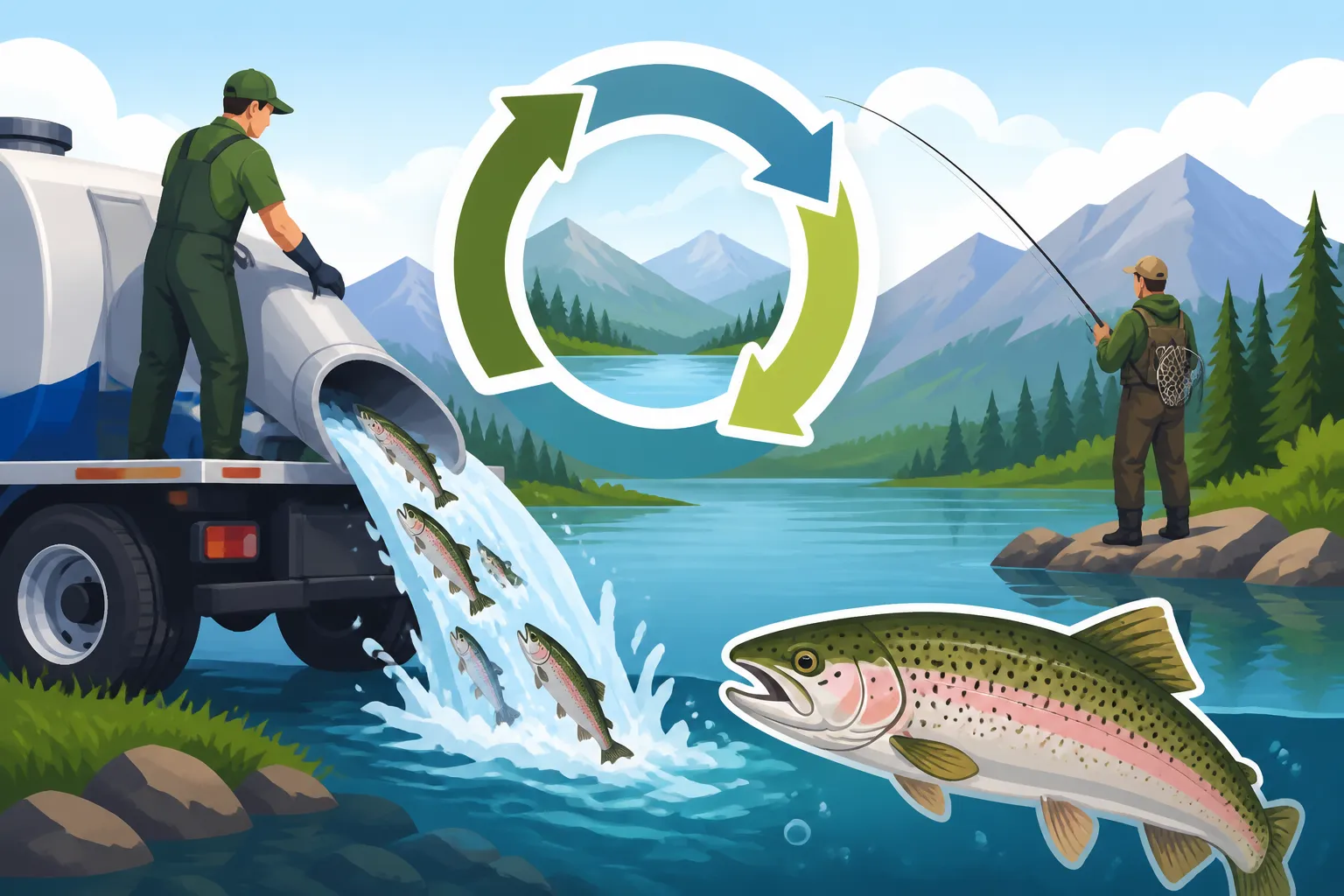
Many of Idaho's most frequently stocked waters operate on what's known as a "put-and-take" model. This is especially true for urban ponds, community lakes, and other highly accessible locations, particularly those near population centers like Boise, Coeur d'Alene, or Idaho Falls. In these scenarios, the fish are primarily stocked for immediate angler enjoyment, with the expectation that most will be caught shortly after release. These waters often lack the natural conditions (like cold, oxygenated water year-round or suitable spawning habitat) to support a self-sustaining trout population.
For these "put-and-take" fisheries, you can expect a much higher stocking frequency. During peak seasons, typically spring through fall, these lakes might be stocked weekly or bi-weekly. This ensures a continuous supply of catchable trout, keeping angler interest high and providing consistent opportunities, especially for families and beginner anglers. Common species stocked in these situations are often rainbow trout, known for their eager biting and adaptability to hatchery conditions. To find out specifically when your local pond might be receiving its next delivery, checking the official stocking reports is your best bet – more on that later! This consistent stocking is a cornerstone of providing accessible and enjoyable Idaho Fishing Rules for Kids and Families.
Seasonal and Annual Stocking Cycles
Beyond the frequent "put-and-take" waters, many larger lakes and reservoirs across Idaho operate on a more seasonal or annual stocking cycle. These might include popular fishing destinations that are larger and can sustain trout for longer periods, or waters where trout are intended to grow larger before being caught. Instead of weekly drops, these lakes might receive a few large stockings throughout the spring and early summer, perhaps again in the fall as water temperatures cool.
The timing of these stockings is often dictated by water temperatures, fish availability from hatcheries, and expected angler pressure. For example, a larger reservoir might get a significant plant of rainbow trout in April or May, and then another in September or October. These fish are expected to disperse, grow, and provide fishing opportunities for several months, or even a year, rather than being caught immediately. This type of stocking supports a different kind of angling, where fish might be harder to locate but potentially larger and more challenging to catch. Places like Lake Coeur d'Alene receive thousands of kokanee and Chinook salmon each year, but their stocking schedule is distinct from a small pond's rainbow trout schedule.
Factors Influencing Stocking Decisions
So, what factors go into deciding when and where all these fish go? Idaho Fish and Game doesn't just randomly dump fish. A lot of scientific and practical considerations guide their stocking efforts. Key elements include water quality and temperature, which are critical for trout survival. Stocking too early in spring when water is still freezing, or too late in summer when temperatures are soaring, can lead to high mortality.
Angler demand and public access also play a huge role. Waters that are easy to reach and see a lot of fishing pressure will naturally be prioritized for more frequent stocking to meet that demand. The availability of hatchery-raised fish is another practical constraint; hatcheries operate on cycles, and there are only so many fish that can be produced at any given time. Finally, biological surveys, angler creel surveys, and overall fishery management plans inform these decisions, ensuring that stocking aligns with the broader goals for each specific water body. It's a complex equation designed to provide the best possible fishing experiences while protecting the resource.
Here's a quick overview of typical stocking frequencies by water type:
| Water Type | Typical Stocking Frequency (Peak Season) | Primary Goal | Common Species |
|---|---|---|---|
| Urban/Community Ponds | Weekly to Bi-Weekly | High angler success, "put-and-take" | Rainbow Trout |
| Accessible Small Lakes/Reservoirs | Monthly or 3-5 times/season | Consistent opportunities, some growth | Rainbow Trout |
| Larger Lakes/Reservoirs | 1-3 major plants/year | Grow-out fishery, diverse opportunities | Rainbow, Kokanee |
| Remote/High Mountain Lakes | Less frequent, often every few years | Supplement natural populations, remote experience | Cutthroat, Rainbow |
Finding Idaho's Trout Stocking Reports and Schedules
Knowing the general patterns is one thing, but if you want to be truly in the know, you need to go directly to the source. The Idaho Department of Fish and Game (IDFG) makes a concerted effort to keep anglers informed about their stocking activities, and this information is readily available if you know where to look. Getting this information can significantly improve your chances of a productive day on the water, especially if you're targeting those fresh fish.
Utilizing the Official Idaho Fish and Game Stocking Reports
The absolute best resource for current and upcoming trout stocking information is the official Idaho Fish and Game website. They maintain a comprehensive database and regularly updated reports that detail which lakes, rivers, and ponds have been or will be stocked, along with the species and approximate number of fish. These reports are usually organized by region and can be filtered to help you find information relevant to your area. I highly recommend bookmarking this page if you're a regular Idaho angler! Learning How to Read a Fish Stocking Report will empower you to identify prime fishing opportunities.
When you're looking at these reports, pay close attention to the dates, the species, and the number of fish. A recent stocking of several thousand rainbow trout in a local pond usually means excellent fishing for the next few days to a week. The IDFG often updates these reports frequently, sometimes daily or weekly during peak stocking seasons, so checking back regularly can give you a real edge. This level of transparency is a huge benefit to anglers and helps distribute pressure across various stocked waters.
Regional Variations and Local Information
While the statewide reports are excellent, it's also worth remembering that Idaho is a vast state with diverse ecosystems. Stocking priorities and schedules can vary quite a bit from one region to another. For example, what happens in the Panhandle might be very different from the stocking strategy in the Magic Valley or Eastern Idaho. Different regional offices of Idaho Fish and Game might also have specific management plans or unique local waters that aren't always highlighted in the broadest statewide summaries.
Don't hesitate to consult local sources for additional insights. Local sporting goods stores, bait shops, and even regional Fish and Game offices can be incredible hubs of current, hyper-local information. These folks are often on the ground, hear the latest news, and can offer tips about which lures are working on freshly stocked fish. Online fishing forums or local social media groups dedicated to Idaho fishing can also be a goldmine for real-time updates and shared experiences. Sometimes, the best intel comes from a fellow angler who was just out on the water.
What to Expect When Fishing Stocked Waters in Idaho
Fishing stocked waters can be a truly enjoyable experience, offering a different kind of challenge and reward compared to pursuing wild fish. While it might sometimes be perceived as "easy fishing," there are still nuances and techniques that can help you maximize your success. Understanding what to expect can make all the difference in turning a good day into a great one.
Freshly Stocked Trout Behavior
When trout are first introduced into a new lake or pond, they often exhibit a period of high activity and are relatively easy to catch. They're typically hatchery-raised, accustomed to being fed, and might not be as wary as their wild counterparts. This means they're often eager to bite, making them ideal targets for beginners and children. You might see them actively cruising the banks or congregating in certain areas, sometimes even jumping.
This initial frenzy, however, doesn't last indefinitely. Within a few days or a week, depending on fishing pressure and environmental factors, these fish can become more "educated" and revert to more natural, cautious behaviors. They'll learn to avoid certain lures, seek cover, and become a bit pickier about what they eat. So, if you hit a freshly stocked lake, capitalize on that initial excitement! Simple presentations often work best during this window.
Gear Considerations for Stocked Trout
You don't need fancy, expensive gear to catch stocked trout. In fact, simpler is often better. A light to ultra-light spinning rod and reel combo, spooled with 4-6 pound test monofilament or fluorocarbon line, is perfect. For terminal tackle, small hooks (size 8-12) are ideal, often fished under a small bobber, or with light split shot.
When it comes to bait and lures, the options are vast. PowerBait, especially in bright colors like chartreuse or rainbow, is a perennial favorite for stocked rainbows. Worms, corn, and marshmallows can also be incredibly effective. For lures, small inline spinners (like Panther Martins or Mepps), small spoons, or tiny jigs (1/32 to 1/16 oz) are excellent choices. Many anglers find convenient, pre-packaged "trout kits" on Amazon that contain a good assortment of these essentials, making it easy to get started. Don't overthink it; these fish are often less selective than wild trout. Check out our Best Bait and Lures for Idaho Fishing guide for more detailed recommendations.
Beyond the Stocked Fish: Pursuing Wild Trout
While stocked fisheries offer fantastic opportunities for consistent action and family fun, it's important to remember that Idaho also boasts incredible wild trout populations. Many anglers eventually graduate from the readily available stocked fish to the more challenging, yet immensely rewarding, pursuit of wild trout in Idaho's rivers and high-mountain lakes. These experiences require different skills, patience, and often more specialized gear, such as fly fishing setups.
The satisfaction of catching a truly wild cutthroat from a pristine mountain stream, or a native rainbow from a free-flowing river, is unparalleled. We encourage every angler to explore both facets of Idaho fishing. Start with the abundant opportunities in stocked waters, hone your skills, and then, when you're ready, venture into the wilderness to discover the magic of Idaho's wild trout. Each offers a unique and valuable connection to the natural world and helps complete the rich tapestry of Idaho Fishing.
Disclaimer
This article is for general informational purposes only and does not constitute professional advice. Laws, prices and regulations vary by location and change over time. Consult a qualified professional for guidance on your specific situation.