Difference Between Westslope and Yellowstone Cutthroat Trout
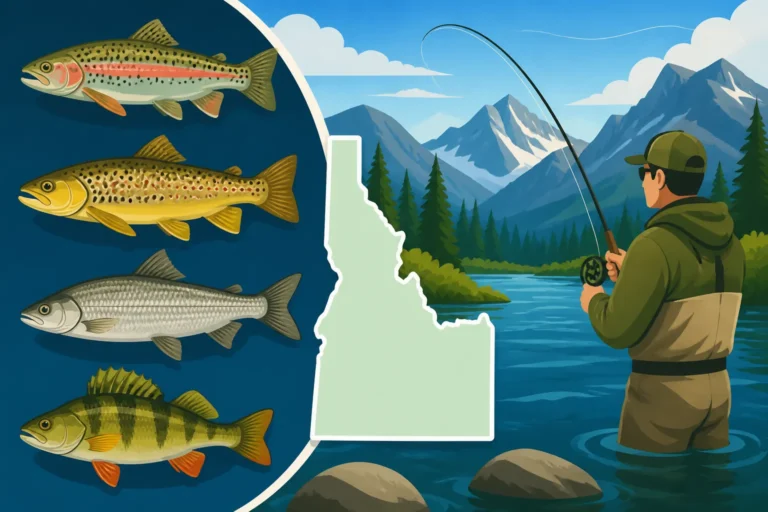
It's a common moment for many anglers in Idaho: you pull in a beautiful trout from a clear mountain stream, admire its vibrant colors and distinctive "cut" marks, and then a question pops into your head. "Is this a Westslope or a Yellowstone Cutthroat?" Distinguishing between these native subspecies can be a real head-scratcher, even for experienced folks. This guide will meticulously break down the unique characteristics, habitats, and behaviors of the Westslope Cutthroat Trout and the Yellowstone Cutthroat Trout, helping you confidently identify your catch and appreciate Idaho's incredible native fish heritage.
The Cutthroat Trout Legacy in Idaho
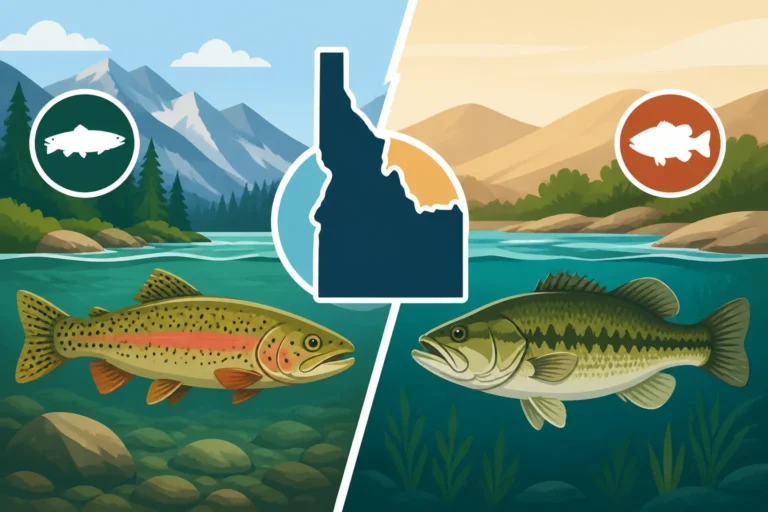
The cutthroat trout holds a special place in the hearts of Idaho anglers, and for good reason. These aren't just any trout; they are symbols of Idaho's wild rivers and pristine high-mountain lakes, resilient natives that have adapted to the varied and often harsh conditions of the Gem State for millennia. When you hook into a cutthroat, you're not just catching a fish; you're connecting with a piece of Idaho's natural history. But Idaho isn't just home to one type of cutthroat; it boasts distinct native subspecies, primarily the Westslope and Yellowstone cutthroat, each with its own story and preferred domain. Understanding these distinctions enriches your fishing experience and reinforces the importance of their preservation.
Why IDFG Cares So Much About Cutthroat
The Idaho Department of Fish and Game (IDFG) puts a tremendous amount of effort into managing and conserving native cutthroat populations. This isn't just about ensuring there are fish for us to catch; it's about maintaining ecological balance and protecting the genetic integrity of these unique subspecies. Cutthroat trout are often indicators of healthy aquatic ecosystems, thriving in clean, cold waters that support a diverse array of life. Their populations face threats from habitat loss, competition with non-native species, and, significantly, hybridization with introduced rainbow trout. The IDFG’s regulations, such as Idaho Catch Limits and Bag Limits Explained and specific gear restrictions, are often tailored to protect these vulnerable native fish, making angler identification crucial for responsible fishing.
General Characteristics of Cutthroat Trout
Before we dive into the specific differences, let's talk about what all cutthroat trout generally have in common. The most distinctive feature, and where they get their name, is the presence of a reddish-orange slash or "cut" under the jaw on either side. This marking can vary in intensity, sometimes being a vibrant crimson and other times a faint, almost orange line. Beyond the "cut," these fish typically have small, dark spots concentrated towards the tail, often sparse or absent on the front half of the body. Their body color can range dramatically depending on habitat, diet, and water conditions, from silvery to golden to olive-green. They tend to have a somewhat pointed snout and a relatively small mouth compared to some other trout species. Recognizing these general traits is your first step before narrowing down to the specific subspecies.
Westslope Cutthroat Trout: The Northern Native
Imagine pristine mountain streams, shaded by towering pines, with water so clear you can count the rocks on the bottom. That's often the domain of the Westslope Cutthroat Trout. This subspecies is a true jewel of Idaho's northern and central drainages, a testament to the wild, untamed nature of those regions. They are celebrated for their beauty and their willingness to rise to a well-presented fly, making them a favorite among dedicated fly anglers who cherish the challenge of stalking native fish in their natural environment. Their presence often indicates a thriving, undisturbed ecosystem, something we all hope to preserve for future generations.
Physical Markers for Westslope Cutthroat
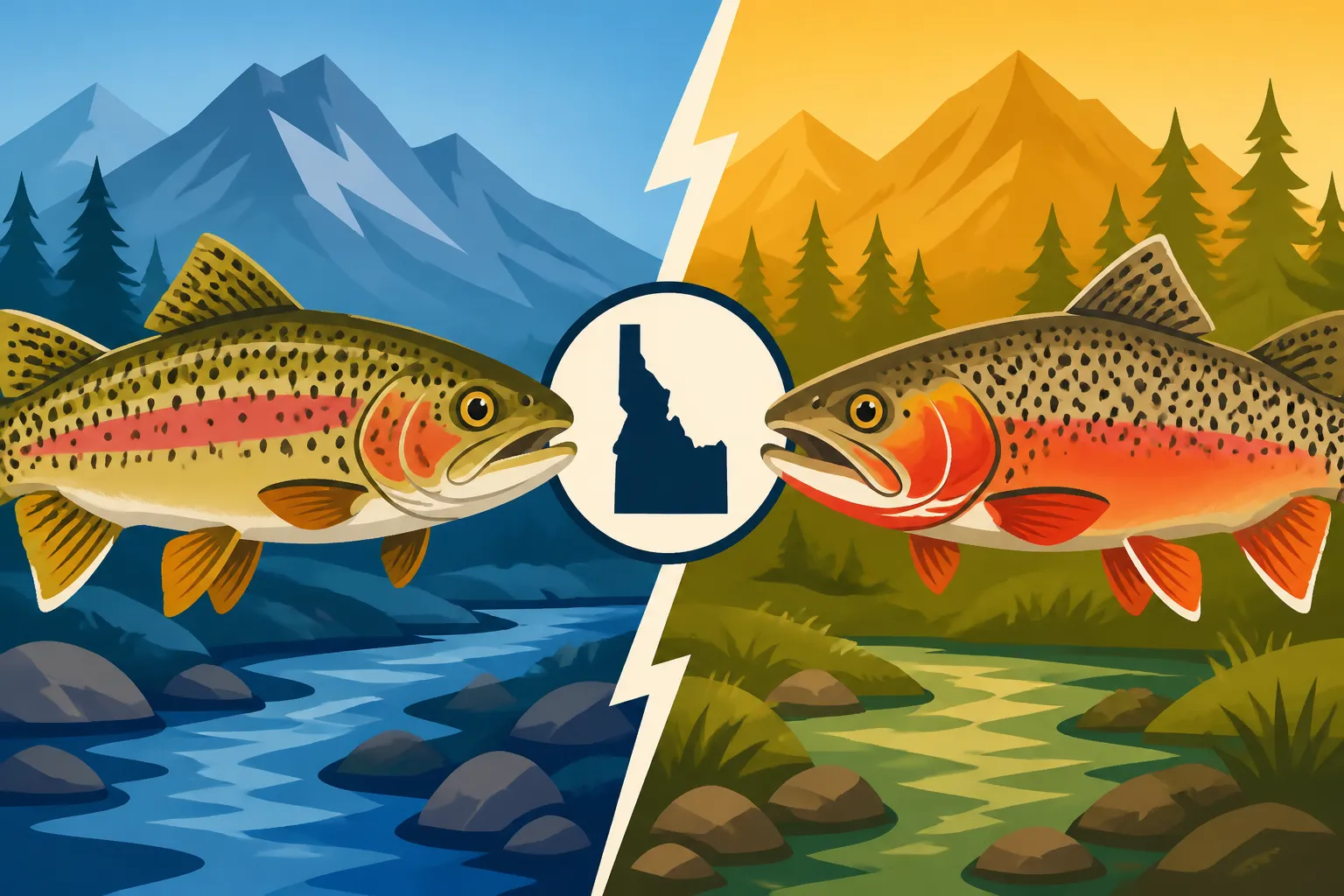
When you pull a Westslope Cutthroat from the water, you'll immediately notice its generally more slender, torpedo-like body compared to some other trout. Their overall coloration tends to be a bit more subtle, often a pale yellow, olive-green, or even bronze, with a silvery sheen along their sides, especially in larger stream and lake-dwelling individuals. The spots on a Westslope are typically small and irregular, scattered more heavily towards the tail and often sparse on the anterior part of the body, sometimes even completely absent on the head and front half. The "cutthroat" marks under the jaw are usually a bright orange to red, but can sometimes be a bit fainter. One key differentiator is their head shape: often more conical with a slightly smaller mouth that doesn't extend past the back of the eye. Think elegant and streamlined.
Preferred Habitats and Range
Westslope Cutthroat are primarily found in the headwaters and tributaries of the Columbia River Basin. In Idaho, this means you'll encounter them across much of the northern Panhandle, central Idaho's high country, and into the western slopes of the Salmon River drainage. Where Westslope Cutthroat Trout Are Native in Idaho offers more details on specific locations where these fish naturally occur. They thrive in colder, clearer, often higher-elevation streams and lakes, displaying a strong preference for complex habitats with plenty of cover like undercut banks, fallen timber, and deep pools. You might find them in the St. Joe River, the Selway-Bitterroot Wilderness streams, or high mountain lakes within the Best High Mountain Lakes in Idaho for Fishing. Their adaptability allows them to exist in various aquatic environments, from small trickles to larger rivers, but always with that need for clean, cold water.
Fishing for Westslope Cutthroat
Fishing for Westslope Cutthroat is often a purist's pursuit, requiring stealth and delicate presentation. They are eager to strike at well-presented dry flies, especially during insect hatches like caddis or mayflies, making them incredibly rewarding for fly anglers. Small nymphs, emergers, and streamers can also be highly effective in deeper pools or faster runs. Spin fishermen can have success with small inline spinners (sizes 00 or 0) or tiny spoons, retrieved slowly. Regardless of your tackle, a cautious approach is key; these fish can be quite spooky, especially in clear, shallow streams, so keep a low profile and avoid heavy footsteps on the bank. Light tackle (2-4 weight fly rods, ultralight spinning gear with 2-4lb test line) enhances the experience and helps protect the fish. Many anglers practice catch-and-release, especially for larger specimens, to help conserve these valuable native populations. Always check the local regulations for the specific waters you're fishing, as some areas have special rules for cutthroat. You can often find suitable lures and flies, along with other specialized gear for delicate presentations, on online retailers like Amazon.
Yellowstone Cutthroat Trout: The Eastern Gem
Moving eastward across Idaho, particularly into the drainages that feed into the Yellowstone River and eventually the Missouri River system, you'll encounter the Yellowstone Cutthroat Trout. This subspecies is known for its robust nature and often vibrant coloration, embodying the wild beauty of eastern Idaho's landscapes. They are a staple of the famous trout fisheries in the Greater Yellowstone Ecosystem, including many iconic waters within Idaho. Their presence is a strong indicator of healthy, interconnected river systems, and they play a vital role in the food web of these areas, supporting everything from ospreys to bears.
Physical Markers for Yellowstone Cutthroat
Yellowstone Cutthroat Trout generally exhibit a more brassy or golden-yellow coloration, often with a distinct reddish hue along their sides and belly, particularly during spawning season when these colors become very pronounced. Their body can appear more robust and deep-bodied than the Westslope, especially larger individuals found in rivers with abundant food sources. The spots on a Yellowstone Cutthroat are typically larger and more evenly distributed over the entire body, extending further forward towards the head and even onto the gill plates. The "cutthroat" slashes under the jaw are often a deep, vibrant red, sometimes appearing almost blood-red. Their mouth is usually larger, often extending beyond the eye in many cases, which can be a subtle but helpful distinction. Think bold and hearty, a fish built for big water.
Preferred Habitats and Range
Yellowstone Cutthroat are native to the Snake River drainage upstream of Shoshone Falls, and the Bear River drainage, which means you'll find them predominantly in southeastern Idaho. This includes famous rivers like the South Fork of the Snake River, the Henry's Fork, and various streams and lakes within and around the Caribou-Targhee National Forest. Where Yellowstone Cutthroat Trout Are Native in Idaho provides more geographical specifics, including maps that show their historical and current distribution. They are highly adaptable, inhabiting large rivers, smaller tributaries, and lakes. They are known for their migratory habits, often traveling long distances between spawning and foraging grounds, especially in larger river systems. The Snake River, for example, offers prime habitat for these majestic fish, with a mix of riffles, runs, and deep pools that cater to their diverse needs.
Fishing for Yellowstone Cutthroat
Fishing for Yellowstone Cutthroat is an unforgettable experience, especially on renowned waters like the Henry's Fork or the South Fork of the Snake. They are often less spooky than Westslopes and can be incredibly aggressive, especially when a hatch is on. Fly anglers will find success with a wide range of patterns, from large dry flies mimicking grasshoppers or Chernobyl ants in summer to various nymphs and streamers throughout the year, matching the prevalent forage. Spin fishermen can use similar small inline spinners or spoons, but live bait (where permitted and regulated) such as worms or maggots can also be very effective, especially in lakes or slower river sections. These fish can grow quite large, offering thrilling fights and powerful runs. As with all native species, responsible angling practices, including careful handling and catch-and-release, are paramount to ensuring their future. Online tackle shops, including those on Amazon, are great places to stock up on the necessary gear, from specific fly patterns to sturdy landing nets.
Key Distinguishing Features at a Glance
Sometimes, when you're out on the water, you need a quick reference to help you tell the difference. While both are stunning native fish, a few key visual and geographical clues can help you identify whether you've landed a Westslope or a Yellowstone Cutthroat. It's not always cut and dry, especially with variations within populations and potential hybridization, but knowing the typical traits will significantly improve your identification skills and deepen your appreciation for Idaho's diverse fish fauna.
| Feature | Westslope Cutthroat Trout | Yellowstone Cutthroat Trout |
|---|---|---|
| Native Range | Northern/Central Idaho (Columbia River drainage, e.g., St. Joe, Clearwater, Salmon headwaters) | Southeastern Idaho (Upper Snake River, Henry's Fork, Bear River drainages) |
| Body Shape | Generally more slender, streamlined | Often more robust, deeper-bodied |
| Coloration | Pale yellow, olive-green, bronze, silvery sheen | Brassier, golden-yellow, reddish hue on sides/belly |
| Spotting Pattern | Small, irregular spots; concentrated towards tail, sparse forward | Larger, more evenly distributed spots; extends towards head/gill plates |
| Jaw Slash (Cut) | Bright orange to red | Deep, vibrant red |
| Mouth Size | Smaller, typically not extending past the back of the eye | Larger, often extending past the back of the eye |
Geographic Distribution as a Primary Clue
Honestly, one of the biggest clues you'll get before even seeing the fish is where you are fishing. If you're wading through a clear stream in the Panhandle near Coeur d'Alene, or exploring a high mountain lake in the Sawtooths, chances are very good you're in Westslope territory. If your adventure takes you to the famous tailwaters of the Henry's Fork near Island Park or the South Fork of the Snake downstream from Palisades Reservoir, then you're almost certainly targeting Yellowstone Cutthroat. Knowing your Idaho Fishing Spots You Can Only Reach by Hiking and their native fish populations is an invaluable first step in identification. Of course, stocking efforts and transplanted populations can sometimes complicate this, and some waters might have both, so it's always good to combine location with careful visual identification for confirmation.
Subtle but Significant Visual Cues
Beyond geography, those subtle visual cues become incredibly important once you have the fish in hand. Pay close attention to the size and distribution of spots. Think of Westslopes as having delicate, almost pepper-like freckles concentrated mostly on their tail section and flanks, with the front of the body often looking relatively clean. In contrast, Yellowstones are typically speckled more generously, with larger, rounder spots that extend noticeably further forward towards the head and even onto the gill covers. The intensity of the red "cut" is another strong indicator; Westslopes often have a vivid orange-red slash, while Yellowstones tend towards a deeper, more pronounced, blood-red coloration. Even the overall "feel" of the fish – the slender grace of a Westslope versus the solid, powerful build of a Yellowstone – can provide a strong hint after you've handled a few. Don't forget to look at the jawline; does it extend well past the eye, or stop short? These details, observed carefully, paint a clear picture.
Hybridization and Conservation Concerns
While celebrating the distinct beauty of Westslope and Yellowstone Cutthroat is wonderful, it's also crucial to acknowledge the challenges these native populations face, especially the threat of hybridization. Anglers have a direct role in the ongoing conservation efforts. Understanding these concerns isn't just academic; it's about being a responsible steward of Idaho's precious aquatic resources and ensuring these magnificent fish continue to thrive for generations to come. Your awareness and actions make a real difference.
The Threat of Rainbow Trout Hybridization
One of the most significant threats to both Westslope and Yellowstone Cutthroat Trout is hybridization with non-native rainbow trout. When rainbow trout are introduced into waters where cutthroat are native, they can interbreed, producing hybrid offspring known as "cutbows." These hybrids can dilute the genetic purity of the native cutthroat populations over generations, eventually leading to the loss of the unique genetic traits that make these cutthroat subspecies so special and adapted to their environments. Many fisheries managers, including IDFG, work tirelessly to manage populations to minimize this interaction, often through strategic stocking plans or targeted removal of non-native species in critical native cutthroat habitats. For anglers interested in the nuances of fish identification, understanding the subtle differences like Idaho Rainbow Trout vs Steelhead, What's the Difference helps build a broader knowledge base, even though identifying cutbows can be quite tricky due to their mixed characteristics.
Angler's Role in Protecting Native Cutthroat
As anglers, we are on the front lines of conservation. Our actions, or inactions, can have a real impact on native fish populations. First and foremost, proper identification is key. If regulations call for the release of native cutthroat, you absolutely need to know how to tell them apart from hybrids or other species to comply with the rules and support conservation. Why Wild Steelhead Must Be Released in Idaho highlights the importance of species identification for conservation. Secondly, practicing careful catch-and-release, especially with native fish, is vital. Minimize handling time, keep the fish in the water as much as possible, use wet hands to protect their slime coat, and avoid squeezing or dropping them. Barbless hooks, easily found on Amazon or at local tackle shops, reduce damage and make releases quicker and safer for the fish. And finally, be informed. Stay up-to-date with current regulations, attend local wildlife meetings if possible, and educate other anglers respectfully. Every effort, no matter how small, contributes to the health and future of Idaho's native cutthroat trout.
Disclaimer
This article is for general informational purposes only and does not constitute professional advice. Laws, prices and regulations vary by location and change over time. Consult a qualified professional for guidance on your specific situation.