Why Kokanee Are Called Landlocked Sockeye
For many anglers and nature enthusiasts exploring the beautiful waters of Idaho, a common point of confusion arises around two distinct yet deeply connected fish: Kokanee and Sockeye salmon. You hear people using terms interchangeably, or maybe you've caught a bright red Kokanee and thought, "Isn't that what Sockeye look like?" It's a valid question, as Sockeye are famously anadromous, meaning they travel from the ocean to spawn in freshwater, so how can a fish called a "landlocked Sockeye" exist far from the sea? This guide aims to clear up that fascinating biological puzzle, diving into the genetic ties and environmental adaptations that define these remarkable fish, particularly within Idaho's unique aquatic landscapes.
Unpacking the Mystery: What Exactly are Kokanee?
When we talk about Kokanee in Idaho, we're talking about a true gem of our freshwater fisheries. These fish are beautiful, feisty, and absolutely delicious, making them a favorite target for many anglers across the state. But what often confuses people is their striking resemblance to their anadromous cousins, the Sockeye salmon.
The Life and Times of Idaho's Kokanee
Kokanee salmon (scientific name Oncorhynchus nerka) are unique because, unlike most salmon species that migrate to the ocean, they spend their entire lives in freshwater. They are, quite literally, landlocked. These fish typically thrive in deep, cold, clear lakes and reservoirs, where they feed predominantly on zooplankton. They are schooling fish, often found in large groups, which can make for exciting fishing once you locate a school.
Throughout most of their lives, Kokanee have a sleek, silvery appearance, often with a blue-green back. They are generally smaller than their anadromous Sockeye relatives, typically ranging from 8 to 15 inches in Idaho waters, though some can grow larger under ideal conditions. But the real showstopper comes when they approach spawning age. Much like Sockeye, Kokanee undergo a dramatic transformation. Their bodies turn a brilliant, fiery red, their heads take on a greenish hue, and the males develop a distinct humped back and hooked jaw (kype). This vibrant coloration signals the culmination of their life cycle, as they migrate into tributary streams or along lake shores to spawn, after which they die. It’s a powerful, visually stunning process that happens right here in our Idaho lakes.
Where to Find Kokanee in Idaho
Idaho is blessed with numerous fantastic Kokanee fisheries. These fish require specific habitat conditions—primarily cold, well-oxygenated water—which limits where they can thrive. However, where they do exist, they often flourish, providing abundant angling opportunities.
Some of the most renowned Kokanee waters in Idaho include the vast expanse of Lake Coeur d'Alene, where they form a crucial part of the ecosystem and a popular fishery. Does Lake Coeur d'Alene Get Stocked with Kokanee? is a common question, and yes, management efforts often involve stocking to maintain healthy populations. Other prime spots include Dworshak Reservoir, known for producing some truly large Kokanee, Anderson Ranch Reservoir, and Lucky Peak Reservoir near Boise, which offers convenient angling access. You might also find them in places like Priest Lake, Payette Lake, and other mountain reservoirs that mimic their preferred deep-water habitats. Knowing the specific characteristics of these bodies of water, like depth, temperature, and food sources, is key to successful Kokanee fishing. Each location offers a slightly different experience, but the common thread is the pursuit of these vibrant, freshwater salmon.
Fishing for Kokanee: A Unique Challenge
Catching Kokanee is a beloved pastime in Idaho, and it presents a unique challenge that many anglers relish. Because Kokanee primarily feed on tiny zooplankton, they aren't typically aggressive biters like some other game fish. The most effective method for targeting them is usually trolling. This involves slowly moving through the water with specialized lures and baits designed to entice their subtle strikes.
Anglers often use downriggers to get their lures down to the specific depths where Kokanee are holding, which can vary greatly depending on the season and time of day. Small dodgers or flashers are frequently employed to attract attention, followed by a small, colorful lure tipped with a kernel of corn, which adds scent and a visual trigger. Scents, like Anise or Kokanee-specific attractants, are also commonly applied to baits to increase their appeal. Brands like Pautzke Bait or Pro-Cure offer a variety of scents readily available, even on platforms like Amazon, for anglers looking to maximize their chances. The fight of a Kokanee is often characterized by energetic head shakes and sudden dives, making them an exciting fish to reel in, especially on light tackle. Mastering the art of Kokanee fishing often involves a combination of understanding fish behavior, precise depth control, and experimenting with various lures and scents. You can dive deeper into specific techniques with our guide on How to Fish for Kokanee in Idaho.
The Ancestor: Understanding Sockeye Salmon
To truly understand why Kokanee are called "landlocked Sockeye," we must first grasp the full picture of their ocean-going relatives. Sockeye salmon are one of the most iconic Pacific salmon species, renowned for their incredible life cycles and striking appearance.
The Iconic Anadromous Sockeye Journey
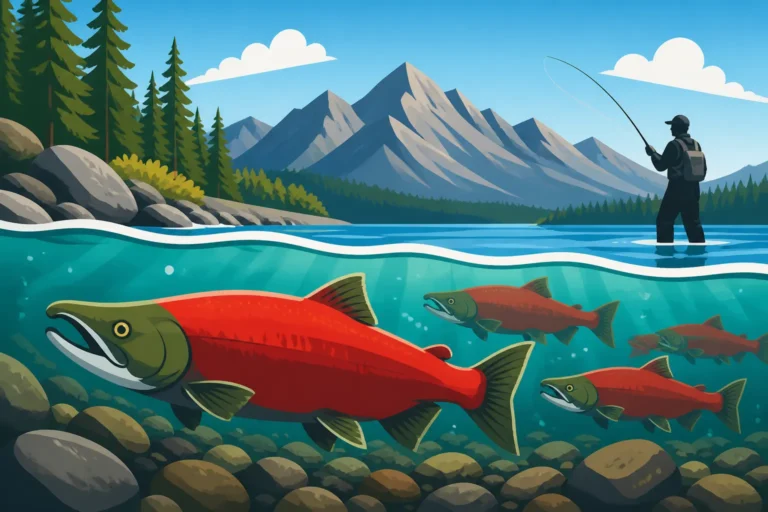
Sockeye salmon (Oncorhynchus nerka) are classic anadromous fish. This means they are born in freshwater, migrate to the ocean to live and grow, and then return to their natal freshwater streams or lakes to spawn. This journey is nothing short of epic, often covering thousands of miles across vast ocean expanses. During their time in the saltwater, Sockeye primarily feed on zooplankton and krill, which is actually responsible for giving their flesh its distinctive, rich red color – a trait shared by Kokanee due to their similar diet of crustaceans.
When it's time to spawn, usually after 2-3 years in the ocean, Sockeye undertake a grueling upstream migration against currents, through rapids, and past predators. This immense effort leads to the dramatic physical transformation mentioned earlier: their bodies turn a brilliant red, and males develop the characteristic humped back and hooked jaw. Once they reach their spawning grounds, they reproduce and, like all Pacific salmon, die, providing vital nutrients back to the freshwater ecosystem. It's a powerful cycle of life and death that defines these magnificent creatures.
Sockeye in Idaho: A Glimpse of the Past and Present
While the vast majority of Sockeye salmon undertake ocean migrations, Idaho has a unique and historically significant connection to these fish. Our state once hosted vibrant populations of anadromous Sockeye that made the incredible journey from the Pacific Ocean, up the Columbia and Snake River systems, all the way to high-mountain lakes like Redfish Lake in the Sawtooth Mountains.
Unfortunately, the construction of numerous dams along the Columbia and Snake Rivers severely impacted these migrations, leading to drastic declines in Idaho's Sockeye populations. Today, the sockeye run to Redfish Lake is critically endangered and represents one of the longest and highest elevation salmon migrations on Earth. Herculean efforts are underway to restore these iconic fish, involving complex hatchery programs and careful management. When you hear about Idaho Sockeye Salmon and the Redfish Lake Run, you're hearing about a true conservation saga, a testament to both the resilience of nature and the challenges posed by human development. The name of Redfish Lake itself, in fact, comes from the vibrant red spawning Sockeye that historically filled its waters, a story further explored in Why Redfish Lake Is Named for Sockeye Salmon.
Key Characteristics of Sockeye Salmon
Distinguishing Sockeye salmon from other Pacific salmon species, especially when they are in their ocean phase, can sometimes be tricky, but their spawning coloration makes them unmistakable. Here are some key characteristics:
- Size: Generally larger than Kokanee, often weighing 5-15 pounds, though sizes can vary by run and age.
- Coloration (Ocean Phase): Silvery body with a blue-green back.
- Coloration (Spawning Phase): Body becomes a brilliant crimson red, while the head turns green. Males develop a prominent humped back and a distinct hooked snout (kype).
- Spots: A key identifier is the general lack of prominent spots on their backs or tails, which differentiates them from Chinook or Coho salmon.
- Gill Rakers: They have a higher number of long, slender gill rakers compared to other salmon species, an adaptation for filtering zooplankton.
These characteristics are important not just for identification, but also for understanding their biology and how they differ from, yet are inextricably linked to, their freshwater counterparts.
The Genetic Connection: Why "Landlocked Sockeye"?
This is where the heart of the mystery lies. How can two fish, one traveling thousands of miles to the ocean and back, and the other spending its entire life in a mountain lake, be essentially the same species? The answer lies in their shared ancestry and the powerful forces of isolation and adaptation.
A Tale of Isolation and Adaptation
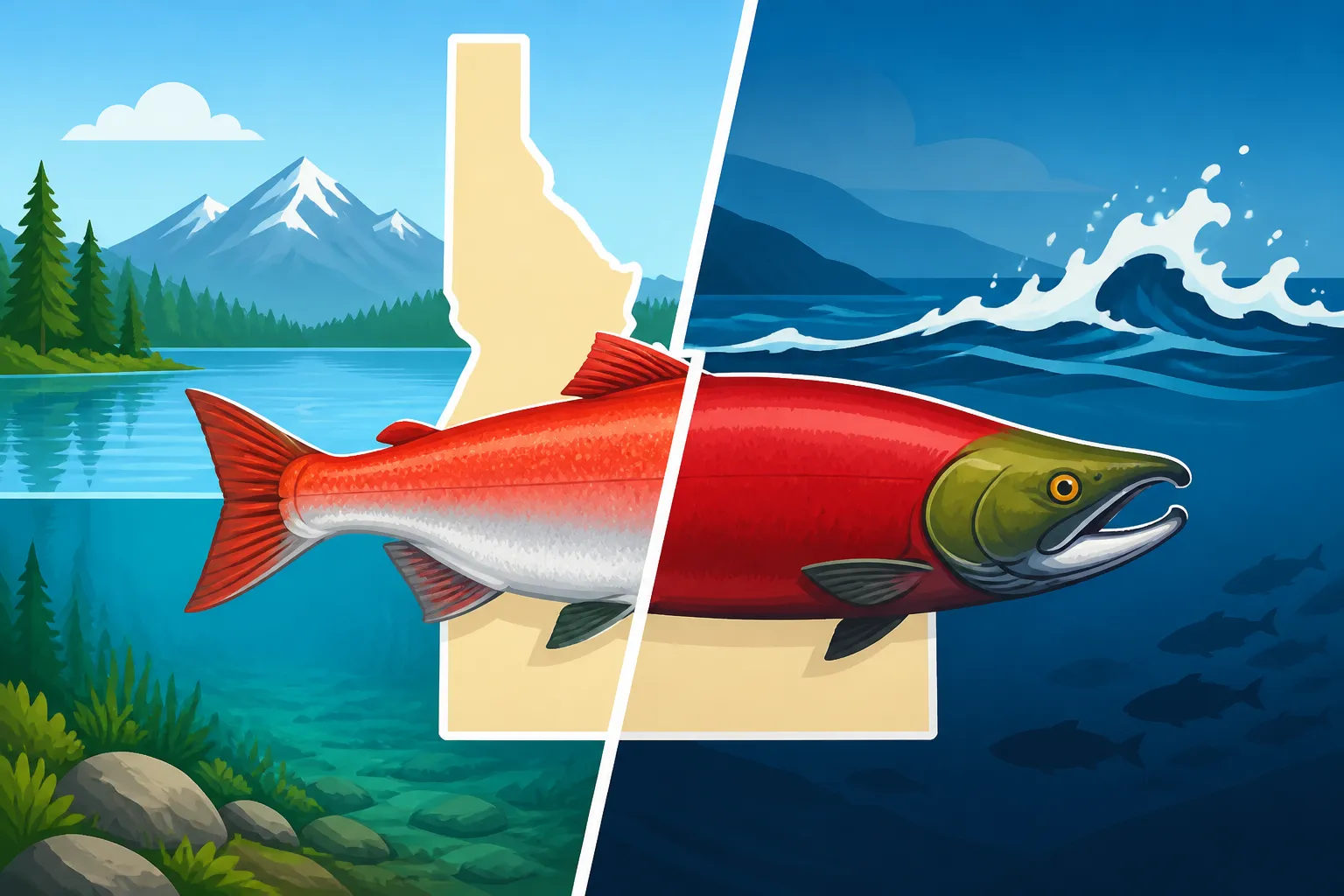
At its core, a Kokanee is a Sockeye salmon that has become geographically isolated from the ocean, unable to complete its anadromous migration. This isolation event could have happened due to a variety of factors over millennia. Imagine ancient geological events like massive landslides that blocked a river's course to the sea, or the receding glaciers at the end of the last ice age, leaving behind lakes with no outlet to the ocean for salmon to return to. In more recent history, human-made barriers like hydroelectric dams have also cut off migratory routes for many salmon populations, including Sockeye.
When a population of Sockeye salmon found itself trapped in a freshwater environment, unable to access the ocean, a remarkable evolutionary process began. Over countless generations, the anadromous instinct, the genetic programming that compels them to migrate to saltwater, gradually diminished. They adapted to a purely freshwater existence, finding all their food, growing, and reproducing within the confines of a lake or reservoir. This long-term adaptation to a landlocked life is precisely why they are referred to as "landlocked Sockeye." They are not a separate species in the traditional sense, but rather a distinct, non-migratory form of Oncorhynchus nerka. You can explore this further in Difference Between Kokanee and Sockeye Salmon.
Shared DNA, Different Lifestyles
Despite their vastly different life histories, Kokanee and Sockeye salmon share the same scientific species name: Oncorhynchus nerka. This underscores their profound genetic kinship. Think of it like different breeds of dogs – they all belong to the same species, Canis lupus familiaris, but they have developed distinct characteristics and behaviors due to selective breeding. In the case of Kokanee and Sockeye, it's natural selection and geographical isolation that drove the differentiation in lifestyle.
The absence of the rich, nutrient-dense marine environment is a significant factor in the differences we observe. Without access to the vast food sources of the ocean, Kokanee generally do not grow as large as their anadromous counterparts. They live out their lives on a diet of freshwater zooplankton, which, while abundant, simply doesn't pack the same caloric punch as the krill and other marine organisms consumed by ocean-dwelling Sockeye. Their life cycle is compressed, typically reaching maturity in 3-4 years, similar to Sockeye, but without the epic migratory journey. This adaptation to a smaller stature and a freshwater-only diet highlights the incredible flexibility of the Sockeye salmon genome. For example, How Kokanee Ended Up in Lake Coeur d'Alene is a story deeply tied to these processes of isolation and adaptation within specific Idaho waters.
Identifying the Relatives: Similarities and Differences
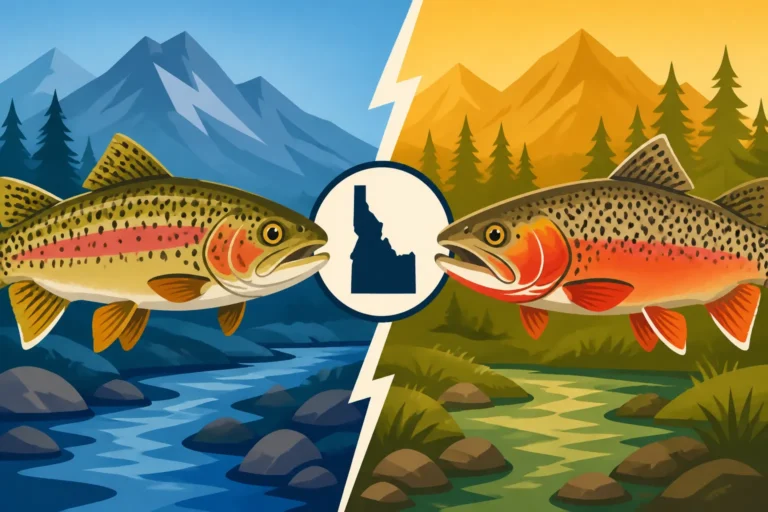
While they are genetically the same species, their different environments have led to observable distinctions. Here's a quick comparison to help solidify their relationship:
| Feature | Kokanee (Oncorhynchus nerka) | Sockeye Salmon (Oncorhynchus nerka) |
|---|---|---|
| Habitat | Entire life cycle in freshwater lakes/reservoirs | Born freshwater, migrates to ocean, returns to freshwater to spawn |
| Size | Typically smaller (8-15 inches in Idaho, up to 20+ inches) | Generally larger (5-15+ pounds in the ocean, up to 30 inches) |
| Color (Non-spawn) | Silvery body, blue-green back | Silvery body, blue-green back |
| Color (Spawn) | Bright red body, green head, males develop kype and hump | Brilliant red body, green head, males develop prominent kype and hump |
| Diet | Primarily freshwater zooplankton | Primarily marine zooplankton, krill |
| Migration | None (landlocked) | Anadromous (ocean to freshwater) |
| Lifespan | Typically 3-4 years | Typically 3-5 years |
As you can see, the core genetic programming for spawning coloration and diet preference (zooplankton) remains, but the influence of the environment dramatically shapes their size and migratory behavior. Even when purchasing fishing identification guides, whether from a local tackle shop or online through Amazon, it’s important to remember that these two forms are often discussed together due to their shared lineage.
Kokanee in the Gem State: Idaho's Prized Fishery
Here in Idaho, Kokanee are not just a biological curiosity; they are a vital component of our freshwater ecosystems and a cherished resource for recreational anglers. Their presence enriches our lakes and provides unique fishing experiences.
Managing Idaho's Kokanee Population
Maintaining healthy and thriving Kokanee populations is a priority for the Idaho Department of Fish and Game. Because these fish have a relatively short lifespan and are sensitive to changes in water quality and food availability, active management is essential. This often involves strategic fish stocking programs to supplement natural reproduction and ensure sustainable fisheries across the state. In some systems, such as Lake Coeur d'Alene, Kokanee populations can be influenced by other predatory fish like Chinook salmon, necessitating careful balance in management efforts.
Managers also implement specific harvest regulations, including daily bag limits and size restrictions, to protect spawning populations and ensure there are enough fish for future generations. Understanding these rules is crucial for any angler. Our Idaho Kokanee Bag Limits guide can provide specific details on current regulations. These management strategies are designed to ensure that anglers can continue to enjoy the fantastic Kokanee fishing opportunities that Idaho offers.
The Recreational Value of Kokanee Fishing
The appeal of Kokanee fishing in Idaho extends beyond just the thrill of the catch. These fish are renowned for their firm, flavorful, and often deep-red flesh, making them excellent table fare. Many anglers cherish Kokanee for their culinary value, often smoking, baking, or frying their fresh catch.
Beyond the dinner plate, Kokanee fishing is often a social and family-friendly activity. Trolling for Kokanee from a boat, especially in the calm morning hours on a beautiful Idaho lake, is a peaceful and enjoyable experience. It's an accessible form of fishing that can be enjoyed by anglers of all skill levels, from seasoned veterans with elaborate trolling setups to beginners with more basic gear. The specialized equipment required, such as downriggers, specific lures, and electronic fish finders, can be found at local sporting goods stores or easily purchased online from retailers like Amazon. This combination of delicious fish, enjoyable experience, and relative accessibility makes Kokanee a highly valued sport fish in Idaho, contributing significantly to our state's rich fishing culture.
Preserving the Future of Idaho's Landlocked Sockeye
As with all our precious natural resources, the future of Idaho's Kokanee fishery depends on thoughtful conservation and responsible angling practices. Anglers play a critical role in this preservation by adhering to regulations, practicing ethical catch-and-release when appropriate, and being mindful of their impact on the environment.
Understanding the unique biology of Kokanee – their genetic link to Sockeye, their freshwater adaptations, and their life cycle – helps foster a deeper appreciation for these fish. By supporting management efforts, respecting habitat, and educating fellow anglers, we can all contribute to ensuring that future generations can continue to experience the joy of pursuing Idaho's vibrant, landlocked Sockeye salmon. Whether you're targeting them for a delicious meal or simply for the experience of the catch, the Kokanee truly represents a fascinating chapter in Idaho's diverse aquatic story. For a broader understanding of all the species you might encounter, check out our Idaho Fish Species Guide.
Disclaimer
This article is for general informational purposes only and does not constitute professional advice. Laws, prices and regulations vary by location and change over time. Consult a qualified professional for guidance on your specific situation.