Why Wild Steelhead Must Be Released in Idaho
It's incredibly frustrating, isn't it? You've spent hours on the river, battling the elements and the current, and finally, you feel that electrifying tug on your line—a magnificent Idaho steelhead. But then you realize it's a wild one, and a wave of conflicting emotions washes over you. There's the thrill of the catch, certainly, but also the deep-seated understanding that this fish needs to go back. This guide is here to explain precisely why wild steelhead must be released in Idaho, delving into the critical biological and legal reasons behind this crucial conservation practice, and how your actions play a vital role in their survival.
The Precious Nature of Idaho's Wild Steelhead Populations
Idaho's wild steelhead are more than just a prized catch; they are a living testament to the resilience of nature and a vital component of the state's natural heritage. Their journey is epic, and their survival is delicate, making every single wild fish an invaluable asset to the health of our rivers and streams.
A Legacy on the Line: The Story of Idaho's Wild Steelhead
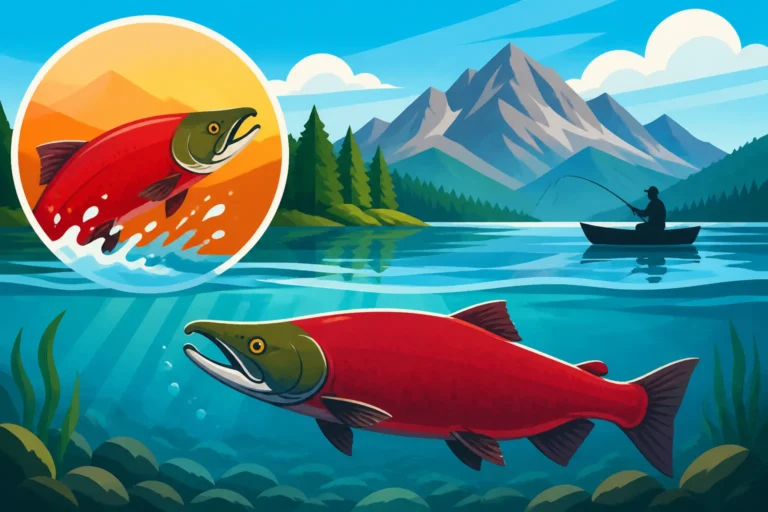
Imagine a fish that hatches from a tiny egg in a cold, clear Idaho stream, spends a year or two growing, then embarks on an arduous journey over hundreds of miles, navigating dams and predators, all the way to the Pacific Ocean. They live and grow in saltwater for a couple of years, transforming into powerful, silver-bright adults, only to turn around and make that same treacherous upstream migration back to the exact same gravel beds where they were born. This incredible anadromous life cycle is what defines steelhead, and the wild populations of Idaho have been making this journey for millennia, facing monumental challenges in recent decades.
These fish represent a connection to Idaho's wild past, a legacy passed down through generations of anglers and conservationists. Their numbers have fluctuated dramatically due to habitat loss, dam construction, and overfishing in previous eras. The regulations we have today are a direct response to the need to protect these iconic fish, ensuring that future generations can also witness their incredible journey and feel the thrill of hooking one. It's a heavy responsibility, but one that every Idaho angler shares.
The Critical Role of Wild Steelhead in River Ecosystems
Wild steelhead are not just important for their sporting value; they are foundational to the health and biodiversity of Idaho's river ecosystems. Think of them as aquatic keystone species. When they return to spawn, they bring with them vital marine-derived nutrients from the ocean, enriching the freshwater environment. These nutrients, in the form of their decaying bodies after spawning, feed aquatic insects, provide sustenance for juvenile fish, and even contribute to the growth of riparian vegetation. It's a full-circle contribution that benefits countless other species.
Moreover, wild steelhead populations possess incredible genetic diversity, which is crucial for their long-term survival. This diversity allows them to adapt to changing environmental conditions, whether it's fluctuating water temperatures, new diseases, or habitat alterations. Each wild fish carries a unique genetic code, developed over eons, that is perfectly suited to its native spawning grounds. Losing even a small number of these genetically unique fish can have ripple effects, weakening the overall population's ability to withstand future challenges. Protecting them isn't just about saving one species; it's about safeguarding the entire intricate web of life that depends on healthy rivers.
Legal Protections and Conservation Efforts for Wild Steelhead
The reasons behind the strict catch-and-release rules for wild steelhead in Idaho are rooted in both biological necessity and extensive legal frameworks designed to protect these vulnerable populations. Understanding these regulations is not just about avoiding fines; it's about being a responsible steward of our natural resources.
Understanding the Laws: What "Catch and Release Only" Truly Means
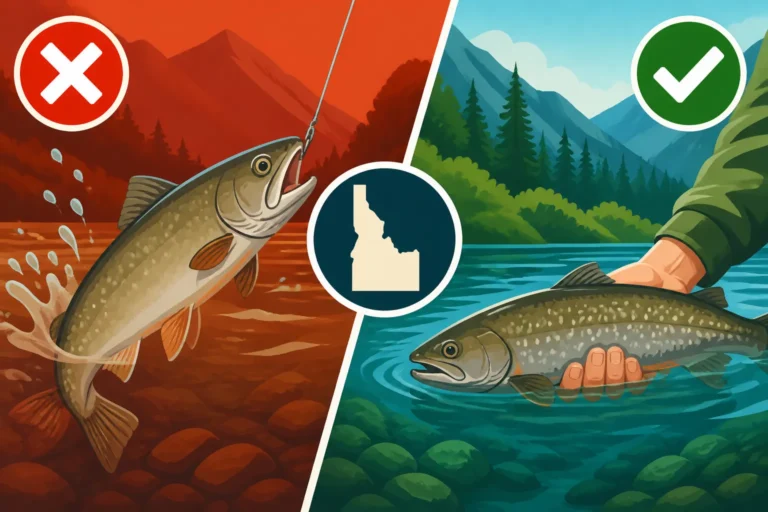
When you see "catch and release only" for wild steelhead in Idaho, it's not a suggestion; it's a strict legal mandate. This means that if you hook a wild steelhead, you must immediately release it unharmed back into the water where it was caught. The intent behind these rules is simple: to allow every wild fish the best possible chance to continue its journey, spawn, and contribute to the next generation. These regulations are part of the larger framework covered in documents like the Idaho Fishing Regulations Explained, which detail specific rules by waterbody and species.
Failure to release a wild steelhead or improperly handling one can result in significant penalties, including substantial fines and potential loss of fishing privileges. These aren't just minor infractions; they are serious offenses because keeping even one wild steelhead can have a disproportionately negative impact on a population that is still striving to recover. The rules often specify the use of barbless hooks, which minimize injury to the fish, and prohibit removing the fish from the water unnecessarily. It’s all designed to give that fish the best shot at survival post-encounter.
Hatchery vs. Wild Steelhead: Learning the Crucial Differences
The ability to distinguish between a hatchery-reared steelhead and a wild steelhead is absolutely critical for any angler fishing in Idaho. Hatchery fish are often raised in controlled environments and released to supplement recreational fisheries, and in many areas, these are the fish you are permitted to keep. Wild steelhead, however, are protected. The key to telling them apart lies in their adipose fin.
Hatchery steelhead in Idaho are almost universally marked by the removal of their adipose fin, a small, fleshy fin located on their back between the dorsal fin and the tail. This process, called adipose fin clipping, is done when the fish are very young and leaves a distinct, permanent mark. If a steelhead has its adipose fin intact, it is considered a wild fish and must be released. If it's missing, it's a hatchery fish, and depending on current regulations for that specific water, you may be able to retain it. This distinction is so important that resources like How to Identify a Hatchery Steelhead and How to Identify a Wild Steelhead exist to help anglers ensure they make the correct identification every time.
Here's a quick reference table to help you remember the difference:
| Feature | Wild Steelhead | Hatchery Steelhead |
|---|---|---|
| Adipose Fin | Intact (present) | Clipped (absent) |
| Appearance | Often more vibrant, defined fins | Sometimes show signs of fin wear, paler |
| Snout/Head | Can be more pointed, natural shape | May be slightly rounded or worn |
| Legal Status | Must be immediately released | Retention often permitted (check rules!) |
It’s crucial to make this identification quickly and confidently. When in doubt, always err on the side of caution and release the fish.
Best Practices for Catching and Safely Releasing Wild Steelhead
Your technique and gear choices don't just impact whether you catch a fish; they also significantly affect the fish's chances of survival after release. Responsible angling practices are paramount when targeting any catch-and-release species, especially Idaho's precious wild steelhead.
Gear Up Responsibly: Minimizing Stress on the Fish
Using the right gear is the first step in ensuring a healthy release. When fishing for steelhead, you're targeting strong, powerful fish that will put up a significant fight. While it might be tempting to use lighter tackle for a "sportier" battle, doing so prolongs the fight, exhausting the fish and reducing its chances of survival once released.
Opt for a rod and reel combination that can handle the fish quickly and efficiently. For example, a medium-heavy rod with a robust reel spooled with strong line (like 12-20 lb test monofilament or braid) is generally appropriate for steelhead. This allows you to land the fish without overtiring it, minimizing lactic acid buildup in its muscles, which can be fatal. Using quality fishing line, hooks, and swivels also reduces the chance of line breaks, which can leave a fish trailing tackle. You can find a wide array of suitable gear, from powerful reels to durable lines, on platforms like Amazon, ensuring you’re well-equipped for a quick and clean fight.
And let's not forget the hooks! Idaho's regulations for steelhead often mandate the use of single, barbless hooks. If your hooks aren't already barbless, you can easily pinch down the barbs with a pair of pliers. Barbless hooks make removal much quicker and cause less damage to the fish's mouth, increasing its survival rate. Carrying a pair of long-nosed pliers or forceps is also essential for safe hook removal, especially when dealing with deeply hooked fish.
The Art of the Quick and Gentle Release
Once you've landed a wild steelhead, the clock starts ticking. Every moment out of the water is stressful for the fish and reduces its chances of recovery. The goal is a quick, gentle, and effective release.
- Minimize Air Exposure: Try your absolute best to keep the fish in the water, or at least keep its head submerged. If you need a photo, do it quickly and with the fish partially submerged. A common misconception is that a fish can hold its breath; they can't. They need oxygenated water flowing over their gills. Even removing them for a few seconds can cause significant harm.
- Wet Hands Only: If you must handle the fish, always wet your hands thoroughly first. Dry hands can remove the fish's protective slime coat, leaving it vulnerable to infections and parasites.
- Support Its Body: Never hold a steelhead by its jaw vertically or squeeze its belly. This can cause severe internal damage. Instead, support its body horizontally with one hand under its belly and the other gently gripping the tail wrist. This technique is similar to proper handling for other large fish, as described in guides like How to Release a Sturgeon Safely in Idaho.
- Remove the Hook Carefully: Use your pliers or forceps to quickly back out the barbless hook. If the hook is deeply embedded and cannot be removed without causing excessive damage, it's often better to cut the line as close to the hook as possible. The hook will likely rust out over time, and this minimizes trauma.
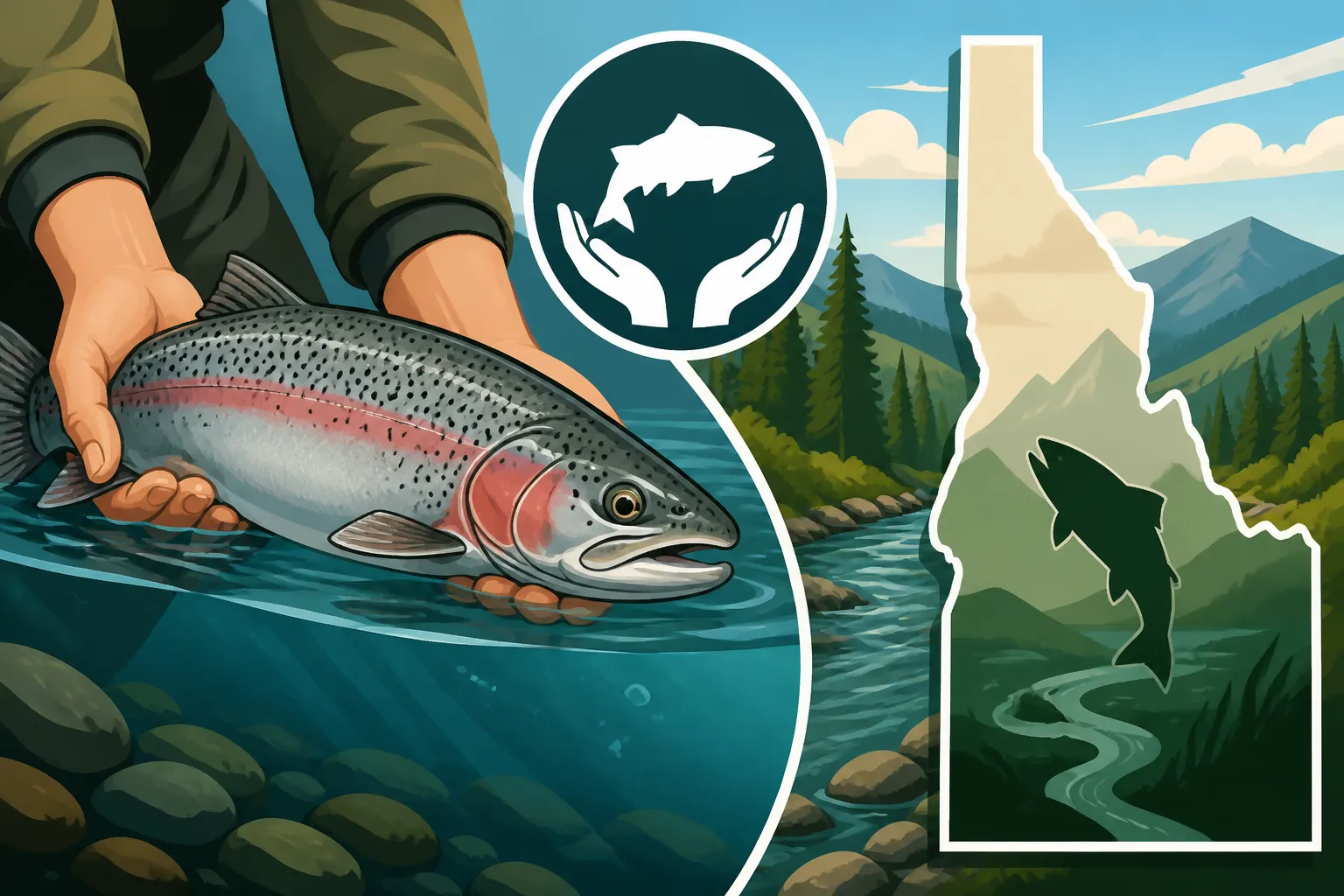
- Revive if Necessary: If the fish seems sluggish after the fight, gently hold it upright in the water, facing upstream into the current. Move it back and forth slightly to help force water over its gills. When it kicks strongly and swims away under its own power, you know you've done your part. Watch it swim away, don't just drop it. This revival step is crucial, especially after a long fight.
Following these steps meticulously ensures that your interaction, while thrilling for you, is as safe and stress-free as possible for the wild steelhead.
The Future of Idaho Steelhead: Why Your Actions Matter
The health of Idaho's wild steelhead populations isn't just a concern for biologists and government agencies; it's a collective responsibility that rests on the shoulders of every angler who casts a line in their waters. Your actions, both on and off the river, contribute directly to their survival and the future of this incredible fishery.
Contributing to Conservation Beyond the Catch
Beyond simply releasing wild steelhead, there are numerous ways you can actively contribute to their conservation. Angler ethics extend far beyond legal compliance; they encompass a deeper commitment to the resource. One crucial aspect is self-education. Continuously learning about steelhead biology, habitat needs, and current regulations keeps you informed and allows you to make better decisions on the water. Stay up-to-date by regularly checking the latest Idaho Fishing Regulations Explained or annual proclamations.
Another vital contribution is reporting violations. If you witness someone illegally keeping a wild steelhead, using illegal gear, or engaging in practices that harm the fish or habitat, it's imperative to report it to the Idaho Department of Fish and Game. It might feel uncomfortable, but doing so protects the resource for everyone. You can also become involved with local conservation groups that advocate for dam removal, habitat restoration, and responsible fisheries management. Organizations dedicated to preserving anadromous fish often rely on volunteer efforts and financial support to continue their critical work. Even purchasing your fishing gear from retailers like Amazon that support sustainable practices, or by opting for reusable items to minimize waste, can be a small but meaningful contribution.
Passing on the Ethic: Educating the Next Generation
Perhaps one of the most impactful contributions you can make is to instill a strong conservation ethic in the next generation of anglers. Many of us learned to fish from parents, grandparents, or mentors, and it's our turn to pass on not just the joy of fishing, but also the responsibility that comes with it.
When you take a child fishing, whether it's for trout in a local pond or chasing steelhead on a major river, emphasize the importance of protecting wild fish. Teach them how to identify wild vs. hatchery steelhead, explain why we release the wild ones, and demonstrate proper catch-and-release techniques. Let them participate in the gentle release, feeling the fish kick alive in their hands before swimming away. This hands-on experience creates a lasting impression and fosters a deep respect for nature. Guidelines like Idaho Fishing Rules for Kids and Families can provide a good framework for these lessons. By teaching them early that some fish are too precious to keep, you're not just creating a responsible angler; you're cultivating a lifelong conservationist who will champion Idaho's wild steelhead for years to come.
Disclaimer
This article is for general informational purposes only and does not constitute professional advice. Laws, prices and regulations vary by location and change over time. Consult a qualified professional for guidance on your specific situation.