Idaho Fish Stocking Reports Explained
One of the biggest frustrations for any angler, especially in a state as vast and diverse as Idaho, is wanting to know where the fish are biting. You hear whispers about a certain lake or river, but how do you cut through the rumors and get solid information? That's where Idaho's fish stocking reports come in, offering a treasure trove of data that, if you know how to read it, can dramatically improve your chances of a successful day out. This guide is going to break down exactly what these reports are, where to find them, how to understand all those numbers and dates, and most importantly, how to use them to put more fish on your line.
What Are Idaho Fish Stocking Reports and Why Do They Matter?
Let's be real, sometimes you just want to catch fish. And while the thrill of pursuing wild, elusive trout is unmatched, there's also immense satisfaction in a day where the bites are steady, and the cooler starts to fill up. That's precisely why Idaho's fish stocking program exists, and why knowing how to interpret their reports can feel like gaining a secret fishing superpower. These aren't just dry data sheets; they're roadmaps to opportunity.
The Mission Behind Stocking Fish
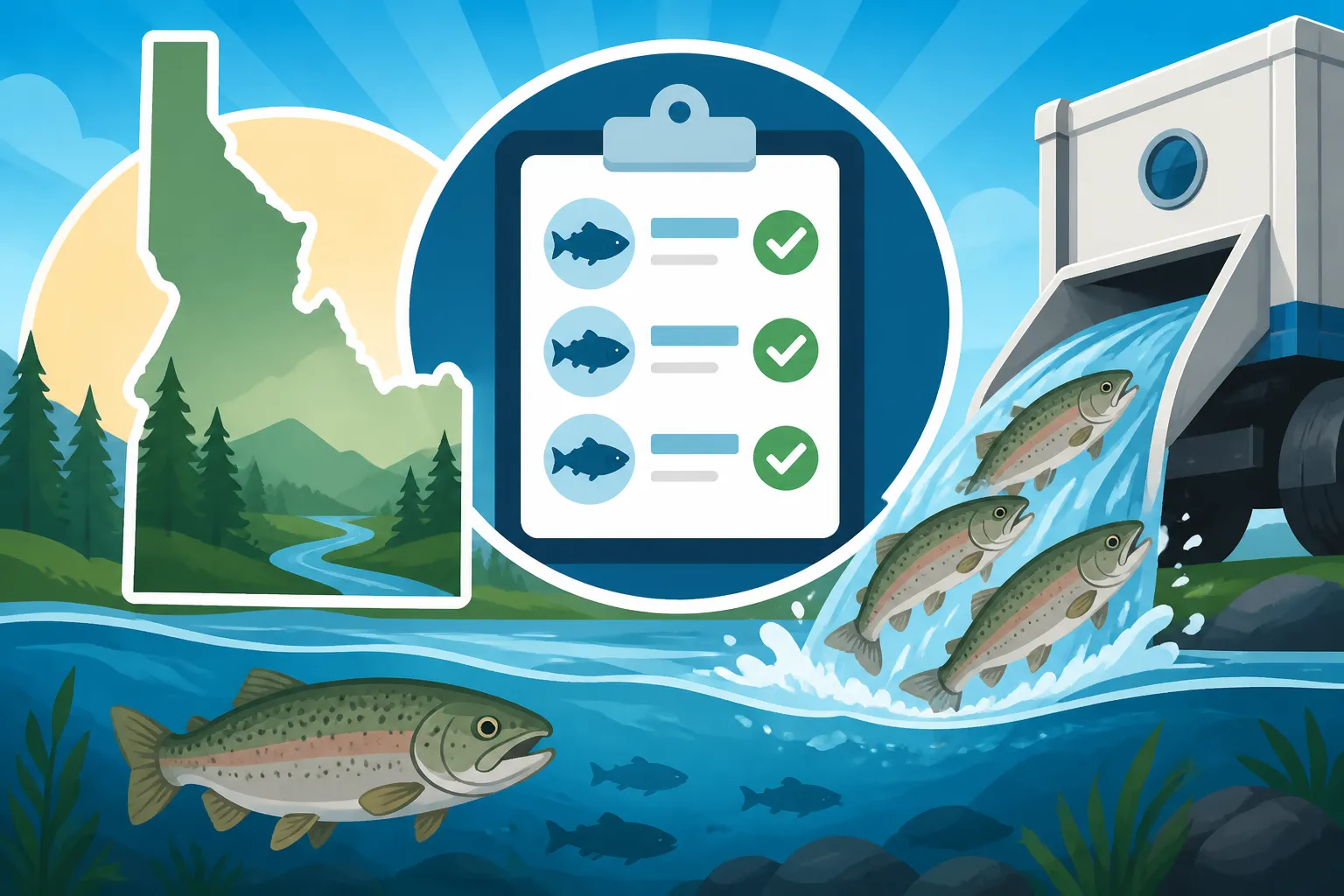
The Idaho Department of Fish and Game (IDFG) doesn't just randomly dump fish into waters. There's a very deliberate and scientific process behind it, driven by a mission to enhance angling opportunities for everyone. Think about it: not every body of water in Idaho can naturally support a thriving fish population, or at least not one that can sustain the pressure from thousands of anglers eager to cast a line. Urban ponds, heavily fished reservoirs near population centers, and even some high mountain lakes benefit immensely from stocking efforts. It ensures that even if you're new to fishing, or you're taking your kids out for their first experience, there’s a good chance you’ll find some action.
These stocking efforts also serve to diversify fisheries, sometimes introducing species that might not naturally occur in certain waters but thrive there and provide new angling experiences. It's about balancing conservation with recreation, making sure there's enough fish for everyone to enjoy the incredible natural resources Idaho offers. The goal is to provide accessible fishing, especially in areas that see heavy use, and to create catchable populations for anglers who aren't necessarily looking to hike deep into the wilderness for a wild trout.
Why Anglers Should Care About These Reports
If you've ever spent a frustrating day on the water, casting endlessly without a single nibble, you already know why these reports are crucial. They cut through the guesswork. Instead of wondering if a particular lake or pond even has fish, or if it's been fished out, the stocking reports give you direct, verifiable information. Imagine driving an hour to a spot, only to find out later it hasn't been stocked in months – that's a wasted trip! With the reports, you can target waters that have recently received a fresh infusion of fish, dramatically increasing your odds of success.
For families with kids, these reports are an absolute game-changer. Nothing sours a kid on fishing faster than endless waiting with no reward. Heading to a recently stocked pond means quicker bites, more excitement, and a much higher chance of creating a lifelong angler. Even experienced anglers can benefit by using the reports to discover new, productive waters, or to plan trips to their favorite spots knowing when they've been replenished. It’s an invaluable tool for trip planning, especially if you're aiming to maximize your time on the water, whether it's a quick evening trip after work or a full weekend adventure. You'll often find that the fish are more aggressive and easier to catch shortly after stocking, making it prime time for action.
Where to Find and Access Idaho's Stocking Reports
Okay, so you're convinced these reports are a goldmine. Now, where do you actually find them? The good news is, Idaho Fish and Game makes them fairly accessible, though navigating any official website can sometimes feel like a treasure hunt. Don't worry, I'm here to give you the insider tips on where to look and what to expect.
Navigating the Official Idaho Fish and Game Website
Your primary source for current and historical stocking information will be the official Idaho Department of Fish and Game website. It's usually pretty well-organized once you know where to click. Typically, you'll want to look for sections related to "Fishing," "Fish Stocking," or "Stocking Reports." There's often a dedicated page or a specific search tool where you can filter results by region, county, specific water body, or even by fish species. This is truly the most authoritative source for up-to-date information, straight from the folks doing the stocking.
When you get to the stocking report page, you might find options for viewing reports from different years or within specific date ranges. Always try to look for the most recent reports to ensure you’re working with the freshest data. Sometimes, the reports are presented in a searchable table format, while other times they might be downloadable PDF documents. Take your time, explore the filters, and don't be afraid to experiment with different search criteria. It might take a few minutes to get the hang of it, but once you do, you'll have instant access to what you need. Remember, these reports are constantly updated, so check back regularly, especially if you're planning a trip around a particular stocking event.
Other Useful Resources and Community Forums
While the official IDFG website is paramount, it's not the only place to gather intel. Many local sporting goods stores, bait shops, and even some county parks departments will post stocking schedules or news, especially for highly popular local ponds. Think of these as supplementary sources – they might not have the full detail of the official reports, but they can be a quick glance for local information.
Online fishing forums and community groups, especially those focused on Idaho fishing, can also be invaluable. Anglers often share their experiences, post photos of their catches from recently stocked waters, and sometimes even link directly to the IDFG reports. Just remember to cross-reference any information found on forums with the official source to ensure accuracy. These communities are fantastic for getting real-time feedback on fishing conditions and success rates after a stocking, giving you a better idea of how the fish are biting. You might even discover a new hot spot or get tips on specific lures that are working well. And speaking of lures, a quick search on Amazon for popular Idaho trout lures might give you an idea of what other anglers are using in similar situations!
Decoding the Information: Key Terms and Data Points
Alright, you've found the reports. Now what? They can look a bit overwhelming at first glance, a jumble of numbers, names, and dates. But don't fret! Like any good puzzle, once you understand the pieces, it all starts to make sense. Knowing what each column means is key to transforming raw data into actionable fishing plans.
Understanding Species, Numbers, and Sizes
The first things you'll usually notice are the "Species," "Number," and "Size" columns. The "Species" column is pretty straightforward, telling you exactly what kind of fish were planted. Most often, for general recreational stocking in Idaho, you'll see "Rainbow Trout," but you might also find "Cutthroat Trout" or other species in certain programs. This is crucial for knowing what tackle to bring and what techniques might be most effective. For example, if you see Idaho Rainbow Trout Fishing Guide listed, you'll know exactly what kind of fish you're dealing with.
The "Number" column tells you how many fish were stocked. A high number, like several thousand, usually indicates a significant stocking event in a popular water body, meaning more fish for more anglers. The "Size" column is equally important, often listed in inches. This tells you if they're "catchable" size (typically 8-12 inches), which means they're ready to be caught immediately, or smaller "fry" or "fingerlings" (a few inches long), which will need time to grow before they're prime for harvesting. Catchable size fish are excellent for immediate action, while smaller fish contribute to future populations.
Deciphering Stocking Locations and Dates
The "Location" and "Date" columns are your golden tickets for planning. The "Location" will specify the exact body of water where the fish were released – a specific lake, reservoir, or even a particular section of a river. Sometimes it will include a county or region, helping you narrow down your search even further. You might see "Lake Coeur d'Alene" or "Boise River (downtown section)." Knowing the precise location prevents wasted trips to the wrong stretch of water.
The "Date" column tells you when the stocking occurred. This is incredibly vital because fish behavior often changes dramatically right after stocking. Freshly stocked fish, especially catchables, tend to be very active and less wary for a few days to a week after release. They're adjusting to their new environment and are often quite hungry. Targeting a spot a day or two after a stocking can lead to some truly epic fishing. Conversely, if a lake was stocked a month ago, the fish might have dispersed, become warier, or been heavily fished already. Combining location with date helps you decide if a trip is worth making right now or if you should wait for the next stocking event. This is why checking Idaho Fishing Season Dates and Limits is also important; you want to make sure your timing aligns with open seasons.
Identifying Stocking Categories: Catchables, Fry, and Fingerlings
Beyond just "size," IDFG often categorizes stocked fish, and understanding these categories helps set your expectations for your fishing trip.
-
Catchables: These are the stars of the show for many recreational anglers. Typically ranging from 8 to 12 inches (sometimes larger!), these fish are stocked with the immediate intention that they be caught. They're ready to go, providing instant gratification, especially for beginner anglers or families. They're often stocked in urban ponds, community fishing holes, and popular accessible lakes where people want quick action. If you're looking for guaranteed fun and a good chance at a meal, target waters with recent catchable stockings. You'll often find these fish are less selective and will hit a variety of baits and lures.
-
Fry: These are very small fish, often only an inch or two long. They are stocked not for immediate catch but to grow into a self-sustaining population or to supplement a fishery over the long term. Waters receiving fry stockings are usually managed for longer-term growth and natural recruitment. If you see a fry stocking, don't expect to catch them next weekend! It's more about supporting the ecosystem and ensuring future fishing opportunities. Think of it as an investment in the fishery's future.
-
Fingerlings: A step up from fry, fingerlings are typically 3 to 6 inches long. Like fry, they need time to grow to a catchable size, but they have a higher survival rate than tiny fry. Fingerlings are often used to bolster populations in larger lakes and reservoirs where they can grow for a year or two before becoming part of the regular catch. They contribute to the overall fish biomass and often grow into larger, more challenging fish to catch down the line. If you're after bigger fish in a few years, these stockings are important.
Knowing which category of fish was stocked helps you manage expectations. A report showing 10,000 rainbow trout at 2 inches might not be as exciting for a weekend trip as one showing 500 rainbow trout at 10 inches, but both are vital for Idaho's fisheries.
| Stocking Category | Typical Size (approx.) | Purpose for Anglers | Immediate Fishing Potential |
|---|---|---|---|
| Catchables | 8-12+ inches | Immediate Harvest | High, excellent for quick action |
| Fingerlings | 3-6 inches | Grow to Catchable | Low, target in future seasons |
| Fry | 1-2 inches | Long-Term Population | Very Low, focus on ecosystem support |
How to Use Stocking Reports to Improve Your Fishing Success
So you've learned to read the reports, fantastic! But merely reading them isn't enough; the real magic happens when you translate that information into a killer fishing strategy. This is where your angling intelligence comes into play, turning data into delightful days on the water.
Planning Your Next Trip Around Recent Stockings
This is the most straightforward and often the most rewarding way to use stocking reports. When you see a large number of catchable-sized fish stocked in a particular lake or pond, especially within the last few days, that location should shoot straight to the top of your list. These fish are usually eager to bite, as they've just been introduced to a new environment and are actively looking for food. It’s like ringing the dinner bell!
Consider your schedule and location. If you live near Boise, checking for recent stockings in local ponds like Quinn's Pond or the various ponds along the Greenbelt can provide fantastic after-work or weekend opportunities. If you're planning a longer trip, you can look further afield, perhaps towards Best Lakes for Fishing in Idaho or one of the reservoirs up north. The fresher the stocking date, the better your chances. Keep an eye on the "Number" column – larger stockings mean more fish spread throughout the water, increasing your odds even if other anglers are also present. Don't forget to check the Idaho Trout Limits by Water for your chosen spot, as limits can vary.
Matching Techniques to Freshly Stocked Waters
Stocked fish, particularly those "catchables," often behave differently than their wild counterparts. They've grown up in a hatchery environment where food is readily available and competition is high. This means they are often less wary and more opportunistic feeders, making them relatively easy to catch, especially in the first week or two after stocking. This is great news for beginners!
For these hungry newcomers, simple techniques often work best. Think power bait, corn, worms, or small spinners and spoons. You don't always need an elaborate fly setup or intricate tactics. If you're fishing from the bank, a simple bobber and worm rig can be deadly. For lures, try bright, flashy colors that mimic the pellets they were fed in the hatchery or attract their attention quickly. Look for options on Amazon that are brightly colored, like chartreuse or orange, which often provoke a strike. As the fish settle in, they might become a bit pickier, but right after a fresh stocking, they're usually not too discerning. This makes it a perfect time to experiment with different baits and lures without fear of going home empty-handed. Consider consulting an Idaho Fishing Techniques Guide for more general tips that can be adapted to stocked waters.
Considering Seasonality and Fish Behavior Post-Stocking
While stocking reports give you the "when" and "where," it's important to layer on some broader fishing knowledge, like seasonality and post-stocking behavior. For instance, fish stocked in cooler spring or fall temperatures will generally remain more active throughout the day, whereas fish stocked in the heat of summer might be more sluggish during midday and bite better in the cooler mornings and evenings. Water temperature plays a huge role in how active fish are, regardless of when they were stocked.
Furthermore, consider the water body itself. A small pond might see its stocked fish quickly dispersed and caught out within days, while a large reservoir will take longer for the fish to spread and integrate into the existing ecosystem. After the initial feeding frenzy, stocked fish will start to adapt to their new environment, seeking out cover, finding natural food sources, and becoming more like wild fish over time. This means if you visit a stocked spot a few weeks later, you might need to employ more nuanced techniques, deeper presentations, or even switch to more natural baits or flies. Understanding this progression helps you decide if it's best to hit the water immediately after a report or wait for them to "season" a bit, depending on your angling preference.
Common Misconceptions and Realities of Idaho Fish Stocking
As helpful as stocking reports are, it's easy to develop a few misunderstandings about what they represent. Let's clear up some common myths and set realistic expectations, because even with the best information, fishing is still fishing – a blend of skill, patience, and a little bit of luck!
Stocked Fish Aren't Always Easy Catches
While I just talked about how stocked fish are often eager to bite, it’s not always an automatic catch, especially as time passes. Many anglers assume that a recently stocked pond is like shooting fish in a barrel, but that's not quite true. Fish are still wild animals, even if they grew up in a hatchery. They react to weather changes, water conditions, fishing pressure, and their new surroundings. A cold front, a sudden drop in barometric pressure, or even just heavy angler traffic can make them finicky.
After a few days or a week in their new home, stocked fish will often start to revert to more natural behaviors. They'll seek out structure, become warier of shadows and unnatural presentations, and begin to feed on natural insects or baitfish if available. So, while the odds are certainly in your favor right after a stocking, don't go out there thinking you can just drop a bare hook in the water and pull them out. You'll still need to employ good technique, present your bait or lure naturally, and adapt to the conditions. Sometimes, even the hungriest stocked trout can be surprisingly selective, so having a variety of baits and lures on hand is always a good idea. Think about what they might have been fed in the hatchery, then try mimicking that or something completely different like a worm or minnow.
The Role of Wild Fish vs. Stocked Fish
It's important to remember that Idaho's waters host both stocked and wild fish, and the stocking program often aims to supplement, not replace, natural populations. In many rivers and some lakes, you'll be targeting fish that have lived their entire lives in the wild – these are often more challenging, more rewarding, and typically follow different patterns than their hatchery-raised cousins. For instance, in renowned fly fishing rivers like Henry's Fork or Silver Creek, anglers are primarily pursuing wild trout, where stocking is minimal or non-existent.
Stocking reports primarily focus on managed fisheries where enhancing catch rates is a key objective. They won't tell you much about the health of a native cutthroat population in a remote stream. It’s crucial to understand the difference and appreciate both types of fishing experiences. While stocked fisheries provide fantastic opportunities for high-volume catching, the pursuit of truly wild fish, often requiring greater skill and effort, offers a different kind of satisfaction. When you're fishing, try to learn the difference between hatchery and wild fish, especially if you're in an area where wild fish are catch-and-release only. This knowledge is not just for fun, but often a regulatory requirement to keep Idaho's fisheries healthy.
Environmental Factors and Stocking Success
Even the most meticulously planned stocking operation can be influenced by environmental factors. Water quality, temperature, oxygen levels, and available natural forage all play a significant role in how well stocked fish survive and thrive. A lake might receive a massive stocking of trout, but if water temperatures quickly rise and oxygen levels drop, the success rate for those fish surviving long-term could be impacted.
Similarly, severe weather events, disease outbreaks (rare, but possible), or even unforeseen changes in the ecosystem can affect the overall success of a stocking. The IDFG does its best to mitigate these risks through careful planning and monitoring, but nature always has the final say. So, while stocking reports are a fantastic guide, always pay attention to the current environmental conditions of the water you plan to fish. Check local weather forecasts, observe water clarity, and if you can, look for signs of fish activity. This holistic approach, combining data from the reports with real-world observation, will make you a much more effective angler. You'll also want to be aware of Idaho Fishing Regulation Brochure and Proclamation for any specific water body you plan to visit, as environmental concerns can sometimes lead to special regulations or closures.
Taking Your Fishing to the Next Level with Stocking Data
Learning to read and leverage Idaho’s fish stocking reports is like getting an exclusive peek behind the curtain of fishery management. It provides tangible, useful data that can directly inform your fishing plans and significantly boost your chances of success. But beyond just catching more fish, it fosters a deeper understanding of how Idaho maintains its incredible angling opportunities for residents and visitors alike.
Optimizing Your Gear and Strategy Based on Stocking Reports
Now that you're armed with stocking data, you can refine your gear choices and fishing strategy. For freshly stocked trout, you might opt for lighter tackle, smaller hooks, and a selection of power baits, scented marshmallows, or brightly colored rooster tails. If the report indicates a specific species like Idaho Kokanee Fishing Guide in a reservoir, your approach will shift to trolling with downriggers and specialized kokanee lures.
When stocking reports show smaller fingerlings, you know it's not a "catch-and-keep" mission this trip, but rather an opportunity to practice catch-and-release and contribute to the growth of the fishery. This could mean switching to barbless hooks, or using a less aggressive lure to minimize harm. Knowing the species and size allows you to tailor your Best Bait and Lures for Idaho Fishing and Idaho Fishing Gear Guide by Season selection, ensuring you're not just casting aimlessly but making educated choices. You can even check Amazon for specific baits like Berkley PowerBait or popular spinner brands, ensuring you have the freshest and most effective options.
Contributing to the Fishery and Responsible Angling
Understanding stocking reports isn't just about personal gain; it's about being a responsible angler and appreciating the efforts that go into maintaining Idaho's diverse fisheries. When you know where and when fish are being stocked, you can share that information respectfully with fellow anglers, especially those just starting out. It helps spread the word and encourage participation, which in turn helps support conservation efforts through license sales. How to Buy an Idaho Fishing License is the first step to becoming a part of this community.
Remember, stocked fish are a resource provided for public enjoyment. Practice ethical angling by observing bag limits, handling fish carefully if you're releasing them, and always cleaning up after yourself. If you observe any issues, like illegal dumping or over-harvesting, report it to IDFG. By being informed and responsible, we all play a part in ensuring that Idaho remains a premier fishing destination for generations to come. Your engagement with these reports makes you an active participant in the health and vitality of our beautiful waters.
Beyond the Reports: Continuous Learning and Exploration
While stocking reports are an incredible tool, they are just one piece of the puzzle. The most successful anglers are those who combine data with continuous learning and exploration. Don't be afraid to try new spots, even those not listed on recent stocking reports, as wild fish populations can surprise you. Read up on different Idaho Fish Species Guide, learn about their habits, and understand their preferred habitats. The more you learn about the local ecosystems and fish behavior, the better you'll become at finding and catching fish, regardless of whether they were recently stocked.
Talk to local bait shop owners, join fishing clubs, and observe other anglers on the water. These reports are a fantastic starting point, but the journey of becoming a truly skilled angler in Idaho is a lifelong adventure filled with discovery. So, next time you're planning a trip, fire up that IDFG stocking report page, get your gear ready, and hit the water with confidence. Happy fishing!
Disclaimer
This article is for general informational purposes only and does not constitute professional advice. Laws, prices and regulations vary by location and change over time. Consult a qualified professional for guidance on your specific situation.