Idaho Kamloops Rainbow Trout at Lake Pend Oreille
For many anglers, the dream of hooking into a truly massive rainbow trout feels like a far-off fantasy, a story whispered around campfires rather than a real possibility. But in the deep, clear waters of North Idaho's Lake Pend Oreille, that dream takes on a spectacular reality. This isn't just about catching a rainbow; it's about pursuing the legendary Kamloops strain, known for its incredible size and even more incredible fight, and we're here to dive deep into what makes these fish, and this fishery, so special.
The Legend of Kamloops Rainbow Trout in Lake Pend Oreille
When you talk to seasoned anglers about Lake Pend Oreille, their eyes often light up when the conversation turns to the Kamloops rainbow trout. These aren't your average stocked rainbows found in smaller ponds; these are powerful, magnificent fish that have earned a reputation for their immense size and the sheer strength they display on the end of a line. Their presence in Lake Pend Oreille is a testament to careful management and a unique aquatic ecosystem that allows them to thrive and reach truly monumental proportions.
Tracing the Origins: How Kamloops Came to Idaho
The story of Kamloops rainbow trout in Lake Pend Oreille isn't just a tale of big fish; it's a fascinating chapter in fishery management. Originally, these large, predatory rainbow trout hail from the Kamloops region of British Columbia, Canada. They are a distinct strain of rainbow trout known for their anadromous tendencies (meaning they can migrate to sea, though landlocked populations exist) and their impressive growth rates. In the mid-20th century, Idaho fishery managers recognized the potential for these robust fish to utilize the deep, cold, and nutrient-rich waters of Lake Pend Oreille. The lake already had a thriving kokanee salmon population, a perfect forage base for a large, predatory trout.
Initial introductions were carefully planned, aiming to establish a self-sustaining population that could grow to trophy sizes by preying on the abundant kokanee. This wasn't a simple "dump and hope" operation; it involved understanding the lake's ecological niche and matching it with a fish species that could genuinely flourish. The success of these early efforts laid the groundwork for Lake Pend Oreille to become one of the premier trophy rainbow trout fisheries in the world. The fish adapted beautifully, finding the deep, cold water and seemingly endless supply of food to be an ideal environment for rapid growth.
What Makes a Kamloops Rainbow So Special?
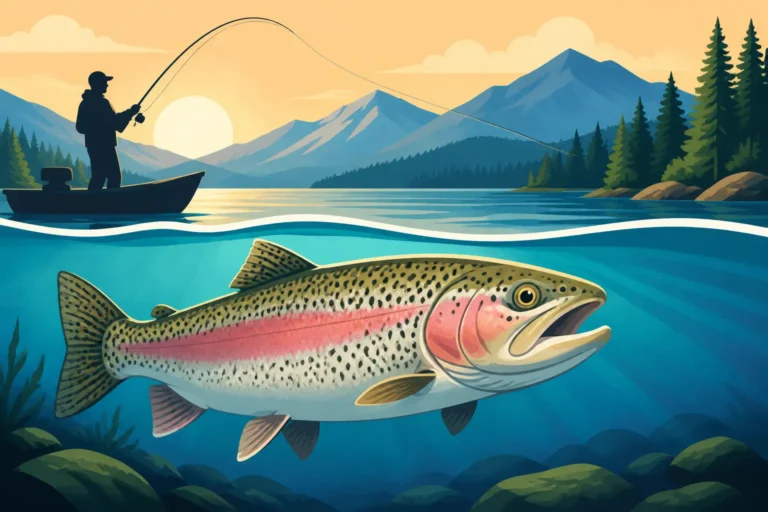
What sets a Lake Pend Oreille Kamloops rainbow apart from its smaller, river-dwelling cousins? First and foremost is their sheer size potential. While many rainbow trout might top out at a few pounds, Kamloops in Pend Oreille regularly push into the double digits, with fish over 20 pounds not uncommon, and even some over 30 pounds being caught. These fish aren't just big; they're built for power. Their bodies are streamlined and muscular, enabling them to make blistering runs and put up a sustained fight that can test even the most experienced angler.
Beyond their size, the Kamloops exhibit distinct coloration and behavior. They often have a brighter, more silvery sheen than river rainbows, with less pronounced spotting on their bodies but still retaining the characteristic red band along their lateral line. Their aggressive feeding habits, particularly on kokanee, contribute to their rapid growth and provide exciting challenges for anglers. The pursuit of these fish requires a different approach than typical trout fishing, often involving heavy-duty gear and specialized trolling techniques, making the reward of landing one all the more satisfying. It's this combination of size, power, and the specific challenge of the hunt that draws anglers from far and wide to experience Idaho Rainbow Trout Fishing Guide on Lake Pend Oreille.
Understanding Lake Pend Oreille: The Kamloops' Ideal Habitat
Lake Pend Oreille isn't just a big lake; it's a truly unique aquatic environment that has been instrumental in cultivating the legendary Kamloops rainbow trout fishery. Its geological characteristics and the intricate food web within its waters provide the perfect conditions for these magnificent fish to thrive and reach their impressive sizes. Understanding the lake itself is key to understanding why its rainbow trout are so extraordinary.
The Deep, Cold Waters of Pend Oreille
Imagine a lake so vast and deep that it holds more water than any other lake in Idaho, and in some spots, plunges to depths of over 1,150 feet, making it one of the deepest natural lakes in the United States. That's Lake Pend Oreille. This immense volume of water, combined with its northern Idaho location, ensures that the lake maintains consistently cold water temperatures throughout the year, particularly in its deeper reaches. For Kamloops rainbow trout, which prefer cold, oxygen-rich environments, these conditions are absolutely ideal.
The cold, deep water offers thermal refuge during warmer summer months, allowing the fish to remain active and continue feeding when shallower waters might become too warm. This stable, cold environment also supports the high oxygen levels necessary for large, active predators like the Kamloops. Furthermore, the sheer size of the lake provides ample space for these fish to roam, grow, and evade predators, contributing to their ability to reach trophy proportions. It's a vast wilderness beneath the surface, perfectly suited to the needs of a world-class trout fishery.
The Abundant Food Source: Kokanee and Other Forage Fish
While the cold, deep water provides the habitat, it's the abundant food source that fuels the incredible growth of Lake Pend Oreille's Kamloops. The undisputed king of the forage base in this lake is the kokanee salmon, often referred to as landlocked sockeye salmon. These small, schooling fish provide a protein-rich diet that allows the Kamloops to pack on pounds quickly. The life cycle of the kokanee, with its predictable spawning runs and open-water schooling behavior, makes them an accessible and crucial food source for the predatory trout. The kokanee population fluctuates, and with it, the growth rates and abundance of the trophy rainbows, demonstrating the delicate balance of this ecosystem. For more on this, you can check out How Chinook Salmon Control Idaho's Kokanee Population.
Beyond kokanee, Lake Pend Oreille supports other forage species that contribute to the Kamloops' diet, including various smaller fish and aquatic invertebrates. This diverse larder ensures that even during periods when kokanee numbers might be lower, the rainbow trout still have options for sustenance. It's a classic predator-prey relationship on a grand scale, where the health and abundance of the prey directly dictate the size and vitality of the top predators. The interconnectedness of these species is a marvel, and it's what truly makes Pend Oreille a powerhouse for trophy Kamloops. Anglers often match their lures to the size and color of these baitfish, making a keen understanding of the local food chain incredibly beneficial.
Targeting Trophy Kamloops: Techniques and Strategies
Landing one of Lake Pend Oreille's legendary Kamloops rainbow trout is a feat that requires patience, skill, and the right approach. These are not fish you typically catch with a worm and bobber from the shore. Their preferred habitat and feeding habits dictate specific techniques, with trolling being the overwhelmingly dominant and effective method for pursuing these open-water giants.
Trolling: The Dominant Method
Trolling is the cornerstone of Kamloops fishing on Lake Pend Oreille, allowing anglers to cover vast expanses of water and present lures at precise depths where these large predators are actively feeding. The basic premise involves dragging lures behind a moving boat, but the devil, as always, is in the details. Downriggers are almost essential for reaching the depths where Kamloops often cruise, especially during warmer months. These devices allow you to send your lure down to a specific depth, sometimes hundreds of feet deep, and then release it when a fish strikes. The art of trolling involves varying your speed, direction, and lure action to entice a bite. Speeds typically range from 2 to 4 miles per hour, but subtle changes can make a huge difference.
Lure selection is crucial. Many successful anglers use large spoons, plugs, or even dodgers with a trailing fly or squid imitation. The key is often to "match the hatch," meaning selecting lures that mimic the size, color, and action of the kokanee salmon that form the bulk of the Kamloops' diet. Popular colors might include variations of silver, blue, green, and chartreuse, often with some UV or glow enhancements for deep-water visibility. Brands like Gibbs Delta, Luhr Jensen, or even custom-painted lures are often seen in tackle boxes. You can find a fantastic selection of these specialized trolling lures and equipment, like downrigger weights and clips, readily available on Amazon, ensuring you're well-equipped for the deep-water challenge. Experimentation is vital; what worked yesterday might not work today, so having a diverse spread of lures and the willingness to change them up is a mark of a successful Kamloops angler.
Seasonal Considerations for Kamloops Success
The seasonal ebb and flow of Lake Pend Oreille significantly impact Kamloops behavior and, consequently, the most effective fishing strategies. Understanding these shifts is paramount to consistent success.
-
Spring (Ice-Out to Late May): As the ice melts and water temperatures begin to rise, Kamloops become more active in shallower waters, often targeting kokanee that are also moving closer to the surface. This can be an excellent time for targeting them with surface or shallow-running trolling gear, or even by casting large spoons near points and drop-offs. The fish are often hungry after winter and can be quite aggressive. You'll find many anglers eager to hit the water right after ice-out, keen to pursue these hungry giants.
-
Summer (June to August): As surface temperatures climb, Kamloops retreat to the cooler, deeper parts of the lake. This is when downriggers become absolutely indispensable. Anglers will target depths ranging from 50 to 200 feet, sometimes even deeper, depending on the thermocline and kokanee schools. Early mornings and late evenings often provide the best bite during the peak summer heat. Patience is key, as bites can be fewer but often result in larger fish.
-
Fall (September to November): Fall is often considered prime time for trophy Kamloops. As water temperatures cool down again, the fish move back into shallower water, particularly as kokanee begin their pre-spawn aggregations. This is when some of the largest fish of the year are caught, often very actively feeding. Trolling at varying depths, sometimes still employing downriggers but often shallower than in summer, is the go-to. The cooler air and water temperatures make for a very comfortable and picturesque fishing experience.
-
Winter (December to Ice-On): While many anglers pack it in, dedicated ice anglers or those with boats capable of handling the cold still pursue Kamloops through the winter months. Ice fishing can be productive in certain bays, but open-water trolling continues until the lake freezes over. Kamloops remain active feeders under the ice, often caught by jigging or tip-ups near schooling baitfish. Always prioritize safety if considering Ice Fishing on Priest Lake or other large, cold bodies of water in the winter. No matter the season, keeping an eye on local fishing reports and water temperature gauges will give you a significant edge in finding where the fish are holding and what they're biting on.
Essential Gear for Lake Pend Oreille Kamloops Fishing
Tackling the mighty Kamloops rainbow trout of Lake Pend Oreille isn't a job for ultralight gear. These fish are powerful, fast, and determined, requiring a robust setup that can withstand their incredible runs and powerful head shakes. Having the right tools for the job isn't just about comfort; it's about increasing your chances of landing that fish of a lifetime and ensuring a clean, fair fight.
Rods, Reels, and Line: Building Your Setup
When it comes to rods for Kamloops trolling, you'll want something with a moderate to fast action that can handle heavy lures and absorb the shock of a powerful strike. A good choice would be a medium-heavy to heavy power trolling rod, typically 7 to 9 feet long. These rods need enough backbone to set a hook effectively in deep water and to control a large fish, but also enough tip flexibility to absorb the sudden surge of a fighting Kamloops. Some anglers prefer specific downrigger rods, which are designed to bend significantly under the downrigger tension and then spring back when a fish strikes.
For reels, a robust baitcasting reel or a level-wind trolling reel is generally preferred over spinning reels due to their line capacity, cranking power, and durability. Look for a reel with a smooth, reliable drag system, as a sticky drag is a sure way to lose a trophy fish. Line capacity is also important; you'll want a reel that can comfortably hold 200-300 yards of line, allowing for those long, searing runs a big Kamloops can make. Many anglers opt for braided main lines due to their lack of stretch and incredible strength, typically in the 20-30 pound test range. This provides excellent sensitivity for feeling subtle bites and positive hooksets. A fluorocarbon leader of 15-25 pound test is often tied to the braid, offering invisibility in the clear water and abrasion resistance. Remember, these are heavy-duty setups for heavy-duty fish.
Electronics and Accessories: Enhancing Your Chances
Beyond the basic rod and reel setup, modern electronics and specialized accessories play a crucial role in successful Kamloops fishing on Lake Pend Oreille. A high-quality fish finder or sonar unit is nearly indispensable. These devices help you locate baitfish schools (especially kokanee), identify thermoclines where trout often hold, and mark structural features like underwater humps and drop-offs that might attract predators. Paired with a GPS unit, you can mark productive trolling paths, record waypoints where you've found fish, and navigate precisely, even in the vastness of the lake.
Downriggers, as mentioned earlier, are critical for presenting lures at precise depths. Having at least two, preferably four, allows you to cover multiple depths and spread out your lure presentation. Other essential accessories include a large, rubberized landing net – crucial for safely landing and handling big, thrashing fish without damaging their delicate fins and slime coat. Long-nosed pliers or de-hooking tools are also important for quick and safe hook removal, especially if you're practicing catch and release. A good set of polarized sunglasses will help you spot surface activity and read the water, and a cooler with plenty of ice is a must for keeping your prized catch fresh. Don't forget a well-stocked tackle box with a variety of spoons, plugs, and leaders. Many anglers even find specialized tackle boxes and organizational inserts on Amazon to keep their extensive lure collections tidy and easily accessible.
Conservation and Regulations for Idaho Kamloops
The opportunity to pursue world-class trophy rainbow trout in Lake Pend Oreille is a privilege, and with that privilege comes the responsibility of understanding and adhering to conservation efforts and fishing regulations. These rules are not arbitrary; they are meticulously crafted by the Idaho Department of Fish and Game to protect the fishery, ensure its long-term health, and provide sustainable opportunities for current and future generations of anglers. Ignoring them can lead to serious penalties and, more importantly, can jeopardize the very resource we cherish.
Understanding Catch Limits and Size Restrictions
Like any premier fishery, Lake Pend Oreille has specific catch limits and size restrictions designed to manage the Kamloops rainbow trout population. These regulations often specify the number of fish an angler can keep per day (the daily bag limit) and the total number of fish they can have in possession (the possession limit). Crucially, there are often minimum or maximum size limits, or slot limits, which dictate which fish can be retained. For instance, there might be a rule that says you can keep X number of trout, but only one of them can be over a certain length. This type of regulation is often put in place to protect the large, mature spawning fish, ensuring they contribute to the next generation.
It is absolutely imperative that every angler consults the most current Idaho fishing regulations brochure before heading out onto the water. These regulations can change year to year, or even mid-season, based on biological assessments of the fish populations. You can usually find the official regulations online on the Idaho Fish and Game website or pick up a physical copy wherever Where to Buy an Idaho Fishing License is available. Familiarize yourself with the specific rules for Lake Pend Oreille, as they often differ from statewide general fishing rules. Understanding why certain rules are in place, such as protecting larger broodstock, helps foster a greater appreciation for responsible angling and the conservation goals.
Practicing Responsible Catch and Release
While the thrill of landing a trophy Kamloops is undeniable, many anglers choose to release these magnificent fish, especially those that exceed personal trophy goals or fall within protected size ranges. Practicing responsible catch and release is vital for sustaining the trophy fishery in Lake Pend Oreille. Large, mature trout contribute significantly to the genetic health of the population, and their safe release ensures they can continue to spawn and grow.
Here are some tips for safe catch and release:
- Minimize Fight Time: Use appropriate gear to land the fish as quickly as possible, reducing stress and exhaustion.
- Keep Fish in Water: Avoid removing large fish from the water entirely. Use a large, rubberized net to secure the fish while still submerged.
- Wet Hands: Always wet your hands before handling a fish to protect its delicate slime coat, which is a crucial defense against disease.
- Handle Gently: Support the fish horizontally, ideally by cradling its belly and supporting its tail. Avoid squeezing its midsection or holding it vertically by the jaw.
- Remove Hooks Quickly: Use pliers or a de-hooking tool to remove hooks gently and efficiently. If a fish is deeply hooked, consider cutting the line as close to the hook as possible rather than tearing tissue trying to remove it. Barbless hooks can make this process much easier.
- Revive Carefully: If the fish seems stressed, hold it gently in the water, facing into the current, until it regains its strength and swims away on its own. Don't simply toss it back; ensure it's fully revived.
By following these practices, you can ensure that the fish you release has the best possible chance of survival, contributing to the continued legacy of Lake Pend Oreille's incredible Kamloops rainbow trout fishery. Many anglers find high-quality release tools and barbless hook options when browsing fishing supplies on Amazon, making responsible angling more accessible.
The Experience: More Than Just the Catch
While the pursuit of a trophy Kamloops rainbow trout is undoubtedly a central draw, the overall experience of fishing Lake Pend Oreille extends far beyond just the fish itself. It's about immersing yourself in the majestic beauty of North Idaho, challenging your skills against a formidable opponent, and creating memories that will last a lifetime. This fishery offers a unique blend of thrilling angling and breathtaking natural splendor.
The Thrill of the Fight and the Majestic Setting
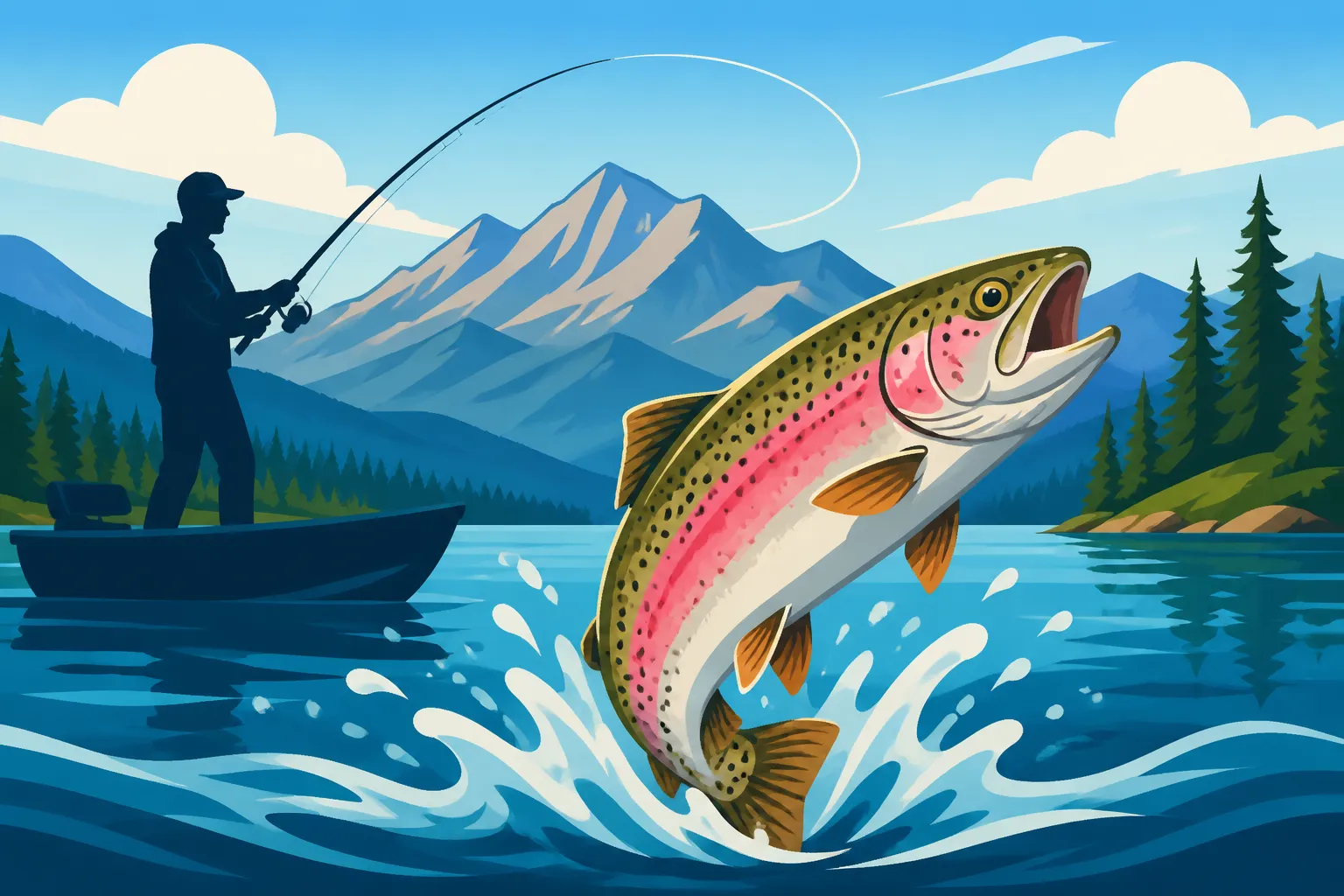
Imagine the scene: you're out on the vast, clear expanse of Lake Pend Oreille, the morning sun just kissing the mountain peaks that ring the horizon. The air is crisp, and the only sounds are the gentle lapping of waves against your boat and the hum of your engine. Suddenly, a rod buried in a downrigger holder plunges towards the water, the line snapping free from the clip with a loud thwack! The reel screams as line peels off at an alarming rate – you've hooked a Pend Oreille Kamloops, and it's putting on a show. The initial run is often blistering, testing your drag and your nerves. Then comes the head shakes, the deep dives, and perhaps even an aerial display as the fish leaps clear of the water. Fighting one of these powerful trout can be an epic battle, a true test of strength and angling prowess. It's a feeling that stays with you long after the fish is landed, photographed, and perhaps, safely released.
But the fight isn't the only show. Lake Pend Oreille is nestled amidst the stunning Cabinet Mountains and the Selkirk Range, offering panoramic views of forested slopes, rugged peaks, and pristine wilderness. Eagles soar overhead, deer might be spotted along the shore, and the sheer scale of the landscape makes you feel both small and connected to something vast and ancient. Whether it's the fiery sunsets, the calm, glassy mornings, or the dramatic storm clouds rolling in, the natural backdrop enhances every moment spent on the water. It’s a place where the journey and the environment are as rewarding as the destination and the catch.
Planning Your Trip to Lake Pend Oreille
A successful trip to Lake Pend Oreille for Kamloops rainbow trout requires a bit of planning, especially if you're traveling from out of state or looking for specific experiences. The nearest major town is Sandpoint, Idaho, which offers a charming base with a variety of accommodations, from cozy lodges to vacation rentals. You'll find plenty of restaurants, tackle shops, and amenities to support your fishing adventure. Best Fishing Spots Near Sandpoint gives you a broader perspective of the area.
If you don't have your own boat, there are options for boat rentals available around the lake, though you'll want to ensure they are suitable for large-lake trolling and have the necessary safety equipment. For those seeking to maximize their chances of success, or simply wanting to learn the ropes from an expert, hiring a local fishing guide is an excellent investment. These guides know the lake intimately, understand the nuances of Kamloops behavior, and come equipped with all the necessary specialized gear, making your trip much more efficient and educational. Idaho Fishing Guide Cost Guide can help you budget for such an experience. A guide can significantly cut down the learning curve, especially if you're new to deep-water trolling or targeting such specific species. Whatever your approach, a well-planned trip to Lake Pend Oreille promises not just a chance at a legendary fish, but an unforgettable adventure in one of Idaho's most beautiful natural settings.
| Season | Primary Kamloops Depths | Recommended Trolling Speed | Effective Lure Types |
|---|---|---|---|
| Spring | 0-50 feet (surface to mid-column) | 2.5-3.5 mph | Spoons, shallow plugs, flies |
| Summer | 50-200+ feet (thermocline) | 2.0-3.0 mph | Deep-diving plugs, large spoons, dodgers/squid |
| Fall | 20-100 feet (varied) | 2.5-3.5 mph | Spoons, plugs, bucktail flies |
| Winter | 30-150 feet (deeper structure) | 1.5-2.5 mph | Jigs, spoons (ice fishing), deep plugs (open water) |
Disclaimer
This article is for general informational purposes only and does not constitute professional advice. Laws, prices and regulations vary by location and change over time. Consult a qualified professional for guidance on your specific situation.