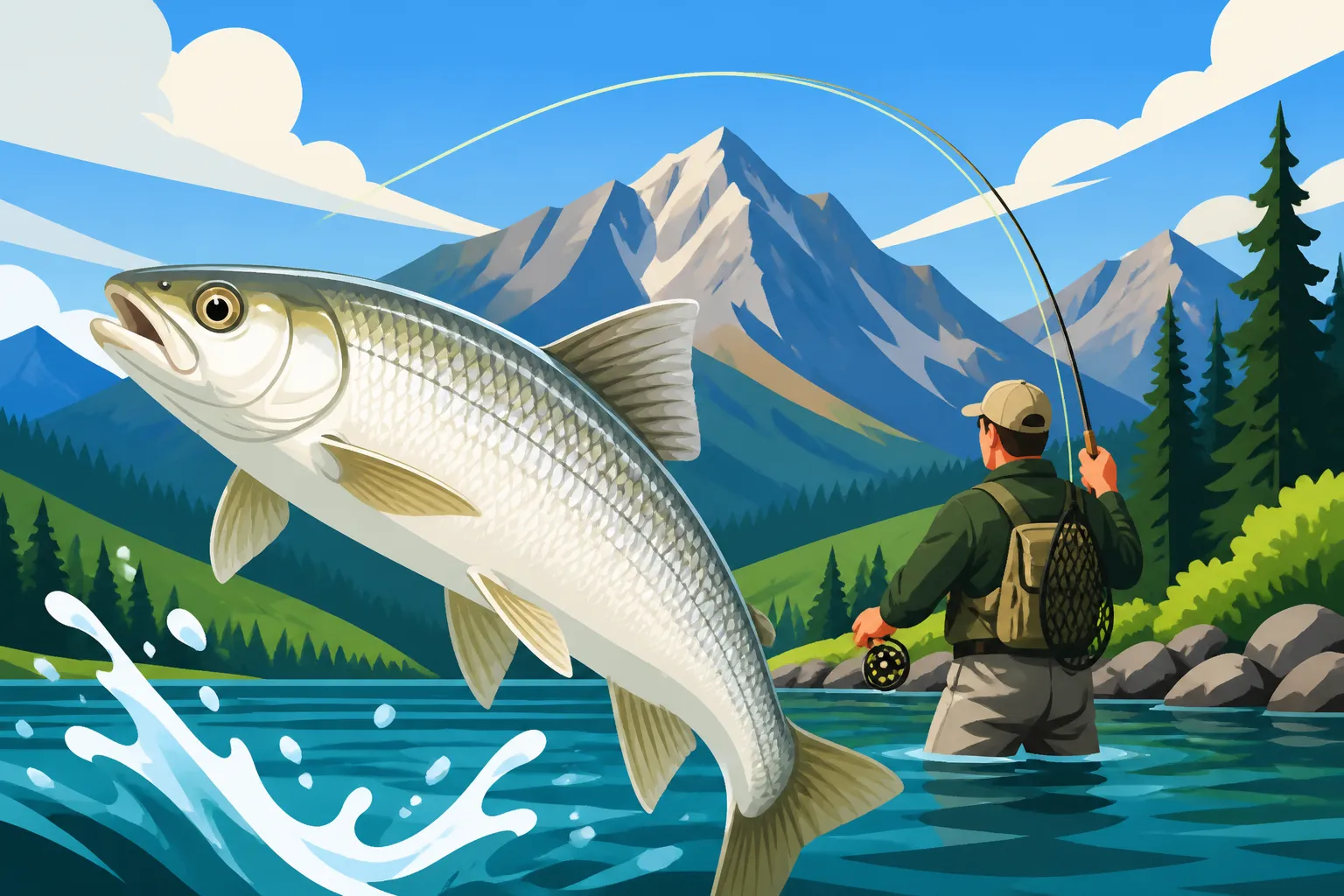
Idaho Mountain Whitefish Fishing
Many anglers coming to Idaho have their sights set on trophy trout, hard-fighting steelhead, or elusive Chinook salmon. And honestly, who can blame them? Those are incredible fish to target. But in that pursuit, a truly wonderful, often underrated, and plentiful fish frequently gets overlooked: the Idaho mountain whitefish. If you've ever found yourself on a gorgeous Idaho river and the trout just aren't biting, or you're looking for a reliable, fun catch during the colder months when other seasons might be closed or slow, then you're about to discover a fantastic secret. This comprehensive guide is here to shed light on mountain whitefish, offering you all the insights and techniques to successfully target these feisty, delicious, and often-forgotten gems of Idaho's cold, clear waters.
Understanding Idaho's Mountain Whitefish
When you hear "whitefish," you might picture something a little different, but Idaho's mountain whitefish are a unique and important part of our aquatic ecosystem. They're often misunderstood, sometimes mistaken for a "trash fish" by the uninitiated, but seasoned anglers know them as a dependable, strong-fighting, and excellent-eating sport fish.
What Exactly Are Mountain Whitefish?
Idaho's mountain whitefish (scientific name: Prosopium williamsoni) are distinct from other whitefish species found elsewhere. They have a sleek, torpedo-shaped body, typically silver or olive-brown on their backs fading to silvery-white on their bellies. Their mouths are small and subterminal, meaning they are located slightly under their snout, which is a key indicator of their bottom-feeding habits. Unlike trout, they have larger, smoother scales and a smaller, adipose fin, much like their salmonid relatives. They generally range from 10 to 20 inches, though larger specimens are certainly caught, particularly in prime habitats.
Ecologically, mountain whitefish are an integral part of Idaho's cold-water rivers and streams. They are native to the western United States and Canada, thriving in well-oxygenated, clean, and cool to cold moving water. Their diet consists primarily of aquatic insects – nymphs, larvae, and small crustaceans – making them a fantastic target for fly anglers, though they're not picky and will hit a variety of small baits and lures. They compete with trout for some food sources but also serve as a forage fish for larger predators, playing a vital role in the food chain. Don't let their subtle appearance fool you; when hooked, these fish put up a surprisingly spirited fight on light tackle, often making quick runs and headshakes that can feel like a much larger fish.
Where Mountain Whitefish Thrive in Idaho
Mountain whitefish are creatures of specific habitats within Idaho's extensive river networks. They are almost exclusively found in rivers and larger streams, shying away from still-water environments like lakes, though you might find them in the riverine sections of reservoirs. They have a strong preference for clear, cold, well-oxygenated water, often seeking out depths and currents that offer consistent temperatures and abundant food. Think about the types of places you'd expect to find wild trout, and you're likely thinking of whitefish habitat too.
You'll find them abundantly in many of Idaho's iconic rivers, including the Salmon River, the mainstem and forks of the Clearwater River, various tributaries of the Snake River, the Henry's Fork of the Snake River (particularly below the reservoirs), and the St. Joe River. Within these rivers, they tend to congregate in specific areas. Look for them in the deeper sections of runs, behind larger rocks or structure that break the current, in the slower edges of riffles, and in deep pools where currents converge or slow down. They often hug the bottom, subtly picking off nymphs and larvae drifting by. A good rule of thumb is to look for areas with a gravel or cobble bottom, which provides ideal habitat for the aquatic insects they feed on. Identifying these "holding lies" is key to consistent success.
Best Seasons and Times for Whitefish Fishing
One of the great advantages of targeting mountain whitefish is their availability during seasons when other species might be less active or regulated. They are a true cold-water species, often becoming more active when temperatures drop, making them an excellent quarry for late fall, winter, and early spring.
Seasonal Hotspots for Whitefish
While many anglers pack away their gear as summer turns to fall, those in the know are often gearing up for prime whitefish action. These fish remain active even in frigid temperatures, making them a fantastic target when trout might be sluggish or their seasons are restricted. Late fall and winter, after many trout seasons have begun to slow or close, are often peak times for whitefish. The cold water concentrates them in deeper pools and runs, making them easier to locate. Ice fishing for whitefish is not common in Idaho since they prefer flowing water, but river fishing during the winter can be incredibly productive, offering a peaceful and rewarding experience when you might otherwise be stuck indoors.
Early spring, as snowmelt begins to swell rivers but before the full force of runoff hits, also provides excellent opportunities. The slightly rising water temperatures can trigger increased feeding activity. During the summer, whitefish can still be caught, but you'll often need to seek them out in the coldest, most oxygenated sections of rivers, typically deeper pools or faster runs, especially at higher elevations. They may be less active during the hottest parts of the day. One of the best aspects of whitefish fishing is that it can often fill the void when you're waiting for the Idaho Steelhead Season Starts Each Year or the When Idaho's General Trout Season Opens, providing continuous angling enjoyment.
Daily Rhythms: When Whitefish Are Most Active
Unlike some fish that have very specific feeding windows, mountain whitefish can be quite active throughout the day, particularly during colder months. In the low light conditions of winter or early spring, their activity might be more spread out, and you could find good fishing from mid-morning through late afternoon. They don't seem to be as sensitive to bright midday sun as some trout species, especially if they are holding in deeper water or under cover.
However, like most fish, they often experience bursts of increased feeding activity during periods of lower light or changing conditions. Early mornings, late afternoons, and overcast days can certainly be productive. On sunny days, look for them in shaded areas or deeper pockets where the light doesn't penetrate as much. Their feeding is largely driven by the availability of drifting aquatic insects, so if there's a good nymph or subsurface hatch occurring, they'll be on the prowl. Keeping an eye on the river for any signs of insect activity, even subtle ones, can help you time your approach.
Essential Gear for Idaho Mountain Whitefish
You don't need highly specialized gear to catch mountain whitefish, which is part of their appeal. In fact, many anglers already own the basic setup for trout fishing, which translates perfectly to whitefish. The key is to think light, sensitive, and subtle.
Rods, Reels, and Line Choices
For spin fishing, an ultralight or light-action spinning rod, typically 6 to 7 feet long, paired with a small spinning reel, is ideal. You want a rod with a soft tip to detect those often subtle bites but enough backbone to handle the current and fight a strong fish. Spool your reel with 4 to 6-pound test monofilament or fluorocarbon line. Fluorocarbon has less stretch and is nearly invisible underwater, which can be an advantage in clear Idaho waters, especially when the fish are wary. Many anglers find that a setup similar to what they'd use for smaller trout, like the recommendations in Best Rod Setup for Trout Fishing, works perfectly.
If you're a fly angler, a 2 to 4-weight fly rod, 7.5 to 9 feet long, is your best bet. A lighter rod amplifies the fight and makes even a 12-inch whitefish feel like a trophy. Pair this with a matching reel and a weight-forward floating line. A 9-foot tapered leader, finishing with 4x to 6x tippet, will give you the stealth and natural drift you need. The smaller diameter of lighter tippets allows your flies to sink naturally and present without drag, which is crucial for enticing these often-selective feeders.
Lures and Baits Whitefish Can't Resist
Mountain whitefish primarily feed on aquatic insects, so mimicking their natural forage is the most effective strategy. For fly anglers, nymphs are king. Patterns like the Prince Nymph, Hare's Ear Nymph, Pheasant Tail Nymph, Copper John, and various stonefly or caddisfly larva imitations in sizes #12 to #18 are usually deadly. Don't forget small midge patterns in sizes #18-22, especially during colder months. Wet flies, fished on a swing, can also be very effective, especially patterns like the Soft Hackle Pheasant Tail or Greenwell's Glory. Though less common, whitefish will occasionally rise to small dry flies during a hatch.
For spin anglers, tiny jigs (1/32 to 1/16 ounce) tipped with a small piece of worm, PowerBait, or even a tiny piece of plastic grub are incredibly effective. Small spinners (size 0 or 1), such as Rooster Tails or Mepps, in silver, gold, or black can also entice aggressive bites, particularly when retrieved slowly along the bottom. Natural baits like red worms, mealworms, wax worms, or a small cluster of salmon eggs fished on a tiny hook are always reliable. You can find a huge variety of these small jigs, spinners, and fly patterns on platforms like Amazon, making it easy to stock up on the essentials before your trip. For more general advice on what to bring, check out Best Bait and Lures for Idaho Fishing.
Top Techniques for Targeting Whitefish
Successfully catching mountain whitefish often comes down to presenting your offering naturally and subtly, close to the river bottom where they spend most of their time feeding. Whether you prefer fly fishing or spin fishing, there are proven strategies to entice these cold-water bottom feeders.
Fly Fishing Strategies for Whitefish
For the fly angler, nymphing is hands down the most productive method for mountain whitefish. These fish are constantly picking insects off the riverbed, so presenting a nymph effectively is key. Indicator nymphing is a popular choice, using a strike indicator to suspend one or two nymphs at the appropriate depth, which is typically within a foot or two of the bottom. You want your flies to drift naturally, without drag, at the same speed as the current. Watch your indicator closely for any hesitation, twitch, or subtle movement that could indicate a bite – whitefish strikes are often very light and delicate.
Another highly effective fly fishing technique, especially for experienced nymph anglers, is tight-line nymphing (also known as Euro-nymphing or contact nymphing). This method involves using a longer leader and specialized line to maintain direct contact with your flies, allowing you to feel the subtle taps and takes of whitefish. This technique excels in detecting those light bites that might not move an indicator. Finally, don't overlook wet fly swinging. By casting a wet fly (or a small soft hackle nymph) slightly upstream and across, letting it sink, and then allowing it to swing downstream under tension, you can mimic emerging insects, which whitefish will readily intercept. While less common, whitefish will occasionally rise to a well-presented small dry fly during a prolific insect hatch, especially in the evening. For a deep dive into effective nymphing, consider reading How to Nymph Fish a River.
Spin Fishing and Bait Fishing Approaches
Spin anglers have several excellent options for targeting mountain whitefish. Bottom fishing with natural baits is incredibly effective. A simple ledger rig, consisting of a small bell sinker or split shot above a small swivel, with a 12- to 18-inch leader tied to a small hook (size 10 to 14) baited with a piece of worm, salmon egg, or PowerBait, is a go-to setup. Cast upstream and let the bait drift naturally along the bottom through likely whitefish holding areas. Pay close attention to your line for any subtle movement or tap.
Another productive technique is casting small lures. Tiny jigs, often tipped with a piece of bait or a micro-plastic, can be jigged slowly along the bottom or cast upstream and allowed to drift and bounce along the riverbed. Small spinners, like those mentioned earlier, can also be effective when retrieved slowly, just fast enough to get the blade spinning, allowing them to tumble and flash near the bottom. The key to spin fishing for whitefish is often patience and a slow, deliberate presentation. Avoid fast, erratic retrieves that are often more suited for aggressive trout. Sometimes, simply letting your bait or lure sit in a promising pool for a few minutes can yield a strike.
Where to Find Idaho's Best Whitefish Waters
Idaho is blessed with an abundance of cold, clear rivers, and many of them hold thriving populations of mountain whitefish. Knowing which rivers to target and where within those rivers to focus your efforts can make all the difference.
Notable Rivers and Tributaries for Whitefish
When it comes to prime mountain whitefish waters in Idaho, several rivers immediately come to mind. The Salmon River, often called "The River of No Return," is an absolute whitefish powerhouse. While famous for its steelhead and Chinook salmon runs, the Salmon and its many tributaries offer incredible opportunities for whitefish. Look for them in the deeper, slower runs and pools, especially during the colder months. You'll often find yourself catching whitefish between steelhead bites, which is a welcome bonus! More information on this incredible fishery can be found in Fishing the Salmon River for Steelhead and Chinook.
The Clearwater River, particularly its mainstem and forks, also holds strong whitefish populations. Similar to the Salmon, the Clearwater's cold, clear waters provide ideal habitat. In North Idaho, the St. Joe River is another fantastic option. Known for its native cutthroat trout, the St. Joe's pristine waters are also home to abundant whitefish, particularly in its middle and lower reaches. When you're fishing for Fishing the St. Joe River for Cutthroat Trout, expect to encounter plenty of whitefish as well. Even sections of the Henry's Fork of the Snake River, particularly below Island Park Dam and in the Box Canyon, hold significant numbers of whitefish that can provide excellent fishing, often overlooked by anglers focused solely on its legendary trout. A deeper look at this fishery is available in Henry's Fork's 70 Miles of Fishable Water Explained. Many smaller tributaries throughout the state, too numerous to list individually, also teem with whitefish, especially those fed by consistent cold springs or snowmelt.
Accessing Whitefish Hotspots
Accessing whitefish hotspots in Idaho is often quite straightforward, as many prime rivers flow through public lands or have numerous public access points. National forests, BLM lands, and state parks often provide easy river access for wading or bank fishing. Look for designated fishing access sites, boat launches, or even simply pull-offs along scenic byways that parallel rivers. Many of these spots are well-known for general fishing, so you might not need to venture far off the beaten path.
When approaching a whitefish spot, stealth is always a good idea. While perhaps not as spooky as some highly pressured trout, whitefish can still be sensitive to heavy footsteps or shadows cast over the water. Move slowly and deliberately, especially in clear, shallow areas. Good wading boots and a wading staff are invaluable for safely navigating rocky riverbeds. If you're looking for gear like waterproof maps or a sturdy wading staff to enhance your access, Amazon has a vast selection that can be delivered right to your door before your next adventure. Many of these prime whitefish waters also offer fantastic Idaho Waters You Can Fish Well from Shore, making them accessible even without a boat or extensive wading gear. Always be mindful of private property signs and respect landowner rights.
Regulations and Conservation for Whitefish
One of the beautiful things about mountain whitefish is that they are generally abundant, and regulations tend to be quite liberal, allowing for generous harvests. However, it's still crucial to be aware of and abide by current Idaho Fish and Game rules to ensure sustainable fishing for generations to come.
Understanding Idaho's Whitefish Regulations
Idaho's fishing regulations for mountain whitefish are typically straightforward, but it's always essential to consult the most current Idaho Fish and Game Fishing Seasons and Rules brochure before heading out. Regulations can and do change, and they often vary by river system or even specific sections of a river. Generally, whitefish have very generous bag and possession limits, often allowing for a daily take of 25 fish, sometimes with no size restrictions. In some waters, they might even be considered an "unprotected" species with no limit, particularly if they are believed to be in super-abundance or competing with other species.
However, never assume. Always verify the rules for the specific body of water you intend to fish. These regulations are in place to manage fish populations and ensure healthy ecosystems. While whitefish are generally abundant, understanding and following the rules helps maintain that abundance. It's important to differentiate whitefish regulations from those for trout, salmon, or steelhead, which often have much stricter limits and special requirements. Ignorance of the law is never an excuse, so make that current regulation brochure your best friend. For a general overview of the rules, take a look at Idaho Fishing Regulations Explained and specifically for limits, check out Idaho Catch Limits and Bag Limits Explained.
Respecting the Resource: Catch and Release vs. Harvest
Mountain whitefish are an excellent table fare – firm, flaky, and mild in flavor, they're truly a culinary treat. If you enjoy eating your catch, whitefish are a fantastic species for sustainable harvest, especially given their typically healthy populations and liberal limits. They are delicious smoked, fried, or baked, offering a unique flavor profile that some prefer even over trout. For those interested in this aspect, Are Mountain Whitefish Good to Eat? provides more detailed information.
If you choose to harvest, dispatch the fish quickly and humanely, and keep them on ice to preserve their quality. However, if you're practicing catch and release, especially when you've already filled your limit or are simply fishing for sport, proper handling is crucial. Use barbless hooks, or crimp the barbs on your hooks, to minimize injury. Handle the fish as little as possible, keeping it in the water if you can. If you must remove it, do so with wet hands and release it quickly. Even though whitefish are hardy, proper care ensures their survival and maintains the health of the fishery for all. Ethical angling practices, whether harvesting or releasing, are the bedrock of responsible fishing.
Here's a quick comparison of common whitefish flies and lures:
| Type | Example Patterns/Lures | Ideal Conditions | Presentation Notes | Key Advantage |
|---|---|---|---|---|
| Nymphs | Prince Nymph, Hare's Ear, Copper John, Pheasant Tail | Year-round, especially cold water, clear flows | Dead drift near bottom, light strike detection | Mimics natural food, highly effective |
| Wet Flies | Soft Hackle Pheasant Tail, Greenwell's Glory | Moderate currents, slightly off bottom | Swing downstream, mimic emerging insects | Can cover more water, subtle action |
| Small Jigs | Marabou Jig, Tube Jig, Chenille Jig (1/32-1/16 oz) | All seasons, clear to slightly turbid water | Slowly jigged, bounced along bottom, tipped w/ bait | Versatile, good for bait or lure fishing |
| Spinners | Rooster Tail, Mepps Aglia (size 0-1) | Moderate to fast currents, active fish | Slow, steady retrieve just above bottom | Flash and vibration can attract from a distance |
| Natural Baits | Worms, Salmon Eggs, Mealworms | All conditions, especially slower water | Bottom rig or drifted under float | Strong scent, universally appealing |
Disclaimer
This article is for general informational purposes only and does not constitute professional advice. Laws, prices and regulations vary by location and change over time. Consult a qualified professional for guidance on your specific situation.