Do You Need a Different License to Ice Fish in Idaho?
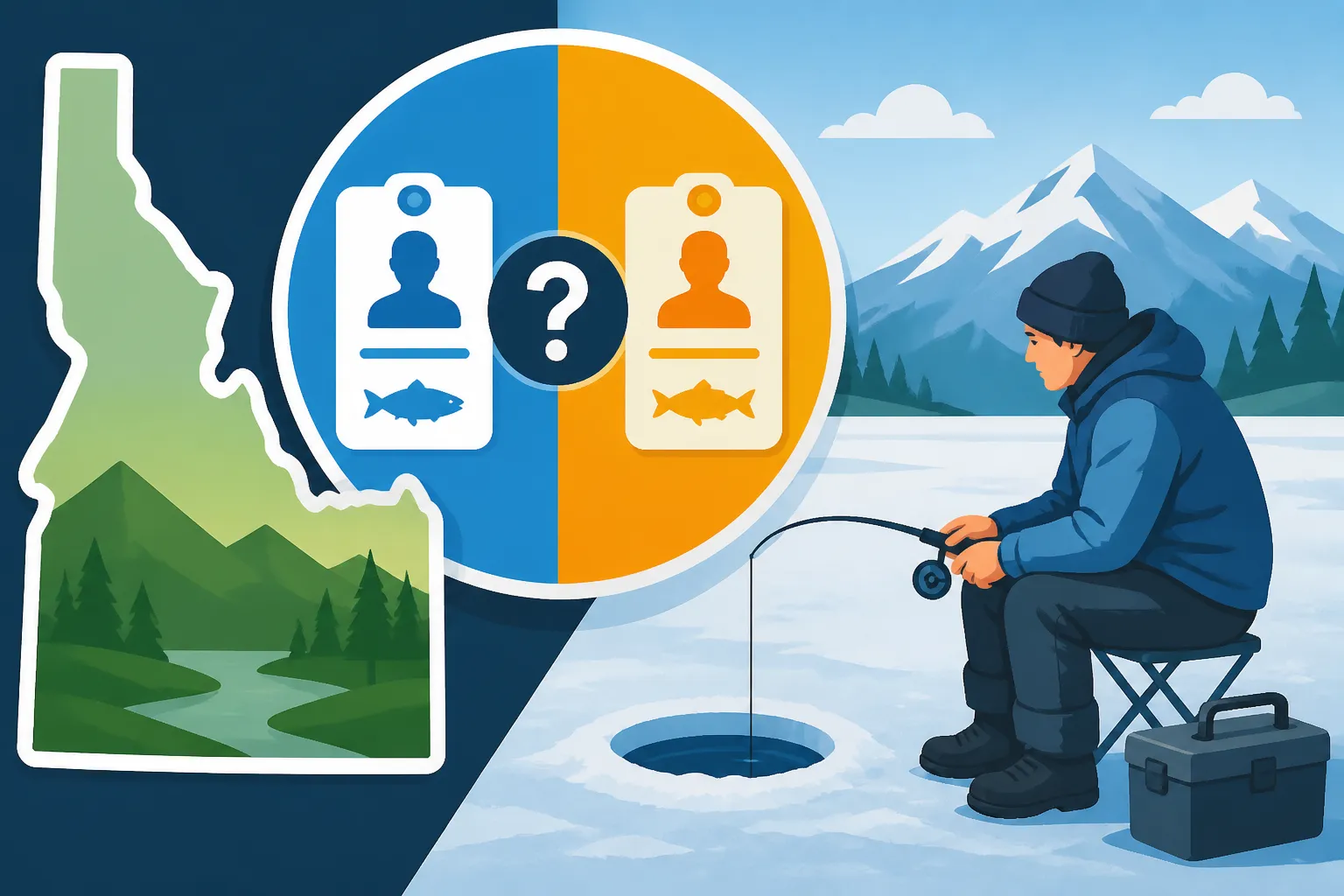
The crisp air, the vast expanse of frozen water, the satisfying thunk of an auger breaking through ice – ice fishing in Idaho is an incredible experience! But if you’re like many anglers, you might find yourself wondering, “Do I need a special or different license just for ice fishing in Idaho?” It’s a valid question, given how specific some regulations can be. This guide is here to cut through the confusion and explain exactly what you need to be legally ready for your next ice fishing adventure in the Gem State.
Your Standard Idaho Fishing License Covers Ice Fishing
No need to scour obscure regulations or worry about an extra stamp specific to ice fishing. The great news for anyone planning to drop a line through the ice in Idaho is that your standard, general Idaho fishing license is all you need. This often comes as a relief, as some states do have more convoluted licensing structures for different methods or seasons. In Idaho, whether you’re casting a fly on the Henry’s Fork in summer, trolling for kokanee on Lake Coeur d’Alene, or jigging for perch on Cascade Reservoir in the dead of winter, it’s the same base license that covers your legal right to fish.
Understanding the General Fishing License in Idaho
Idaho Fish and Game (IDFG) structures its licensing around the privilege to fish within the state’s waters, regardless of the method employed. This means that once you’ve purchased your annual or short-term general fishing license, you’re set for any legal fishing activity, including ice fishing. The goal of IDFG is to make it relatively straightforward for anglers to support conservation efforts and understand the basic requirements. This unified approach simplifies things significantly for both residents and visitors, making it easier to enjoy the diverse fishing opportunities Idaho offers throughout the year.
For residents, this might mean picking up an Idaho Resident Annual Fishing License, which is often the most cost-effective option for those who fish frequently throughout the year. Nonresidents, on the other hand, have the flexibility of an Idaho Nonresident Annual Fishing License or shorter-term options like the Idaho One-Day Fishing License, perfect for a quick weekend trip. The key takeaway here is that the type of water (frozen or open) doesn’t dictate a separate license purchase; rather, it’s your status as an angler and the duration you plan to fish.
Why a Single License Simplifies Things for Anglers
Imagine if every single fishing method, from fly fishing to bait fishing to ice fishing, required its own separate permit and fee. It would be a nightmare to keep track of, not to mention a significant deterrent for new anglers looking to explore different facets of the sport. Idaho’s approach, by consolidating the core fishing privilege under a single general license, streamlines the process. This allows anglers to transition seamlessly from one season to the next, or from one technique to another, without having to navigate a labyrinth of additional paperwork or costs.
This simplification also reflects a practical understanding of how Idaho’s diverse fisheries operate. Many of the same species that are targeted in open water during warmer months, such as rainbow trout, perch, or even kokanee, are also popular targets through the ice. Having a singular license ensures that regardless of the specific time of year or the state of the water, every angler is contributing to the management and conservation of Idaho’s fish populations. It truly makes enjoying the outdoors, like jigging for perch through the ice on a serene winter morning, that much more accessible.
Additional Permits Are Species-Specific, Not Method-Specific
While your general Idaho fishing license covers the act of ice fishing, it’s crucial to understand that certain species require additional, specialized permits. This isn’t unique to ice fishing; these permits apply regardless of whether you’re targeting these species in open water or through a hole in the ice. This distinction is vital, as overlooking these species-specific requirements can lead to fines and penalties. Think of your general fishing license as your passport to fish, and these additional permits as visas for specific, high-value destinations.
Understanding the Steelhead and Salmon Permits
The most common additional permits you’ll encounter in Idaho are those for anadromous fish: steelhead and Chinook salmon. These are highly sought-after species, and their populations are carefully managed, necessitating specific oversight. If your ice fishing plans involve targeting these incredible fish, you absolutely need to acquire the appropriate permit in addition to your general fishing license.
For instance, if you’re dreaming of landing a winter steelhead, perhaps in a river section that remains open and accessible for ice fishing (though ice fishing for steelhead is far less common than traditional river fishing, it’s theoretically possible if conditions allowed), you’d need the Idaho Salmon and Steelhead Permit. This permit, along with a valid general fishing license, is what grants you the privilege to pursue these ocean-run fish. Similarly, if you happen to be in an area and season where Chinook salmon are present and legal to target – though again, ice fishing for Chinook is incredibly rare due to their typical habitats and seasonal runs – you would need the Idaho Chinook Salmon Season Permit. These permits are designed to help fund the extensive management, restoration, and hatchery programs that support these iconic species. It’s also how IDFG collects crucial catch data through associated catch record cards.
Other Potential Permits and Fees
Beyond steelhead and salmon, there are a few other considerations that might involve additional fees, though not necessarily “permits” in the same vein. For example, some specialized waters might have particular regulations or access fees, but these are typically site-specific and not tied to the method of ice fishing itself. The Access and Depredation Fee is another common addition you’ll see when purchasing your license. This fee helps fund public access projects and manage wildlife damage to private property, and it’s usually a standard add-on to your overall license cost. You can learn more about the specifics of the Idaho Access and Depredation Fee Explained when you look at the total breakdown.
It’s always a good idea, before heading out, to consult the current Idaho Fishing Regulation Brochure and Proclamation from Idaho Fish and Game. These documents are updated annually and provide the most up-to-date information on season dates, bag limits, and any special restrictions for specific waters or species. This is particularly important for ice fishing, as ice conditions can make certain areas inaccessible or alter typical fishing patterns, and localized rules can change.
Getting Your Idaho Fishing License and Preparing for Ice Fishing
Now that we’ve cleared up the license requirements, let’s talk about the practicalities of getting your license and preparing for a successful and legal ice fishing trip in Idaho. It’s not just about having the right paperwork; it’s about being informed and equipped for the conditions.
Where and How to Purchase Your License
Obtaining an Idaho fishing license is a straightforward process, designed to be accessible to everyone. The easiest and most convenient method for most people is to purchase their license online directly through the Idaho Fish and Game website. This allows you to print a temporary license immediately and ensures you have the official record of your purchase. You can find detailed instructions on How to Buy an Idaho Fishing License Online.
If you prefer a more traditional route, or just want to chat with a local expert, you can also purchase licenses at various vendor locations across the state. These include sporting goods stores, local tackle shops, and some convenience stores. Places like your local Ace Hardware, Fred Meyer, or other similar shops often have a counter dedicated to hunting and fishing licenses. It’s always a good idea to check with the vendor in advance to confirm their hours and services. No matter where you decide to purchase your license, make sure to keep a copy of it on your person while fishing – either a physical copy or a digital one on your phone. Getting a duplicate is simple; just in case, you can learn How to Print a Duplicate Idaho Fishing License if you ever lose your original.
Essential Ice Fishing Gear and Safety Considerations
While your license is sorted, ice fishing requires its own unique set of gear and, more importantly, a strong emphasis on safety. Unlike open water fishing, where a fall might just get you wet, falling through ice can be incredibly dangerous. Always prioritize safety first!
When gearing up, consider items like a reliable ice auger (manual or powered), an ice scoop to keep your holes clear, and sturdy ice fishing rods and reels designed for the cold. A sled or portable ice shelter can make your day much more comfortable, especially on windy days. Don’t forget an ice-rated personal flotation device (PFD) and ice picks, which are critical safety tools. For clothing, layers are your best friend. A good base layer, insulating mid-layers, and a waterproof, windproof outer shell are essential to stay warm and dry. You might even find some fantastic deals on specialized cold-weather gear, including insulated boots and gloves, through online retailers like Amazon, helping you prepare thoroughly without breaking the bank.
Before you even step onto the ice, check local ice conditions. No ice is 100% safe, but general guidelines suggest a minimum of 4 inches of clear, solid ice for foot travel, and significantly more for snowmobiles or vehicles. Look for signs of recent snow, as snow insulates ice and can prevent it from thickening. Always fish with a buddy, let someone know where you’re going and when you expect to return, and carry a fully charged phone. Local bait shops and IDFG regional offices often provide updated ice condition reports for popular spots like Cascade Reservoir or Lake Coeur d’Alene, which are fantastic places for ice fishing.
| License Type | Covers Ice Fishing? | Cost (Approx. Resident) | Cost (Approx. Nonresident) | Additional Permits Needed? | Valid For |
|---|---|---|---|---|---|
| Annual Fishing License | Yes | $30.50 | $98.00 | Yes (for specific species) | 1 year from purchase date |
| 3-Year Fishing License | Yes | $72.00 | Not Available | Yes (for specific species) | 3 years from purchase date |
| 1-Day Fishing License | Yes | $13.75 | $20.00 | Yes (for specific species) | 24 hours |
| 1-Day Fishing License (added) | Yes | $7.00 | $11.00 | Yes (for specific species) | Additional 24 hours |
| Combination Hunt/Fish License | Yes | $44.75 | $204.00 | Yes (for specific species) | 1 year from purchase date |
Note: Prices are approximate and are subject to change by Idaho Fish and Game. Always verify current prices and fees when purchasing.
Common Misconceptions and Legal Reminders for Ice Anglers
Even with a clear understanding of licensing, there are still a few common pitfalls and important legal reminders specific to ice fishing that every angler should be aware of. Avoiding these can save you a headache, or even a hefty fine, out on the frozen water.
Understanding Rod Limits and Attended Lines
One frequent question that comes up with ice fishing is about the number of rods allowed. Generally, in Idaho, a single angler is allowed to fish with up to two rods. This rule applies whether you’re open water fishing or ice fishing. The crucial part here is that both lines must be “personally attended.” This doesn’t mean you have to be holding both rods at all times, but you must be within reasonable proximity to detect a bite and tend to your lines immediately. Leaving a rod unattended to wander off to another part of the lake for an extended period, or to warm up in your vehicle without a clear line of sight and quick access, is a violation.
This “attended” rule is particularly relevant in ice fishing where you might be managing multiple holes. Make sure you can see both of your setups, and that if a flag goes up or your bobber dips, you can get to that rod without delay. It’s a fundamental part of responsible angling and ensures you’re actively participating in your fishing, rather than just passively deploying gear. This is also where the choice of ice fishing shelter can be important – ensuring it still allows you good visibility of your lines. If you’re wondering about other rules, like Idaho Rules on the Number of Rods Per Angler, the general fishing regulations apply across the board.
Respecting Ice Shacks and Leave No Trace Principles
Another important aspect of ice fishing that often gets overlooked is the regulations surrounding ice shacks or shelters. If you’re bringing a portable or permanent ice shack onto the ice, be aware of the rules. Generally, ice shacks must be marked with the owner’s name and address, and they need to be removed from the ice by a specific date, usually in mid-February or early March, depending on the region and ice conditions. Leaving a shack on the ice past the removal date can result in fines and charges for cleanup. The state wants to prevent abandoned shacks from falling through the ice and becoming hazards or pollution.
Beyond shacks, the “Leave No Trace” principles are paramount in ice fishing. The beauty of Idaho’s frozen lakes and reservoirs is pristine, and it’s our responsibility to keep it that way. This means packing out everything you pack in – all trash, broken line, bait containers, and certainly any discarded fish carcasses. Leaving litter not only pollutes the environment but also degrades the experience for other anglers and wildlife. Practicing responsible angling, which includes proper waste disposal and respecting private property when accessing fishing spots, ensures that Idaho’s incredible ice fishing opportunities remain enjoyable for generations to come. Many online retailers, like Amazon, offer compact trash bags and organizational systems perfect for keeping your ice fishing area tidy.
In essence, while the license itself isn’t different for ice fishing, being a responsible and knowledgeable ice angler involves understanding the broader regulations and practicing good stewardship. By doing so, you’re not just adhering to the law, but you’re also preserving the very resource that brings us so much joy.
Disclaimer
This article is for general informational purposes only and does not constitute professional advice. Laws, prices and regulations vary by location and change over time. Consult a qualified professional for guidance on your specific situation.