Do Idaho Fishing Rules Differ by River Section?
It's a common scenario for many anglers, whether you're a seasoned local or planning an epic fishing trip to Idaho: you've done your homework, read up on some general regulations, but then you start wondering if those rules apply to every single river and stream across this vast state. The truth is, Idaho's fishing rules are far from a one-size-fits-all approach, and trying to navigate the nuances between different river sections can feel like trying to untangle a particularly stubborn fishing knot. This guide is here to help you understand why these differences exist and, more importantly, how to confidently find the specific regulations for the Idaho river section you're eager to explore.
The Reality of Idaho's Diverse Waterways and Regulations
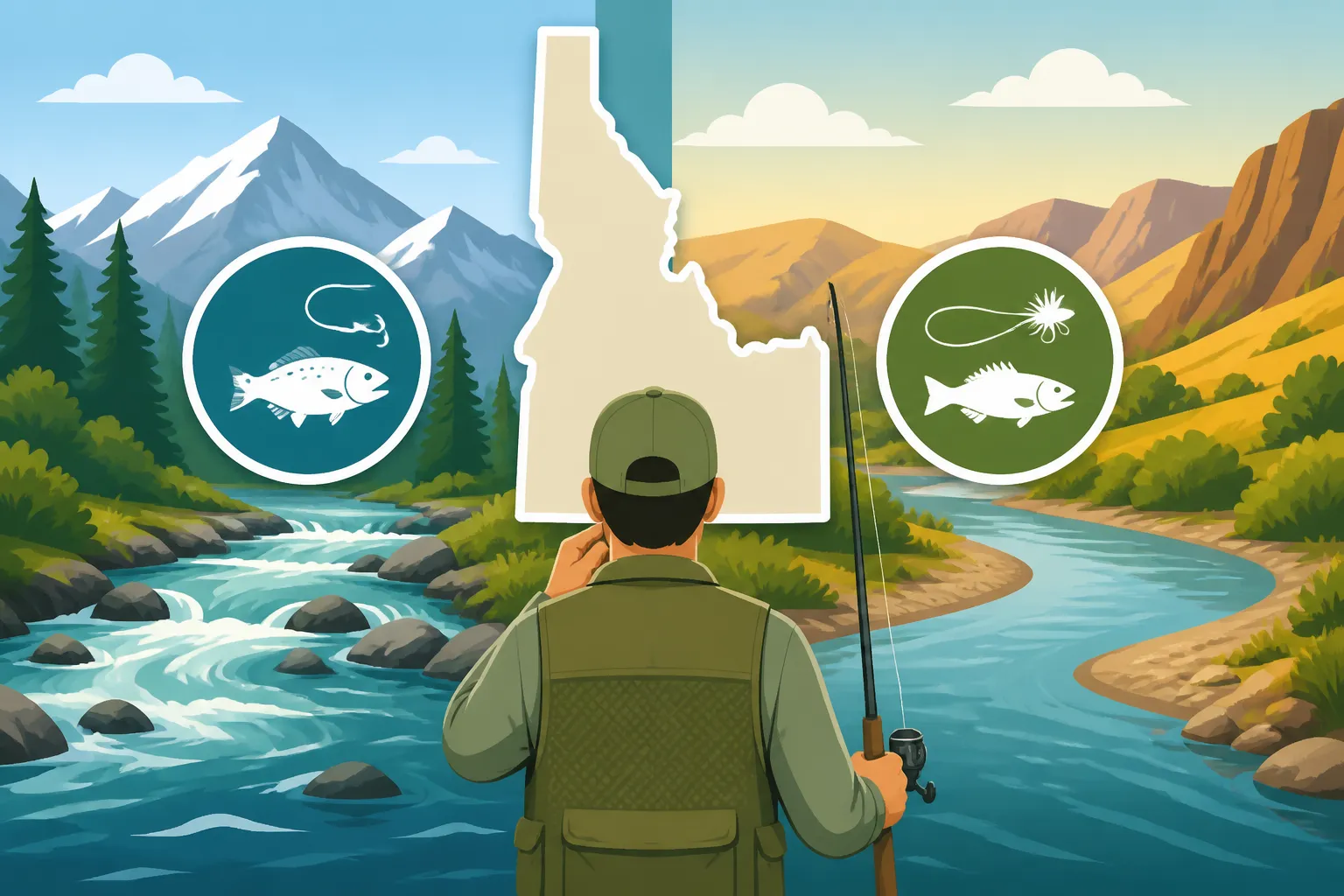
Idaho is a state of incredible geographic diversity, from the high desert plains in the south to the dense forests and rugged mountains of the panhandle. This natural variety directly translates into a wide array of aquatic habitats, each supporting different fish species with unique needs. The Idaho Department of Fish and Game (IDFG) works tirelessly to manage these precious resources, and a big part of that management involves crafting regulations that are highly specific to particular bodies of water or even sections of a single river.
Why Uniform Rules Just Don't Cut It
Imagine trying to manage a vibrant ecosystem like the renowned Henry's Fork of the Snake River, famous for its finicky, wild trout, with the same broad rules that apply to a high-elevation alpine lake stocked with hatchery rainbows. It simply wouldn't work. The biological realities of different fish populations, coupled with varying angling pressures and habitat conditions, demand a more granular approach.
For instance, the powerful Clearwater River, slicing through northern Idaho, experiences massive runs of anadromous fish like steelhead and Chinook salmon. These fish have complex life cycles, migrating thousands of miles, and their presence necessitates specific seasons and harvest rules. Compare that to a quiet stretch of the Boise River running through town, where local anglers might target stocked trout or warmwater species like bass. The goals for managing these fisheries are entirely different: one focuses on protecting migratory populations and ensuring their return, while the other might prioritize recreational opportunity and easy access for families. This fundamental difference in fishery management goals is why you’ll rarely find blanket rules that cover every single mile of Idaho’s abundant waters.
The Impact of Conservation and Species Management
Conservation is at the heart of many of Idaho's river-specific regulations. Some species, like the iconic white sturgeon in the Snake River, are ancient and slow-growing, requiring strict catch-and-release rules to ensure their long-term survival. You'll find detailed guidance on Idaho Sturgeon Catch and Release Rules Explained, emphasizing the care needed when handling these magnificent fish. Similarly, the protection of wild steelhead and salmon populations often dictates specific seasons, bag limits, and even tackle restrictions on rivers like the Salmon and Clearwater. Anglers must be able to properly identify these species, and understand the difference between hatchery and wild fish, as wild populations are almost always catch-and-release only.
Conversely, some waters might have more liberal rules for certain species, perhaps to manage overpopulation or to encourage harvest of introduced species that could outcompete native fish. For example, some reservoirs might have generous limits on yellow perch or bass. The IDFG constantly monitors fish populations and habitat health, and regulations are adjusted accordingly. This dynamic approach means that what was true a few years ago might have changed, underscoring the importance of checking the most current regulations for the specific section of river you plan to visit. It’s all about maintaining a healthy balance and ensuring sustainable fishing opportunities for generations to come.
Navigating Idaho's River-Specific Regulations
The sheer number of rivers and streams in Idaho means that delving into every single one's specific regulations would be an epic quest. However, understanding how common rules often apply to Idaho's major river systems can give you a strong foundation. These rivers, due to their size, iconic status, or unique fisheries, frequently have their own distinct sets of rules that diverge from the statewide general regulations.
Key Rivers with Unique Rule Sets
Let's look at some of Idaho's most popular and biologically diverse rivers, where you'll almost certainly encounter section-specific rules:
- The Snake River: As Idaho's largest river, the Snake is a perfect example of varied regulations. In the deep canyons of Hells Canyon, you might find specific rules for oversized smallmouth bass or special seasons for certain salmon runs. Upstream, in the plateau regions, different stretches could have unique rules for catfishing or trout, while the middle Snake is famous for its massive white sturgeon, requiring barbless hooks and strict catch-and-release practices. The Idaho Sturgeon Fishing Guide details how these rules are carefully designed to protect these incredible fish.
- The Salmon River: Known as the "River of No Return," the Salmon River is synonymous with anadromous fishing. Its extensive length means distinct regulations for different sections, especially concerning steelhead and Chinook salmon. For example, the lower Salmon might open for steelhead earlier or have different bag limits than the main stem further upstream or its forks. Understanding Idaho Salmon and Steelhead Permit requirements is crucial here, as these permits often dictate what you can keep and where.
- The Clearwater River: Another legendary steelhead river, especially its North Fork and South Fork, the Clearwater is heavily managed for these powerful ocean-going rainbows. Specific dates and harvest limits for hatchery steelhead vary by section, and you might encounter bait restrictions or differing Idaho Steelhead Bag Limits as you move up or down the river. The fall and winter steelhead seasons, for instance, have very precise dates that differ from general trout seasons.
- Henry's Fork of the Snake River: A globally renowned fly-fishing destination near Island Park, the Henry's Fork is a prime example of a river with highly specialized regulations. Expect stretches of "fly-fishing only," often with barbless hook requirements, and very specific seasons or reduced bag limits for its trophy trout. These rules are in place to preserve the unique wild trout fishery and provide an exceptional angling experience.
- South Fork of the Snake River: Downstream from Palisades Reservoir, this stretch of the Snake River offers fantastic trout fishing and also features unique regulations. You might find sections that are artificial lure and fly only, and others with specific slot limits designed to protect larger wild trout. Checking the exact river mile or bridge crossing for regulatory boundaries is a common practice here.
Common Regulatory Variations You'll Encounter
When reviewing Idaho's fishing regulations, particularly for different river sections, you'll frequently see variations in a few key areas:
- Bag Limits: This is one of the most common differences. The number of fish you can keep (your daily bag limit) and the total number you can have in possession (possession limit) will often change based on the specific river, lake, or even a section of a river. For example, the Idaho Daily Bag Limit for Trout on Most Waters might be lower on a heavily fished stream or higher on a reservoir with an abundant stocked population. For species like steelhead, bag limits are highly regulated and often vary by specific river and time of year, with very tight controls on the Idaho Steelhead Bag Limits.
- Season Dates: While some waters are open year-round for general fishing, many specific river sections or species within those sections will have defined open and closed seasons. This is especially true for migratory fish like steelhead and salmon, where specific seasons are set to coincide with their runs and ensure conservation. You'll need to know When Idaho's General Trout Season Opens or When Idaho Steelhead Season Starts Each Year for your chosen waterway. Missing these dates can lead to a fine, even if you thought you were fishing legally elsewhere.
- Tackle and Bait Restrictions: This is a major area of variation. Some river sections, particularly those managed for wild trout or anadromous species, may have "artificial flies and lures only" rules, meaning no worms, PowerBait, or other natural baits. Furthermore, Idaho Barbless Hook Requirements are common in sensitive fisheries, especially for catch-and-release sections, to minimize harm to fish. Always double-check if treble hooks, barbed hooks, or certain types of lures are prohibited.
- Catch and Release Requirements: Many of Idaho's most prized fisheries, or specific species within them, are designated as "catch-and-release only." This means any fish caught must be immediately and carefully returned to the water unharmed. This is common for large sturgeon, wild salmon and steelhead, and trophy trout in designated waters. Ignoring these rules can result in significant penalties, demonstrating the state's commitment to preserving these valuable fish populations.
How to Stay Compliant and Avoid Common Pitfalls
Given the complexity and the variations across Idaho's diverse fishing landscape, it might feel a bit overwhelming to ensure you're always fishing legally. But fear not, there are excellent resources and practices you can adopt to make sure your angling adventures are both enjoyable and compliant. Staying informed is truly your best defense against accidental violations.
Your Best Friend: The Idaho Fishing Regulation Brochure
Without a doubt, the single most important tool in any Idaho angler's arsenal is the current year's Idaho Fishing Regulation Brochure. This isn't just a suggestion; it's a necessity. This comprehensive guide, published annually by the Idaho Department of Fish and Game, details every single regulation, species-specific rule, season date, and body-of-water-specific exception you need to know.
You can pick up a physical copy at any Idaho Department of Fish and Game office, most sporting goods stores like Cabela's or Sportsman's Warehouse, and numerous license vendors throughout the state. However, in this digital age, the easiest and often most up-to-date way to access it is online. The IDFG website offers a downloadable PDF of the entire Idaho Fishing Regulation Brochure and Proclamation, which you can save to your phone or tablet. They even have an interactive online map tool that allows you to click on specific waters and see the regulations that apply. This is a game-changer for on-the-go checking. Always make sure you're looking at the current year's regulations because rules can and do change. A quick search for "Where to Find Idaho's Current Fishing Rules Brochure" will lead you right to it.
Utilizing Online Resources and Local Knowledge
While the official brochure is paramount, supplementing that with other resources can provide invaluable insights:
- IDFG Website: Beyond the brochure, the Idaho Department of Fish and Game website is a treasure trove of information. You can find fish stocking reports, news releases about regulation changes, and in-depth articles about specific fisheries. They even have sections dedicated to identifying different fish species, which is crucial when distinguishing between a hatchery and wild steelhead, for example.
- Local Tackle Shops and Guides: There's no substitute for local knowledge. Before heading out, especially to a new-to-you river section, stop by a local tackle or fly shop. These folks live and breathe fishing in their area, and they can offer real-time updates on conditions, recent stocking, and any immediate regulatory changes or clarifications. For example, a shop near the Henry's Fork can tell you exactly what flies are working and what specific sections have unique rules. If you're considering a guided trip, many outfitters listed in the Idaho Fishing Guides and Charters Directory are excellent sources of hyper-local information even before you book. They often have an intimate understanding of the nuances of different river sections.
- Online Forums and Community Groups: Websites and social media groups dedicated to Idaho fishing can be great for sharing experiences and getting tips. However, always exercise caution. While these communities can be helpful, always cross-reference any regulation information you receive with the official IDFG brochure. Personal opinions or outdated advice from forums can inadvertently lead to violations.
Practical Tips for Anglers on the Go
Making sure you're compliant doesn't have to be a burden. Here are some practical tips to keep you on the right side of the rules:
- Plan Ahead, Section by Section: Before your trip, decide which specific river sections you intend to fish. Then, look up the regulations for each of those sections individually. Don't assume that if the Salmon River allows bait in one spot, it's allowed ten miles upstream. This planning saves a lot of headaches on the water.
- Always Carry the Regulations (Digitally or Physically): Keep a copy of the current regulations with you at all times. If you have a smartphone, download the PDF so it's accessible even without cell service. If you prefer paper, a physical copy in your tackle box or backpack is essential. This allows you to quickly verify a rule if you're unsure.
- Equip for Versatility (and Compliance!): If you plan to fish different river sections with varying tackle restrictions, consider gear that allows for easy adaptation. For instance, having a selection of barbless hooks ready to go, or a second rod rigged for artificials if you're switching from bait-fishing water, can make transitions seamless. Many anglers find it convenient to grab specialized gear, like light leaders or specific lures for diverse Idaho fishing scenarios, on Amazon before they even leave home, ensuring they're prepared for any regulatory curveball. If you realize you need barbless hooks for a particular section, a quick order on Amazon can save your trip, arriving just in time. Similarly, a wide array of specific flies or lures tailored to a particular river's restrictions can be easily sourced from Amazon if local shops are out of stock or out of the way.
- When in Doubt, Don't: If you're genuinely unsure about a specific rule for a particular section, err on the side of caution. It's better to hold off or choose a different technique than risk a violation. Remember, ignorance of the law is not a valid defense.
Ultimately, Idaho's river-specific regulations are a testament to the state's dedication to maintaining healthy and vibrant fisheries. By understanding why these rules exist and consistently utilizing the resources available, you can confidently explore the Gem State's incredible angling opportunities, ensuring both memorable catches and responsible stewardship.
| River/Section | Common Rule Variation Examples | Primary Species Affected | Key Things to Check |
|---|---|---|---|
| Snake River | Catch & Release for Sturgeon, Barbless Hooks, Specific Bait Restrictions, Slot Limits for Bass in certain areas | Sturgeon, Smallmouth Bass | Idaho Barbless Hook Requirements, Idaho Sturgeon Catch and Release Rules Explained, Season dates for bass |
| Salmon River | Varying Steelhead & Chinook Seasons/Limits by section, Bait vs. Artificial Restrictions, Selective Harvest for specific fish | Steelhead, Chinook Salmon | Idaho Steelhead Bag Limits, Idaho Chinook Salmon Fishing Guide, Gear restrictions |
| Clearwater River | Strict Steelhead Seasons and Bag Limits, Hatchery vs. Wild Steelhead rules (fin clip), Some Artificial Lure Only areas | Steelhead | How to Tell a Hatchery Steelhead from a Wild One in Idaho, Idaho Steelhead Bag Limits, Seasons |
| Henry's Fork | Fly-Fishing Only sections, Barbless Hooks, Reduced Trout Bag Limits, Specific Hatch-Driven Restrictions | Rainbow Trout, Brown Trout | Tackle restrictions, Catch & Release zones, Season dates for trout |
| South Fork Snake River | Artificial Lure & Fly Only sections, Special Slot Limits for Trout, Daily Bag Limits for Cutthroat Trout | Cutthroat Trout, Rainbow Trout | Idaho Cutthroat Trout Fishing Guide, Gear restrictions, Specific river section boundaries |
Disclaimer
The information provided in this guide is for general informational purposes only and is subject to change. While we strive to offer accurate and up-to-date advice, fishing regulations in Idaho are complex and can be modified at any time by the Idaho Department of Fish and Game. It is the angler's sole responsibility to consult the most current official Idaho Fishing Regulation Brochure or the Idaho Department of Fish and Game website before engaging in any fishing activity. Failure to comply with regulations can result in fines or penalties.