When Idaho’s High Mountain Lakes Open Up After Winter
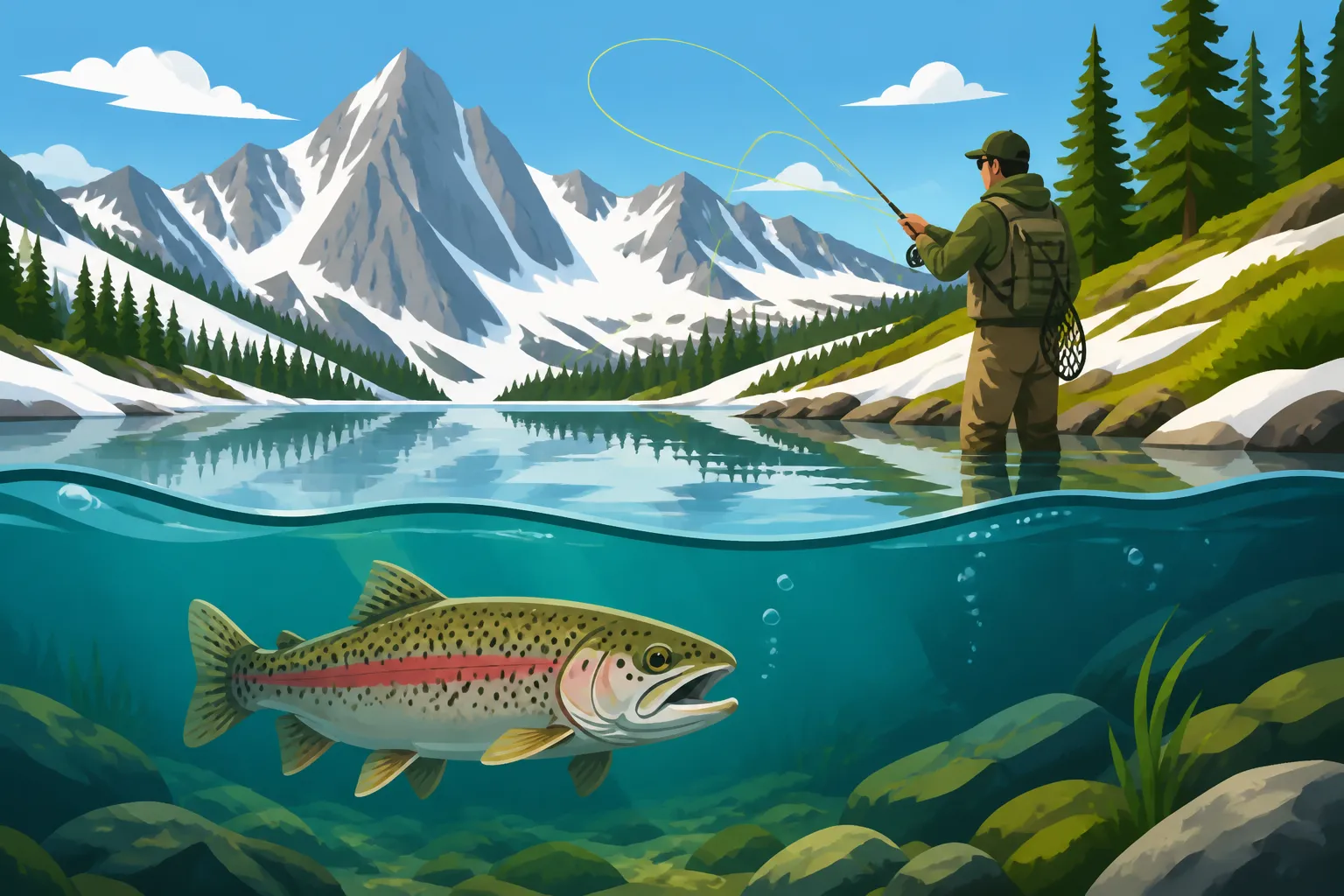
It's a familiar ache for any angler living in Idaho: the long, cold winter stretches on, and all you can think about is the sparkling, clear water of a high mountain lake. You dream of casting a line to eager trout in those pristine, quiet settings. But the big question always looms, nagging at your patience: when will those majestic, often remote, Idaho high mountain lakes finally shed their icy grip and become accessible after winter's long embrace? This guide will dive deep into the factors that determine when these breathtaking fishing havens truly open up, helping you plan your adventures to maximize your chances of success and safety.
Understanding the Seasonal Cycle of Idaho's High Mountain Lakes
Idaho's high mountain lakes are creatures of the seasons, each cycle dramatically altering their accessibility and fishability. Unlike lower elevation waters that might see ice-out in early spring, these alpine gems operate on their own, often delayed, timeline. Understanding this rhythm is crucial for planning your trips.
The Winter Grip: Ice and Snowpack
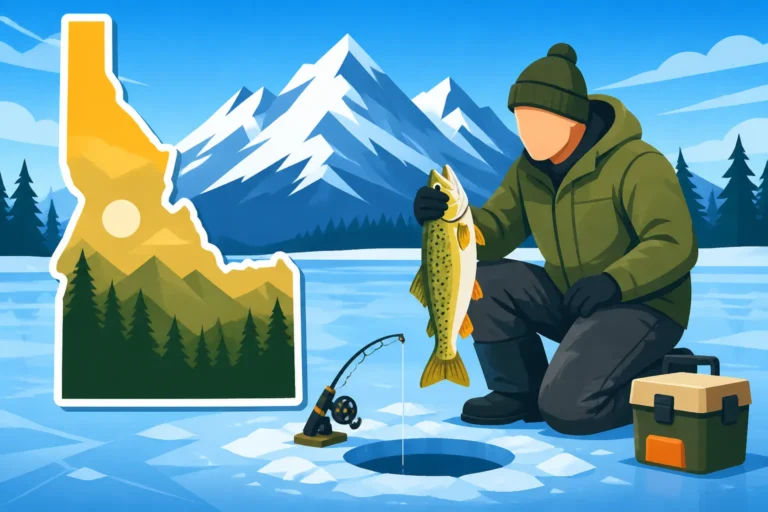
From late fall through early spring, Idaho's high mountain lakes are locked under a thick blanket of ice, often covered by many feet of snow. The surrounding terrain is similarly buried, with mountain passes closed and trails impassable. This period, while beautiful, renders these lakes largely inaccessible for traditional open-water fishing. The heavy snowpack accumulating throughout the winter months is the primary determinant of how long access will be delayed in the spring and early summer. A big snow year means later access, plain and simple.
Beyond just physical access, the sheer amount of ice and snow profoundly impacts the lake's ecosystem. Beneath the frozen surface, fish metabolism slows, and they often congregate in deeper, more oxygenated waters. The complete freeze-over means no surface feeding activity, forcing fish to rely on limited food sources. This dormancy means that even after the ice leaves, it can take a little time for the fish to become truly active and eager to bite. Planning your trip requires looking beyond just the disappearance of ice.
Spring Thaw: Runoff and Ice-Out
As spring temperatures begin to rise, the thaw commences, but it's a gradual process, especially at higher elevations. The first signs are usually swollen streams and rivers as snow begins to melt at lower elevations. This is often referred to as spring runoff, and it can dramatically affect fishing conditions in larger rivers, making them high and muddy. For high mountain lakes, runoff means that the feeder streams are pumping cold, silty water into the lake, but the ice itself may still be firmly in place.
Actual "ice-out" for high mountain lakes is a celebrated event, often occurring weeks or even months after lower elevation lakes have thawed. It's when the lake's surface is finally free of ice, signifying the true start of the open-water fishing season. However, ice-out doesn't mean the surrounding trails or roads are clear. Often, even after the lake is fishable, getting to it might still involve navigating significant snowdrifts or muddy, impassable roads. It's a two-part equation: the lake must be free of ice, and you must be able to reach it. When Idaho's General Trout Season Opens is a general guideline, but specific high mountain lakes will operate on their own timelines.
Key Factors Determining "Open" Dates for High Mountain Lakes
Several critical factors play a role in determining exactly when Idaho's high mountain lakes become accessible and ready for angling. These aren't just guesses; they're environmental realities that dictate the season.
Elevation and Aspect: Not All Lakes are Equal
It stands to reason that lakes at higher elevations will hold snow and ice longer than those at lower elevations. A lake at 8,000 feet in the Sawtooths will almost certainly open later than one at 6,000 feet in the Boise National Forest. The difference can be weeks, sometimes even a full month or more. It's not just the altitude, though. The aspect of a lake, meaning which direction its surrounding slopes face, also plays a huge role.
Lakes nestled in north-facing cirques or deep, shaded canyons receive less direct sunlight throughout the day. These areas accumulate more snow and retain it for longer periods, often well into July, and sometimes even August in exceptionally deep snow years. Conversely, lakes with south-facing exposure, or those in more open basins, will often see earlier ice-out as they soak up more solar radiation. When you're dreaming of a specific lake, consider its position on the map and its surrounding topography. A quick glance at a topographic map on your computer, or even satellite imagery from a tool like Google Earth, can give you clues about its aspect and elevation before you even consider a trip.
Snowpack Levels and Spring Temperatures
The amount of snow that falls over the winter is perhaps the single biggest factor influencing when high mountain lakes open. A winter with above-average snowpack means a massive volume of ice and snow to melt, inevitably pushing back ice-out dates. Conversely, a lean snow year can lead to surprisingly early access, sometimes even by mid-June for many popular high-elevation spots.
Spring temperatures then act as the accelerator (or brake) on this melting process. A sustained period of warm, sunny days in May and June will rapidly diminish snowdrifts and melt lake ice. However, a cool, wet spring, especially one with late-season snowfalls, can drag out the melting process considerably. I've seen years where a late June snowstorm completely reset the clock for some trails and lakes, forcing anglers to delay their plans another week or two. It's a delicate balance that Mother Nature orchestrates, and we anglers are simply along for the ride. Monitoring Idaho's Spring Runoff and How It Affects Fishing is key for anticipating these conditions.
Interpreting "Open" for Anglers: Access vs. Fishability
When we talk about a high mountain lake being "open," it's not always a clear-cut definition. For anglers, "open" needs to encompass two main ideas: physical access to the lake, and the actual condition of the water for fishing.
Road and Trail Access
The first hurdle to reaching many high mountain lakes is often the access road or trail. Many forest service roads leading to trailheads are seasonal, opening only after the snow melts and the ground dries out enough to prevent damage. This usually means after Memorial Day, but for higher or more remote roads, it can be mid-June or even later. Imagine driving miles down a forest road only to hit a massive snowdrift blocking the path – it's a frustrating, but common, scenario.
Even once roads are clear, trails themselves can still be impassable. Early season hikers might encounter sections of trail buried under several feet of snow, especially in north-facing gullies or shaded timber. Stream crossings can also be dangerously high and swift due to runoff. Always check trail conditions with the local Forest Service district or Idaho Fish and Game before heading out. Sometimes, even if a lake is technically "ice-free," getting there requires specialized gear like snowshoes or microspikes, making a casual fishing trip into a more serious backcountry endeavor. Getting reliable hiking boots and a good backpack for these early season excursions is something I always recommend, and you can find great options on platforms like Amazon.
Actual Ice-Out and Fish Activity
The moment the last patch of ice melts away is what most anglers define as true "ice-out." This is when the lake is truly open for casting. While fish can be caught right after ice-out, their activity levels can vary. Often, the period immediately following ice-out, especially for a week or two, can offer some of the best fishing. The water is cold, highly oxygenated, and the fish, after months under the ice, are often hungry and cruising the shallow edges for newly available food sources. This can be a fantastic time for fly fishing or casting small spinners.
However, if ice-out happens during a prolonged period of cold, wet weather, fish might remain a bit lethargic. Conversely, if a heatwave hits right after ice-out, the fishing might be phenomenal for a short window before fish retreat to deeper, cooler waters. Understanding this nuance means that "open" isn't just a switch; it's a dynamic state influenced by recent weather patterns and water temperatures. Best Time of Year to Fish in Idaho will offer more general seasonal insights, but for high mountain lakes, ice-out is the specific trigger.
Tips for Planning Your High Mountain Lake Trip
Given the variables involved, planning a trip to Idaho's high mountain lakes requires a bit more preparation and flexibility than a trip to a lower elevation reservoir.
Resources for Checking Conditions
The best way to stay informed about when high mountain lakes are opening is to consult reliable, up-to-date sources.
- Idaho Fish and Game (IDFG): Their website is an invaluable resource. They often provide updates on lake conditions, stocking reports, and road access. You can also call regional offices for localized information.
- U.S. Forest Service (USFS): The local ranger districts that manage the land around these lakes are your go-to for road and trail conditions. Their websites often have "Recreation Conditions" pages, or you can call them directly. They're usually very helpful.
- Webcams and Satellite Imagery: Sometimes, looking at webcams in nearby mountain towns can give you a visual clue about snow levels. Satellite imagery, if recent enough, can also show you if a lake still has significant ice cover.
- Online Forums and Social Media Groups: Local fishing or hiking groups on platforms like Facebook often have members sharing real-time updates from their excursions. Just be sure to cross-reference with official sources.
- Snowpack Data: Websites like the National Water and Climate Center provide snowpack data for various basins across Idaho. This can give you a good idea of how heavy the winter was, and thus, how late or early ice-out might be expected.
Remember, conditions can change quickly in the mountains, so always check just before you head out. Idaho Fishing Regulations Explained will always be important, regardless of when the lake opens.
Gear for Early Season Success
Early season high mountain lake fishing isn't just about the lake being open; it's also about being prepared for potentially chilly conditions, lingering snow, and hungry fish.
- Layered Clothing: Even on a sunny day, temperatures can drop significantly, especially at altitude or when clouds roll in. Pack synthetic layers, a warm fleece, and a waterproof/windproof outer shell. Consider a good pair of gloves and a warm hat, even if the forecast looks mild.
- Sturdy Footwear: Waterproof hiking boots are a must. You'll likely encounter wet trails, mud, and potentially snow. Good traction is essential.
- Fishing Gear: Depending on the target species (often trout like cutthroat, rainbow, or brook trout in these lakes), pack a lightweight spinning rod with small spinners or spoons, or a fly rod with an assortment of nymphs, dries, and streamers. Remember, fish might be shallow right after ice-out. For specific trout species, Idaho Cutthroat Trout Fishing Guide and Idaho Rainbow Trout Fishing Guide can offer more specialized advice.
- Navigation Tools: A map, compass, or a GPS device/app on your phone (with downloaded maps for offline use) is crucial for navigating trails that might still be partially obscured by snow.
- Safety Essentials: Always carry a first-aid kit, extra food and water, a headlamp, and a fire starter. Cell service is often nonexistent in these remote areas.
- Bear Spray: You are in bear country. Carrying bear spray and knowing how to use it is always a good idea.
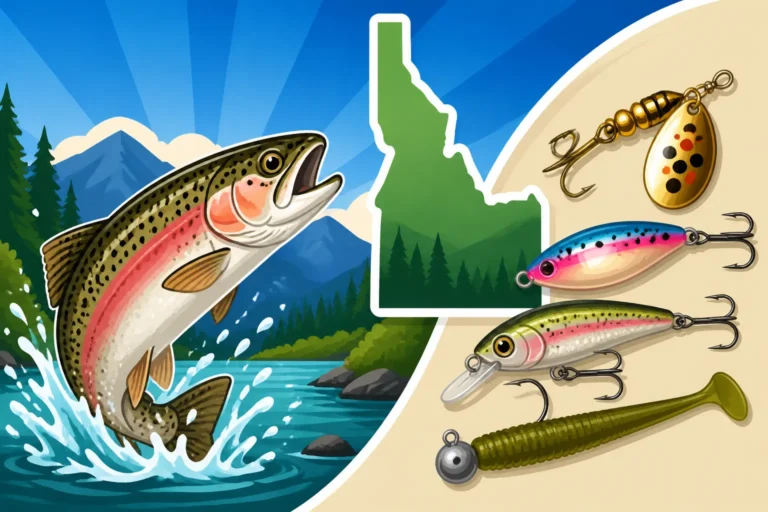
- Ice-out Specifics: Early season fish often respond well to aggressive retrieves with bright lures, as they're hungry and looking for a meal. Small spoons in silver, gold, or even vibrant orange and green can be very effective. If fly fishing, a minnow imitation or a large dark nymph can often entice a strike from sluggish but hungry fish. Check out Amazon for a wide variety of these early season fishing essentials, from lures to layered clothing. For example, a quality pair of polarized sunglasses will help you spot fish cruising the shallows and protect your eyes from glare, and you can find many options on Amazon.
| Factor Determining Lake Opening | Impact on "Open" Date | Typical Timeline Effect |
|---|---|---|
| Elevation | Higher = Later Thaw | Weeks to Months Delay |
| Aspect (Sun Exposure) | Shaded/North = Later | Days to Weeks Delay |
| Winter Snowpack Level | Heavy = Later Thaw | Significant Delay |
| Spring Temperatures | Cold/Wet = Later Thaw | Variable (Days-Weeks) |
| Road & Trail Conditions | Snowdrifts/Mud = Delay | Days to Weeks Delay |
| Lake Ice Cover | Ice-Free = Fishable | True "Ice-Out" Marker |
Planning your high mountain lake fishing trip in Idaho requires patience, flexibility, and diligent research. The reward, however, is often solitude in stunning landscapes and the chance to catch feisty trout in some of the most beautiful waters Idaho has to offer. While there's no single "opening day" for all these diverse bodies of water, by understanding the interplay of elevation, snowpack, and spring weather, you can make informed decisions and hit the water at just the right time. Happy angling!
Disclaimer
This article is for general informational purposes only and does not constitute professional advice. Laws, prices and regulations vary by location and change over time. Consult a qualified professional for guidance on your specific situation.