How Cold It Gets Fishing Idaho Rivers in Winter
There's a common misconception that winter fishing in Idaho is an extreme sport, reserved only for the most grizzled, ice-hardened anglers. While it's true that Idaho winters can bring some serious cold, it absolutely doesn't mean you need to hang up your waders. This guide is all about demystifying winter river fishing, diving deep into what kind of cold you can truly expect, how it affects both you and the fish, and most importantly, how to stay comfortable and successful on the water, even when the air bites.
Understanding Idaho's Winter Climate and River Temperatures
When you think about fishing Idaho's rivers in the winter, the first thing that probably pops into your head is a scene from a movie – biting winds, frozen rods, and maybe even a polar bear. But let's get realistic about what "cold" truly means here, because it's not a one-size-fits-all experience. Idaho's climate is incredibly diverse, and the cold you face on a river in the panhandle is going to be vastly different from what you experience along the Snake River in the southwestern part of the state. Understanding these nuances is key to knowing what to prepare for.
Regional Variances in Winter Weather
Idaho is a big state, and its topography plays a huge role in its winter weather patterns.
North Idaho's Panhandle often experiences heavier snowfall and colder, more consistent freezing temperatures, thanks to its proximity to the Rockies and influence from Pacific moisture. Rivers like the Clearwater or the St. Joe can see extended periods where temperatures stay well below freezing, sometimes dipping into the single digits or even negative territory, especially overnight. This means thicker ice on still waters and a real chill in the air along moving rivers.
Central Idaho's mountainous regions, particularly around destinations like the Salmon River or the Middle Fork of the Salmon, are also prone to intense cold and significant snowfall. High elevation means temperatures drop dramatically, and valley inversions can trap frigid air, making early mornings particularly brutal. However, sunny winter days can often feel surprisingly mild and pleasant.
Southern Idaho, including areas around the Boise River, the Snake River, and the South Fork of the Snake, generally has milder winters. While temperatures still regularly dip below freezing, prolonged deep freezes are less common. Snowfall is often lighter and melts more quickly. You'll still experience chilly mornings, but afternoons can sometimes climb into the 30s or even 40s, offering a welcome reprieve and making the idea of "winter fishing" feel a lot more approachable. The key here is checking local forecasts for your chosen river, as microclimates are very real.
Factors Influencing Air Temperature
Beyond regional differences, several factors can drastically change how cold it feels when you're out on an Idaho river in winter. Elevation is a big one – the higher you go, the colder it generally gets, and the more likely you are to encounter snow and ice. Wind chill, even with temperatures hovering just around freezing, can make it feel exponentially colder. A calm 30-degree day can be quite comfortable, but add a 15 mph wind, and suddenly it feels like 15 degrees, cutting right through your layers.
Sun exposure also makes a massive difference. A river stretch that's bathed in direct sunlight, especially on a south-facing bank, can feel much warmer than a shaded canyon, sometimes by as much as 10-20 degrees. Overcast days tend to feel colder overall because you don't get that solar radiation to warm you up. Humidity, while less of a factor than in summer, can also influence how penetrating the cold feels. A dry cold can sometimes feel less severe than a damp, humid cold, even at the same temperature.
Water Temperature: The True Angler's Concern
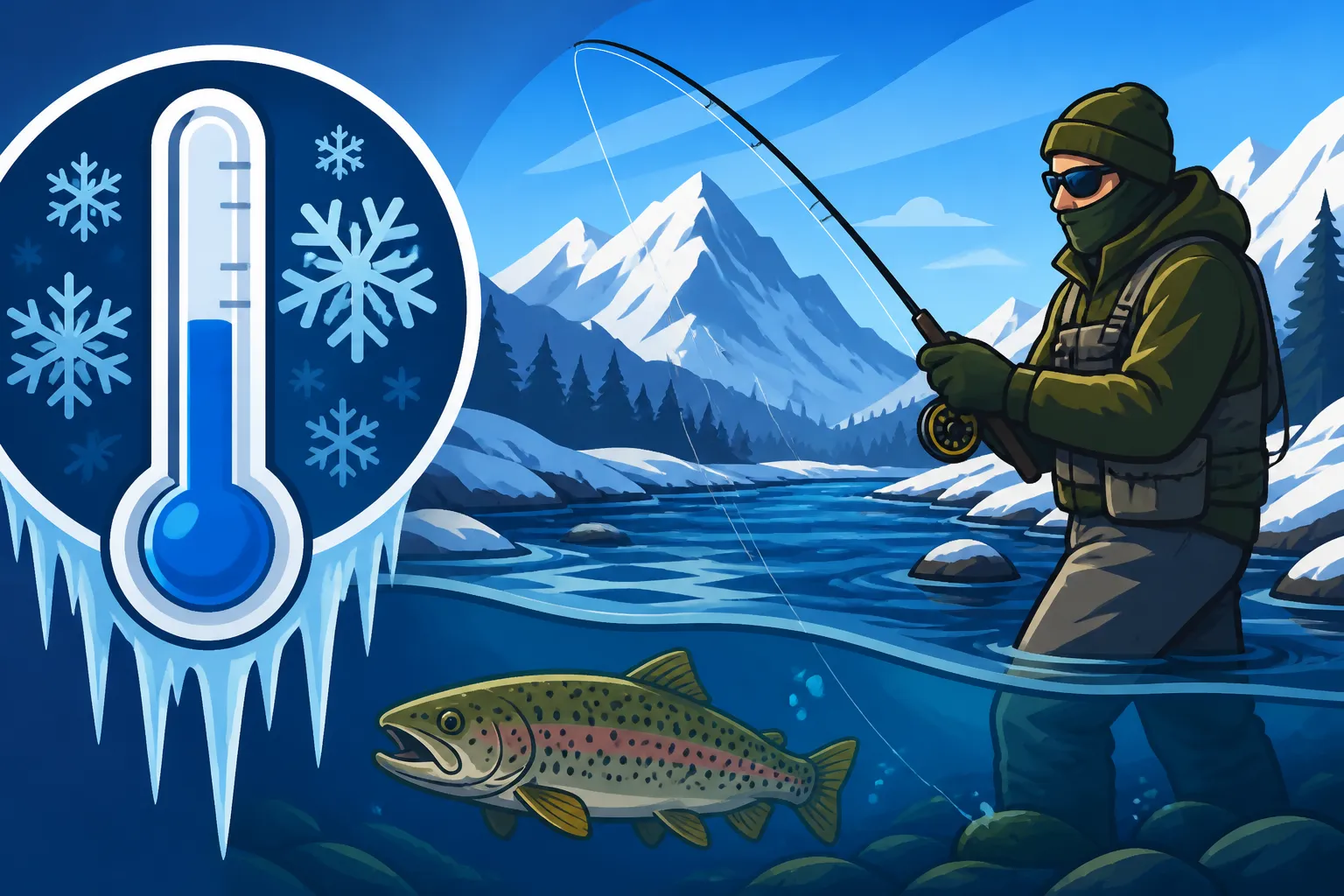
While air temperature matters a lot for your comfort, water temperature is arguably more critical for the fish and, therefore, your fishing success. In Idaho's rivers, winter water temperatures typically hover in the low to mid-30s, often just above freezing. Unlike lakes that can develop thick ice covers, rivers are constantly moving, which keeps them from freezing solid, though slush ice and shelf ice along the banks are common.
This cold water significantly slows down fish metabolism. Fish become less active, spending more time in slower, deeper pools, conserving energy. They're less likely to chase aggressively, meaning your presentation needs to be slower, more precise, and often right on their nose. Understanding How Water Temperature Affects Idaho Trout Fishing is vital. Even a small increase in water temperature – say, from 34 to 38 degrees – can sometimes trigger a noticeable uptick in fish activity, making a mid-day warm-up or a post-storm pulse of slightly warmer water a real boon for anglers.
The Impact of Cold on Your Fishing Experience
The cold isn't just a number on a thermometer; it's a tangible force that affects every aspect of your winter fishing trip. From how your gear performs to how the fish behave, and most importantly, your own comfort and safety, understanding these impacts is crucial for a successful and enjoyable outing. It's not about being miserable, but about anticipating the challenges so you can conquer them.
Gear Challenges in Frigid Conditions
One of the most immediate frustrations you'll encounter when fishing in truly cold weather is how quickly your gear starts to conspire against you.
Rod Guides Freezing: Perhaps the most common and annoying issue is your rod guides freezing over. As water splashes onto your line and then runs through the guides, it freezes, especially if the air temperature is below freezing. This can turn a smooth cast into a jerky, line-snapping nightmare. It forces you to constantly pick ice out of your guides, which is tough with cold fingers, and it can even damage your line or rod.
Reel Performance: Reels, especially spinning reels, can become sluggish. Grease thickens, and water can freeze in critical spots, making retrieves feel sticky or gears grind. Fly reels are less prone to this but can still accumulate ice on the spool if not careful.
Line Management: Your fishing line, particularly monofilament or fluorocarbon, can stiffen in the cold, making it harder to cast, causing coils, and increasing tangles. Braided line tends to absorb more water and can become incredibly stiff or even freeze into a solid rope.
Tackle and Accessories: Everything from your forceps to your nippers feels colder, harder to manipulate, and more prone to being dropped. Small hooks are a nightmare to tie with numb fingers, and even your bait or lures can become stiff or brittle. Gloves are a necessity, but they often reduce dexterity, creating a Catch-22.
Fish Behavior in Cold Water
Just like us, fish don't enjoy being overly cold, but unlike us, they can't just throw on an extra layer. Their behavior changes dramatically in winter, and understanding this is vital for catching anything.
Reduced Metabolism: As water temperatures drop into the low to mid-30s, a fish's metabolism slows way down. They require less food and exert less energy. This means they're less likely to chase a fast-moving lure or dart across a run for a fly. They become lethargic, conserving every calorie.
Holding Patterns: Instead of spreading out in various parts of a river, fish tend to stack up in specific "winter lies." These are usually deeper, slower pools, areas with reduced current, or behind large obstructions that break the flow. They seek out thermal refuge where the water might be a fraction of a degree warmer or where they can hold with minimal effort. This means you might find a whole school of fish concentrated in one small area. You'll need to master Idaho River Fishing Techniques that cater to this.
Subtle Bites: Due to their reduced activity, strikes in winter are often incredibly subtle. That aggressive tug you might feel in summer becomes a barely perceptible tick or a slight hesitation in your line. Paying close attention to your indicator or the feel of your line becomes paramount. Sometimes, the only sign of a bite is your line simply stopping in the current.
Personal Comfort and Safety Considerations
Your own well-being on the river in winter is just as important as the fishing itself. Ignoring the cold can quickly turn an enjoyable outing into a miserable, or even dangerous, situation.
Hypothermia and Frostbite Risks: The most serious concerns are hypothermia and frostbite. Prolonged exposure to cold, especially if you get wet, can lead to your body losing heat faster than it can produce it. Numbness, shivering, confusion, and loss of coordination are serious warning signs. Frostbite can occur rapidly on exposed skin, particularly fingers, toes, ears, and nose, leading to tissue damage.
Dexterity and Coordination: As your hands and feet get cold, you lose dexterity. Tying knots becomes a feat, unhooking a fish feels impossible, and even walking on slick banks can become hazardous if your coordination is compromised. This is where good quality gear, which we'll discuss, really earns its keep.
Energy Drain: Fighting the cold saps your energy. You might find yourself tiring more quickly, which can affect your concentration and your ability to react safely to changing conditions, like a slick patch of ice on the bank or a sudden slip into the water. Staying hydrated and fueled is important even in cold weather, as your body is working hard to stay warm. The solitude of Winter Fishing in Idaho is often unmatched, but it means you're often far from immediate help if something goes wrong.
Essential Strategies for Staying Warm and Effective
Facing the cold on an Idaho river isn't about enduring misery; it's about preparation and strategy. With the right approach, you can actually be quite comfortable, allowing you to focus on the fishing and truly appreciate the unique beauty of winter angling. It's all about proactive measures rather than reactive suffering.
Layering Like a Pro: The Foundation of Warmth
The single most important rule for staying warm is layering. Forget that one giant, bulky coat; instead, think of multiple thinner layers that trap air and can be adjusted as conditions change. You'll often be walking to your spot, building up body heat, and then standing still for long periods, where you'll cool down rapidly. The ability to add or shed layers is invaluable. You can find excellent options for all these layers on Amazon, often with detailed reviews to help you choose.
Here's a breakdown of the ideal layering system:
| Layer Type | Purpose | Material Examples | Key Features |
|---|---|---|---|
| Base Layer | Wicks moisture away from your skin | Merino wool, synthetic moisture-wicking fabrics | Snug fit, breathable, prevents clamminess |
| Mid-Layer(s) | Provides insulation and warmth | Fleece, down, synthetic puffies | Loose enough for air circulation, often multiple thinner ones |
| Outer Layer | Protects against wind, rain, and snow | Waterproof/breathable shells (e.g., Gore-Tex), insulated jacket | Durable, seam-sealed, storm flaps, hood, blocks wind |
| Wader Layers | Extra insulation beneath waders | Fleece pants, thermal leggings, puffy insulated pants | Looser fit for movement, non-bulky, high warmth-to-weight |
For your base layer, avoid cotton at all costs. Cotton absorbs moisture and then loses its insulating properties, leaving you feeling damp and cold. Merino wool or synthetic blends are fantastic because they wick sweat away from your skin, keeping you dry. Next, add one or two mid-layers, like a good fleece jacket or a synthetic puffy vest. These are your primary insulators. Your outer layer should be a waterproof and windproof shell. Even on a dry day, it'll protect you from biting winds. Finally, don't forget insulated layers under your waders. Fleece pants or even specialized insulated wader liners will make a world of difference. Your waders themselves offer some insulation, but on truly cold days, they aren't enough. You might want to check out our guide on What to Wear Fishing Idaho Rivers in Early Spring for more layering tips.
Hand and Foot Care: Keeping the Extremities Functional
Your fingers and toes are often the first to feel the cold, and if they get too cold, your fishing trip is effectively over. Keeping them warm is absolutely paramount.
Hands: This is tricky because you need dexterity. Many anglers use a system of thin liner gloves (often wool or synthetic, readily available on Amazon) worn under larger, waterproof, insulated fishing mittens or fingerless gloves. The idea is to have some protection at all times, but to be able to quickly pull off the outer layer for tasks like tying knots or unhooking fish. Hand warmers, either disposable chemical packets or rechargeable electric ones, placed in your pockets or inside your mittens, are game-changers. I personally swear by carrying several pairs of gloves; if one gets wet, you have a dry backup.
Feet: Good quality wool socks are non-negotiable. Again, avoid cotton. Layering socks can help, but don't make them so tight that they cut off circulation, as this will make your feet colder. Your wading boots should be a size or two larger than your street shoes to accommodate thicker socks and provide extra air space for insulation. Neoprene socks, worn over wool socks, can add an extra layer of warmth inside your waders. And just like hand warmers, foot warmers can be incredibly effective, especially for long days on the water.
Smart Gear Choices for Winter River Fishing
Beyond clothing, a few specific gear items can significantly enhance your winter fishing comfort and effectiveness.
Thermos: A hot beverage – coffee, tea, or even just hot water for soup – is a morale booster and a powerful internal warmer. A good quality thermos will keep liquids hot for hours.
Hat and Neck Gaiter: You lose a lot of heat through your head and neck. A warm wool or fleece hat that covers your ears, coupled with a neck gaiter or balaclava, will make a huge difference in overall warmth.
Sunglasses: In winter, the sun's glare off snow, ice, and water can be intense, even on cloudy days. Polarized sunglasses reduce glare, improve visibility into the water, and protect your eyes from wind and debris.
Wading Staff: River bottoms can be slippery, especially with algae-covered rocks or unseen ice patches. A wading staff provides extra stability and confidence, preventing a potentially disastrous fall into frigid water.
Rod Guide De-icer: Some anglers carry specialized sprays or gels that can help prevent ice buildup on rod guides. While not a perfect solution, they can reduce the frequency of manual de-icing.
Insulated Cooler/Bag: If you plan on keeping fish, an insulated cooler will protect your catch from freezing solid (and potentially ruining the meat) if temperatures are extremely low. It also doubles as a dry place to store extra layers or snacks. Even if you're catch-and-release, a small dry bag for spare gloves and a camera is wise. You can find many useful items for Idaho Fishing Gear Guide by Season online.
Beyond the Cold: Enjoying Idaho's Winter River Fishing
While managing the cold is undoubtedly a major part of winter river fishing in Idaho, it's essential not to let it overshadow the incredible rewards this season offers. There's a magic to winter angling that you just don't find at any other time of year. It’s an experience that truly connects you with the wildness of Idaho.
Prime Winter River Fishing Opportunities
Don't let the "cold" scare you away from some of Idaho's best fishing opportunities. Many of our rivers remain open and productive throughout the winter months, offering unique chances at various species.
Steelhead: Winter is prime time for steelhead in many of Idaho's major river systems, particularly the Clearwater and Salmon rivers. These anadromous rainbow trout are powerful fighters, and hooking into one in the crisp winter air is an unforgettable experience. The fish are often more concentrated in specific holding lies, making them predictable if you know where to look. Learning How to Fish for Steelhead in Idaho specifically during winter will increase your chances.
Resident Trout: While trout are slower in winter, they still need to eat. Rivers known for their healthy populations of rainbow trout and cutthroat trout, like the Boise River through town, sections of the South Fork of the Snake River, or even some of the smaller creeks in Southern Idaho, can offer excellent winter fishing. Often, you're targeting those deeper, slower pools where trout stack up. Baits, nymphs, and slowly presented streamers are typically the go-to methods. For specific locations, you might want to consult our guide on Best Fishing Spots in Idaho.
Whitefish: Idaho's mountain whitefish are often very active in cold water and can provide consistent action when other species are sluggish. They are a native species, fun to catch, and can be found in many of the same rivers as trout. They readily take small nymphs and egg patterns.
Before you head out, always double-check the current Idaho Fishing Regulations Explained and Idaho Fishing Season Dates and Limits for the specific river you plan to fish, as rules can vary significantly by location and species, especially for steelhead and salmon.
The Solitude and Beauty of Winter Angling
Perhaps the greatest reward of winter river fishing isn't just the fish you catch, but the experience itself.
Unparalleled Solitude: Unlike the busy summer months, winter rivers are often wonderfully quiet. You might have an entire stretch of river to yourself, allowing for a profound sense of peace and connection with nature. This solitude is a rare commodity in today's world and a huge draw for dedicated winter anglers.
Stunning Scenery: Idaho's winter landscape is breathtaking. Snow-dusted riverbanks, frosty trees, and the crisp, clean air create a serene and picturesque backdrop for your fishing adventure. The low angle of the winter sun can cast long, dramatic shadows, making for incredible photography opportunities. The silence, broken only by the sound of the river and maybe an eagle's cry, is truly invigorating.
A Unique Challenge: There's a certain satisfaction that comes from successfully navigating the challenges of winter fishing. Landing a fish when the air is cold and your guides are trying to freeze feels like a harder-won victory. It sharpens your senses, forces you to be more methodical, and ultimately makes you a better, more resilient angler. It’s a chance to truly test your skills and your resolve. So, don't let the thought of the cold deter you; embrace it as part of a truly unique and rewarding Idaho fishing experience.
Disclaimer
This article is for general informational purposes only and does not constitute professional advice. Laws, prices and regulations vary by location and change over time. Consult a qualified professional for guidance on your specific situation.