Bait Fishing vs Lure Fishing for Idaho Trout
The question of whether to use bait or artificial lures for trout fishing in Idaho has probably sparked more friendly debates on the riverbank than any other topic. It's a fundamental decision that can significantly impact your success, especially as fish behavior changes with the seasons, water conditions shift, and local regulations come into play. This guide aims to clear up some of that confusion, diving deep into the pros, cons, and best practices for both bait fishing and lure fishing for Idaho trout, helping you confidently choose your approach.
The Timeless Appeal of Bait Fishing for Trout
There's something inherently simple and effective about bait fishing. It taps into a trout's primal instincts, offering a natural meal that's hard to resist. For many, it's how they first learned to fish, and it remains a go-to method for its reliability, especially in certain situations.
Why Bait Often Outperforms Lures in Certain Scenarios
When you offer a trout natural bait, you're presenting them with something that appeals to all their senses: sight, smell, and taste. Unlike a lure, which relies solely on visual and vibrational cues, a juicy worm or a potent dough bait releases a scent trail that can draw in curious fish from a distance, even in murky water or low-light conditions. Trout, particularly those that have been recently stocked or are less wary, are often opportunistic feeders and are quick to snatch up an easy meal. This natural appeal is a huge advantage, as it often means you don't need to be as precise with your presentation as you might with a lure.
Another significant benefit of bait fishing is its accessibility, especially for beginners and families with kids. The technique is generally less technical than lure fishing. You simply cast your bait, let it drift or sink to the desired depth, and wait for a bite. There's a patience and anticipation to it that many anglers find incredibly rewarding. It allows you to relax and enjoy the surroundings without constantly needing to cast and retrieve, making it a fantastic way to introduce new anglers to the sport and ensure they get some action.
For example, imagine a calm afternoon on a small Idaho pond, recently stocked with rainbow trout. A child casting a worm under a bobber can experience the excitement of a tug on the line much more readily than they might trying to master the nuances of lure retrieval. The straightforward nature of bait fishing makes it an excellent starting point for anyone looking to catch their first Idaho trout.
Common Bait Choices and How to Present Them
The world of trout bait is varied, but a few staples consistently produce results in Idaho waters. Knowing which to use and how to rig them can make all the difference.
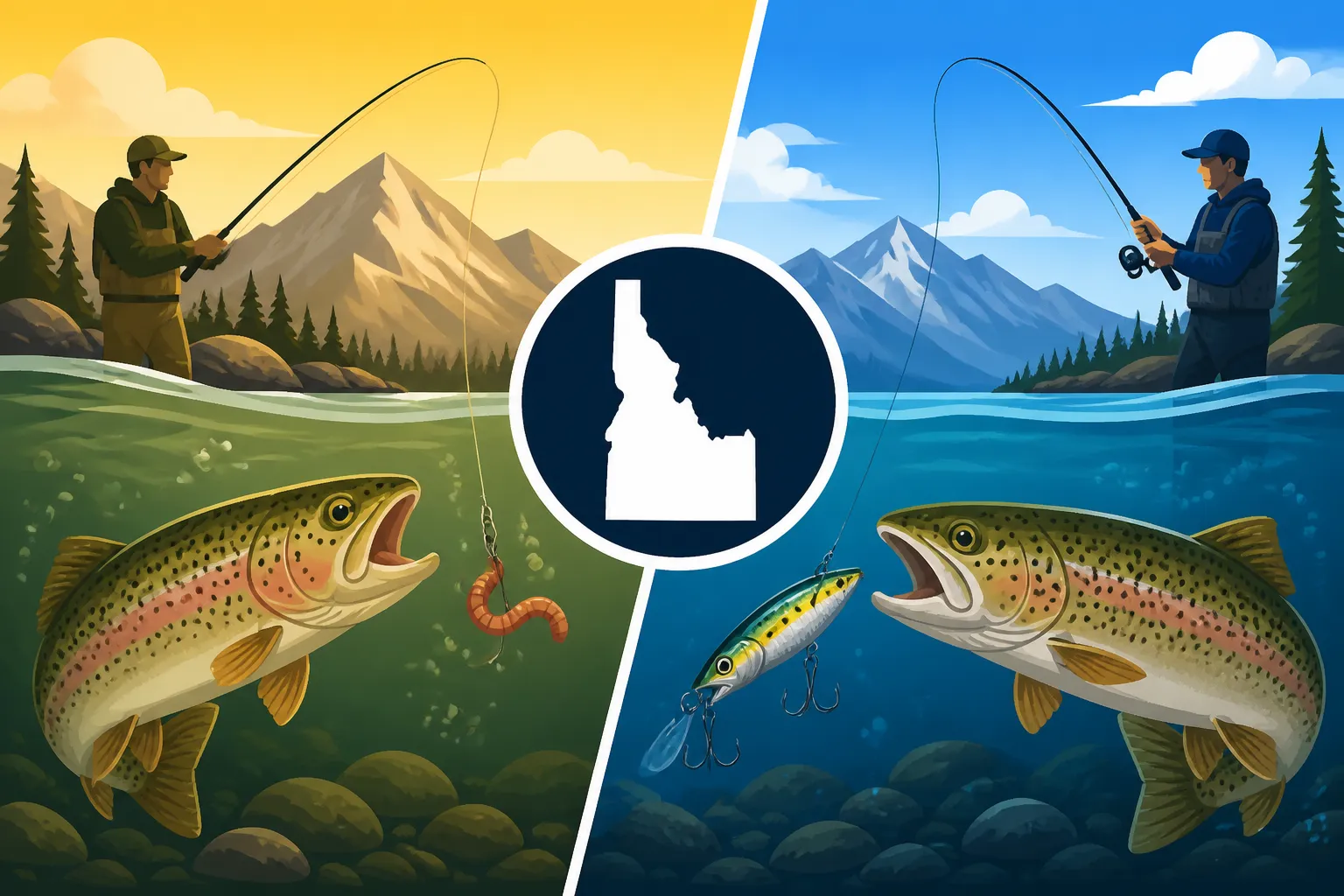
Worms are perhaps the most classic and effective bait for trout. Nightcrawlers, red wigglers, or even garden worms are irresistible to trout. When hooking a worm, try to thread it onto the hook sparingly, leaving some wiggling ends free. This gives the bait a natural, lifelike action in the water that mimics an escaping meal. You can fish worms directly on the bottom with a small weight, suspended under a bobber, or even drifted naturally downstream in a river. Their natural scent and movement are a potent combination.
Dough baits, often marketed under popular names like PowerBait, are another fantastic option, particularly for stocked rainbow trout. These come in various colors, shapes, and scents and are often designed to float, lifting your hook off the bottom and placing it directly in a trout's feeding lane. Pinch off a small piece, knead it around your hook to completely cover it, and shape it into a small ball or tear-drop. The vibrant colors and strong scents are highly attractive to hatchery-raised trout that are accustomed to pelleted food. You can find a great selection of these on Amazon for convenience, but your local tackle shop will also have a wide array of options.
Salmon eggs and corn are also popular choices, especially in clear water or where regulations allow their use. Single salmon eggs, fished with a tiny hook and no weight, can drift very naturally in a stream, mimicking dislodged fish eggs. Corn, while not a natural food source, is surprisingly effective and often used in pay-to-fish ponds or for very recently stocked trout. The bright yellow color is highly visible, and the sweet scent can attract curious fish. Always double-check local regulations before using corn, as some areas may restrict its use due to concerns about fish digestion.
When and Where Bait Fishing Excels
Bait fishing truly shines in specific environments and conditions, making it a critical tool in any Idaho angler's arsenal.
One of the prime locations for bait fishing success is in stocked ponds and lakes. Trout that have been recently introduced to a new environment, especially those raised in hatcheries, are often less wary and more inclined to bite on readily available bait. Their instincts are still sharp, but their wariness towards artificial presentations hasn't fully developed. This makes bait fishing a highly productive method in waters that see regular stocking, offering a great chance for consistent hook-ups.
Cold water conditions also lend themselves well to bait fishing. When water temperatures drop, fish metabolism slows down. Trout become less active, moving slower and often preferring to conserve energy. A static bait, offering a strong scent trail without requiring the fish to chase it vigorously, becomes incredibly appealing. The scent acts as an irresistible invitation, drawing lethargic fish to your hook even when they're not actively hunting. This makes bait fishing a fantastic strategy for early spring or late fall outings.
Finally, bait fishing excels in still water or slow-moving rivers and streams. These environments allow the scent of your bait to disperse naturally, creating an enticing plume that can attract trout from a wider area. In fast-moving water, the scent can dissipate too quickly, making it less effective. Conversely, in calm waters, that scent has time to work its magic. However, it's absolutely crucial to be aware that not all Idaho waters allow the use of bait. Many pristine wild trout streams or sensitive fisheries have strict "no bait" regulations to protect native fish populations. You'll want to consult the specific rules, potentially by checking out information on Idaho Waters with No Bait Allowed, before you head out. These regulations are often detailed in the Idaho Fishing Regulation Brochure and Proclamation.
The Dynamic World of Lure Fishing for Trout
While bait fishing offers a natural appeal, lure fishing provides a more active, dynamic experience. It’s about enticing a strike through action, flash, and imitation, often requiring more finesse but offering incredible rewards.
The Thrill of the Strike: Why Lures Engage Trout
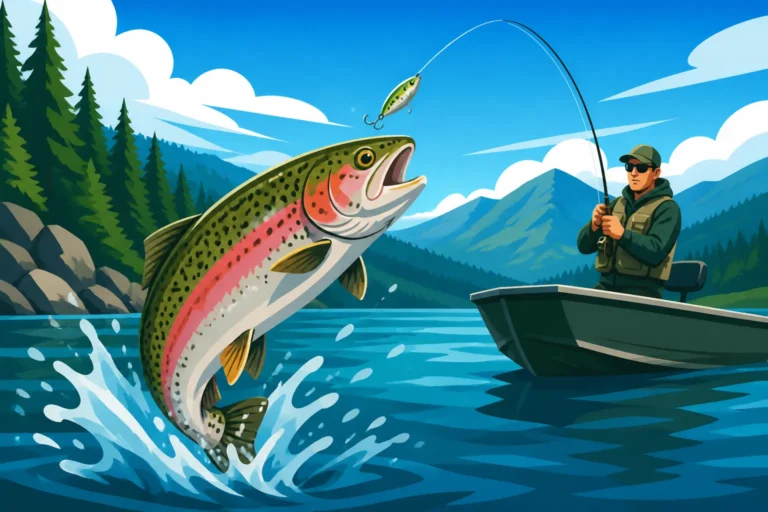
Lure fishing is all about triggering an aggressive, predatory response from a trout. Unlike a passive bait presentation, lures mimic injured baitfish, darting insects, or other forage with their erratic movements, flashes of light, and vibrations. This visual appeal and action can be irresistible to hungry trout, prompting them to strike out of instinct, aggression, or territoriality, even when they're not actively feeding. The moment a trout violently strikes a moving lure is one of the most exhilarating experiences in fishing.
One of the greatest advantages of lure fishing is its ability to cover more water quickly. Instead of waiting for fish to find your static bait, you're actively casting, retrieving, and searching for them. This makes lures incredibly efficient when you're exploring new areas, trying to locate schooling fish, or fishing larger bodies of water like reservoirs or wide rivers. Each cast is an opportunity to explore a different section of the water column or a different piece of structure, increasing your chances of finding where the fish are holding.
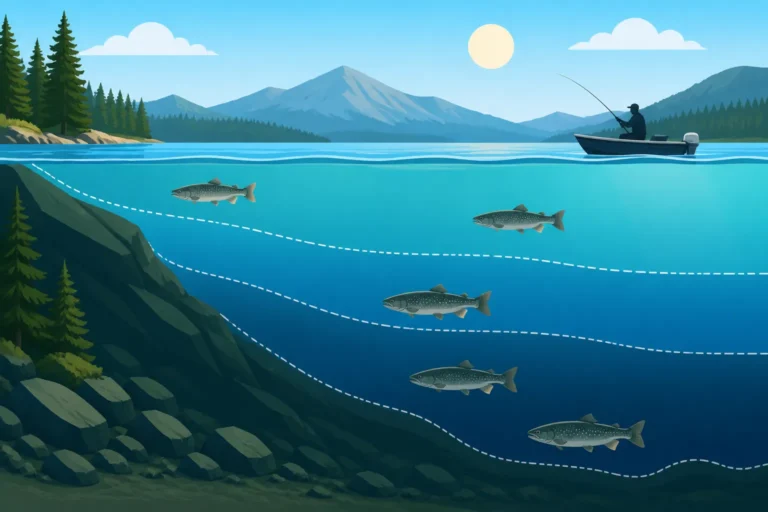
Lures also offer incredible versatility for targeting different depths and speeds. With a wide range of lure types—from lightweight spinners to heavy spoons and diving crankbaits—you can effectively present your offering at nearly any depth, from the surface to the bottom. You can also vary your retrieve speed to match the fish's mood or the behavior of natural prey, whether it's a slow, tantalizing wobble or a fast, darting retrieve. This adaptability makes lures a powerful tool for a diverse array of fishing scenarios, from deep lake trolling to shallow stream casting.
Top Lures for Idaho Trout and Their Applications
Idaho trout respond well to a variety of artificial lures, each designed for specific conditions and presentations. Having a good selection can greatly improve your chances. If you're looking for more in-depth information on specific types, check out our guide on Best Lures for Idaho Trout Fishing.
Spinners are arguably the most iconic trout lures, and for good reason. Brands like Mepps and Rooster Tail are classics. They feature a rotating blade that creates flash and vibration in the water, mimicking a fleeing baitfish or insect. Spinners are incredibly versatile and effective in both still and moving water. They work particularly well in streams and rivers where you can cast upstream and retrieve downstream, allowing the current to enhance the blade's action. The key is to keep the blade spinning from the moment it hits the water. You can easily stock up on a variety pack of these from Amazon before your trip, ensuring you have different sizes and colors to experiment with.
Spoons such as the Kastmaster or Little Cleo are another highly effective category. These metal lures have a wobbling, darting action as they're retrieved or flutter as they fall, imitating an injured baitfish. Spoons are excellent for casting long distances, making them ideal for covering large areas in lakes and wider rivers. They can be fished at various depths simply by adjusting how long you let them sink after casting. Their flash is a strong attractor, especially on sunny days or in clear water.
For larger, more predatory trout, especially those targeting baitfish, small crankbaits or jerkbaits can be deadly. Lures like various Rapala models dive to specific depths and have a built-in wobbling action. They are fantastic for mimicking minnows and can elicit aggressive strikes. Experiment with different retrieve speeds and occasional pauses, known as "jerking," to make the lure appear even more lifelike and erratic.
Finally, jigs, particularly those dressed with marabou or small grub tails, offer immense versatility. These lures can be fished slowly along the bottom, twitched through the water column, or retrieved steadily. Their subtle action and profile can be incredibly effective when trout are being finicky or when you need a very controlled presentation. Jigs are a staple for many anglers and can be tipped with a small piece of bait for a hybrid approach if regulations allow.
Mastering Lure Presentation and Retrieval
Simply casting a lure out isn't always enough. The art of lure fishing lies in your presentation and retrieval, which can make all the difference between an ignored offering and a screaming reel.
One of the most crucial aspects is varied retrieves. Rarely will a steady, monotonous retrieve be the most effective. Trout are curious but also cautious. Experiment with different speeds: a slow, steady crank; a stop-and-go retrieve where you pause briefly to let the lure flutter; or a series of quick twitches followed by a longer pause. This mimics the erratic behavior of natural prey, making your lure appear more vulnerable and enticing. Pay attention to what the fish are telling you – if they're following but not striking, change your retrieve until you find what triggers a bite.
Another important consideration is matching the hatch (or the baitfish). While this term is often associated with fly fishing, the principle applies to lures too. Observe the local forage: are there small minnows, crayfish, or insects? Choose lures that approximate the size, shape, and color of what the trout are naturally feeding on. If the water is clear, natural colors might work best. In murky water, brighter colors or those with strong contrast can be more visible. Understanding the local ecosystem can significantly boost your success, particularly when you're trying to figure out "How to Catch Rainbow Trout at Lake Pend Oreille" where there's a diverse food base.
Finally, understanding current and structure is paramount, especially when fishing rivers and streams. Trout often hold in areas where they can ambush prey with minimal effort, such as behind rocks, in seams where fast and slow water meet, or near submerged logs and undercut banks. Learn to "read the water" to identify these prime holding lies. When fishing rivers, casting upstream and retrieving downstream with the current can make your lure look incredibly natural. For cutthroat trout in smaller streams, understanding these holding patterns is key, as highlighted in "How to Fish for Cutthroat Trout in Mountain Streams". Work your lure around these structures, trying different angles and depths until you find where the fish are hiding.
Making the Choice: Bait vs. Lure for Your Idaho Trout Adventure
So, how do you decide between a tasty worm and a flashy spinner? It's not a one-size-fits-all answer. Your decision should be guided by a combination of factors unique to your fishing situation.
Factors Influencing Your Decision
Several key elements should factor into whether you choose bait or lures for your Idaho trout pursuit. Thinking through these will dramatically increase your chances of success.
First and foremost, regulations are king. Before you even think about rigging up, you absolutely must consult the current Idaho Fishing Regulations Explained. Idaho has a rich and diverse fishery, and rules can vary dramatically from one body of water to another. Some rivers, especially those designated for wild trout or catch-and-release, will explicitly state "flies and lures only" or prohibit bait entirely to protect sensitive fish populations. Failing to check these rules can result in fines and harm to the fishery. Always carry a copy of the current proclamation or have the regulations easily accessible on your phone.
Next, consider the water conditions. Water clarity plays a huge role. In murky or stained water, where visibility is low, the scent of natural bait can be far more effective in attracting fish. The strong odor helps trout locate your offering even when they can't see it well. Conversely, in crystal-clear waters, a well-presented lure that perfectly mimics natural prey can be deadly, as trout rely heavily on sight. Water flow is another factor; still or slow-moving water allows bait scent to disperse effectively, while faster currents often make lures, with their inherent action, more practical for covering ground.
The species of trout and their behavior also weigh heavily into your choice. As mentioned, recently stocked rainbow trout are often eager to bite on dough baits or worms. Wild, native trout like cutthroat, especially in high-pressure areas, can be much warier and more discerning. They might ignore a gloopy piece of PowerBait but aggressively strike a precisely presented spinner or fly that perfectly imitates their natural food source. Consider the typical "Idaho Trout Limits by Water" for the area you're fishing, as limits often vary based on species and whether the population is wild or stocked, giving you clues about the fishery's nature.
Finally, don't overlook your own experience and preference. If you're a complete beginner, the simplicity of bait fishing can provide a confidence-boosting start. It's often considered the "Best Technique for Catching Your First Idaho Trout" for its straightforward approach. If you enjoy the active challenge of casting, retrieving, and feeling the instant feedback of a lure, then artificials are likely your preference. There's no wrong answer here; choose the method that you enjoy and feel most comfortable with, as confidence often translates into success.
Combining Strategies for Ultimate Success
Sometimes, the best approach isn't an either/or but a harmonious blend of both bait and lure fishing. Combining strategies can offer the advantages of both worlds, appealing to a wider range of trout behaviors and maximizing your chances.
One popular hybrid method involves using a jig head tipped with a piece of bait. This combines the irresistible scent and taste of natural bait (like a small piece of worm or a salmon egg) with the visual appeal and action of a jig. The jig head adds weight for casting and depth control, while its profile can mimic a minnow or insect. The bait provides the crucial scent trail, making this a potent combination when trout are either hesitant to strike a pure lure or when you want to add an extra layer of attraction to your bait. You can twitch and retrieve it like a lure or let it sit on the bottom, allowing the scent to do the work.
Another effective strategy is to start with lures to locate active fish, and then switch to bait once you've found a productive spot. For instance, you might cast spinners or spoons while covering a stretch of river or lake, searching for aggressive trout that are willing to chase. Once you get a few bites or notice fish activity in a particular area, you can anchor down or focus your efforts there, switching to a more passive bait presentation. This allows the scent to draw in any less aggressive fish that might not have chased your lure, effectively "cleaning up" the spot.
Conversely, you might start with bait in a known fishy area, allowing the scent to draw in trout, and if bites slow down, switch to lures to stir up any remaining fish or cover more water if the bite moves. The key is to be adaptable and not be afraid to experiment. Having both bait and lures ready in your tackle box means you're prepared for whatever the Idaho waters throw at you, giving you flexibility to adjust your Idaho Fishing Techniques Guide on the fly.
Essential Gear Considerations
No matter your chosen method, having the right gear is crucial for success. Your rod, reel, and line choices should complement your fishing style.
When it comes to rod and reel setups, lighter, more sensitive rods are generally preferred for lure fishing. A fast-action rod helps with casting accuracy and feeling subtle strikes on a moving lure. For bait fishing, a slightly heavier or more moderate action rod might be beneficial, especially if you're casting heavier weights or simply prefer a bit more forgiveness in the fight. A good all-around ultralight or light spinning combo is often sufficient for both trout bait and lure fishing in Idaho. You can learn more about finding the right setup in our guide on the Best Rod Setup for Trout Fishing.
Line choice is also important. Monofilament line is often favored for bait fishing due to its stretch, which can prevent hooks from tearing out of a trout's mouth, and its neutral buoyancy, which can help bait sink naturally. For lure fishing, fluorocarbon or braided lines are popular choices. Fluorocarbon is nearly invisible underwater and has less stretch, providing better sensitivity. Braided line offers incredible strength and sensitivity with no stretch, but it's often more visible and requires a fluorocarbon leader.
Finally, a well-organized tackle box filled with essentials for both options is key. Even if you plan to focus on one method, having a backup plan is always smart. For bait fishing, ensure you have an assortment of hooks (sizes 6-12), split shot weights, bobbers, and swivels. For lure fishing, stock up on your favorite spinners, spoons, and jigs in various sizes and colors. Having a selection of both means you're ready to adapt to changing conditions and fish preferences. You can find excellent tackle box organizers and pre-made kits on Amazon, which can be a real time-saver when preparing for your trip. Don't forget to review our comprehensive Idaho Fishing Gear Guide by Season for a complete checklist.
Bait vs. Lure: A Quick Comparison
To help you visualize the key differences and decide for your next trip, here’s a quick comparison:
| Feature | Bait Fishing | Lure Fishing |
|---|---|---|
| Primary Appeal | Natural scent, taste, texture, lifelike action | Visual, vibration, erratic movement, flash |
| Engagement Style | Passive (cast, wait, observe) | Active (cast, retrieve, search, manipulate) |
| Learning Curve | Generally easier for beginners to get bites | Requires more practice with casting & retrieve |
| Covering Water | Slower, relies on scent dispersion | Faster, effective for covering large areas |
| Fish Type Match | Very effective for stocked trout, less wary fish | Often preferred for wild, aggressive, or wary trout |
| Regulatory Impact | More likely to be restricted or prohibited | Generally more widely permitted |
| Cost Implications | Bait is perishable, ongoing purchase cost | Lures are reusable, higher initial investment |
| Skill Required | Patience, proper rigging, reading subtle bites | Casting accuracy, varied retrieves, reading water |
Disclaimer
This article is for general informational purposes only and does not constitute professional advice. Laws, prices and regulations vary by location and change over time. Consult a qualified professional for guidance on your specific situation.