How to Fish Idaho Rivers at Low Water in Late Summer
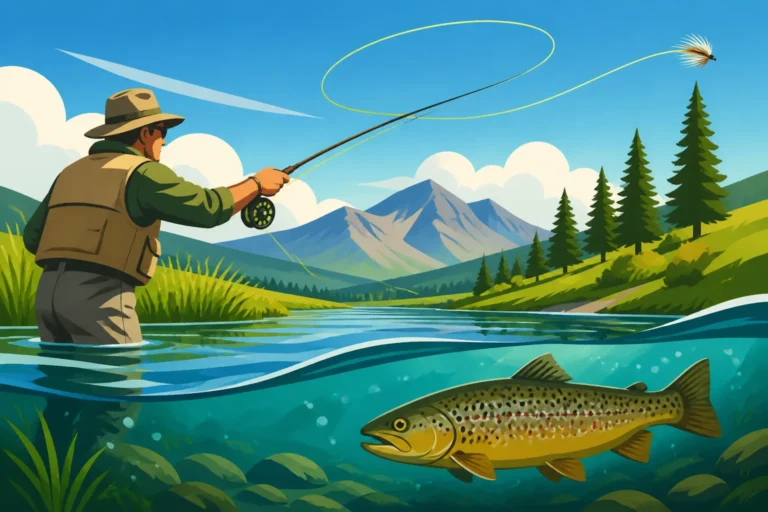
Picture this: you've been looking forward to that late summer fishing trip to your favorite Idaho river, imagining cool mornings and active fish. But then you arrive, and the river you remember as a lively rush is now a noticeably lower, clearer, and perhaps even warmer flow. It's a common, and frankly, a bit disheartening sight for many anglers, leading to the question: "Is it even worth trying?" The good news is, absolutely! While low water in late summer presents unique challenges, it also creates specific opportunities for those willing to adapt. This comprehensive guide will help you understand the dynamics of low water conditions, adjust your gear and techniques, and ultimately, find success on Idaho's beautiful rivers even when they're running thin.
Understanding Low Water Conditions in Idaho Rivers
When the heat of summer lingers and snowmelt has long since passed, many of Idaho's rivers can drop to their lowest annual levels. This isn't just a visual change; it dramatically alters the aquatic environment and, consequently, the behavior of the fish that call these rivers home. Understanding these shifts is the first step to successful late summer fishing.
Why Rivers Get Low in Late Summer
The primary reason for low water in late summer is a combination of factors, mostly revolving around reduced input and increased output. During spring, Idaho's rivers swell with snowmelt from the surrounding mountains, bringing in a surge of cold, nutrient-rich water. As spring turns to summer, that snowpack rapidly depletes. By late summer, the primary water sources are often limited to groundwater seepage, small tributaries that might also be running low, and controlled releases from reservoirs, which can also be reduced to conserve water for other uses like irrigation.
Couple this reduced input with the relentless summer sun causing higher evaporation rates and plants along the riverbanks drawing up more water, and you have the perfect recipe for dropping water levels. This is a natural cycle, but it does mean that the river you fished in June might look drastically different by August. It's not a sign that the river is unhealthy, necessarily, but rather a reflection of the seasonal changes in our magnificent Idaho landscapes.
How Low Water Affects Fish Behavior
Fish, especially trout, are incredibly sensitive to their environment, and low water impacts almost every aspect of their lives. When water levels drop, several key changes occur that influence where fish hold and how they feed:
- Reduced Habitat: Less water means less space. Many of the shallow riffles and runs that might have held fish earlier in the season become too exposed, too warm, or too fast to offer refuge. Fish are forced to concentrate in deeper pools, undercut banks, or areas with overhead cover. This can make finding them easier once you locate those prime spots, but it also makes them more susceptible to spooking.
- Clearer Water: With less volume and flow, suspended sediments tend to settle, leading to incredibly clear water. While beautiful to behold, this gin-clear water is a double-edged sword for anglers. It allows fish to see approaching threats (like you!) from much farther away, requiring a far more stealthy approach. It also means they can get a much better look at your line, leader, and flies or lures, making them pickier.
- Warmer Temperatures: Shallower water heats up more quickly, and sustained high temperatures can stress cold-water species like trout. Fish will seek out thermal refuge in deeper pools, groundwater seeps, or the cooler water found near the mouths of tributary streams. These areas become crucial holding spots. Our guide on How Hot Weather Changes Where Idaho Trout Hold dives deeper into this.
- Reduced Food Availability: The reduced flow often means fewer aquatic insects are dislodged and drifting freely, which can change fish feeding patterns. They might become more opportunistic, or focus on terrestrial insects falling into the water.
Understanding these behavioral shifts is paramount. You can't just throw the same lure in the same spot you did in spring and expect results. It's about thinking like a fish under pressure.
Reading the Water: Visual Cues in Low Conditions
Learning to read the water is a fundamental skill for any angler, and it becomes even more critical in low-water conditions. Every ripple, shadow, and current seam tells a story about what lies beneath and where fish might be hiding. Our general Reading Water on Idaho's Rivers guide can provide a great foundation.
- Look for Depth: In low water, depth is gold. Identify the deepest parts of pools, especially those with dark bottoms that indicate holding structure. These are often thermal refuges and safe havens.
- Identify Cover: Fish need to feel secure. Look for undercut banks, large submerged rocks, fallen logs, or overhanging vegetation. These provide both protection from predators (like eagles and otters, and yes, even anglers) and relief from strong currents or bright sun.
- Observe Current Breaks: Even in slow-moving, low water, current breaks are key. Seams where faster water meets slower water, or where a current flows around an obstruction, create ideal ambush points for feeding fish. The fish can rest in the slower water and dart out into the current to intercept food.
- Watch for Disturbance: If you see a subtle flash or movement near the bank, or a sudden ripple that isn't from the wind, it could be a fish darting for cover. This tells you they are there, but also that they are incredibly wary.
- Surface Activity: While hatches might be sparse, keep an eye out for subtle rises, especially in the early mornings or late evenings. These might indicate fish feeding on small terrestrials or tiny emergers.
By patiently observing these visual cues, you can pinpoint high-probability holding areas and avoid wasting time casting into barren, exposed stretches of river.
Gear and Tackle Adjustments for Low Water
When Idaho rivers are running low and clear, your standard gear might be a bit too heavy-handed. It's time to downsize, lighten up, and embrace subtlety. Making a few key adjustments can dramatically increase your chances of success.
Lighter Lines and Leaders
This is arguably the most critical adjustment for low, clear water. Heavy monofilament or thick leaders are highly visible to fish, especially wary trout.
- Fluorocarbon Leaders and Tippet: Fluorocarbon is your best friend in these conditions. It has a refractive index very close to that of water, making it nearly invisible beneath the surface. It's also more abrasion-resistant, which can be useful if fish are hugging tight to structure. Many anglers will opt for lighter breaking strengths than usual, often dropping down a pound or two in test strength for spin fishing, or using 5x, 6x, or even 7x tippet for fly fishing. You can find a great selection of quality fluorocarbon options on Amazon.
- Longer Leaders: A longer leader (9-12 feet or even more for fly fishing) helps create more distance between your brightly colored fly line and your fly, further reducing the chance of spooking fish. For spin fishing, a longer fluorocarbon leader tied to your main line (using a small swivel or a knot like the FG knot) can make a huge difference.
- Thinner Main Lines: While not always necessary to change your entire main line, if you're using very heavy mono on a spinning reel, consider a thinner diameter braid with a fluorocarbon leader. The braid's sensitivity can help detect subtle bites, and its thinness helps with longer, more delicate casts.
The goal here is to present your bait or fly as naturally and invisibly as possible. The less the fish see of your rigging, the more likely they are to commit to a strike.
Downsized Baits and Lures
Just like with lines, bigger isn't always better in low, clear water. Fish are often more lethargic and less inclined to chase large, flashy presentations. Think small, subtle, and natural.
- Spin Fishing:
- Tiny Spinners: Instead of your usual #2 or #3 spinner, try dropping down to a #0 or #1, like a Panther Martin or a Rooster Tail. Look for natural colors like black, brown, or olive, or subtle metallics.
- Small Spoons: Mini-spoons that mimic small baitfish can be effective, but again, keep them compact and in natural hues.
- Micro Jigs: Small soft plastic or marabou jigs, especially those under an inch long, can be deadly when slowly retrieved or twitched through deep pockets.
- Soft Plastics: Tiny grubs, worms, or creature baits rigged on small jig heads or under a bobber can entice finicky fish. Think 1-2 inch presentations.
- Live Bait: If bait fishing is allowed (always check the Idaho Fishing Regulations Explained before heading out!), smaller baits are key. Worms cut into smaller pieces, tiny crickets, or grasshoppers (which are often abundant near rivers in late summer) can be highly effective. Present them on a small hook with minimal weight to allow for a natural drift.
- Scent: In clear water, fish often rely more on scent. Consider adding a natural fish attractant to your lures or baits to give them an extra edge. You can find various scent options on Amazon.
Remember, the goal is to make your offering look like an easy, natural meal rather than a large, threatening intruder.
Fly Selection for Low, Clear Water
Fly anglers really shine in these conditions, as the emphasis on small, natural presentations is inherent to the sport. However, even fly fishers need to make specific adjustments.
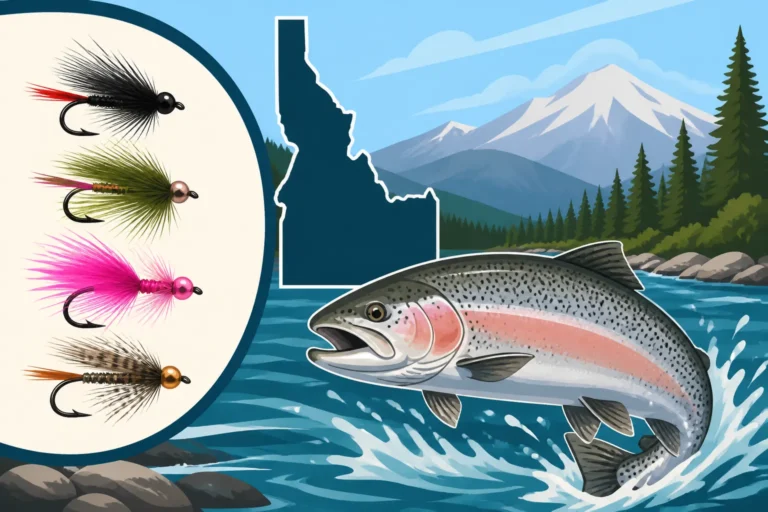
- Dry Flies: When fish are rising, think small. Tiny midges, small caddis patterns (#18-24), or subtle terrestrial patterns like ants, beetles, or hoppers in appropriate sizes can be effective. If fish are extremely selective, try emerger patterns fished just subsurface. For general fly fishing tips, check out our How to Fly Fish in Idaho guide.
- Nymphs: This is often where the most consistent action is found. Downsize your nymphs considerably. Pheasant Tails, Hare's Ears, and Prince Nymphs in sizes #18-24, often unweighted or lightly weighted, are excellent choices. Consider midge larvae and pupae imitations. Use very thin indicator tippet or small, subtle indicators.
- Streamers: While generally less effective in ultra-low, clear water, small, sparsely tied streamers (size #10-14) in natural colors (olive, black, brown) can sometimes trigger a predatory response, especially in low light conditions or for larger, more aggressive fish. The key is subtle movement, not aggressive stripping.
- Fly Rod and Line: While not always necessary to change your rod, a lighter outfit (2-4 weight) will allow for more delicate presentations and protect those finer tippets. Floating lines are generally preferred, but a sink-tip can be useful for getting small streamers or heavily weighted nymphs down quickly in deep pools.
When considering flies, think about matching the local forage. What tiny insects are active along the banks or in the air? What small baitfish might be present? Natural imitation is the name of the game.
Tactics and Strategies for Low Water Fishing
Now that your gear is dialed in, it's time to talk tactics. Fishing low-water rivers demands a strategic, patient, and often stealthy approach. Forget power fishing; this is about finesse and precision.
Stealth and Approach
In clear, shallow water, fish have the advantage. They can see you, hear you, and feel your vibrations from a surprisingly long distance. Your approach needs to be as subtle as possible.
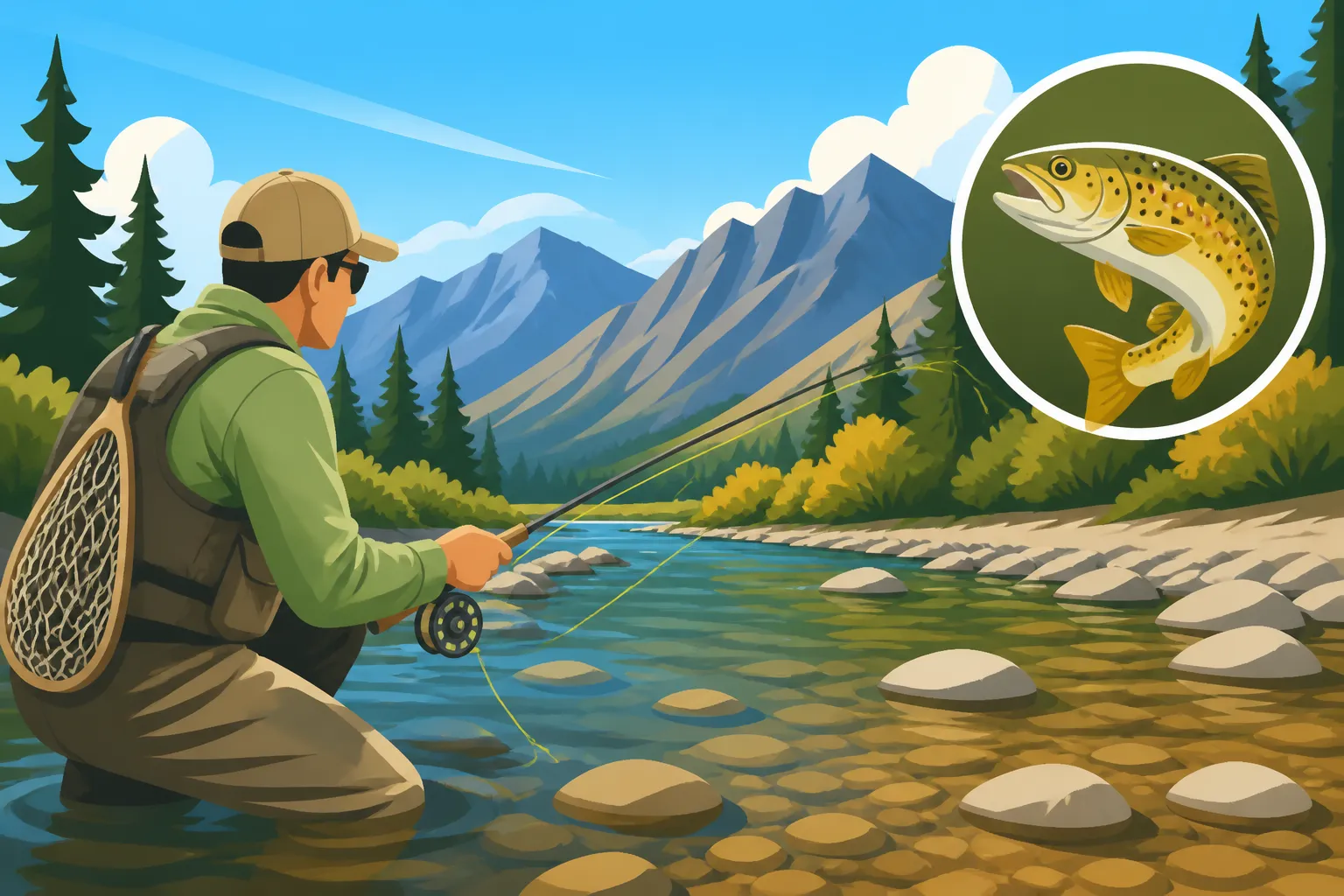
- Stay Low and Out of Sight: Whenever possible, approach the water from downstream, using bankside vegetation, rocks, or changes in elevation to conceal your presence. Kneel, crouch, or even crawl into position. Avoid standing on high banks silhouetted against the sky.
- Walk Softly: Heavy footsteps on the bank or wading carelessly through shallow water can send shockwaves that spook fish. Tread lightly, and if wading, move slowly and deliberately.
- Cast from a Distance: The farther you can cast accurately, the better. This keeps you out of the fish's immediate sightline. Practice your long, delicate casts. For example, our guide on How to Cast to Selective Trout on a Spring Creek emphasizes these skills, which are directly applicable here.
- Wear Natural Colors: Brightly colored clothing can stand out. Opt for greens, browns, and grays that blend with the natural surroundings.
- Minimize Movement: Once you're in position, try to keep your movements slow and minimal. Sudden jerks or flashes of movement can send fish scattering.
Think of yourself as a hunter, stalking your prey. The less the fish know you're there, the higher your chances of getting a strike.
Targeting Specific Holds
As discussed, fish concentrate in specific areas during low water. Your strategy should be to meticulously target these high-percentage spots rather than blindly casting into open water.
- Deep Pools: These are obvious holding spots. Fish your flies or lures slowly and deeply, allowing them to sink to the bottom where fish are likely to be resting. Work every inch of the pool, paying close attention to eddies and current seams.
- Undercut Banks: These provide critical overhead cover and often cooler water. Present your bait or fly as close to the bank as possible, letting it drift under the overhang. This often requires a very accurate cast, as a misplaced cast can get hung up or spook the fish immediately.
- Logs and Boulders: Any significant structure in the water creates current breaks and hiding spots. Cast upstream of the structure and allow your offering to drift naturally past it, or retrieve a lure slowly along its edges.
- Pocket Water: Even small stretches of faster water around rocks can hold fish if there's sufficient depth and a nice current seam. Don't overlook these smaller pockets. Our guide on How to Read a Riffle on an Idaho River provides great insight into these types of holding areas.
- Confluences: Where smaller, cooler tributaries meet the main river, the mixing of water can create an oasis for fish. These spots are often prime in late summer.
Remember, fish in low water are often "stuck" in these spots. If you present your offering correctly, you have a good chance of getting a bite.
Techniques for Spooked Fish
No matter how stealthy you are, you'll inevitably spook some fish. The key is not to give up but to have a plan B. Sometimes, even spooked fish can be caught with the right approach.
- Wait Them Out: If you spook a fish, don't immediately blast the spot with more casts. Often, if you remain still and quiet for 5-10 minutes, the fish might settle back into its holding pattern.
- Change Presentation: If a fish refuses your offering after several perfect drifts, it's not the fish's fault; it's yours. Change your fly, lure, or bait. Go smaller, change color, or adjust your retrieve speed. Sometimes a subtle change is all it takes. For example, check our comprehensive Best Bait and Lures for Idaho Fishing guide for alternative ideas.
- Angle of Approach: If a fish is particularly spooky, try casting from a different angle. Sometimes, presenting your offering from directly upstream or downstream, rather than across, can be less threatening.
- Dead Drift: For fly fishing, a perfect, drag-free dead drift is paramount. Any unnatural drag on your line will immediately alert the fish. For spin fishing, allowing a small bait or lure to drift naturally with the current, only twitching it occasionally, can be more effective than a retrieve.
- Focus on the Next Spot: If a spot is truly blown, don't dwell on it. Move on to the next promising looking area. There's always another fish.
Patience and persistence are your greatest allies when dealing with finicky, low-water fish. It's about outsmarting them, not overpowering them.
Safety and Conservation in Low Water Conditions
Fishing in low water during late summer isn't just about catching fish; it's also about ensuring their well-being and respecting the environment. Elevated water temperatures and reduced flows can stress fish, making them more vulnerable. Anglers have a responsibility to minimize their impact.
Water Temperature Concerns
Warm water is one of the biggest threats to cold-water species like trout in late summer. As water temperatures rise, the dissolved oxygen content decreases, stressing fish and making them more susceptible to disease and mortality, especially after a fight.
- Monitor Water Temperature: Carry a small thermometer and check the water temperature regularly, especially in the afternoon. If the water temperature reaches or exceeds 68°F (about 20°C) for trout, it's generally best to stop fishing for the day, or at least shift to waters known to stay cooler.
- Fish During Cooler Times: Focus your efforts on the cooler parts of the day: early mornings and late evenings. These hours often provide better fishing anyway, as fish are more active and less stressed. Our Best Time of Year to Fish in Idaho guide reinforces this.
- Target Different Species: If trout are clearly stressed by warm water, consider targeting other species that are more tolerant of warmer temperatures, such as smallmouth bass, which thrive in many of Idaho's rivers, or perhaps even species like Idaho Rivers Known for Mountain Whitefish which can be surprisingly fun to catch and are often more tolerant of varying conditions.
Being mindful of water temperature is not just good practice; it's crucial for the long-term health of our fisheries.
Minimizing Stress on Fish
Every fish caught experiences some level of stress. In low, warm water, this stress is amplified. Taking steps to minimize harm during catch and release is vital.
- Fight Fish Quickly: While it's tempting to "play" a fish, especially a larger one, try to land it as quickly as possible. Prolonged fights exhaust fish, increasing their recovery time and mortality risk.
- Use Barbless Hooks: Crushing the barbs on your hooks (or buying barbless hooks) makes removal much easier and reduces tissue damage. This is a simple yet incredibly effective practice.
- Keep Fish in the Water: Try to keep the fish submerged as much as possible, especially if you plan to release it. Removing a fish from water, even for a quick photo, deprives it of oxygen. If you must take a photo, do it quickly and keep the fish low over the water.
- Wet Hands: Always wet your hands before handling a fish. Dry hands can remove the protective slime layer that guards against disease.
- Proper Release: Gently support the fish in the water, facing upstream, until it regains its strength and can swim away on its own. Don't just toss it back. If it struggles, continue to support it.
- Consider Not Fishing: If fish are sluggish, showing signs of stress (like gaping mouths or lethargic movements), or if the water is simply too warm, it's a sign to pack up and try another day. This is particularly true for sensitive species like cutthroat trout or bull trout.
By practicing responsible catch-and-release techniques, we ensure that these beautiful fish survive to be caught another day and continue to contribute to healthy river ecosystems.
Respecting Private Property and Access
Low water can sometimes expose new bank access points or change the perceived boundaries of public and private land. It's more important than ever to be aware of and respect property rights.
- Know Your Access Points: Before you go, research designated public access points. Many parts of Idaho's rivers flow through private land, and fishing from these areas without permission is trespassing. While stream access laws vary, typically, the water itself is public, but the streambed and banks might be private.
- Stay in the Water (Where Applicable): In many areas, if you are legally wading, staying within the ordinary high water mark (or in the water itself) is your safest bet to avoid trespassing on private property. However, this varies by state and even by specific river, so always be informed.
- Pack It In, Pack It Out: Low water often means more exposed shorelines, which can make litter more visible. Always take everything you bring with you, and if you see trash, consider packing that out too. Leave no trace.
- Be Considerate: Share the river with other anglers, kayakers, and landowners. A friendly nod or wave goes a long way.
Respecting land ownership and being a good steward of the environment ensures that we all continue to have access to these incredible Best Fishing Spots in Idaho for generations to come.
Late summer low water fishing in Idaho's rivers can be incredibly rewarding. It demands a more thoughtful, nuanced approach, but the challenge itself is part of the allure. With lighter gear, subtle tactics, and a strong commitment to conservation, you can still find plenty of success and create lasting memories on these pristine waters.
Here's a quick comparison of gear strategies for typical vs. low-water river fishing:
| Gear Category | Typical River Conditions (Spring/Early Summer) | Low Water Conditions (Late Summer) |
|---|---|---|
| Fishing Line | 6-8 lb mono/braid, 4x-5x fly tippet | 4-6 lb fluorocarbon or thinner braid with fluoro leader, 5x-7x fly tippet |
| Leader Length | Standard 7.5-9 ft | Longer 9-12 ft+ (for stealth) |
| Lures/Baits | Larger spinners (#2-4), spoons, larger worms | Smaller spinners (#0-1), micro jigs, small spoons, cut worms, tiny terrestrials |
| Fly Patterns | Larger dry flies, weighted nymphs, streamers | Tiny midges, small caddis, ant/beetle terrestrials, unweighted nymphs (#18-24) |
| Weight/Indicators | Heavier split shot, larger bobbers/strike indicators | Minimal or no weight, subtle or small strike indicators |
| Approach | Can be more aggressive, shorter casts | Stealthy, low profile, longer casts |
| Best Time of Day | Often good throughout the day | Early morning, late evening (cooler temps) |
Disclaimer
This article is for general informational purposes only and does not constitute professional advice. Laws, prices and regulations vary by location and change over time. Consult a qualified professional for guidance on your specific situation.