Best Flies for Cutthroat Trout
Figuring out which flies to tie on when you're staring at an Idaho river, hoping to tempt a wily cutthroat trout, can feel like trying to solve a puzzle with a thousand pieces. It's frustrating when you see fish rising, but nothing you offer seems to pique their interest. This guide is here to untangle that mystery, giving you the practical knowledge and go-to patterns that will make your next cutthroat fishing adventure a success.
Understanding Idaho's Cutthroat Trout: A Foundation for Fly Selection
Before you even think about rummaging through your fly box, it's crucial to understand the fish you're targeting. Idaho is home to distinct subspecies of cutthroat trout, and knowing their habits and preferred environments is the first step toward choosing the right imitation. These aren't just any trout; they're unique, beautiful, and often particular about their meals.
Westslope vs. Yellowstone Cutthroat: Knowing Your Target
Idaho proudly hosts two primary native cutthroat subspecies: the Westslope Cutthroat Trout and the Yellowstone Cutthroat Trout. While both are cutthroat, they inhabit different regions and often exhibit subtle differences in feeding behavior that can influence your fly choice.
Westslope cutthroat, characterized by their smaller spots and typically found in the clear, cold waters of central and northern Idaho —think the St. Joe River or the upper reaches of the Clearwater River—are often more insect-focused. They thrive in stream environments and are known for their willingness to rise to a well-presented dry fly. If you're heading to one of these pristine mountain streams, understanding Westslope Cutthroat Trout in Idaho is key to a successful outing. Their diet will lean heavily on aquatic insects, both emerging and adult, as well as terrestrials that accidentally fall into the water.
Yellowstone cutthroat, on the other hand, are native to the Snake River drainage and eastern Idaho, populating rivers like the South Fork of the Snake River and its tributaries. You can often identify them by their larger spots concentrated more towards the tail. While still opportunistic insect eaters, Yellowstone Cutthroat Trout in Idaho tend to inhabit larger river systems and lakes, where their diet can expand to include small baitfish, leeches, and crustaceans more frequently. This broader diet means your fly selection might need to be a bit more varied, incorporating larger subsurface patterns alongside your dries.
Seasonal Forage & Opportunistic Feeding Habits
Cutthroat trout are, by nature, opportunistic feeders. This means they'll eat whatever is most readily available and requires the least amount of energy to capture. Their diet shifts dramatically throughout the year, largely dictated by insect hatches, water temperatures, and prey availability.
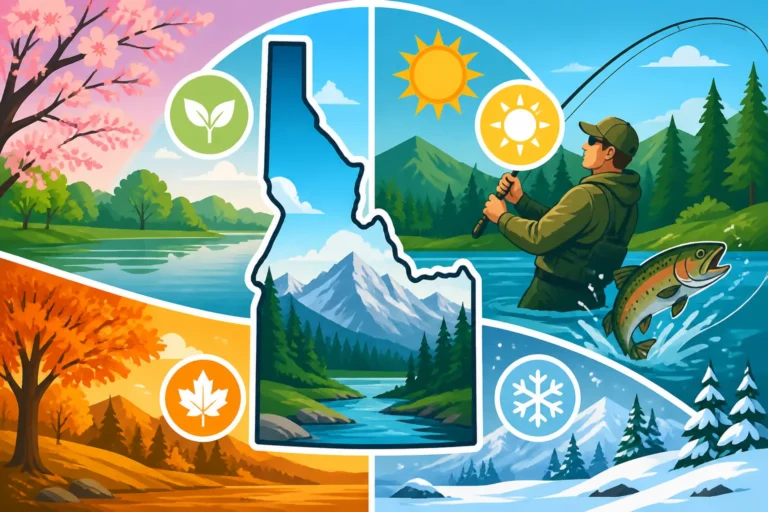
In spring, as waters warm and runoff subsides, aquatic insect hatches become paramount. Mayflies, caddisflies, and stoneflies emerge, offering a buffet of protein. This is often when cutthroat are most focused on emergers and adult insects near the surface. As summer progresses, terrestrials like grasshoppers, ants, and beetles become significant food sources, especially on windy days or near grassy banks. Understanding the Best Time of Year to Fish in Idaho for cutthroat often means aligning your trip with these prime feeding windows.
Come fall, as insect activity wanes, cutthroat may turn their attention to baitfish, sculpins, or even salmon eggs if they are present in the system. They're trying to pack on calories for the lean winter months. Even in winter, when open water is scarce, they'll forage for nymphs, sculpins, and midges in slower, deeper pools. Always consider what's currently available in their environment – it’s the biggest clue to what flies you should be using.
Essential Dry Flies for Idaho Cutthroat Trout
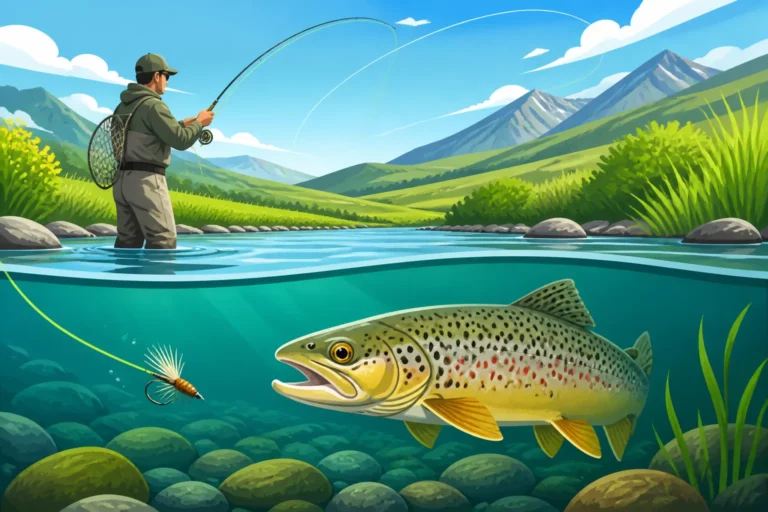
There’s nothing quite like watching a cutthroat trout rise gracefully to sip your dry fly off the surface. It’s an exhilarating experience, and for many anglers, it’s the pinnacle of fly fishing. Thankfully, Idaho’s cutthroat are often willing participants in this surface game, especially when you present the right patterns.
Mayfly and Caddisfly Imitations: When Insects Rule the Surface
When mayflies and caddisflies are actively hatching, cutthroat trout key in on them with laser focus. Having a solid selection of these imitations is non-negotiable for success on Idaho's trout streams.
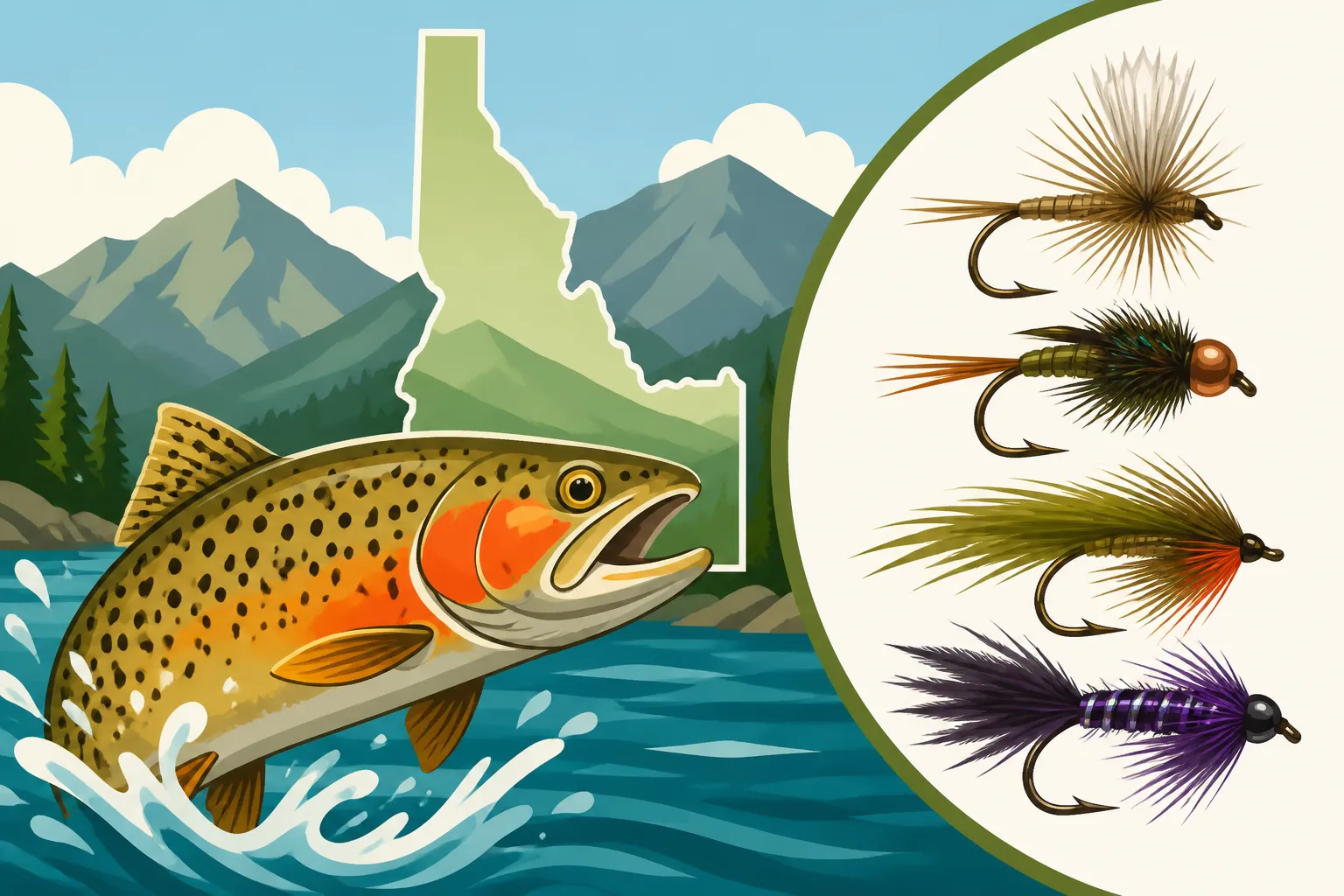
The Parachute Adams is arguably the most versatile dry fly in any Idaho angler's box. Its parachute hackle allows it to float low in the water, mimicking a wide variety of mayflies, and its high-vis post makes it easy to see on the water, even in tricky light conditions. I've had Westslope cutthroat on the St. Joe absolutely hammer a size 14 Parachute Adams when nothing else was working. Carry them in sizes 12-18.
Blue-winged Olives (BWO) are tiny, olive-colored mayflies that hatch prolifically, especially on overcast days, throughout spring and fall. These hatches can be intense, with fish rising subtly to the emerging or crippled adults. Having a few BWO patterns, like a BWO Comparadun or a small Parachute BWO, in sizes 18-22, can be a game-changer when fish are being particularly selective. When you see trout sipping gently in slow, consistent rises, chances are they're on BWOs.
For caddisflies, the Elk Hair Caddis is a time-tested classic that simply works. It's buoyant, durable, and imitates both adult caddis and even some smaller stoneflies. Its messy profile can be especially effective during a frenzied caddis hatch when fish aren't being overly particular. An X-Caddis, with its trailing shuck, is also an excellent choice, mimicking a caddis just emerging from its larval shuck, a vulnerable stage cutthroat love to exploit. Many anglers find it convenient to stock up on these versatile patterns through retailers like Amazon, ensuring they have a full range of sizes (12-18) and colors. Remember, when you're trying to How to Dry Fly Fish a Spring Creek for cutthroat, precise presentations with these patterns are crucial.
Terrestrial Patterns: Summertime & Beyond
As the heat of summer settles in and natural insect hatches become more sporadic or concentrated to specific times of day, terrestrial insects step up to fill the void in a cutthroat’s diet. These are land-dwelling bugs that end up in the water, usually by accident.
Foam patterns, specifically Foam Hoppers, become incredibly effective. Think about it: a plump grasshopper falling off a grassy bank into the water is a substantial meal for a hungry cutthroat. Patterns like the Chubby Chernobyl or Morrish Hopper, in tan, pink, or even purple, can draw aggressive strikes, especially on blustery days when the wind is knocking bugs into the river. These patterns are best fished along undercut banks, near structure, or any place where terrestrial insects are likely to tumble into the water. Sizes 8-14 are good to have.
Don't overlook smaller terrestrials either. Ants and Beetles are present almost everywhere and frequently find their way into the water, even when no major aquatic hatches are occurring. A simple black or cinnamon foam ant in sizes 14-18, or a black foam beetle, can be deadly in slower pools or when fish are ignoring larger offerings. These smaller patterns are often responsible for saving a slow fishing day, providing a subtle snack that cutthroat find hard to resist.
Subsurface Tactics: Nymphs and Streamers for Hungry Cutthroat
While dry fly fishing offers unmatched visual thrills, a significant portion of a cutthroat's diet comes from beneath the surface. Nymphs, representing immature aquatic insects, and streamers, mimicking baitfish, are often the most consistent producers, especially when fish aren't actively rising.
Go-To Nymph Patterns: Under the Surface Action
Nymphs are the workhorses of any trout angler's fly box. They imitate the larval and pupal stages of aquatic insects, which are available to fish 24/7. When a hatch isn't on or fish are holding in deeper, faster water, nymphs are your best bet.
The Pheasant Tail Nymph and Hare's Ear Nymph are two classic patterns that imitate a vast array of immature mayflies and caddis. The Pheasant Tail, with its slender profile and subtle flash, is a phenomenal imitation for baetis and small green drake nymphs. The Hare's Ear, with its shaggy, buggy appearance, suggests everything from caddis larvae to stonefly nymphs. Both should be carried in various sizes (12-20) and weighted and unweighted versions. These are often the first patterns I tie on when I'm trying to How to Nymph Fish a River and want to prospect new water.
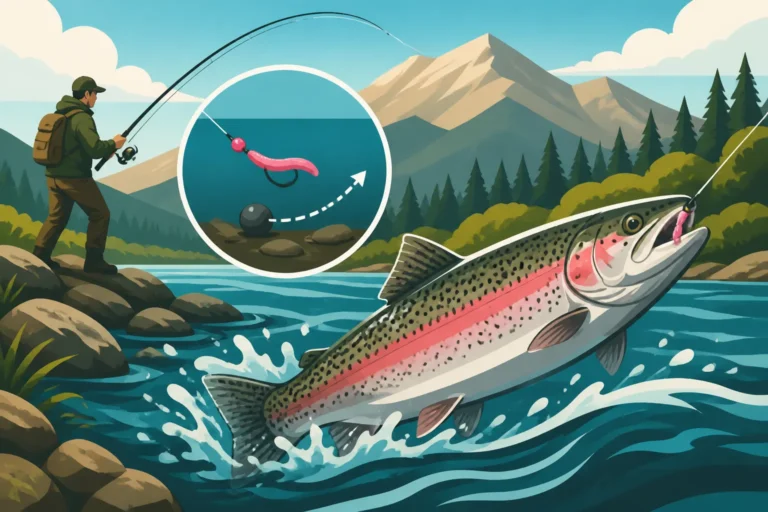
For something a bit more substantial, Prince Nymphs are excellent attractors, with their flashy biots and peacock herl. They don't perfectly mimic any single insect but have enough "bugginess" and flash to grab a cutthroat's attention. Similarly, the Squirmy Wormy (in red, pink, or brown) can be incredibly effective, especially after rain or when fish are gorging on actual worms. Don't be shy about trying it; it catches fish! For larger insects, Stonefly imitations like Pat's Rubber Legs (in black, brown, or golden) are crucial in rivers with significant stonefly populations, especially during pre-hatch periods. Remember to consider your weighting – a small split shot or a bead-headed nymph is often necessary to get your fly down to the feeding zone in currents.
Streamers for Aggressive Bites: When Cutthroat Hunt
Sometimes, cutthroat trout aren't interested in delicately sipping insects; they want a hearty meal, and that's where streamers come in. Streamers imitate baitfish, leeches, or sculpins, triggering a predatory response from larger, more aggressive cutthroat.
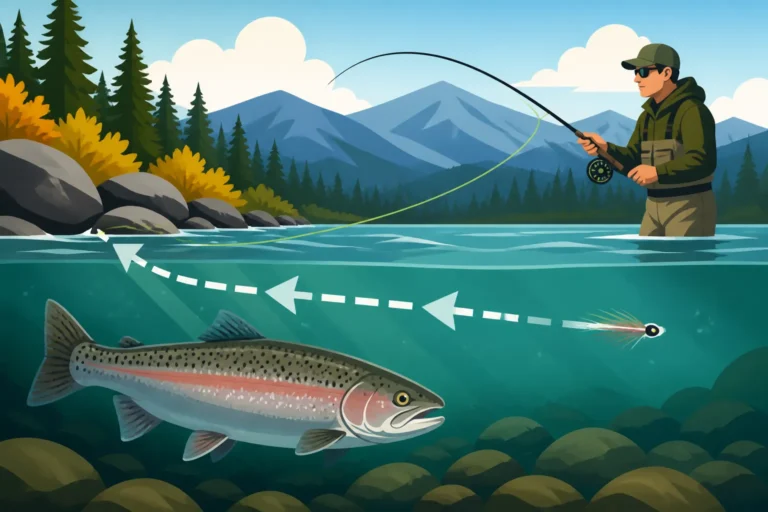
The Woolly Bugger is king when it comes to streamers. Its pulsating marabou tail and hackle body give it an irresistible movement in the water. Carry them in olive, black, brown, and even white in sizes 4-10. I've caught countless cutthroat on olive Woolly Buggers, stripping them slowly through deep pools or swinging them through riffles. The key is to impart action, making the fly look like a fleeing or injured baitfish.
Patterns like Sculpzillas or other small baitfish imitations, such as Clouser Minnows or articulated streamers, can also be highly effective, especially when targeting larger cutthroat in lakes or bigger river sections like the South Fork of the Snake. These flies are particularly deadly during lower light conditions—early mornings, late evenings, or overcast days—when cutthroat are more likely to be actively hunting. It's also a good strategy when the water is slightly off-color after a rain, as the larger profile provides better visibility. Many seasoned anglers keep their streamer boxes stocked with a variety of these heavy hitters, often purchasing them from reliable online sources like Amazon, ensuring they have the right pattern for every scenario. When you're looking to How to Fish a Streamer for Trout, remember to vary your retrieve speed and depth until you find what the fish are reacting to.
Fly Selection Strategies: Matching the Hatch and Beyond
Choosing the "best" fly isn't just about having the right patterns; it's about knowing when and how to use them. It's a blend of observation, educated guessing, and sometimes, a little bit of intuition. The cutthroat won't always make it easy for you, but with a strategic approach, you can significantly increase your odds of success.
Reading the Water and Observing the Hatch
The most fundamental rule of fly fishing is to "match the hatch." This means identifying what natural insects are present, emerging, or flying, and then selecting a fly that closely imitates them in size, shape, and color. However, it's not always as simple as seeing bugs fly by.
Start by observing the water. Are fish rising? If so, how are they rising? Gentle sips suggest emergers or duns, while more aggressive splashes might indicate a caddis or even a terrestrial. If no fish are rising, look for shucks on the water's surface or insects flying in the air. Turn over a few rocks in the riffles to see what nymphs and larvae are clinging there. This detective work provides crucial clues. When you're fishing a complex system, the ability to Reading Water on Idaho's Rivers is as important as the flies in your box. The riffles, pools, and runs each hold different feeding opportunities for cutthroat.
Adjust your fly size and color to match what you're observing. It's often said that size is more important than color, and that's often true for selective cutthroat. If fish are consistently refusing your offerings, try a smaller size of the same pattern before switching colors or patterns entirely. Remember that light conditions can also affect a fly's appearance underwater, so sometimes a subtle shade difference can make all the difference.
When to Go Impressionistic or Attractor
While matching the hatch is paramount, there are times when an exact imitation isn't necessary, or even possible. This is where impressionistic or attractor patterns shine.
Impressionistic flies don't precisely imitate a single insect but rather offer a general silhouette, size, and movement that suggests something edible. Think of a scruffy Hare's Ear Nymph; it could be a caddis, a stonefly, or any number of things to a trout. These are great when fish aren't particularly selective, or when there isn't a clear, dominant hatch occurring. They offer a "generalist" appeal.
Attractor patterns, on the other hand, are designed to grab a fish's attention through bright colors, flash, or an exaggerated profile, even if they don't look exactly like any natural insect. The Royal Wulff, with its vibrant red body and white wings, is a classic attractor dry fly that can bring fish up when nothing else will. Similarly, a Stimulator, with its bushy profile and bright hackle, is an excellent general stonefly or caddis imitation but also works as a pure attractor, especially in faster water. These flies work by provoking an aggressive "strike first, ask questions later" response. They are particularly useful when prospecting new water or when fish seem sluggish and need a little extra coaxing. These can be particularly effective when you're exploring Best Lures for Idaho Trout Fishing beyond just specific insect imitations.
Carrying a Versatile Fly Box
Ultimately, the key to consistent success in Idaho cutthroat fishing is versatility. No single fly will work all the time, everywhere. Conditions change rapidly, hatches come and go, and trout can become incredibly selective one minute and aggressively opportunistic the next.
A well-rounded fly box should contain a healthy selection of:
- Dry Flies: Parachute Adams (sizes 12-18), Elk Hair Caddis (12-18), BWO patterns (18-22), and a few terrestrials like Foam Hoppers or Ants (8-18).
- Nymphs: Pheasant Tail (12-20), Hare's Ear (12-20), Prince Nymph (12-16), Squirmy Wormy (10-14), and a couple of stonefly imitations like Pat's Rubber Legs (8-12).
- Streamers: Woolly Buggers (olive, black, brown, sizes 4-10) and perhaps a small baitfish imitation.
It's about having options. Keep your box organized so you can quickly switch patterns when needed. Don't be afraid to experiment, and pay attention to what the fish are telling you. Many anglers find that building a truly versatile fly box involves a combination of local fly shop purchases and online shopping, as platforms like Amazon offer a wide range of patterns and sizes that might not always be available in smaller, niche stores.
| Fly Type | Common Patterns | When to Use | Target Conditions |
|---|---|---|---|
| Dry Flies | Parachute Adams, Elk Hair Caddis, BWO, Foam Hopper | When fish are rising to surface insects; warmer months for terrestrials | Hatches, calm water, grassy banks, windy days |
| Nymphs | Pheasant Tail, Hare's Ear, Prince Nymph, Pat's Rubber Legs | When fish are feeding subsurface; no active surface activity | Off-hatch periods, deeper runs, faster currents, cold water |
| Streamers | Woolly Bugger (Olive, Black), Sculpzilla | When targeting aggressive fish; imitating baitfish, leeches, or sculpins | High flows, low light, targeting larger fish, off-color water |
| Attractors | Royal Wulff, Stimulator | When fish are not selective; to provoke a strike when no specific hatch is on | Prospecting new water, faster riffles, covering water quickly |
Disclaimer
Please note that fishing regulations, including catch limits, seasons, and bait restrictions, can change frequently. Always consult the latest Idaho Fish and Game regulations before heading out on your fishing trip. The information provided in this guide is for general informational purposes only and should not be considered legal advice.