Fall Steelhead Fishing Techniques on the Clearwater and Salmon Rivers
There's nothing quite like the crisp autumn air, the vibrant changing leaves, and the promise of a powerful fight that defines fall steelhead fishing on Idaho's legendary Clearwater and Salmon Rivers. Many anglers, myself included, have stood on these riverbanks or navigated their currents, feeling a mix of anticipation and frustration. These fish are elusive, the rivers are immense, and knowing exactly how to approach them when the leaves turn gold can feel like cracking a secret code. This guide is here to unravel those secrets, providing you with detailed, on-the-water techniques to significantly improve your chances of hooking into one of Idaho's most prized game fish.
Understanding the Fall Steelhead Run on Idaho's Major Rivers
The fall steelhead run in Idaho is a phenomenal natural event, drawing anglers from across the country. But to truly conquer these rivers, you first need to understand the fish themselves and the unique characteristics of their chosen waterways – the mighty Clearwater and the iconic Salmon River. Each river presents its own set of challenges and opportunities, and knowing these differences is your first step toward success.
The Seasonal Migration: When and Why Steelhead Arrive
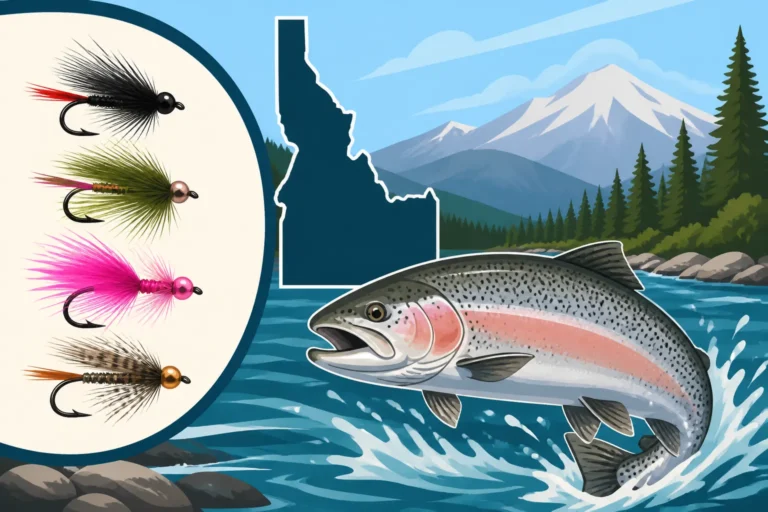
Fall steelhead are anadromous rainbow trout, meaning they're born in freshwater, migrate to the ocean, mature, and then return to their natal rivers to spawn. The fall run is specifically referring to "B-run" steelhead, which are larger and spend more time in the ocean before returning. These incredible fish begin their long journey upstream from the Pacific Ocean, crossing hundreds of miles of the Columbia and Snake rivers, before finally entering the Clearwater and Salmon rivers.
Their arrival isn't a single, sudden event; it's a gradual influx that typically begins in September, peaks through October and November, and often extends well into December, even January, depending on river conditions. Early fall fish are often aggressive, having just completed a strenuous journey, and are more likely to strike. As the season progresses and water temperatures drop, they can become more lethargic and finicky, requiring more nuanced presentations. Key factors influencing their timing include water temperature, river flows, and the timing of upstream fish ladders at dams. Patience is key; sometimes, waiting for that next push of fish after a rain event or a slight drop in temperature can make all the difference.
River Dynamics: Clearwater vs. Salmon River Characteristics
While both rivers host spectacular fall steelhead runs, their personalities and fishing conditions can be quite different. The Clearwater River, particularly its lower and middle sections near Orofino and Lewiston, is known for its relatively slower, deeper, and often clearer water compared to the Salmon. Its uniform flows and deep channels make it ideal for specific drift-fishing techniques where maintaining constant depth and presentation is paramount. The Clearwater offers plenty of boat access and numerous popular bank fishing spots.
The Salmon River, on the other hand, is generally characterized by faster, more turbulent flows, especially in its lower reaches before it meets the Snake. It's a longer, more remote river in many sections, famous for its powerful jet boat fishing. While the lower Salmon (downstream from Riggins) is often stained or off-color due to tributaries, the upper Salmon (above Riggins, especially nearer Stanley) can be much clearer and more conducive to fly fishing. Understanding these distinct river personalities is crucial for selecting the right approach, tackle, and even time of day to fish. Remember, what works perfectly on the Clearwater might need significant adjustment for the Salmon. For more detailed information, checking out specific guides like the Idaho Fishing Regulations Explained or even Idaho Fishing Rules for the Clearwater River Explained and Idaho Fishing Rules for the Salmon River Explained can provide invaluable context on specific sections and seasonal considerations.
Gearing Up for Fall Steelhead Success
Steelhead fishing isn't just about technique; it's about having the right tools for the job. These powerful fish demand robust tackle, and the often-chilly fall conditions require reliable equipment to keep you comfortable and safe. Skimping on gear can lead to missed fish, broken lines, and a less enjoyable experience overall. Let's talk about what you need to be prepared.
Rods, Reels, Line, and Leaders: Building Your Foundation
For steelhead, your rod, reel, and line setup is your primary connection to the fish, and it needs to be up to the challenge. Generally, you'll want a medium-heavy spinning or casting rod, often in the 9 to 11-foot range. The longer length helps with casting heavier weights, managing line in strong currents, and absorbing the powerful runs of a steelhead. Popular choices include specialized drift rods from brands like Lamiglas, G. Loomis, or Shimano. For reels, a quality baitcasting reel or a robust spinning reel in the 3000-4000 series is ideal. Look for a smooth drag system – it’s your best friend when a steelhead decides to run for the horizon!
When it comes to line, a good starting point is 12-20 lb monofilament or fluorocarbon as your mainline, especially for bobber dogging or drift fishing. Some anglers prefer braided line (like 30-50 lb test) for its sensitivity and strength, but if you go this route, you'll absolutely need a fluorocarbon leader for abrasion resistance and stealth. Leaders are critical: typically, 10-15 lb fluorocarbon, often several feet long, tied directly to your main line or a swivel. The strength and invisibility of fluorocarbon are huge advantages in clear water conditions. You can find a vast array of quality fishing line and leader materials on Amazon, making it easy to stock up before your trip.
Essential Terminal Tackle and Baits
Your terminal tackle is where the rubber meets the road, or more accurately, where your hook meets the fish. For fall steelhead, you'll want a selection of hooks, weights, and swivels. Single barbless hooks are often required or highly recommended, especially when targeting wild steelhead that must be released. Sizes typically range from 1/0 to 4/0, depending on your bait. A good rule of thumb is to use the smallest hook possible that still securely holds your bait.
Weights are crucial for getting your bait down to the fish in fast currents. Slinky weights (fabric tubes filled with lead shot) or pencil lead are popular for drift fishing as they tend to snag less than traditional lead sinkers. A variety of weights, from 1/4 ounce up to 1 ounce or more, will allow you to adapt to different current speeds and depths. Lastly, quality barrel swivels or three-way swivels are essential for preventing line twist and connecting leaders. When it comes to bait, roe (cured salmon eggs), shrimp, worms, or even soft plastic imitations like Berkley PowerBait Eggs are perennial favorites. Don't forget scent, too! Popular brands like Pro-Cure or Pautzke's Nectar can give your bait an extra edge, and you can usually find these scents readily available on Amazon.
Mastering Clearwater River Steelhead Techniques
The Clearwater River is a jewel for fall steelhead, offering diverse opportunities from bank fishing to serious boat angling. Its character often lends itself to specific drift-oriented techniques that excel in its deeper, more consistent flows. Being prepared with the right approach can turn a slow day into a memorable one.
The Art of Bobber Dogging and Float Fishing
Bobber dogging, sometimes called "float fishing with attitude," is a highly effective technique on the Clearwater, especially from a boat. It involves using a heavy float (a "dog" or "sled" float) with enough weight to keep your bait hovering just above the river bottom as it drifts downstream. The float helps you present your bait naturally without it tumbling along the bottom and snagging, while still allowing the current to carry it through prime holding water.
To set up for bobber dogging, you'll typically use a large slip float, a bead, a bobber stop, and then your lead weight (often a slinky or pencil lead) attached via a three-way swivel or slider, followed by a leader and your bait. The key is to adjust your bobber stop so your bait drifts within a foot or two of the bottom. This requires knowing the depth of the water you're fishing. From a boat, you’ll slowly motor upstream, then kill the engine and let your boat drift backward with the current, matching the speed of your float. This allows for a perfectly natural presentation. You're constantly "dogging" the bobber, keeping your line tight to it, ready to set the hook the moment it dips or stops. This active form of fishing is incredibly engaging and deadly effective on the Clearwater's deep runs.
Side Drifting and Back Trolling for Deep-Holding Fish
Beyond bobber dogging, side drifting and back trolling are two other highly productive boat techniques for Clearwater River steelhead, particularly for those fish holding deeper in the channels. Side drifting involves positioning your boat broadside to the current, slowly working your way downstream while casting out weighted baits ahead of the boat. The goal is to allow your bait to bounce along the bottom in a controlled drift, covering a wide swath of river. Anglers often use multiple rods, each with varying amounts of weight to cover different depths and current seams. The "side" aspect refers to angling your boat with a trolling motor or oars to control your drift speed, ensuring your baits are presented naturally.
Back trolling, often done with plugs or diving lures (like Brad's Wiggler or Mag Lip), is another power play for deeper fish. Here, you position your boat facing upstream and slowly motor against the current, allowing your plugs to dive and "back troll" downstream ahead of the boat. The diving action of the plug, combined with its built-in wobble, is incredibly enticing to steelhead. This method is particularly good for covering long stretches of river with consistent depth and current, and it often triggers aggressive strikes from territorial fish. For both techniques, understanding your electronics, like a good fish finder, can be incredibly helpful for identifying structure and depth changes where steelhead might be holding. Learning How to Back-Troll Plugs for Idaho Steelhead is a skill that will pay dividends on these waters.
Effective Salmon River Steelhead Strategies
The Salmon River, with its rugged beauty and powerful currents, demands a slightly different approach than the Clearwater. While some techniques overlap, the vastness and varying character of the Salmon mean you need a versatile playbook to find success. Whether you're in a jet boat or wading from the bank, adapting to the Salmon's unique personality is key.
Navigating the Salmon: Jet Boat and Bank Fishing Approaches
For much of the Salmon River's lower and middle sections, particularly from Riggins down to the confluence with the Snake, jet boats are the kings of the water. The sheer size and speed of the river, combined with limited bank access in many areas, make a jet boat almost essential for covering productive water. Guides and experienced anglers use powerful jet boats to run upriver, then drift back down, often employing side drifting techniques similar to those on the Clearwater, but often with heavier weights to contend with stronger currents. The ability to quickly relocate to new runs or move past unproductive water is a huge advantage. These trips often involve launching near Riggins, White Bird, or Pinehurst. If you’re considering a guided trip, knowing the details of a Full-Day Steelhead Jet Boat Trip Cost on the Salmon River can help you plan.
Despite the prevalence of boats, bank fishing on the Salmon River is still very viable, especially in areas with good road access like around Riggins, Lucile, and some stretches near Cottonwood. The challenge is finding accessible spots that aren't already crowded. Look for eddies, current seams, and slower pockets created by large boulders or river bends. Casting jigs and bobbers (float fishing) or using a controlled drift with bait from the bank can be very effective. It requires more walking and scouting, but the reward of hooking a Salmon River steelhead from shore is incredibly satisfying. Understanding Bank Fishing Tips for the Boise River Greenbelt might provide some transferable skills for river dynamics, although the scale and speed of the Salmon are much greater.
Fly Fishing the Salmon: Nymphing and Swinging Flies in Upper Sections
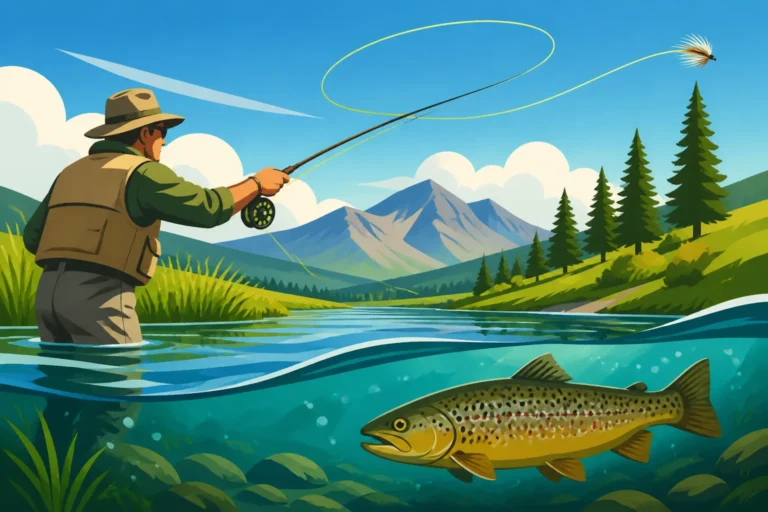
While conventional gear dominates much of the lower Salmon, the upper reaches, particularly above Riggins and especially in clearer sections closer to Stanley, offer fantastic opportunities for fly anglers. Here, the river takes on a more "classic" trout stream feel, albeit on a grander scale. This is where indicator nymphing and swinging flies come into their own.
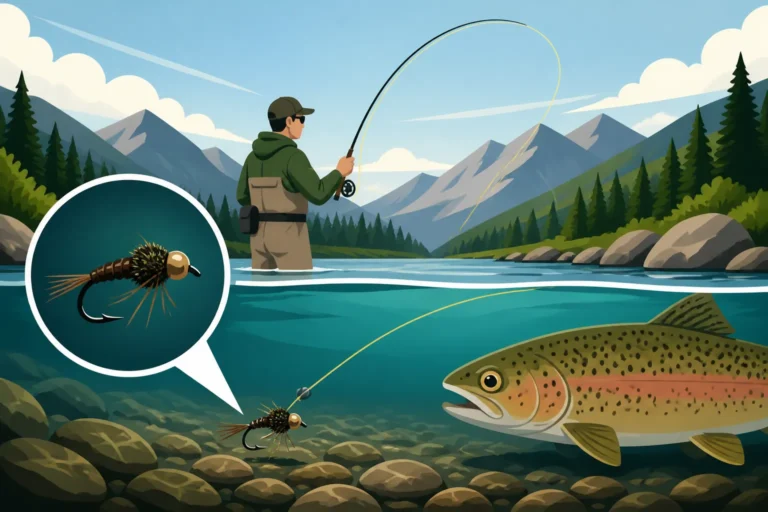
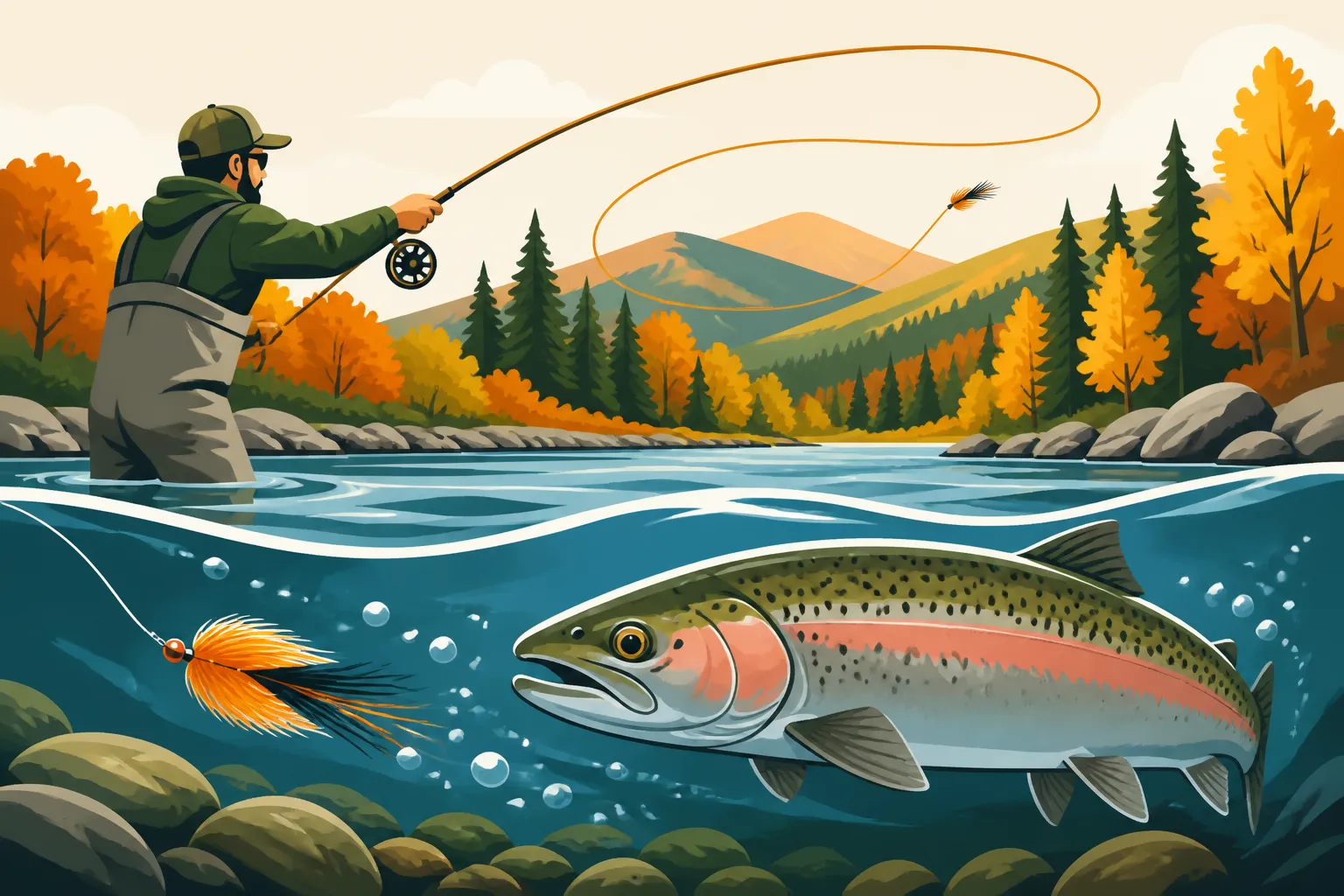
Indicator nymphing involves using a strike indicator (a bobber for fly fishing) to suspend weighted nymphs just above the riverbed. This technique is deadly effective for steelhead that are holding deep and aren't actively chasing flies. Popular nymphs include Stoneflies, Prince Nymphs, and Eggs patterns, often fished in tandem. The key is to achieve a natural, drag-free drift, allowing the flies to tumble downstream just like natural insects or roe. Swinging flies, on the other hand, is a more active and traditional approach, often done with Spey rods or single-hand rods using Skagit or Scandi lines. Anglers cast across or slightly downstream, allowing the fly to "swing" across the current, presenting a broadside profile to the fish. Intruder patterns, large leeches, and various spey flies are common choices. This technique often elicits aggressive takes from active fish, and the feeling of a steelhead grabbing a swung fly is truly unforgettable. For more on this, you might explore resources like How to Fish a Streamer for Trout or even Fly Fishing Techniques for Idaho Spring Creeks, though the scale for steelhead is quite different!
Advanced Tips for Locating and Landing Fall Steelhead
Beyond just knowing the techniques, truly successful fall steelhead fishing involves a keen understanding of the water itself and responsible practices once you've hooked into one of these magnificent fish. It's about maximizing your chances and respecting the resource.
Reading the Water: Identifying Prime Lies
Steelhead are creatures of habit and efficiency. They position themselves in parts of the river that offer a balance of cover, current breaks, and access to deeper water, without expending too much energy. Learning to "read the water" is arguably the most crucial skill an angler can develop. Look for current seams – the visible lines where fast water meets slower water. These are often highways for migrating fish and prime ambush points. Deeper slots, submerged boulders, log jams, and pronounced drop-offs are also key holding areas. Steelhead will often hold on the soft side of a current seam, just out of the main flow, or behind large structure that breaks the current.
Pay attention to subtle changes in water color and depth. A slightly darker patch of water might indicate a deeper hole. Foam lines can show you where the current is concentrated and often where fish will travel. In faster, more turbid water, steelhead might hug the banks more closely. Conversely, in clearer, slower sections, they might be found further out in the main channel. Don't overlook slower, deeper pools, especially in colder water, as fish will often congregate here to rest. When you locate a promising spot, approach it quietly and methodically, ensuring your first few drifts are as perfect as possible.
Adjusting Techniques to River Conditions
The fall season brings dynamic river conditions. Water levels can fluctuate wildly with rain events or dam operations, and temperatures can swing from mild to near-freezing. Successful anglers constantly adapt. If the water is high and murky after a rain, steelhead tend to move closer to the banks and hold in slower, softer water. This calls for heavier weights to get your bait down and more visually appealing baits or those with strong scent. Focus on those close-to-shore current breaks.
Conversely, if the water is low and clear, fish will be much more spooky. This requires lighter leaders (e.g., 10 lb fluorocarbon instead of 15 lb), smaller baits, longer casts, and a stealthier approach. You might need to add an extra foot to your leader length or switch to more natural-looking presentations. In colder water, steelhead become less active. Slowing down your drift, letting your bait sit in a prime spot longer, and using subtle twitches can trigger a strike. Keep an eye on river reports from Idaho Fish and Game or local tackle shops; they often provide crucial real-time insights into conditions. Understanding How Weather Fronts Affect Idaho Trout Fishing might not directly apply to steelhead, but the principles of how fish react to environmental changes are universal.
Fight and Release: Ethical Practices for Healthy Fish
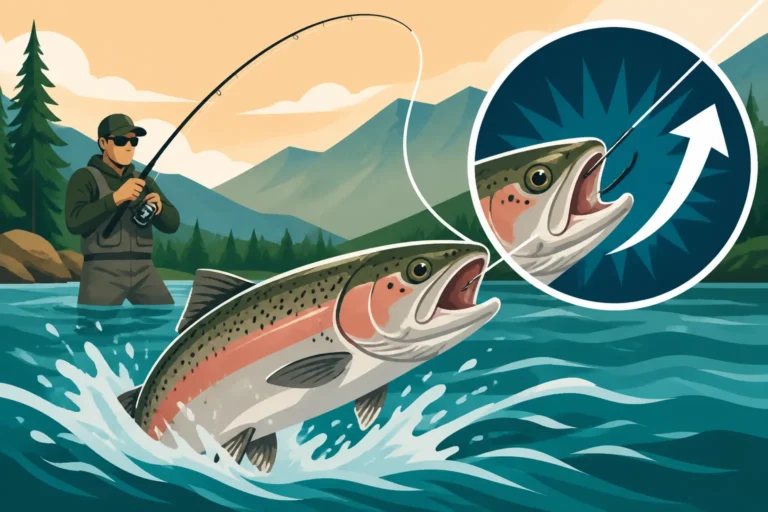
Landing a fall steelhead is a true accomplishment, but the job isn't done once it's on the line. Practicing ethical fight and release techniques is paramount, especially for wild steelhead populations which are often catch-and-release only. When you hook a fish, try to land it as quickly as possible without "horsing" it in. Prolonged fights can exhaust a fish, making it less likely to survive. Use the correct tackle (as discussed in the gear section) to minimize fight time.
Once landed, handle the fish as little as possible. If you must remove it from the water for a quick photo, keep it submerged as much as possible, support its belly, and avoid touching its gills or eyes. Wet your hands thoroughly before touching the fish. If using bait, consider using circle hooks, which tend to hook fish in the corner of the mouth, reducing gut hooking. For more information, please consult Idaho Hatchery vs Wild Steelhead Rules and understand that all wild steelhead in Idaho must be released unharmed. Learn What a Clipped Adipose Fin Means on a Steelhead to easily identify a hatchery fish that can typically be kept (check current regulations first!). Carefully remove the hook with pliers or forceps. If the hook is deeply embedded, cut the line as close to the hook as possible. Support the fish gently in the current until it regains its strength and can swim away on its own. Your careful actions ensure these incredible fish can continue their journey and sustain future runs.
Conservation and Best Practices for Idaho Steelhead
Beyond the thrill of the catch, responsible angling for Idaho's fall steelhead is rooted in conservation and respect. These fish undertake an epic journey, and it's up to all of us to ensure their survival and the health of the fishery for generations to come.
Catch and Release Etiquette for Wild Steelhead
As mentioned, wild steelhead populations are a precious resource and are typically managed as catch-and-release only in Idaho. This means every wild fish you encounter must be released unharmed. Proper technique here is crucial. Always use single, barbless hooks. If you're using bait, consider non-offset circle hooks to minimize gut hooking, which drastically reduces survival rates. When a fish is hooked, fight it firmly but quickly to minimize stress and exhaustion. If you're struggling to land it, don't keep playing it out of the water. Get it to shallow water or into a net as swiftly and gently as possible.
Once you have the fish, keep it in the water if at all possible. This means either using a net with soft, rubberized mesh or, if you're bank fishing, sliding it onto a wet bank or shallow edge. If you absolutely need a photo, lift it just clear of the water for a quick second, ensuring your hands are wet and supporting its belly, never by the gills or jaw alone. Remove the hook with forceps or pliers. If it's deeply hooked and you can't easily remove the hook without tearing tissue, cut the line as close to the hook as possible. Then, gently hold the fish in a calm current, facing upstream, until it vigorously swims away on its own power. This commitment to proper release helps ensure these magnificent fish can continue their spawn and contribute to future runs. For more specifics on handling, check out Why Wild Steelhead Must Be Released in Idaho.
Understanding Idaho's Steelhead Regulations
Idaho's fishing regulations, especially for steelhead, are detailed and often change yearly. It is your personal responsibility to know and abide by all current rules for the specific section of river you are fishing. These regulations cover everything from season dates, catch limits (for hatchery fish), gear restrictions (like barbless hooks), and specific rules for identifying hatchery versus wild fish. Hatchery steelhead typically have a clipped adipose fin (a small fleshy fin on their back between the dorsal and tail fins), indicating they were raised in a hatchery. Wild steelhead have their adipose fin intact and must be released.
Before you even step foot on the river, buy your Idaho Fishing License Guide, and be sure to pick up a current copy of the Idaho Fish and Game fishing regulations booklet, or download it to your phone. Pay close attention to the specific rules for the Clearwater River and Salmon River, as different sections may have different rules, including Idaho Catch Limits and Bag Limits Explained or even special barbless hook requirements. Often, an Idaho Salmon and Steelhead Permit is required in addition to your general fishing license. Failing to understand these rules can lead to fines, loss of fishing privileges, and damage to the fishery.
Respecting Other Anglers and the Environment
The popularity of fall steelhead fishing on the Clearwater and Salmon rivers means you'll often be sharing the water with many other passionate anglers. Good etiquette is not just a courtesy; it's a necessity for everyone to have an enjoyable and safe experience. Always give other anglers plenty of space. If you're fishing from the bank, don't crowd someone's spot, and if you're boating, don't motor through water where someone is actively fishing a drift. Understand the concept of "taking turns" on popular runs, allowing everyone a chance to drift through.
Beyond fellow anglers, respect the pristine Idaho environment. Pack out everything you pack in, and perhaps even a little extra litter you find. Avoid leaving behind discarded fishing line, bait containers, or food wrappers. Be mindful of fragile riparian habitats, avoiding trampling vegetation. If you're accessing the river via private land, ensure you have permission. These rivers are a shared resource, and preserving their beauty and health ensures that the magic of fall steelhead fishing can be experienced for generations to come.
| Technique | Best River Type/Conditions | Pros | Cons | Target Fish Depth |
|---|---|---|---|---|
| Bobber Dogging | Clear, deep runs (Clearwater) | Natural presentation, excellent depth control | Requires boat, active management of float | Mid-column to just off bottom |
| Side Drifting | Moderate to fast currents (Clearwater, Salmon) | Covers wide water, versatile with bait/lure | Requires boat control, can be prone to snagging | Bottom to mid-column |
| Back Trolling | Deep channels, consistent currents (Clearwater, Salmon) | Triggers aggressive strikes, covers water efficiently | Primarily for boat anglers, less natural presentation | Bottom to mid-column (lure dependent) |
| Indicator Nymphing | Clearer, moderate flows (Upper Salmon) | Subtle, natural, good for finicky fish | Requires precise casting/drift, lighter tackle | Mid-column to just off bottom |
| Swinging Flies | Faster, defined runs (Upper Salmon) | Active and engaging, triggers aggressive takes | Less effective on lethargic fish, requires specialized gear | Mid-column |
| Bank Fishing | Accessible eddies, current seams (Both) | No boat needed, flexible | Limited access, can be crowded | Varies based on spot |
Disclaimer
The information provided in this guide is for general informational purposes only and is subject to change. Fishing regulations in Idaho are dynamic and can be updated at any time by the Idaho Department of Fish and Game. Always consult the most current Idaho fishing regulations pamphlet or the official Idaho Fish and Game website before heading out on the water. Local conditions, river flows, and fish run timing can vary significantly from year to year.