Summer Fishing in Idaho
Ah, summer fishing in Idaho! It sounds idyllic, doesn't it? Picture perfect blue skies, warm breezes, and sparkling waters. But any seasoned angler knows that while summer offers some incredible opportunities, it also brings its own unique set of challenges. From scorching temperatures making fish lethargic to crowded boat launches and rapidly dropping water levels, navigating the season can be tricky. This comprehensive guide is here to break down exactly how to adapt your strategies, pinpoint the most productive spots, and ultimately, make your summer fishing adventures in Idaho truly rewarding.
Understanding Idaho's Summer Fishing Landscape
When the Idaho sun starts baking the landscape, things change on the water. The serene, cool conditions of spring give way to longer, hotter days, which profoundly impacts fish behavior and where you'll find them. It's not just about the thermometer; it's about understanding the entire ecosystem's shift.
Water Temperature's Impact on Fish Behavior
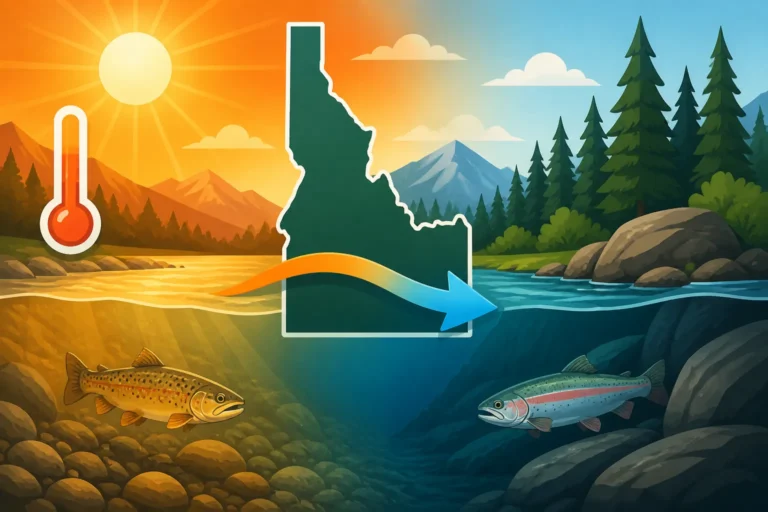
Fish, especially cold-water species like trout, are incredibly sensitive to water temperature. As the mercury climbs in our lakes and rivers, the dissolved oxygen levels in the water decrease, and fish become stressed. You'll notice they get sluggish, feed less aggressively, and often retreat to cooler, deeper refuges. This isn't just a minor inconvenience; it's a matter of survival for them. For instance, once river temperatures hit the mid-60s Fahrenheit, trout can start to struggle, and anything above 70°F can be lethal. This phenomenon is why you'll often find strict catch-and-release rules, or even voluntary fishing closures, on certain stretches of river during peak summer heat to protect these vulnerable populations. Understanding how hot weather changes where Idaho trout hold is key to finding success.
Navigating Increased Recreational Traffic
Summer in Idaho is prime time for outdoor enthusiasts of all stripes, and that means more people are out enjoying the water. Whether it's powerboaters zipping across Lake Coeur d'Alene, kayakers floating down the Boise River, or families splashing at popular swimming holes, fishing spots that were quiet in spring can become bustling hubs. This increased activity can spook fish, making them more wary and harder to catch. Early mornings and late evenings often become the most productive times, not just because of cooler temperatures, but also because there's less competition from other water users. It requires a bit more planning and patience to find your peaceful fishing haven, or at least a time when it's less crowded.
Low Water Levels and Access Challenges
As the summer progresses, especially in later months like August and September, many Idaho rivers and streams experience significantly reduced flows due to upstream irrigation demands and lack of fresh snowmelt. This can concentrate fish, making them easier targets for predators, but it also makes them incredibly skittish. Low water can also expose obstacles that were previously submerged, making navigation by boat or even wading more difficult and potentially dangerous. Bank access points might change, and some favorite spots might become completely un-fishable without a long hike or special knowledge. Always check local conditions and river flows before heading out, especially if you're planning a trip to smaller streams or tributary systems.
Best Fish Species to Target in Summer
While some species slow down in summer, others truly thrive, or at least remain very accessible. Knowing which fish to pursue can make all the difference between a frustrating day and a fantastic one. Idaho's diverse waters offer a great array of options, from high-country trout to warm-water predators.
High-Country Trout and Mountain Lakes
When the valley floors heat up, many anglers turn their gaze skyward to Idaho's breathtaking high-mountain lakes and remote streams. These elevated waters stay significantly cooler throughout the summer, providing ideal conditions for various trout species, including cutthroat, rainbow, brook, and even some small populations of native Yellowstone cutthroat. Getting to these spots often requires a hike, sometimes a substantial one, but the reward is usually pristine water, fewer crowds, and incredibly eager fish. Dry fly fishing can be exceptional in these alpine environments, with hatches often occurring throughout the day. Pack light, bring plenty of water, and prepare for some spectacular scenery. Exploring high mountain lakes worth the hike in the Sawtooths can be a truly unforgettable experience.
Bass, Crappie, and Warm Water Species
Don't overlook Idaho's incredible warm-water fisheries during the summer months! Lakes and reservoirs across the state, particularly in southern Idaho, come alive with active bass (both largemouth and smallmouth), crappie, bluegill, and perch. These species thrive in warmer temperatures and often move to shallower areas in the mornings and evenings, making them accessible to bank anglers and boaters alike. C.J. Strike Reservoir is a prime example, known for its fantastic smallmouth bass and crappie fishing. Similarly, Lake Lowell offers excellent opportunities for bass and panfish. Fishing for these species can be less technical than trout fishing, making it a great option for families or beginners looking for consistent action. Learn more about Idaho Smallmouth Bass Fishing to maximize your warm-water success.
Kokanee and Lake Fishing Opportunities
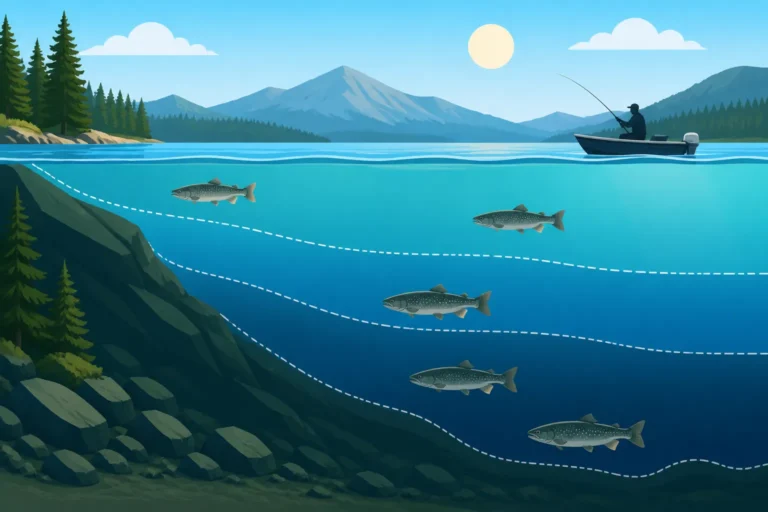
If you love trolling, summer is prime time for kokanee salmon. These landlocked sockeye salmon are delicious and put up a spirited fight. As surface temperatures rise, kokanee typically retreat to deeper, cooler water, often suspending in open water. This makes them ideal targets for downrigger trolling with small dodgers and hootchies or wedding rings tipped with corn. Lake Coeur d'Alene is famous for its kokanee fishery, as are Cascade Reservoir and Anderson Ranch Reservoir. Knowing what depth kokanee hold at in summer on Idaho lakes is crucial for success. Many anglers specifically target them during the summer months because of their consistent bite and schooling behavior, which can lead to multiple hook-ups. Check out our guide on how to fish for kokanee in Idaho for detailed tips.
Top Summer Fishing Spots in Idaho
Idaho is truly blessed with an abundance of fishing waters, but in summer, some shine brighter than others due to cooler temperatures, productive fisheries, or accessibility. Here's a look at some go-to destinations for a successful summer angling experience.
North Idaho's Cool Water Havens
North Idaho, with its expansive lakes and dense forests, offers some fantastic relief from summer heat.
- Priest Lake: This deep, clear lake in the northern panhandle is a renowned trophy fishery for lake trout (Mackinaw). While the surface might be warm, the deep waters remain frigid, holding these giant predators. Trolling deep with large spoons, swimbaits, or bait is the primary method. It's a gorgeous lake, perfect for a summer family trip with excellent camping and boating facilities. Learn about fishing Priest Lake for trophy lake trout.
- Lake Pend Oreille: Another behemoth of the north, Lake Pend Oreille is famous for its massive Kamloops rainbow trout, which also hold in deeper water during the summer. Beyond rainbows, you'll find kokanee and lake trout. Similar to Priest Lake, deep trolling is often the ticket, but early morning or late evening surface action can happen, especially in calmer coves.
- The St. Joe River: Known as "The Joe," this pristine river flowing out of the Bitterroot Mountains is a true gem for native westslope cutthroat trout. While lower sections might warm up, the upper reaches and its numerous tributaries stay cool and offer spectacular dry fly fishing throughout the summer. It's a classic freestone river experience, often requiring a bit of driving on logging roads, but the solitude and eager cutthroat are worth it.
Central Idaho's Alpine Gems
Central Idaho is synonymous with rugged mountains and crystal-clear, cold water, making it a summer paradise for trout anglers.
- The Sawtooth Mountain Lakes: From the famous Redfish Lake to countless smaller, unnamed alpine lakes nestled in the Sawtooth National Recreation Area, this region is a backcountry angler's dream. These lakes hold various trout species and offer incredible solitude and scenery. Often, the fish are less picky due to less pressure. Pack a lightweight fly rod or ultralight spinning gear, some basic dry flies, nymphs, and small spinners like Panther Martins or Rooster Tails. What makes Redfish Lake worth the drive into the Sawtooths? It's the whole experience!
- The South Fork of the Snake River: While certain sections can get busy, the South Fork of the Snake, particularly its upper reaches and tailwater sections below Palisades Dam, maintains cold water thanks to the dam release. It's famous for its abundant Yellowstone cutthroat, rainbow, and brown trout. Floating the river is the most popular way to fish it, with various access points allowing for full-day or multi-day trips. Terrestrial patterns like grasshoppers, ants, and beetles become incredibly effective as summer wears on.
- Henry's Fork of the Snake River: The legendary Henry's Fork is a world-class fly-fishing destination, and while known for its technical nature, summer can offer incredible opportunities during specific hatches. The Box Canyon, just below Island Park Dam, is a cold-water sanctuary that fishes well even in the heat. Further downstream, the famous Harriman State Park water and Last Chance stretch can be challenging but rewarding. Understanding how to fish Henry's Fork during a hatch is essential for success here.
Southern Idaho's Reservoir and River Mix
Southern Idaho offers a blend of warm-water reservoir action and cooler river sections.
- C.J. Strike Reservoir: Located near Mountain Home, C.J. Strike is a massive reservoir known for its fantastic warm-water fishing. Summer is prime time for smallmouth and largemouth bass, crappie, and channel catfish. The reservoir has numerous coves, submerged structures, and varying depths, providing plenty of spots to explore. Topwater lures, jigs, and soft plastics work wonders for bass, while crappie often hold around brush piles and submerged timber.
- The Boise River: Running right through the heart of Boise, the Boise River offers surprisingly good trout fishing, especially in its upper reaches and below Lucky Peak Dam. The cold water released from the dam keeps the trout active even in summer. The "urban" sections are stocked regularly with rainbow trout, making it a great, accessible option for a quick fishing trip. Early mornings or late evenings are best to avoid the heat and the crowds of tubers. Fishing access on the Boise River Greenbelt is plentiful.
- Anderson Ranch Reservoir: East of Boise, Anderson Ranch is another excellent reservoir for warm-water species and kokanee. It's popular for bass, perch, and kokanee in the summer months. Similar to other reservoirs, look for fish to move deeper during the heat of the day.
Essential Summer Fishing Techniques and Strategies
Summer fishing isn't just about where you go, but how you fish. Adapting your techniques to the conditions is crucial for consistent success. Forget your spring patterns; it's time to adjust.
Embracing Early Morning and Late Evening Windows
This is perhaps the most critical summer fishing strategy: fish when the fish are most active. As the sun rises and heats the water, most fish, especially trout, become lethargic and seek refuge. The golden hours of dawn and dusk, however, offer cooler water temperatures, lower light conditions, and often, more active feeding windows. For trout anglers, this means getting on the water well before sunrise for the morning bite or staying out until twilight for the evening hatch. For bass anglers, these low-light conditions are perfect for topwater action. Plan your day around these windows, using the mid-day heat for lunch, scouting, or a nap. This is truly the best time of day to fish in Idaho during summer heat.
Going Deeper for Cold-Water Species
When surface temperatures climb, cold-water species like trout, kokanee, and lake trout move to deeper, cooler sections of the water column where oxygen levels are higher.
- Trout: On rivers, this means targeting deep pools, riffle seams, and areas with underwater springs or heavy shade. Euro nymphing or indicator nymphing with heavy flies can be effective. In lakes, use sinking lines or downriggers.
- Kokanee: These fish will suspend in open water, often at specific depths. Using a fish finder to locate schools and then deploying downriggers with various lures at those depths is standard practice. Light tackle is key for these soft-mouthed fish.
- Lake Trout: These apex predators of the deep will be holding near the bottom in the coldest parts of large lakes. Trolling large spoons, crankbaits, or even dead bait on heavy gear with downriggers or lead core line is required to reach them. A good sonar unit is invaluable for identifying structure and thermoclines.
Adapting Your Gear and Lures
Summer often calls for a slight shift in your tackle box.
- Trout: In rivers, terrestrial patterns like foam grasshoppers, beetles, and ants can be incredibly effective when fish are looking up. For subsurface, a variety of nymphs, from caddis to stoneflies, will work. Small spinners and spoons remain reliable. If fishing on a lake, smaller, lighter lures and flies for spookier fish might be needed. The best lures for Idaho trout fishing often include classic Panther Martin or Rooster Tail spinners.
- Bass and Panfish: Topwater poppers and walking baits are exciting for bass in low light. During the day, soft plastics like worms, jigs, and crankbaits worked slowly near cover are productive. For crappie and bluegill, small jigs tipped with bait (like a tiny piece of worm or a Berkley Gulp! Alive! minnow) or mini-crankbaits are excellent.
- Kokanee: Small dodgers or flashers paired with kokanee-specific hootchies, wedding rings, or mini-bugs are standard. Tipping them with shoepeg corn marinated in kokanee scents (like Pro-Cure or Mike's Glow Scent) is a well-known secret.
Remember that sun protection is not just important for you, but can impact your gear too. Fishing line can degrade in UV light over time, so check your spools. Sunglasses, wide-brimmed hats, and lightweight, long-sleeved shirts are crucial for your comfort and safety. You can find a great selection of high-quality polarized sunglasses and sun-protective clothing on Amazon.
Using Stealth and Patience
With lower, clearer water and often more fishing pressure, fish in summer tend to be warier. This means stealth is paramount.
- Approach: Walk softly along riverbanks, avoid casting shadows over the water, and use longer leaders on your fly rod or lighter line on your spinning gear.
- Casting: Make accurate casts the first time to avoid splashing or repeated presentations that can spook fish.
- Patience: Sometimes, the bite will be slow. Instead of constantly changing spots, try different depths, retrieves, or lure colors in a promising area. Let the fish come to you. Reading water on Idaho's rivers becomes even more critical in summer, identifying subtle holding lies.
Gearing Up for Idaho's Summer Heat
Being prepared for Idaho's summer conditions isn't just about comfort; it's about safety and effectiveness. The right gear can make or break your fishing trip when the temperatures soar.
Essential Apparel for Sun Protection
The Idaho sun can be intense, especially during long days on the water. Proper apparel is crucial to protect yourself from harmful UV rays and stay comfortable.
- Long-Sleeved, Lightweight Shirts: Look for shirts made from technical fabrics that offer UPF (Ultraviolet Protection Factor) ratings of 30 or higher. These materials wick moisture away, dry quickly, and provide excellent sun protection without being overly hot. Brands like Columbia PFG or Simms offer great options.
- Wide-Brimmed Hat: A hat that shades your face, ears, and neck is non-negotiable. Baseball caps are okay, but a full-brimmed hat provides superior coverage.
- Polarized Sunglasses: These are vital for reducing glare off the water, allowing you to see submerged structure and, more importantly, fish. They also protect your eyes from the sun and errant hooks. Companies like Costa Del Mar or Oakley are popular, but good quality polarized glasses can be found at various price points, even on Amazon.
- Sunscreen and Lip Balm: Apply broad-spectrum sunscreen liberally and reapply frequently, especially after sweating or getting wet. Don't forget your lips!
- Buff or Neck Gaiter: These versatile pieces of cloth can protect your neck and face from the sun, and you can wet them down for a cooling effect.
Hydration and Cooling Strategies
Staying hydrated is critical in the summer heat, as is having ways to cool down.
- Water, Water, Water: Bring more water than you think you'll need. A good rule of thumb is at least a liter per hour of activity. Consider bringing a hydration pack or a large insulated water bottle.
- Cooler with Ice: A reliable cooler is invaluable for keeping drinks cold, storing snacks, and if you plan to keep fish, preserving your catch. Brands like Yeti or RTIC are excellent for insulation, but even a good Coleman or Igloo cooler from Amazon will do the trick for a day trip.
- Cooling Towels: These synthetic towels can be soaked in water, wrung out, and draped around your neck for instant cooling. They stay cool for a surprising amount of time.
- Electrolyte Drinks: Supplementing your water intake with electrolyte-rich drinks or powders can help replenish salts lost through sweating, preventing cramps and fatigue.
Specialized Summer Fishing Gear
Some gear might become more relevant or necessary during summer outings.
- Wading Boots with Good Traction: With lower, slicker river bottoms, good wading boots are essential for safety and stability. In warmer weather, you might opt for lightweight wading shorts or quick-drying pants instead of full waders.
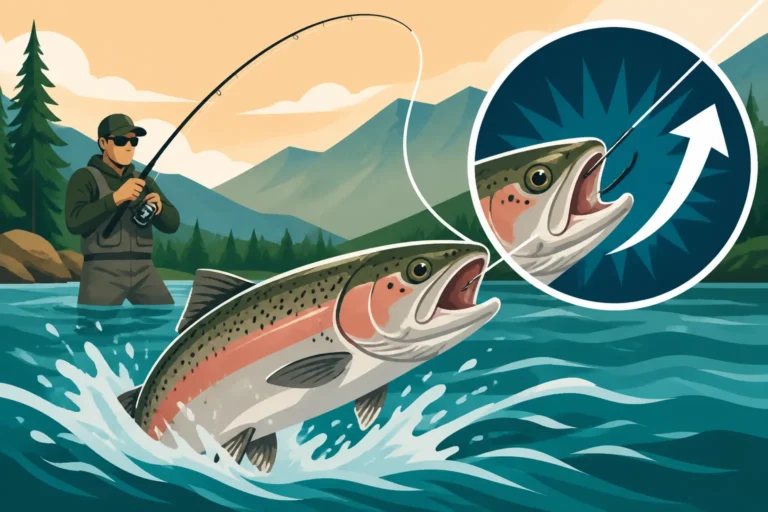
- Fish Grips/Forceps: When dealing with stressed fish in warm water, minimizing handling is crucial. Fish grips can help control the fish without squeezing it, and forceps are great for quickly and safely removing hooks, especially if you're practicing catch and release.
- Landing Net: A rubberized landing net is much gentler on fish scales and slime coats than traditional knotted nylon nets, which is particularly important for catch-and-release, as it reduces stress on the fish.
- Thermomter: A simple water thermometer allows you to check water temperatures. If the water is too warm (e.g., above 68-70°F for trout), it's often best to call it a day or switch to warm-water species to avoid unduly stressing the fish.
Navigating Regulations and Conservation in Summer
Summer isn't just about fun; it's also about responsibility. The conditions unique to this season often mean that anglers need to be extra vigilant about regulations and ethical practices to protect Idaho's precious fisheries.
Understanding Special Regulations and Closures
While Idaho Fishing Regulations Explained covers the year-round rules, summer can bring about specific, temporary regulations designed to protect fish from heat stress or low water conditions.
- Hoot Owl Restrictions: These are common on popular trout rivers during periods of extreme heat and low water. A "hoot owl" restriction means fishing is only allowed during cooler morning hours, typically closing by 2 PM. This protects fish that become highly stressed by being caught and handled in warm afternoon water. Always check the Idaho Fish and Game website for current regional restrictions before heading out.
- Catch and Release Only: Some waters, or specific species within them, may be designated catch-and-release only, especially for sensitive populations like wild steelhead or certain cutthroat trout strains. This is even more important to adhere to in summer when fish mortality rates can increase significantly from handling.
- Wildfire Impact Zones: Unfortunately, summer can bring wildfires. While not a fishing regulation directly, fire activity or closures can impact access to certain fishing areas, particularly in national forests or wilderness areas. Stay informed about fire restrictions and closures.
Always carry a copy of the current Idaho Fishing Regulation Brochure and Proclamation, or have it readily accessible on your phone, to stay up-to-date.
Practicing Responsible Catch and Release
During summer, when fish are already under stress from warmer water, practicing proper catch and release techniques is more important than ever to ensure their survival.
- Minimize Fight Time: Use appropriate tackle that allows you to land the fish quickly, reducing exhaustion.
- Keep Fish in Water: Avoid removing the fish from the water entirely. If you must, do so for only a few seconds for a quick photo, then immediately return it. Idaho Rule Against Removing Sturgeon from the Water is a prime example of why this is important for delicate species.
- Wet Your Hands: Always wet your hands before touching a fish to protect its protective slime coat.
- Use Barbless Hooks: Barbless hooks make hook removal much easier and quicker, reducing stress and injury to the fish. Some waters, especially those with sensitive species like sturgeon, have specific barbless hook requirements.
- Revive Carefully: If a fish seems sluggish after release, gently hold it upright in the water, facing into a mild current, until it regains its strength and can swim away on its own.
Respecting the Environment and Other Anglers
Summer's increased traffic means that respecting both the environment and your fellow outdoor enthusiasts is paramount.
- Pack It In, Pack It Out: Leave no trace. Take all your trash, including fishing line scraps, bait containers, and food wrappers, with you.
- Stay on Trails and Access Points: Avoid trampling sensitive riparian vegetation when accessing the water. Use designated access points.
- Share the Water: Be mindful of other anglers, boaters, and recreators. Give other anglers plenty of space, especially when wading or drifting. A little courtesy goes a long way to ensure everyone has a pleasant experience.
- Understand Idaho Fishing License Age Requirements: Make sure everyone in your group has the proper licenses and permits, including children if they are above the minimum age requirement. Check out the Idaho Fishing License Guide for more details.
By following these guidelines, you not only increase your chances of a successful summer fishing trip but also contribute to the long-term health and enjoyment of Idaho's incredible fisheries.
Disclaimer
Please note that fishing regulations, conditions, and fish behavior can change rapidly. Always check the latest regulations from the Idaho Department of Fish and Game before heading out on any fishing trip. This guide is for informational purposes only and should not be considered a substitute for official regulations.