Idaho Fishing Gear Guide by Season
Stepping out onto the riverbank or lake shore in Idaho, only to realize you’ve brought the wrong gear, is a classic angler's nightmare. The frustration of being underdressed for a sudden cold snap or having the wrong lure for picky fish can quickly turn a hopeful day into a miserable one. This comprehensive guide is here to ensure your Idaho fishing adventures are equipped for success, breaking down exactly what gear you'll need for every season and situation.
Why Gear Matters: Understanding Idaho's Diverse Seasons
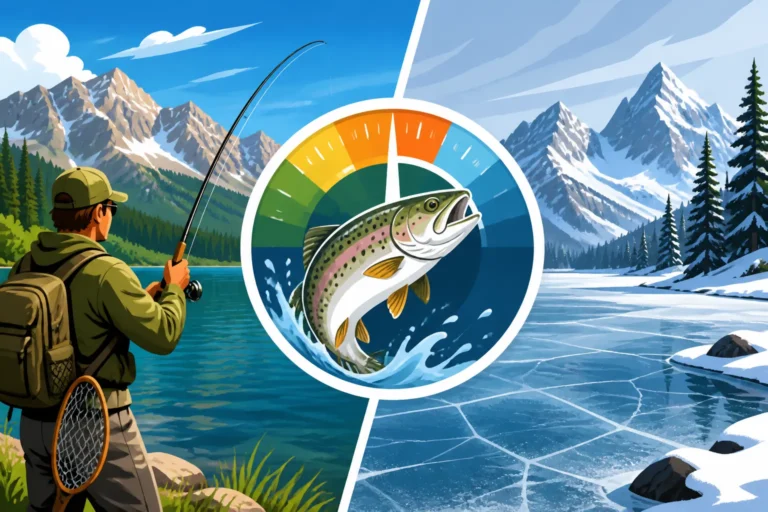
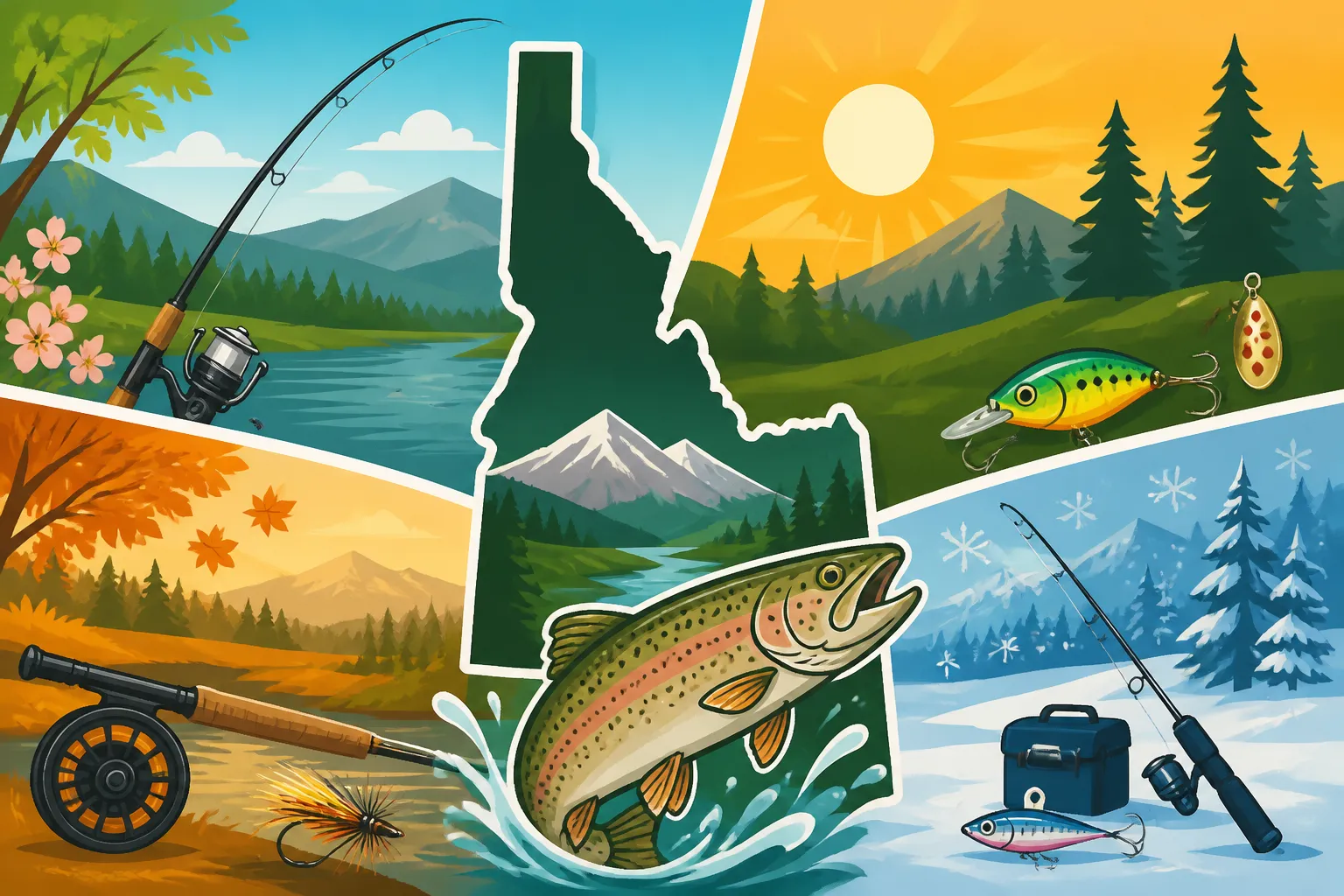
Idaho is a land of incredible contrasts, from the arid high desert plains to the dense, snowy peaks of the Panhandle. This stunning diversity means that "fishing gear" isn't a one-size-fits-all concept here. What works for chasing smallmouth bass in the scorching summer heat of the Snake River canyon will leave you shivering when targeting steelhead on the Clearwater in January, or hopelessly tangled in a remote alpine lake during an unexpected summer thunderstorm. The right gear isn't just about catching fish; it's about comfort, safety, and making sure you can actually enjoy your time out there, regardless of what Mother Nature throws at you.
The Impact of Idaho's Weather on Your Tackle Box
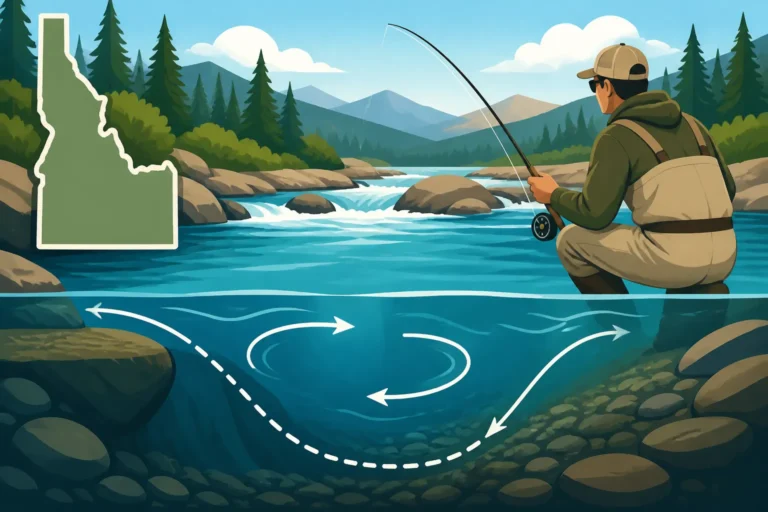
Idaho’s weather is famously unpredictable. A beautiful, sunny morning can quickly turn into a torrential downpour or even a snow flurry, especially in the spring and fall. These shifts directly impact water temperatures, clarity, and fish behavior, which in turn dictate your best gear choices. For instance, high runoff in spring might require heavier weights and brighter lures to cut through murky water, while gin-clear, low flows in late summer on a spring creek like Silver Creek will demand the lightest lines and most realistic dry flies. Understanding these seasonal nuances is paramount to building a truly effective tackle box. You can read up on the specifics of how the seasons generally influence fish activity in our Idaho Fishing Season Calendar guide.
Prioritizing Comfort and Safety Year-Round
Beyond just catching fish, your gear is your first line of defense against the elements. Hypothermia, heatstroke, severe sunburn, or even simple dehydration can turn a dream trip into a nightmare if you're not properly prepared. This means thinking about more than just your rod and reel. We're talking about appropriate layering systems, reliable waterproof outerwear, sun protection, and even basic safety equipment. Imagine being miles into the backcountry in the Sawtooths, only to have your flimsy rain jacket fail in a sudden downpour – not only is it uncomfortable, but it can become genuinely dangerous. Investing in quality, purpose-built gear ensures you're prepared for whatever Idaho's wild landscapes dish out, allowing you to focus on the fishing itself.
Spring Fishing Gear: The Runoff Riser
Ah, spring in Idaho! It's a time of renewed hope for anglers, but also one of significant challenges. The snowmelt begins, rivers swell with cold, sometimes turbid water, and lakes are just shedding their icy blankets. Fish are waking up and hungry after a long winter, but accessing them can be tricky. Your gear needs to be versatile enough to handle everything from clear, cool mornings to sudden rainstorms and rapidly changing water conditions. This isn't the time for your lightest summer setup; you need a bit more backbone and resilience.
Essential Rods and Reels for Spring Streams and Lakes
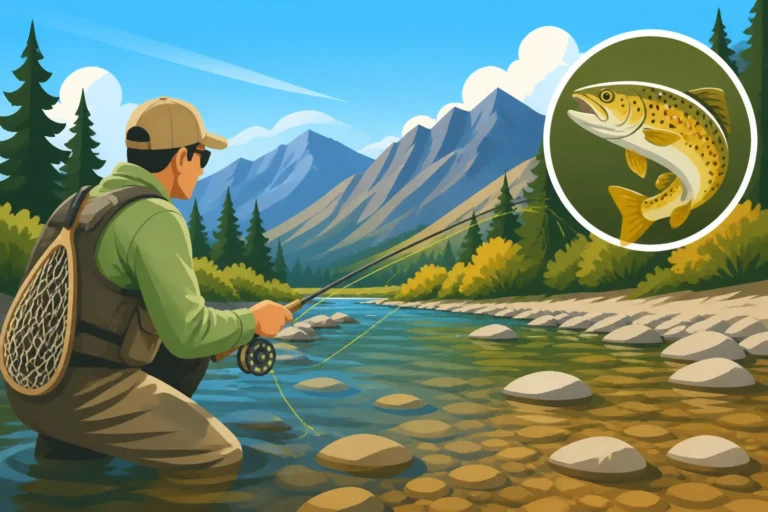
For spring river fishing, especially when targeting trout or early steelhead runs, a medium-heavy spinning or baitcasting rod (7 to 8.5 feet) with a fast action is often ideal. This length provides better line control for mending in current and allows for longer casts to cover more water. Pair it with a reliable reel spooled with 8-12 lb monofilament or fluorocarbon. The slightly heavier line helps manage potential snags in debris-laden water and provides the backbone needed to fight strong fish in current. For fly anglers, a 6 to 8-weight rod is a fantastic all-around choice. It’s stout enough to cast larger indicator rigs or streamers into a stiff spring breeze but still sensitive enough to feel subtle takes. Look for a large arbor reel that can hold plenty of backing, because those spring rainbows and cutthroats can put up a surprising fight!
When fishing lakes that have just thawed, a similar medium-action spinning rod (6.5 to 7.5 feet) is usually sufficient. Fish might be shallower initially, but as the water warms, they'll retreat deeper. You'll want a reel with a smooth drag, as many lake species like trout and kokanee can make strong runs. For crappie and perch, a lighter, more sensitive setup (light to ultralight spinning rod, 5-6.5 feet) with 4-6 lb line will help you detect those delicate bites. Remember, the key in spring is often adaptability. One day you might be fishing the banks of a river; the next, you might be out on a boat on a partially ice-free reservoir, so having gear that can handle a range of scenarios is a huge plus.
Navigating Spring Runoff: Waders, Boots, and Outerwear
Spring runoff means higher, faster, and colder water, making proper wading gear absolutely non-negotiable. Quality breathable waders are paramount. Look for durable, multi-layer materials that offer good insulation without making you sweat on warmer days. Paired with sturdy wading boots that have excellent grip, you’ll be much safer navigating slippery river bottoms and muddy banks. Felt soles are traditional for good traction in rivers, but rubber soles with studs are gaining popularity for their versatility and eco-friendliness (less likely to transfer aquatic invasive species). Don’t skimp on a good wading belt – it’s a crucial safety item that helps prevent your waders from filling completely with water if you take an unexpected dip.
Layering is your best friend when it comes to spring outerwear. Start with a moisture-wicking base layer (merino wool or synthetic, never cotton!) to keep sweat away from your skin. Add a fleece or insulated mid-layer for warmth, and top it all off with a waterproof and windproof outer shell. A good quality fishing jacket designed for layering will have features like adjustable cuffs, a storm hood, and plenty of pockets for essentials. Don’t forget a warm hat and waterproof gloves; cold hands can quickly ruin a fishing trip. Having a waterproof bag for extra layers and electronics is also a wise move to protect your gear from sudden downpours.
Lures, Baits, and Flies for Hungry Post-Winter Fish
In the spring, fish are often aggressively feeding after a lean winter, but the cold, often turbid water means they might not be super active or have great visibility. This is a great time to experiment with bolder presentations. For trout and early steelhead in rivers, try larger, brighter spinners or spoons that create a lot of flash and vibration. Classic colors like chartreuse, orange, and silver often perform well. Drifting bait, such as worms or roe under an indicator, can also be deadly effective, especially in slower eddies or seams where fish are holding out of the main current. Soft plastic baits that mimic worms or leeches, fished on a jig head, are another go-to.
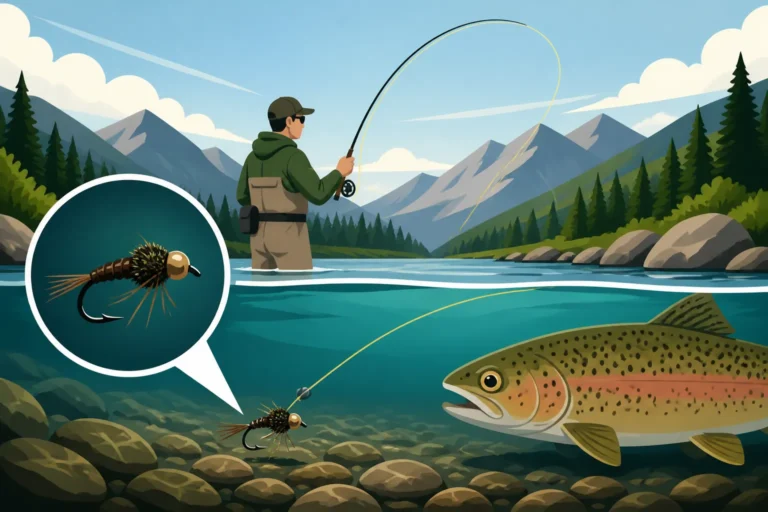
Fly anglers targeting trout will want to focus on nymphing techniques with larger, heavier patterns like Stoneflies, Prince Nymphs, or Worm patterns to get down in the faster currents. Streamers in olive, black, or white, stripped aggressively, can also entice predatory fish. As hatches begin, usually later in spring, keep an eye out for emerging Midges, Baetis (Blue-Winged Olives), and Caddis, and match your dry flies or emergers accordingly. For lake fishing, small jigs tipped with bait (like a piece of worm or corn), PowerBait, or small spoons are often effective for stocked trout and panfish. Remember to check the Idaho Fishing Regulations Explained to ensure your chosen baits and lures are permitted in specific waters.
Summer Fishing Gear: Sunny Skies and Active Waters
Summer in Idaho brings longer, warmer days and generally more stable weather. This is prime time for chasing a huge variety of species, from high-mountain lake trout to feisty smallmouth bass in the lowland rivers. Water levels typically drop, and clarity improves on most rivers, while lakes warm up, pushing fish into deeper, cooler water during the hottest parts of the day. Your gear for summer should focus on being lightweight, breathable, and offering ample sun protection, while still being versatile enough for a broad range of fishing scenarios.
Lightweight Tackle for Summer Trout and Bass
For general summer trout fishing in Idaho’s numerous streams and rivers, a light to medium-light spinning rod (5.5 to 7 feet) with a fast to moderate-fast action is perfect. Pair it with a small spinning reel spooled with 4-8 lb monofilament or fluorocarbon. This lighter setup allows for delicate presentations and maximizes the fun when battling a feisty rainbow. Fly anglers will find their 3 to 5-weight rods getting a lot of action, especially for dry fly fishing on clear waters. A good floating line is essential, along with a variety of tapered leaders and tippet in various strengths, from 3X down to 6X or 7X for those super-picky trout on calm days.
When targeting smallmouth bass in rivers like the Snake or Clearwater, a slightly more robust setup is beneficial. A medium-action spinning or baitcasting rod (6.5 to 7.5 feet) with 8-15 lb fluorocarbon or braided line will give you the power to cast larger lures and pull bass out of cover. For largemouth bass in warmer lakes and reservoirs like Lake Lowell or C.J. Strike, a medium-heavy baitcasting setup is often preferred for pitching jigs and plastics into weeds and structure. The key for summer is often stealth and precision, so lighter, more sensitive gear that allows for subtle presentations is often the way to go, especially during bright, sunny conditions.
Staying Cool and Protected: Apparel and Sun Protection
Summer fishing in Idaho often means long hours under intense sun. Prioritizing sun protection isn't just a suggestion; it's a necessity. Lightweight, long-sleeved shirts made from moisture-wicking and quick-drying fabrics with a high UPF (Ultraviolet Protection Factor) rating are essential. Many popular fishing brands like Columbia and Simms offer excellent options. Pair these with lightweight fishing pants that offer similar sun protection and can often convert to shorts. A wide-brimmed hat, neck gaiter or buff, and polarized sunglasses are absolute must-haves to protect your face, neck, and eyes from harmful UV rays and reduce glare on the water, allowing you to see fish and structure more clearly.
Hydration is also critical. Always carry plenty of water, especially if you’re hiking into a high-mountain lake or spending all day on a sun-baked reservoir. A good quality cooler filled with ice and water bottles is your best friend. A compact, breathable rain jacket is still a good idea, even in summer, as afternoon thunderstorms can roll in quickly, especially in mountainous regions. You don't want to get caught unprepared!
Summer Lure and Fly Selection for Active Fish
Summer sees a huge array of insect hatches and active baitfish, so your lure and fly selection should reflect this abundance. For trout, dry flies like Caddis, Mayflies (PMDs, Green Drakes), Hoppers, and terrestrials (Ants, Beetles) are incredibly effective, especially during morning and evening hatches or when fishing grassy banks. Nymphs and small streamers still work, particularly in deeper runs or during mid-day lulls. Small spinners and spoons (silver, gold, or natural baitfish patterns) are always a good bet for trout in both rivers and lakes.
When it comes to bass, the options explode. Topwater lures like poppers, walking baits, and frogs are thrilling to fish in the early morning or late evening. Soft plastics (worms, craws, tubes) rigged Texas or Carolina style are fantastic for fishing structure. Crankbaits, spinnerbaits, and swimbaits are excellent for covering water and mimicking baitfish. For panfish like perch and crappie, small jigs tipped with a grub or a tiny piece of bait, or small spinners, are consistently productive. Remember that clearer summer waters often mean fish are more wary, so going with lighter lines and more natural presentations can make a big difference.
Fall Fishing Gear: The Steelhead and Salmon Migration
Fall in Idaho is truly magical, marked by crisp air, vibrant foliage, and the arrival of some of the state's most iconic migratory fish: steelhead and Chinook salmon. This is also a season of transition, with weather that can swing from warm, sunny days to cold, blustery conditions in a matter of hours. Your gear needs to be robust, warm, and capable of handling strong fish in powerful currents. This is not the time to be under-gunned, especially when targeting hard-fighting anadromous species that have traveled hundreds of miles upstream.
Heavy-Duty Gear for Anadromous Fish
When the fall steelhead and Chinook salmon runs are on, particularly on rivers like the Salmon River and the Clearwater River, you'll want to upgrade your tackle significantly. For steelhead, popular setups include long, sensitive spinning rods (8.5 to 10.5 feet, medium-heavy to heavy power) for float fishing or drift fishing. These longer rods provide excellent line control and shock absorption. Baitcasting or conventional setups with similar rod lengths are also common for drift fishing and pulling plugs. Reels should have a strong, smooth drag system and be capable of holding 15-25 lb monofilament or fluorocarbon, or 30-50 lb braided line with a fluorocarbon leader.
Fly anglers targeting steelhead often opt for 7 to 9-weight spey or switch rods, allowing for long casts without back-casting room, or heavy single-hand rods (8-10 weight) for swinging flies or nymphing. Sink-tip lines or full sinking lines are crucial for getting flies down to the fish in strong currents. The sheer power of these fish demands a reliable, well-maintained reel with a beefy drag. For larger Chinook salmon, some anglers will go even heavier, using comparable gear but with even more robust line and leader, sometimes up to 30-40 lb test. You can learn more about specific techniques in our guide on How to Fish for Steelhead in Idaho.
Layering Up: Essential Fall Outerwear and Accessories
Fall weather in Idaho can be incredibly deceptive. A sunny 60-degree afternoon can quickly turn into a rainy, 30-degree evening. Layering is, once again, the golden rule. Start with a warm, moisture-wicking base layer. Add a substantial insulating layer, such as a heavy fleece or a puffy jacket, to retain body heat. Your outer shell needs to be completely waterproof and windproof, offering serious protection against the elements. Look for jackets and pants that are durable enough to withstand brush and snags, and that offer unrestricted movement for casting and fighting fish.
Neoprene or thicker breathable waders are often preferred in the cooler fall temperatures, providing extra insulation. Don't forget a warm hat that covers your ears, and good quality waterproof gloves or fingerless gloves to keep your hands warm and functional. Pack hand warmers, a thermos with hot coffee or tea, and extra dry socks. Hypothermia is a real concern if you get wet and cold, so over-preparing with warm, dry clothes is always better than wishing you had brought more. Many anglers also find portable heaters for drift boats or shore shelters invaluable during the colder parts of the fall steelhead season.
Specialized Baits and Lures for Fall Runs
Fall migratory fish are driven by spawning instincts, so your lure and bait choices should reflect this. For steelhead, roe (cured salmon or steelhead eggs) is often a top producer, fished under a float or drifted on its own. Other effective baits include nightcrawlers and shrimp. Lures like various plugs (Hot Shots, Wiggle Warts), often back-trolled from a boat, or brightly colored spinners (chartreuse, orange, pink) are incredibly effective in tempting these aggressive fish. Soft plastic worms or "gooey bobs" in vibrant colors are also popular for drift fishing.
Fly anglers targeting steelhead will use a range of patterns, from large egg patterns (Glo Bugs) and aggressive nymphs (Stoneflies, Rubber Legs) for subsurface presentations, to classic steelhead patterns like intruders, rabbit strip leeches, or spey flies for swinging. Bright, flashy patterns often work well in fall. For Chinook salmon, larger plugs, heavy spinners, and jigs tipped with scent are often the ticket. Remember, fall fish are often concentrated in specific holding lies, so presenting your bait or lure effectively and persistently is key. You'll find a deeper dive into these options in our guide to Best Bait and Lures for Idaho Fishing.
Winter Fishing Gear: Ice and Open Water Challenges
Winter fishing in Idaho is not for the faint of heart, but it offers some incredible opportunities for those willing to brave the cold. Whether you’re cutting holes in the ice on a frozen lake or braving the open water of a tailwater fishery, specialized gear is essential for comfort, safety, and success. The challenges are amplified: extreme cold, slippery surfaces, and often slower, more lethargic fish. Your equipment needs to be rugged, reliable, and designed to keep you warm and safe above all else.
Ice Fishing Essentials: Augers, Shelters, and Specialized Rods
If you're heading out onto the hardwater, your first essential is an ice auger. Manual augers are fine for occasional use or thinner ice, but a powered auger (gas, propane, or electric) will save you immense effort, especially on thicker ice or when moving between many holes. Next, consider an ice fishing shelter. Portable pop-up shelters or flip-over shanties offer protection from wind and cold, making a long day on the ice much more enjoyable. Add a portable heater (like a Mr. Heater Buddy) for true comfort inside.
For actual fishing, you'll need specialized ice fishing rods. These are typically very short (18-36 inches), allowing you to fish directly over the hole without snagging on the edges of your shelter. They come in various actions, from ultralight for panfish to medium-heavy for larger trout or pike. Pair them with small spinning reels or specialized ice reels, spooled with low-stretch monofilament or fluorocarbon (4-10 lb). A good quality ice scoop for clearing slush from your holes is also a must, as are comfortable, insulated seating options like a bucket or a folding chair. Remember, safety first on the ice, and always check local ice conditions before venturing out. Our How to Ice Fish in Idaho guide provides more crucial details.
Staying Warm: Extreme Cold Weather Apparel
When fishing in sub-freezing temperatures, your apparel is your life support. Start with multiple layers of high-quality thermal underwear (merino wool is excellent). Add several insulating layers, such as thick fleece, down, or synthetic puffy jackets and pants. Your outer layer must be a serious, insulated, waterproof, and windproof suit, often designed specifically for ice fishing. Look for features like flotation assistance, reinforced knees, and plenty of insulated pockets. Brands like Eskimo and Striker Ice are popular for their dedication to extreme cold weather gear.
Footwear is another critical area. Insulated, waterproof boots rated for extreme cold (e.g., -40°F) are non-negotiable. Wear thick wool or synthetic socks, possibly two pairs. A warm balaclava or face mask, a heavy winter hat, and insulated, waterproof gloves or mittens (with finger access for dexterity) are also essential. Chemical hand and foot warmers can provide hours of supplemental heat. Remember, staying warm and dry is paramount, as frostbite can occur rapidly in Idaho's winter conditions.
Lures and Baits for Hardwater and Cold Open Water
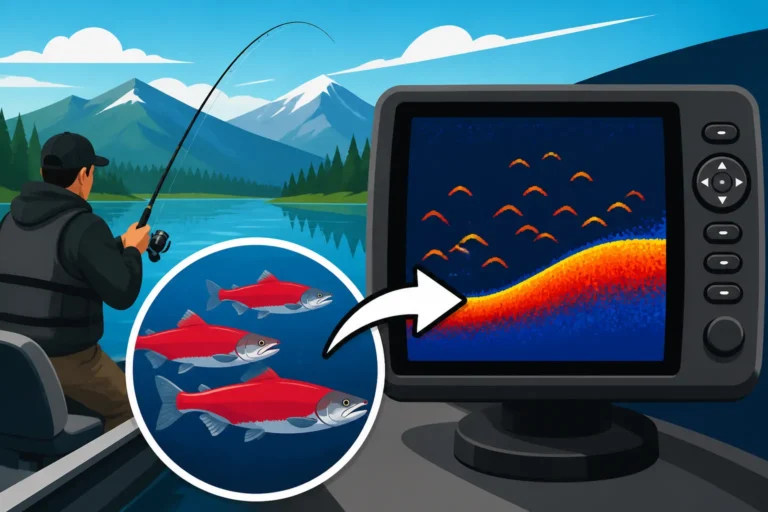
Winter fish, whether under ice or in cold open water, are typically less active and often feed more subtly. Your presentations need to be slow, subtle, and appealing. For ice fishing, small jigs (tear drops, tungsten jigs) tipped with bait like maggots, wax worms, or a small piece of PowerBait are incredibly effective for panfish, perch, and trout. Small spoons or blade baits, jigged gently, can also entice bites. Sonar flasher units are invaluable for ice fishing, showing you fish activity and your lure's depth in real-time.
For open-water winter fishing on rivers and lakes, slower presentations are still key. Drifting bait (worms, roe) or small nymphs under an indicator can be productive for trout in rivers. On lakes, slow-trolling small spoons, minnow-imitating crankbaits, or jigging spoons can work for lake trout and other species holding in deeper water. Live bait, if permitted, can also be very effective for lethargic winter fish. In general, think small, subtle, and slow, and don't be afraid to experiment with different colors until you find what triggers a bite.
Year-Round Essentials: The Non-Negotiables
Beyond the seasonal specifics, there’s a core set of gear that every Idaho angler needs, regardless of the time of year or the species they’re targeting. These are the foundational items that ensure you’re legal, safe, and generally prepared for any fishing outing. Skipping these essentials isn’t just inconvenient; it can be dangerous or even illegal.
Licensing, Safety, and First Aid
First and foremost, you absolutely need a valid Idaho Fishing License Guide. No matter your age (unless very young) or where you plan to fish, having the correct license and any necessary permits (like an Idaho Salmon and Steelhead Permit) is the law. Carry it with you always, along with photo identification. You can check our article on Idaho Fishing License Cost Guide for details on various options.
Safety gear is also paramount. A basic first-aid kit, suitable for minor cuts, scrapes, and emergencies, should be in your pack. Include items like bandages, antiseptic wipes, pain relievers, and any personal medications. A multi-tool or knife is invaluable for cutting line, making repairs, or other tasks. A headlamp or flashlight is crucial, even if you plan to be back before dark, as unexpected delays can occur. For boaters, a personal flotation device (PFD) for every person on board is legally required and vitally important for safety. A whistle or signal mirror can be useful for attracting attention in an emergency. Always let someone know your float plan, where you're going, and when you expect to return, especially for remote trips.
General Tools and Accessories for Every Trip
Even the most minimalist angler benefits from a few core tools. A good pair of fishing pliers is indispensable for removing hooks (especially from toothy fish), cutting wire, and crimping sleeves. Line clippers or small scissors are also necessary for tying knots and making adjustments. A tape measure or ruler is vital for ensuring your catch meets legal size limits. A small tackle box or bag to organize your various lures, weights, hooks, and swivels will save you a lot of frustration.
Don’t underestimate the value of a good net, especially if you plan to keep fish or want to ensure a safe release. A rubberized net is often preferred as it's gentler on fish and less likely to tangle hooks. A stringer or cooler is needed if you plan to harvest your catch. And, perhaps most overlooked, a reliable pair of polarized sunglasses will not only protect your eyes but also dramatically improve your ability to spot fish and submerged structure. Finally, consider a portable power bank to keep your phone charged, as it can be crucial for navigation, communication, or checking regulations. Many anglers find a lot of these smaller, essential items readily available on platforms like Amazon.
Choosing the Right Gear for Specific Idaho Fish Species
Idaho is home to an incredible array of fish species, each with its own preferred habitats, feeding behaviors, and fighting styles. While much of the gear mentioned above is adaptable, really dialing in your setup for a specific species can dramatically increase your success. Understanding these nuances is part of the art of becoming a truly skilled angler.
Trout-Specific Gear Considerations
When targeting trout, whether they are rainbow, cutthroat, brook, or brown, the general rule is often to go lighter. Trout tend to be line-shy in clear water, and delicate presentations are often key. For river trout, light spinning gear with 4-6 lb test or a 3-5 weight fly rod is standard. For larger lake trout (Mackinaw) in deep lakes like Priest Lake or Lake Pend Oreille, you'll need heavier gear – medium-heavy spinning or baitcasting rods, often spooled with braided line and a fluorocarbon leader, to handle the heavy weights needed to get deep and the powerful runs of a trophy Mack.
Lure and fly selection for trout is vast, but generally revolves around imitating insects (flies), small baitfish (spinners, spoons, small jerkbaits), or trout eggs (egg patterns, PowerBait). The size of the water you're fishing will also dictate gear: small mountain streams call for ultralight, shorter rods, while larger rivers allow for longer, more versatile setups. Always be mindful of the habitat; trout in high-gradient, fast-flowing rivers will respond differently than those in slow, meandering spring creeks. You can learn more about specific trout species in our Idaho Trout Limits by Water article.
Steelhead and Sturgeon Gear Nuances
Steelhead, as discussed, require robust gear to handle their migratory power. The critical aspect here is a strong, smooth drag on your reel and the ability to effectively present your bait or fly in strong currents. Often, this means longer rods for better line control, heavier line, and strong leader material. Steelhead are known for blistering runs and acrobatic jumps, so gear failure is not an option.
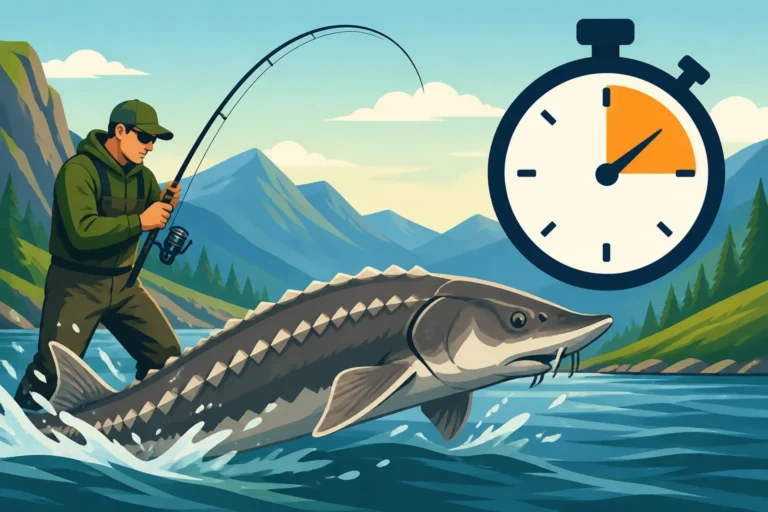
Sturgeon fishing on the Snake River, on the other hand, is an entirely different beast. These ancient, massive fish require specialized, heavy-duty tackle. We're talking about extremely strong rods (heavy to extra-heavy saltwater-grade rods are often used) paired with large, conventional reels spooled with 80-150 lb braided line. Your terminal tackle needs to be equally stout: heavy swivels, large circle hooks, and several ounces of lead to hold bait on the bottom. Since sturgeon fishing is almost exclusively catch-and-release and often requires barbless hooks, the focus of your gear is on safely landing and quickly releasing these giants. This is not a fishery where you can "get by" with trout gear; it's a dedicated setup for a dedicated pursuit. Understanding these specific requirements will ensure you're ready for the fight of a lifetime, or you can consider booking with one of the dedicated Sturgeon Fishing Guides on the Snake River.
Budgeting for Your Idaho Fishing Gear
Let's be real: fishing can be an expensive hobby. Rods, reels, waders, lures—it all adds up quickly. But it doesn't have to break the bank, especially when you're just getting started or trying to round out your seasonal kit. Smart budgeting and knowing where to invest your money can help you build an effective gear collection without feeling the pinch too hard.
Smart Spending: New vs. Used Gear
One of the best ways to manage your budget is to be strategic about what you buy new and what you're willing to buy used. Items like lines, leaders, and hooks are almost always best bought new for reliability and safety. The same goes for high-performance items like waders, where new technology offers better breathability and durability. However, rods, reels, and even some lures can often be found in excellent condition on the used market. Local fishing forums, Facebook Marketplace, consignment shops, and even garage sales can yield incredible deals on quality gear that still has years of life left.
When buying used, always inspect items carefully. Check rod guides for cracks, reel handles for play, and make sure waders don't have obvious leaks (though a small pinhole can be patched). Sometimes, older, higher-end gear will outperform newer, cheaper options. Another tip: don't feel pressured to buy everything at once. Build your kit over time, focusing on what you need for the species and seasons you plan to fish most often. A good entry-level combo will serve you well for general trout fishing, for example, before you invest in a specialized steelhead setup.
Where to Find Quality Gear
Idaho has some fantastic local fly shops and sporting goods stores that are absolute treasure troves of local knowledge and quality gear. Places like Cabela's, Sportsman's Warehouse, or your local independent fishing shop are excellent for hands-on advice and seeing gear in person. They can often provide hyper-local tips on what's biting and what gear is currently working best on specific rivers or lakes. This local expertise is invaluable, especially for newcomers to Idaho fishing.
For convenience and often competitive pricing, online retailers are also a great resource. Websites like Amazon offer a massive selection of everything from fishing apparel to specific lures and tackle. You can often find deals on multi-packs of flies or essential terminal tackle, stocking up on items that you'll use frequently. When buying online, make sure to read reviews and check return policies, especially for larger items like waders or expensive reels. It’s also worth noting that supporting your local shops whenever possible helps keep these vital community resources alive and thriving.
Disclaimer
Please be aware that fishing regulations, seasons, and licensing requirements in Idaho are subject to change by the Idaho Department of Fish and Game. Always consult the most current official Idaho fishing regulations brochure or visit the Idaho Fish and Game website before heading out on any fishing trip. This guide is for informational purposes only and should not be considered a substitute for official regulations. Stay safe and enjoy your time on Idaho's beautiful waters!