Best Time of Year to Fish in Idaho
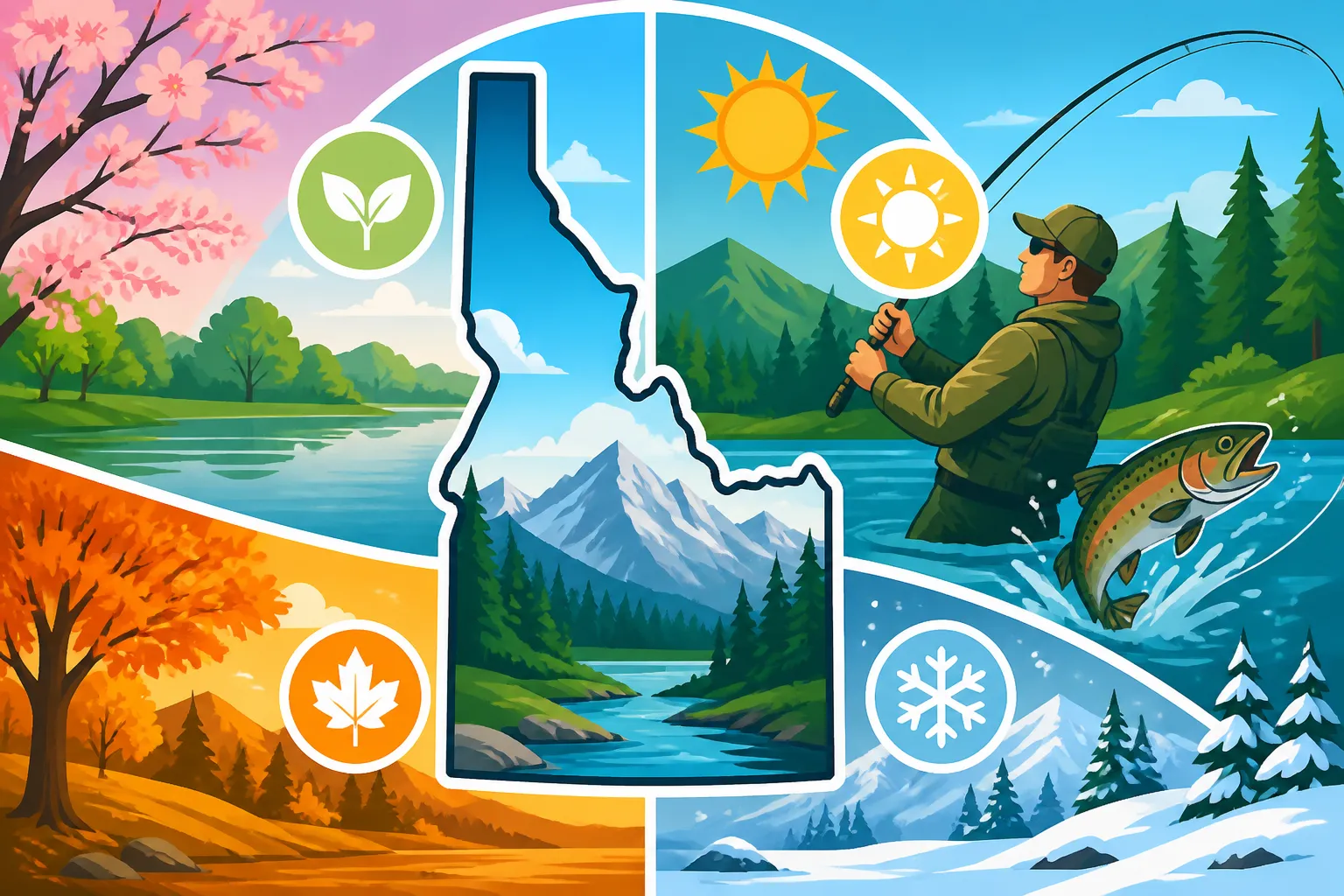
Trying to figure out the absolute best time to cast a line in Idaho can feel a bit like chasing a phantom. With our incredible diversity of waters, from high mountain lakes to vast rivers and sprawling reservoirs, there's always something biting. But if you're like most anglers, you want to maximize your chances, target specific species, and avoid the frustration of showing up when conditions are less than ideal. This comprehensive guide will break down Idaho's fishing seasons, helping you pinpoint the prime windows for your next adventure.
Spring Fishing in Idaho: The Awakening Waters
Spring in Idaho is a time of transition, a slow thaw that breathes new life into our rivers and lakes. It can be a challenging yet incredibly rewarding season, demanding adaptability from anglers as water conditions fluctuate wildly. From ice breaking up to roaring runoff, every week brings a different set of opportunities and hurdles.
Early Spring: Ice-Out Opportunities and Runoff Challenges
When the ice finally relents on Idaho's lower elevation lakes and reservoirs, usually in late March or early April, it signals the start of a fantastic fishing window. Think about places like Lake Lowell near Nampa, or even parts of Lake Coeur d'Alene in the Panhandle. Fish that have been lethargic under the ice suddenly become active, eager to feed after a long, cold winter. This period, often called "ice-out," can be prime for targeting species like rainbow trout, perch, and even early crappie. Anglers often find success by fishing shallower areas where the water warms first, and bait or slow-moving lures can be deadly effective.
However, as spring progresses, especially from mid-April through May, runoff becomes the dominant factor, particularly in our major river systems. Snowmelt from the mountains swells rivers like the Salmon, Clearwater, and Snake, turning them into churning, muddy torrents. This dramatic increase in water volume and turbidity can make fishing extremely difficult, if not impossible, on many stretches. Visibility drops to near zero, and fish seek refuge in slower pockets and eddies. While challenging, some dedicated anglers still find success by focusing on tributary mouths where clearer water might enter, or by using heavy gear and bright, scent-laden baits in slower, deeper holes. It's a true test of patience and local knowledge, and it’s critical to keep a close eye on stream flows and clarity before heading out.
Late Spring: Warming Waters and Spawning Runs
As the peak runoff subsides, typically by late May or early June in many areas, the waters begin to clear and warm up. This is when things really start to hum. Many of Idaho's numerous ponds and smaller lakes, especially those managed by Idaho Fish and Game, are heavily stocked with rainbow trout in late spring. These "put-and-take" fisheries offer excellent opportunities for families and beginners. Places like those designated in the "Idaho Fishing Rules for Kids and Families" become buzzing with activity, offering easy access and consistent catches.
Beyond the stocked waters, late spring also ushers in significant spawning runs for various species. For example, some resident trout in rivers and streams will be in their post-spawn recovery, often hungry and aggressively feeding to regain strength. In certain reservoirs, smallmouth bass begin their spawning rituals, making them more predictable and aggressive. This is also a crucial time for migratory species. The tail end of the winter steelhead run in rivers like the Clearwater can still offer thrilling opportunities, as these powerful fish continue their journey upstream. Checking the Idaho Fishing Season Dates and Limits is absolutely essential during this dynamic period, as regulations can be highly specific and change based on fish migration and conservation needs.
Target Species and Techniques for Spring
In early spring, right after ice-out, focus on panfish like perch and crappie in shallower bays using small jigs tipped with bait, or even a classic worm under a bobber. Rainbow trout in lakes and reservoirs will hit PowerBait, worms, or small spinners. As runoff peaks, if you decide to brave the rivers, think heavy lead and strong scents for species that are still active, typically in calmer backwaters.
When late spring arrives and waters clear, the options explode. For stocked rainbow trout, anything from corn and marshmallows to small spoons and inline spinners will work. Bass anglers will find success with jigs, soft plastics, and crankbaits fished near structure in warming reservoir waters. Fly anglers might start to see the first significant insect hatches on some of the clearer rivers, offering opportunities for nymphing and, eventually, dry fly fishing. Even for river-dwelling species like whitefish or bull trout (which must be released), the clearer water provides better chances with appropriate techniques. For those looking to target the tail end of the steelhead season, drift fishing with roe or small jigs is a popular and effective approach. Many anglers will also be outfitting their boats with new gear for the upcoming season, often finding specific tackle, like specialized rods or reels, on Amazon for competitive prices.
Summer Fishing in Idaho: Long Days and Warm Waters
Summer is arguably the most popular time to fish in Idaho, drawing anglers from all walks of life to our vast array of waterways. The long, warm days and generally stable weather patterns create an inviting atmosphere, but successful summer fishing often hinges on understanding how fish react to increased temperatures and fishing pressure.
Early Summer: Post-Spawn Feasts and Hatchery Stocking
As June rolls around, most of Idaho's lower and mid-elevation waters are settled into their summer patterns. River flows are generally dropping and clearing from spring runoff, and water temperatures are steadily climbing. This period is fantastic for resident trout, bass, and panfish. Many species have completed their spring spawning rituals and are now actively feeding, often aggressively, to recover and build energy. It's a time of abundance, with insect hatches in full swing on many rivers and lakes, and baitfish populations flourishing.
This is also peak season for hatchery stocking across the state. Idaho Fish and Game works tirelessly to stock hundreds of lakes, reservoirs, and ponds with millions of trout, primarily rainbow trout. These stockings create exceptional opportunities for anglers of all skill levels, especially in designated family fishing waters and community ponds. You can often find detailed Idaho Fish Stocking Reports Explained online, which are invaluable for planning a trip to a recently stocked location. Whether you're using bait, lures, or flies, these freshly stocked fish are usually eager biters, making for high catch rates and happy anglers.
Mid-Summer: High Sun, Low Water, and High-Country Escapes
By July and August, Idaho's summer heat can really bake the lower elevations. River levels are typically at their lowest, and water temperatures can climb, especially in the larger, slower-moving rivers and shallow reservoirs. This can make fishing for cold-water species like trout a challenge during the middle of the day. Fish often become lethargic and seek refuge in deeper pools, shaded areas, or cool thermal refuges where springs or tributaries enter. Anglers targeting trout on rivers like the Boise River through town often shift their efforts to early mornings, late evenings, or even after dark to avoid the brightest, warmest parts of the day.
This mid-summer period, however, is prime time for species that thrive in warmer waters. Smallmouth bass, largemouth bass, and panfish like crappie, bluegill, and perch are incredibly active in reservoirs and warmer river stretches. It's also the absolute best time to access Idaho's magnificent high-mountain lakes. With mountain passes free of snow, anglers can hike or pack into remote alpine gems in the Sawtooths, White Clouds, or Selkirk Mountains. These pristine, cold-water lakes offer unparalleled opportunities for cutthroat, rainbow, brook, and even golden trout, often with breathtaking scenery and minimal fishing pressure. A lightweight backpacking rod and a selection of small spinners or dry flies can make for an unforgettable backcountry adventure.
Late Summer: Evening Bites and Cooling Trends
As August transitions into early September, you'll start to notice subtle changes in the air – cooler nights, shorter days, and perhaps the first hint of fall colors in the higher elevations. This late summer period can be fantastic, as fish begin to sense the approaching autumn and often feed more aggressively. While daytime temperatures can still be warm, the cooling nights mean water temperatures in rivers and lakes start to drop, making trout more active throughout the day.
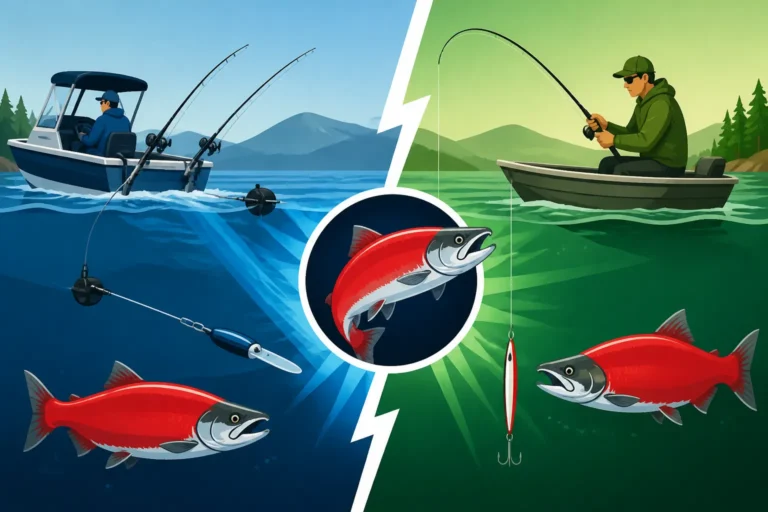
Evening hatches on rivers become more consistent, offering thrilling dry fly opportunities as trout eagerly rise to caddis, mayflies, and grasshoppers. Bass and panfish continue to be active, particularly in the mornings and evenings, and their behavior becomes a bit more predictable as they stage near deeper structure. This is also a great time to target larger predatory fish in reservoirs, as they begin to chase baitfish schools preparing for winter. Kokanee salmon on lakes like Lake Coeur d'Alene or Dworshak Reservoir will be nearing their spawning phase, often gathering in large schools, making them a fun and challenging target for trollers. Understanding these subtle shifts in fish behavior is key to success in late summer.
Fall Fishing in Idaho: Trophy Chasing and Vibrant Colors
Fall in Idaho is an angler's dream, a season often characterized by vibrant foliage, crisp air, and some of the most exciting fishing opportunities of the year. The cooling waters trigger aggressive feeding behaviors in many species and kick off the highly anticipated migratory runs of anadromous fish.
Early Fall: Aggressive Feeding and Pre-Winter Prep
As September progresses, the transition from summer heat to crisp autumn air becomes undeniable. Water temperatures drop consistently, revitalizing cold-water species like trout. This cooling trend signals to fish that winter is coming, prompting an instinctual drive to feed heavily and pack on calories. Trout in rivers and lakes become incredibly active, often willing to chase larger lures or flies than they would in the heat of summer. It's a fantastic time for both spin and fly anglers, with strong hatches still occurring on many rivers, alongside excellent streamer fishing opportunities.
Beyond trout, many other species are also in a pre-winter feeding frenzy. Bass in reservoirs will be schooling up and aggressively chasing baitfish, offering excellent action for anglers using crankbaits, jerkbaits, or various soft plastics. Perch and crappie in lakes like Lake Cascade or Lake Pend Oreille will also be schooling and can provide fast-paced action. The pleasant weather, combined with the fish's increased activity, makes early fall one of the most enjoyable times to be on the water. Many anglers start updating their tackle boxes and can often find a wide selection of fall-specific lures and baits on Amazon.
Peak Fall: Steelhead, Salmon, and Big Trout
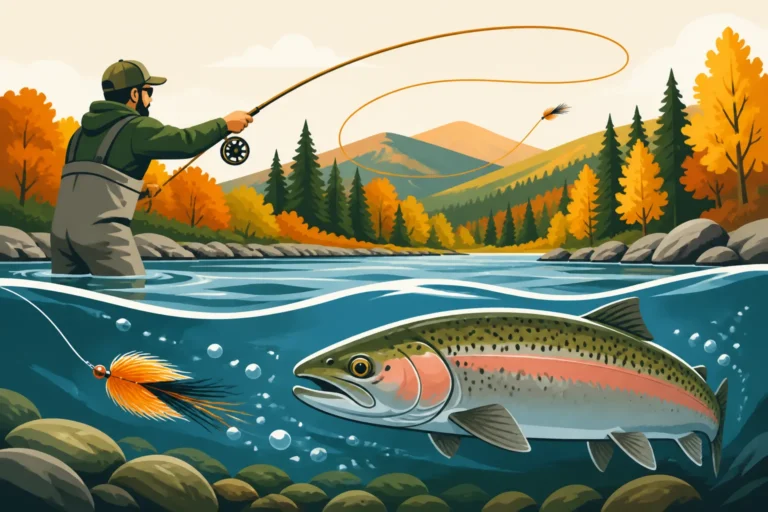
Mid-fall, typically October and November, is when Idaho truly shines for certain trophy species. This is the prime window for steelhead fishing, particularly on the famed Clearwater and Salmon Rivers. These incredible ocean-run rainbow trout embark on epic migrations, and their power and fight are legendary. Anglers travel from all over to intercept these fish, using techniques like drift fishing, bobber-dogging, and sometimes even spey casting. Understanding How to Fish for Steelhead in Idaho is crucial for success, and local guide services often have a very busy booking schedule during this peak period.
Additionally, certain fall Chinook salmon runs occur on the Salmon River and other designated waters, offering another exhilarating big-game fishing experience. These powerful salmon are often targeted by boat anglers using specific trolling or back-bouncing techniques. While regulations for Chinook are highly dependent on annual returns and can be quite restrictive, when the season is open, it provides a unique opportunity. On the still waters, Kokanee salmon will be in their full spawning glory on many lakes, turning vibrant red and making their final push into tributaries or shallow shorelines. This also translates to fantastic opportunities for predatory fish like bull trout (catch and release only) and rainbow trout, which will be gorging themselves on spawned-out Kokanee eggs and carcasses. The chance for a true trophy fish is elevated significantly during this time.
Late Fall: Winter Approaches and Last Chances
As November gives way to December, Idaho's fishing scene starts to quiet down, but don't hang up your waders just yet. While many fair-weather anglers retreat indoors, those willing to brave the colder temperatures can find rewarding "last chance" opportunities. Rivers will be cold and clear, and many trout will be holding in deeper, slower pools, but they can still be enticed by properly presented nymphs or streamers.
The winter steelhead run is typically just getting started on the lower reaches of the Clearwater and Salmon Rivers, offering a preview of the cold-weather excitement to come. While numbers might not be at their peak yet, the sheer anticipation and beauty of fishing these iconic rivers in late fall are unparalleled. High mountain lakes will be starting to freeze over, but lower elevation lakes and reservoirs may still offer open-water fishing, especially for species like perch or whitefish that remain active in colder conditions. This is a time for warm layers, sturdy boots, and a healthy dose of determination.
Winter Fishing in Idaho: Ice, Steelhead, and Solitude
Winter fishing in Idaho might sound daunting to some, but for dedicated anglers, it offers unique opportunities, peaceful solitude, and the chance to land some truly impressive fish. From hardwater adventures to chasing powerful anadromous species, Idaho's winter fisheries are diverse and exciting.
Ice Fishing Adventures
When cold temperatures persist and sufficient ice forms on many of Idaho's lakes and reservoirs, the hardwater season kicks off. Northern Idaho is particularly renowned for its ice fishing, with popular destinations like Payette Lake near McCall, Cascade Reservoir, and Priest Lake. Further south, Magic Reservoir and American Falls Reservoir also draw ice anglers. Target species include yellow perch, rainbow trout, crappie, and even kokanee salmon.
Ice fishing is a social and accessible form of angling, often involving portable shelters, propane heaters, and specialized short rods. Anglers drill holes through the ice and use small jigs, spoons, or dead bait to entice bites. The thrill of watching a transducer mark fish under the ice, then feeling that subtle tap on your line, is incredibly addictive. Many small ponds and community waters are also stocked specifically for ice fishing, offering great opportunities for families. Knowing How to Ice Fish in Idaho safely and effectively is paramount, always prioritizing ice thickness and stability.
Winter Steelhead Runs
While fall gets a lot of attention for steelhead, the winter months, from December through March, can be just as, if not more, productive for these incredible fish. The Clearwater River, in particular, is famous for its robust A-run and B-run steelhead populations that push into the system during the colder months. The Salmon and Snake rivers also offer excellent winter steelhead fishing. These fish are powerful, resilient, and present a formidable challenge to anglers willing to brave the cold.
Techniques often revolve around drift fishing with bait like roe or cured prawns, jigging under a bobber, or back-trolling plugs from a boat. The clear, cold water of winter rivers can make steelhead a bit more finicky, but when you hook into one, the fight is unforgettable. Solitude is often a bonus during winter steelhead trips, as fewer anglers are out on the water. However, access can be a challenge with snow and ice, so a reliable vehicle and proper cold-weather gear are essential. For a deeper dive, check out our guide on When Idaho's Steelhead Season Runs Through the Winter.
Open Water Opportunities and Cold-Weather Tactics
Even when much of Idaho is locked in winter's grip, there are still open water fishing opportunities. Tailwaters below dams, such as the North Fork of the Boise River below Anderson Ranch Dam or parts of the Snake River below Hells Canyon Dam, often remain ice-free due to warmer, moving water. These sections can provide excellent fishing for trout, whitefish, and even some bass species that tolerate colder temperatures.
Rivers running through population centers, like sections of the Boise River or the Snake River near Twin Falls, also frequently stay open and fishable, especially on warmer winter days. Anglers targeting trout in these open waters will often find success with nymphs, streamers, or small jigs fished slowly and deep. The key to successful cold-weather fishing is proper preparation: dressing in warm layers, bringing hot drinks, and understanding that fish metabolism slows down, requiring a more patient and subtle approach. Fishing in winter is less about high numbers and more about the beauty of the landscape and the satisfaction of a hard-earned catch.
Understanding Idaho's Fishing Calendar: Key Species by Month
Idaho's fishing calendar is a rich tapestry, with different species and locations offering prime opportunities throughout the year. Understanding these patterns is key to maximizing your success and planning trips that align with your fishing goals.
Monthly Breakdown for Key Species
Let's look at a general, month-by-month overview, keeping in mind that conditions can vary greatly based on elevation, specific water bodies, and annual weather patterns.
- January-February: Prime ice fishing for perch, trout, crappie on frozen lakes (Payette Lake, Cascade Reservoir, Magic Reservoir). Excellent winter steelhead on Clearwater, Salmon, and Snake rivers. Limited open-water river fishing for trout in some tailwaters.
- March: Ice-out begins at lower elevations, offering early opportunities for trout and perch. Winter steelhead continues. Runoff can begin to pick up towards the end of the month.
- April: Widespread ice-out. Trout stocking begins in earnest. Rivers still susceptible to runoff, but some can offer good trout fishing, particularly in clearer sections. Bass and panfish start to stir in warmer lakes.
- May: Peak runoff for many rivers, making river fishing challenging. Excellent trout fishing in stocked ponds and lower elevation lakes. High mountain lakes still often inaccessible due to snow. Smallmouth bass spawning begins in some reservoirs.
- June: River levels begin to drop and clear. Great all-around trout fishing on rivers and lakes. Bass and panfish highly active. Early high-mountain lake access in some areas. First Chinook salmon runs might begin depending on river systems and regulations.
- July: High summer. Prime time for high-mountain lakes. Best warm-water fishing for bass, crappie, perch in reservoirs. Early morning/late evening for river trout. Kokanee active in deep water on large lakes.
- August: Continues summer patterns. Warmer water in lower rivers, pushing trout to deeper, cooler areas. Excellent bass and panfish. Kokanee begin staging for spawning in large lakes.
- September: Early fall transition. Trout become more active throughout the day. Bass and panfish in pre-winter feeding frenzy. Start of fall steelhead runs on Clearwater, Salmon, Snake rivers. Kokanee spawning begins, attracting predators.
- October: Peak fall. Excellent steelhead fishing. Aggressive trout feeding in rivers and lakes. Fall Chinook salmon (where seasons allow). Kokanee spawning continues.
- November: Late fall. Steelhead continue strong. River trout fishing remains good but slows down with colder temps. Ice begins to form on higher elevation lakes. Last chances for open-water bass/panfish.
- December: Winter arrives. Ice fishing becomes widespread. Winter steelhead runs in full swing. Limited open-water river fishing.
Prime Windows for Specific Fisheries
Instead of thinking generally, consider specific target species and their optimal conditions:
- Steelhead: Fall (September-November) and Winter (December-March) are the premier times. The Clearwater River's A-run typically peaks in October/November, with B-run fish arriving later, often peaking from January-March. The Salmon River also offers excellent fall and winter fishing. Our Idaho Steelhead Fishing Guide provides even more detail.
- Chinook Salmon: Highly regulated and dependent on annual returns, but typically early to mid-summer for spring/summer Chinook, and fall for fall Chinook, primarily on the Salmon River system. Always check the Idaho Chinook Salmon Fishing Guide for the most current information.
- Kokanee Salmon: Trolling is excellent from summer (July-August) when they are in deep water. Fall (September-October) is prime for targeting them as they stage and spawn, turning vibrant red. Lake Coeur d'Alene is a classic spot for this. For specific techniques, look at How to Fish for Kokanee in Idaho.
- Trout (Rainbow, Cutthroat, Brown, Brook):
- Rivers: Late spring (late May-June) as runoff subsides, and fall (September-October) for aggressive feeding. Early summer and late summer (mornings/evenings) are also good.
- Lakes/Reservoirs: Spring (April-May) for stocked fish and ice-out. Summer for high-mountain lakes. Fall (September-October) for larger, aggressive trout.
- Bass (Smallmouth, Largemouth): Late spring (May-June) during spawn, and summer (July-August) for active feeding in warmer waters. Early fall (September) for pre-winter schooling action.
- Perch/Crappie: Ice-out (March-April) in lakes, and fall (September-November) as they school up. Excellent through the ice in winter (January-February).
Navigating Regulations and Seasons
It cannot be stressed enough: Idaho's fishing regulations are highly dynamic and specific, often varying by river section, lake, and even time of year. What's legal on one stretch of the Snake River might be completely different just a few miles downstream. Seasons for migratory fish like steelhead and Chinook salmon are often set just before the run based on population forecasts and can change mid-season.
Before every single trip, you absolutely must consult the latest Idaho Fishing Regulation Brochure and Proclamation published by Idaho Fish and Game. This document is your bible. It will detail open seasons, bag limits, gear restrictions (e.g., barbless hooks, bait prohibitions), and special rules for specific waters. Ignoring these regulations can lead to hefty fines and loss of fishing privileges. Don't rely on old information or word-of-mouth; verify it yourself.
| Species | Prime Spring (Mar-May) | Prime Summer (Jun-Aug) | Prime Fall (Sep-Nov) | Prime Winter (Dec-Feb) | Key Waters |
|---|---|---|---|---|---|
| Rainbow Trout | Excellent | Good (High Mtns/AM/PM) | Excellent | Good (Ice/Open Rivers) | Stocked Ponds, Henry's Fork, Boise River, Lake Coeur d'Alene |
| Cutthroat Trout | Good (Post-runoff) | Excellent (High Mtns) | Excellent | Limited | St. Joe River, South Fork Snake, Sawtooth Lakes |
| Steelhead | Good (Tail end winter) | N/A | Excellent | Excellent | Clearwater River, Salmon River, Snake River |
| Chinook Salmon | N/A | Limited (Summer) | Limited (Fall) | N/A | Salmon River, Clearwater River |
| Kokanee Salmon | Limited | Good (Deep Trolling) | Excellent (Spawning) | Good (Ice) | Lake Coeur d'Alene, Dworshak Reservoir, Payette Lake |
| Smallmouth Bass | Good | Excellent | Excellent | Limited | Snake River, C.J. Strike Reservoir, Lake Lowell |
| Yellow Perch | Excellent (Ice-out) | Good | Excellent | Excellent (Ice) | Cascade Reservoir, Lake Coeur d'Alene, American Falls |
| White Sturgeon | Good | Good | Good | Good | Snake River (Catch & Release Only) |
Regional Variations: North, Central, and South Idaho
Idaho's vast and varied landscape means that "the best time to fish" can differ significantly depending on which part of the state you're in. From the dense forests and deep lakes of the Panhandle to the high desert rivers of the south, each region offers distinct seasonal advantages.
North Idaho: Panhandle Lakes and Rivers
North Idaho, often referred to as the Panhandle, is characterized by its massive, deep lakes like Lake Coeur d'Alene, Lake Pend Oreille, and Priest Lake, alongside numerous smaller lakes and rivers like the St. Joe and the Clearwater. This region tends to experience a longer winter with significant snowfall, meaning ice fishing is a major draw for several months.
- Spring: Ice-out on the big lakes (March-April) kicks off excellent fishing for trophy rainbow trout on Lake Pend Oreille and lake trout on Priest Lake. Rivers like the St. Joe start to clear after runoff (late May-June) for cutthroat trout. Steelhead fishing on the Clearwater can extend into spring.
- Summer: Peak for all species. Trolling for kokanee and chinook on Lake Coeur d'Alene, and mackinaw (lake trout) on Priest Lake. Fly fishing on the St. Joe River for cutthroat. Bass and panfish are active in smaller lakes and bays.
- Fall: Unquestionably prime for steelhead on the Clearwater River, drawing anglers from across the country. Aggressive rainbow trout feeding on Lake Pend Oreille. Kokanee spawning runs on Lake Coeur d'Alene and Dworshak Reservoir create incredible opportunities for predators.
- Winter: Excellent ice fishing for perch, crappie, and trout on lakes like Payette Lake and Cascade Reservoir. The Clearwater River remains a world-class destination for winter steelhead.
Central Idaho: High Mountain Streams and Wilderness Rivers
Central Idaho is the heart of Idaho's wilderness, dominated by the rugged Salmon River Mountains, the Sawtooth Range, and the vast Frank Church-River of No Return Wilderness. This region is home to iconic rivers like the Salmon, Middle Fork of the Salmon, and the South Fork of the Snake. Due to high elevations, seasons here often start later and end earlier.
- Spring: Runoff is a dominant factor, making most major rivers unfishable until late May or June. However, some lower tributaries or smaller streams might clear earlier.
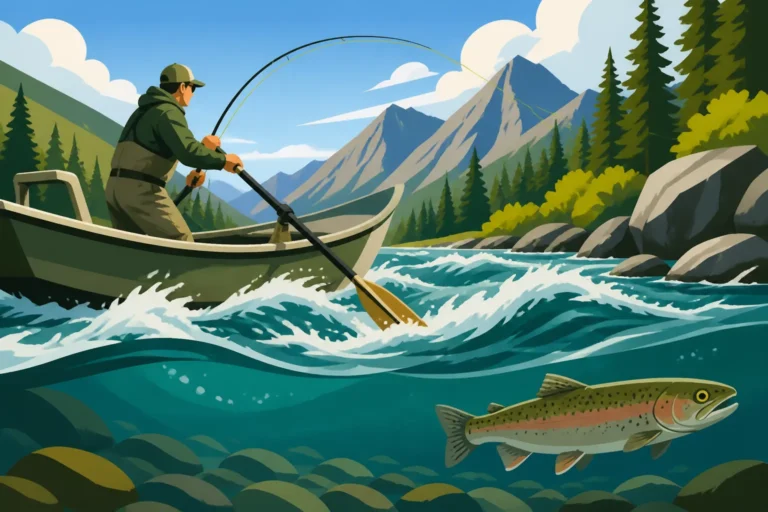
- Summer: This is the absolute prime window. High mountain lakes (July-September) are accessible and offer incredible fly fishing for cutthroat, rainbow, and brook trout. The Salmon River and its Middle Fork offer world-class wilderness float trips for trout, and later for Chinook salmon and steelhead (if in season). The South Fork of the Snake River provides exceptional float fishing for Yellowstone cutthroat trout.
- Fall: Steelhead runs on the Salmon River are a huge draw (September-November), offering intense action as these fish make their long journey. Trout in rivers are aggressively feeding. High mountain lake season begins to close as snow falls.
- Winter: Mostly inaccessible due to heavy snow and ice. Limited winter steelhead fishing on the lower Salmon River, but it requires serious dedication and preparation.
Southern Idaho: Snake River Plain and Reservoirs
Southern Idaho is characterized by the vast Snake River Plain, numerous large reservoirs, and fertile spring creeks. The fishing here is incredibly diverse, offering everything from trophy trout to massive sturgeon and warm-water species.
- Spring: Ice-out on reservoirs like C.J. Strike, Lucky Peak, and American Falls (March-April) kicks off excellent fishing for trout, perch, and bass. Trout stocking is widespread in community ponds and urban rivers like the Boise River.
- Summer: Warm-water species thrive. Excellent smallmouth and largemouth bass fishing on the Snake River and its reservoirs. Crappie, bluegill, and perch are abundant. The Henry's Fork of the Snake River offers world-renowned fly fishing for selective trout, though mid-day summer heat can make them challenging.
- Fall: Trout fishing on rivers like the Henry's Fork and Silver Creek can be exceptional as fish feed aggressively before winter. Bass fishing remains strong in reservoirs. Some anadromous fish (steelhead) can be targeted on the Snake River as they pass through towards upriver spawning grounds.
- Winter: Ice fishing on reservoirs like Magic Reservoir and American Falls. Open-water fishing for trout on the Boise River through town, and for whitefish on many rivers. Sturgeon fishing on the Snake River remains a year-round, catch-and-release opportunity. The Idaho Sturgeon Fishing Guide has more details.
Factors Influencing Fishing Success Beyond the Season
While understanding the best time of year is crucial, any seasoned angler will tell you that success on the water involves more than just the calendar. Several environmental factors play a significant role in how fish behave and how likely they are to bite.
Weather Patterns and Water Conditions
Idaho's weather can be famously unpredictable, and these fluctuations have a direct impact on fishing. A sudden cold front can shut down a bite, while stable, overcast conditions can often trigger aggressive feeding.
- Temperature: Water temperature is perhaps the most critical factor. Each fish species has an optimal temperature range for feeding and activity. Trout prefer colder water (typically 45-65°F), which is why they become sluggish in warm summer afternoons. Bass and panfish thrive in warmer water (65-80°F). Knowing the water temperature of your chosen spot can inform your species choice and tactics. You can often find current water temperatures for major rivers and lakes through USGS stream gauges or local fishing reports.
- Precipitation: Rain, within reason, can often improve fishing, especially on rivers, by increasing flow and washing insects and nutrients into the water. Heavy, prolonged rain, however, can lead to muddy runoff, making fishing very difficult. Snowfall can impact access during winter, but stable, cold weather with clear skies can make for excellent ice fishing.
- Wind: A gentle breeze can be a blessing, creating a "chop" on the water's surface that breaks up light and makes fish less wary. It can also concentrate baitfish and insects. Strong winds, however, make boat control difficult, casting challenging, and can create dangerous conditions on large lakes.
- Water Clarity: Fish rely on their sight to feed, so water clarity is paramount, especially for sight-feeding species like trout. Clear water often demands lighter lines, smaller baits, and a stealthier approach. Murky water, common during spring runoff or after heavy rains, usually requires brighter, scent-laden baits or lures that create strong vibrations. Understanding Reading Water on Idaho's Rivers can significantly improve your chances.
Hatches and Food Availability
Fish, especially trout, are opportunistic feeders that key in on available food sources. Being aware of insect hatches and baitfish movements can be a game-changer.
- Insect Hatches: For fly anglers, understanding the timing of aquatic insect hatches (mayflies, caddis, stoneflies) is fundamental. A strong hatch can bring even the most selective trout to the surface in a feeding frenzy. Different rivers and regions have different hatch schedules. For example, the Henry's Fork is famous for its prolific hatches throughout summer. Even spin anglers can benefit from matching the hatch by using lures that mimic prevalent insects or baitfish.
- Baitfish Movements: The presence and activity of baitfish (like minnows, shiners, or juvenile kokanee) will directly influence the location and feeding patterns of predatory fish. Bass, pike, and larger trout will follow and ambush schools of baitfish. Knowing where these schools are holding – often around submerged structure, weed beds, or points – can lead to explosive action.
- Other Food Sources: Terrestrial insects (grasshoppers, ants, beetles) become important food sources during summer and fall, especially on windy days when they fall into the water. Crayfish are a staple for bass and some trout in many Idaho waters. Even berries or small rodents that fall into the water can become targets for opportunistic fish.
Moon Phases and Barometric Pressure
While often debated, many experienced anglers believe that cosmic and atmospheric conditions can subtly, yet significantly, influence fish behavior.
- Moon Phases: Some anglers swear by moon phases, believing that fish activity is heightened during new or full moon periods, or specific times of the day corresponding to moonrise/moonset. The theory is often linked to tidal forces, which, even in landlocked waters, are thought to subtly affect fish. While not a universal truth, keeping an eye on the moon calendar might offer an edge, particularly for night fishing or targeting highly predatory species.
- Barometric Pressure: A change in barometric pressure, especially a falling barometer associated with an approaching storm front, is often cited as a trigger for increased fish activity. Fish, particularly those in shallower water, are thought to feel these pressure changes and respond by feeding aggressively before the weather turns. Conversely, a rapidly rising barometer after a front has passed can sometimes make fish more lethargic. While not always a precise science, paying attention to weather forecasts and understanding how pressure changes might affect fish can help you time your outing more effectively. Many advanced fishing apps now even provide barometric pressure trends, allowing anglers to leverage this information.
Planning Your Idaho Fishing Trip: Timing It Right
Putting all this information together to plan your ultimate Idaho fishing trip can feel like a big puzzle. But by considering your target species, preferred techniques, and desired experience, you can absolutely time your visit for maximum enjoyment and success.
Matching Species to Season
The first and most important step is to decide what you want to catch. Are you dreaming of a trophy steelhead? Pounding the banks for bass? Or simply looking to catch a few rainbow trout with the kids?
- For Steelhead: Focus on fall (October-November) or winter (December-March) on the Clearwater, Salmon, or Snake rivers. These are specific fisheries that demand specific gear and techniques.
- For High Mountain Trout (Cutthroat, Brook): Plan for summer (July-September), when mountain passes are clear, and the fish are actively feeding on hatches. This often involves hiking or backpacking.
- For Bass (Smallmouth/Largemouth): Late spring (May-June) through early fall (September) on the Snake River and its many reservoirs. These fish love warmer water and are very active.
- For Kokanee Salmon: Late summer (August) for trolling in deep water, or fall (September-October) for shallow-water spawning runs on lakes like Coeur d'Alene or Dworshak.
- For General Trout Fishing (stocked ponds, urban rivers): Spring (April-June) and fall (September-October) are incredibly productive, with plenty of readily available fish.
- For Ice Fishing: Winter (January-February) on northern Idaho lakes like Payette Lake, Priest Lake, or Cascade Reservoir.
Once you have your target species in mind, you can then narrow down the best time of year. Don't try to fish for high mountain cutthroat in January or expect to land a steelhead in the middle of July. Our Idaho Fishing Season Calendar offers a great overview to get you started.
Consulting Idaho Fish and Game Resources
The Idaho Department of Fish and Game (IDFG) is your ultimate resource for planning. They provide an incredible wealth of information that is regularly updated.
- Fishing Regulation Brochure: As mentioned, this is essential. Download and read the current year's brochure cover-to-cover. Pay attention to regional differences and special rules.
- Fish Stocking Reports: If you're targeting stocked trout, the IDFG website posts weekly stocking reports. This can tell you exactly which lakes and ponds were recently stocked, giving you a distinct advantage.
- Fishing Reports: Many regional IDFG offices provide weekly or bi-weekly fishing reports for local waters. These reports offer invaluable, up-to-date information on water conditions, what species are biting, and what techniques are working.
- Website and Social Media: The IDFG website is packed with information on species, fishing locations, access points, and educational materials. Follow their social media channels for real-time updates and news.
- Public Access Maps: IDFG often provides maps detailing public access points for rivers and lakes, including boat ramps, fishing piers, and shoreline access.
Leveraging these official resources will ensure you have the most accurate and current information, saving you time and preventing frustration on the water.
Gear Considerations for Each Season
Just as the fishing changes with the seasons, so too does the appropriate gear. Being prepared with the right equipment for the time of year and conditions will make your trip far more comfortable and successful.
- Spring: You'll need versatile gear. If battling runoff, heavier lines and weights are in order. If focusing on stocked lakes, lighter spinning gear or a medium-action fly rod works well. Waders are almost always a good idea for stream access, and waterproof outerwear is a must with unpredictable spring weather.
- Summer: Lighter clothing, hats, and plenty of sunscreen are essential. For high-mountain trips, consider a lightweight, packable rod. On open reservoirs, sunglasses are crucial to spot structure and fish. A cooler filled with water is non-negotiable.
- Fall: Layers are key. Mornings can be crisp, while afternoons might still be warm. Waterproof and windproof outerwear is critical, especially for boat fishing on larger rivers like the Clearwater for steelhead. Insulated waders or thick wading pants are advisable. Don't forget a warm hat and gloves.
- Winter: This is where proper attire makes or breaks a trip. Warm, waterproof, and breathable layers are paramount. Insulated boots, thermal socks, heavy-duty insulated gloves, and a warm hat that covers your ears are non-negotiable. For ice fishing, consider a portable shelter and a small heater. For winter steelhead, chest waders are essential, and often a reliable set of stud-soled wading boots provides necessary traction on icy banks. You can find robust, cold-weather apparel and specialized gear on Amazon to help you stay comfortable in Idaho's winter conditions.
By carefully considering the season, your target species, local regulations, and appropriate gear, you'll be well on your way to a fantastic Idaho fishing adventure, no matter when you decide to go!
Disclaimer
Please remember that fishing conditions, regulations, and fish behavior are subject to change. Always consult the latest Idaho Fish and Game regulations before heading out on the water. This guide is for informational purposes only and does not supersede official state regulations. Stay safe, be responsible, and practice ethical angling.